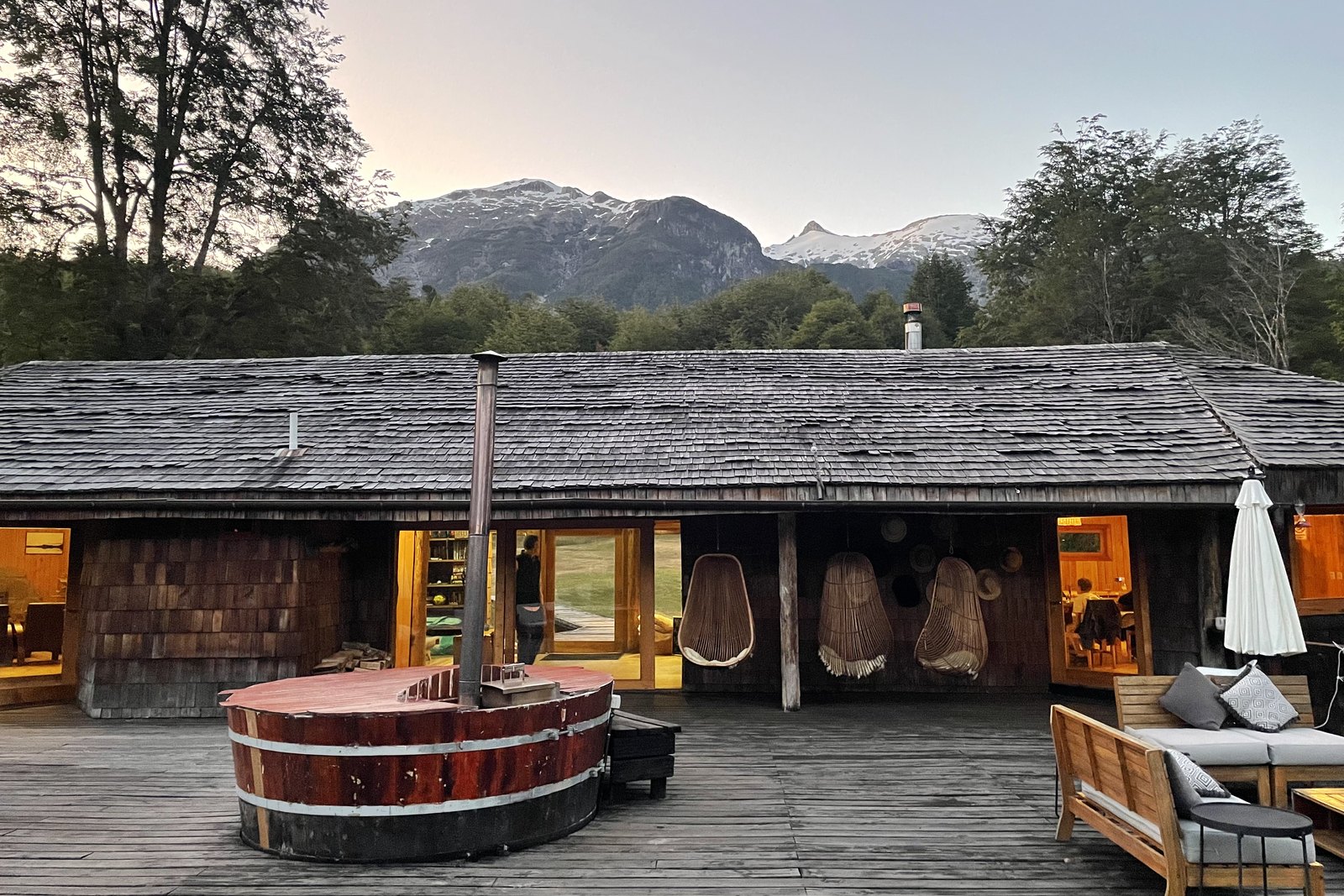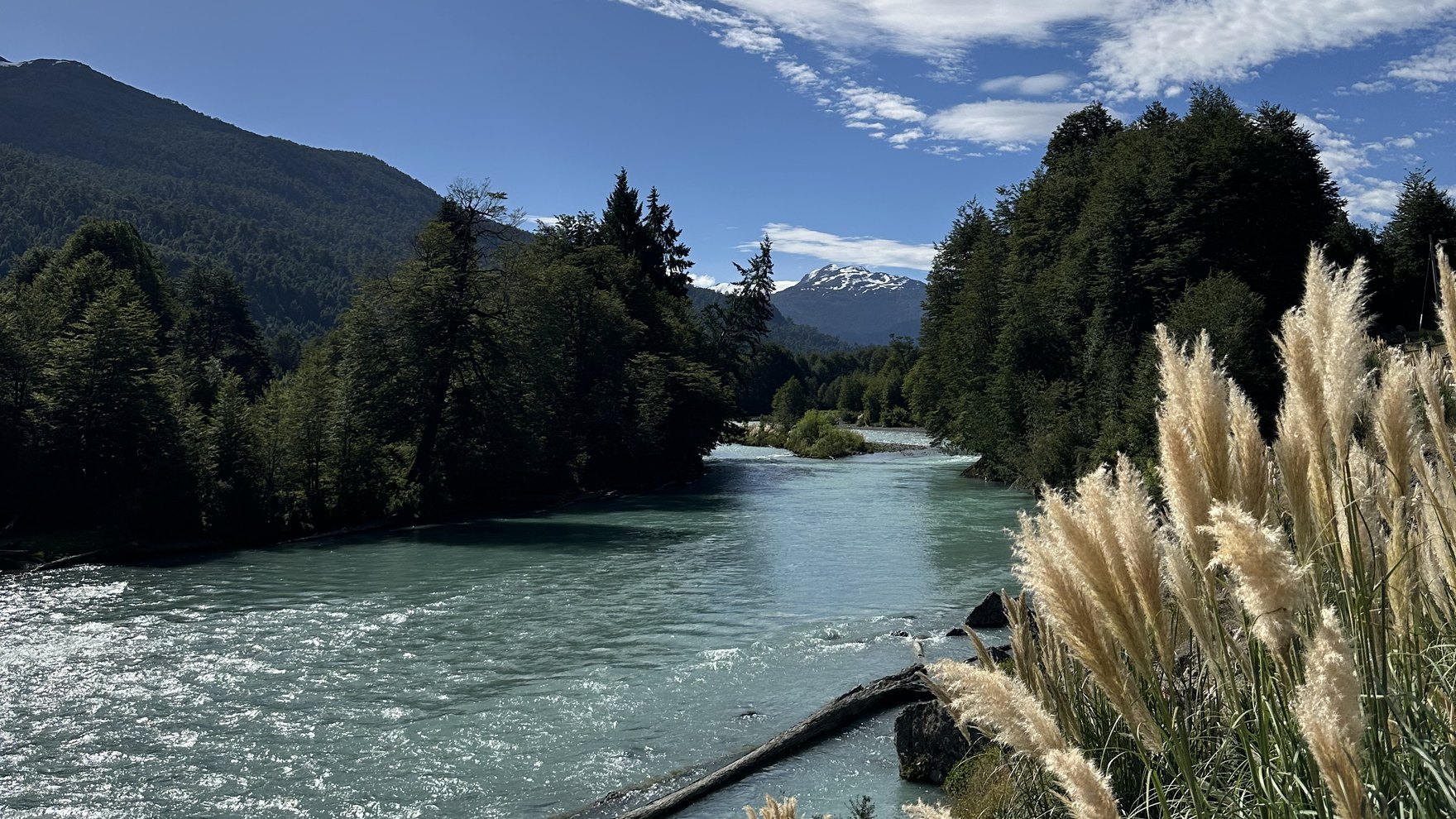
The Futaleufú runs off the Andes an electric glacial turquoise, a chain of Class V rapids with names like Terminator and Inferno Canyon, and at the end of a hard day on the water it sets rafters down at a wood-fired hot tub under snow peaks. The river takes you apart; the valley puts you back together.
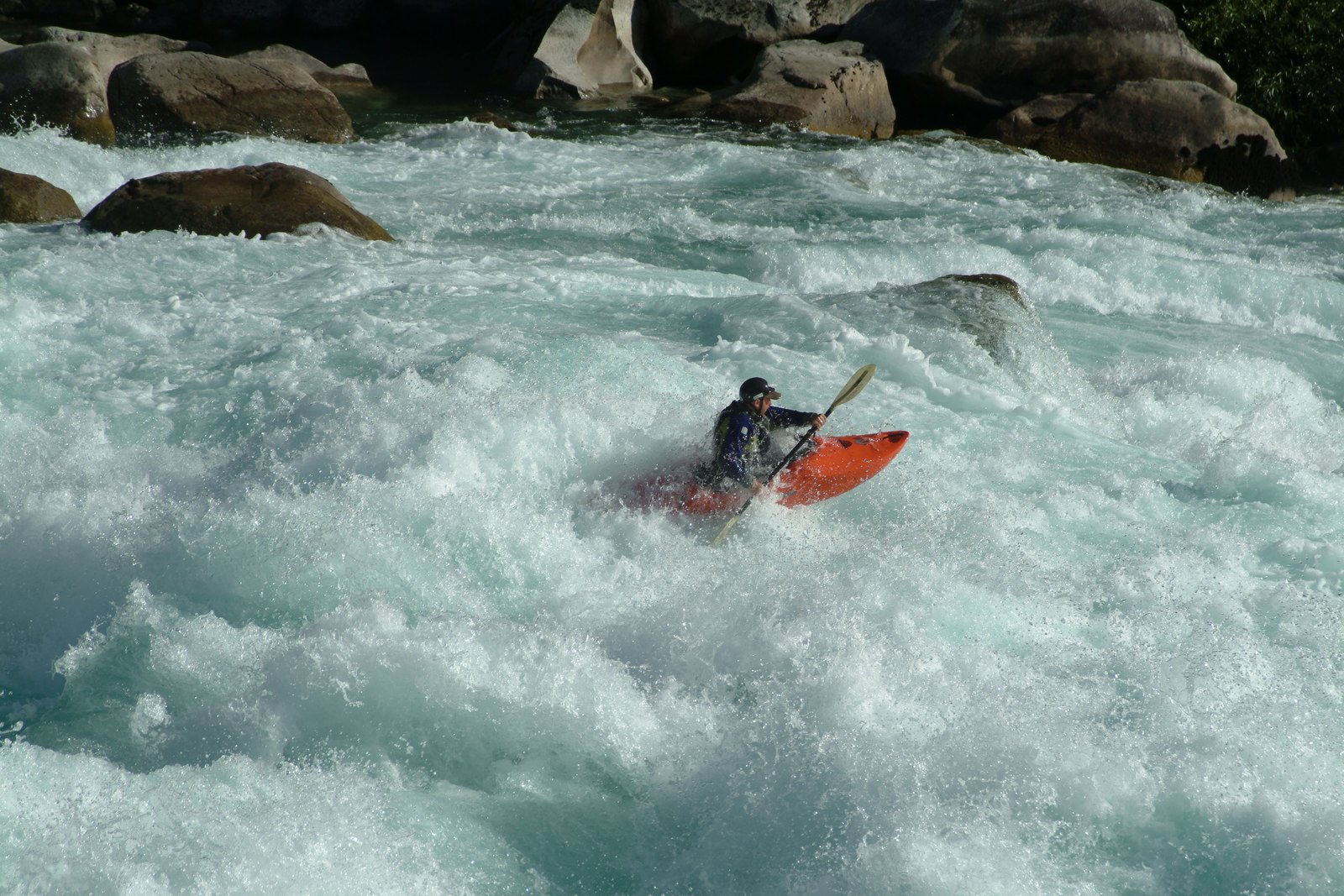
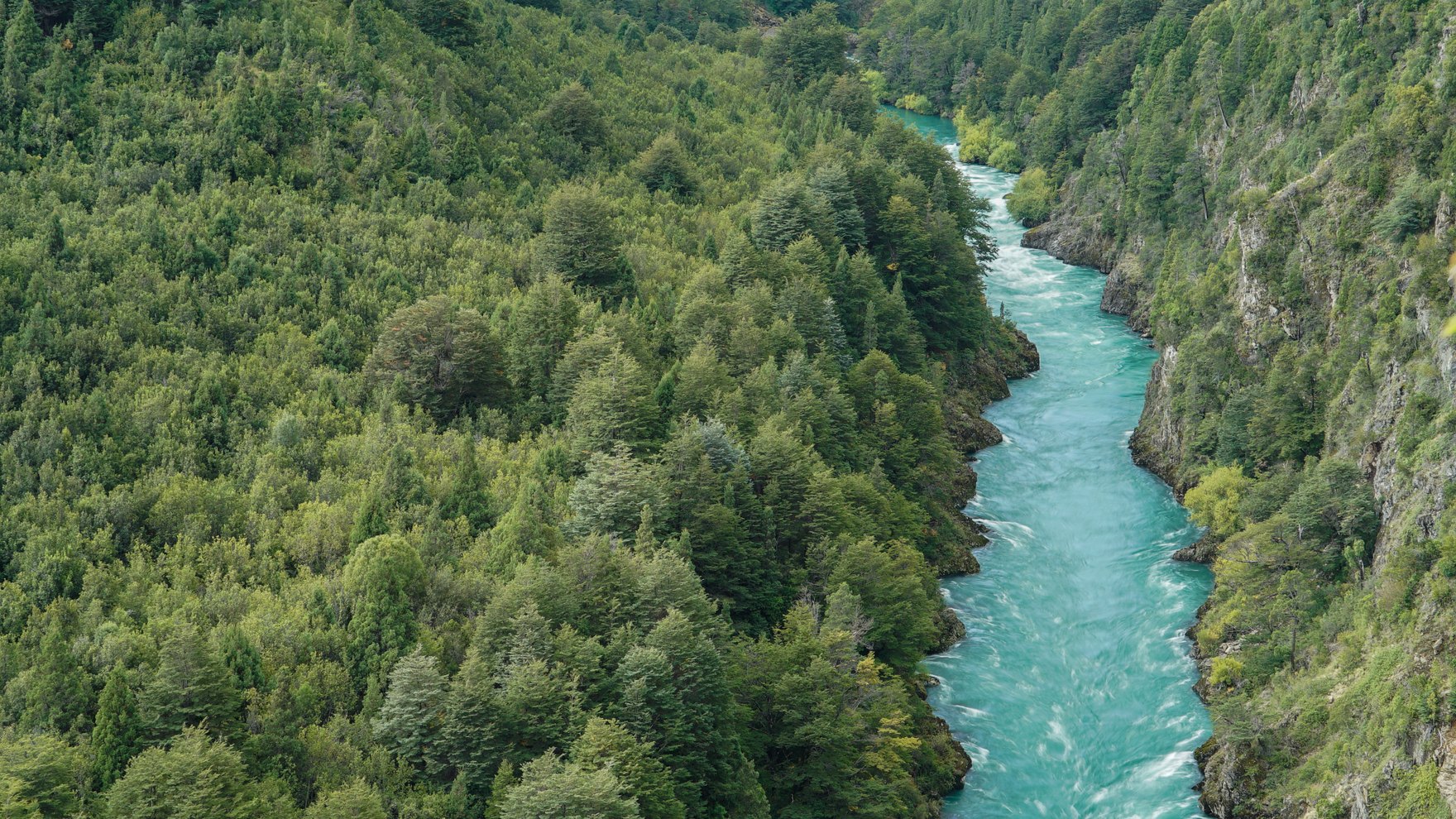
What sets it apart is the water itself. The Futaleufú runs an electric glacial turquoise, coloured by rock flour ground fine under old ice, through a granite gorge beneath the Andes. It is big, warm-season whitewater, Class IV to V, with house-sized waves and holes, and yet it is rafted commercially behind one of the most serious safety setups in the sport: safety kayakers in the eddies, a rescue cataraft running below, a swim test before anyone is let near the hard water. Expertise is not required. Respect is, and the reason is plain from the bank on the first morning, watching the river move.
It nearly vanished. The name is Mapudungun for "big river," and it does something rare, crossing the Andes the wrong way, rising in Argentina and running west into Chile before it empties into Lago Yelcho. For twenty years the Spanish utility Endesa held the rights to dam it and drown its best rapids, until a long fight by the town and the Futaleufú Riverkeeper forced the company to give those rights up; in 2025 Chile declared the river's flow protected for good. It is a river that was fought for, and rafted in that knowledge.
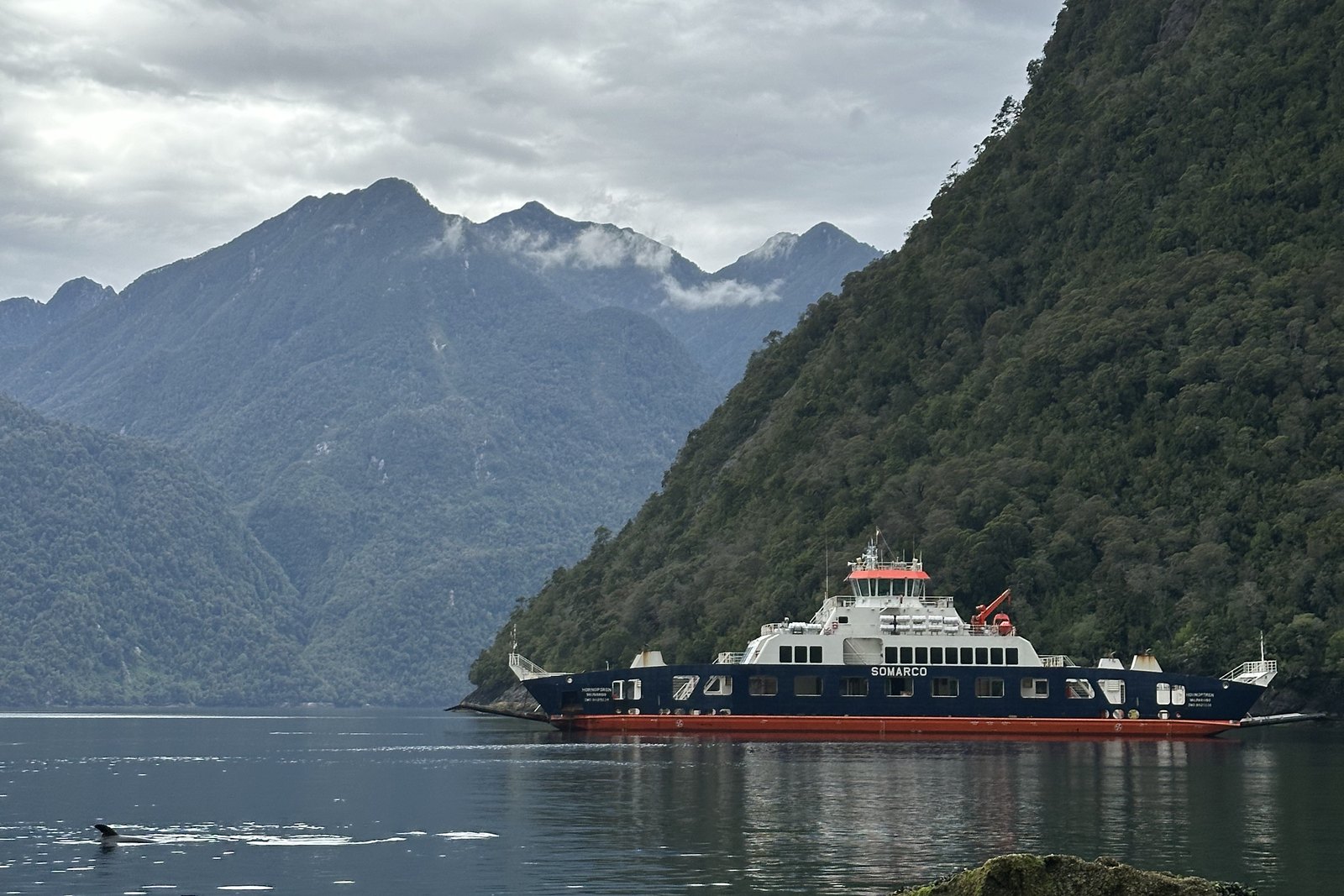
Getting there is the price of admission. The scenic approach is to fly to Puerto Montt and board the ferry south, a slow day down a coast of green islands and grey water, then drive the gravel Carretera Austral into the valley near the Argentine border. It is longer and far more beautiful than the alternative, which is to fly to Esquel in Argentina and cross at Paso Futaleufú an hour away; the Argentine crossing is the one to take for simplicity. The season runs December to March, with January and February bringing the warmest water and the biggest waves. Most rafters run the classic Bridge to Bridge section, Class III to IV+; the legends, Inferno Canyon and rapids like Zeta and Throne Room, stay expert-only and get portaged even on serious trips. Go with an established outfitter, never alone. For a base, Peuma Lodge is the place: a handful of dark-wood cabins above the valley, a sauna, the hot tub, chef-cooked Patagonian food, and hosts who book the river for you.
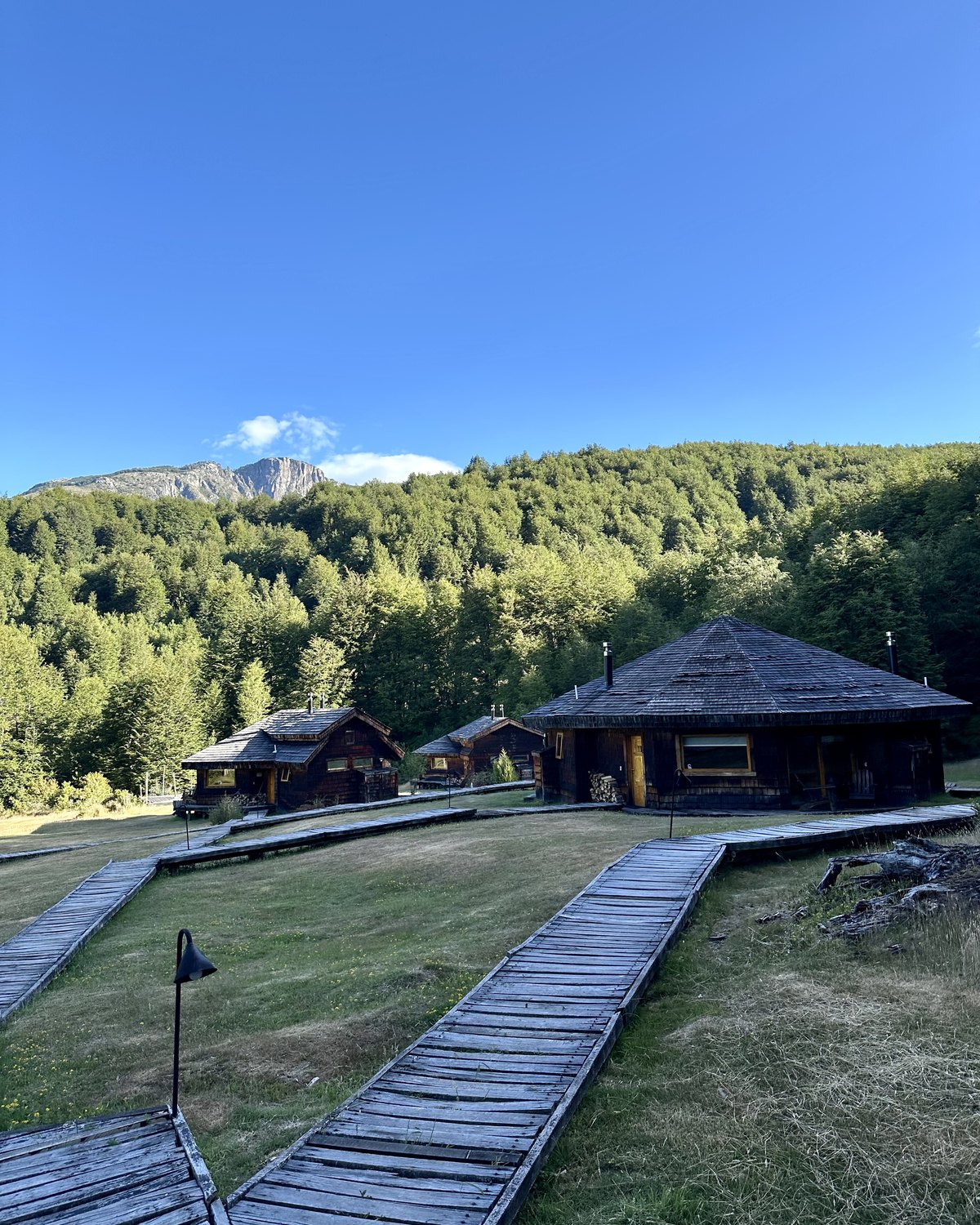
The long way in is worth the trouble. This is a river a fit beginner can raft under professional safety, in scenery that holds its own anywhere in Patagonia, in a valley that stays quiet precisely because it is hard to reach. Two things cannot be faked: the safety operation that makes Class V survivable for a guest, and a lodge good enough that the evenings would justify the trip on their own. It is a long way to go to be frightened on a river, and for the rafters who want exactly that, the distance is part of the appeal.
By dark, the day ends in the wood-fired tub on Peuma's deck: hands still aching from the cold of the river, a glass of Chilean red on the rail, the Futaleufú loud somewhere below in the trees. The sound that unsettles all day on the water turns companionable once the warmth comes back, and the only real question left is how soon to return.