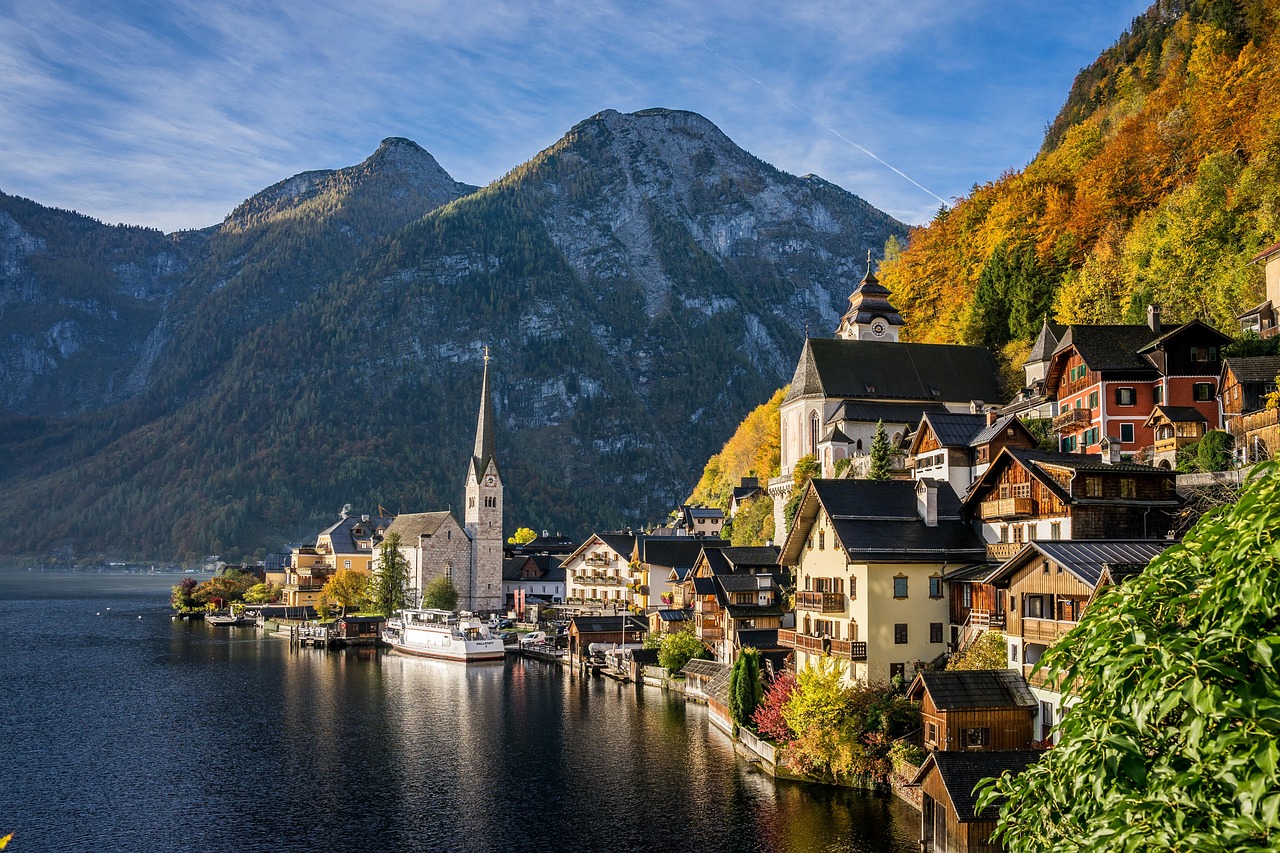
Salzwelten, the salt works on the Salzberg above the village, is shut. It has been closed through a full rebuild of its funicular railway, and the operator says it expects to be back in service in the summer of 2026 without committing to a day. That takes the funicular, the underground tour and the Skywalk platform out of the itinerary in a single stroke, and salt is the reason there is a village on this ledge at all.
People have been cutting it out of the mountain here for something like 7,000 years, since the Neolithic, which makes this the oldest working salt operation on earth by most reckonings. The village that grew underneath the workings had almost nowhere to grow into: a strip of shore roughly 511 metres above sea level, the Hallstattersee on one side and a wall of Dachstein limestone on the other. What could not spread sideways went up the slope, which is why the houses are stacked four and five deep above the waterline. UNESCO inscribed the whole valley in 1997 as the Hallstatt-Dachstein Salzkammergut cultural landscape, an inscription that covers the mine workings and the shoreline as one thing.
In 1846 a mine official named Johann Georg Ramsauer opened a prehistoric cemetery on the slope above the village and kept going for the rest of his working life. The site has given up more than a thousand graves, holding roughly two thousand individuals, and the finds were rich enough that the entire first age of European iron took the village's name. The Hallstatt culture runs from about 1200 to 450 BC across its phases, with the Iron Age stretch, roughly 800 to 450 BC, the part most people mean when they use the term. Archaeologists across Europe still measure their Iron Age finds against material dug out of this slope.
Salt is why any of it survived. Rock salt is a preservative on a geological timescale, and the galleries under the Salzberg have handed back things wood and leather have no business surviving as. A staircase found in the Christian von Tuschwerk workings in 2002 was dendro-dated to 1344 and 1343 BC, the oldest wooden staircase in Europe, its treads still crisp. In 1734 miners came across a man's body preserved in an abandoned tunnel. They carried him out of the mine and reburied him, so nothing of the Man in Salt survives to be studied. The staircase, left where it lay, does.
Salt keeps what it is left alone with.
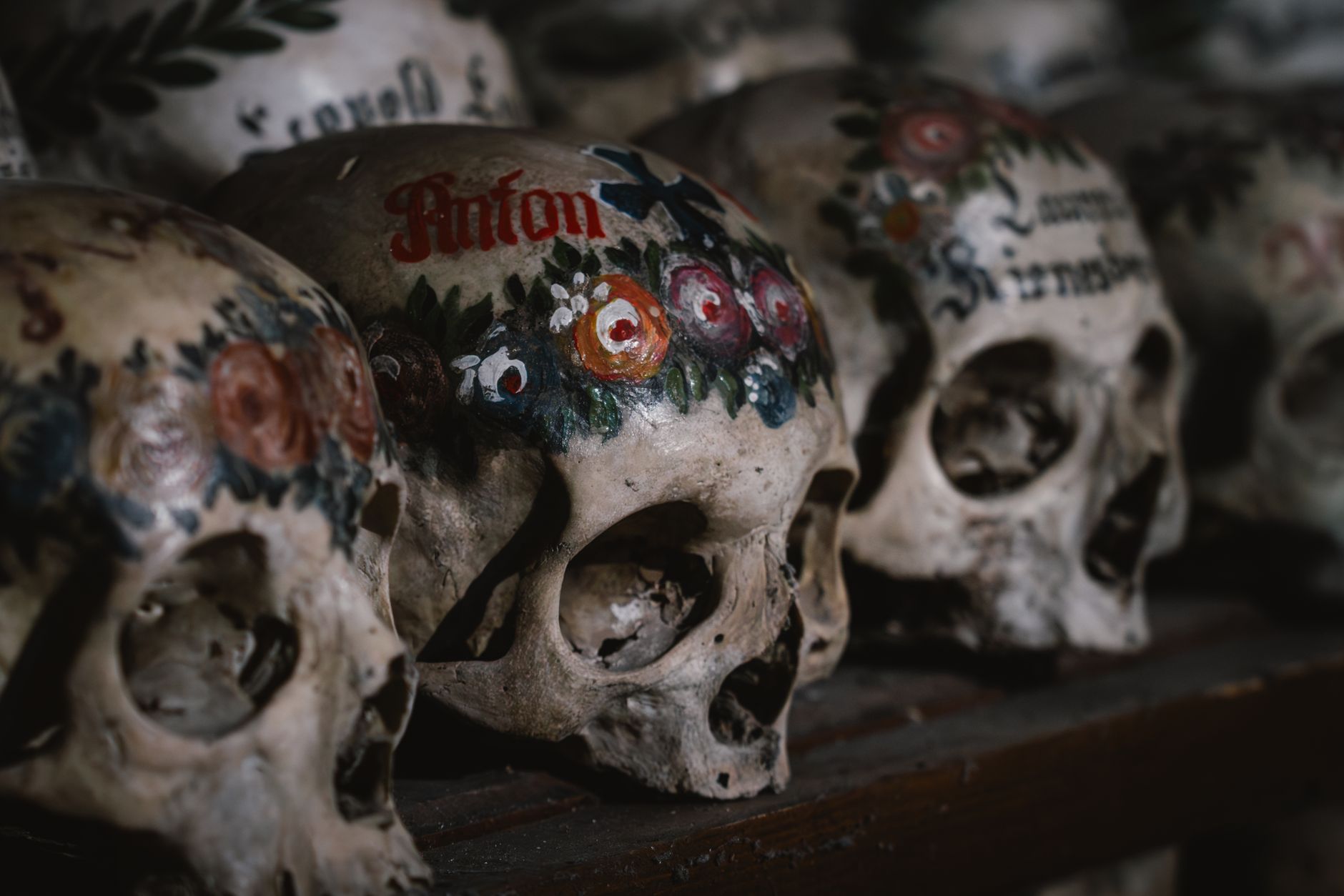
The same shortage of ground that made the village stack itself also produced its strangest room. St Michael's Chapel, next to the Catholic parish church, dates to the twelfth century, and its charnel house holds somewhere around 1,200 skulls, of which roughly 600 are painted. This is not gothic decoration but land-use policy. There was no flat ground to keep expanding a graveyard into, so graves were reused and the bones moved to the ossuary in what the parish calls a second funeral. From the end of the eighteenth century and mainly through the nineteenth, families began painting the skulls with names, dates and wreaths of ivy and roses. A visitor can still read who they were. A handful arrived as late as the twentieth century, though very few were interred here in its closing years.
Then there is the copy. In 2011 the Chinese conglomerate China Minmetals began building a full-scale reproduction of Hallstatt as a housing development at Luoyang town in Boluo County, Huizhou, Guangdong, at a reported cost of around 940 million US dollars. It opened in June 2012 with the clock tower, the market square and the lakeside frontages rebuilt one to one. The project was kept quiet, and residents of the original found out that their village had been duplicated largely after the fact. The timing is the useful part. By 2012 the picture of Hallstatt was already circulating far more widely than the place could absorb, and the traffic has been arriving ever since.
Well over a million people a year come to a place with fewer than 800 residents, and peak days have been put at up to around 10,000. The village has limited tour coaches since 2020, added a time-slot booking system for buses in 2022 and moves coaches on from the P3 terminal after twenty minutes. A general cap on visitors has been proposed but not brought in. Residents have pushed for an evening curfew on tour coaches.
In May 2023 the council put up a plain wooden fence at the most photographed spot, purely to break the sightline and cut the noise, and took it down again within days under a social-media pile-on. Mayor Alexander Scheutz's line at the time was that people here simply want to be left alone. The East Asian share of that traffic gets blamed on Disney, whose animators say they modelled Arendelle on Norway. A 2006 Korean television broadcast and the Guangdong replica are the likelier culprits.
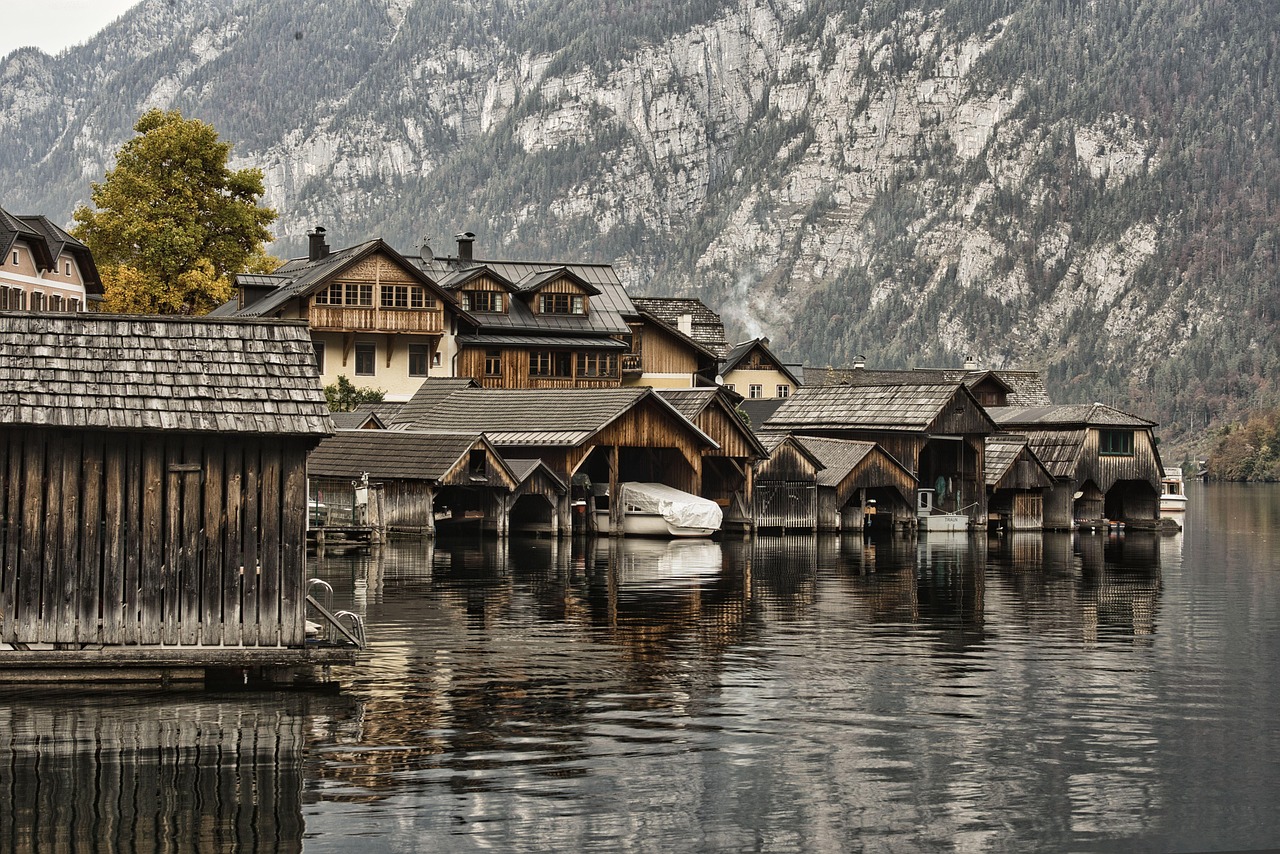
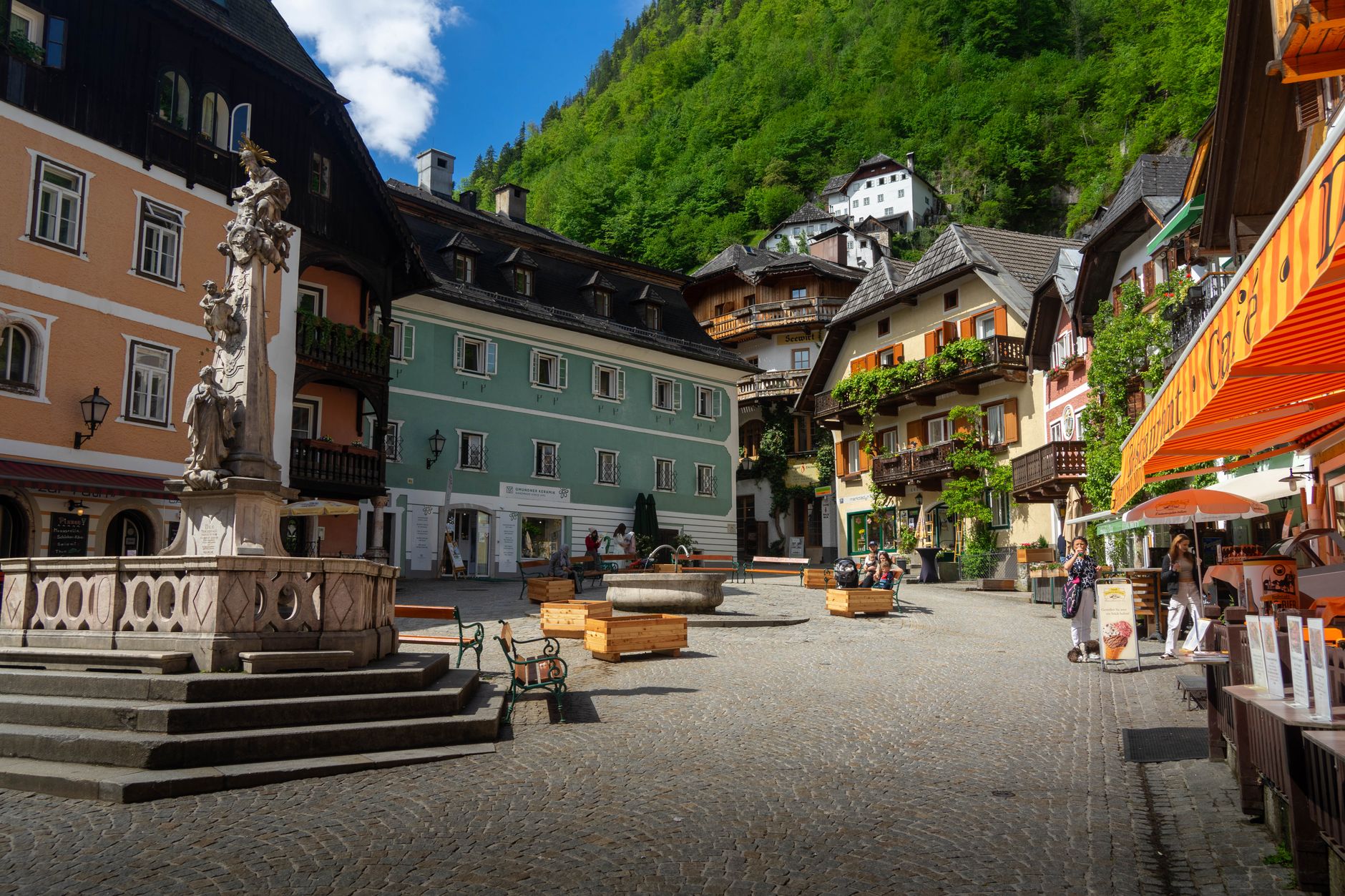
Hallstatt still repays a visit, given some care about timing and some manners. The historic core is one street wide enough for a single car, and the churchyard, the ossuary and the main viewpoint sit within two minutes of each other, so two to three hours covers the village properly. Budget the remaining time for the mountains across the water rather than for the lanes.
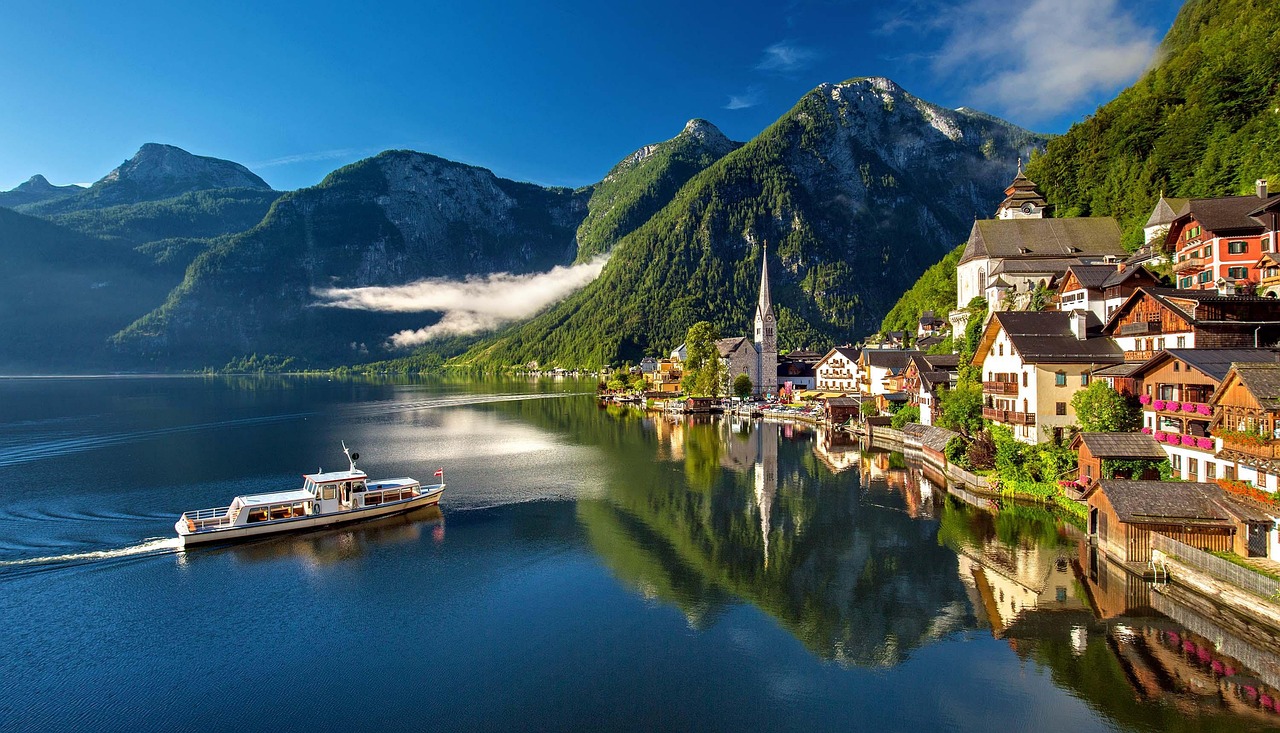
Pressure builds through the morning and holds into the afternoon, thinning as the coaches clear from mid-afternoon. Anyone staying the night gets a few quiet hours at either end of the day, at the price of an early alarm and a village where most kitchens have already stopped serving by the time the lanes empty. The classic postcard view comes from Gosaumuhlstrasse at the north end of the lake, a 20 to 30 minute walk along the shore from the centre.
A few things cost people their day. Cash matters more here than it should: the ferry from Hallstatt Bahnhof takes cash only, and plenty of cafes and shops do the same. Restaurants close early, the choice is small, and booking a table ahead is sensible. Drivers should treat parking as the choke point, since the centre is closed to cars, the numbered lots outside it fill in summer often before mid-morning, and P1 is held for overnight and hotel guests.
The ossuary opens at ten at the earliest from June through October, later than that for the rest of the year, and from November through March it shuts on Mondays and Tuesdays entirely. Weather is the uncontrolled variable, because the entire proposition here is the view. In low cloud it simply does not exist. Budget a spare half-day.
While the mine is out of service, the underground half of the story has to be reached another way. Salzwelten runs a shuttle to its Altaussee works, where the full underground tour still operates. The Soleweg, the old brine-pipe trail, climbs from the village to the high valley on foot in about an hour and delivers the industrial landscape without a cable car.
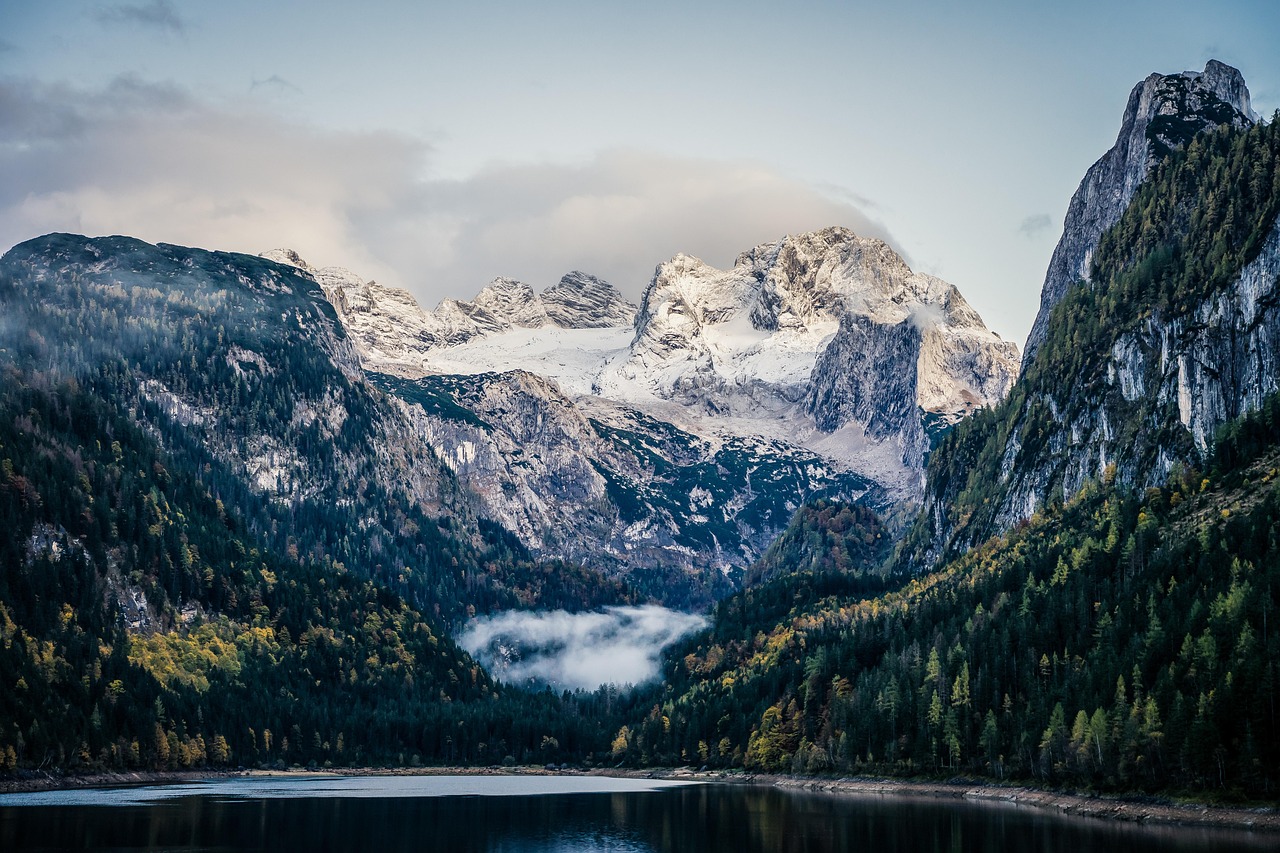
The Dachstein side across the water, reached by bus 543 to Obertraun and the Krippenstein lift, carries the ice caves and the cantilevered viewing platforms, on a schedule that thins out sharply outside the summer months. October is the best window for all three, with gold on the slopes, fewer coaches in the village and early snow on the Dachstein wall. The cost is that the lift and bus timetables are already thinning toward winter by then, so the days run shorter than the walking does.
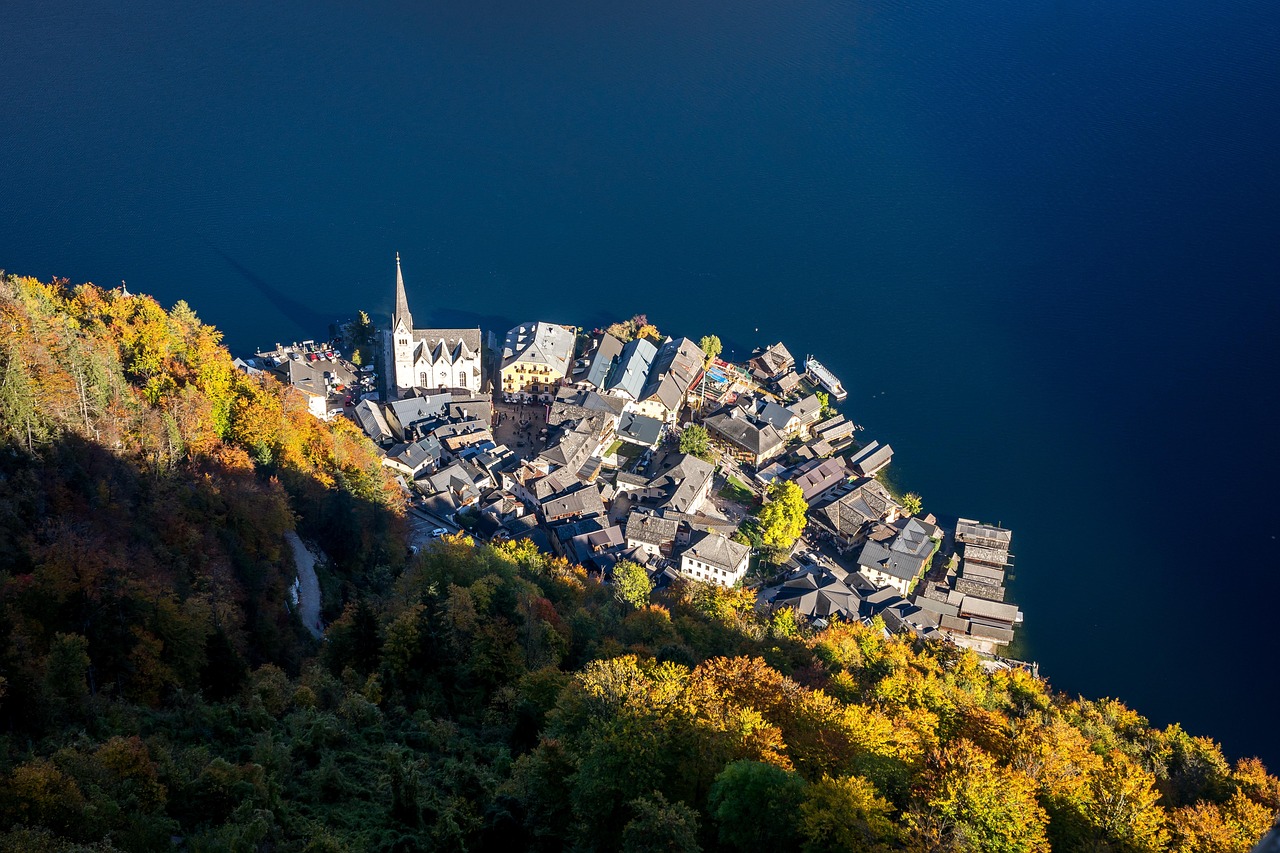
What is left when the coaches have gone is a working parish of 778 people. Services are still held in the church above the ossuary, the school run still uses the one street, and the lane between the Marktplatz and the churchyard is somebody's way to work rather than a viewpoint. Staying a night, keeping out of the private gardens the 2023 fence was put up to protect, and carrying cash cover most of what the village asks of a visitor. When the funicular is finished, the 7,000 years under the mountain go back on the itinerary with it.