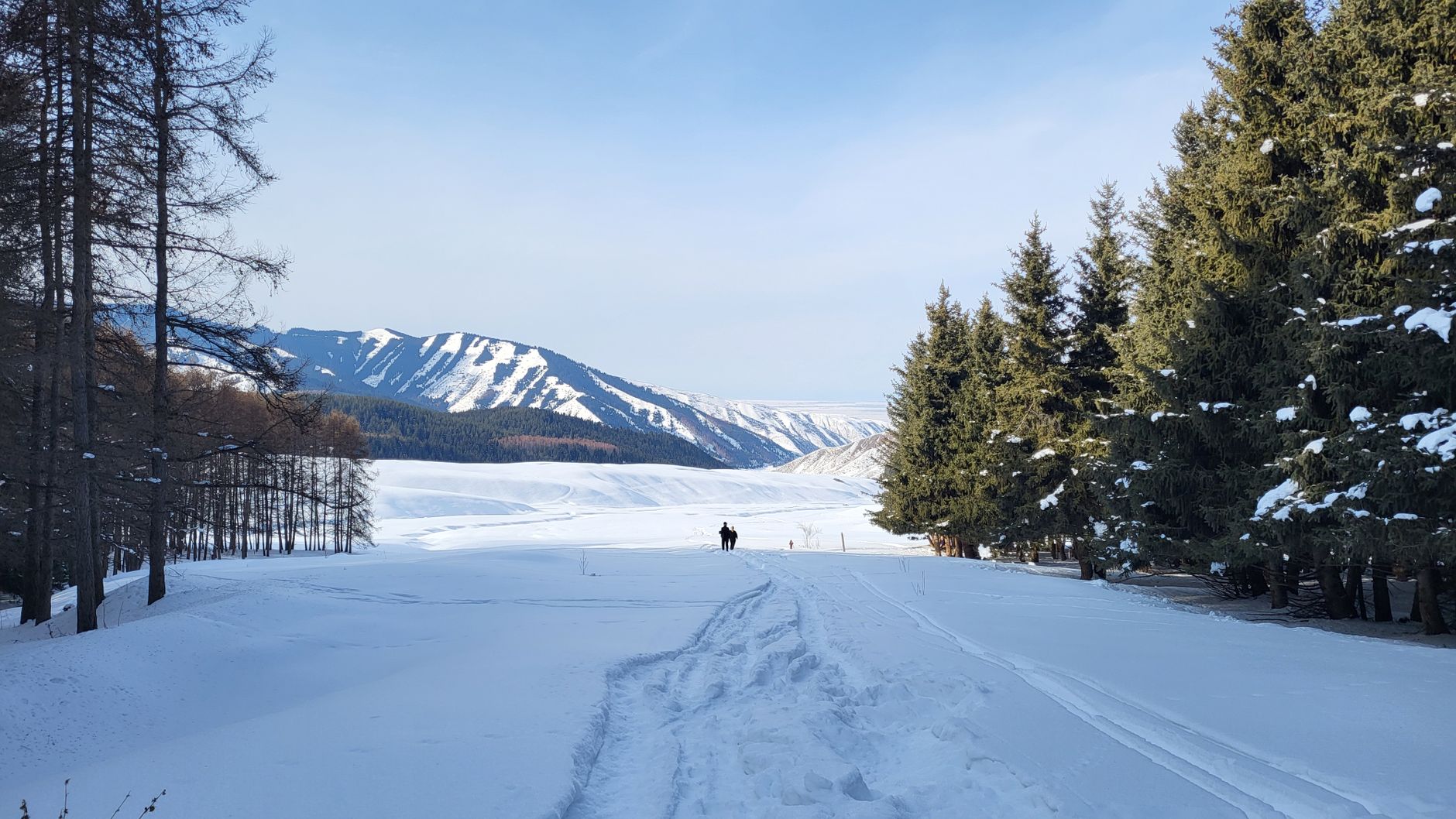
You can ski in Kyrgyzstan, and you will have the whole mountain to yourself. The lifts above Karakol run to 3,040 metres, which is the highest lift-served skiing in Central Asia, and on a weekday in January there is nobody in front of you.
The reason is distance. Karakol sits at the far eastern end of Issyk-Kul, some four hundred kilometres and six hours from Bishkek, so the mountain takes almost no day traffic from the capital. Caravanistan, which is written by travellers rather than by the resort, calls it almost abandoned outside the school holidays.
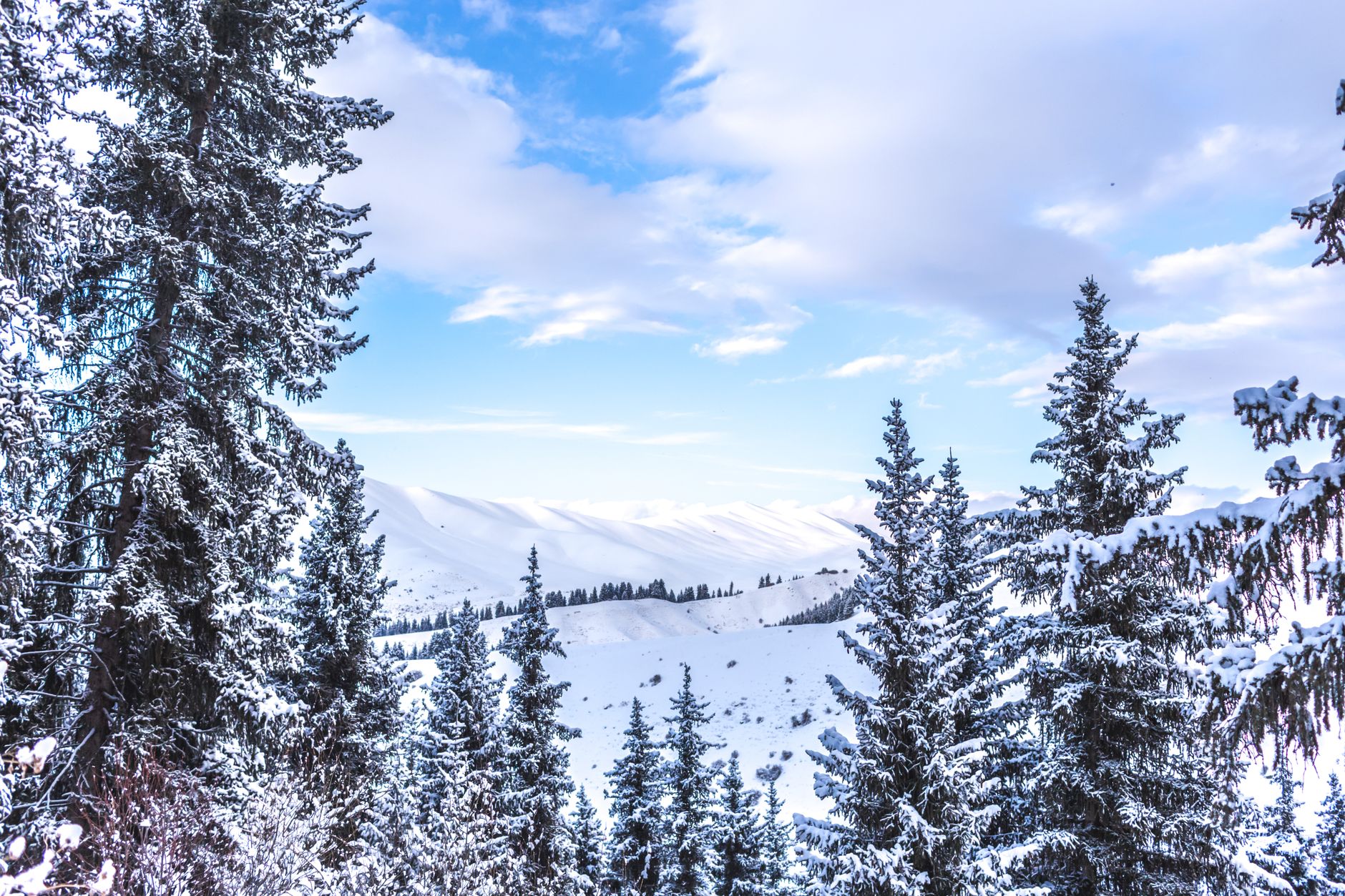
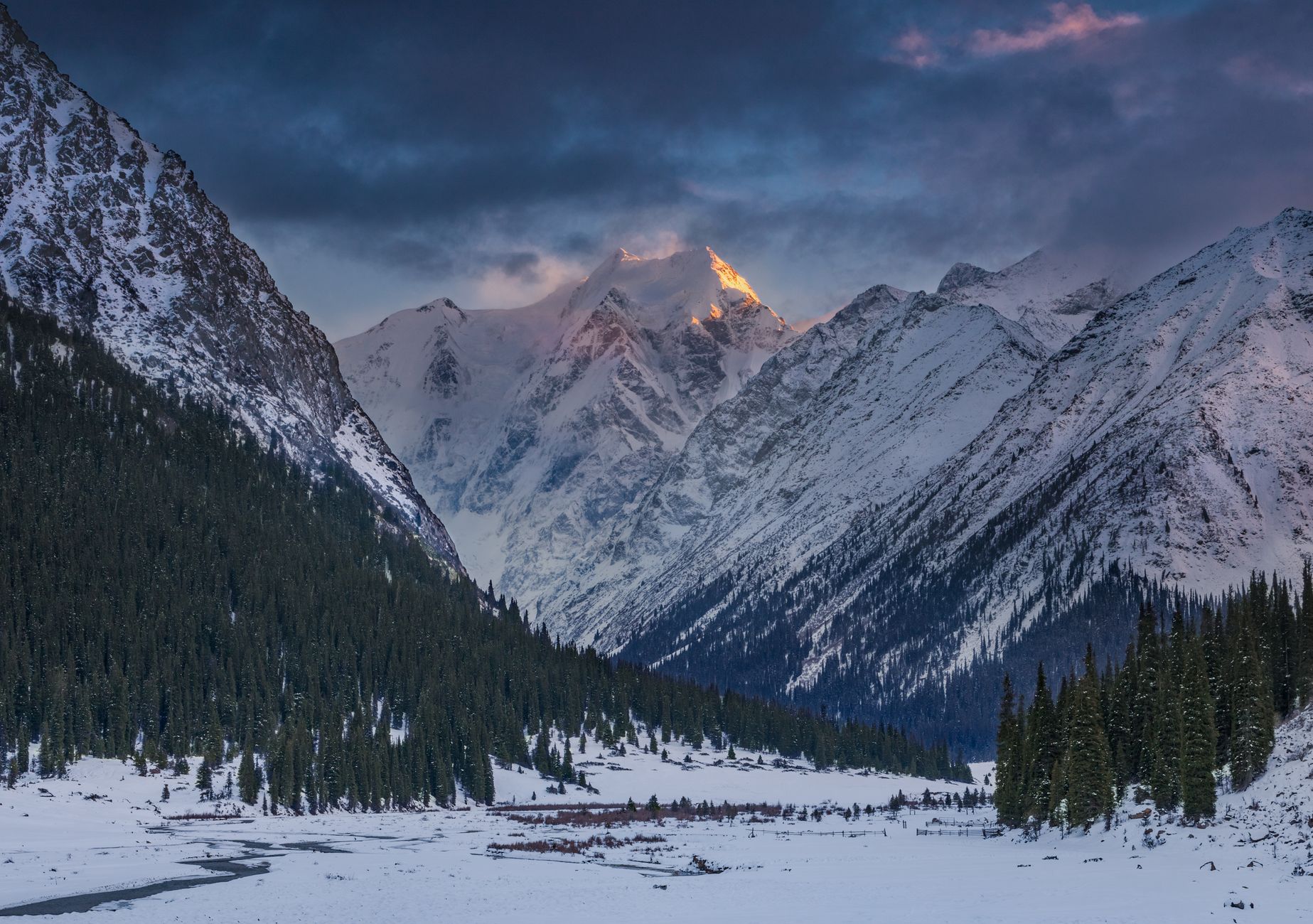
What that buys is roughly twenty kilometres of piste on four or five old fixed-grip chairs, a base at about 2,300 metres and pine forest on every side. The pistes are narrow and the lifts are slow. The forest between them is the reason to come, and the view from the top station is the whole of Issyk-Kul, a lake a hundred and eighty kilometres long that does not freeze.
There is no snowmaking here, so the mountain is only as good as the last fall. One skier who arrived in mid-February after a dry month found it icy and slick. Others on the hill a week after a fall described snow light enough to rival Japan. Come for the quality of it rather than the depth.
Off the piste the snowpack deserves respect, and it has been measured. A group touring above the resort in February 2025 dug pits and found a crust over forty centimetres of facets sitting on large depth hoar, with column tests failing at two to four taps. They spent the rest of the trip on slopes under thirty degrees. If you go beyond the marked runs, take a guide, or take the training and the kit to read that for yourself.
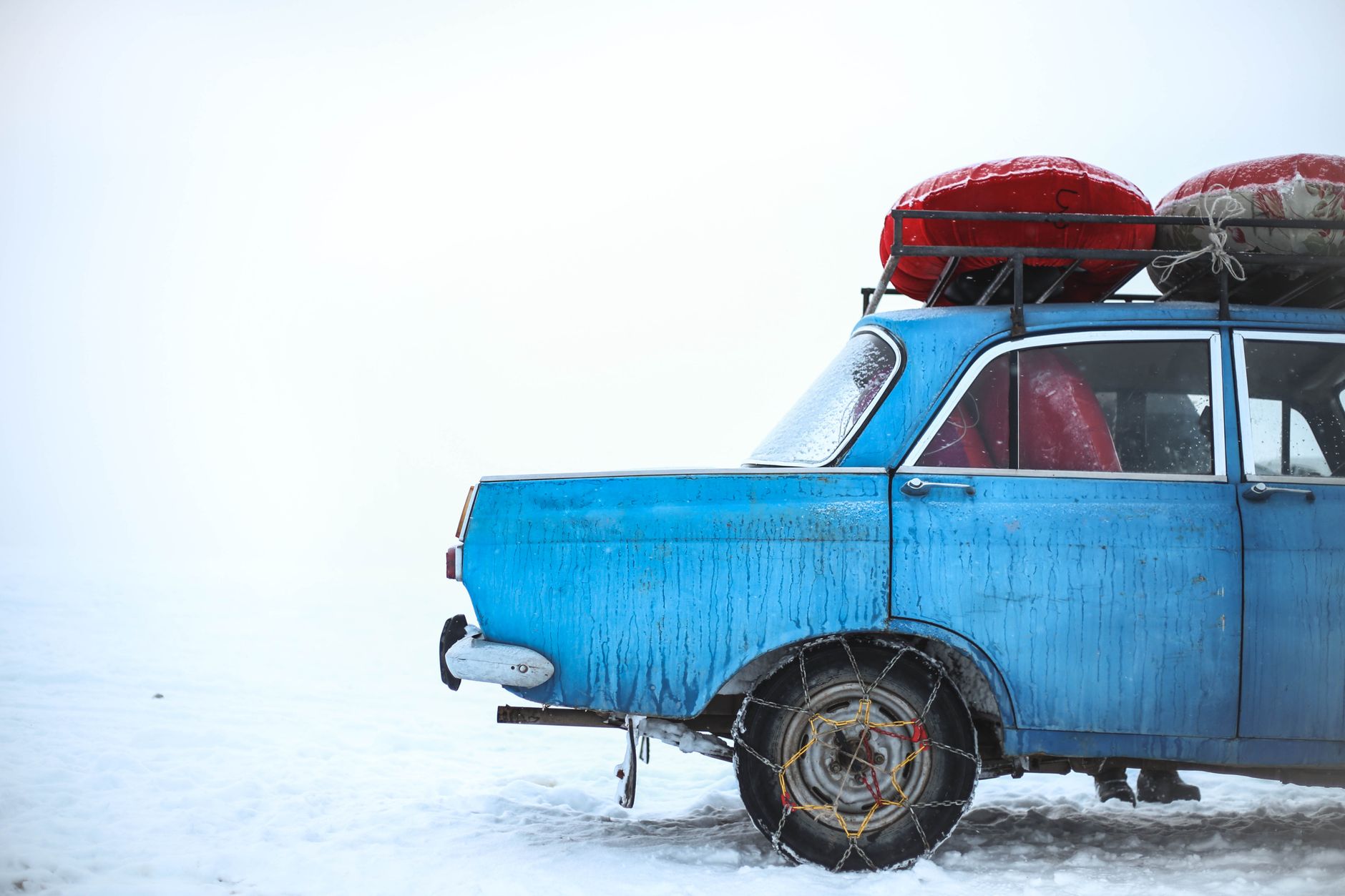
Bring cash. There is no card terminal at the base, no machine and no exchange worth the name. Rent skis up there if you need to, but buy or bring your clothing, helmet and goggles in town, because the counter stocks none of it and nobody behind it speaks English. Take a 4x4 up the access road as well: ordinary cars fail on the last pitch often enough that their passengers end up walking.
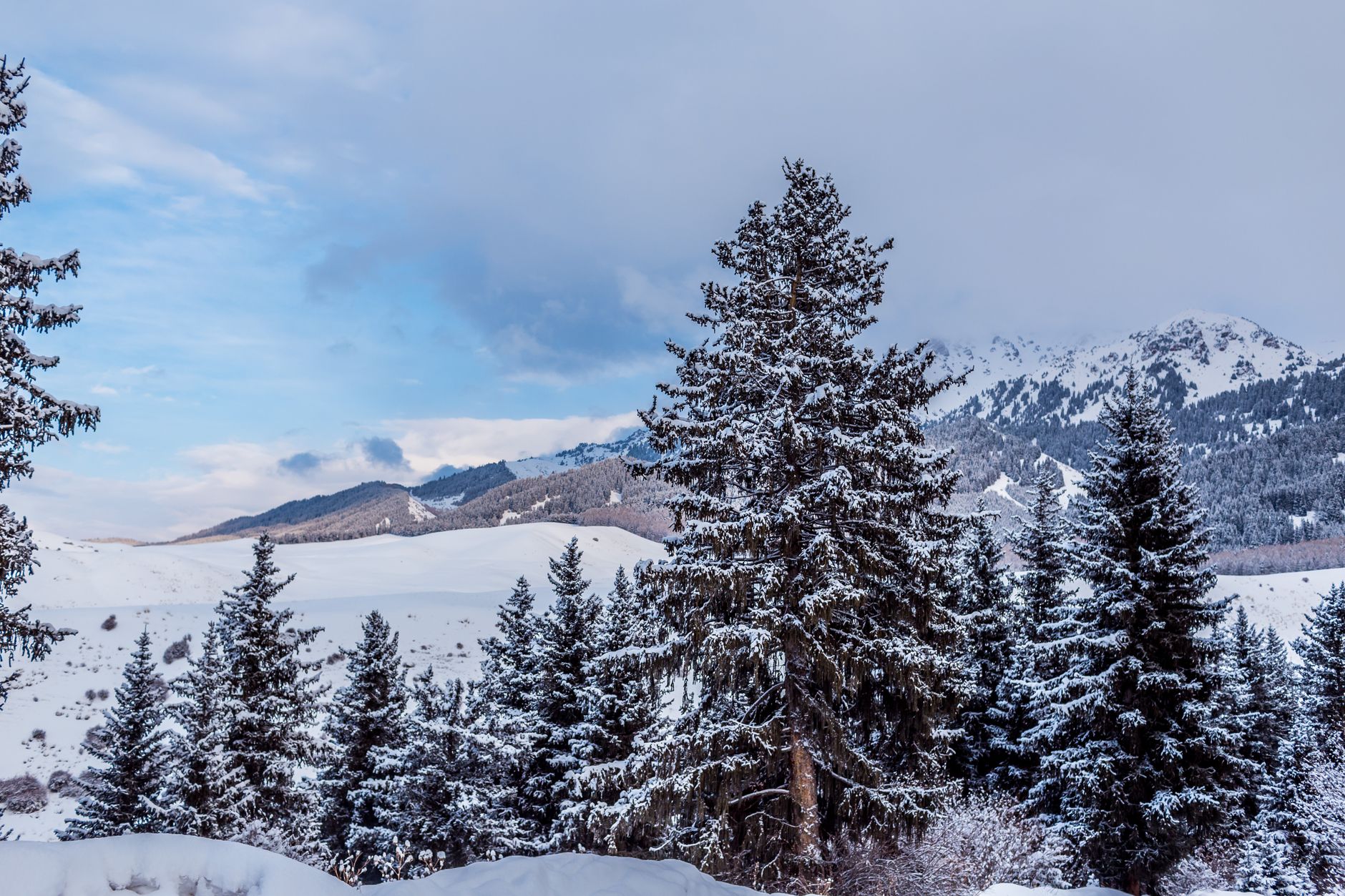
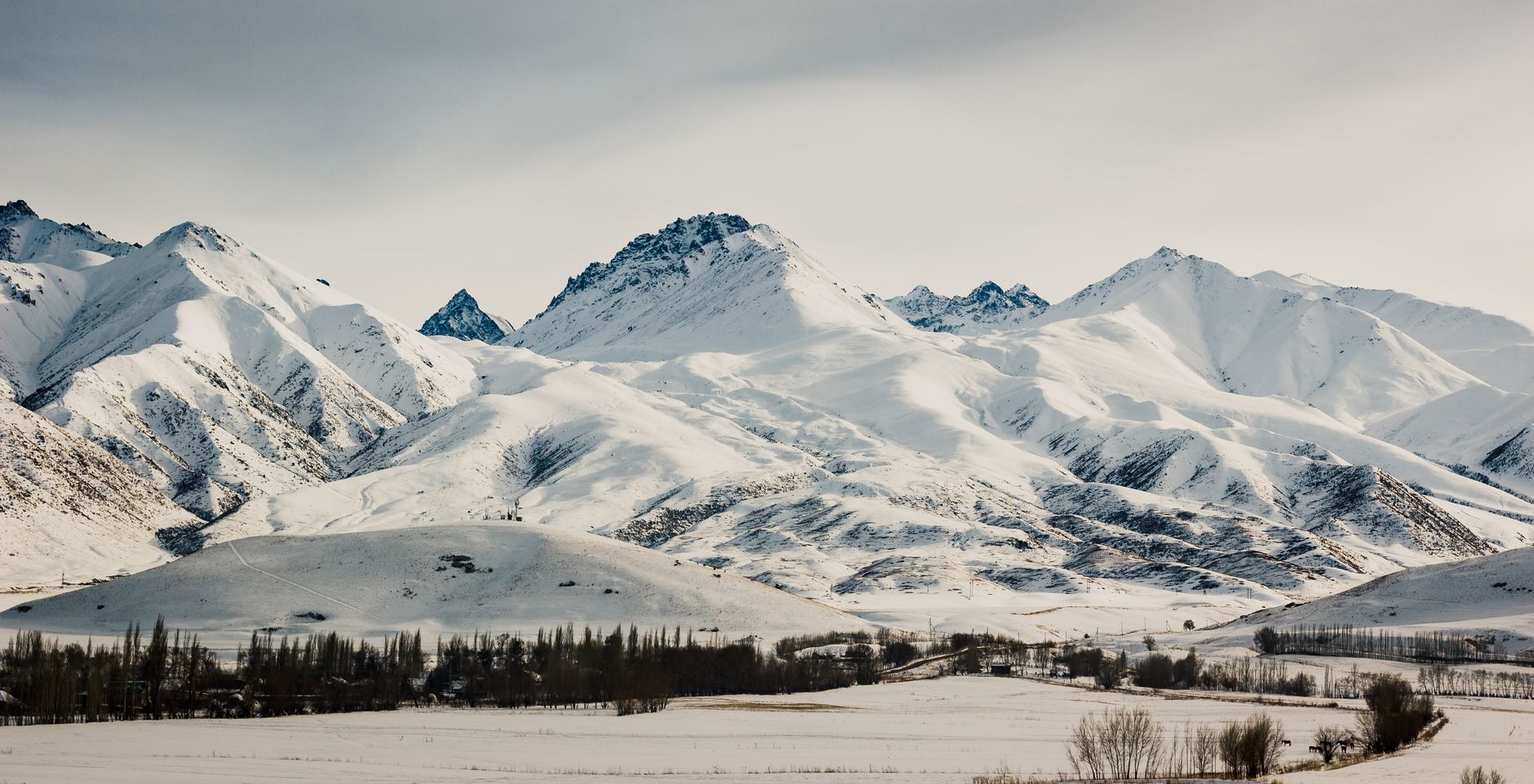
This is the part that is about to change. An hour east of Karakol, at a former coal village called Jyrgalan, the Kyrgyz state is building a resort of its own.
Ala-Too Resort is scheduled to open its first phase in December 2026: forty-six kilometres of trail between 2,400 and 3,130 metres, six cable-car lines from Doppelmayr running to more than eight kilometres in total, a new highway up from Karakol and a bypass around a village of about a thousand people. Two of the lines were structurally complete and commissioned in July. The full three-zone plan is pitched at some two hundred and fifty kilometres of trail.
Forty-six kilometres of new trail and six cable-car lines are scheduled an hour up the road, for December.
Whether it opens on time is a different question. No traveller has skied it, every detailed account of it comes from the industry or the state, and a December date on a project that size is the kind of thing that moves. The direction is not in doubt.
Karakol itself earns the nights it costs you. The town was laid out in 1869 as a Russian garrison and changed its name four times in the century that followed, twice to Przhevalsk for the explorer who died here in 1888, and twice back.
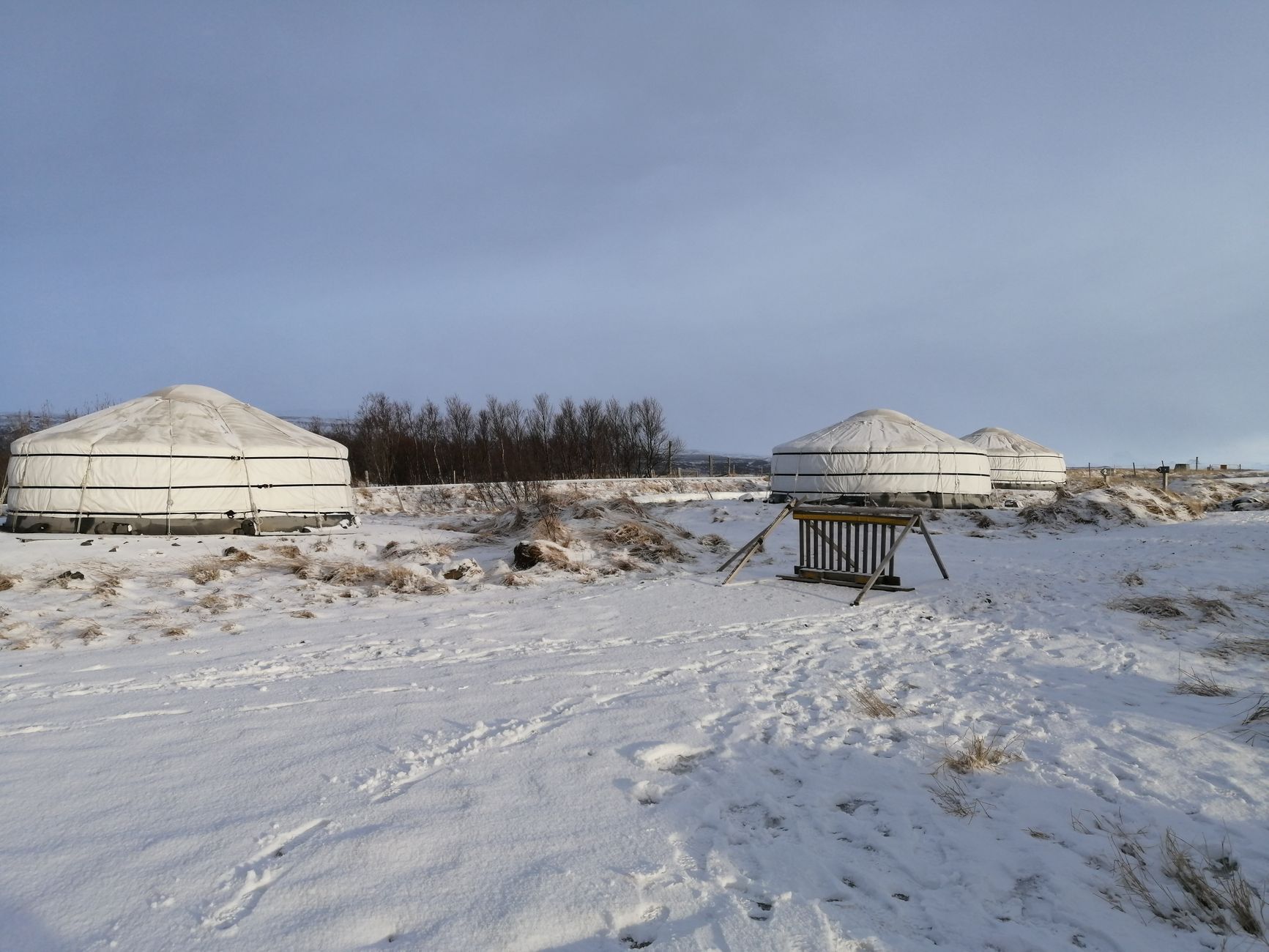
Its two best buildings stand a quarter of an hour apart. The Holy Trinity Cathedral is wooden, raised in 1894 on a brick base after an earthquake took the stone church before it, because timber rides out a tremor where masonry does not. Its congregation worshipped in a yurt while it went up, and Soviet administrations later used it as a school, a gymnasium, a dance hall and a coal store.
The Dungan Mosque was finished in 1910 on forty-two pillars, with upswept eaves and painted dragons, by a master craftsman brought from Beijing with twenty carvers. It carries no minaret and reads at a glance as a Chinese temple. The town will tell you not a single nail went into it.
Both buildings are there for the same reason: Karakol is a place people arrived at. Eleven hundred and thirty Hui Muslims crossed the Tian Shan from Gansu in the winter of 1877, fleeing the failure of the Dungan revolt against the Qing, and settled the following spring at Yrdyk just outside town. Their descendants cook there still.
What they cook is the strangest thing about Karakol in January. Ashlan-fu is a cold noodle soup, two kinds of noodle in one bowl, hand-pulled wheat alongside translucent strips shaved from a slab of set starch, in a broth sharp with vinegar and garlic under a red chilli paste you stir in yourself. It is a warm-weather dish by temperament and the town eats it through the winter regardless. Look for the lane beside the small bazaar where the stalls sell nothing else, and take small notes, because none of them take a card.
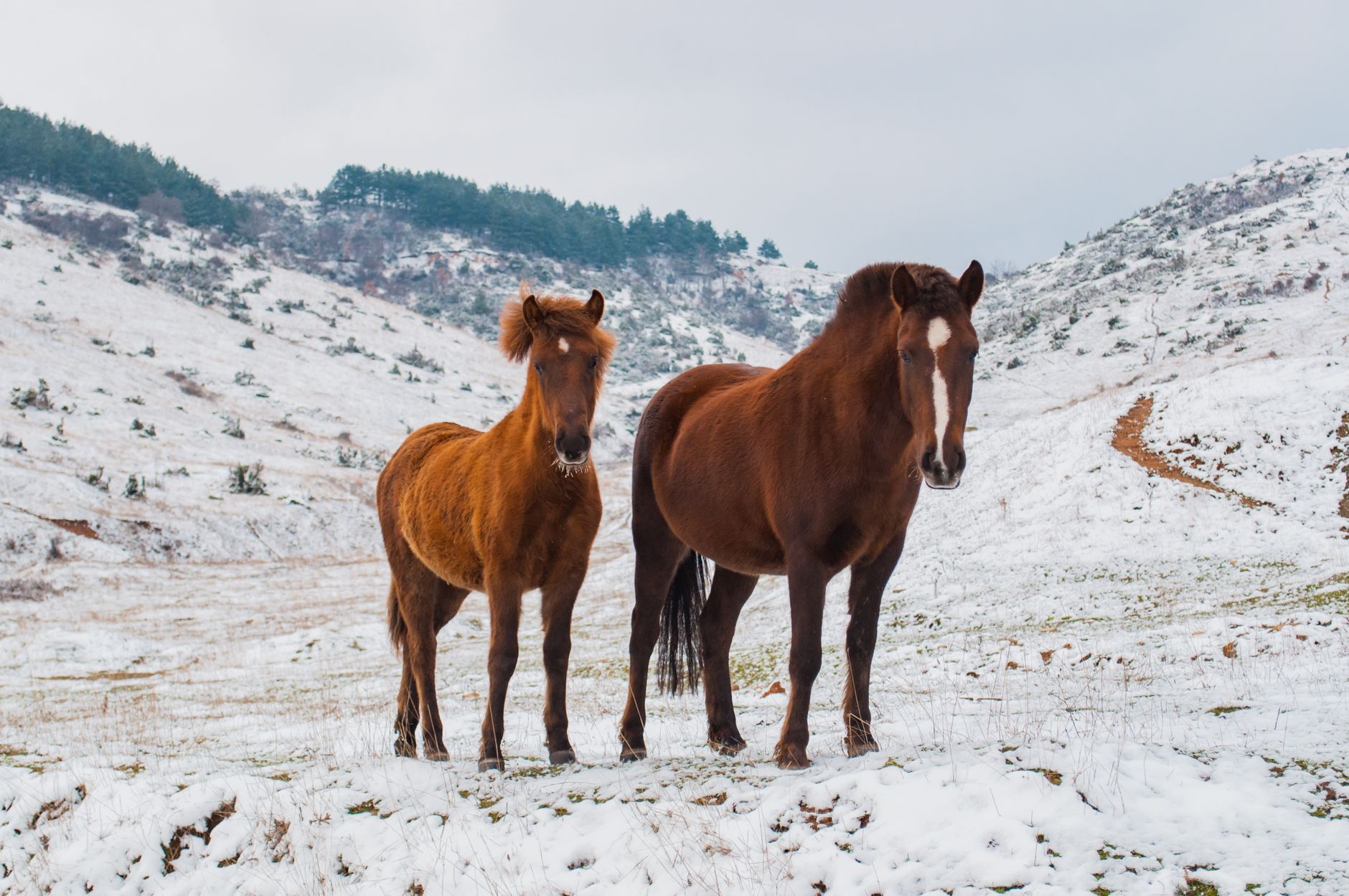
Time your week around the Sunday as well. The livestock market runs two kilometres north of the centre from first light until about eleven, sheep and goats in one compound, horses and cattle in the other. Buyers judge a horse on a short trot and a fat-tailed sheep by weighing its rump in their hands. Wear boots you do not mind, and go early, because by mid-morning it is finished.
The valley behind the town is the day you will remember. Altyn Arashan sits at about 2,400 metres up fifteen kilometres of track that only a high-clearance vehicle will manage, roughly two hours in an old Soviet van, or four and a half on snowshoes. The hot springs at the top are concrete baths inside timber sheds, fed from the source below. In deep winter the valley narrows to about one guesthouse still open, and the traveller who went up in December called it better than the summer.
Do not plan on Ala-Kul. The lake sits at 3,532 metres beneath a pass at 3,860, and from autumn until early summer the trail is under snow, the huts along it are shut and the nights fall past minus twenty-five. The walk that made Karakol famous is a July walk.
Getting there is easier than it was. The road from Bishkek runs along the shore of Issyk-Kul rather than over a pass, so it stays open through the winter; minibuses leave when they fill and take about six hours. Since January 2026 Asman Airlines has also flown Bishkek to Karakol four times a week through the winter season, which turns those six hours into roughly forty minutes.
Check your dates before you book anything. Kyrgyzstan cut its visa-free allowance on the last day of 2025, and citizens of fifty-five countries including the United States, the United Kingdom and the European Union now get thirty days within any sixty, where the figure most travel sites still print is sixty. Thirty is ample for a fortnight on the snow. It is not ample for the trip you will be tempted to build around it.