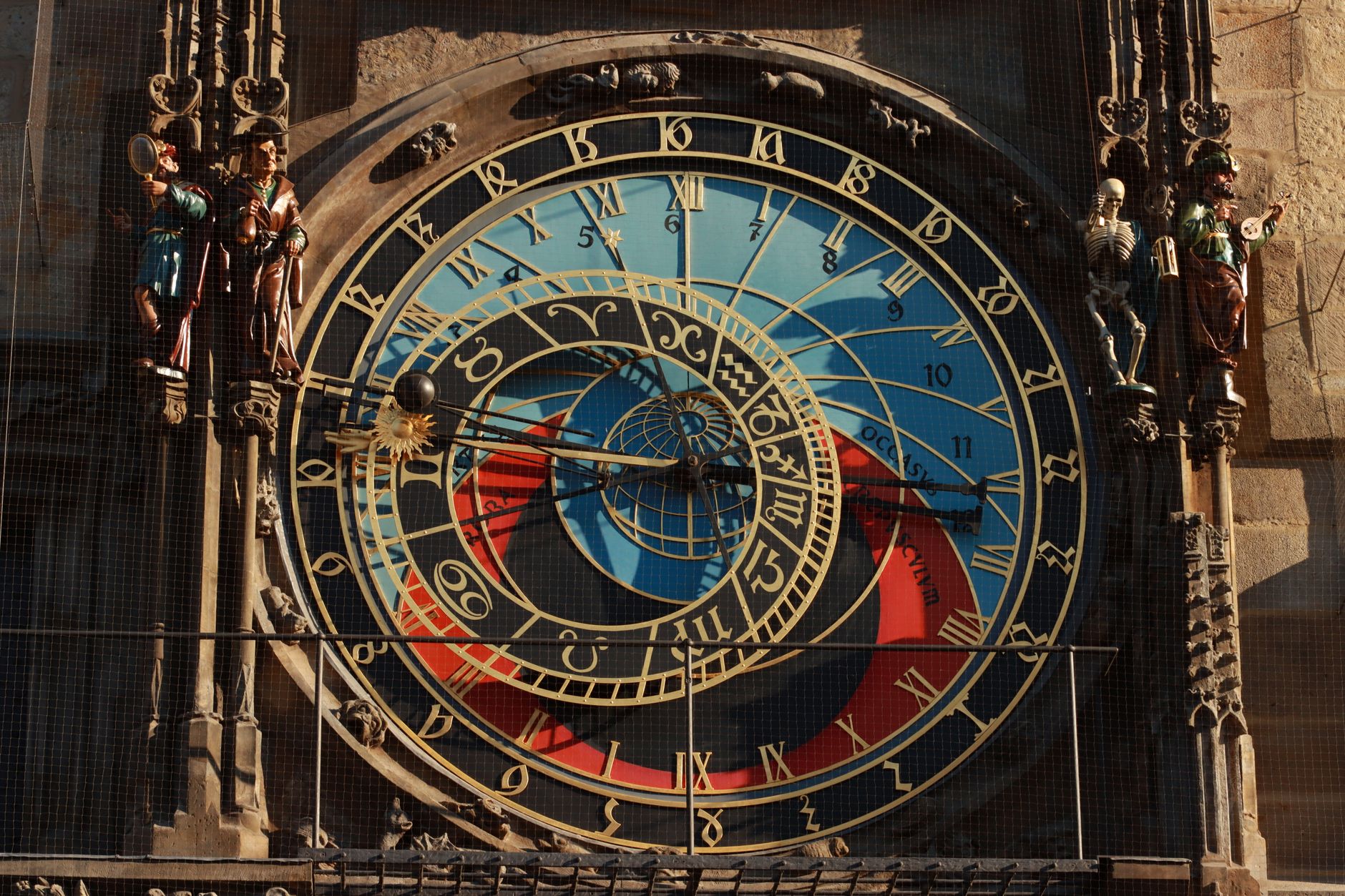
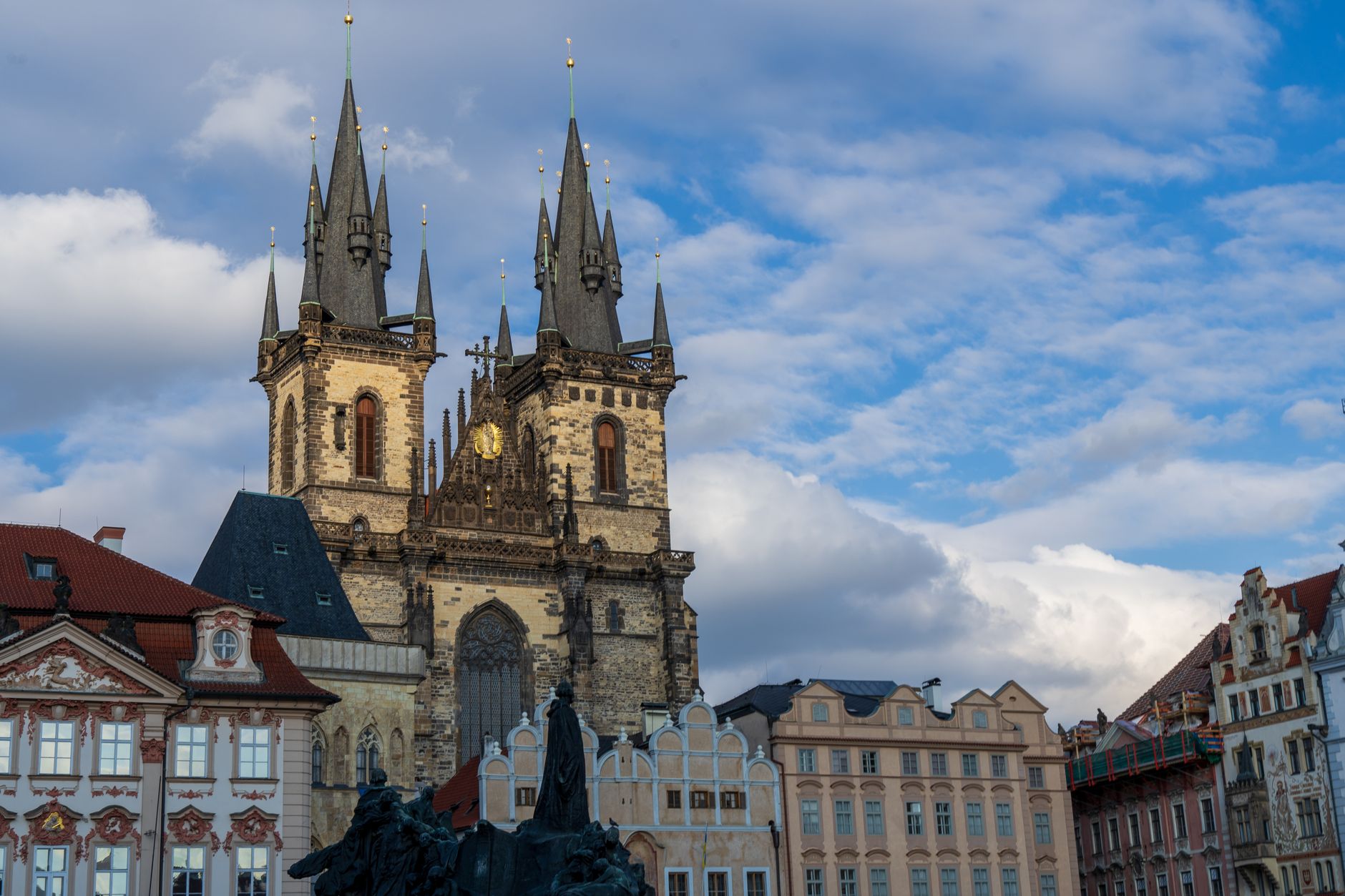
The crowds impose a timetable, and the trip goes to whoever reads it. Old Town Square is genuinely difficult to move through between about ten and, in summer, seven in the evening, so locals keep Mediterranean time in July and August: out early, indoors or in a park through the afternoon, out again late. The Astronomical Clock's first show of the day now plays at eight in the morning to a nearly empty square, which is the way to see a mechanism that has kept a medieval model of the sky since 1410; the same show at noon is watched from two hundred deep. Three of the carved apostles spent early 2026 away for restoration after a vandal reached them, and the show ran on regardless.
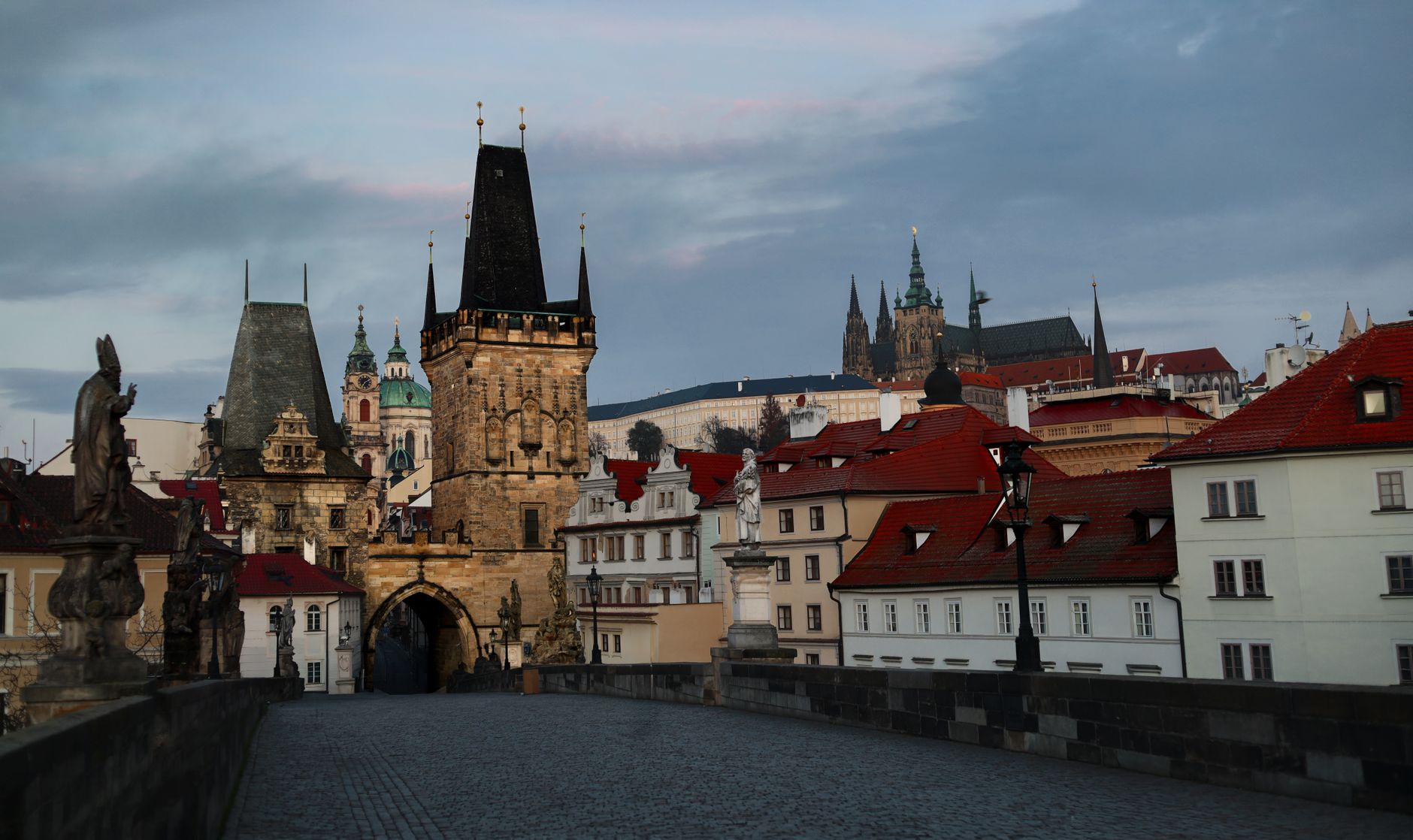
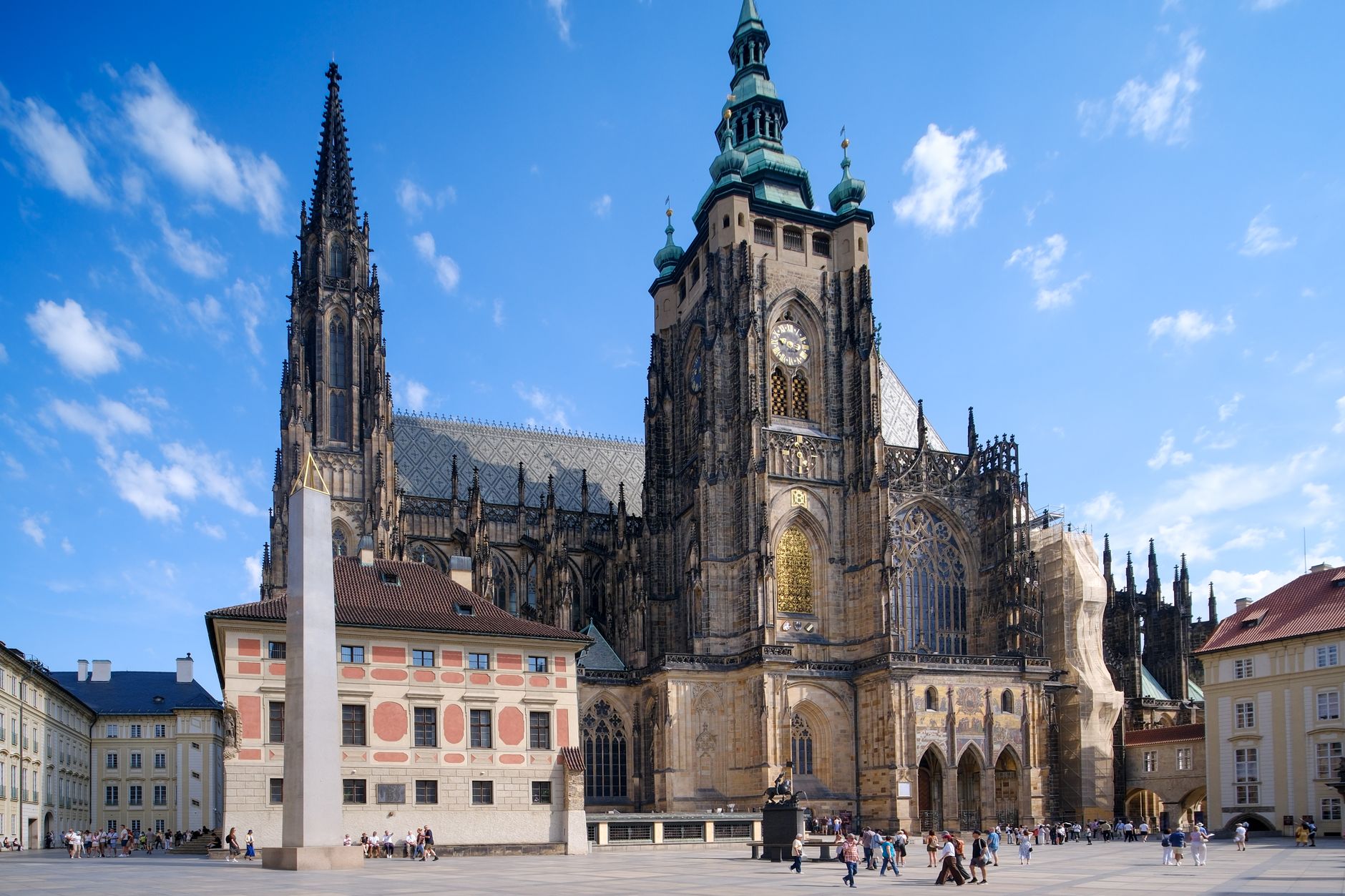
The castle works differently since March 2024: the old circuit tickets are gone and one main ticket now covers St Vitus Cathedral, the Old Royal Palace, St George's Basilica and the Golden Lane, valid across two consecutive days with one entry to each interior. Buy it online or at the offices in the courtyards, but do not pay anyone for skip-the-line access, because none exists: the bottleneck is the security check at the gates, and everyone stands in it.
Before nine in the morning the queue is minutes; mid-morning in summer it is not. The circuit takes two to four hours at a walking pace. Two free facts soften the arithmetic: the courtyards and grounds cost nothing, and the Golden Lane, ticketed by day, opens freely once its little houses shut in the late afternoon. St Vitus beyond the entrance bay needs the ticket, and the castle gardens close for the winter.
The history that repays knowing fits in a paragraph. Charles IV, king of Bohemia and Holy Roman Emperor, made Prague an imperial capital in the fourteenth century and built the bridge, the university and the New Town that still carry his name and his plan. Rudolf II moved the empire's court here in 1583 and stocked it with astronomers and alchemists, which is where the city's taste for the occult was minted.
And Prague twice started a European war by throwing officials out of windows, in 1419 and 1618, a fact that explains more about the place than any palace tour. The quietest and heaviest corner is Josefov, the old Jewish quarter, whose cemetery took burials for three and a half centuries in layers up to twelve deep because the community was refused more ground; go at opening time, before the tour groups thread the lanes.
A city that twice began a European war by throwing men out of a window is not the delicate thing the postcards sell.
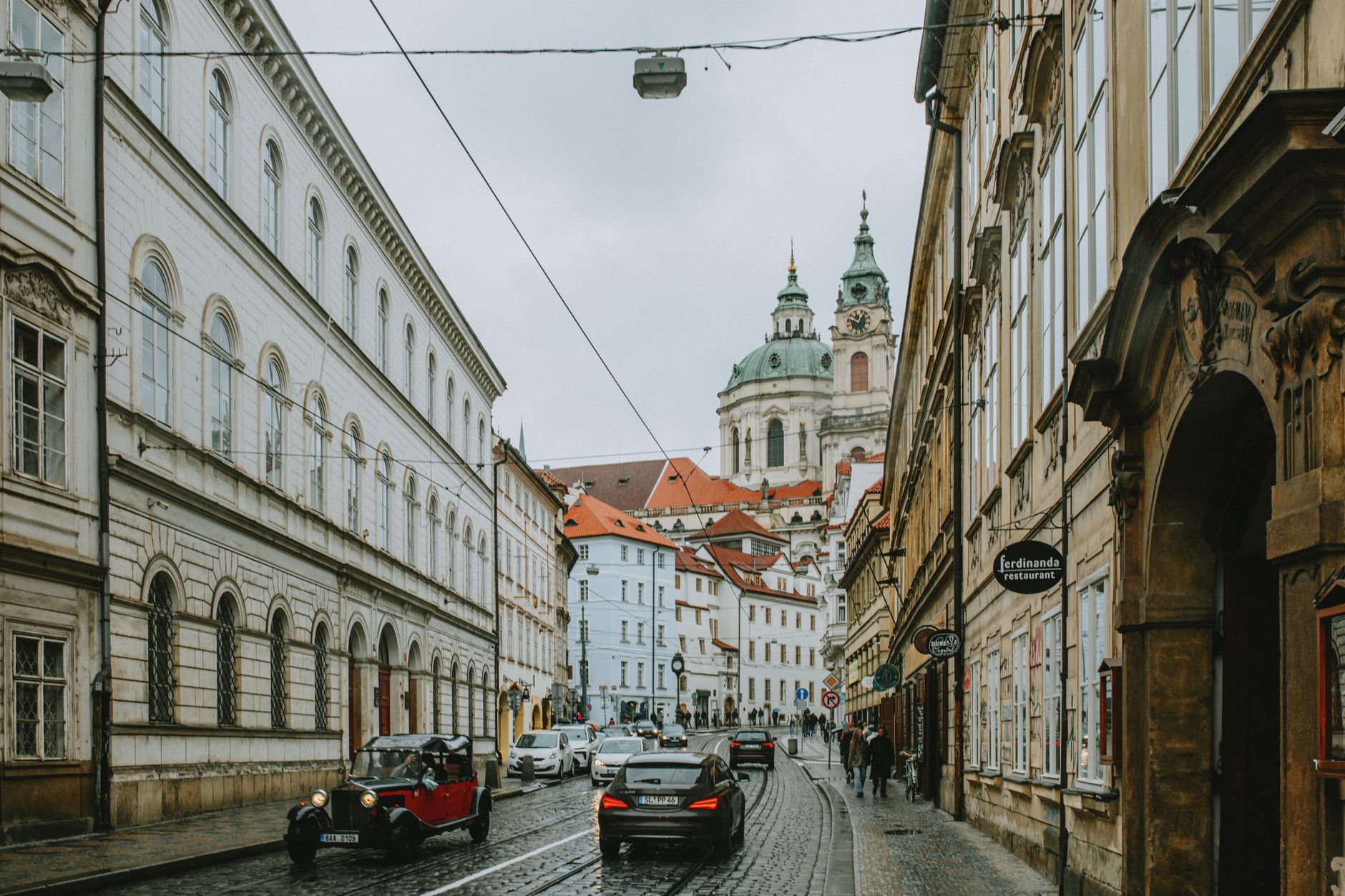
Where to stay decides how much of the stag economy shares your evening. The Old Town puts a first, short visit inside the postcard at a price, with tourist-trap restaurants thick on the ground and nightlife noise in its lanes. Malá Strana, across the bridge, is the quiet one, older than the Old Town, eight minutes' walk from the square and with nowhere for a stag party to go.
New Town around Wenceslas Square is where the bars, and therefore the parties, actually concentrate; the city banned organised pub crawls between ten at night and six in the morning in late 2024, city-wide, which says what the neighbours think of it. For repeat visits, the local consensus is Vinohrady, handsome and independent-spirited, a tram ride from the centre; Karlín, rebuilt and residential, is the value pick a short walk downstream.
The traps have evolved, and the money changers remain the champions, reckoned to cost tourists more than every other scam combined. The mechanics are a headline rate that applies only above a high threshold, or a commission in the small print, and the fix is Czech law itself: an exchange can be reversed within three hours, up to about a thousand euros' worth, on the receipt. Skip the blue Euronet ATMs for bank machines, and when any terminal offers to charge your home currency instead of koruna, refuse it, because that conversion runs double-digit margins.
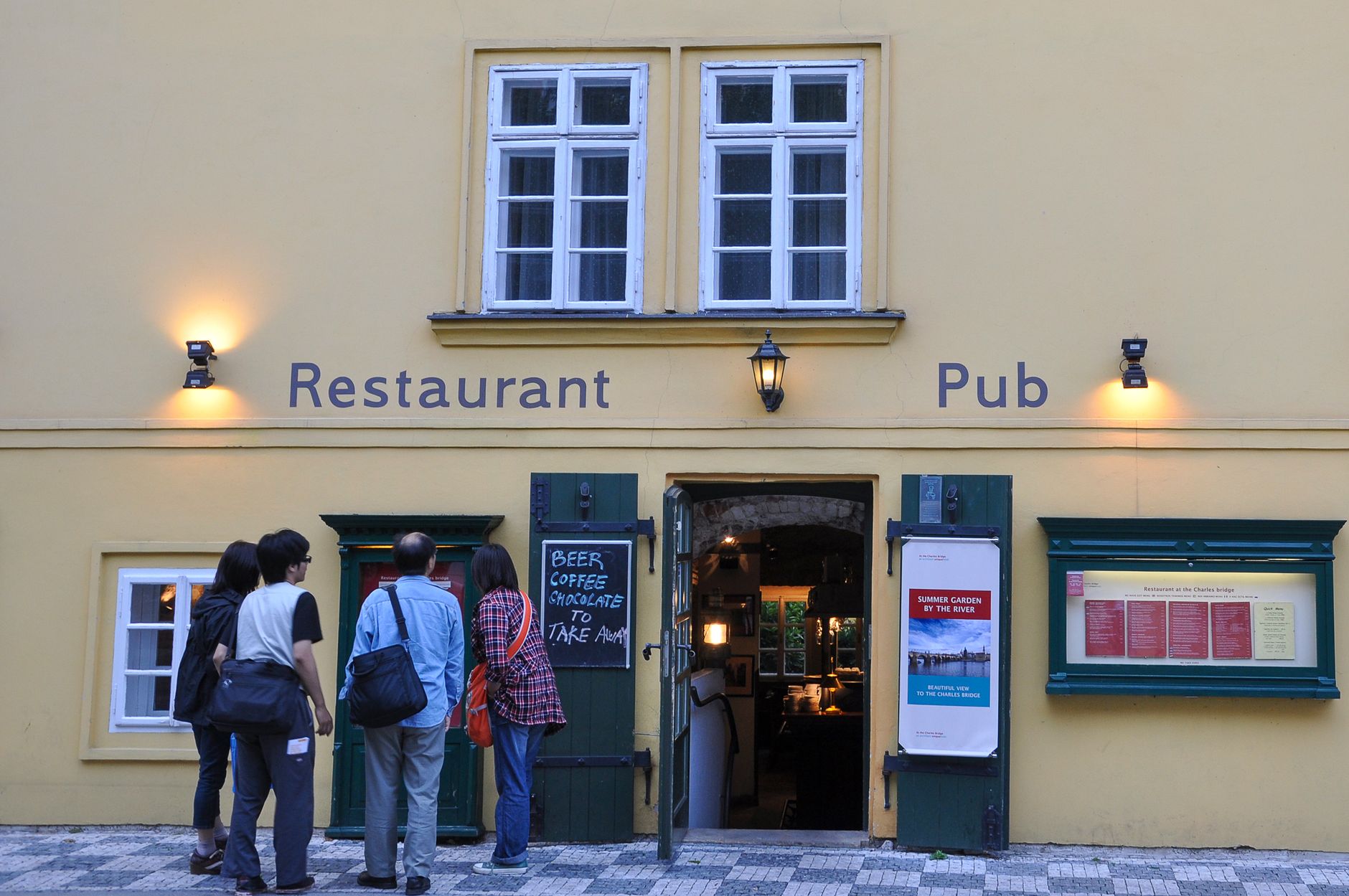
In restaurants the current game is the padded bill: bread and sauces delivered unbidden then charged, a service percentage in small print that Czech rules only permit as a stated cover charge on the menu, and card terminals pre-set to tip on top of it. Read the bill line by line and nobody argues.
At Havelské tržiště the fruit baskets are priced per weight, not per basket; on the Royal Route the kanabis shops and massage parlours are exactly the businesses the city is trying to squeeze out of its own buildings; and the men offering anything at all on Wenceslas Square at night are selling trouble.
Transport is excellent, cheap and unforgiving, and one fact in most older guides is now wrong: the airport bus is trolleybus 59, which replaced the 119 in 2024, running to Nádraží Veleslavín for the metro, with one ninety-minute ticket covering the whole run into the centre in under forty minutes. Validate the paper ticket in the yellow machine the moment you board, or buy in the PID Lítačka app, where the ticket validates itself; a contactless bank card also works as its own ticket at the marked terminals, in metro station entrances and at the middle door of trams and buses.
The inspectors are plain-clothes, carrying a badge instead of wearing a uniform, and they work the tourist lines, tram 22 above all. Night trams in the 90s run the city down to half-hour intervals after midnight, on the same tickets.
The beer is the food culture, and the way in is tank beer, tankové pivo, unpasteurised Pilsner delivered in road tankers to pubs that pour it days old. Lokál Dlouhááá, two streets off the Old Town core, is the standard-bearer: a taproom built along one of the longest bars in the city, with a daily-changing menu of Czech cooking and a crowd that stays noticeably local for somewhere so close to the postcard.
The pale lager itself was first brewed down the road in Plzeň in 1842, which is all the beer history a drinker needs. The tourist-trap tell has not changed: a menu posted in four languages means walk one street back, where the handwritten lunch menu still feeds office workers. And the trdelník chimney cakes rotating in every window are not a Prague tradition; the city's best-known debunker of tourist traps, a native, points out they were not around when he was a child.
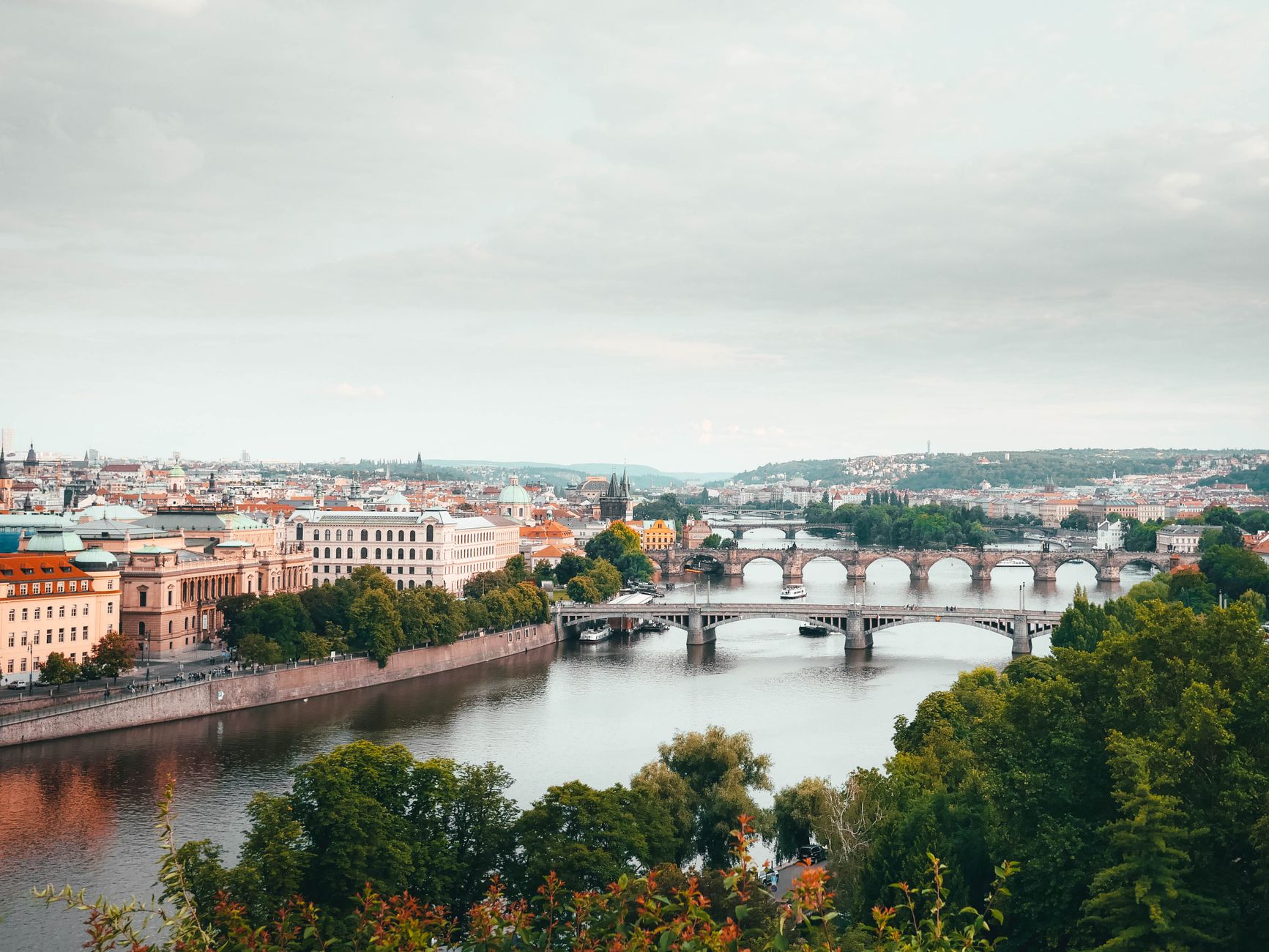
Season sets the terms. Summer brings heat waves that push past thirty degrees into stone streets that hold it, and air conditioning is not a given in older buildings, so check before booking a July room; the city cools off on the Vltava embankment, on Letná and on Petřín. December is the markets, running from late November to Epiphany, with early December and weekday evenings the workable windows and the ham stalls pricing per hundred grams, a known bill shock; Náměstí Míru in Vinohrady is the market locals actually use. January is the honest bargain: cold, dark by four, museums empty, beer indoors, and the castle gardens shut until spring, which is the price of having Charles Bridge to yourself at nine in the morning.
One day trip repays the train ticket beyond argument. Kutná Hora, about fifty minutes east by direct train from the main station, with departures roughly every hour or two, holds the Sedlec Ossuary, a chapel decorated with the bones of tens of thousands of plague and war dead, including a chandelier said to use every bone in the human body. Go before ten, ahead of the coach groups, and assume photography of the bones is not allowed, a policy that has tightened since 2020 and shifts year to year, so ask at the door.
St Barbara's Cathedral, the miners' great Gothic church across town, is quietest after two. The whole day is six to eight hours, and doing it independently beats the packaged tours on both time and money. Of the other standards, Karlštejn castle is best treated as a walk and a silhouette, with the interior tour optional at best, and Terezín is a memorial; give it a sombre half day and a good guide.