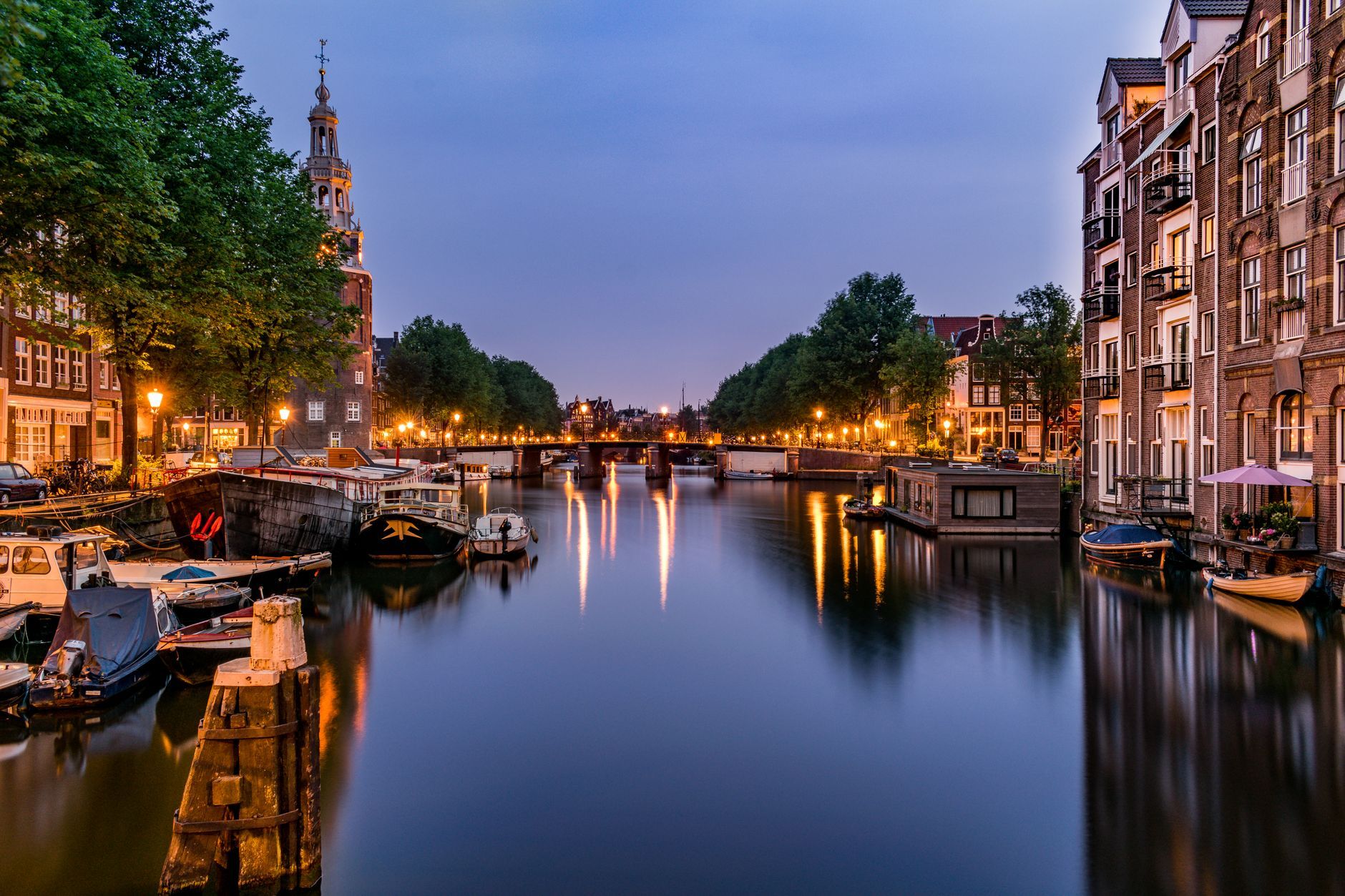
The most Amsterdam thing you can do is sit still in a brown cafe. The bruine kroeg, the brown bar, takes its name from the colour the walls have gone after a century or three of tobacco and spilled beer: dark wood, low light, sand on the floor in the oldest ones, a cat asleep somewhere. It is where the city actually lives. There is one in the Jordaan, Cafe Chris, that has poured drinks by its own reckoning since 1624; another, 't Smalle on the Egelantiersgracht, spills a handful of tables onto a jetty over the canal. You do not go to either to see anything. You go to sit.
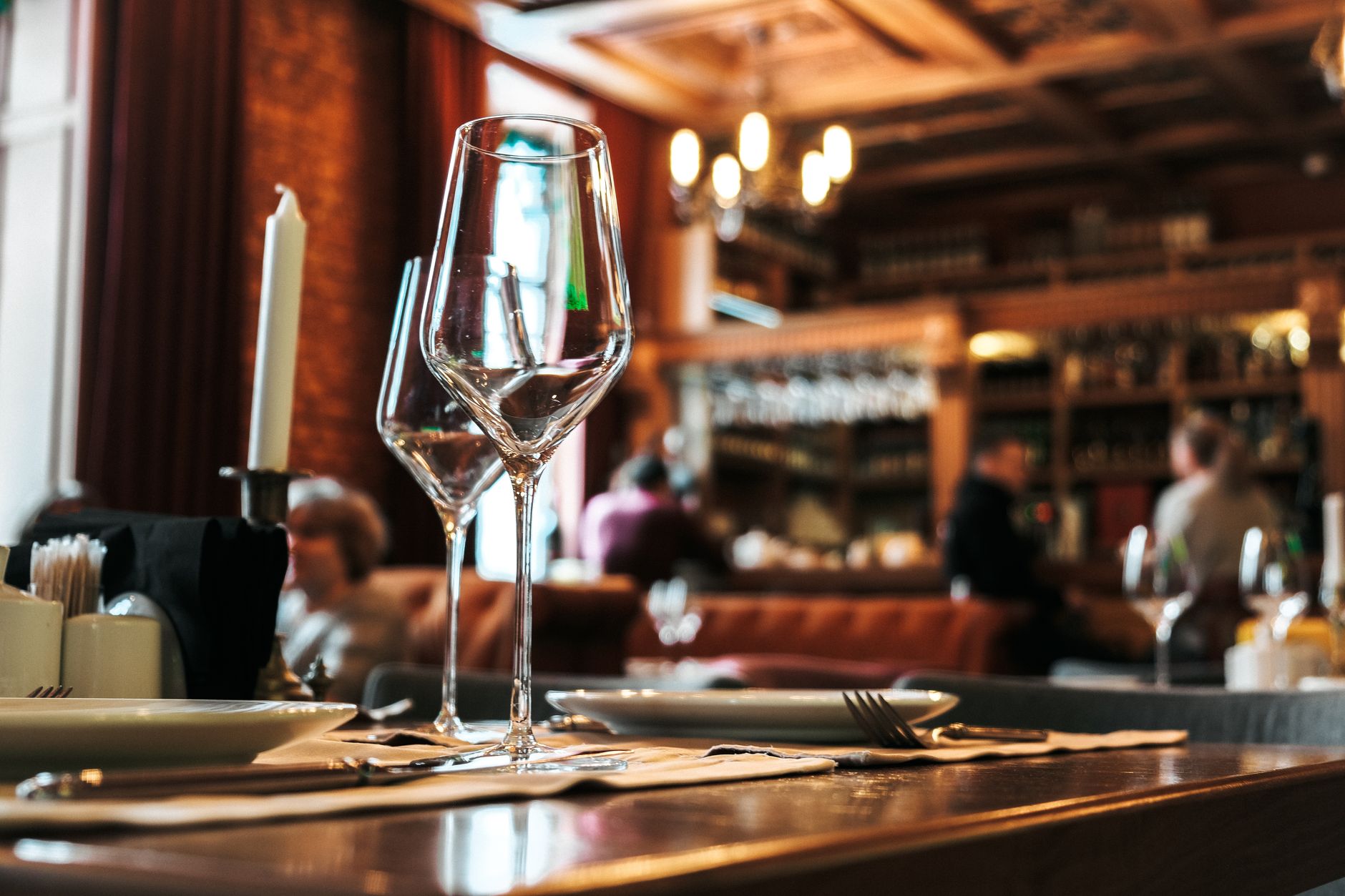
What you are there for is a word that will not translate, gezelligheid, the noun the Dutch reach for to mean cosy and convivial and content all at once, the feeling of a warm room and easy company on a wet afternoon. It comes with a drink to match. Jenever is the juniper spirit that gin grew out of, and it is served cold to the very brim of a small tulip glass, so full that you must lean down to the bar and take the first sip with your hands behind your back. Ask for the oude, the old style, maltier and rounder than gin, and a small beer beside it, and you have ordered a kopstootje, a little head-butt, which is the local afternoon in two glasses.
For the spirit at its source there is Wynand Fockink, a tasting room down a short alley behind Dam Square that has been distilling since 1679. There is nowhere to sit, only a counter and shelves of bottles and that same brimming glass to bend to, and it is a two-minute walk from the busiest square in the country, which almost nobody in the crowd on the square appears to know. Half of learning Amsterdam is learning that its best rooms are small, old, and just off the street you were standing on.
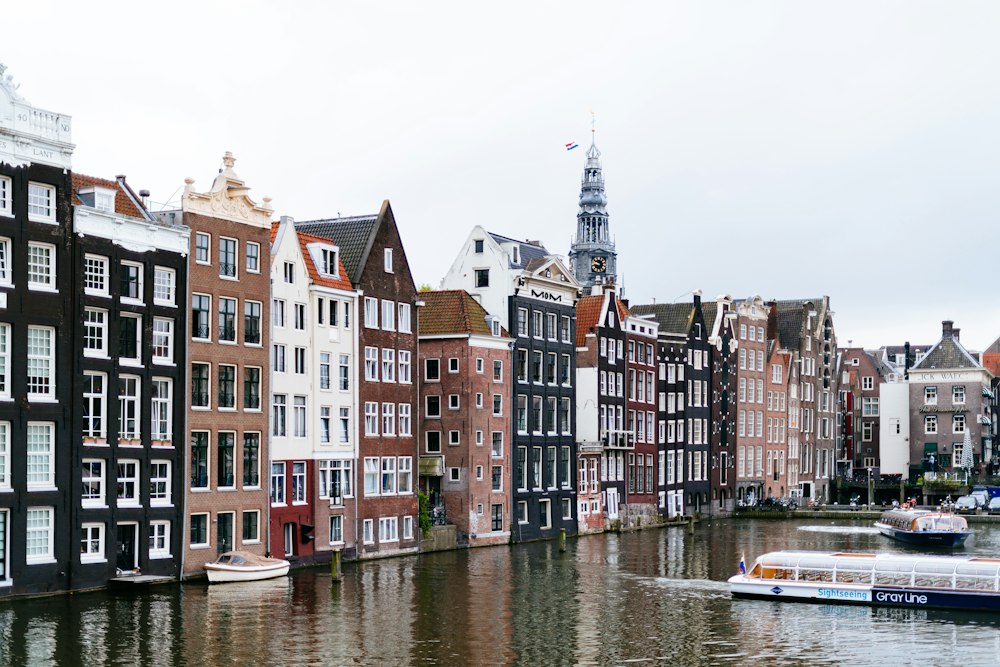
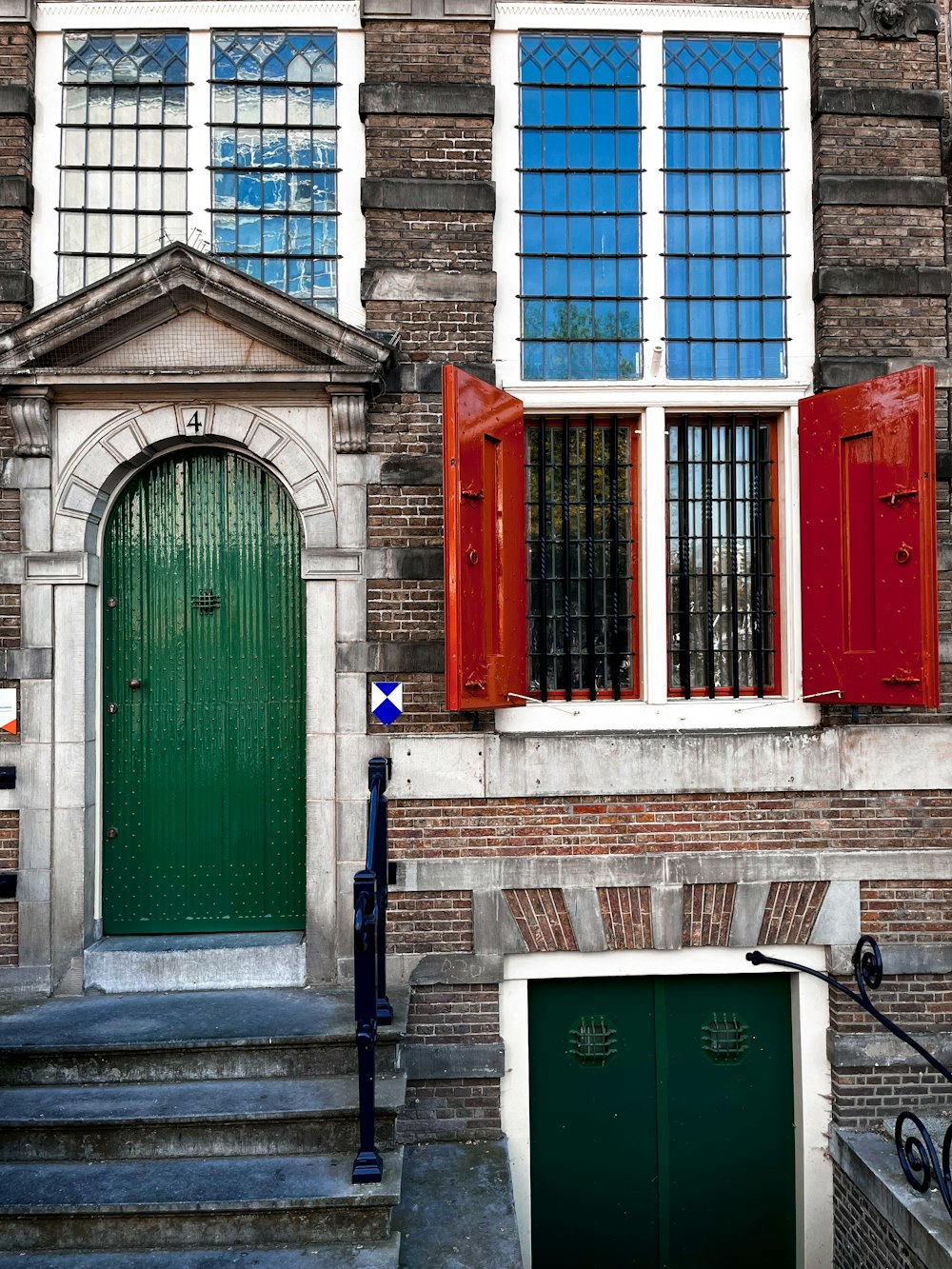
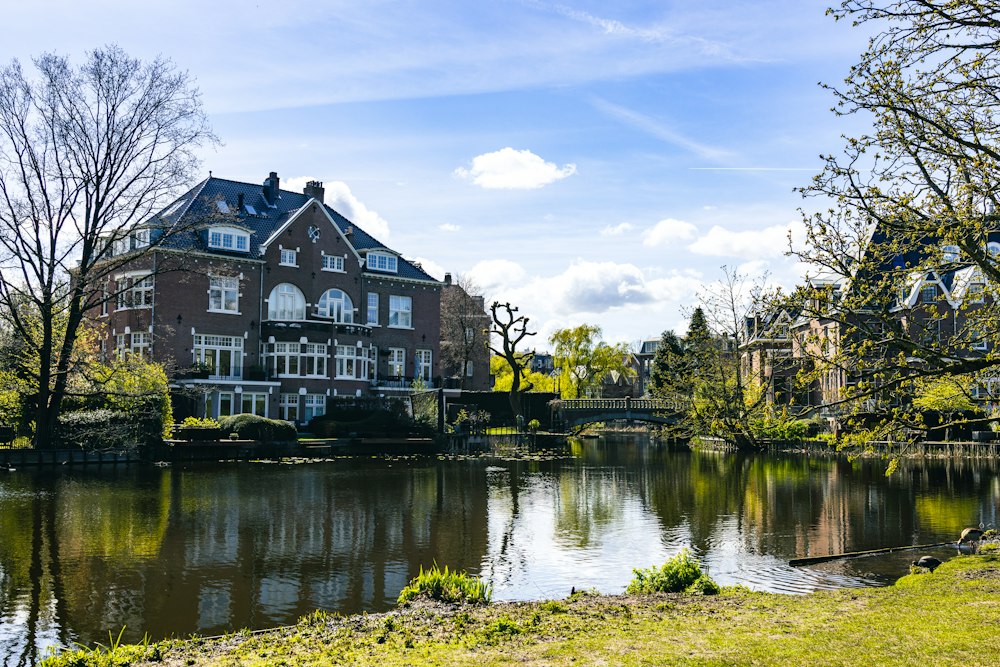
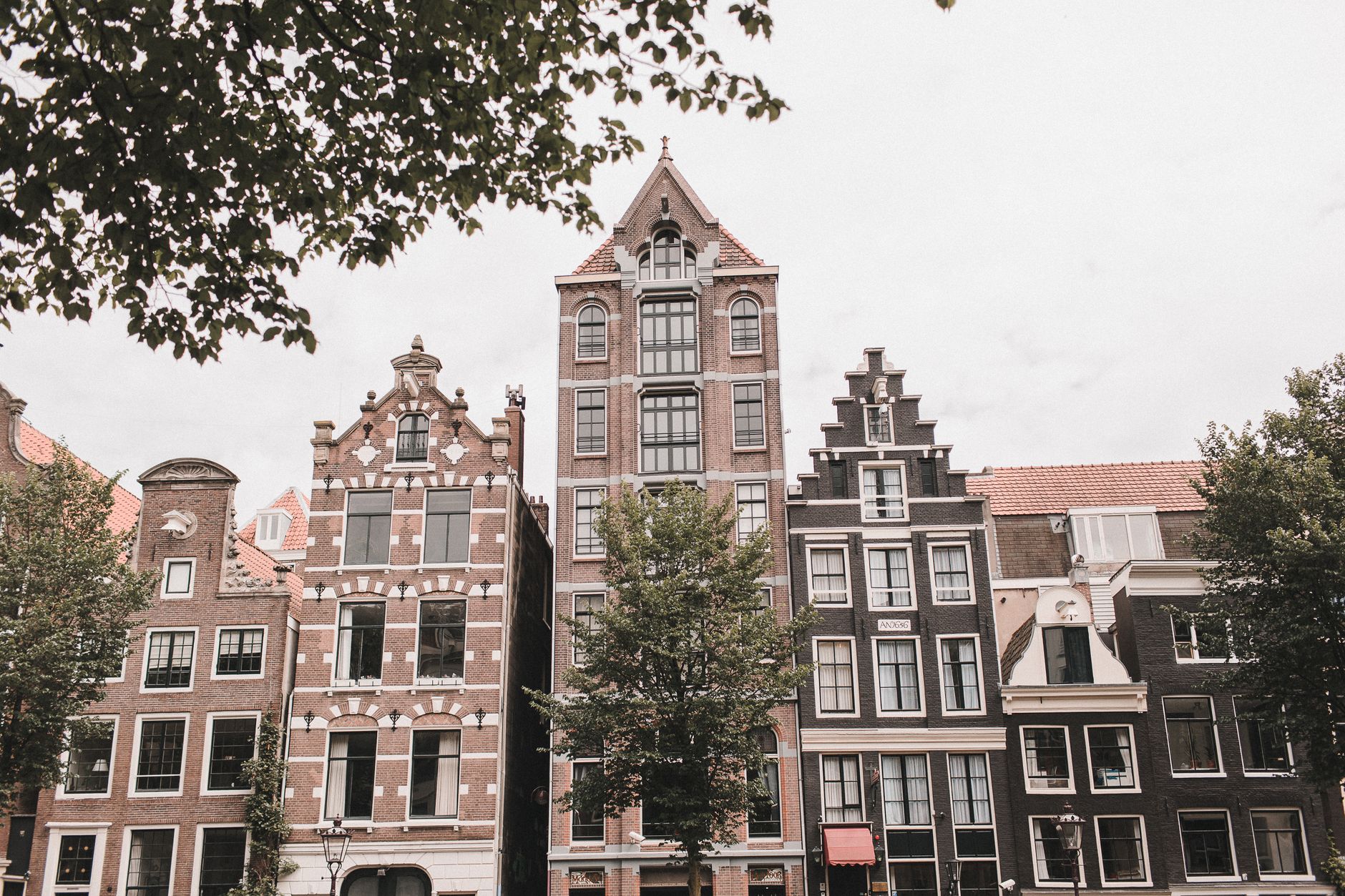
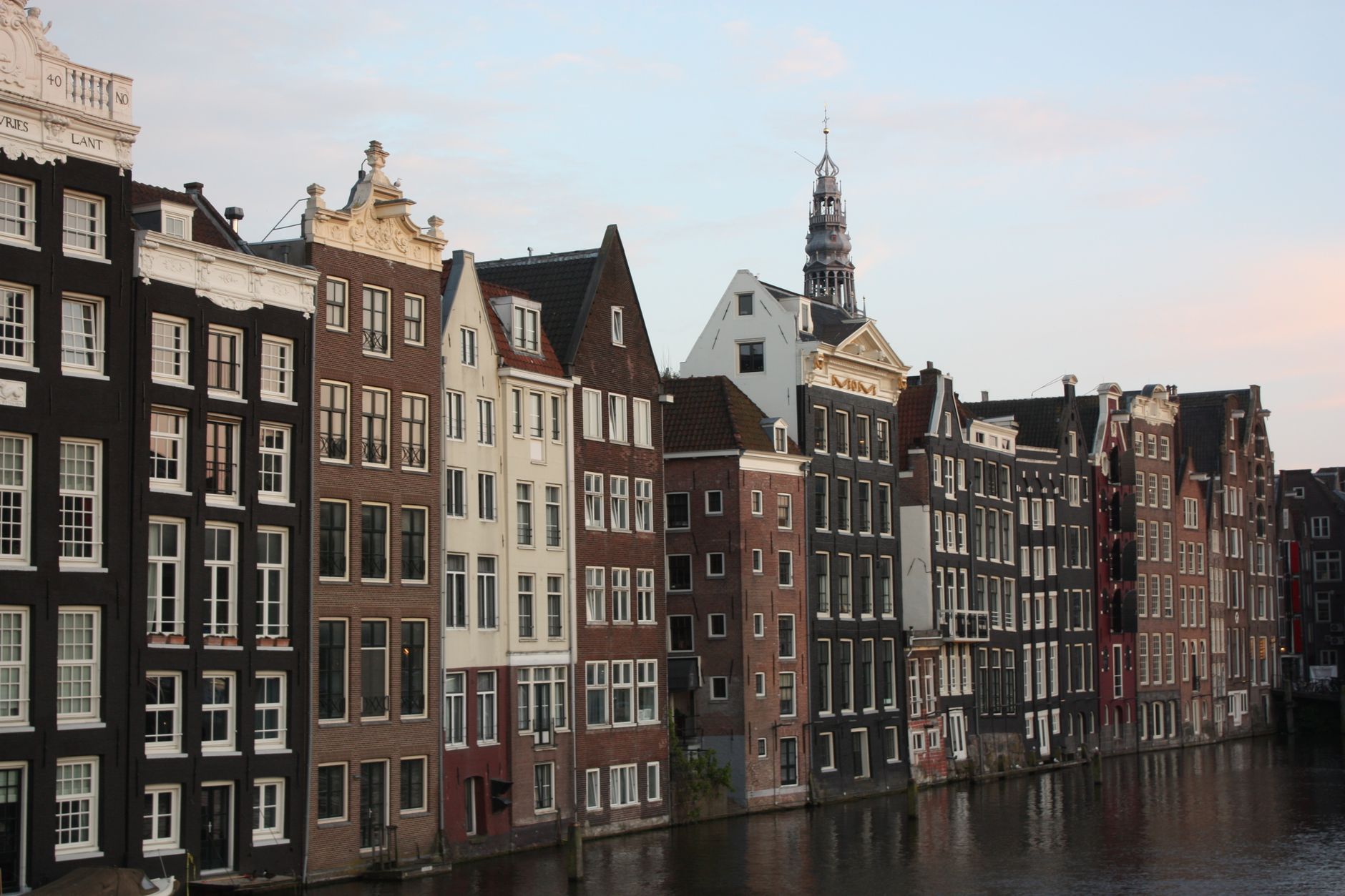
Between one cafe and the next you get the city itself, and it repays reading as you go. The tall houses along the canals lean out over the water on purpose. Their owners were taxed on the width of the frontage, so they built narrow and deep and high, and because the staircases inside were then too tight to carry a bed or a wardrobe up, they hung a hoist beam from the gable of each house and lifted the furniture in through the windows. Look up. The beams are still there on nearly every house, and you can see how far the fronts tip forward, so that a load on the rope clears the wall below it on the way up.
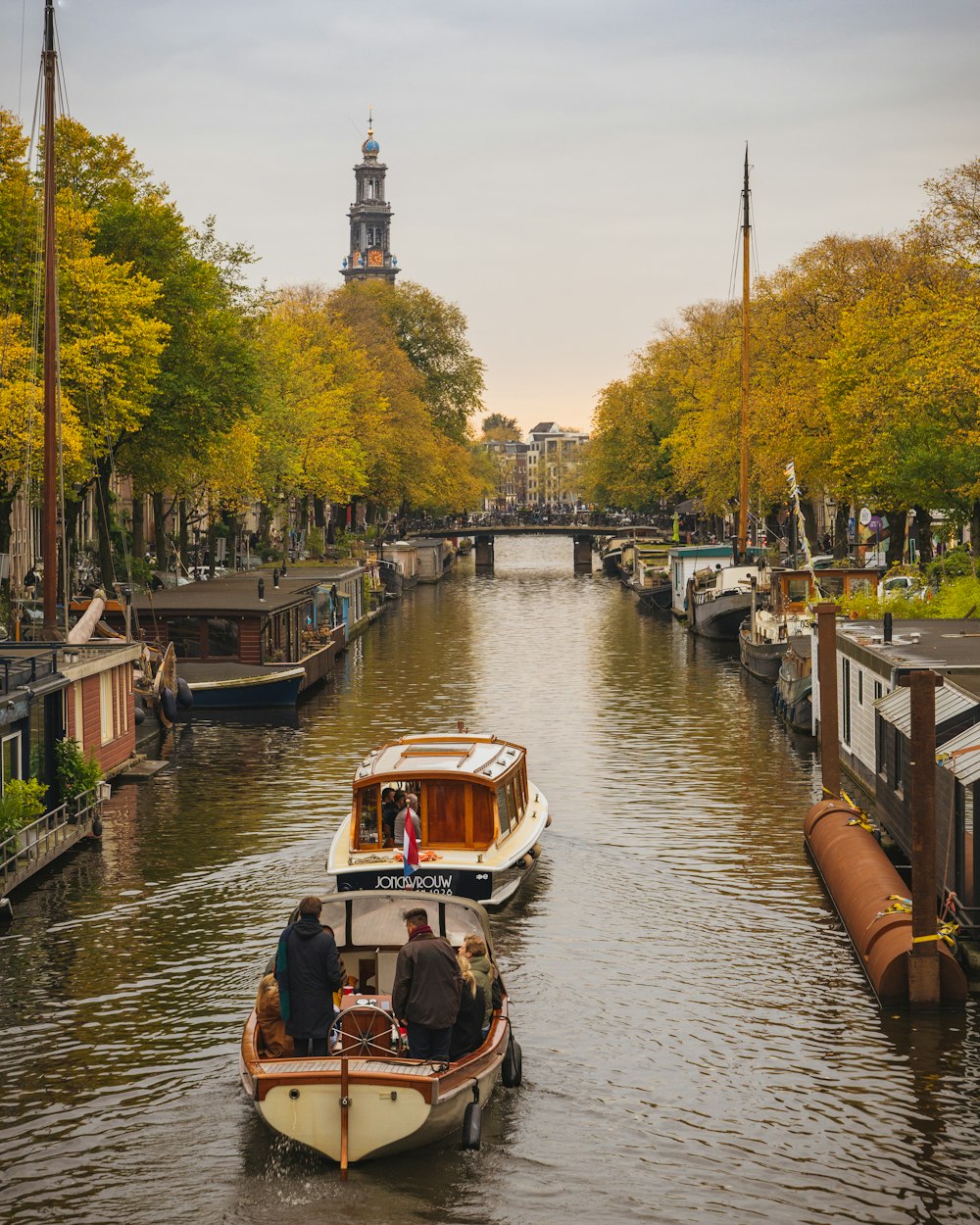
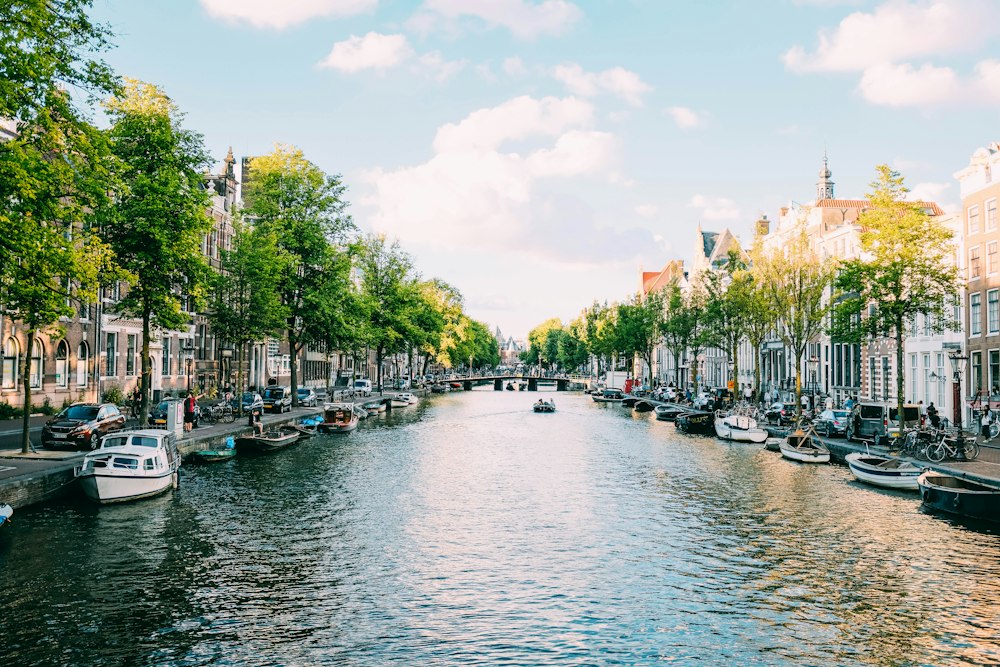
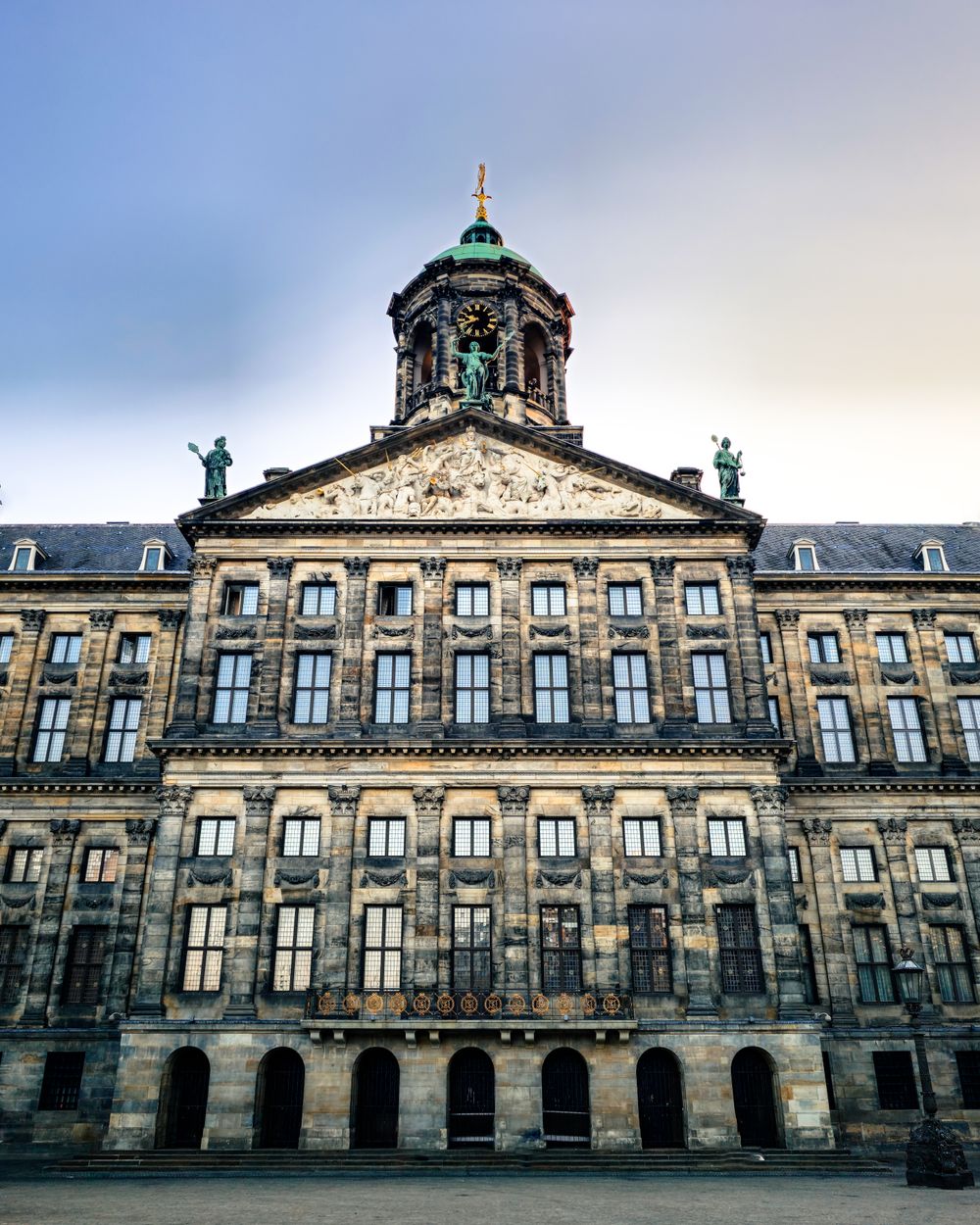
The canals they line are the original engineering of the place, three main rings dug in the seventeenth century, the Herengracht, the Keizersgracht and the Prinsengracht, curving out from the medieval core like the rings of a tree. The whole of it stands on wood. The ground was too soft and wet to carry a city, so Amsterdam was driven down onto millions of timber piles sunk to firmer sand, floating, in effect, on a submerged forest. The Royal Palace on Dam Square alone stands on close to fourteen thousand of them.
One warning, because it is the way most visitors come to grief. The gravest danger in Amsterdam is not the cars but the bikes, and the lane of red asphalt they own looks so much like more pavement that you will drift onto it without noticing and be rung at, or clipped, by a local going at speed with no plans to stop. Keep off the red. And come lightly while you are at it; the city has grown weary of being treated as a stag party with canals, and has begun quietly making the cruise ships less welcome and the new hotels harder to build.
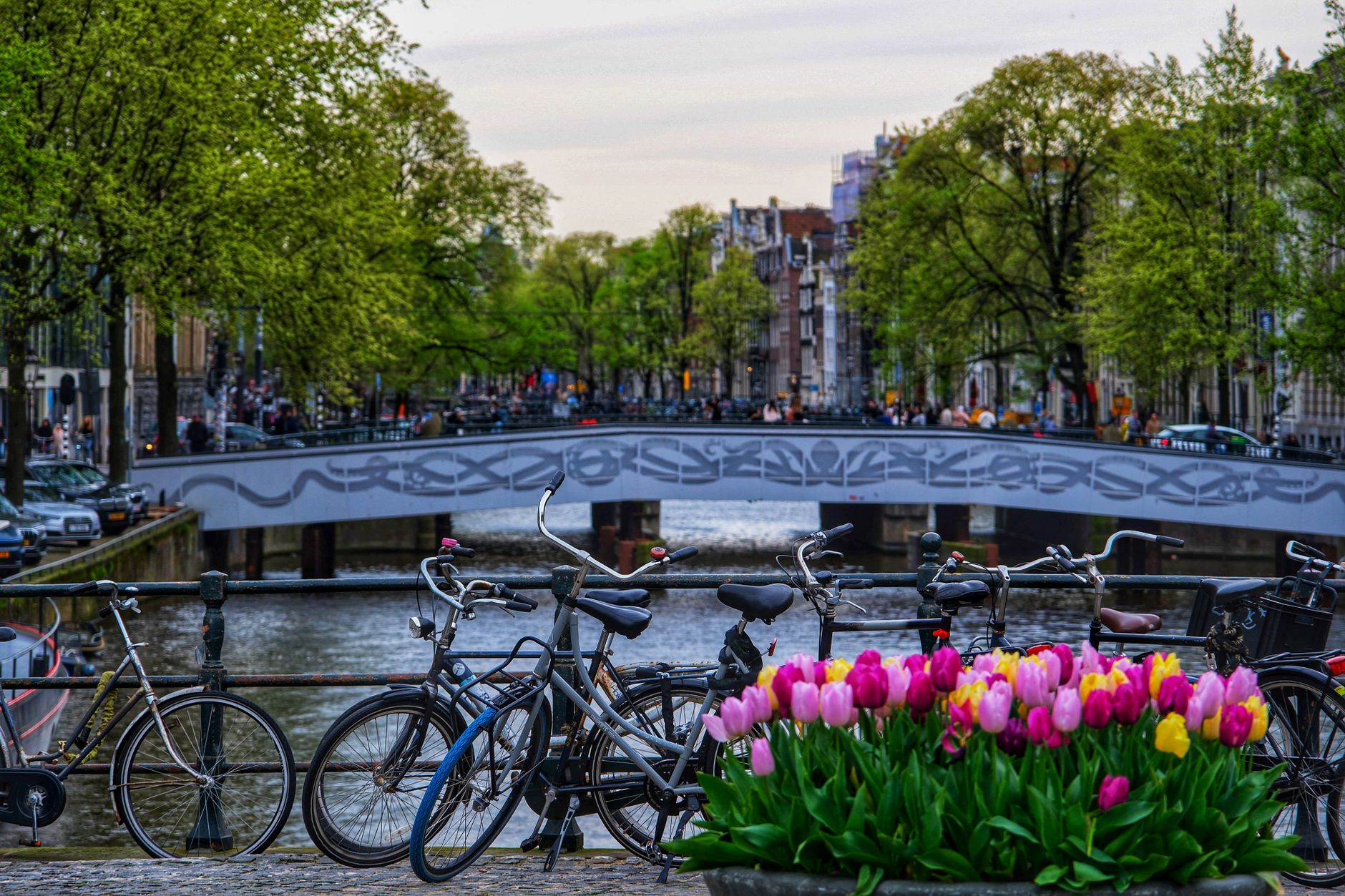
So do less than you planned. Walk a canal ring or two, read the leaning fronts and the hoist beams overhead, cross a bridge with a view of six more, then find a brown cafe with a table by the window or a jetty over the water. Order the jenever and the small beer beside it and let the afternoon go. Amsterdam rewards sitting still more than it rewards covering ground, and the brown cafe, candles lit against the grey, is where the city is at its best.