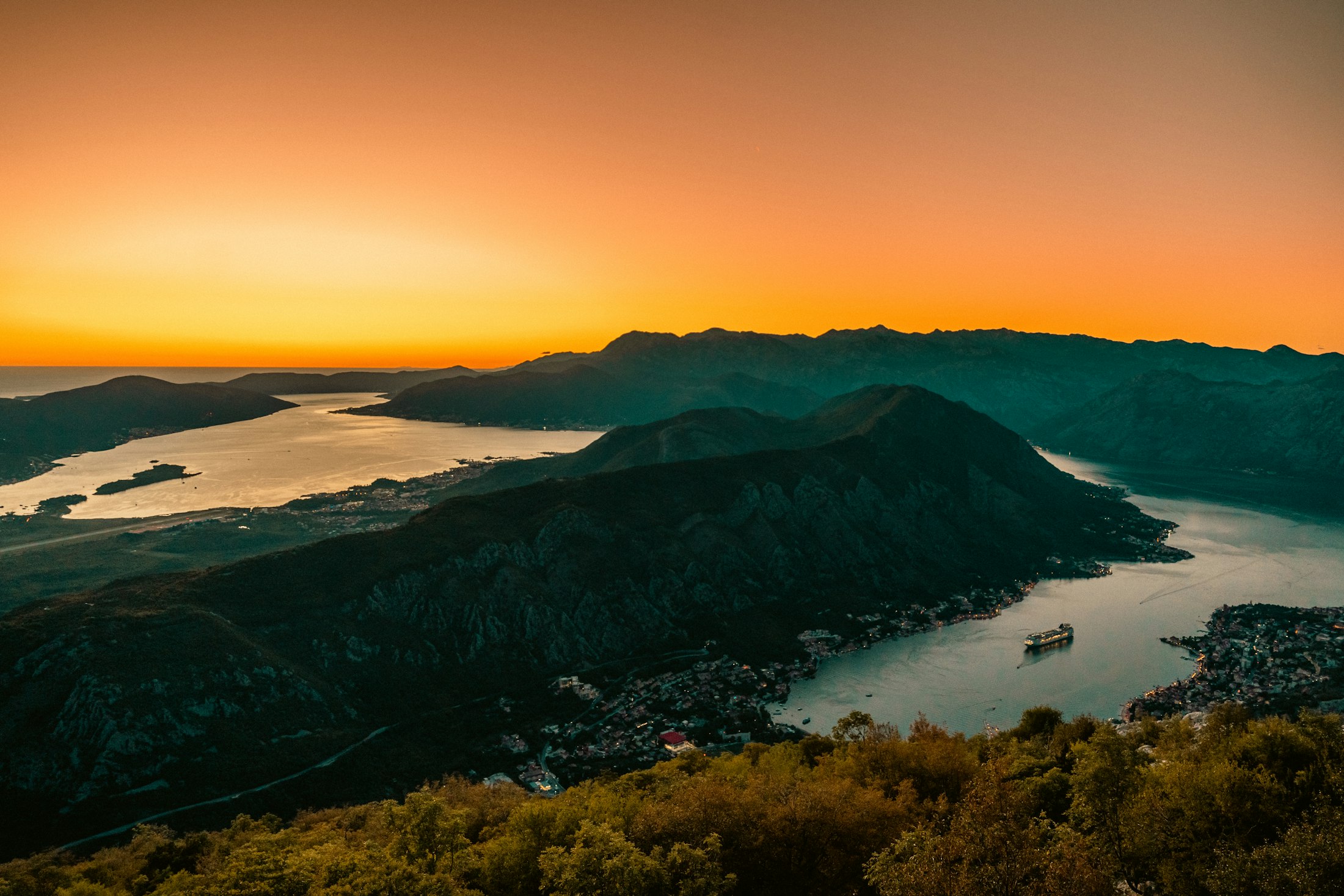
Round the last headland and the sea turns into something that should not be this far south: a long, deep, twisting inlet with mountains falling sheer into dark water, and the first word for it is Norway. Everyone says fjord. It is not a fjord. A fjord is gouged out by a glacier; the Bay of Kotor is a ria, a river valley drowned by the sea, and the distinction stays pedantic right up to the palm trees, the olive groves, and water warm enough to swim in. It looks like the north and behaves like the south.
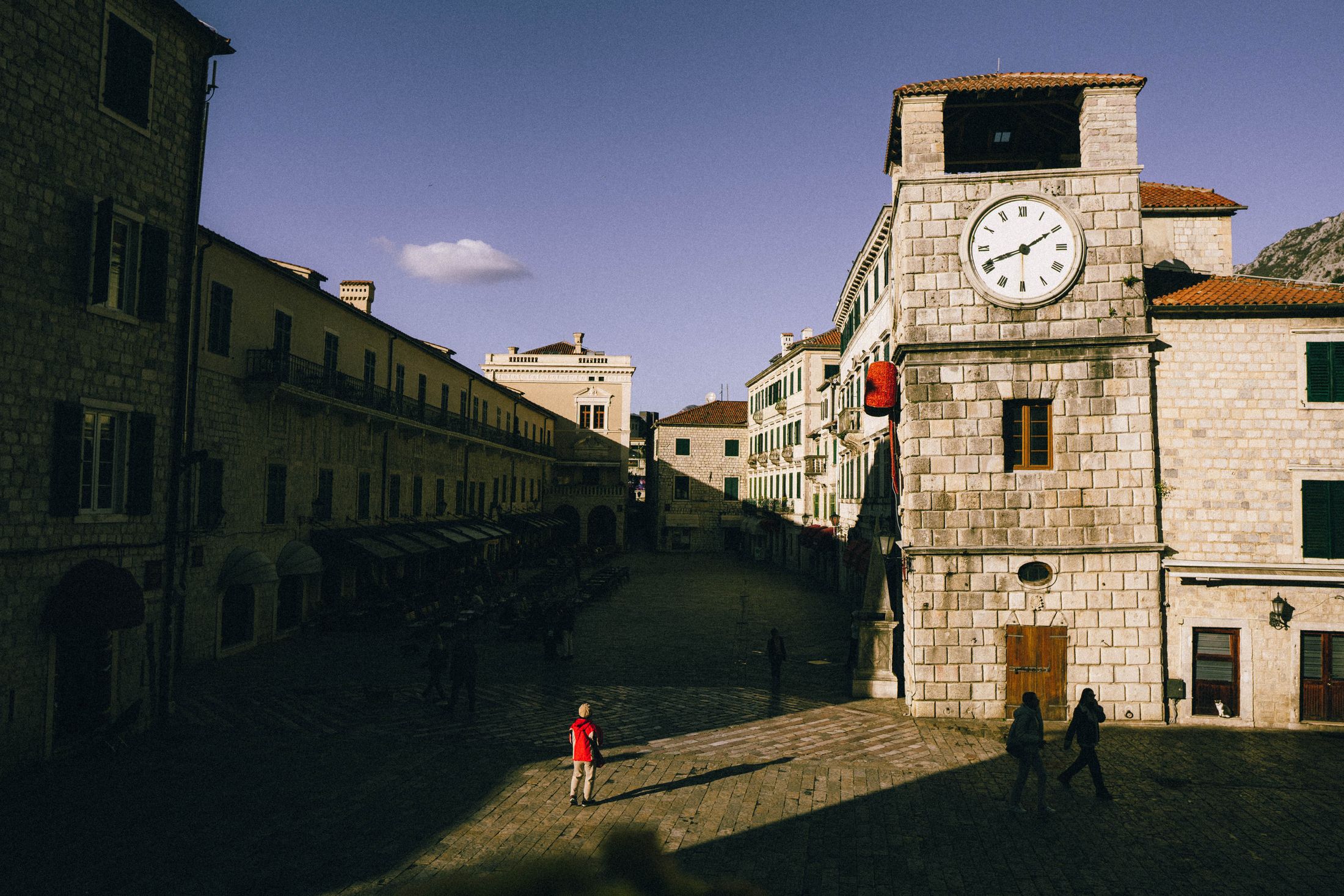
At the very back of the bay, where the mountains close in tightest, sits Kotor, a walled medieval town folded into the foot of the cliff so neatly it is easy to miss from the water. Inside the walls it is all worn marble lanes and small squares and Venetian stone, because Venice ran this coast for four centuries and left its lion carved over half the doorways. It is small enough to get pleasantly lost in for an hour, and never more than a few minutes from a way out.
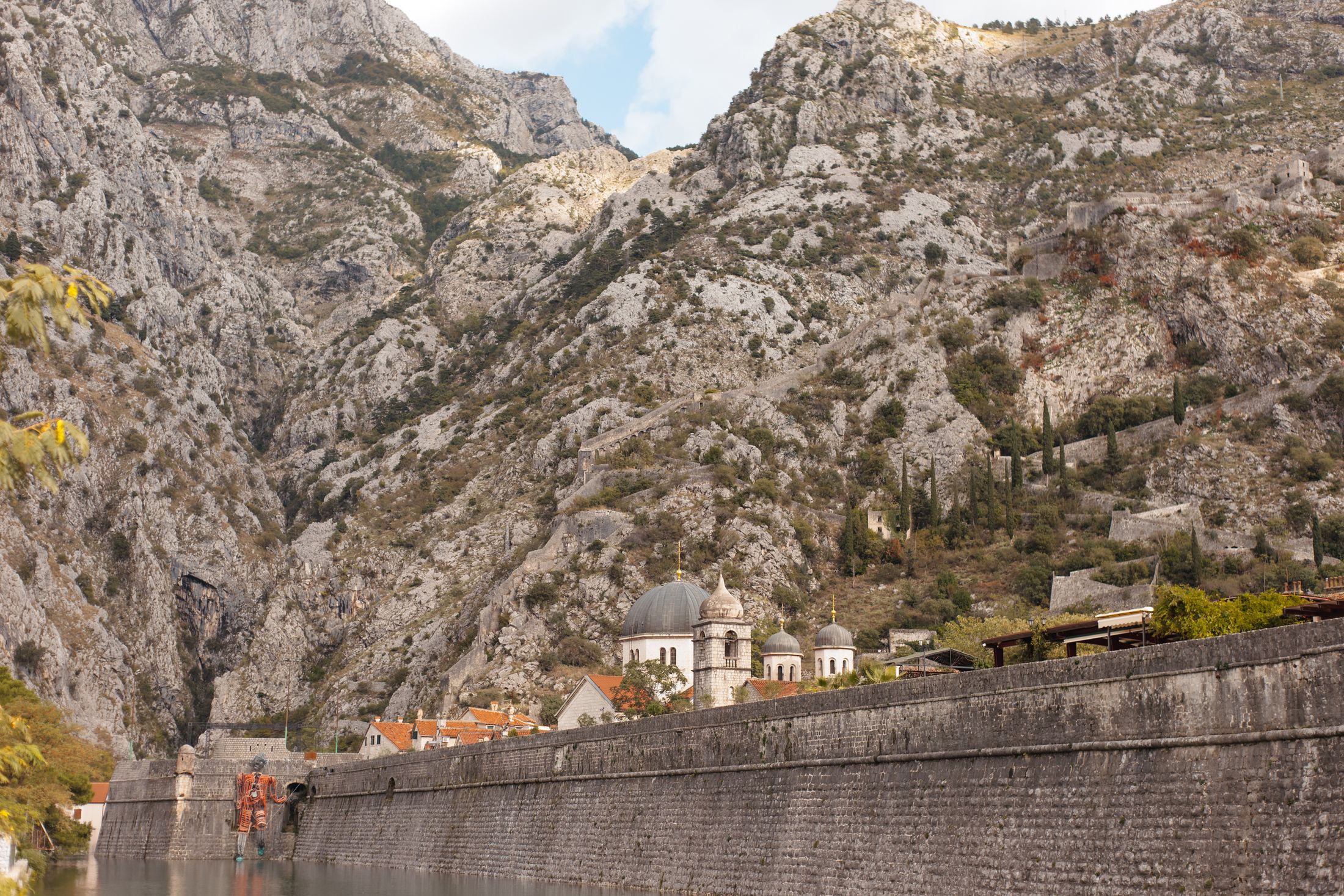
The best thing to do is climb out of it. The old town's walls do not stop at the town: they run straight up the mountain behind it, thirteen hundred steps of them, to the Fortress of San Giovanni on a crag two hundred and sixty metres up. First light is the time to go, before the heat turns the exposed stone staircase into an oven and before the day's cruise ships arrive. From the top the whole inner bay opens out below, the red roofs tiny, the water going silver, the mountains folding away in layers. It is the view the trip is secretly about.
There is a catch. Kotor is beautiful and small, and the cruise industry has noticed. On a bad summer day fifteen thousand passengers come off the ships at once, and the old town stops being charming and turns into a queue. Timing is everything, both the hour and the season: up on the walls at dawn, out of the old town by mid-morning, and in June or September rather than the furnace of high summer. The bay is long, and most of it the ships never reach.
It helps to know what kind of place this is. It is not a beach holiday. The shore of the bay is rock and pebble, and where there is somewhere to swim it is usually a small cove or a concrete platform with a ladder down into deep, clear water, lovely for an hour but not a day on the sand. For that, it is twenty minutes over the hill to the Budva Riviera, with its long pebble beaches and sunbeds. The bay is for something else: the walled town, the climb, and above all the water, crossed by kayak or small hired boat, threading between the two shores to Perast and the islands. Kotor is scenery and stone, not a towel and a parasol.
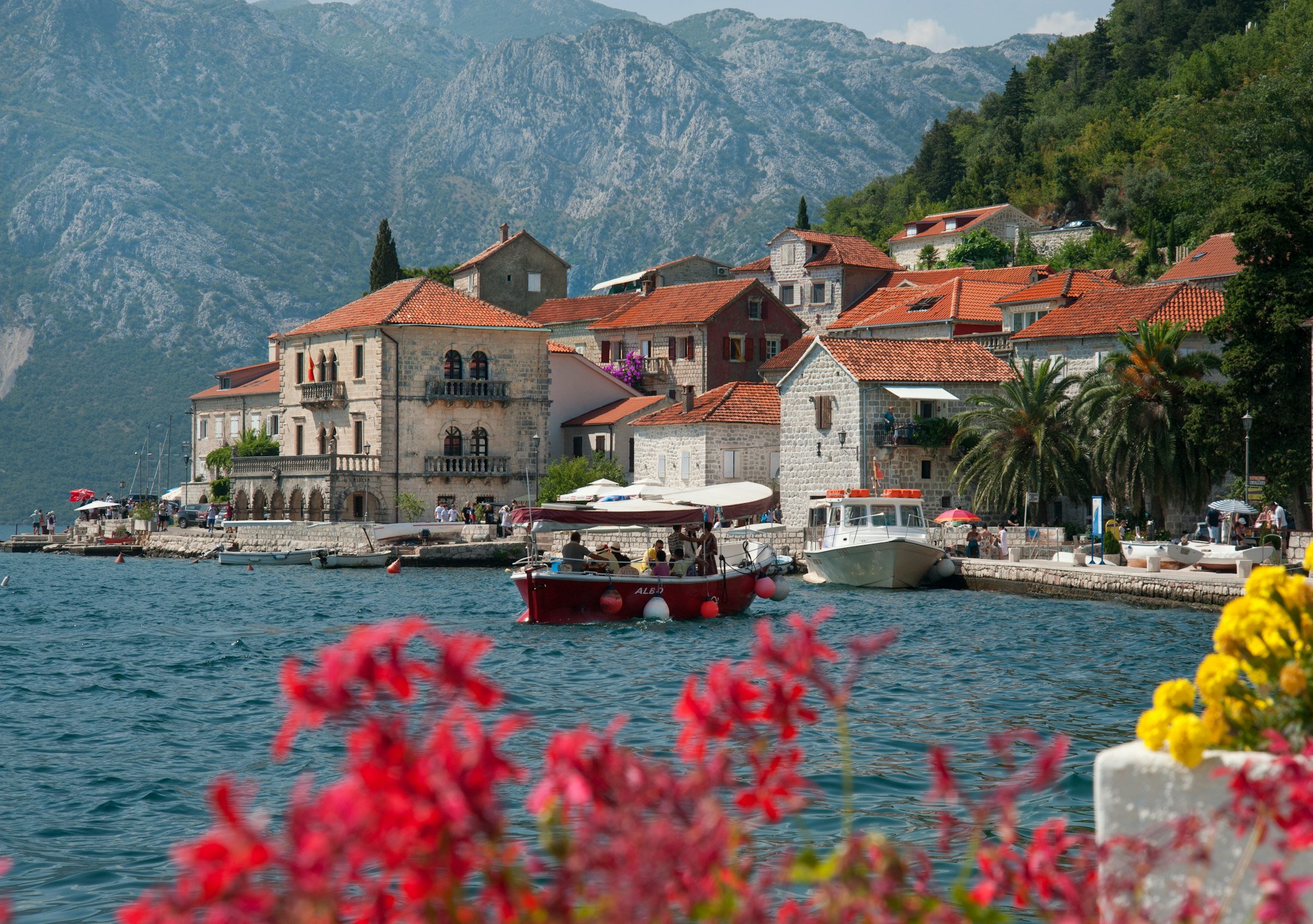
Half an hour up the water is Perast, a single baroque street of sea-captains' palazzos from the days when this tiny place was a maritime power. Off its shore, floating impossibly on the bay, stands Our Lady of the Rocks, a church on an island that has no business existing. There was no island. Sailors are said to have made one, dropping a stone into the sea on every safe return for four hundred years until there was enough of it to hold a church. A small boat runs out to it, and it is the strangest and most human thing in the whole bay.
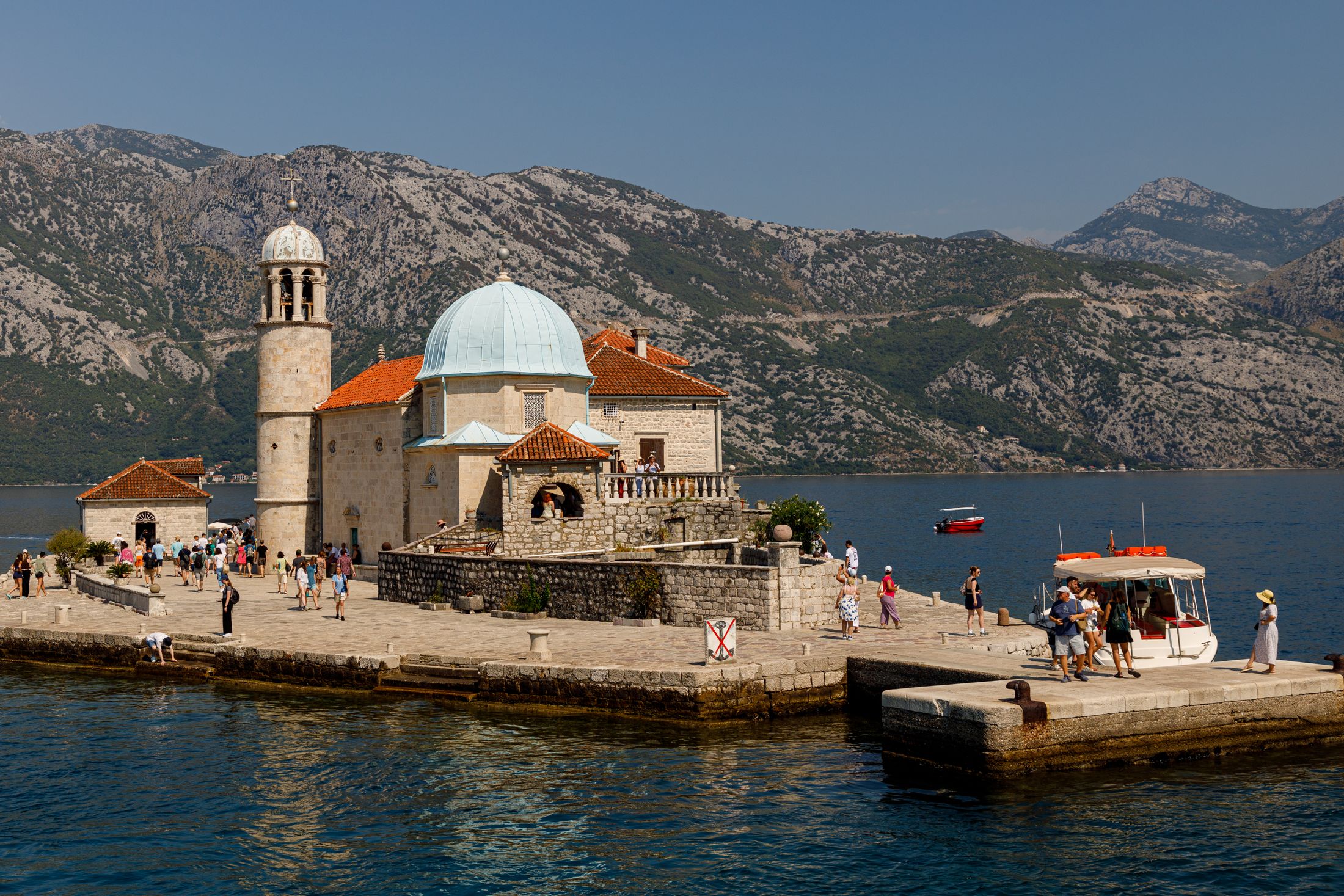
There was no island. Sailors made one, a stone at a time, for four hundred years.
There are cats everywhere, hundreds of them, sunning on the walls and the cathedral steps, an unofficial mascot the town leans into completely. Two nights, longer than any cruise passenger stays, buys the other Kotor: the evening after the ships have sailed, the swifts screaming over the squares, a drink by the water while the light drains gold off the mountains.
So is it a place to unwind in high summer? Not on its own, and not in July and August, when the heat sits trapped in the bay and the old town fills with day-trippers by nine. June or September is the answer, when the days are still warm and the town is handed back after dark, and it is close to perfect. For a trip built around lying by the sea and doing nothing, Kotor earns a day or two for the town, the climb and the island, before the open coast takes over for the beach. Most people come for the wrong reason, the Norway-in-the-Mediterranean photograph, and stay for the right one: a fjord in all but geology, with better weather and a longer memory, and everything the photograph leaves out.