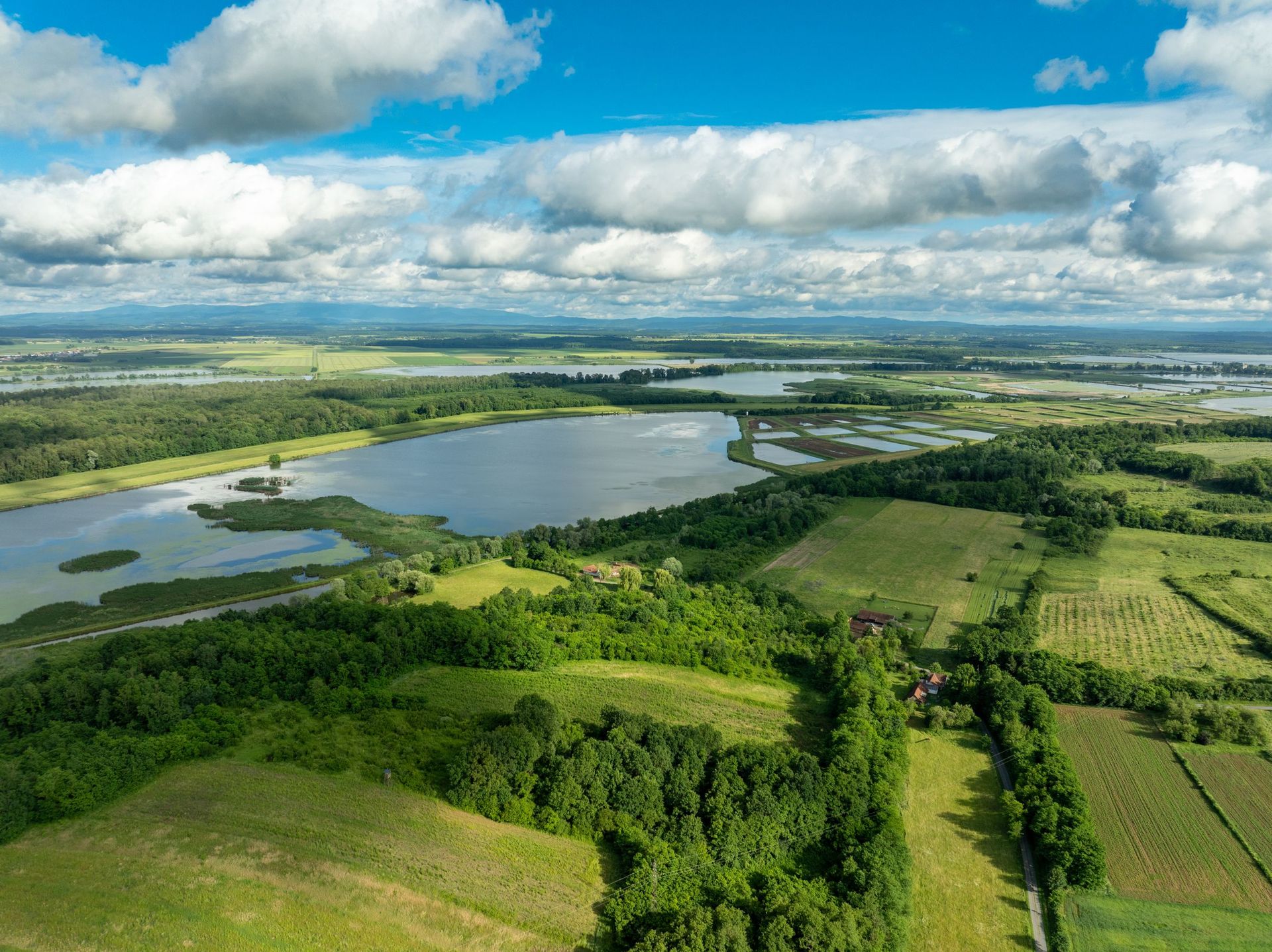
The fish know first. As the water starts to fall they run for the western end of the valley, toward the sinkholes that are quietly draining the whole lake out from under them, and for a few weeks the people of Cerknica go out to meet them with nets. In the winter of 1714 the lake came back after seven dry years and the fish were so thick they were carried off by the cartload. A boat can be rowed across this valley in April, over several metres of cold spring water, and the same ground is walked in August with cut hay drying underfoot. Lake Cerknica is the largest lake in Slovenia for as long as it bothers to exist. Then, every year, it pours itself into the earth and leaves.
The machinery is underground. This is karst, limestone eaten hollow from the inside, and the valley floor is punched through with caves and swallow-holes the locals call požiralniki. Through the wet months water arrives far faster than the holes can swallow, and the basin fills. When the rain eases the balance reverses, and the lake drains in weeks, not down a river but straight down into the dark.
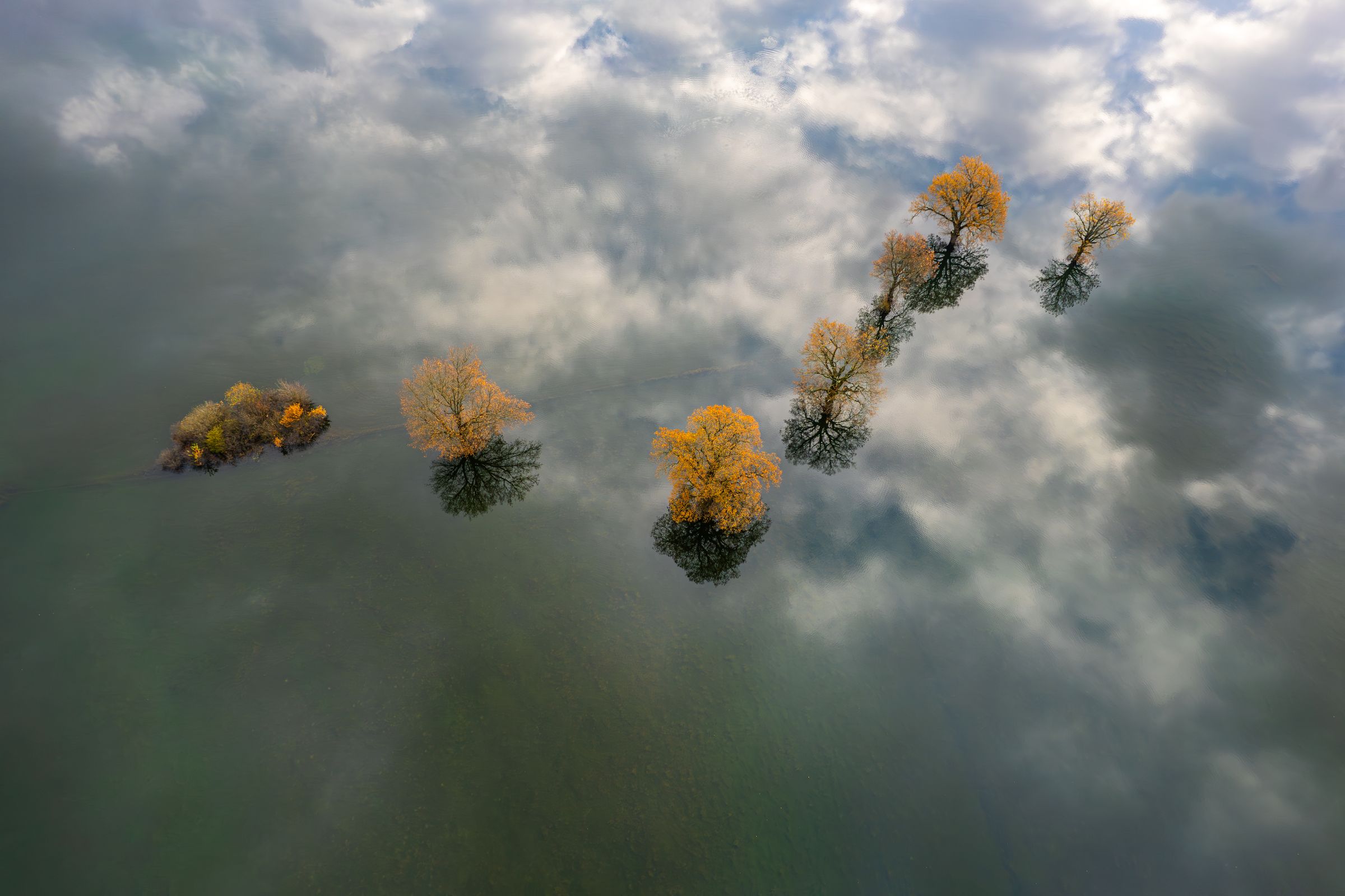
The fish do not all die when the lake leaves. Some ride the current down into the caves and wait in the cold and the dark until the water returns to lift them out, which is why certain caverns at the valley's edge were never fished: the lake kept its spawn down there. People have tried to explain this for centuries. The lake has been on maps since the fifteenth century, and in 1687 a Carniolan polymath, Janez Vajkard Valvasor, explained its springs and sinks to the Royal Society in London so convincingly that it elected him a fellow. The word for it all came from a different corner of Slovenia: karst is borrowed from the Kras, the bare limestone plateau over near Trieste, which lent its name to every landscape on earth that drains from the inside. Cerknica did not name the phenomenon. It is only the place that does it out loud, a whole lake where the Kras keeps a hidden stream.
Some of the fish ride the water down into the caves, and wait in the dark for the lake to come back.
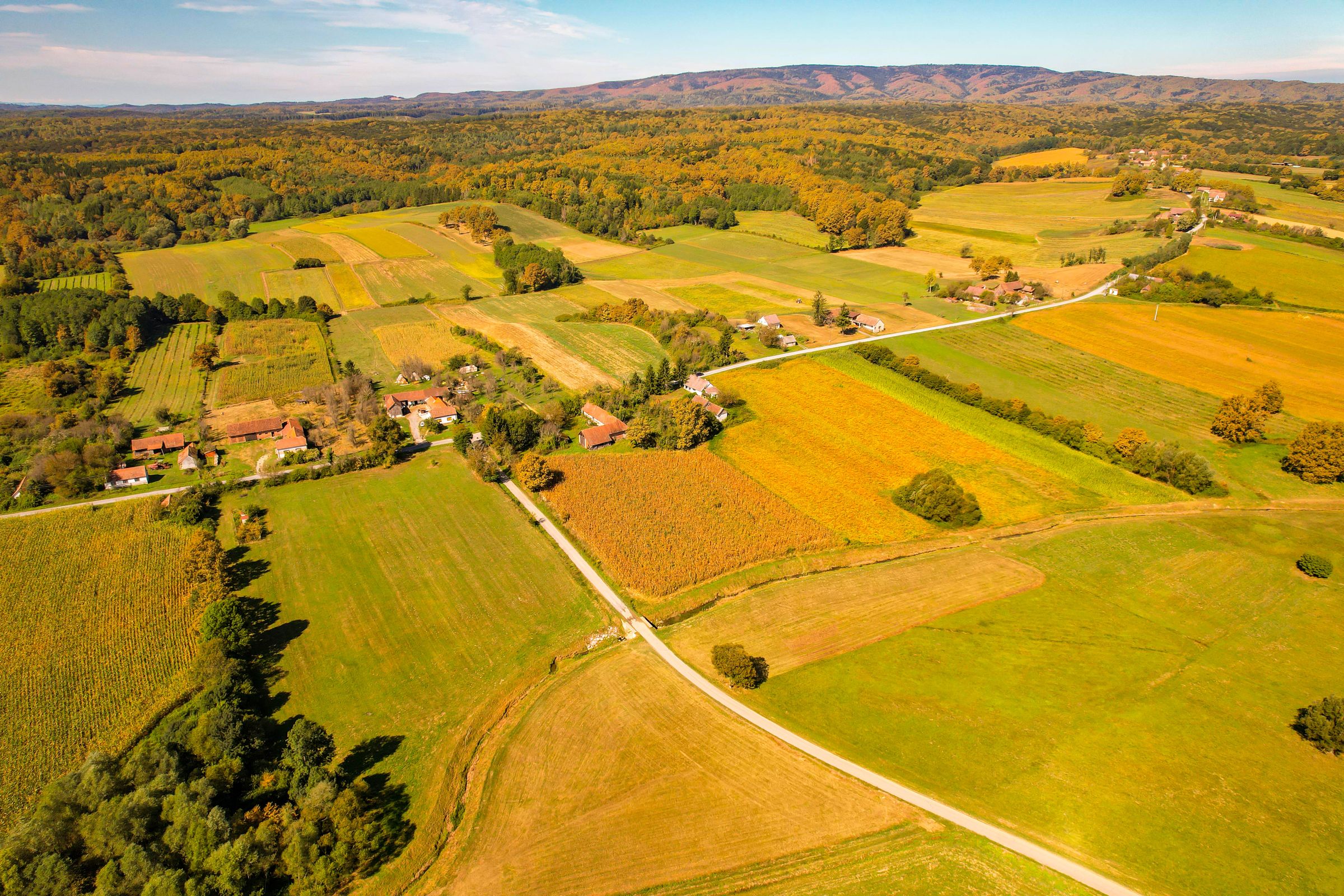
The town that lends the lake its name sits just off the northern shore, a quiet Notranjska market town best known, when it is known at all, for a carnival of giant papier-mache witches and a lake that is frequently not there. The villages closer in wear it on their sleeve: Dolenje Jezero and Gorenje Jezero translate as Lower Lake and Upper Lake, optimistic or honest depending on the month. In Dolenje Jezero a small museum runs a working model that floods and drains the whole valley on a loop, a year of slow water run through in a few minutes. The basin is a regional park now, with electric shuttles out from the railway at Rakek on busy weekends, and twenty minutes west, at Rakov Skocjan, a collapsed cave roof has left a gorge spanned by two natural stone bridges. The lake is not an exception here. It is the largest and plainest version of what the whole region does.
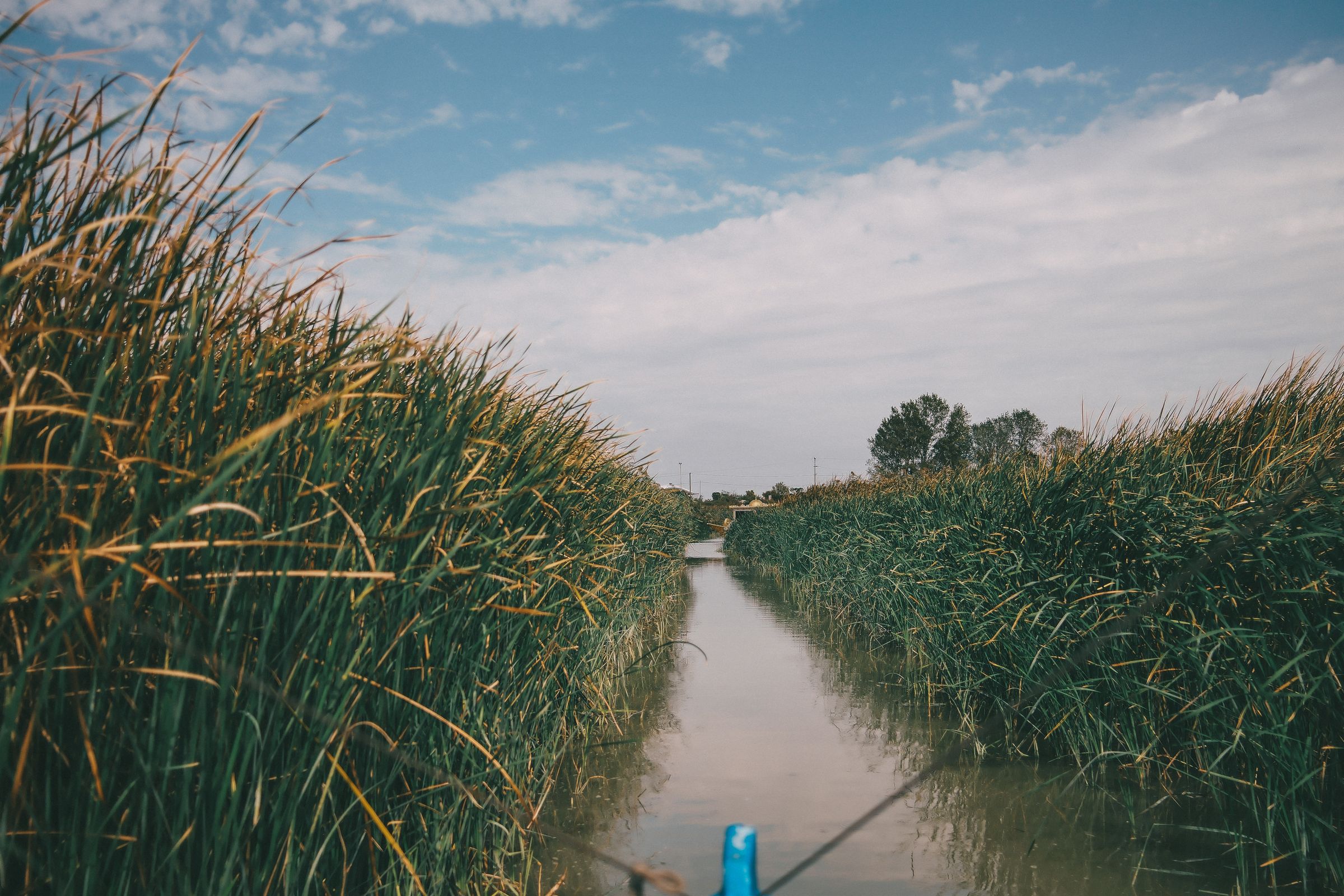
Life here takes the lake in shifts. In a hard winter the shallow water freezes and fills with skaters. In spring the fishermen put out, and you can row across thirty-eight square kilometres that will not exist by autumn. Then the level drops and the same families walk out behind their cattle to graze the floor and cut hay where the carp had been. In the spring of 2025 the gauges at Dolenje Jezero stood above four metres and the lake was as wide as it gets; by late summer it was gone again. Nobody local finds this remarkable. A lake that is also a skating rink and a hayfield is just the place they are from.
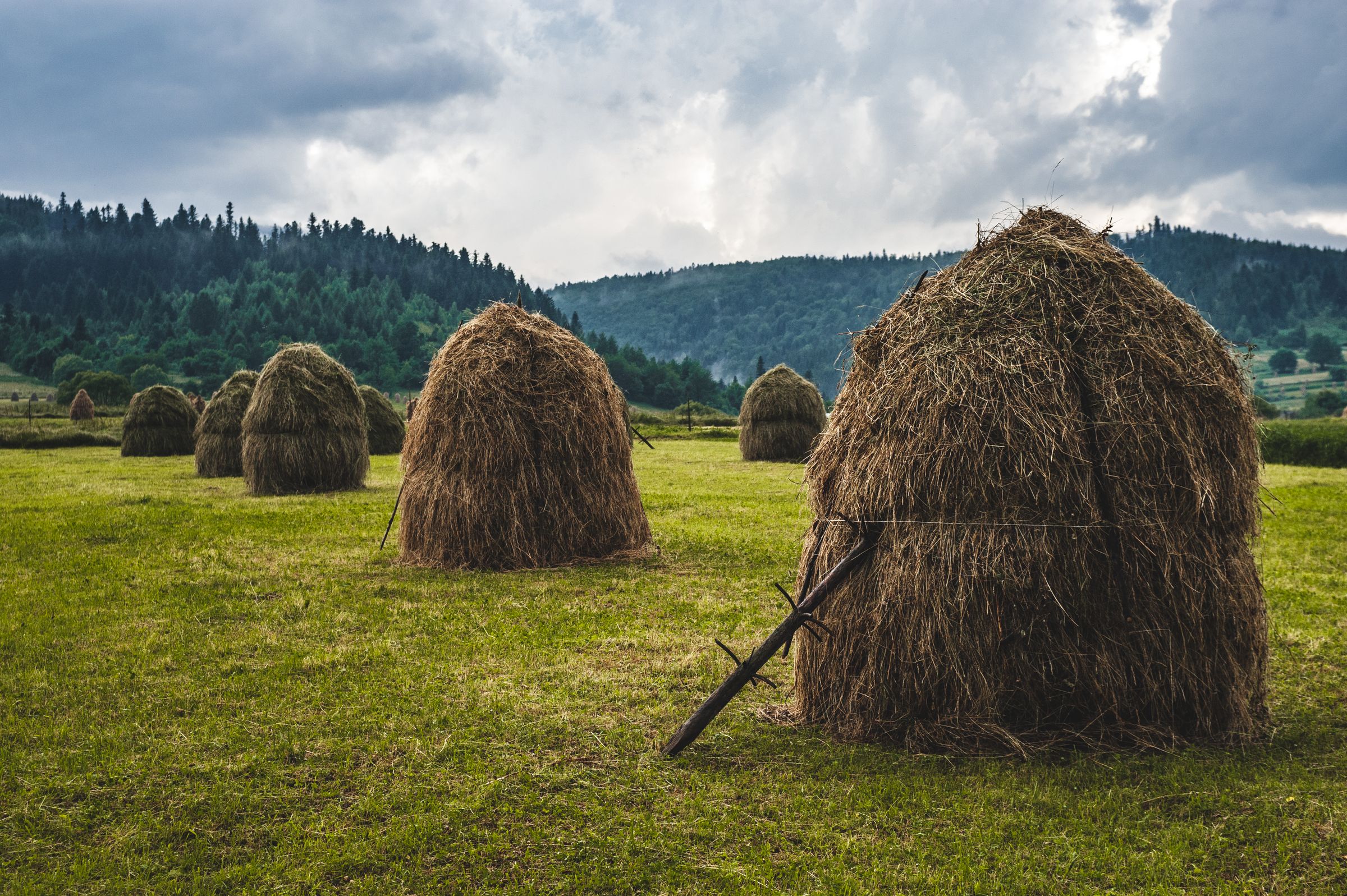
It will be a meadow by the time you read this, or a lake, depending on the rain. Most landscapes change too slowly to feel from inside a single life. Cerknica changes on the scale of a season, fast enough to watch and slow enough to live by, and it has kept that rhythm since long before anyone wrote it down. Whatever is out there this month, the other thing is already on its way.