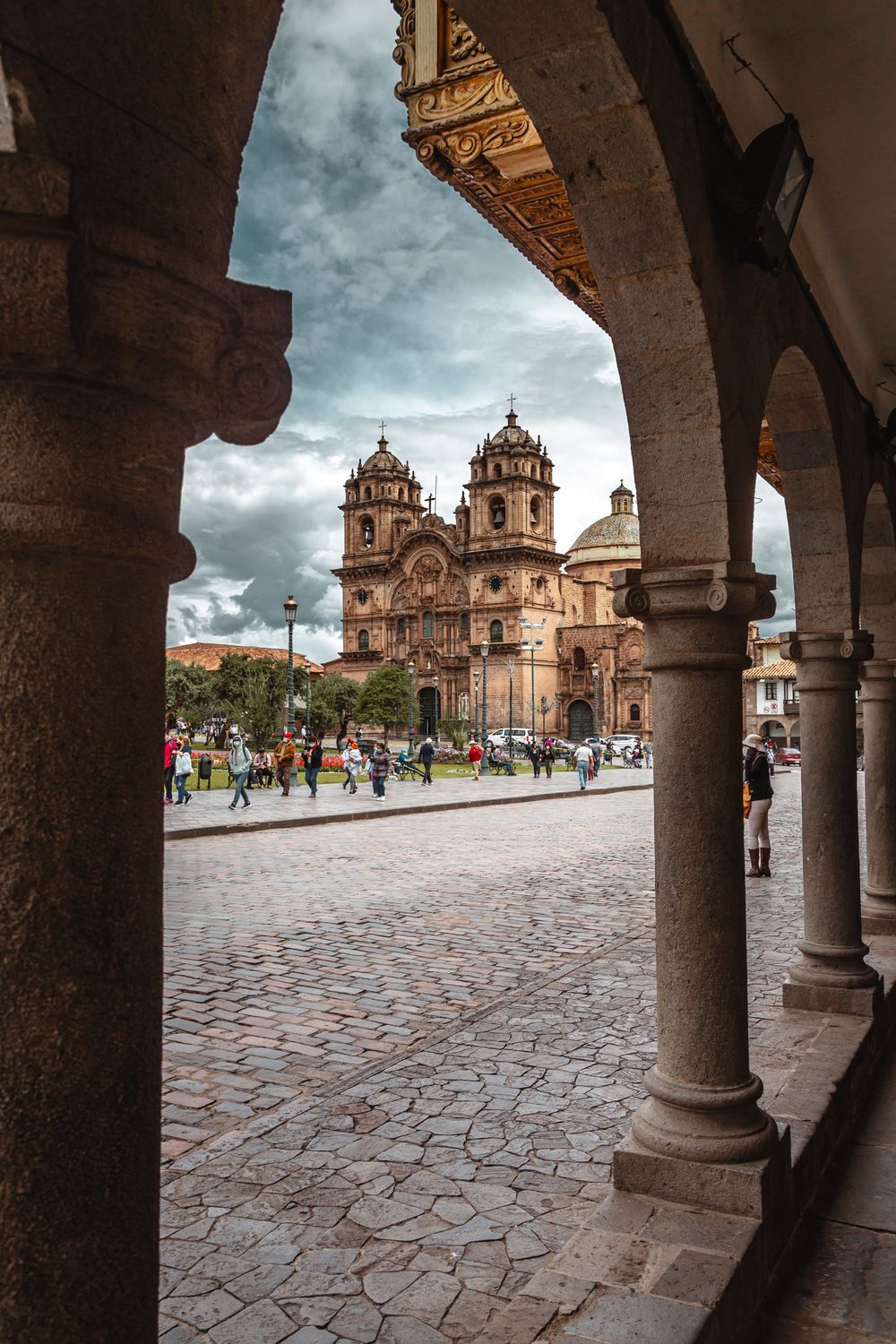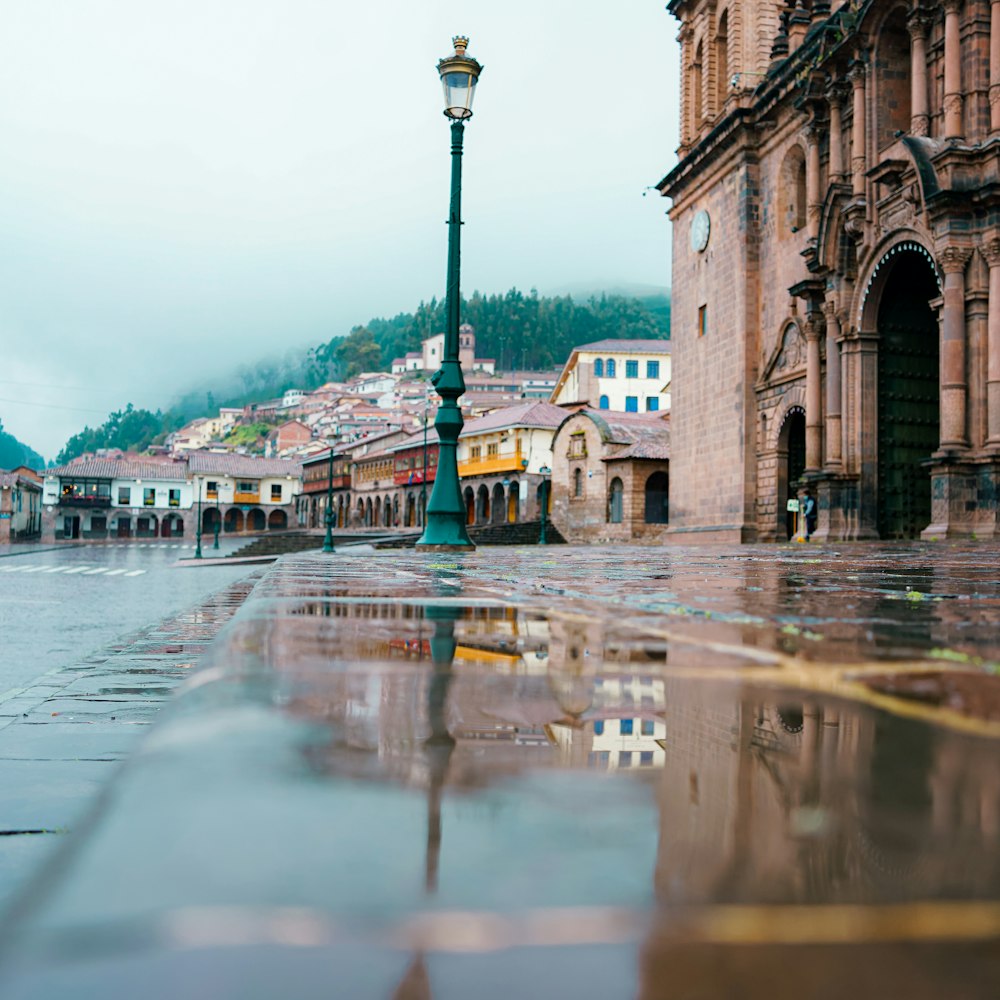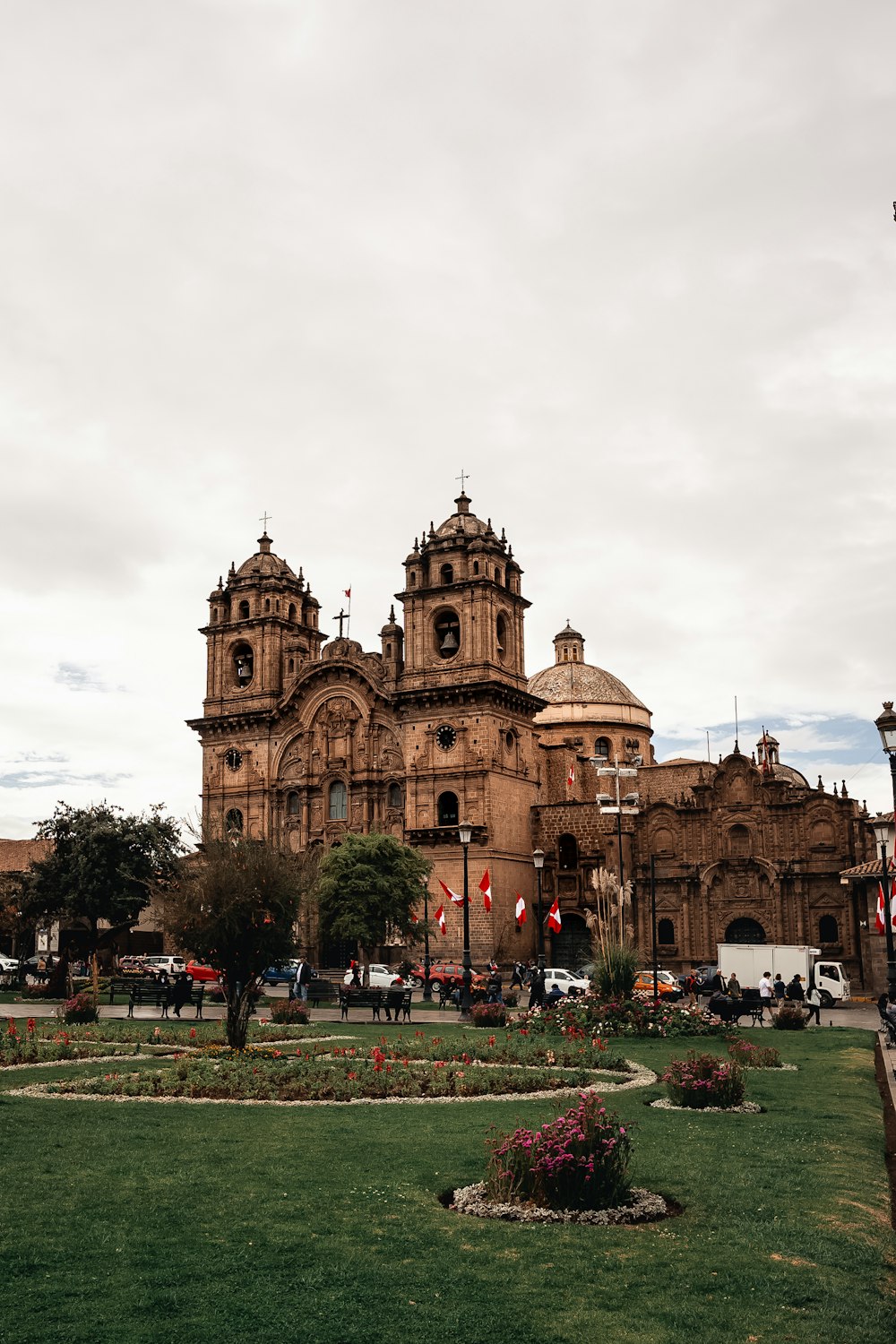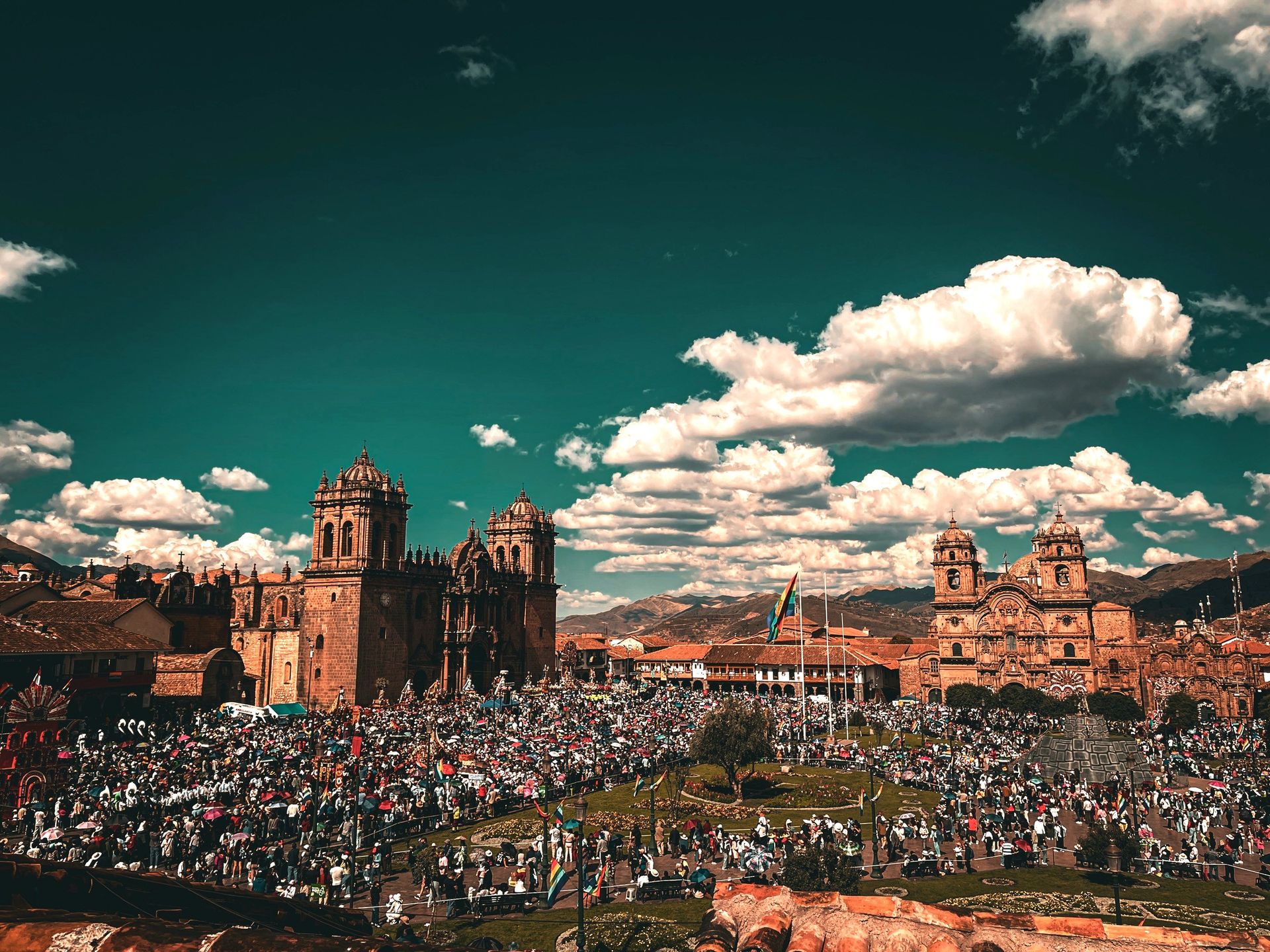
Everyone says the same thing, that on the day of Corpus Christi the Plaza de Armas is a wall of people and there is no getting near the saints. The wall of people is real. By noon the square is full to its edges, hats and umbrellas and the brass of the bands warming up, no clear line to anything. Getting near the saints, though, is not really the point. The whole city has come out to wait for its dead.
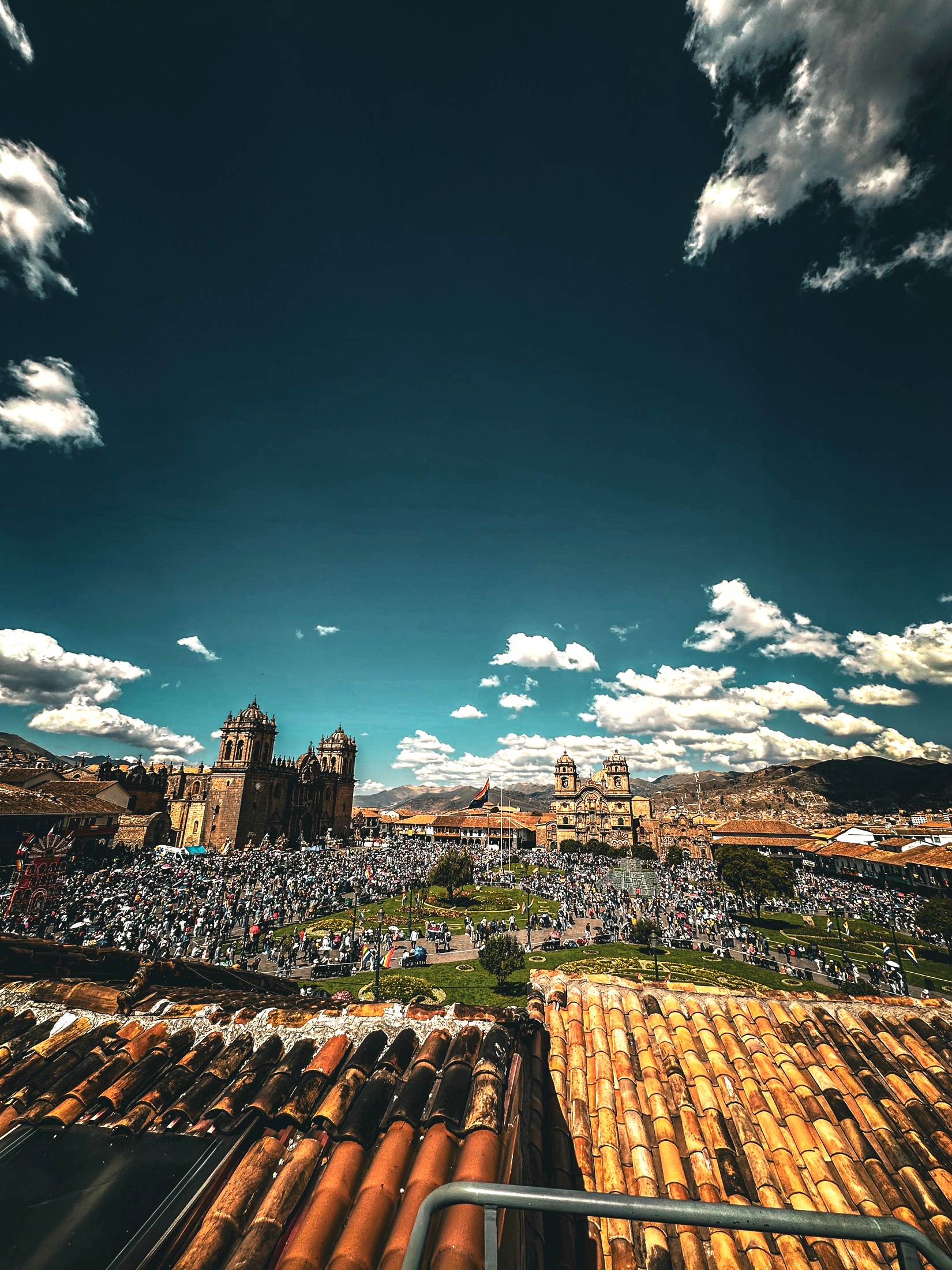
Ten saints come, one from each of the old parishes of Cusco. They do not travel light. Each rides an anda, a litter, a tonnage of silver and carved wood and banked flowers that takes a relay of men underneath to move at all, and they come down from their own churches on the edges of the city to gather here at the cathedral on the main square. The day before is the entrance, the Entrada de los Santos, when they arrive one by one and are set down to wait. On Corpus Christi itself they go in together to keep company with the consecrated host, the body of Christ that gives the feast its name, and they stay eight days before each is carried home again. People talk about them like neighbours: which parish is running late, whose flowers are finer this year, whether San Sebastián and Santa Bárbara will be set near enough to greet each other.
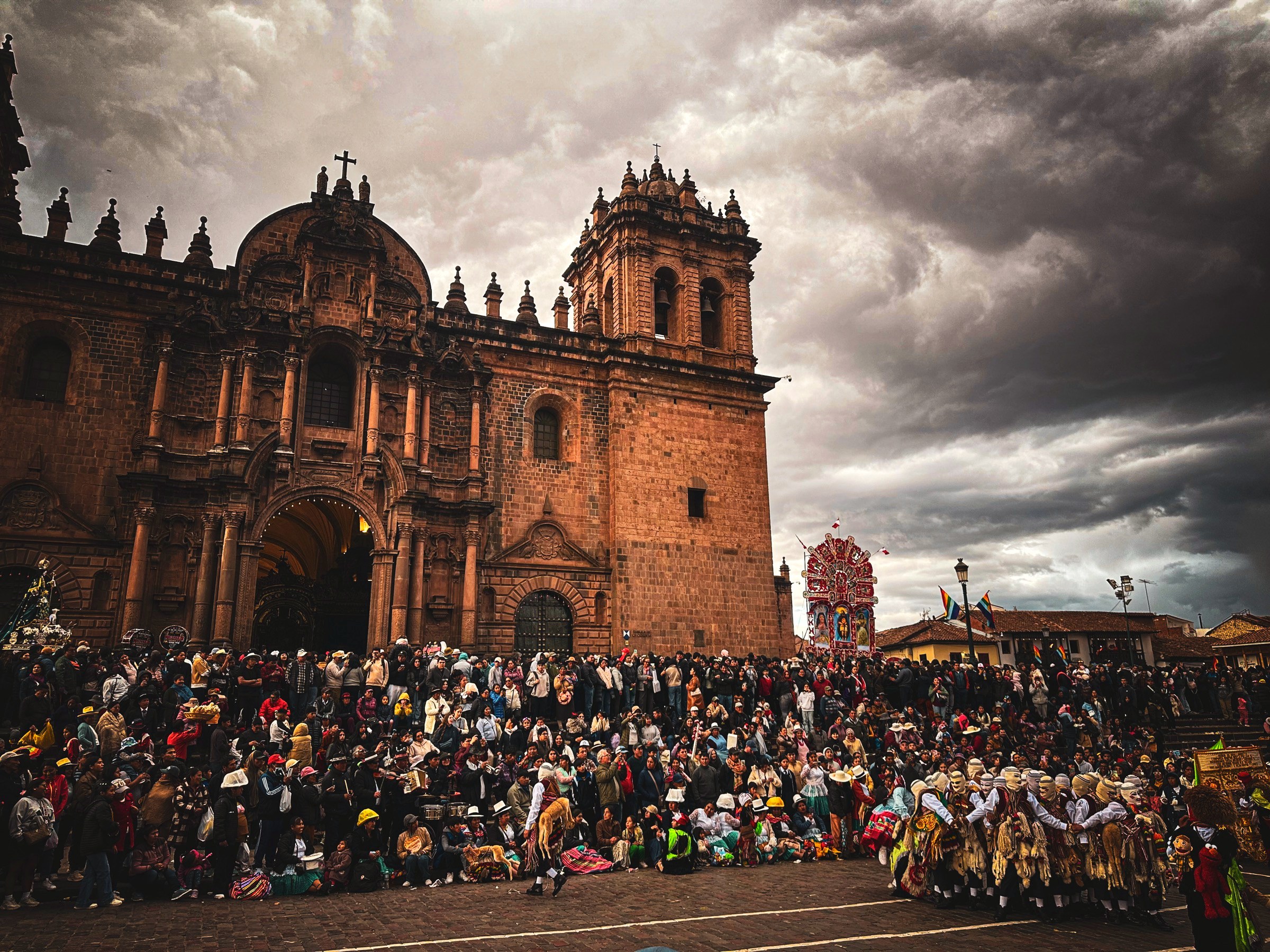
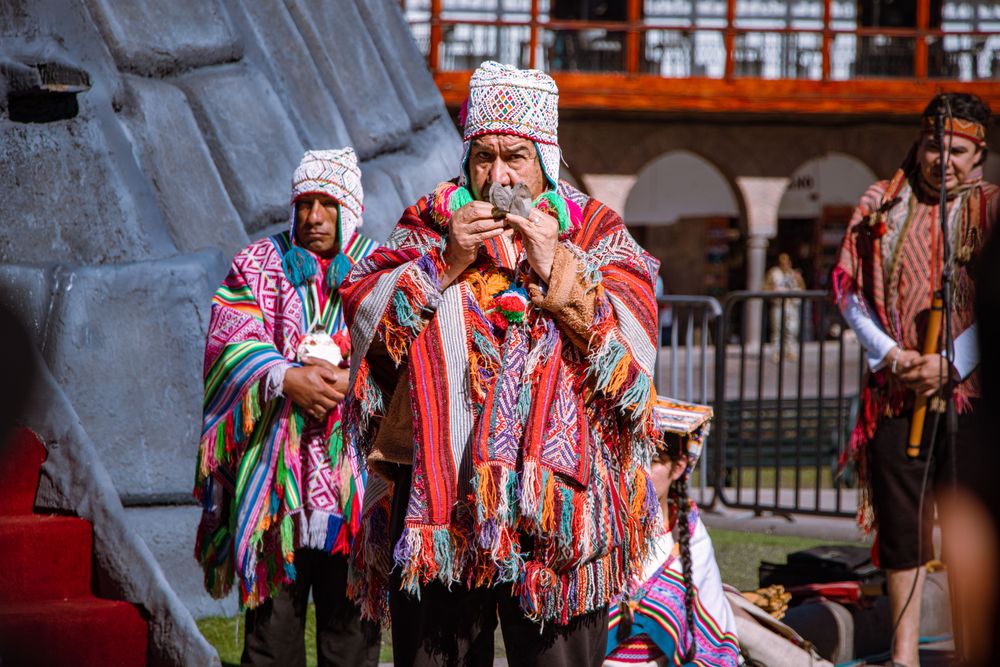
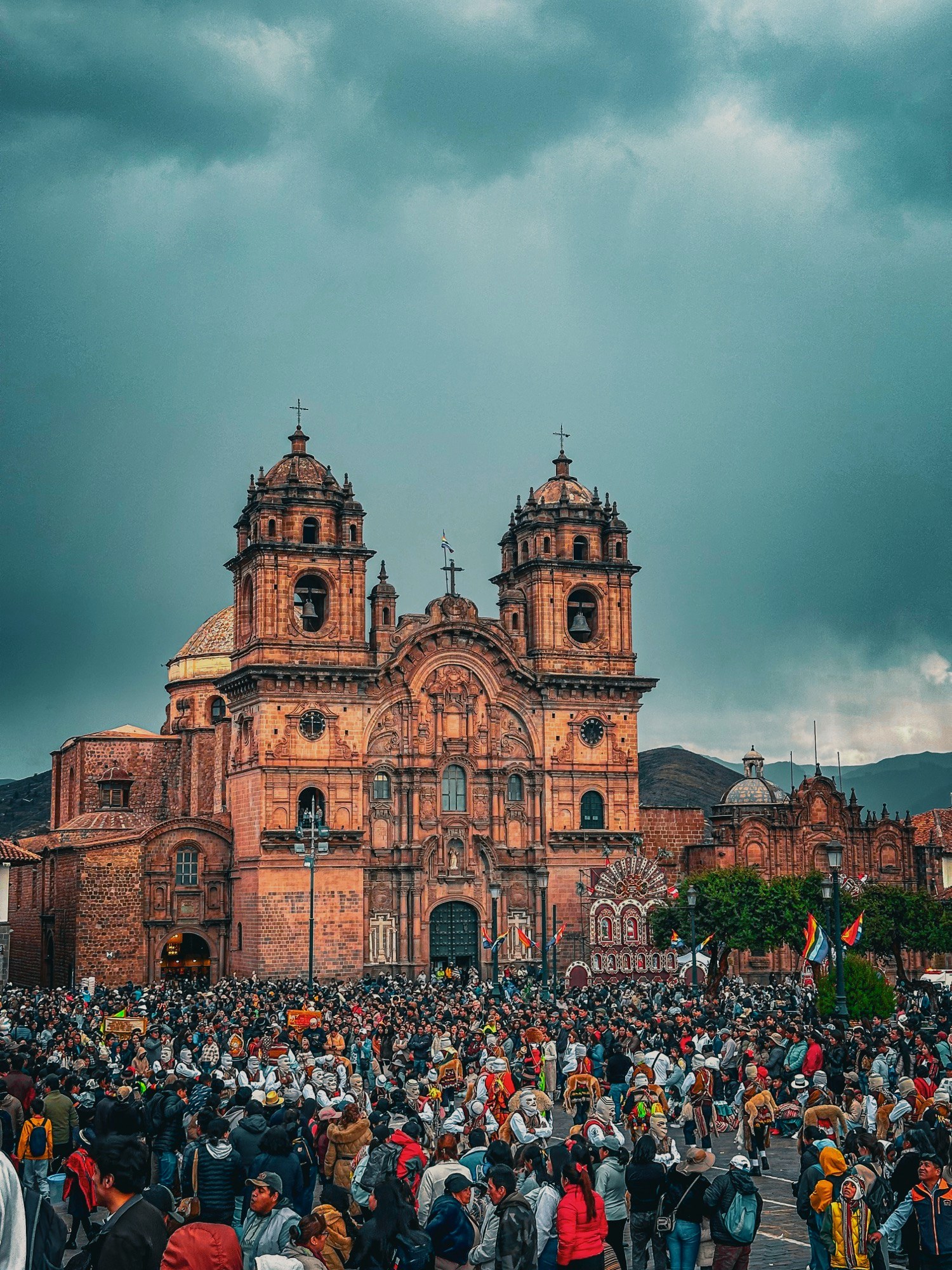
It is not a solemn thing, whatever the word feast suggests. Around the saints the square belongs to the dancers, troupes from each parish in carved masks and layered costume, some with the pale knitted faces of the highlands, turning and stamping to the huayno, and a brass band plays each saint through as it comes. The noise is enormous, and it is the point. Nobody here honours a saint by standing quiet in front of it. They bring it into the street, they play for it, they dance past it until their legs give out, all in full view of the cathedral, which learned a long time ago to let them.
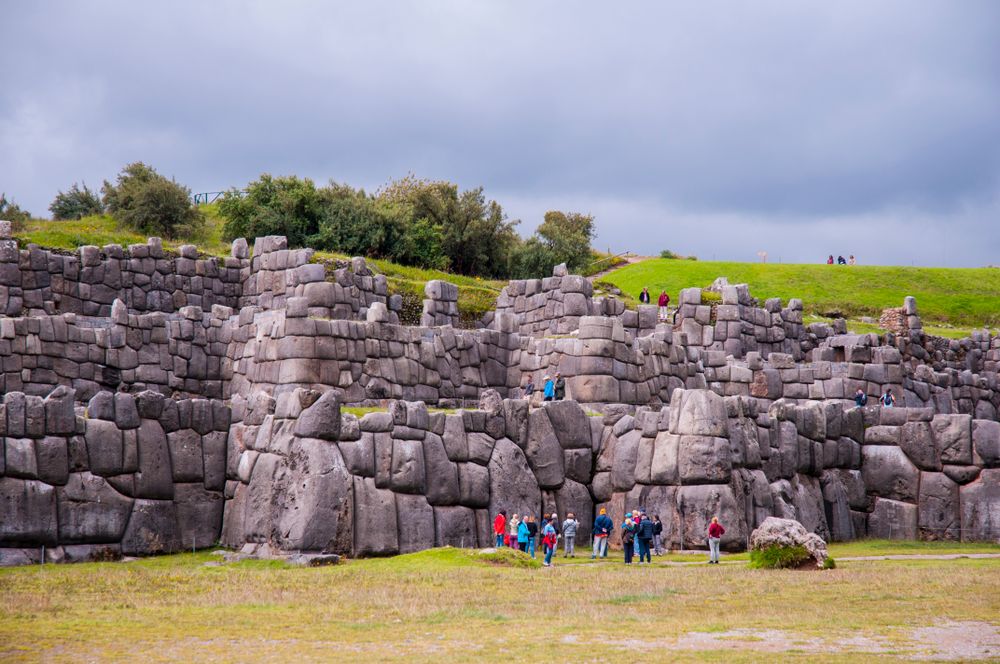
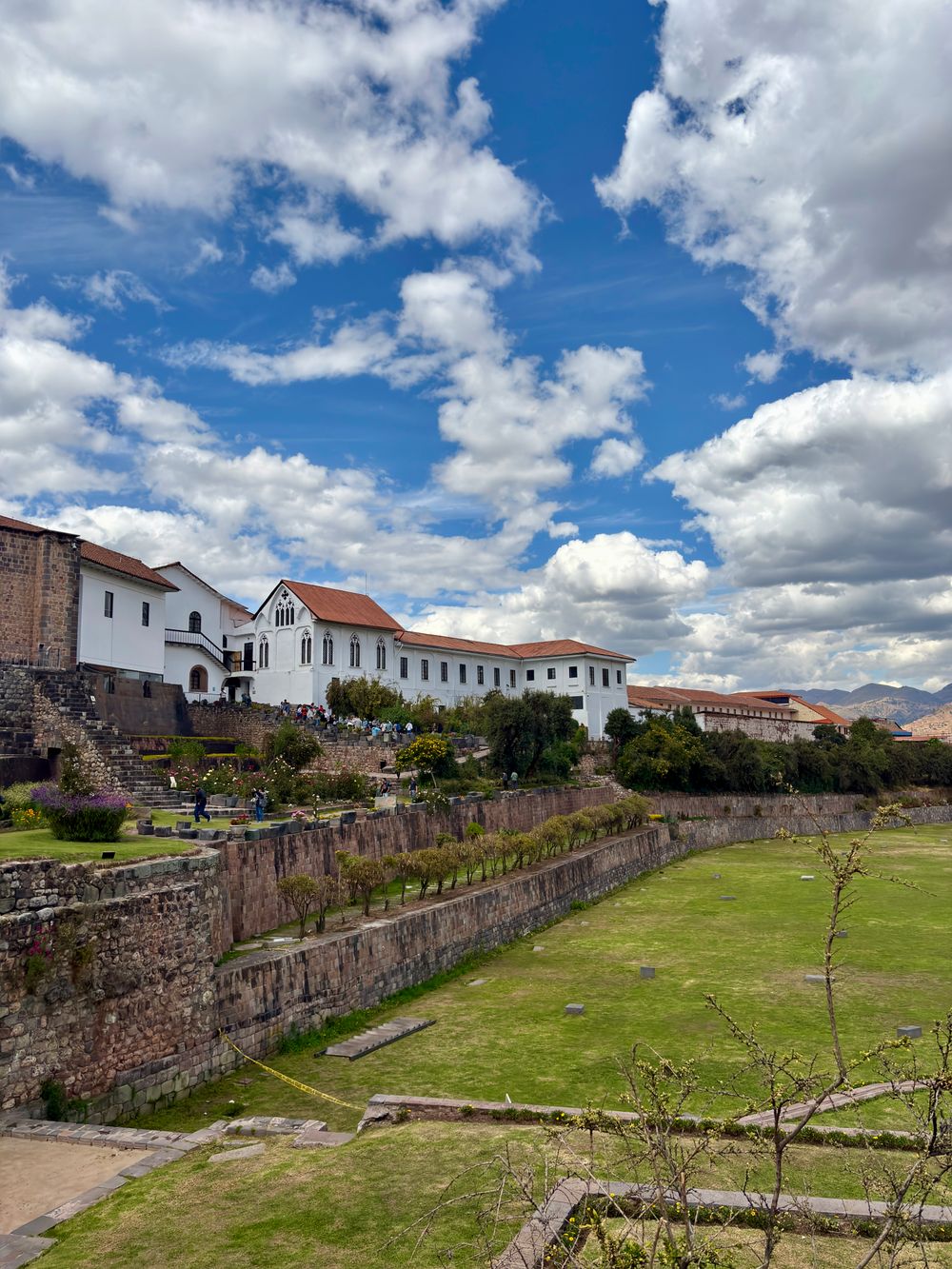
To understand why a Catholic feast feels this old you have to know what it replaced. Long before the Spanish, Cusco kept the embalmed bodies of its dead Inca rulers, the mallquis, and on the great days of the sun it carried them out into this same square, then called Huacaypata, on litters heaped with cloth and gold, with music and maize beer and the living walking beside the dead as if they had never quite left. When the Church set out to end the practice, it did the practical thing and did not end it at all. The story usually told puts it around 1572, under the viceroy Francisco de Toledo, who is said to have swapped the ancestor mummies for images of saints. The litters stayed. The flowers stayed. The bands and the maize beer and the crowd walking beside their carried dead all stayed. Only the faces on the litters changed, from kings to saints, and Cusco went on doing in June what Cusco had always done.
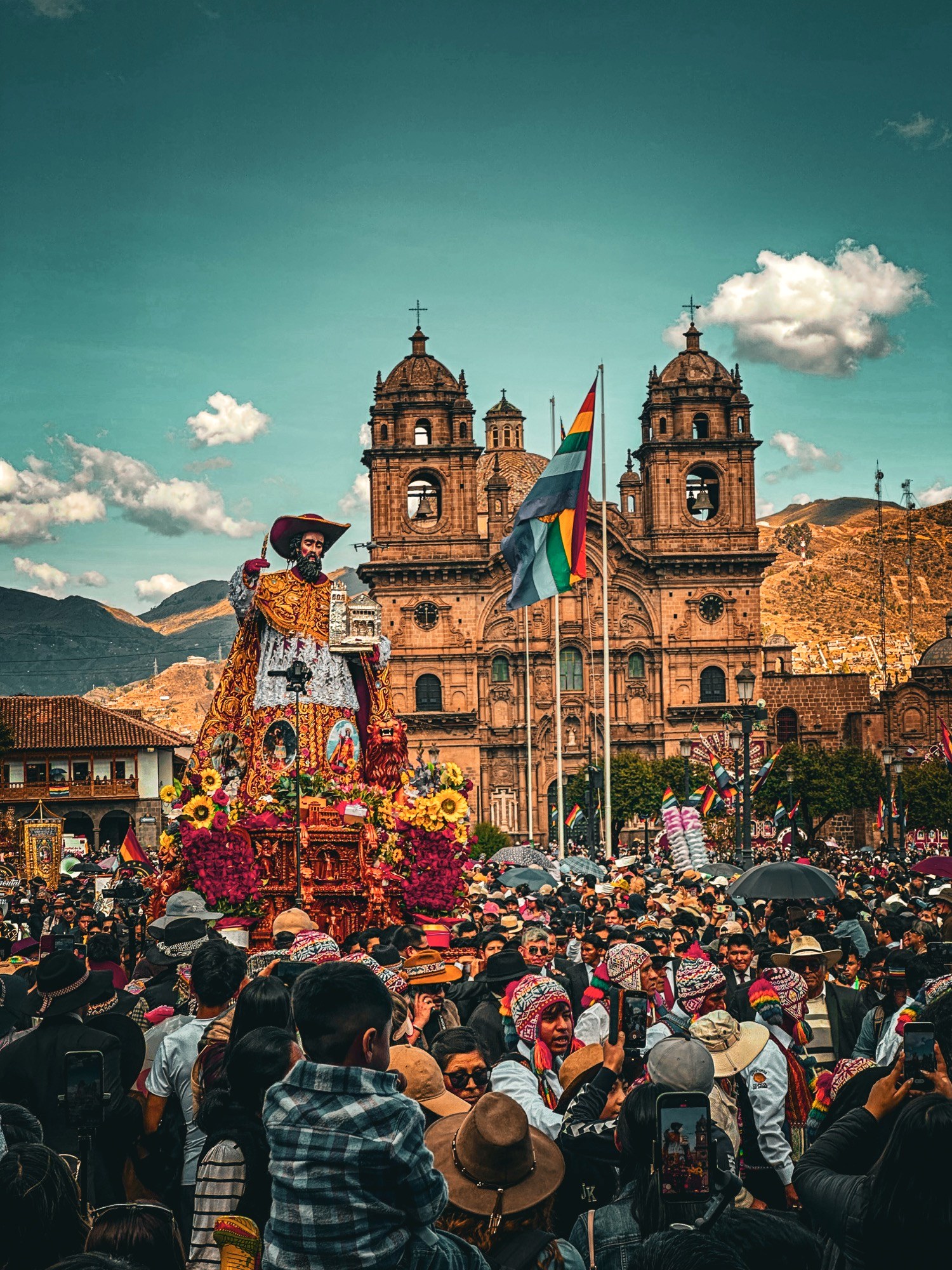
The join shows most when one of them passes close. San Jerónimo comes by on the shoulders of his parish, robed in gold and silver to the wrists, a small church balanced in one hand and a lion at his feet, banked to the chest in roses and sunflowers, swaying with the rhythm of the men beneath him. There is nothing museum-like about it. Hands go up all along the route, phones and prayers at once. A saint, certainly. But carried exactly as a dead king once was, by his own people, through his own square.
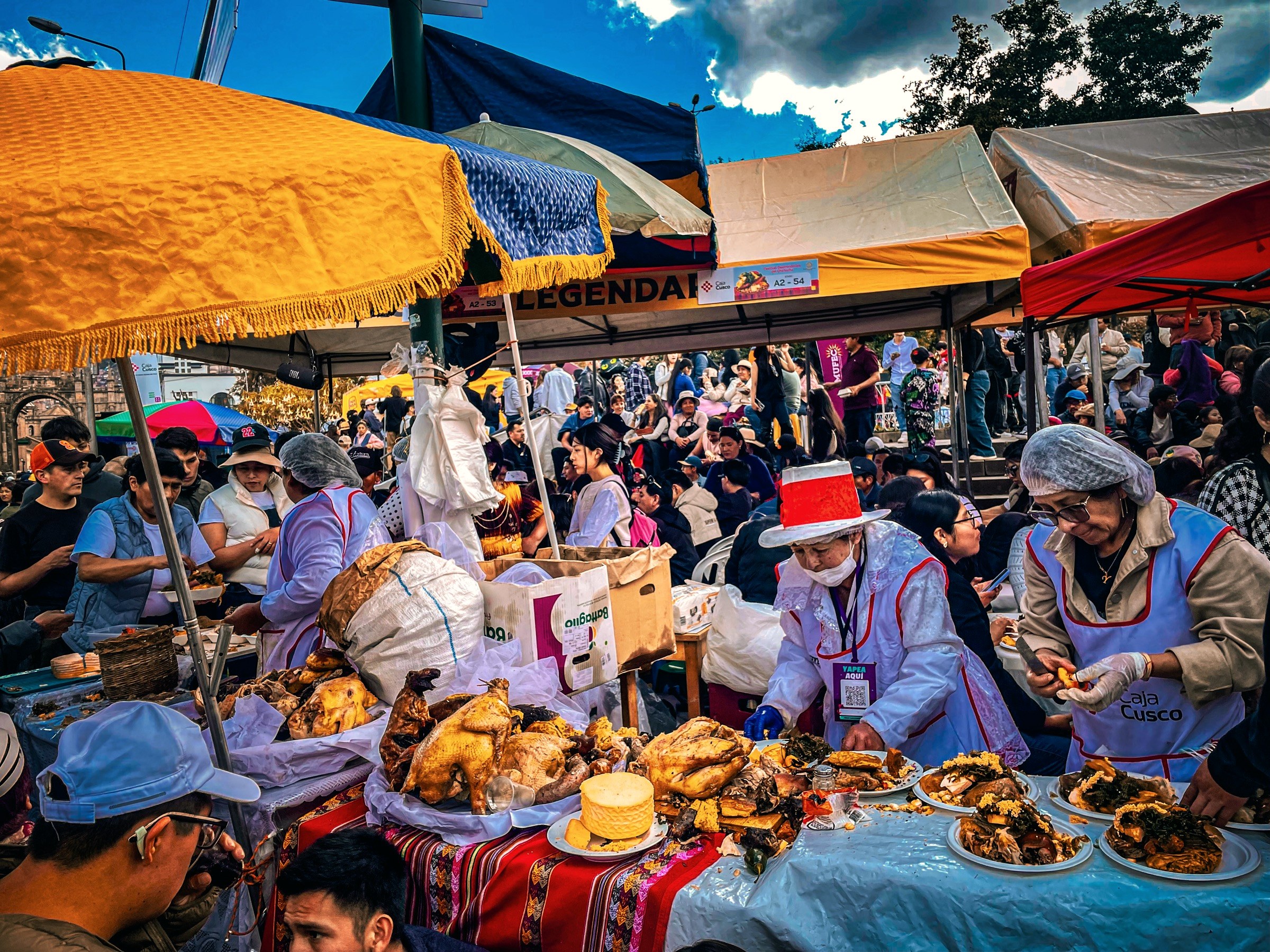
Then there is what the city eats, which is its own small lesson in the same thing. Chiri uchu means cold chili in Quechua, and Corpus Christi is the one day of the year Cusco sits down to it. It comes cold and crowded on the plate: a piece of roasted guinea pig, hen, a coil of dark seaweed brought up from the coast, jerky, sausage, fresh cheese, toasted corn, fish roe, a thin corn tortilla, a slice of rocoto for heat. It is sold off paper plates at the stalls around the cathedral while the bands go past, and it is exactly what it looks like, the coast and the mountains and three centuries of history piled cold onto one plate and handed round once a year.
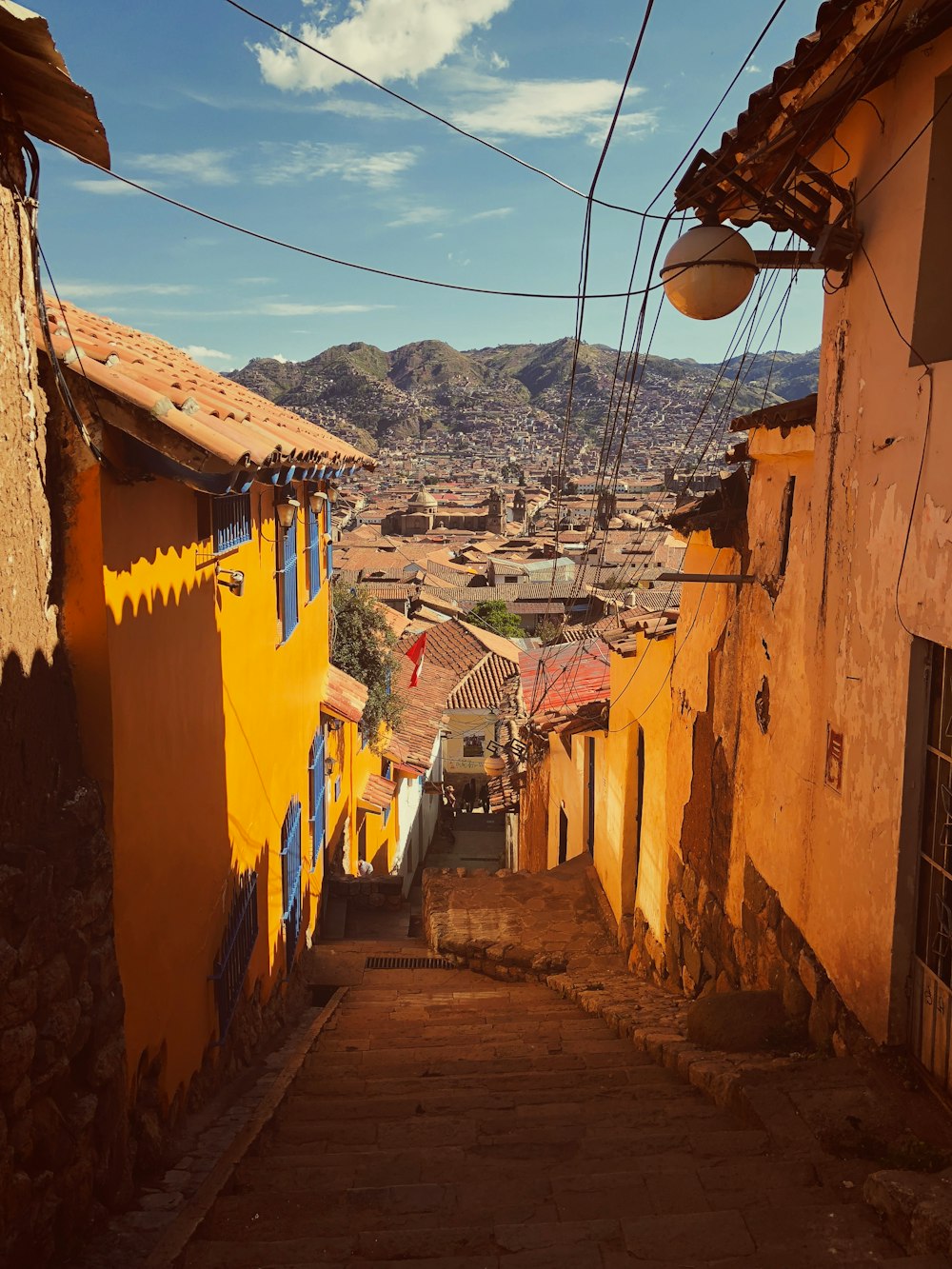
On the eighth day they take them back. One by one the saints leave the cathedral and climb again to their parishes on the rim of the city, and the plaza empties as fast as it filled, and Cusco goes back to being a place most people pass through on the way to somewhere more famous. But for that week it is doing what it has done in this square for five hundred years and more, carrying its own through the middle of the city on a bed of flowers, with a band and a drink and the whole town walking alongside. The Spanish changed the names on the litters. They were never going to change the thing underneath, which is a city that has always refused to leave its dead behind.