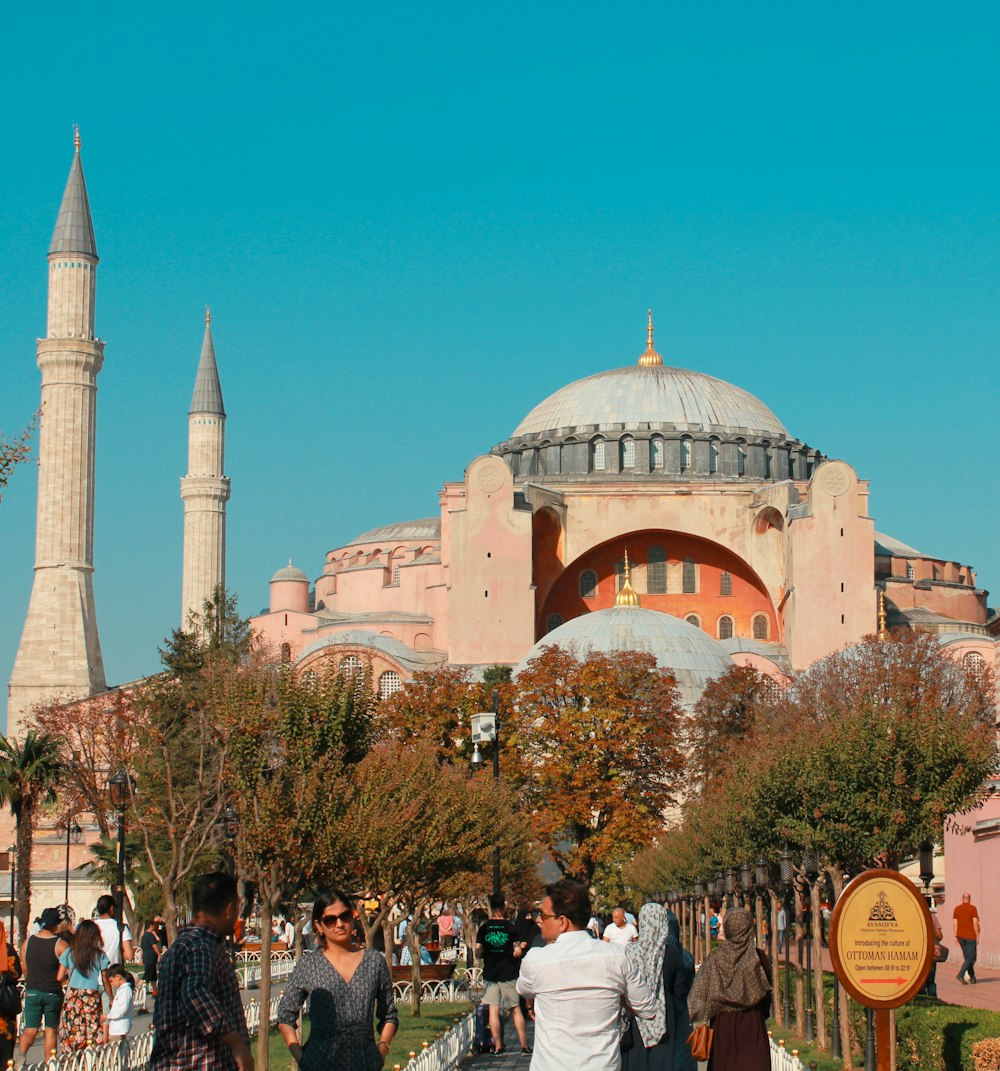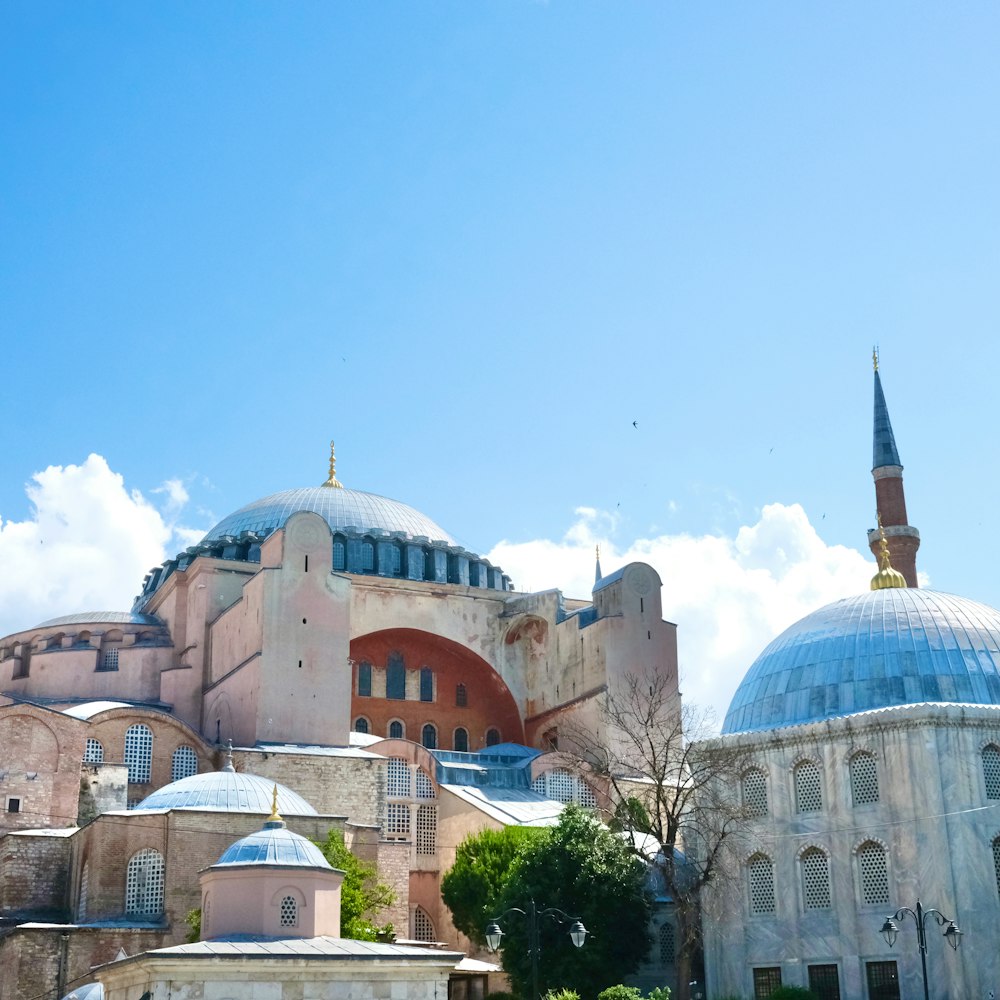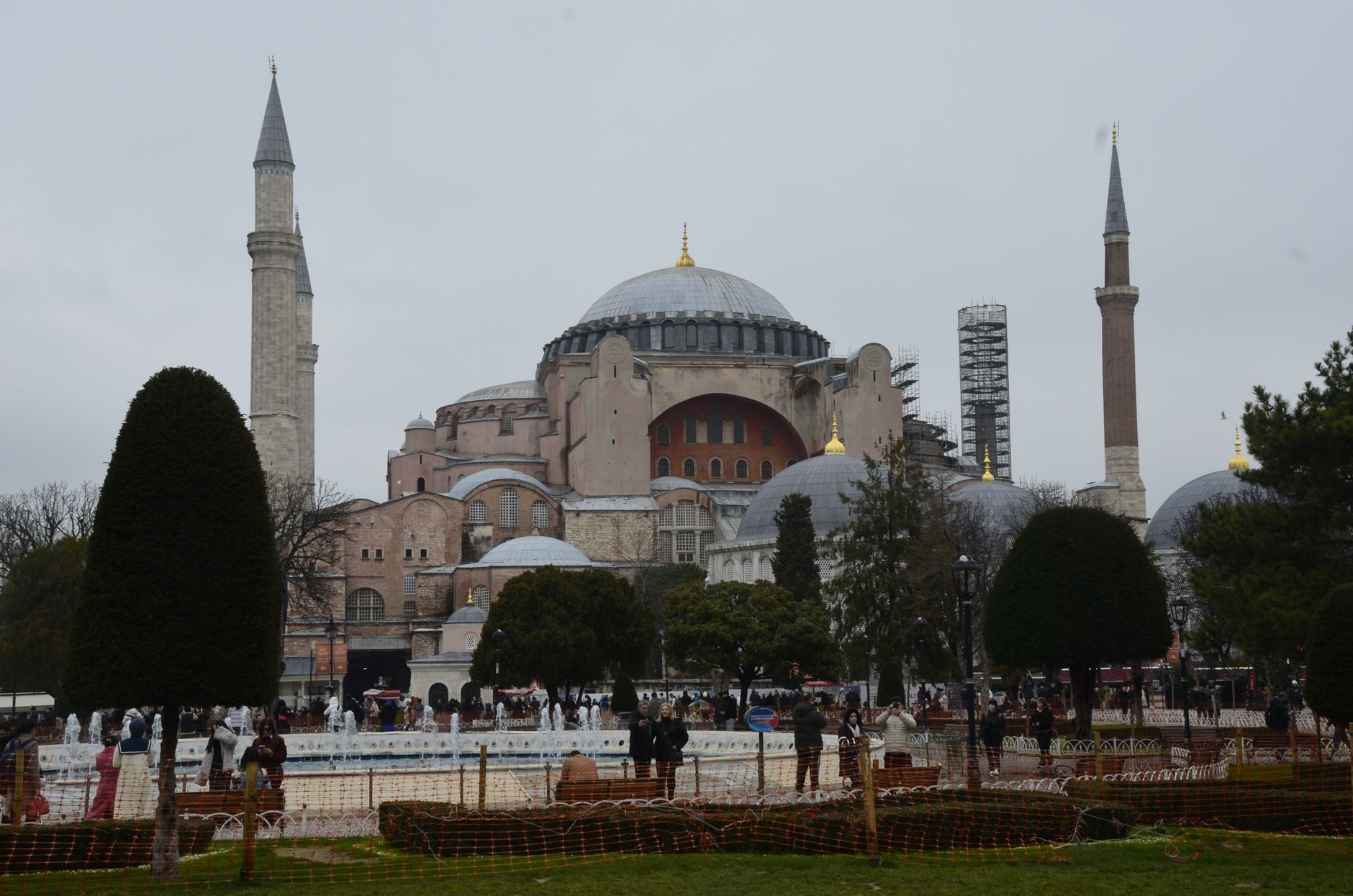
The queue for Hagia Sophia is what puts most people off, and it is real, ninety minutes deep on a summer afternoon. But it keeps banker's hours. Come at nine, when the doors first open, and ideally on a Tuesday, the quiet day, and you walk in behind a handful of others while the great grey building is still cool from the night. For the first half hour it is nearly empty, and a thing built for emperors and sultans can feel, briefly, as though it has been left unlocked.
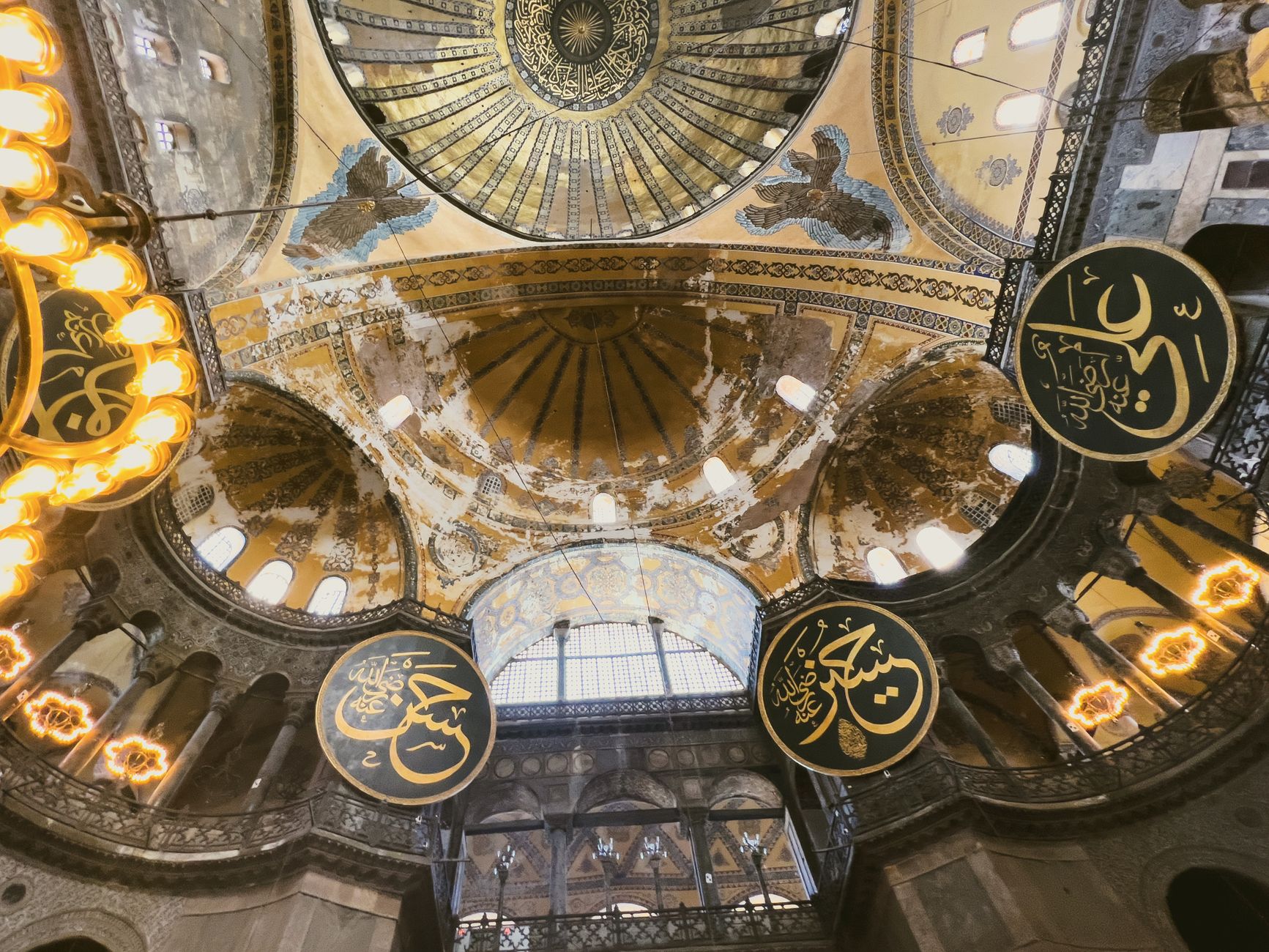
You look up before you do anything else. The dome is fifty-five metres above the floor and thirty-one across, and it is pierced at its base by forty windows so close together that the whole vast weight of it appears to rest on a ring of light rather than on stone. That was the trick the Byzantine builders were after in the year 537, and the light still delivers it fourteen hundred years on. Morning is when it is strongest, the low sun coming through the eastern windows and finding the gold in the ceiling, so that the dome seems not held up but hung.
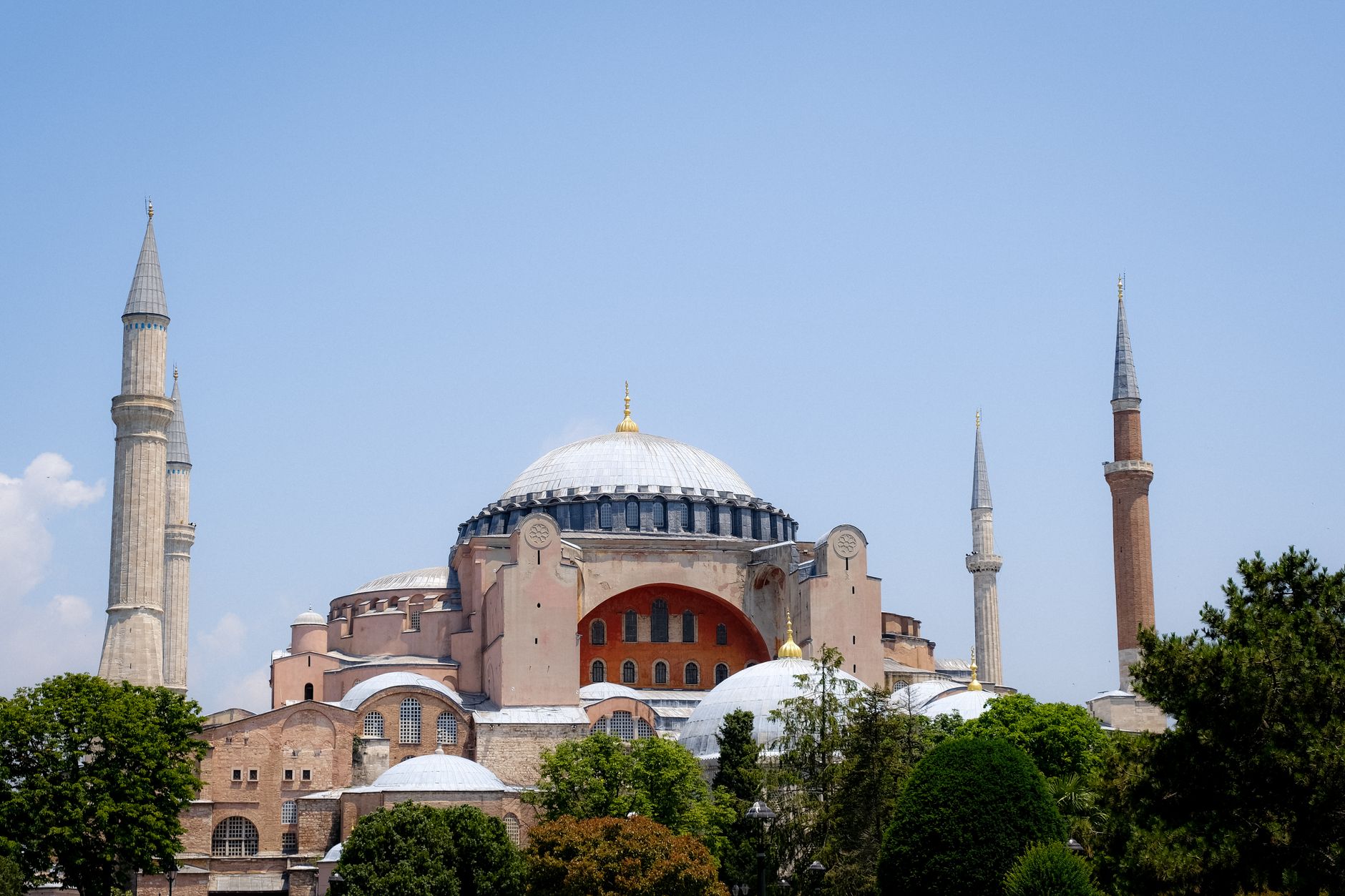
No building on earth has changed its mind as often as this one. It went up as the cathedral of the Byzantine empire and stood as the largest church in the world for nearly a thousand years. When Constantinople fell to the Ottomans in 1453 it became a mosque within days, and four minarets rose around it. In 1935 the new Turkish republic made it a museum, a neutral monument for a secular state. Then in 2020 it was made a working mosque once more. It is on its second life as a mosque and its fourth life overall, and you can read every one of them in the fabric if you look.
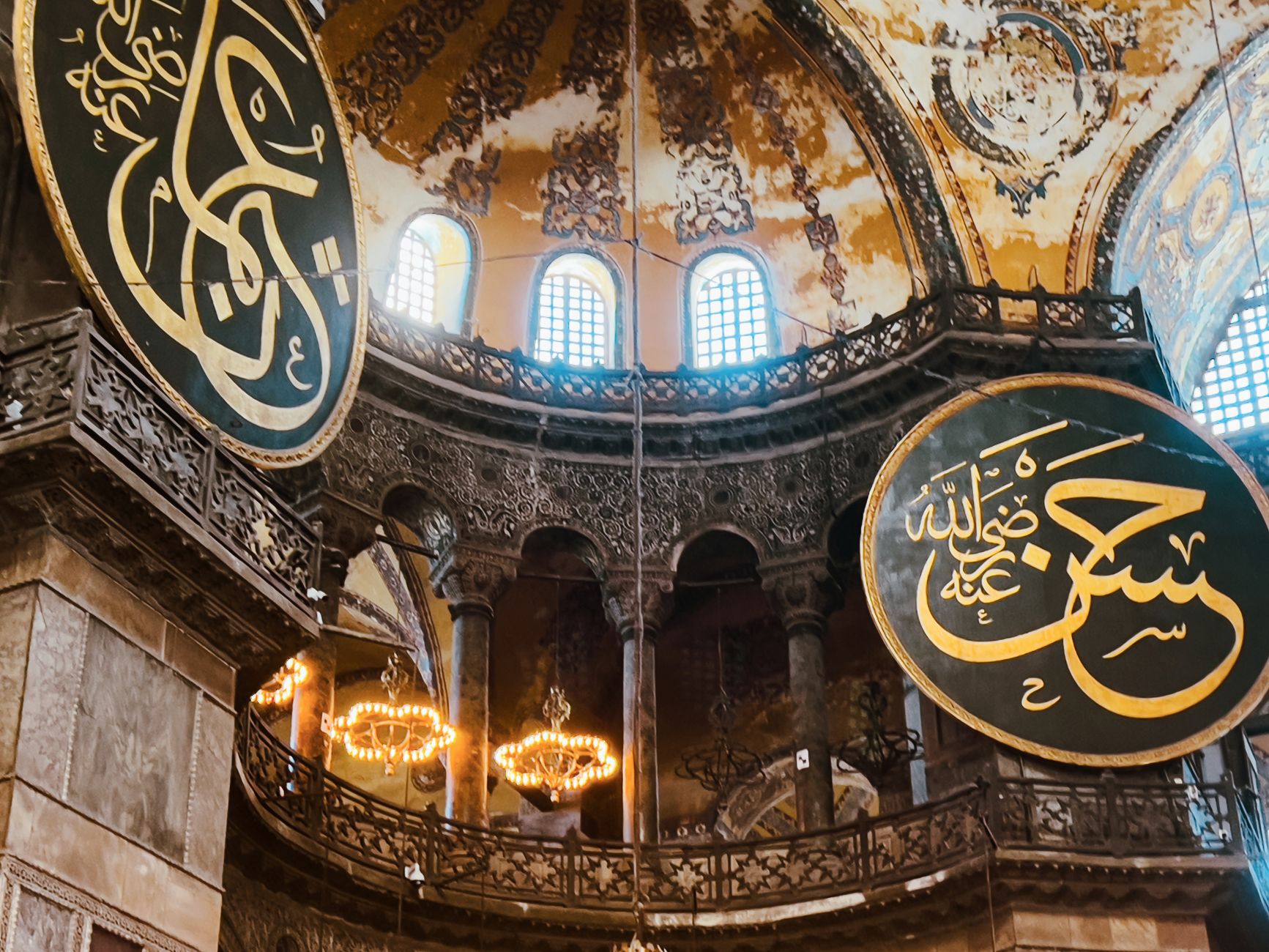
Since the reconversion the ground floor is a prayer hall, laid end to end with a deep teal carpet, and the eight enormous calligraphy roundels that ring the nave hang gold on dark green, each one seven and a half metres across, the largest in the Islamic world. Naming God, the Prophet, and the first caliphs, they float between the columns like moons. For a while after 2020 there was no ticket at all. Now foreign visitors buy one and go up to the gallery; the floor below stays free, and it stays a mosque, which is the fact that governs everything else about a visit.
What makes the room extraordinary is what the mosque never scrubbed away. High in the galleries the Christian mosaics survive, and the greatest of them, the Deesis, is a thirteenth-century Christ with the Virgin and John the Baptist, the most human face in the building, tucked into a side corridor where most people walk straight past it. Over the altar the golden Virgin and Child look down still, though she is veiled now, a white curtain drawn across her during prayers, when the figures are covered so the faithful face only God. To stand between a mosaic of Christ and a medallion of the name of God, both in gold, both left where they were put, is the whole strange argument of the place made visible.
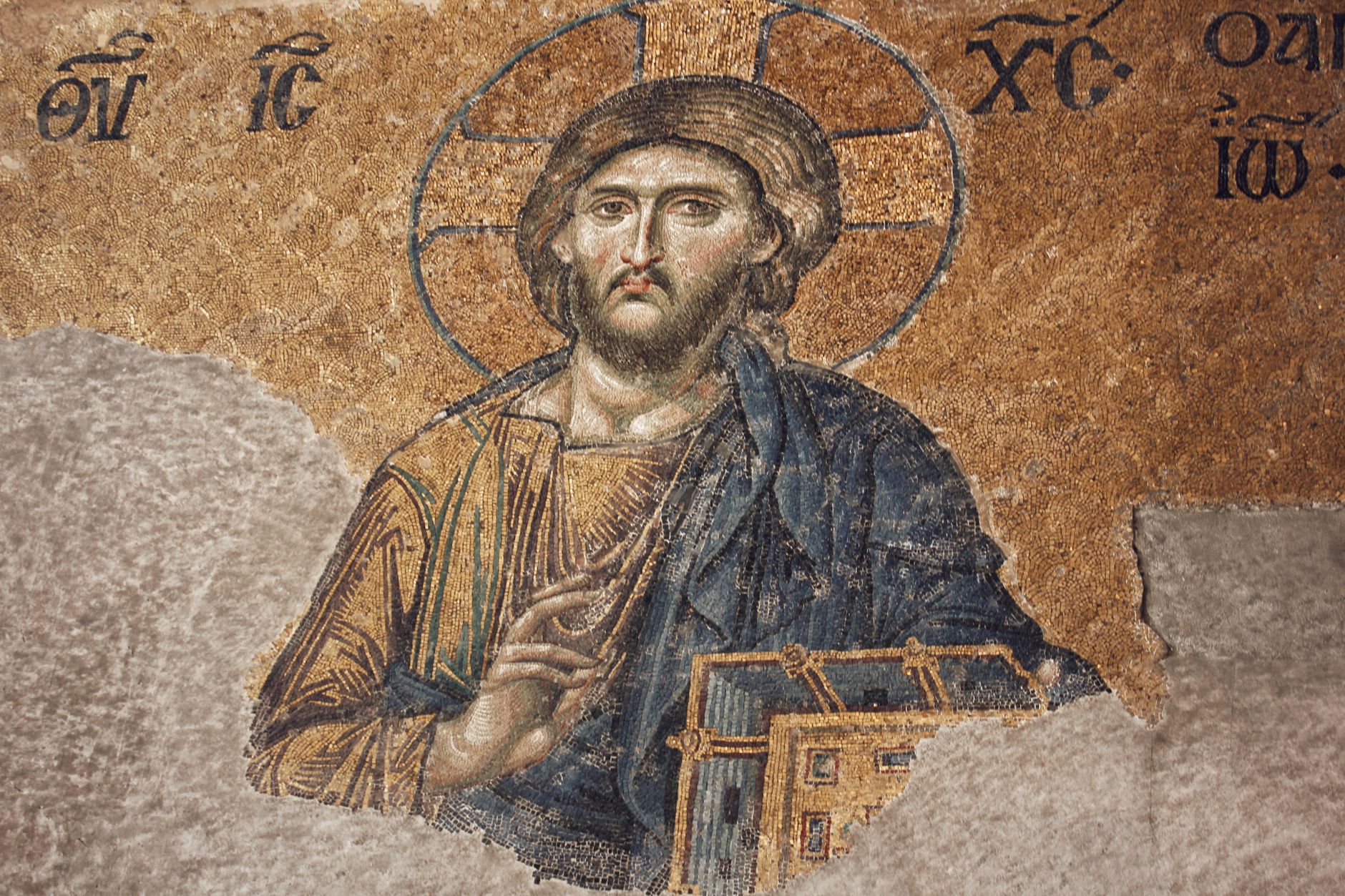
Practical things, because they matter here more than at most monuments. It is a mosque, so dress for one: women cover their hair, no one wears shorts or bare shoulders, and there are scarves at the door for anyone who forgot. It closes to visitors five times a day for prayer, and the long closure is around midday on Friday, which is the classic wasted trip. Go on a weekday morning at opening instead, walk the upper gallery slowly while it is still quiet, and find the Deesis before the tour groups reach it.
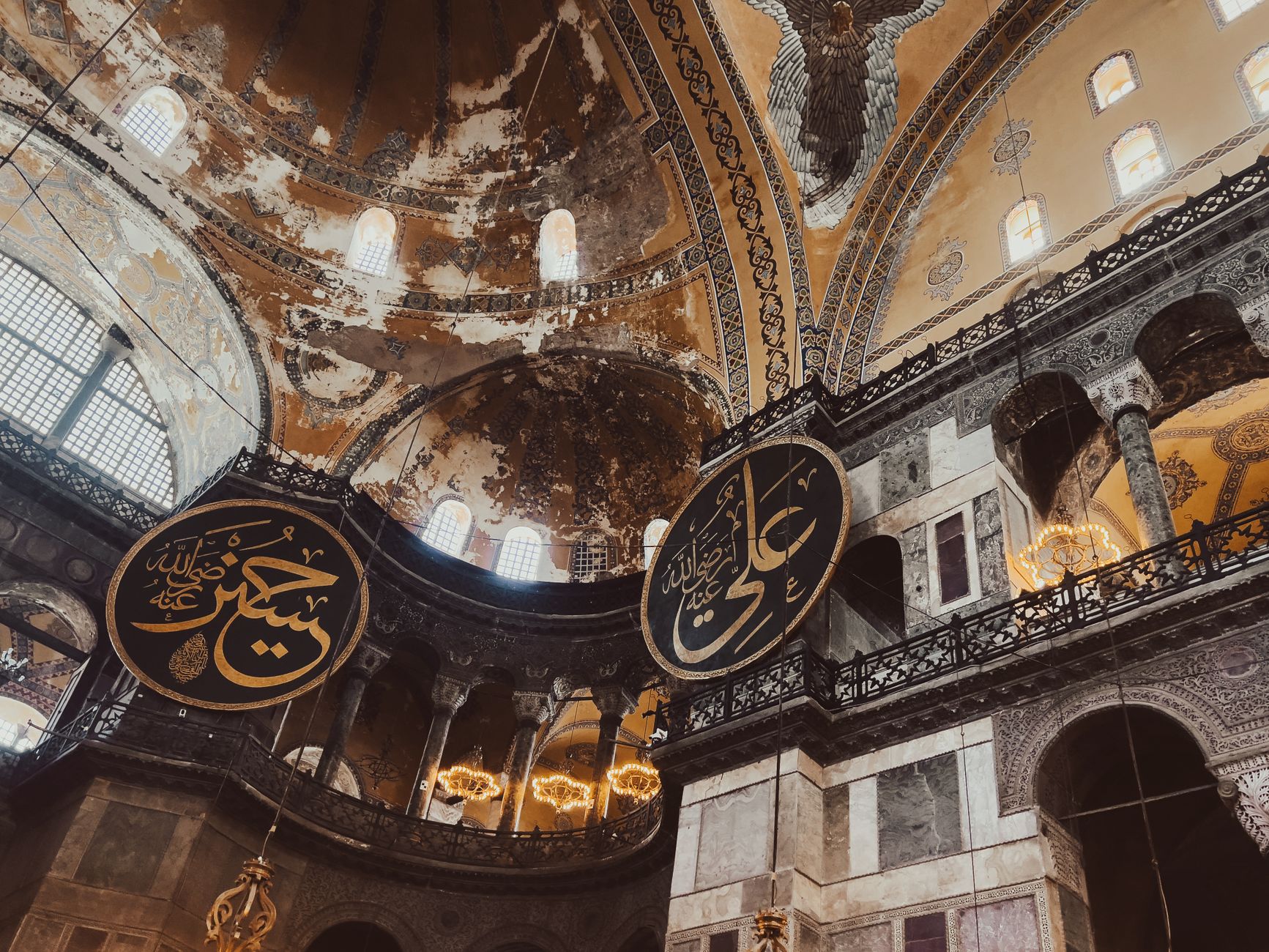
Stay until the first prayer call, when a muezzin's voice climbs into that enormous space and a few dozen men gather on the carpet below, small under the dome, and the tourists on the balcony go quiet without being asked. Fifteen hundred years of emperors and conquerors and republics have each claimed this room, left their mark, and moved on, and it has outlasted all of them by refusing, in the end, to be only one thing. Cathedral, mosque, museum, mosque again, it has been each in turn and never quite stopped being all of them at once, and that, more than the gold or the floating dome, is what you come to see.