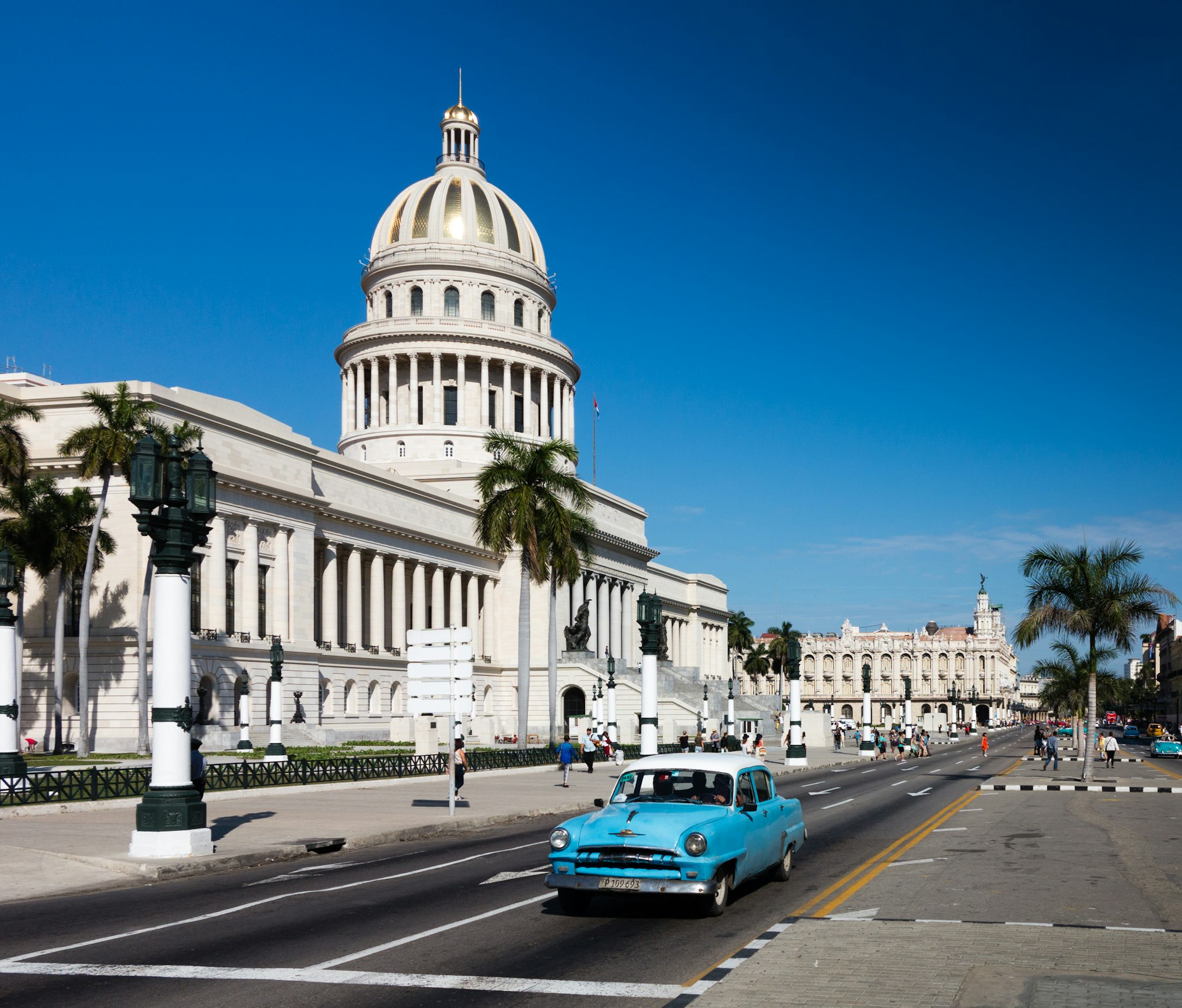
Set into the floor of El Capitolio, under the dome at the centre of the main hall, is a 25-carat diamond. It marks Kilometre Zero, the point from which every road distance in Cuba is measured. The stone is a replica. The original, said to have come from the collection of Tsar Nicholas II, vanished in 1946 and was returned, without public explanation, in 1947. Nobody has ever accounted for the intervening year. Guides standing under the dome will tell visitors that El Capitolio is a copy of the United States Capitol, only taller. The dome in fact follows the Panthéon in Paris. Completed in 1929, the building held the record as the tallest in Havana until the FOCSA tower went up in 1956. Inside stands the Statue of the Republic, roughly fifteen metres of gold-leafed bronze weighing something near fifty tonnes, among the largest indoor statues anywhere. The restoration finished in 2019, and the National Assembly sits there now.
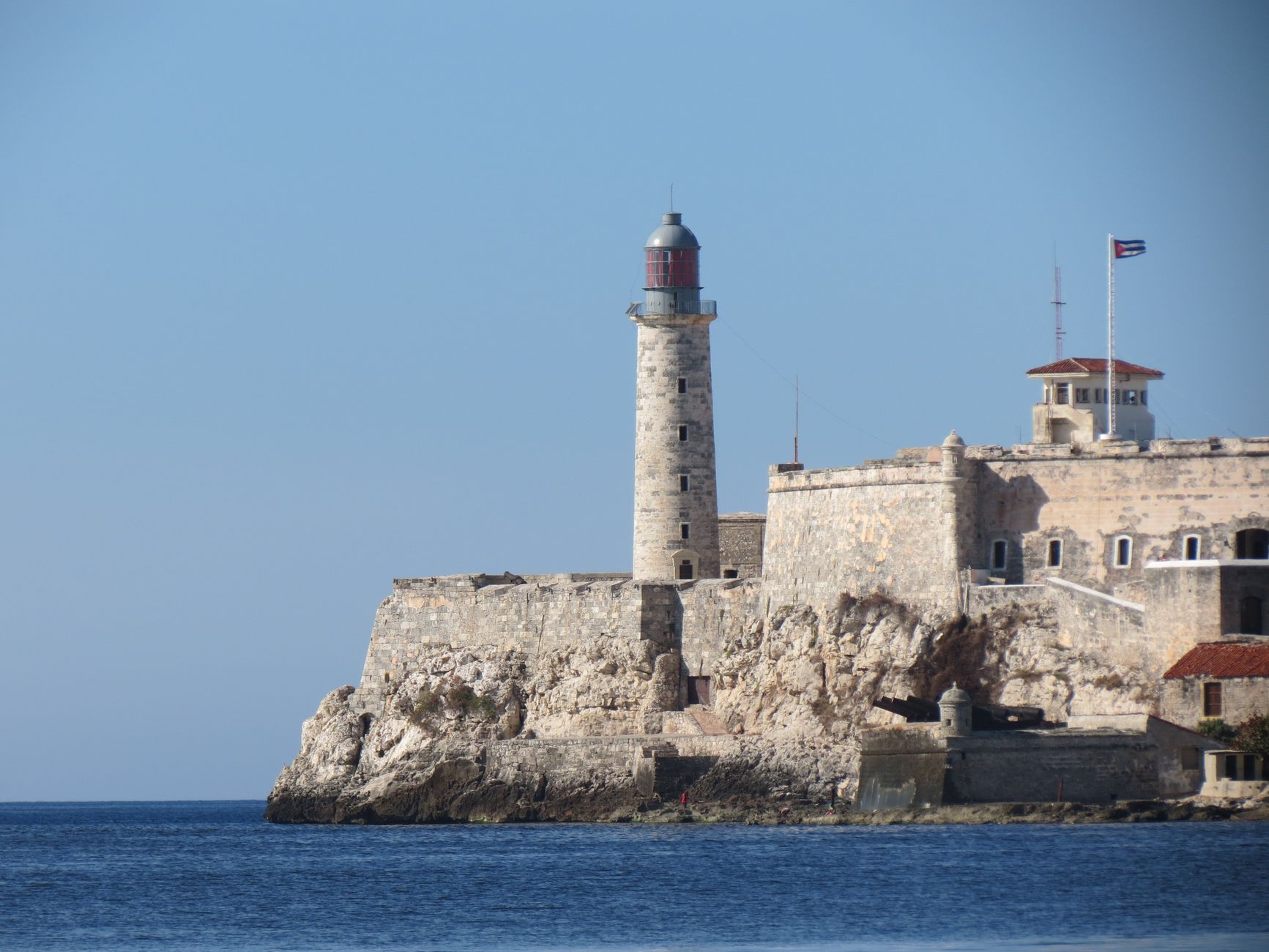
Havana exists because of a logistics decision. The Spanish founded it in 1514 on the marshy south coast near what is now Batabanó, gave up on the site, and refounded it on the deep natural harbour of the north coast on 16 November 1519. It became the capital in 1552. Then, in 1561, Philip II ordered every treasure fleet returning from the New World to assemble in Havana Bay and cross the Atlantic in convoy. A single royal instruction turned a modest port into the fortified assembly point for an empire's silver, and the forts went up to protect it: Castillo de la Real Fuerza, begun 1558, then El Morro and La Cabaña at the harbour mouth. The British took the city in June 1762, held it under a year, and handed it back to Spain in 1763 in exchange for Florida.
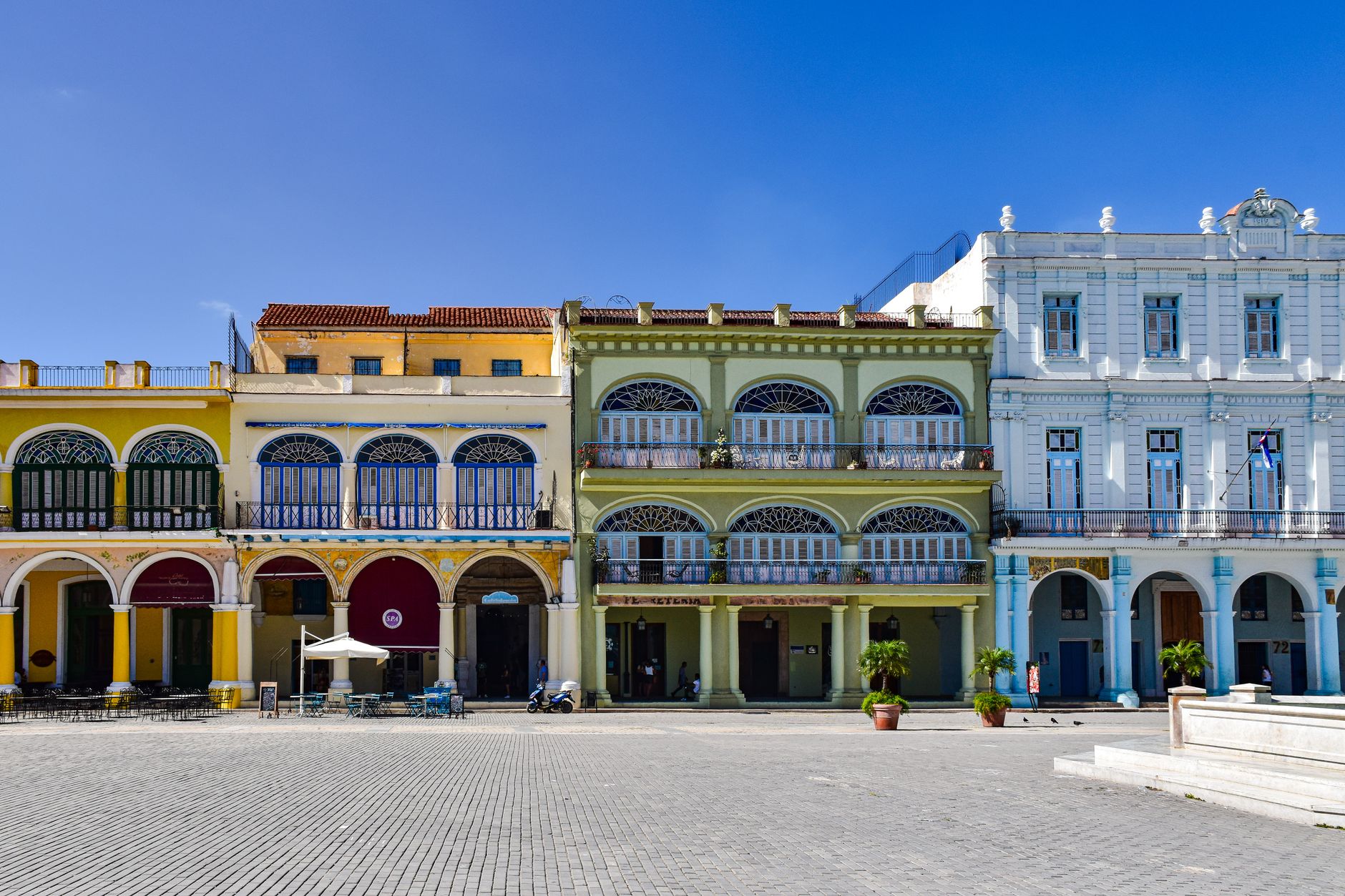
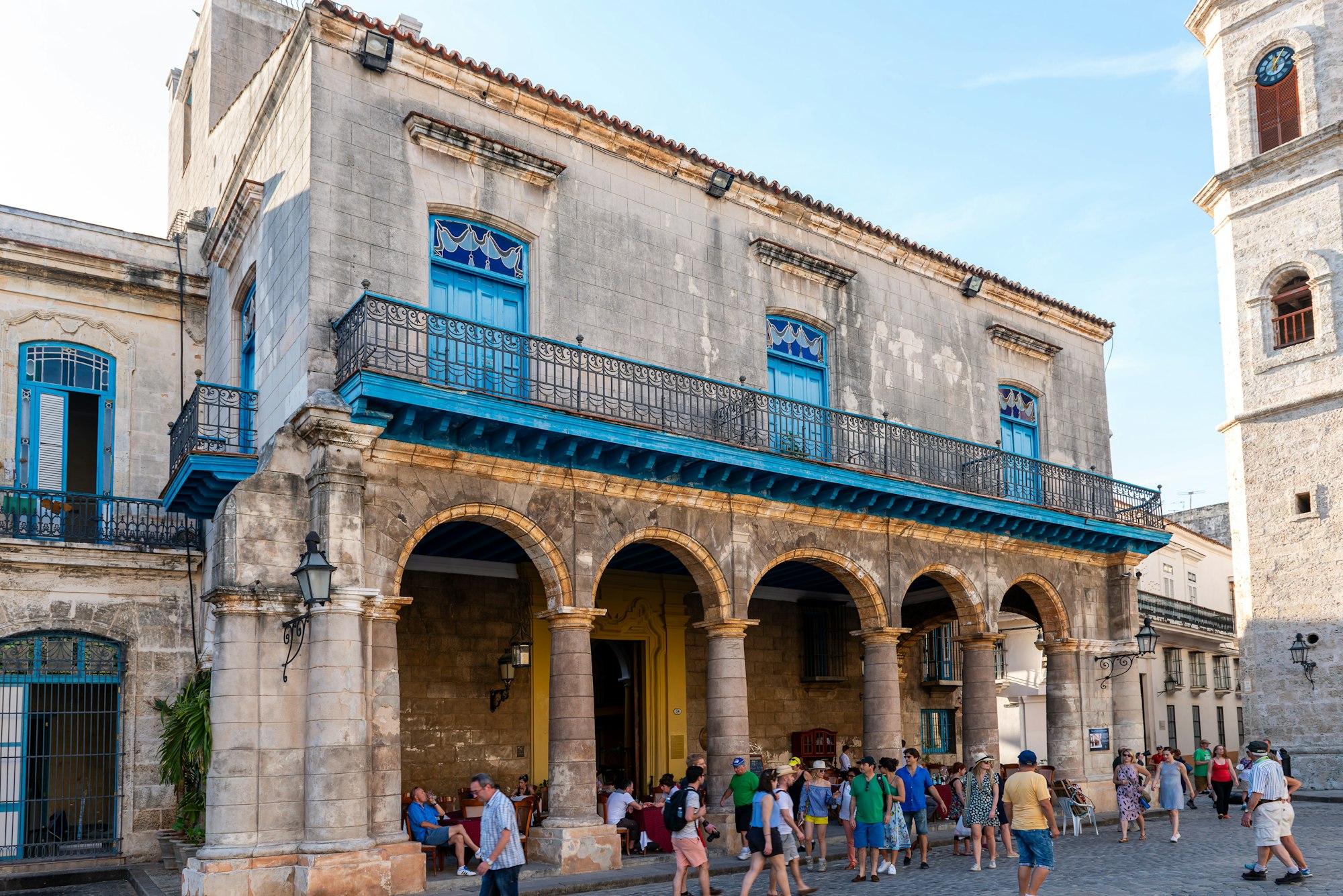
That fortified core, four square kilometres of it, was inscribed on the UNESCO World Heritage List in 1982 as Old Havana and its Fortification System. It reads as one continuous fabric, and the reason is that the original grid survived. Baroque and neoclassical set pieces sit shoulder to shoulder with arcaded private houses, iron balconies and internal courtyards, and the four squares (Plaza de la Catedral, Plaza Vieja, Plaza de Armas and Plaza de San Francisco) are close enough together to walk in a morning. Do walk them in a morning. Midday is hot, hard-lit and the busiest hour of the day, and the plazas give up their colour to it.
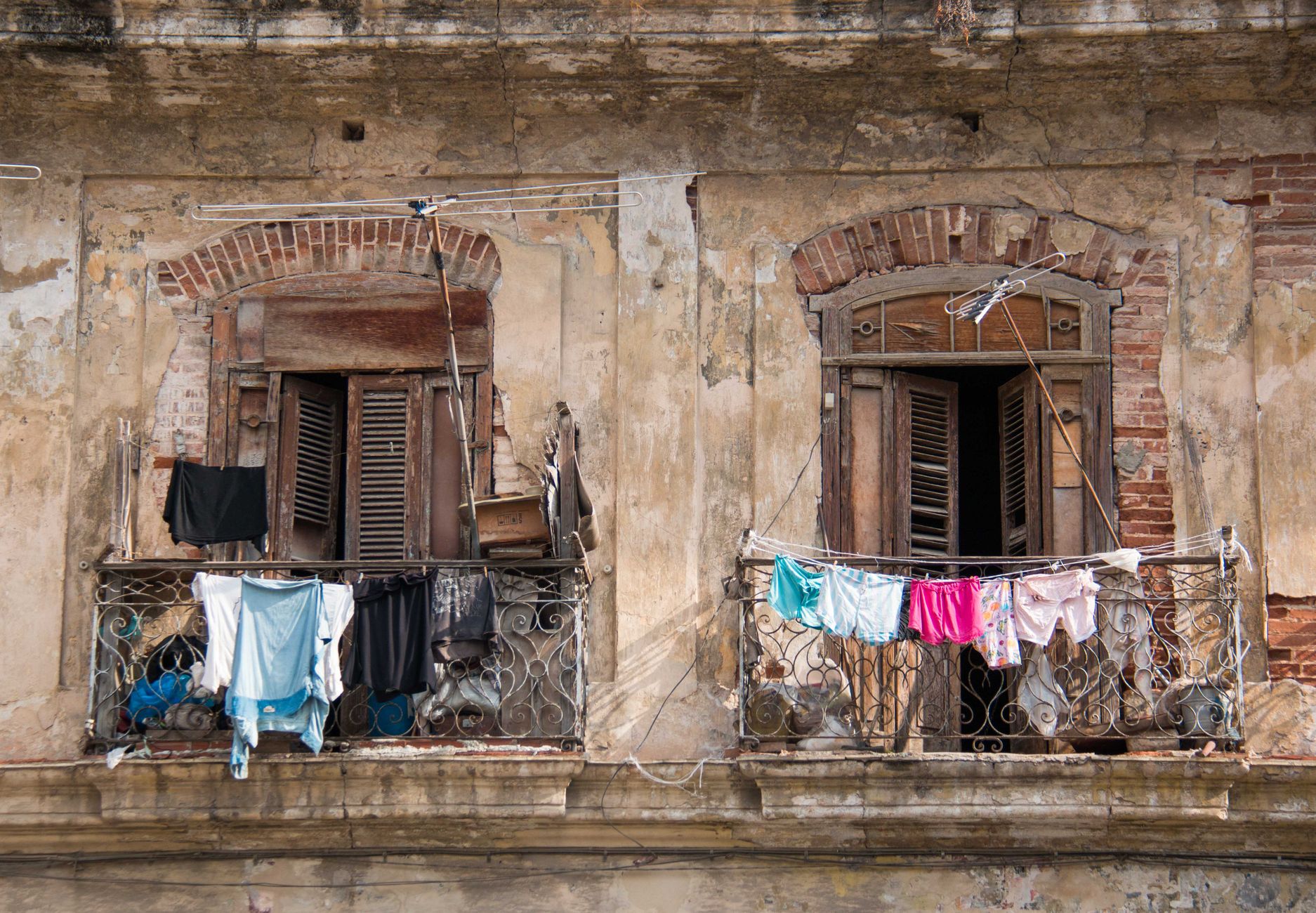
The restoration ran for two decades on an unusual piece of civic engineering. When the Soviet subsidy collapsed in 1991 there was no money for masonry. Eusebio Leal Spengler, the City Historian, persuaded the government to let his office run the hotels, restaurants and shops inside the old town through a company called Habaguanex, keep the profits, and spend them on the buildings. Tourists paying to see restored Havana were, in effect, paying for the restoration. Hundreds of buildings came back that way. The mechanism no longer exists: in August 2016 control of Habaguanex passed from the City Historian's Office to the Cuban military, and by 2017 it sat under state conglomerate subsidiaries. Leal died in 2020. The decay a visitor sees is not picturesque neglect, it is arithmetic. Official figures put building collapses in Havana at roughly a thousand a year, partial or total, which is close to three a day. Around 35 per cent of existing structures are classed as poor or critical, against a national housing shortfall reported above 800,000 units. Six decades of embargo restricted the cement, the wiring and the financing; hurricanes did the rest; and none of this housing was designed to go sixty years without paint. Almost all of it is still occupied. Photographers should treat doorways and ground-floor windows as somebody's front room and ask before shooting into them.
The restored blocks and the collapsing ones are the same city, one street apart.
The cars are the other thing everyone comes for. They are working stock. When the embargo cut off new American vehicles from 1960, Cubans kept the 1940s and 1950s Chevrolets, Buicks, Fords and Plymouths running on Soviet parts, Chinese parts and components turned by hand. The often-quoted figure is around 60,000 American cars still in use, nearly all privately owned. Treat that as an estimate rather than a count, because no census exists. On the ground they run as taxis. Colectivos work fixed routes for a flat fare and will pick up strangers along the way; convertibles run tourists along the seafront by the hour and are negotiated before getting in. What sits under the bodywork is Soviet, Chinese or turned by hand, with almost nothing left of what Detroit shipped, which is why an American car in Havana often sounds wrong.
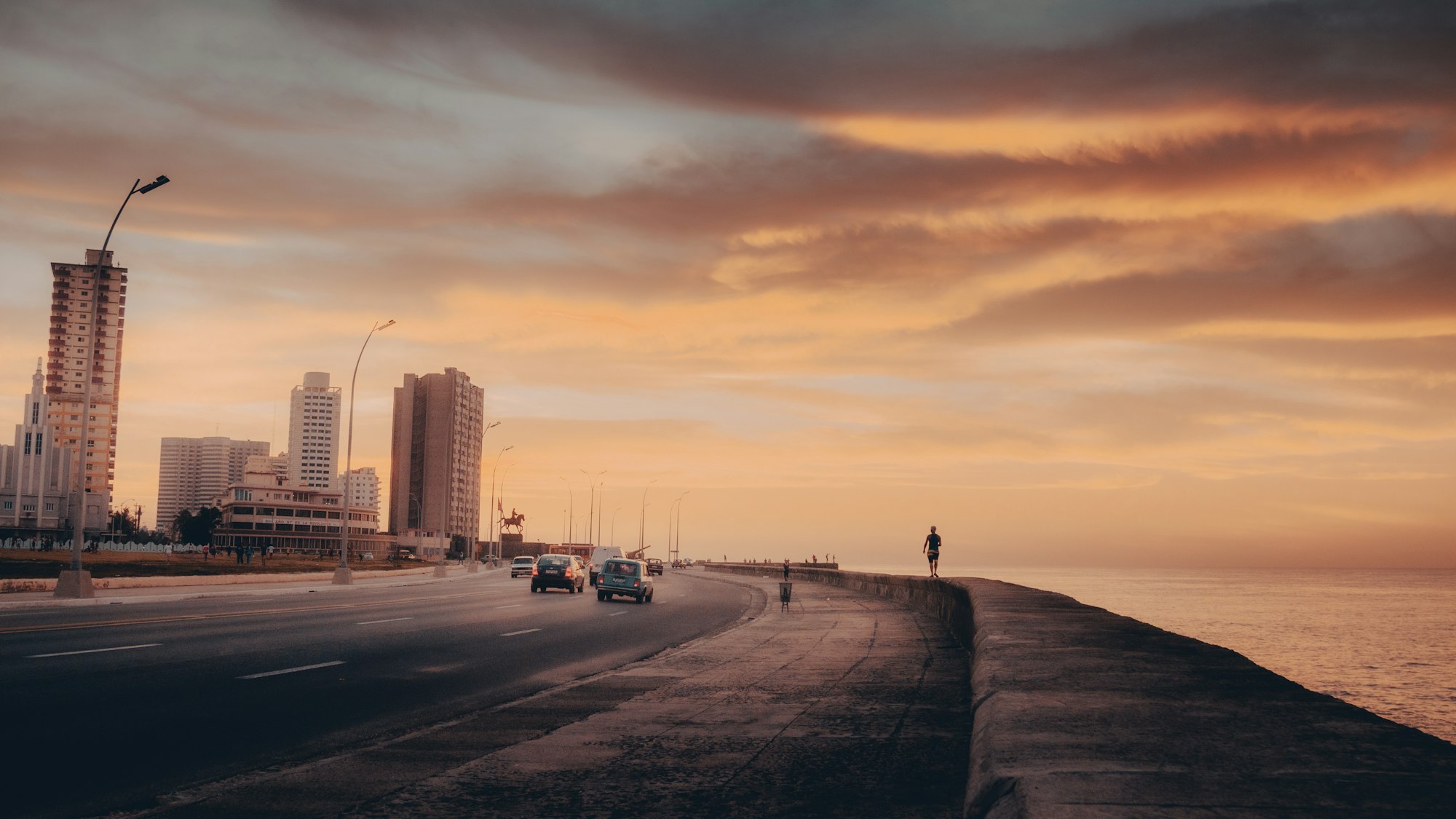
The Malecón was begun in 1901 under the United States military occupation for the unglamorous reason that the sea kept coming into the houses. It reached Vedado by 1923 and the mouth of the Almendares by 1952, eight kilometres in all, and the wall is only about a metre high. The houses behind it are now mostly ruins. Dusk sets those facades burning yellow and orange, and the wall fills with people, though under the present crisis it is markedly quieter than guidebook photographs promise, with fewer fishermen and fewer cars. Walk one section of it. The full eight kilometres in daylight is a hot slog with no shade at any point, and spray comes over the wall in any north wind, which soaks a camera before it soaks the walker.
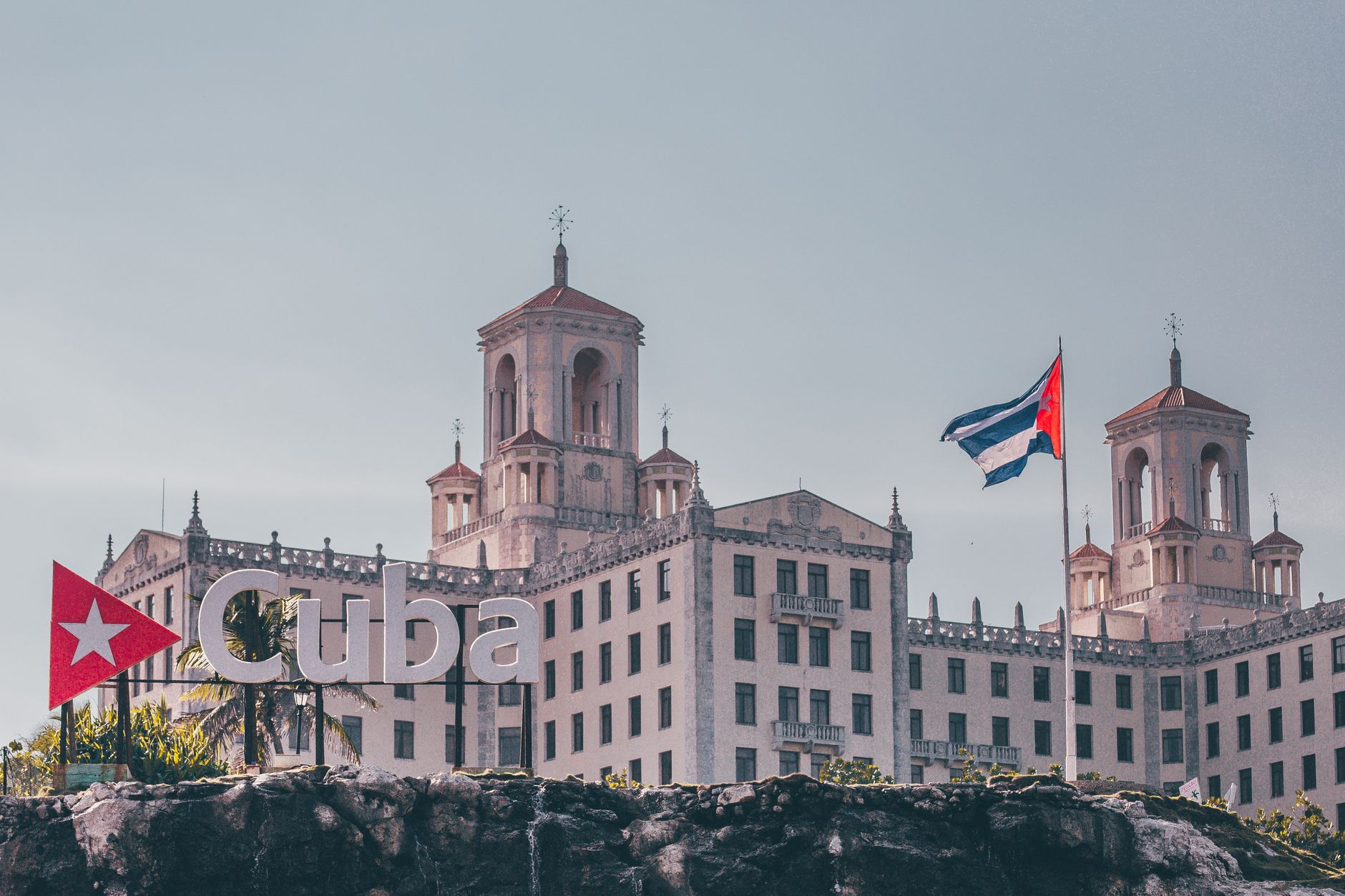
At the Vedado end stands the Hotel Nacional, opened on 30 December 1930 on Taganana hill, designed by the New York firm McKim, Mead and White in a deliberate collision of Sevillian, Moorish, Roman and art deco. Its mob mythology is well travelled: the Havana Conference, a summit of American organised crime, did convene there on 20 December 1946 with Lucky Luciano and Meyer Lansky present. The specific room numbers, and the story about a Sinatra concert laid on as cover, belong to hotel lore rather than to any record. The better reason to walk up is on the grounds, where missile-crisis-era tunnels and anti-aircraft positions have been opened to tours. The terrace, the guest list (Churchill, the Duke and Duchess of Windsor, Hemingway, Sartre) and the 1960 nationalisation are all there in the fabric.
Now the part that decides whether a trip works. Havana runs on physical cash. Cards drawn on United States banks do not function at all, and other foreign cards fail often enough that no plan should depend on them. ATMs are frequently empty. Visitors carry the entire budget in notes, broken small before arrival because taxi drivers and stalls routinely have no change and a large note becomes an involuntary tip. Euros and pounds exchange better than US dollars, which take roughly a ten per cent penalty on top of fees. Change a starter amount at the airport and the rest in town: a single open window at José Martí has taken an hour for a queue of four. The informal rate is the real rate, and budgeting at the official one overstates costs badly. Assume no internet. Connectivity runs on unreliable ETECSA data and there is no functioning app layer for booking taxis or restaurants, so maps, casa addresses and confirmations need downloading before landing. Assume blackouts too, and plan around them: rotating cuts have run around five hours at a stretch by neighbourhood, and the October 2024 grid failure took the whole island down for days. Ask any accommodation directly whether it has a generator, and in a tall building whether water still pumps when the power stops, because upper floors lose supply first. Restaurants run out of what is on the menu, shop shelves are close to bare, and anything specific, medicines included, has to come in the luggage.
A few things visitors report with some consistency. Jineteros work the tourist streets hard, and the approaches repeat: unsolicited help with directions, a cigar deal, a salsa festival happening today only, a restaurant recommendation carrying a commission. Walking on with a flat no ends most of them. Solo women report persistent street harassment as the most tiring feature of the city, and it is not confined to the tourist blocks. There is also a moral friction that visitors tend to describe and leave unresolved, meeting doctors and engineers working as guides because tourism pays multiples of a professional salary. Some travellers do not take to Havana at all and leave flat after the build-up, which happens often enough to be worth knowing before booking. What the city does offer is a legible sequence, held inside four square kilometres and almost all of it at street level: a 1519 harbour grid, an imperial convoy port, a mafia-era hotel terrace, a socialist freeze, and a capital improvising through the dark. Very little of that sits behind glass, and very little of it is labelled, so the dates are worth carrying in. The audience for it has thinned. Havana held about 2.1 million people at the 2012 census and roughly 1.75 million by the end of 2024, a loss of some 350,000 to emigration, and arrivals have followed: 359,491 visitors island-wide from January to May 2026, down 58.4 per cent year on year, with May alone at 30,883. For a visitor that reads as short queues and a free table in most paladares, at the cost of thinner supply everywhere behind them. Come in the dry, cooler window from November to April, or take May and June as the quieter shoulder before the June to November hurricane season, and avoid late December to early January, when even private restaurants carry holiday surcharges.