Things to do
34-
FlyOver Iceland
A flying theatre on Grandi where a suspended seat and a wraparound screen carry an eight minute aerial film over glaciers, volcanoes and the coast. The whole visit runs about thirty five minutes including two short preshows. It is the nearest thing to seeing the interior for a trip that never leaves the city.
-
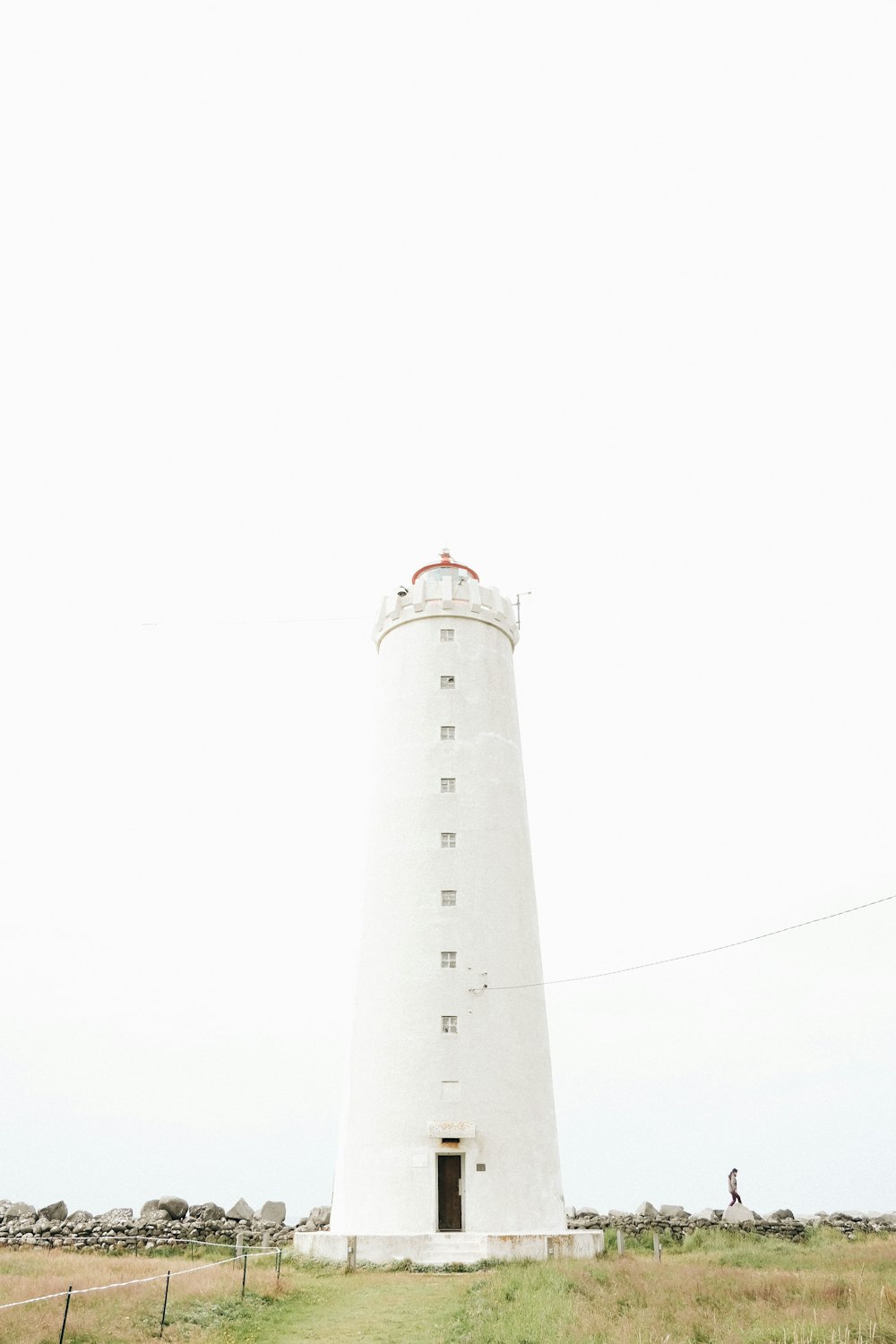
Grótta Lighthouse
The darkest sky within walking distance of the capital, which is why aurora watchers head west to the shore rather than out of town.
-
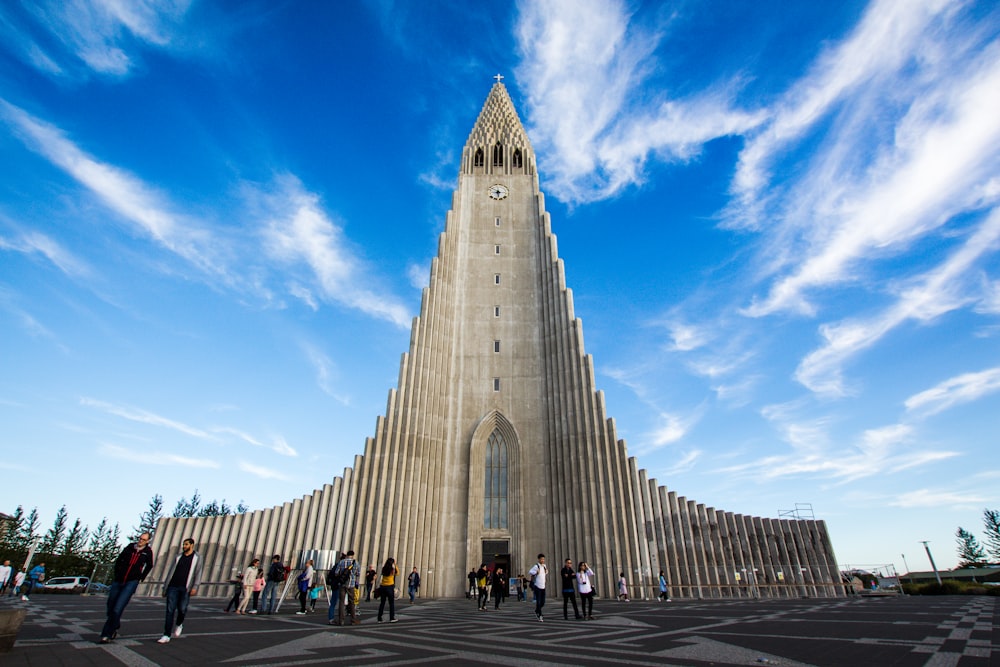
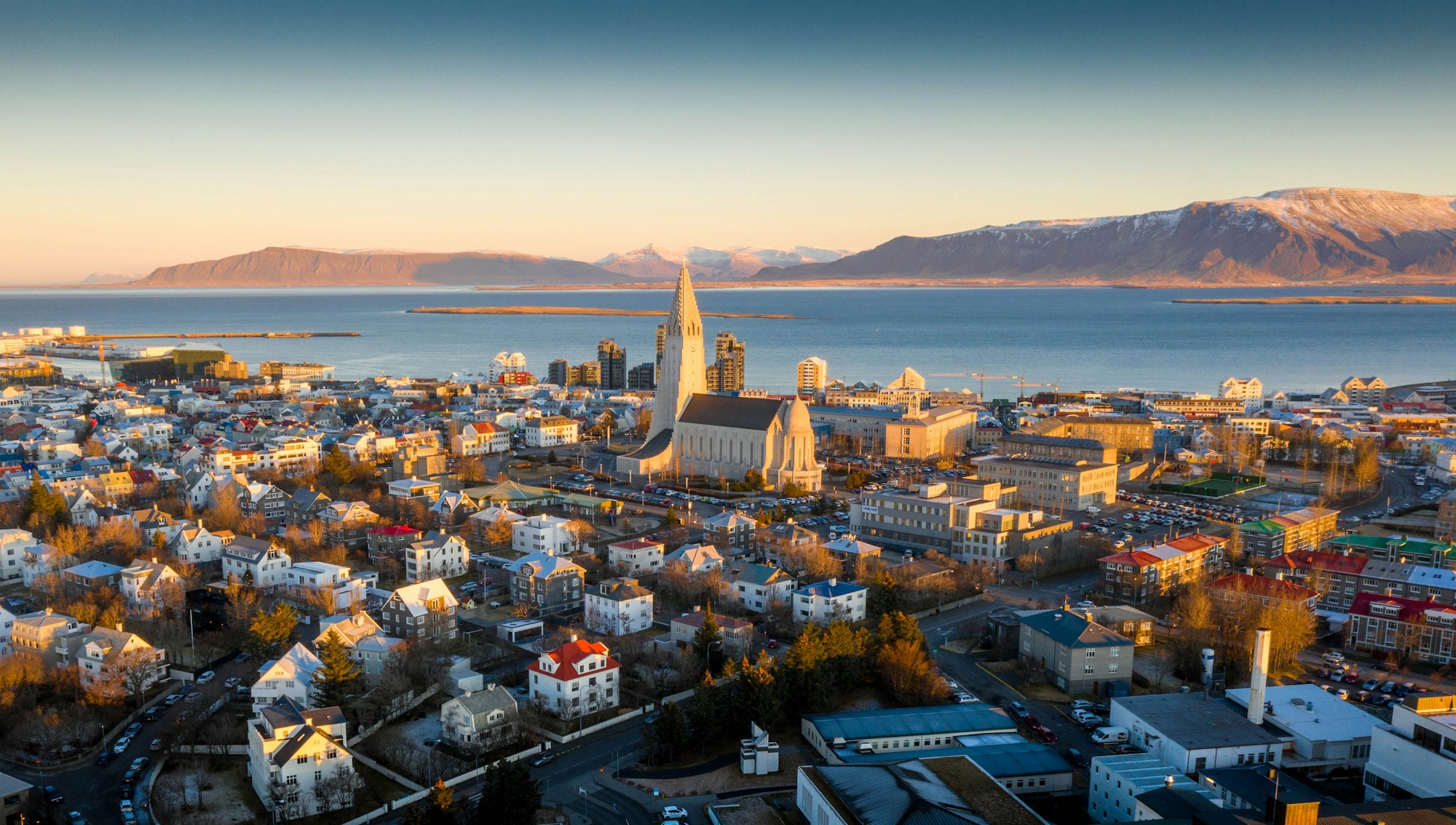
Hallgrímskirkja
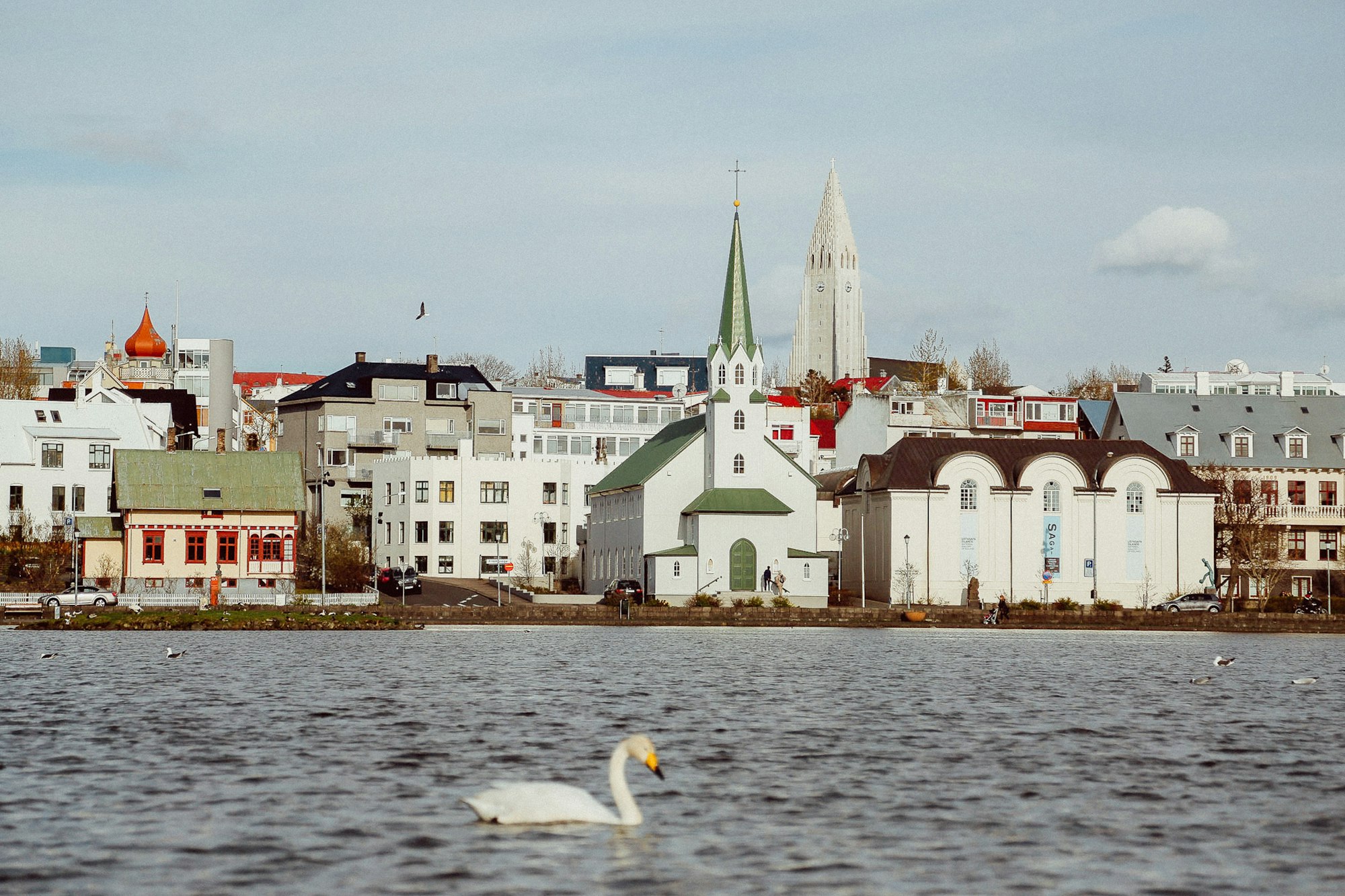
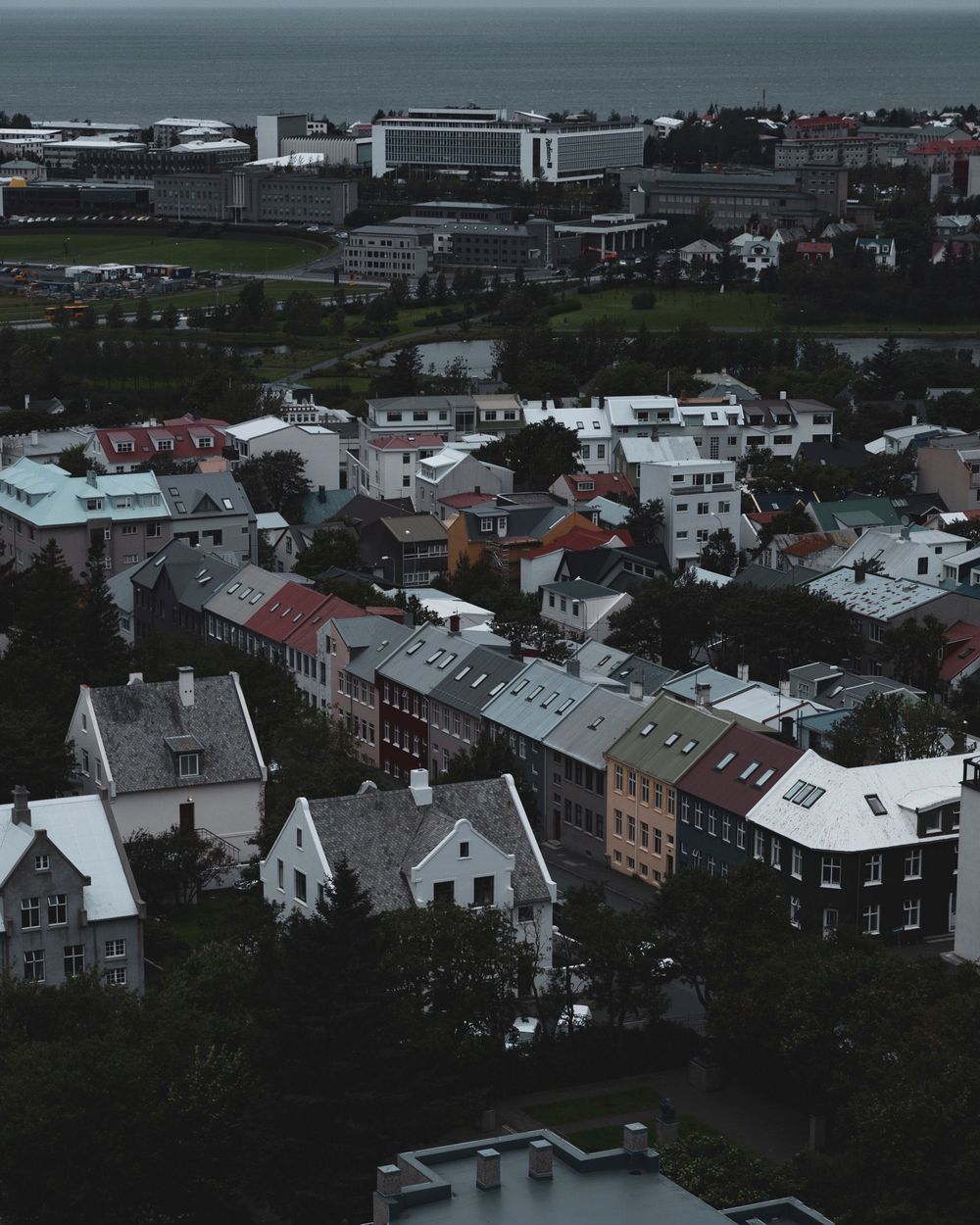
A lift runs to a viewing deck near the top, and the coloured grid of Reykjavík's roofs only makes sense from up there.
-
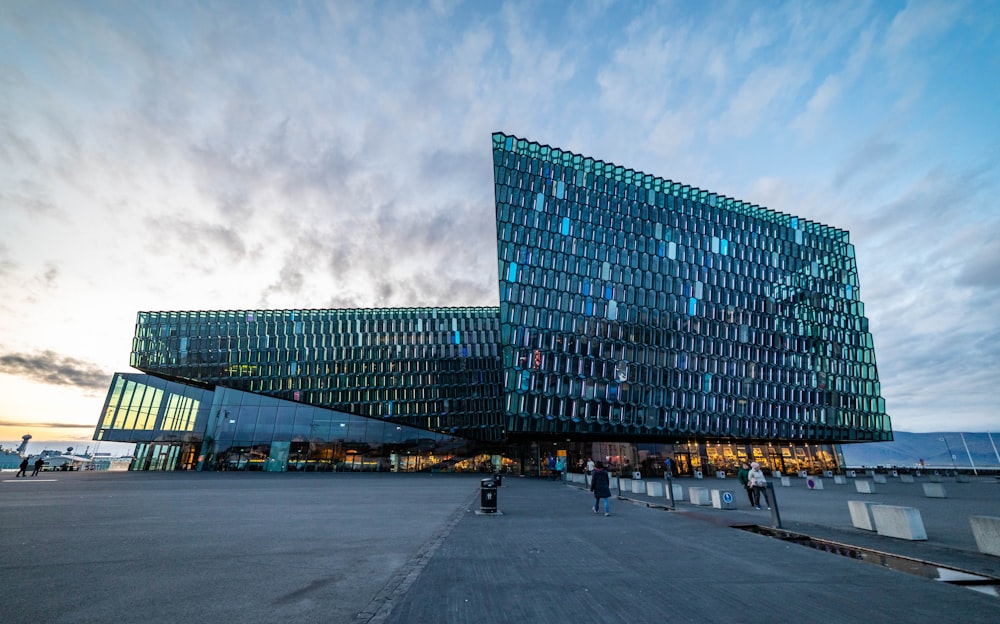
Harpa Concert Hall
It was the only construction site left standing in Iceland after the 2008 crash, finished by the state as a point of principle, and the foyer costs nothing to walk into.
-
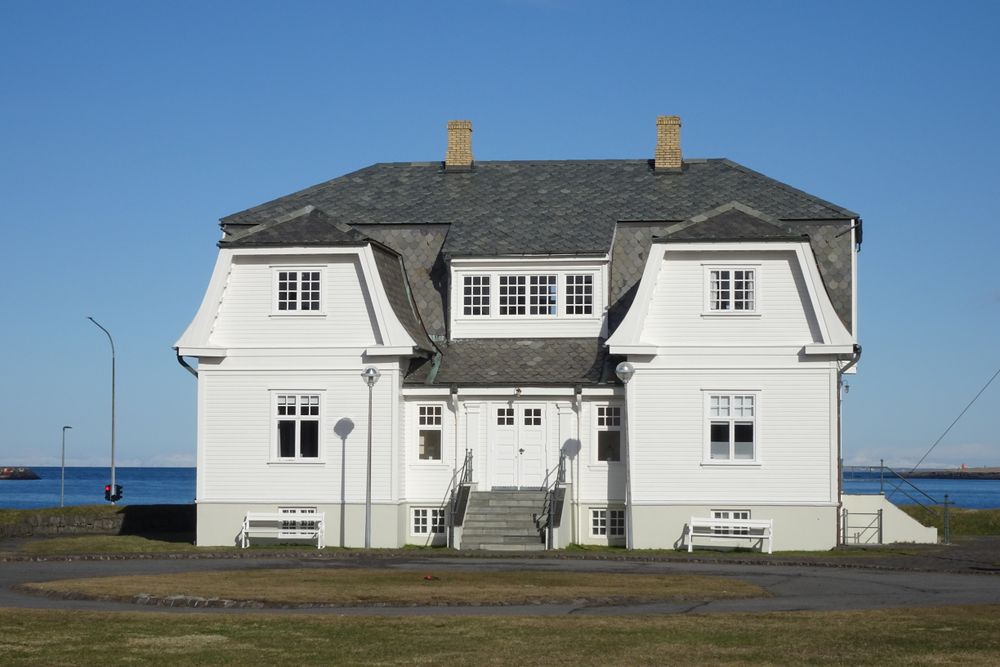
Höfði
The white timber house on the shore road, built in 1909 for the French consul, where Reagan and Gorbachev met in October 1986 at the summit that opened the way out of the Cold War. The building is used for city receptions and is closed to visitors. It is a photograph and a plaque, ten minutes on foot from the Sun Voyager.
-
National Museum of Iceland
The Valþjófsstaður door, a carved medieval church door showing a knight, a dragon and the lion he frees, justifies the visit on its own.
-
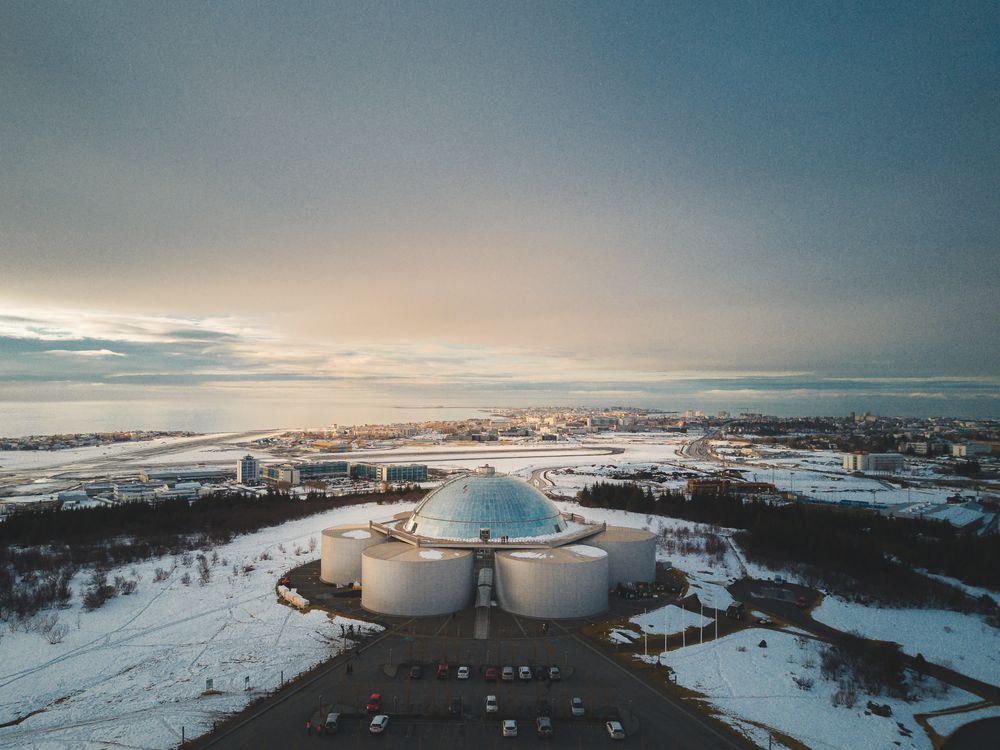
Perlan
A working piece of the city's hot water plumbing that happens to carry a free 360 degree deck, so the view costs nothing even when the exhibits do not.
-
Reykjavík Art Museum Hafnarhús
The old port authority warehouse on the harbour front, converted in 2000 into six galleries of contemporary work. One room is given permanently to Erró, the pop artist who donated his collection to the city in 1989. A single ticket covers this and the museum's two other houses on the same day.
-
Reykjavík City Hall
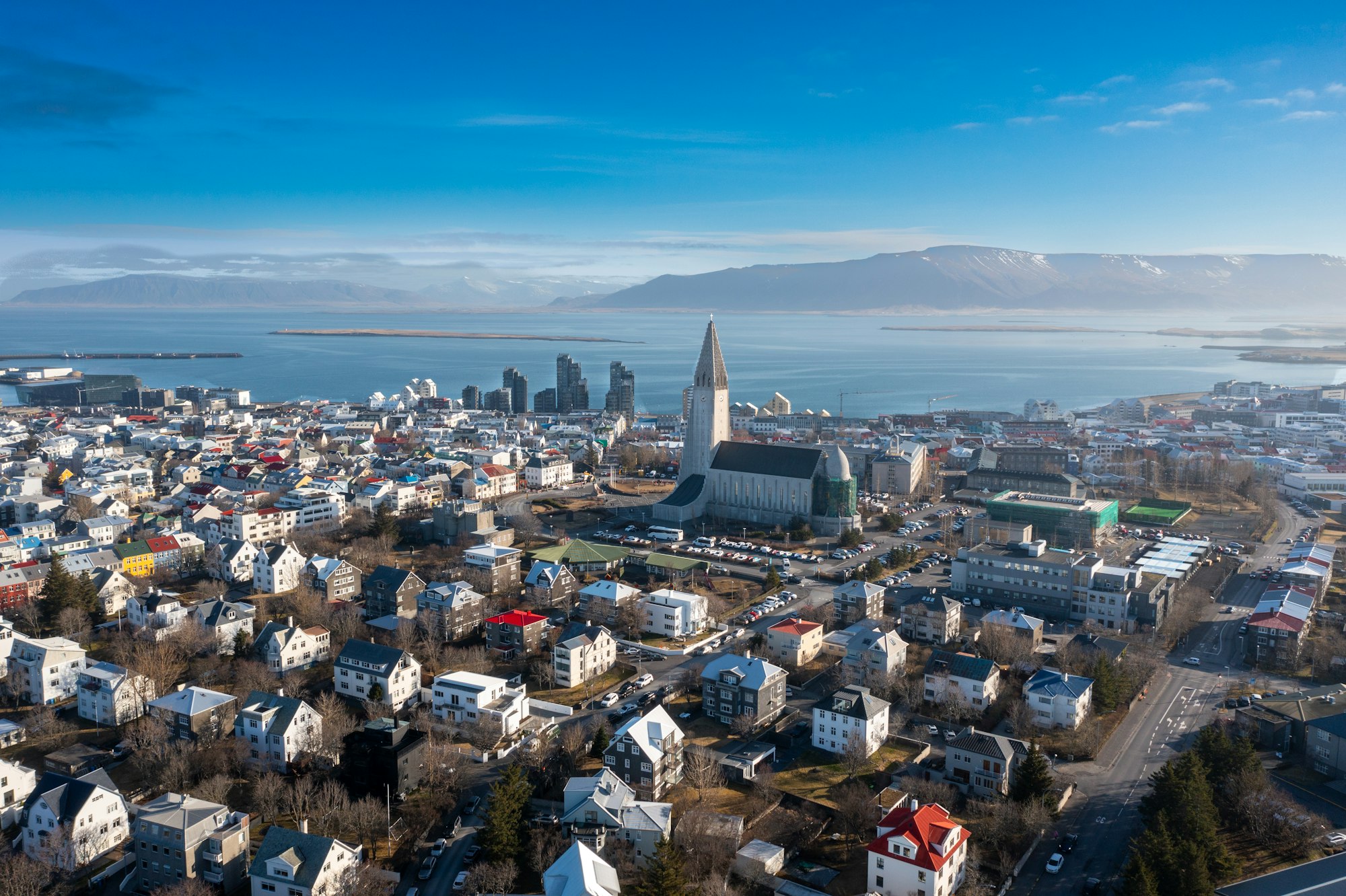
Built out over the northern edge of Tjörnin and opened in 1992, with one glass wall standing in the water and eider ducks under it. The ground floor is open to anyone and holds a large three dimensional relief map of the whole country, useful for placing a route before driving it. Free, warm and a sound place to wait out rain.
-
Reykjavík Konsulat Hotel
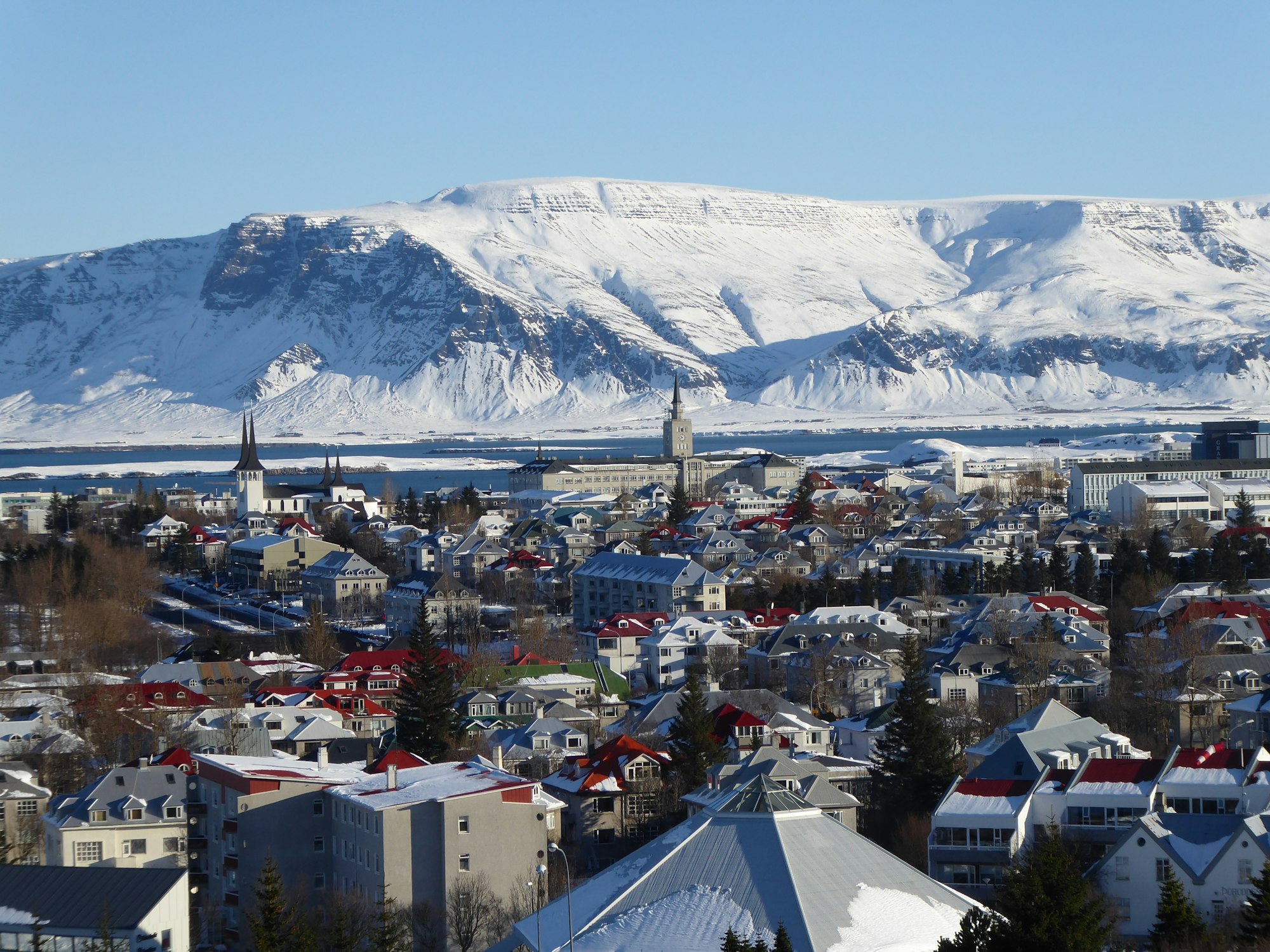
A Hilton Curio hotel in two restored houses on Hafnarstræti, the older of them from the 1870s, with original timber and stonework kept through the public rooms. There is a small pool and steam room in the basement, which is rare in the old centre. It stands between the harbour and Austurvöllur.
-
Reykjavík Maritime Museum
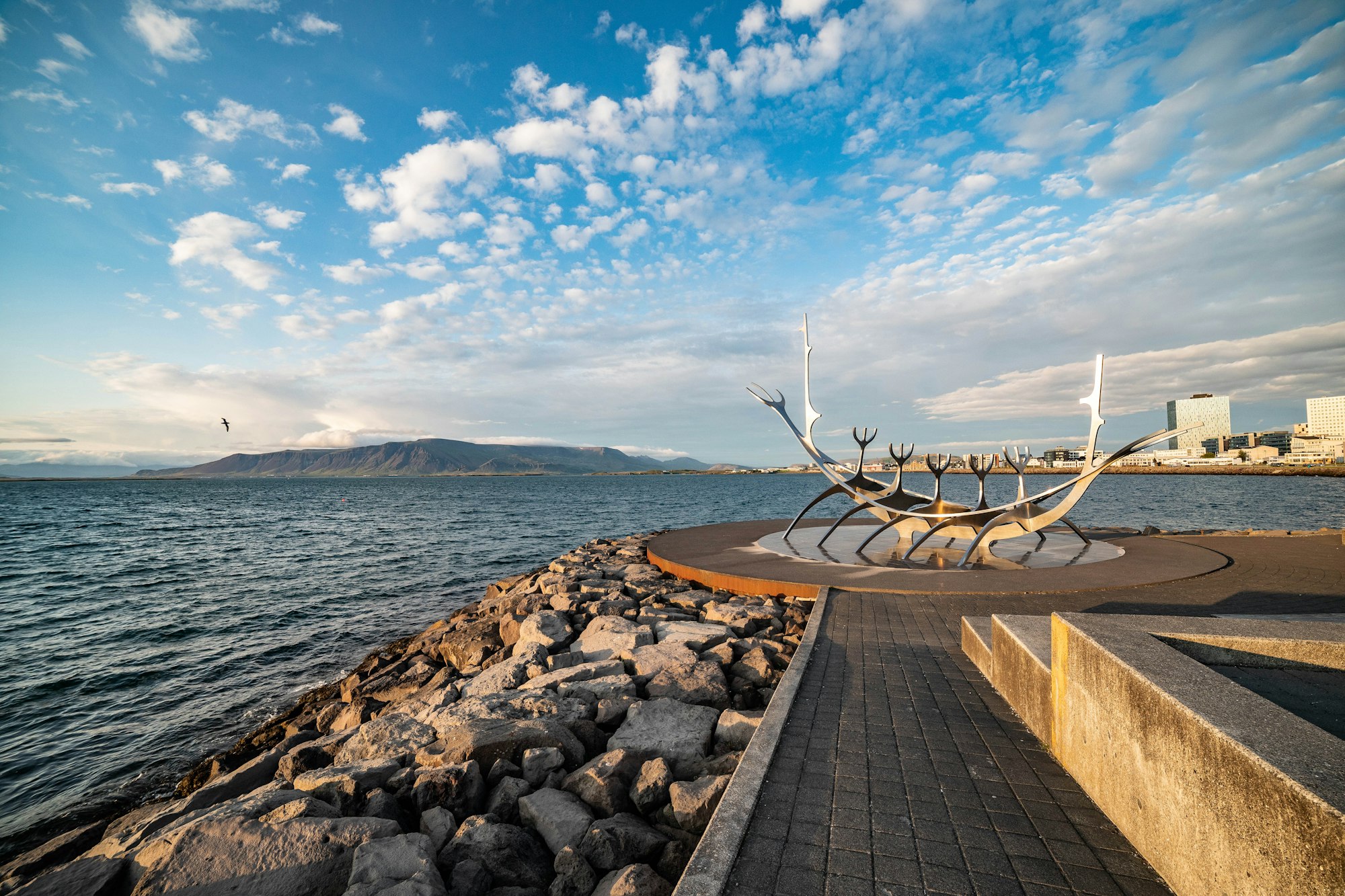
Set in a former fish freezing plant on the old harbour, covering the trawler fleet, the crews and the Cod Wars with Britain. The coast guard vessel Óðinn, which served in all three of those disputes, is moored outside and shown on a separate guided tour at set times. Check those times before arriving.
-
The Reykjavik EDITION
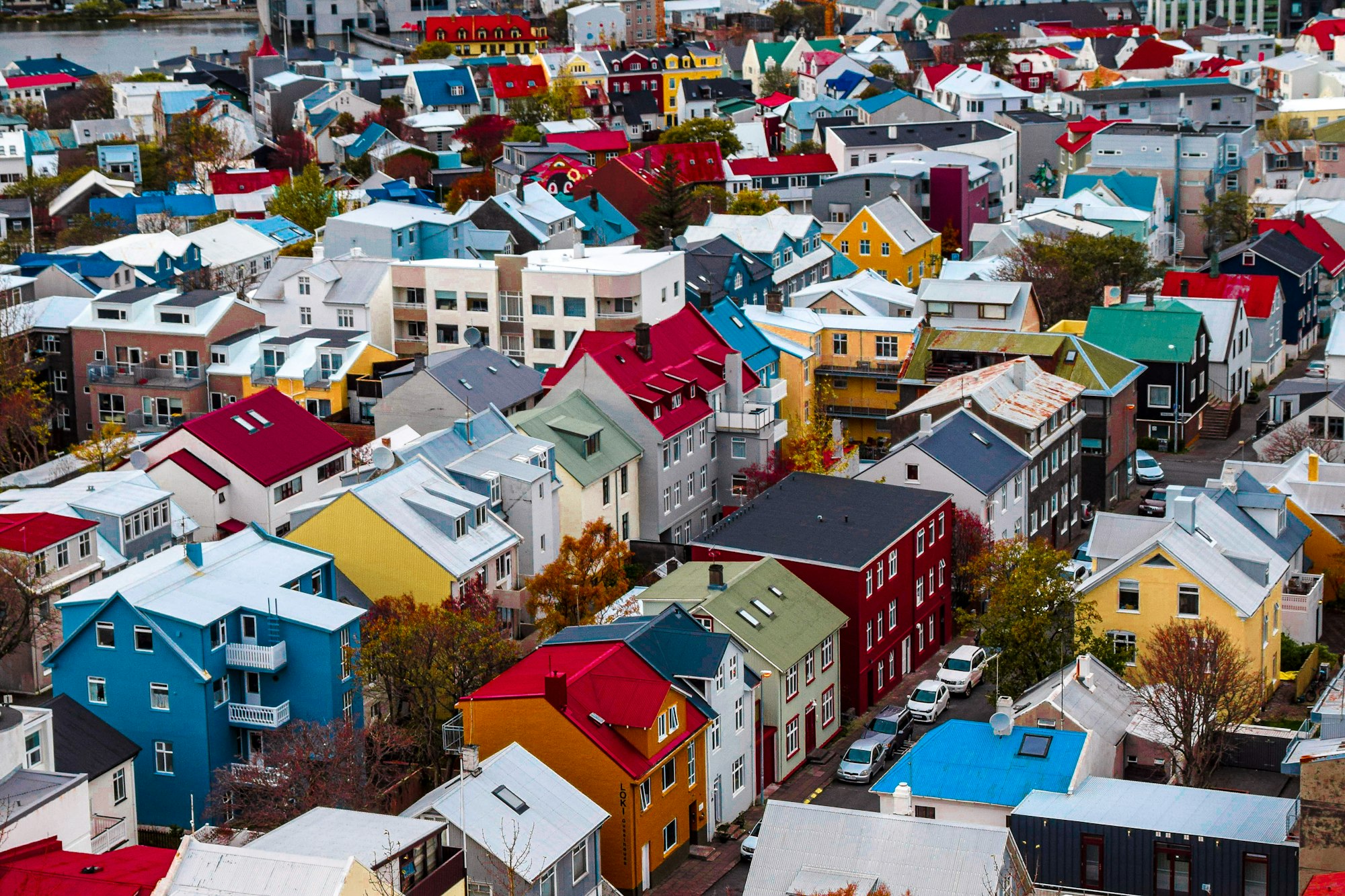
Opened in 2021 on the old harbour at Austurbakki, with rooms looking across the water to Esja and a restaurant and cocktail bar that pull a city crowd as well as guests. It is the most contemporary of the central hotels. The walk to the door of Harpa takes under a minute.
-
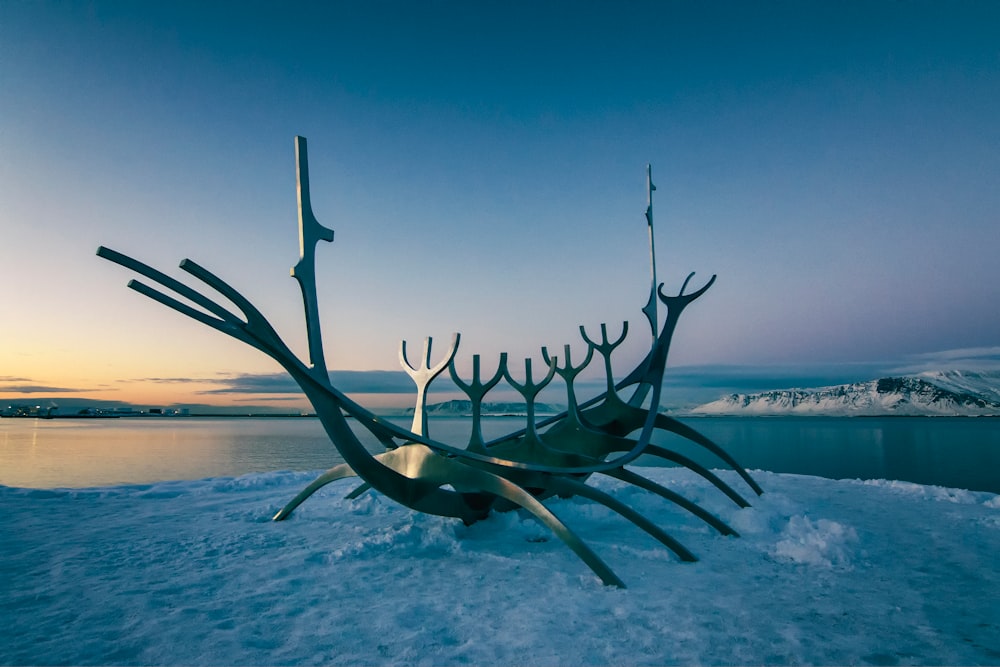
The Sun Voyager
It was meant to face west into the setting sun; a change to the road plan turned it north instead, and the sculptor let it stand.
-
Viðey
Serra set nine pairs of basalt columns around the shoreline so that walking between them measures the island, and the Peace Tower throws a column of light from 9 October to 8 December each year.
-
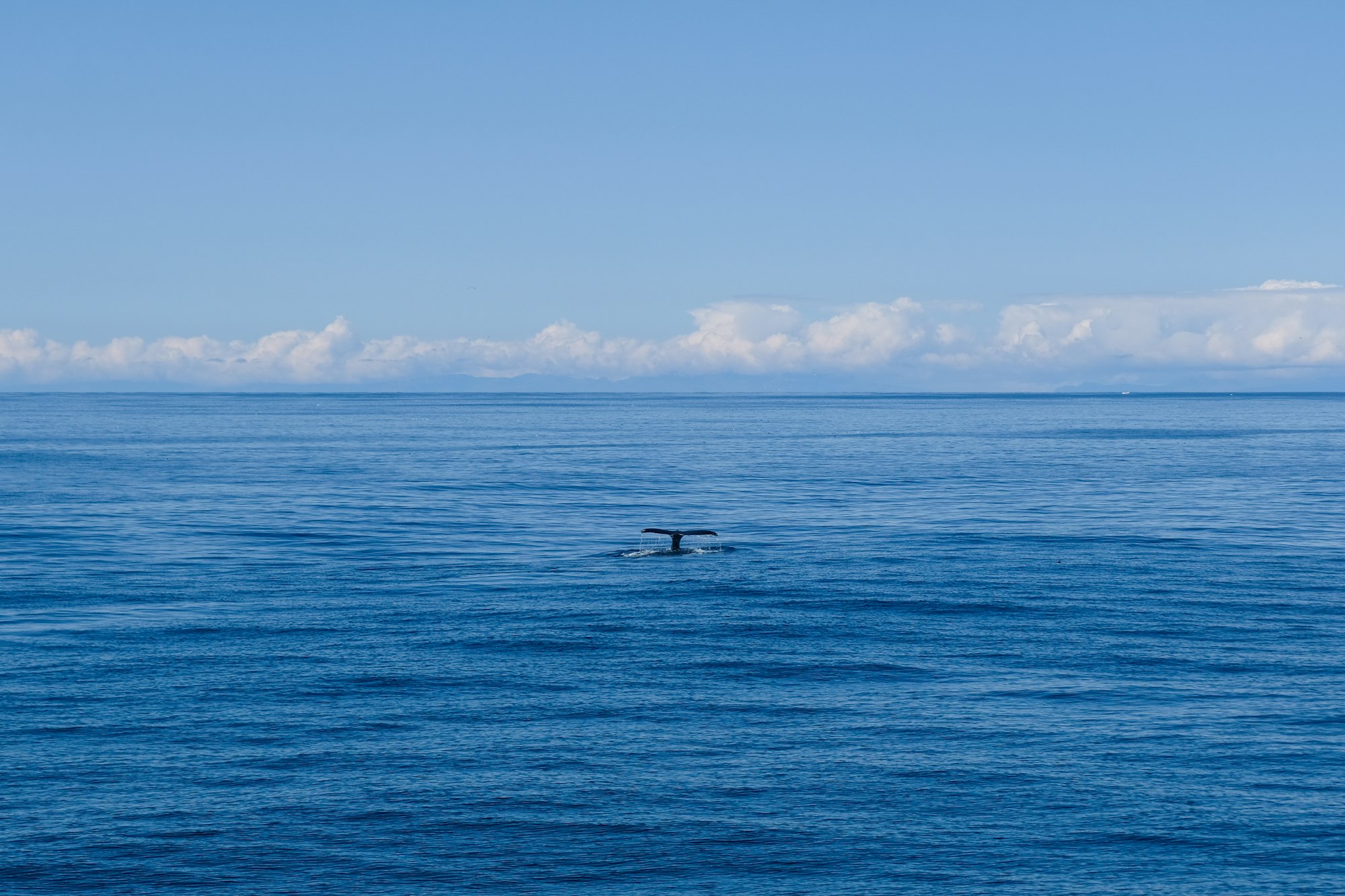
Whales of Iceland
A dark hall on Grandi hung with twenty three life size models of the whales found in Icelandic waters, the blue whale among them at over twenty metres. Audio guides carry the recorded song of each animal. It works better before a whale watching trip out of the old harbour than after one.
-
Alþingishúsið
The parliament house on Austurvöllur, built in 1880 and 1881 from Icelandic dolerite to a Danish design, and still the seat of the Alþingi. The public gallery is open when the chamber sits, roughly October to June, and the garden behind it was laid out in the 1890s. Twenty minutes unless a session is running.
-
Árbæjarsafn
An open air museum built around the old Árbær farm, where about twenty houses moved out of the city centre now stand as a village, a turf church among them. Staff in period dress work the crafts through the summer, and winter opening is by guided tour only. It sits inland from the centre and needs a bus or a car.
-
Ásmundarsafn
The white domed house in Laugardalur that the sculptor Ásmundur Sveinsson designed and built for himself from 1942, now holding his work indoors and out. The garden around it is free and open at all hours, so the large bronzes can be seen without going in. It is the third house of Reykjavík Art Museum and on the same ticket.
-
Austurvöllur
The grassed square in front of the parliament, with Jón Sigurðsson's statue facing the building he spent his life arguing with. It is the city's protest ground, where the pots and pans crowds gathered through the winter of 2009, and the lawn fills the moment the sun is out. Almost everything around it is a bar or a café.
-
Einar Jónsson Museum
Iceland's first art museum, opened in 1923 in the fortress like house that Einar Jónsson designed for himself on the rise below Hallgrímskirkja. His symbolist figures fill the rooms and the flat he lived in upstairs is kept as it was. The sculpture garden behind holds twenty six bronzes and is free and always open.
-
Elliðaárdalur
The valley of the Elliðaár, a salmon river running inside the city limits with a hydroelectric station from 1921 standing on it. Paths follow both banks through birch woods that were planted rather than found, and the fishing is let by the rod. It is where Reykjavík walks when it does not want to leave town.
-
Grandi
The working harbour peninsula west of the centre, where fish factories and net lofts have become museums, an ice cream shop, a food hall and the Marshall House galleries. Trawlers still unload beside all of it, which is what keeps it from feeling assembled. Half a day covers the strip on foot from the old harbour.
-
Hljómskálagarður
The city's first public park, laid out along the south shore of Tjörnin around the small bandstand of 1922 that gives it its name. Sculptures by Icelandic women artists stand through the lawns. It is the ten minute green walk that connects the centre with the university and the Nordic House.
-
Icelandic Phallological Museum
A collection of some three hundred phallic specimens from nearly every land and sea mammal in Iceland, begun by a schoolteacher in 1974 and public since 1997. It is presented straight, with case notes and labels and never as a joke, which is why it works. It now stands on Kalkofnsvegur by the harbour with a bar attached.
-
Kjarvalsstaðir
Opened in 1973 on the edge of Klambratún, the first building in Iceland put up specifically as an art museum. One wing shows Jóhannes Sveinsson Kjarval, the painter who taught the country to look at its own lava fields, and the other takes changing exhibitions. The low glass and timber pavilion is worth the walk on its own.
-
Klambratún
A wide open field between Kjarvalsstaðir and the Hlemmur end of Laugavegur, kept as open lawn, with a disc golf course, a playground and volleyball courts on it. It is the closest thing central Reykjavík has to a common. Best taken with the art museum standing on its edge.
-
Landakotskirkja
The Catholic cathedral on the Landakot rise in the west end, consecrated in 1929 to a design by Guðjón Samúelsson, in a stripped Gothic with a flat topped tower. It is free to enter and far quieter than Hallgrímskirkja, and the interior is plain to the point of severity. Fifteen minutes, and usually empty.
-
Laugavegur
The name carries the city's whole history in one word, from laundry route to its busiest street, and it climbs straight to Hallgrímskirkja.
-
Nauthólsvík
A crescent of imported yellow sand in a sheltered cove below Öskjuhlíð, where geothermal water is piped into a lagoon behind a sea wall and holds it near eighteen degrees. Hot tubs and a steam bath stand on the shore. Summer entry is free, and the open sea outside the wall stays cold all year.
-
Nordic House
Alvar Aalto's only building in Iceland, opened in 1968 in the wetland below the university as a cultural centre shared by the five Nordic countries. The blue ceramic roof was drawn to answer the mountain line on the southern horizon. There is a library, a small exhibition space and a restaurant, and entry is free.
-
Öskjuhlíð
The wooded hill between the city and the domestic airport, about sixty metres high and planted with conifers since the 1950s. Paths run past concrete bunkers and gun positions left by the British and American forces, and Perlan stands on the hot water tanks at the summit. It links the centre to Nauthólsvík on foot.
-
Reykjavík Botanic Garden
Founded in 1961 in Laugardalur and holding about five thousand plant species across eight collections, arranged to show what will grow at this latitude. Entry is free and the grounds stay open all year. It sits beside the family park and the zoo, so it is usually taken with them rather than on its own.
-
The Settlement Exhibition
The oldest known building in Reykjavík is still sitting in its own hole in the ground, with the modern street built over the top of it.
-
Tjörnin
It freezes hard enough for skating most winters, apart from the corner kept open with warm water, where every duck in the city then crowds in.