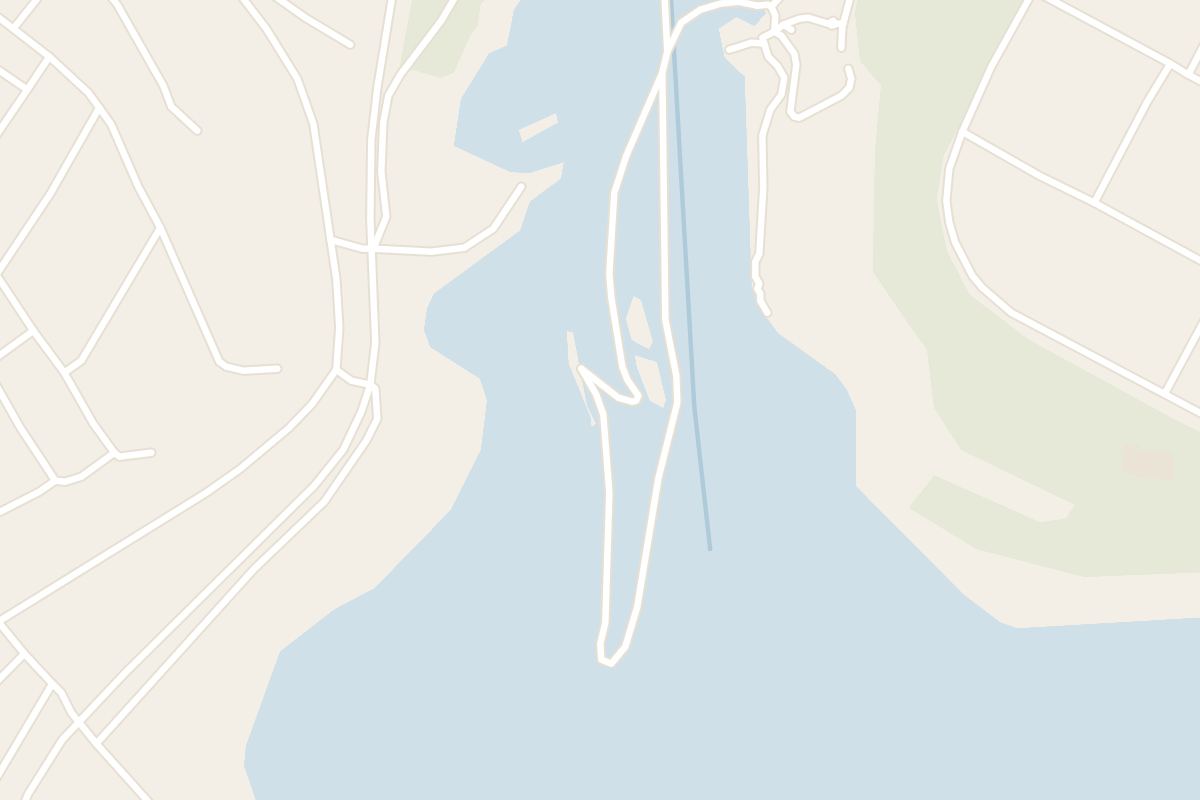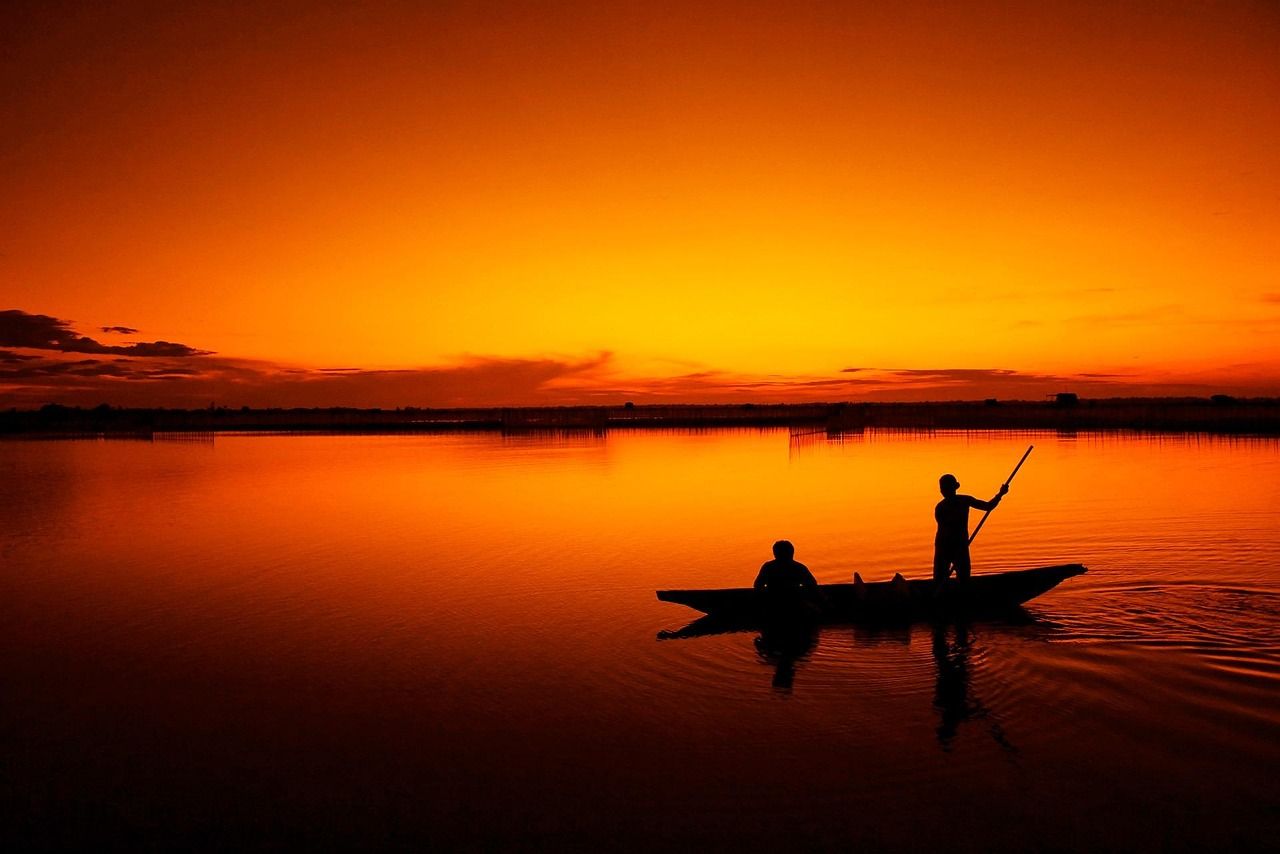
Lake Victoria is the largest lake in Africa and, by surface area, the second-largest freshwater lake on earth after Lake Superior, roughly the size of Ireland and shared between Uganda, Kenya and Tanzania. It is also surprisingly shallow for its size, on average around forty metres, which is why storms can raise dangerous waves in minutes. A lake this big cannot really be visited whole. The way to see it is to pick one door, and the best door is on the Uganda side, where the Nile flows out of it.
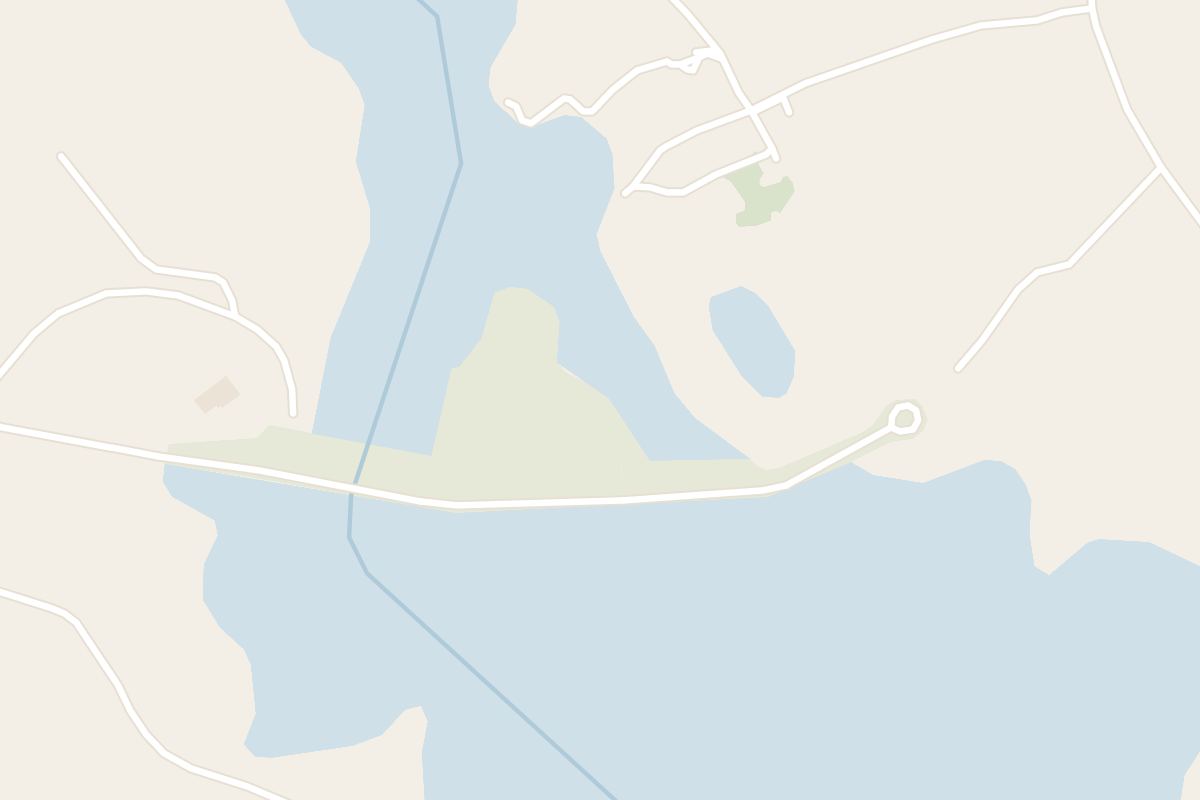
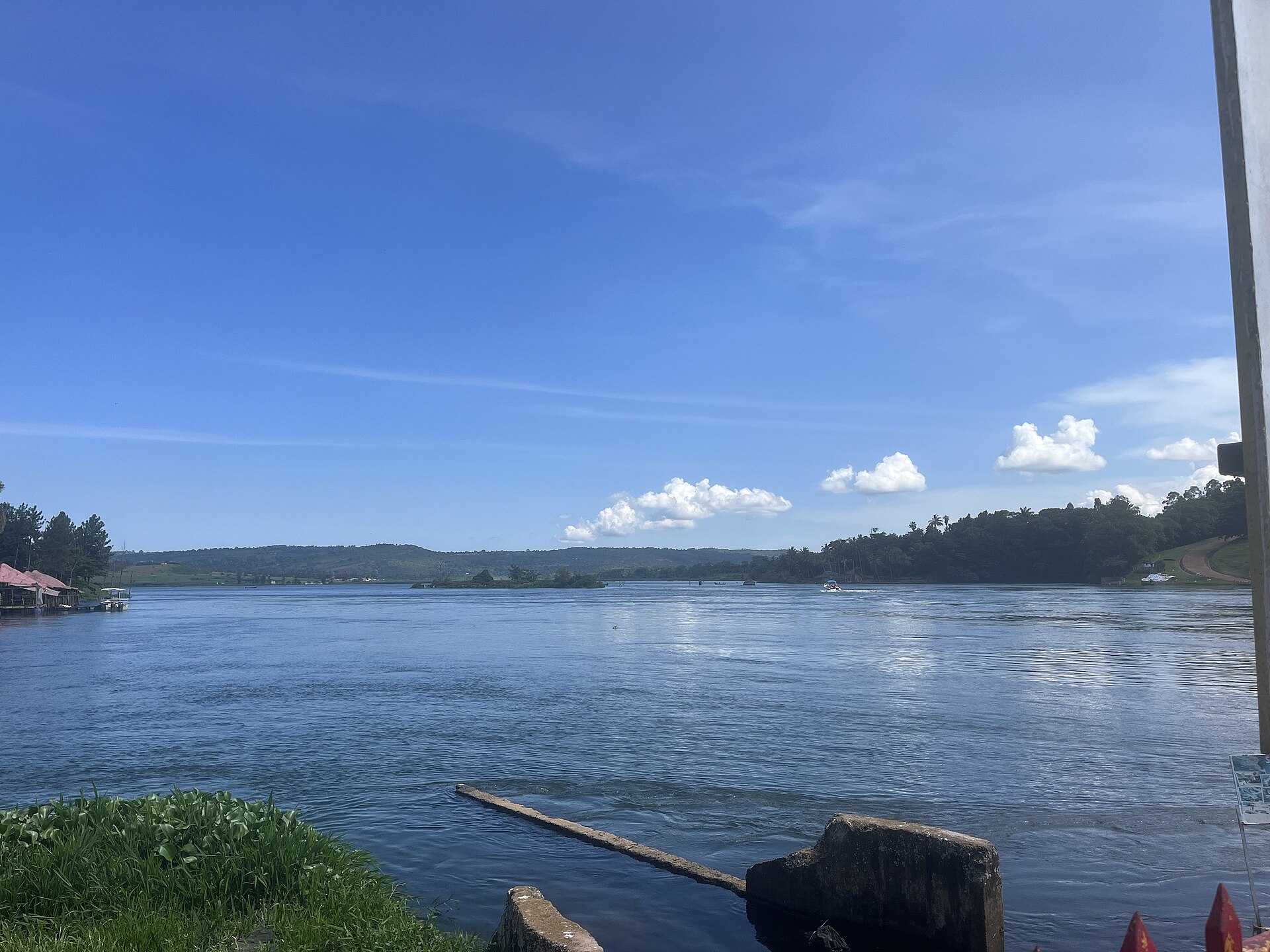
At Jinja, the White Nile pours out of the lake and turns north on its long run to the Mediterranean. This is the source John Hanning Speke reached in 1858 and named for Queen Victoria, though the ultimate, most distant headwaters lie further south and were argued over by explorers for years. The site itself is modest: a plaque and a concrete marker, a viewpoint over a wide, fast river, a memorial where some of Gandhi's ashes were scattered, and boats that run out to the point where the current leaves the lake. Ripon Falls, the historic outlet, is gone, drowned under a hydroelectric dam. The feeling of standing there is bigger than the spot itself.
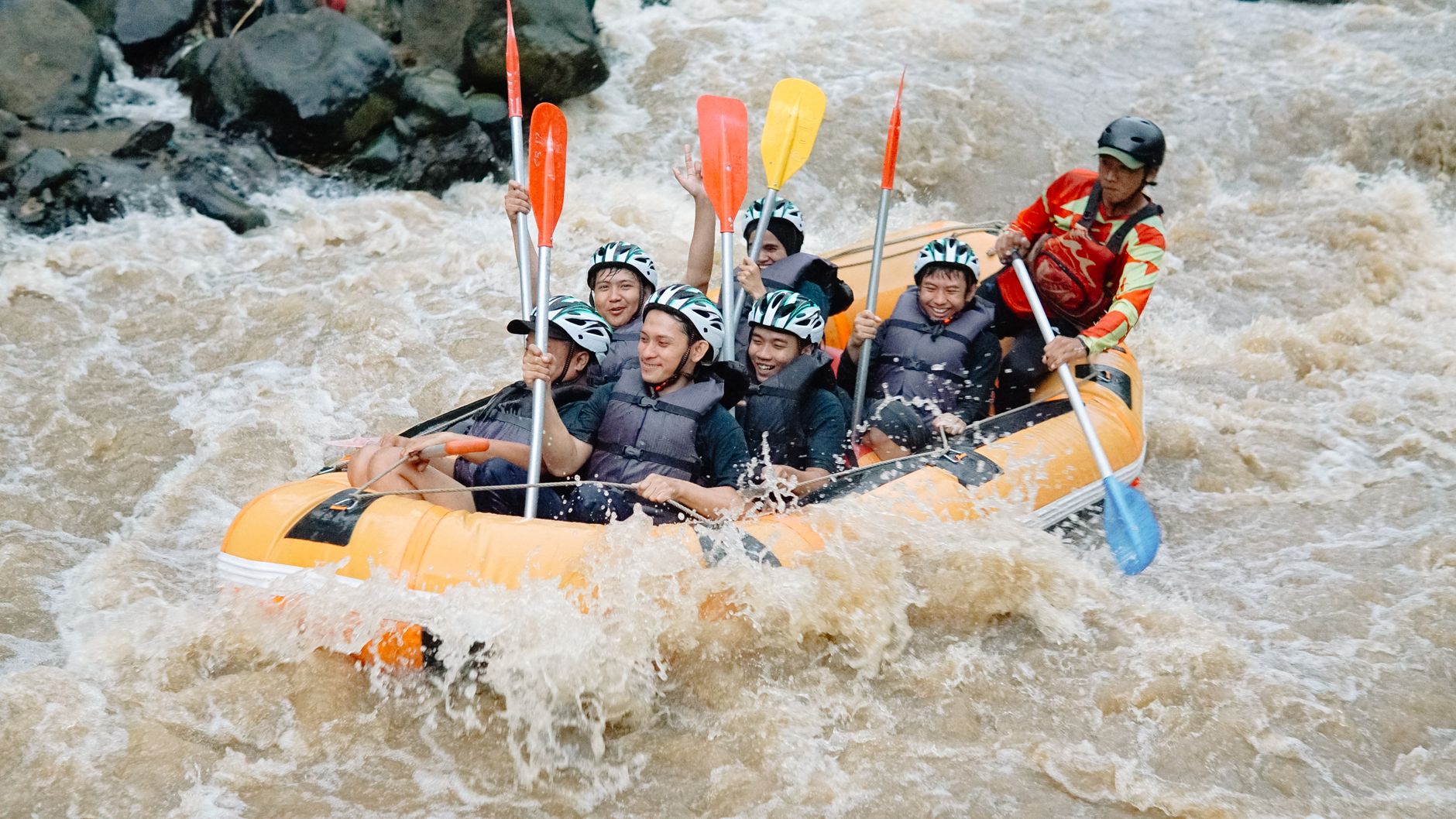
Below the source, the river drops into some of the biggest commercial whitewater in the world, a run of Grade 3 to Grade 5 rapids with names like The Bad Place, worked by rafting operators based in Jinja. Two hydroelectric dams have changed it: Bujagali, finished around 2012, and Isimba, around 2019, each flooding a stretch and shortening the classic run, so the guides who have been here longest mourn rapids that are now flat water. There is a bungee tower over the river too. Jinja is the adrenaline capital of East Africa, and this is why.
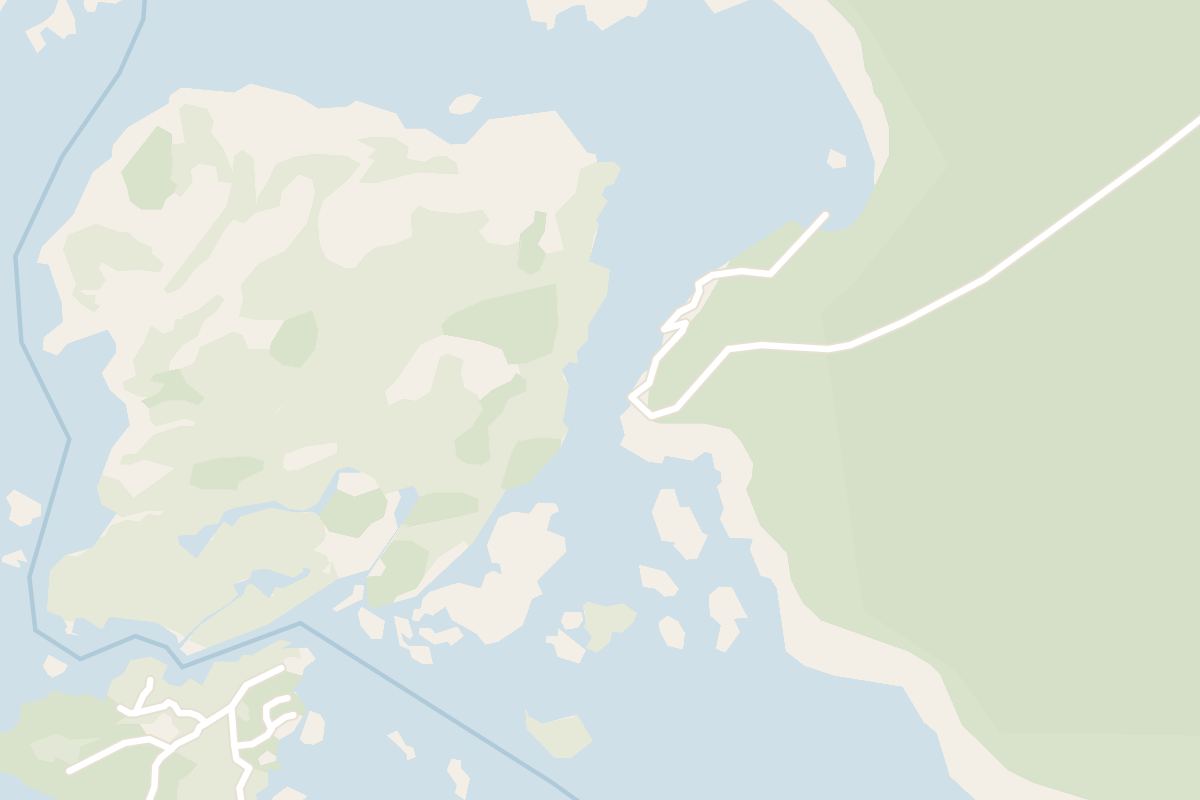
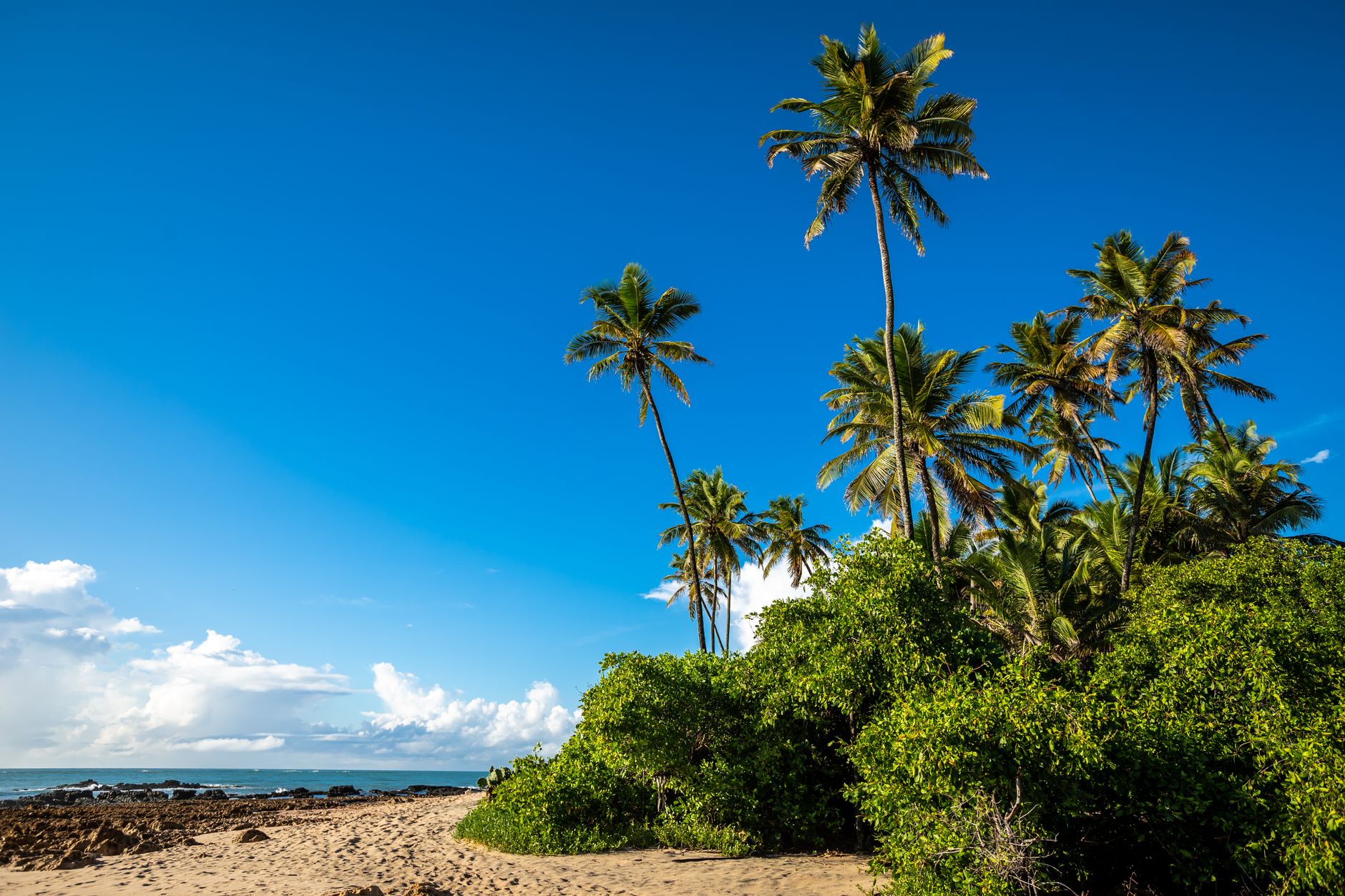
Offshore lie the Ssese Islands, and they are the counterweight. There are eighty-four of them in the lake's northwest corner, Bugala the largest and the one most people head for, and they are quiet in a way Jinja is not: palm and forest, near-empty beaches, fishing villages, very little development. The usual way out is the passenger ferry from Entebbe, about three and a half hours across open water, or a short vehicle ferry from the mainland further south. A day or two here is the slow half of the trip, the part where nothing is scheduled.
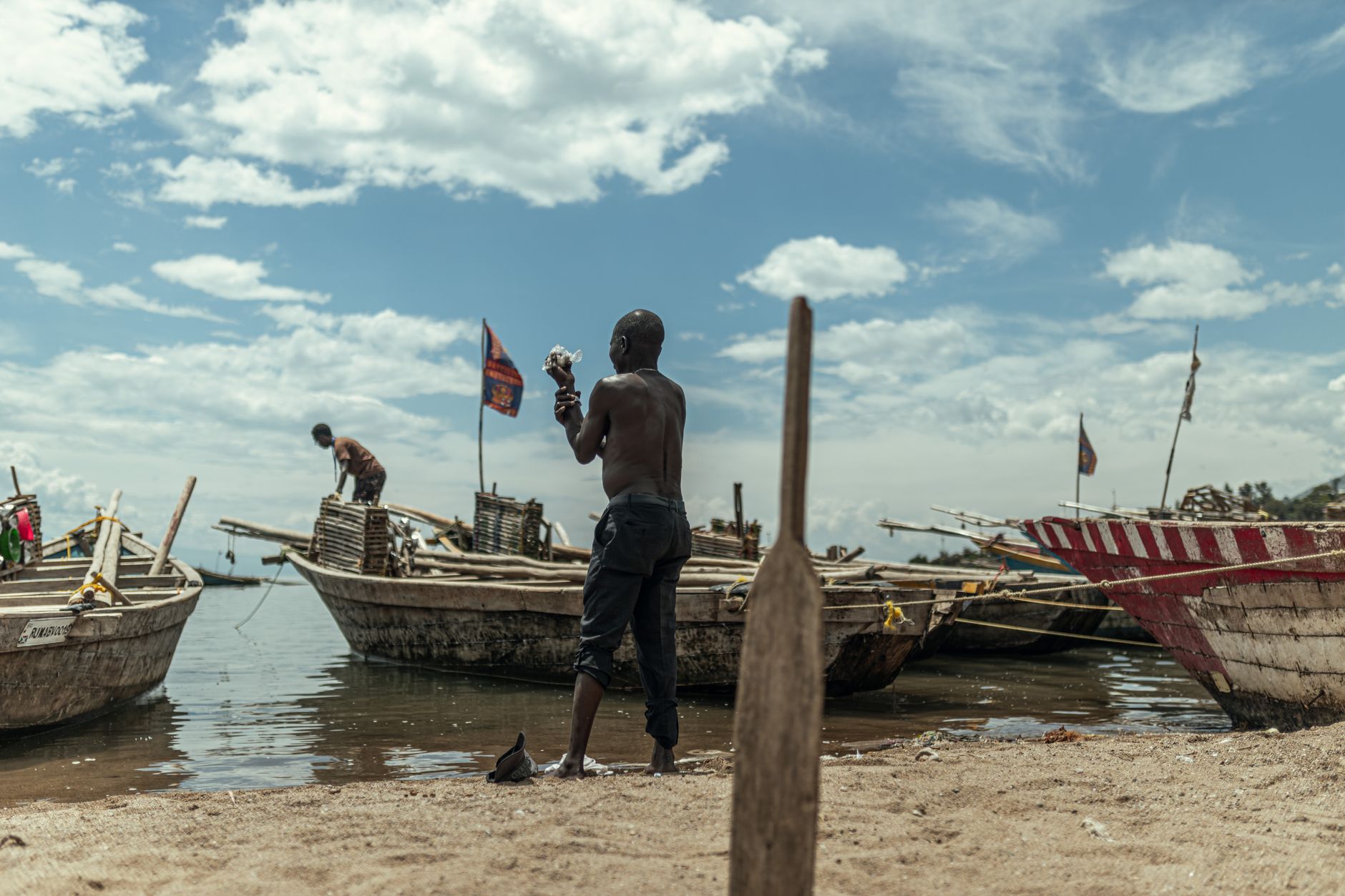
The lake feeds a fishing economy worth hundreds of millions a year and a large share of three nations, and it carries a cautionary tale with it. The Nile perch, a big predator introduced in the 1950s, boomed into an export industry sending fillets to Europe, and in doing so it wiped out most of the lake's native cichlids, hundreds of species, in one of the largest extinctions ever pinned on a single introduction; the fallout was later dramatized in the documentary Darwin's Nightmare. Water hyacinth, another import, still chokes the shallows near the ports. This is an inland sea under real pressure, and worth seeing clearly rather than romantically.
The same lake that becomes one of the longest rivers on earth lost hundreds of its native fish to a single introduced species.
Treat the water with care. Bilharzia, a parasite carried by freshwater snails, is genuinely present in the reedy shallows near villages, so the sensible approach is to swim only from deep open water off a boat, skip the fishing beaches, and use the filtered pools at the lodges. Crocodiles and hippos live along parts of the shore. Because the lake is shallow and storms rise fast, its ferries have a real disaster history, so use registered operators and insist on a life jacket. The whole basin is a malaria zone. None of this is a reason to stay away; all of it is a reason to be sensible about the water.
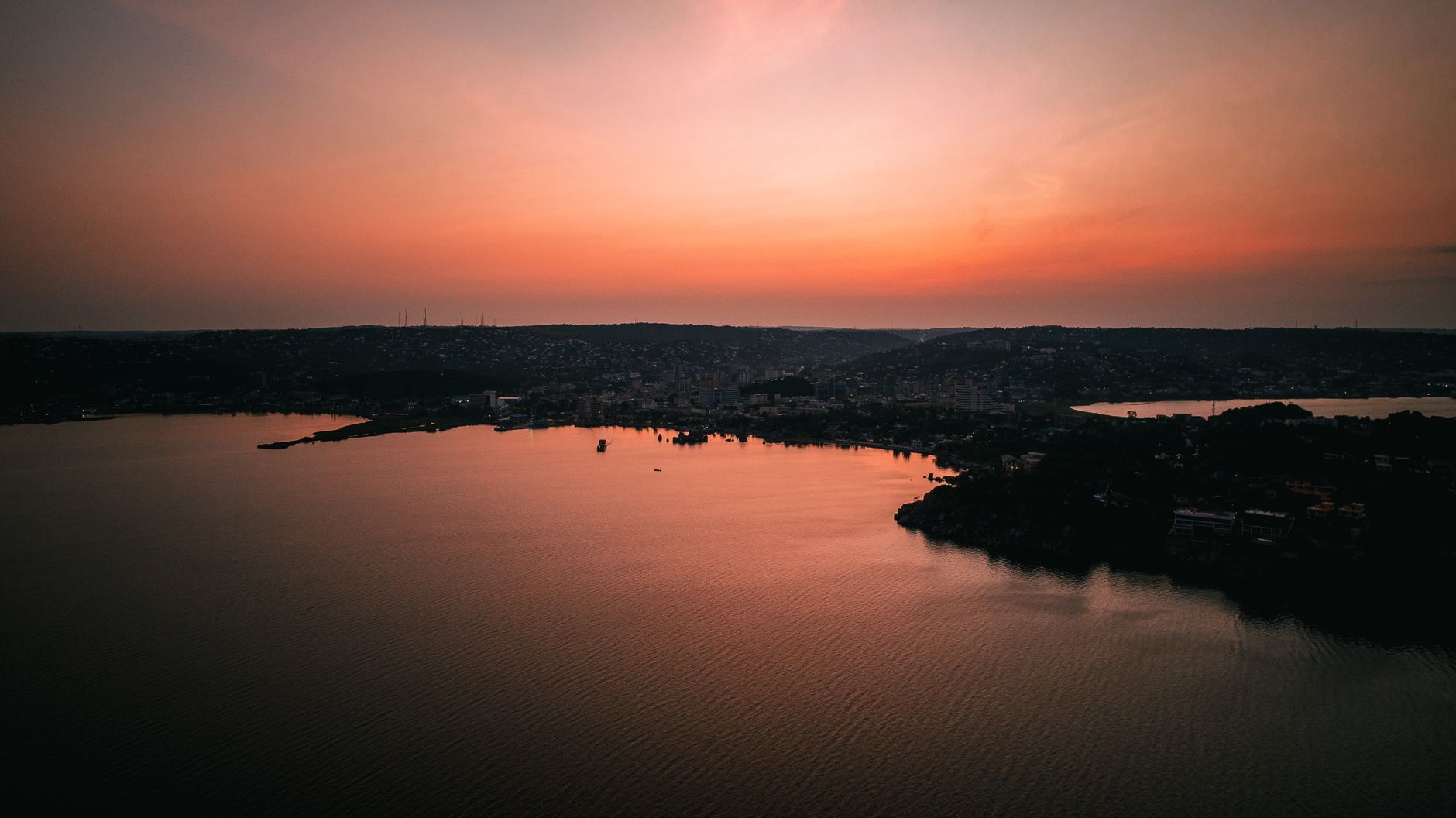
Getting there is straightforward: fly into Entebbe, which sits right on the lake, and Jinja is a couple of hours inland past the traffic of Kampala. Come in the dry seasons, roughly June to August or December to February. The Kenyan and Tanzanian shores have their own doors, from Kisumu and the fossil island of Rusinga to the granite boulders of Mwanza and the huge, rural Ukerewe, but the Uganda stretch of source and islands is the one a traveler can actually string together in a week. It is also the honest place to begin: the lake at its most legible, where the largest lake in Africa turns into one of the longest rivers on earth.