Lisbon was built on seven hills, tiled most of them, and paved the gaps with calçada portuguesa, the little limestone cobbles four hundred years of feet have polished to an ice rink. June brings the heat and the week of Santo António, when Alfama hangs paper streamers across its lanes and grills sardines on the doorstep until two in the morning. The Santa Justa lift and the funiculars take the sting out of the first gradient, but the city is best walked, at the pace it sets rather than the one a schedule wants.
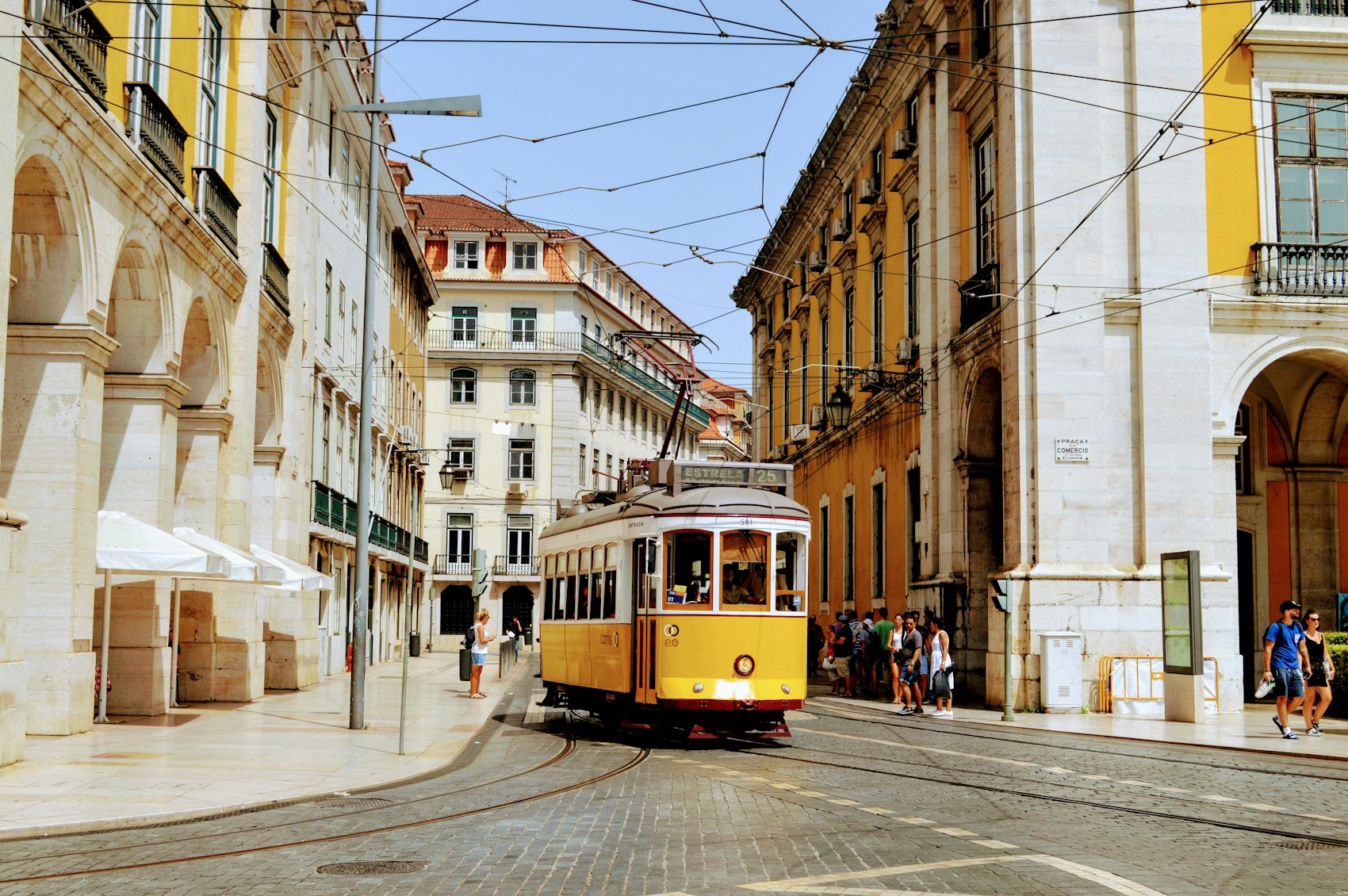
The only flat ground is the Baixa, the grid the Marquês de Pombal threw up after the 1755 earthquake levelled the old town, matching arches and chessboard streets running back from the river at Praça do Comércio. It does not last. Every street that leaves the water tilts within a block, and the payoff for the climb is a miradouro, a railed terrace with a view and usually a kiosk selling cold beer. The good ones repay the effort: Santa Luzia, tiled and hung with bougainvillea, the old men slapping down cards; Portas do Sol next door, looking clean over the roofs of Alfama to the cruise ships; and Senhora do Monte up in Graça, highest of all, where half the city comes at dusk to watch the light go and somebody always has a guitar.
Above the Baixa the streets knot into Alfama, the Moorish quarter the earthquake spared, too steep for cars and too crooked for sense, the washing strung overhead and a cat on every warm step. On a Tuesday or a Saturday the Feira da Ladra, the thieves' market, lays its junk along the railings by the white dome of the Pantheon: a dead man's medals, a single odd cup, a cassette of somebody's wedding. After dark a real voice carries out of A Baiuca, a room the size of a kitchen where the neighbours take turns singing fado; you eat what you are given, and you clap when you are told.
The best of Lisbon costs nothing and happens on foot, worn out one hill at a time.
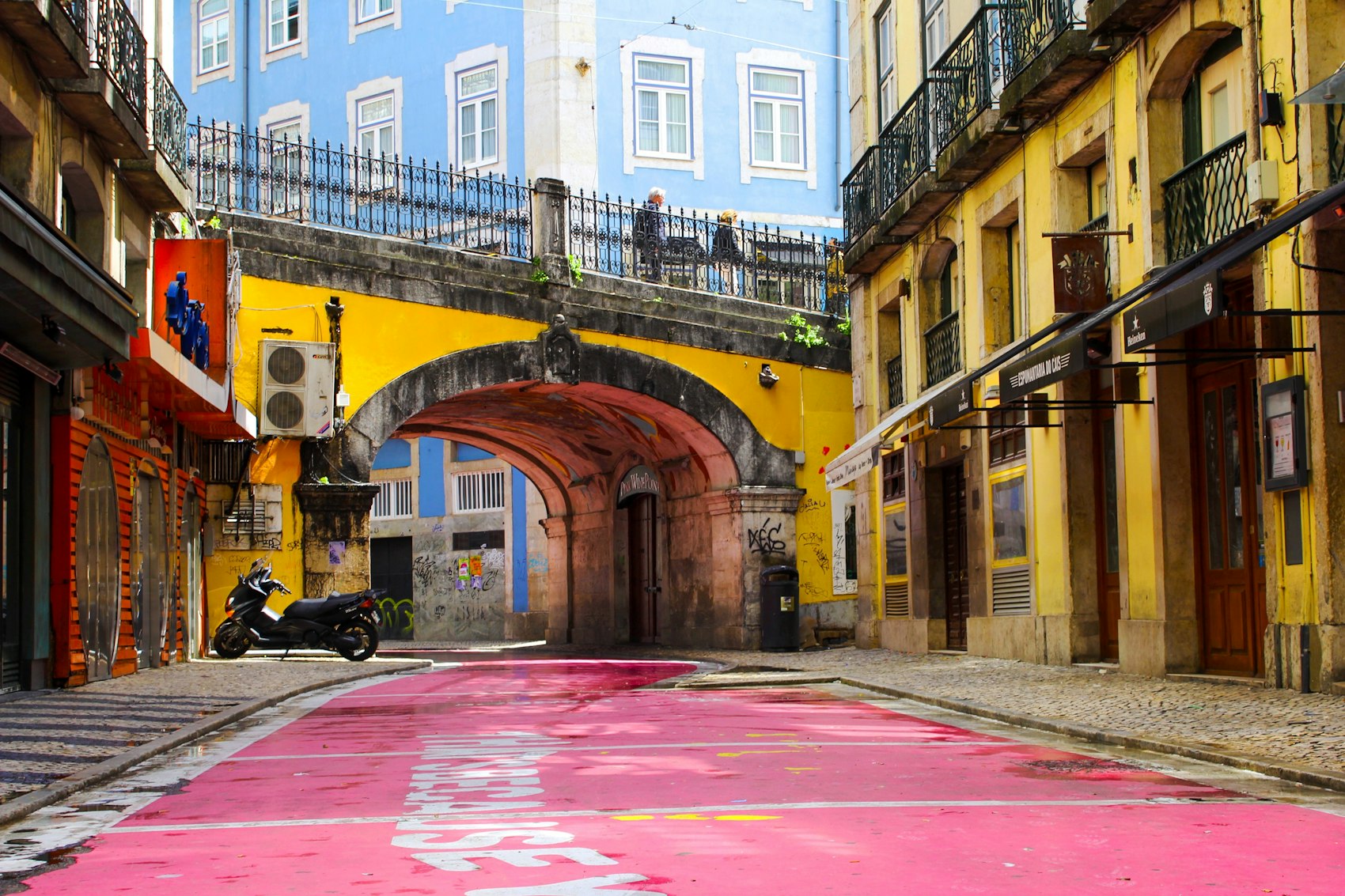
Chiado is where the city puts on a collar: the bronze Pessoa outside A Brasileira for the tourists to pose with, the old bookshops, the trams squealing past the statue of Camões. From there the Bica funicular hauls itself up a street so steep the houses look to be tripping downstairs. The thing to drink before any of it is a ginjinha, and the place is A Ginjinha by Rossio, a doorway that has poured nothing but sour-cherry liqueur since 1840, a euro forty a shot, com or sem, with the boozy cherry or without. Order it com. After dark the noise climbs to Bairro Alto, where the bars are the size of front rooms and the party is out on the cobbles, or drops to Cais do Sodré and the pink stretch of Rua Nova do Carvalho, an old sailors' street now lined with bars, one of them, Pensão Amor, a former brothel that kept the wallpaper. Eat first: Cervejaria Ramiro is worth the queue for garlic prawns and a plate of percebes, the goose-barnacles that look like dinosaur toes, and, against all reason, a steak sandwich to finish.
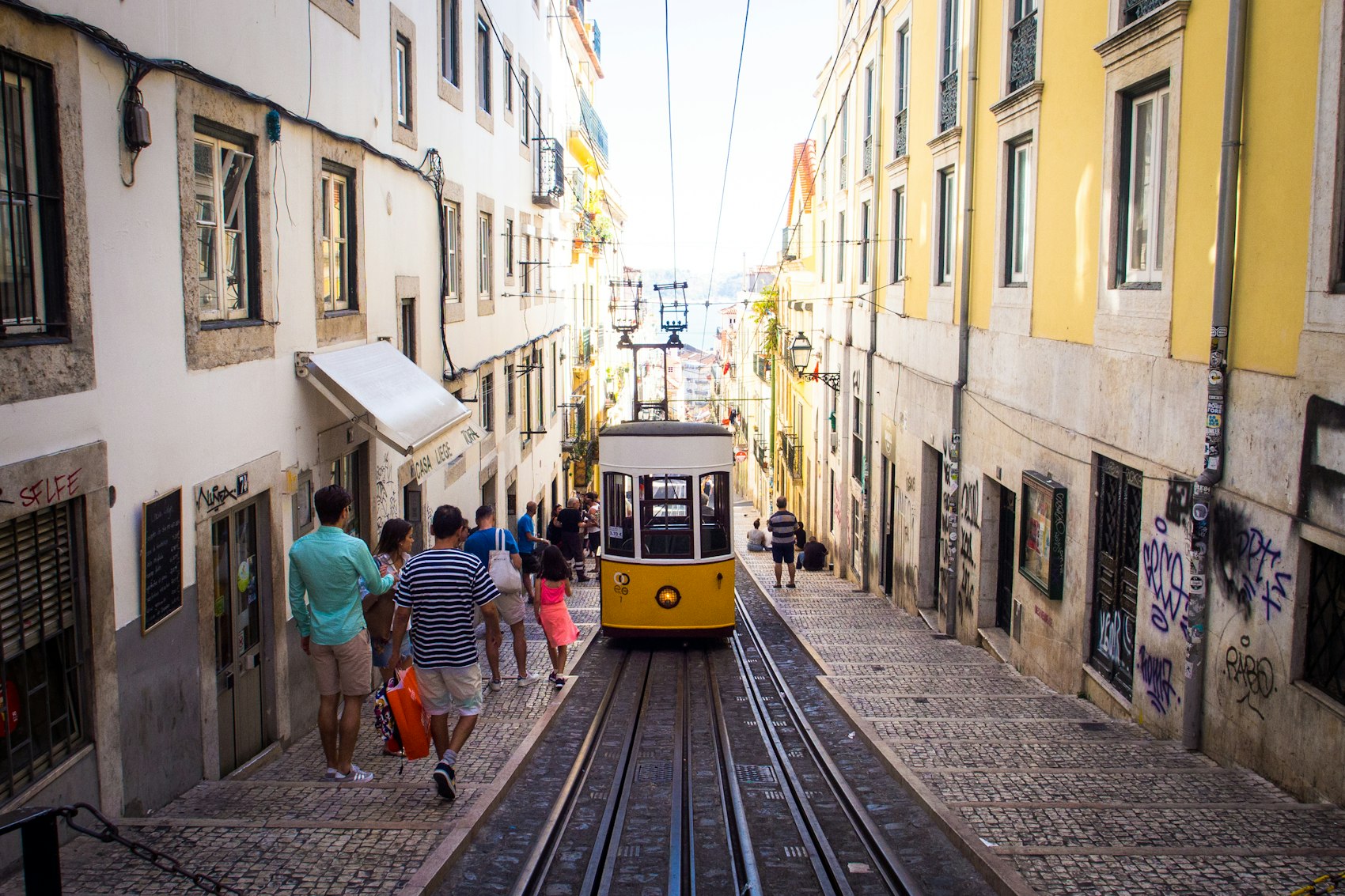
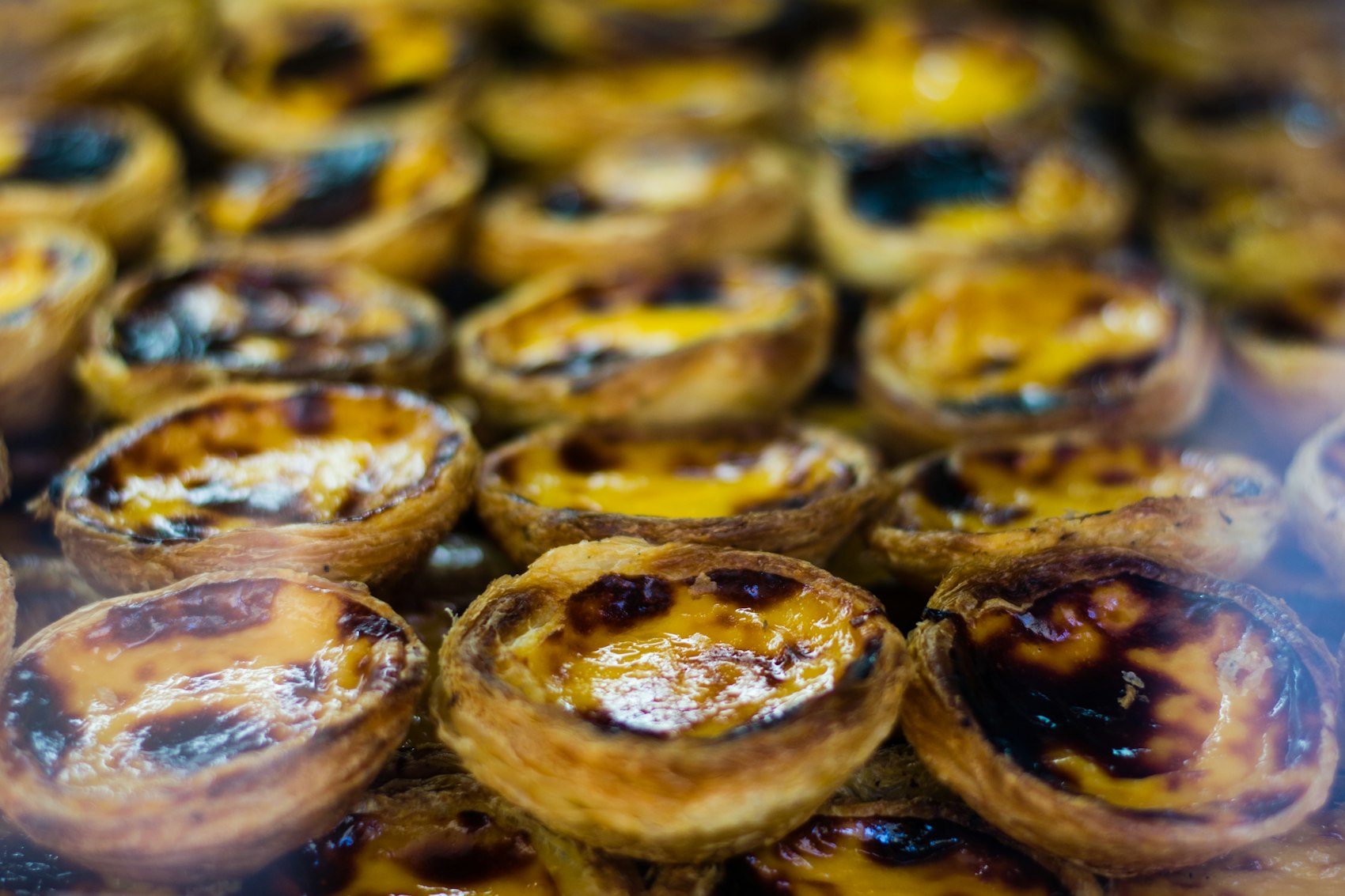
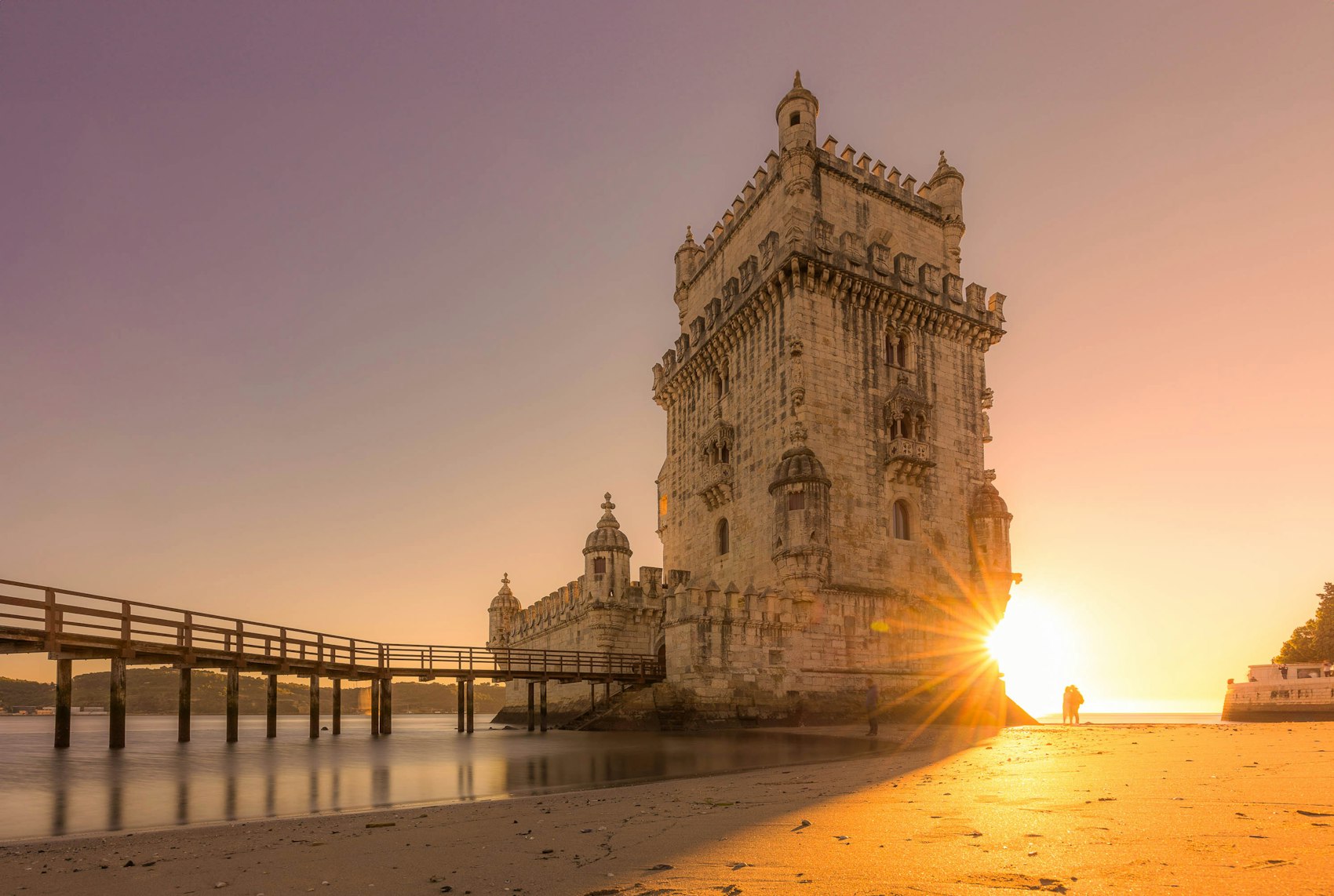
West along the river, on the 15 tram, is the grand, monumental Lisbon, the one the coaches come for: the Mosteiro dos Jerónimos, a monastery carved like it had time to spare, with Vasco da Gama tucked inside, and the little tower out in the water where the caravels shoved off for the edge of the map. Both reward an early start, before the coaches. Then the queue that actually matters, at Pastéis de Belém, the shop that has guarded its recipe since 1837: take a deli ticket and wait, and a warm tart arrives with a scorched top and a loose custard middle, cinnamon and icing sugar on the counter to wreck it properly. They are the best in the city, except for the ones at Manteigaria back in Chiado, where a bell rings every time a fresh tray lands. Which of the two is better is a genuine Lisbon argument, and more eating never settles it.
The best last view of the city is from across the water: from Cais do Sodré a battered orange ferry crosses to Cacilhas on the south bank in ten minutes, where the seafood is cheaper and the view comes back the other way, the whole tiled city stacked up its hills under the big red bridge the Americans built to look like San Francisco's. Ponto Final sets its tables so close to the edge the river laps the legs, and the grilled fish is the reason to book one. Four days is enough to learn the shape of the hills, and to stop fighting them.