In Lofoten the weather is the main event, and it turns faster than anyone can plan around it. The E10 runs the whole length of the islands, a little over a hundred and seventy kilometres of narrow, wind-buffeted road strung on bridges and undersea tunnels, the Arctic Ocean pressing in from both sides. Driven north to south from Svolvaer, it makes an unhurried four days, and the forecast is best read as the itinerary: rain, then a break, then rain again. Build each day around the breaks. A clear hour here is worth arranging the whole day to catch.
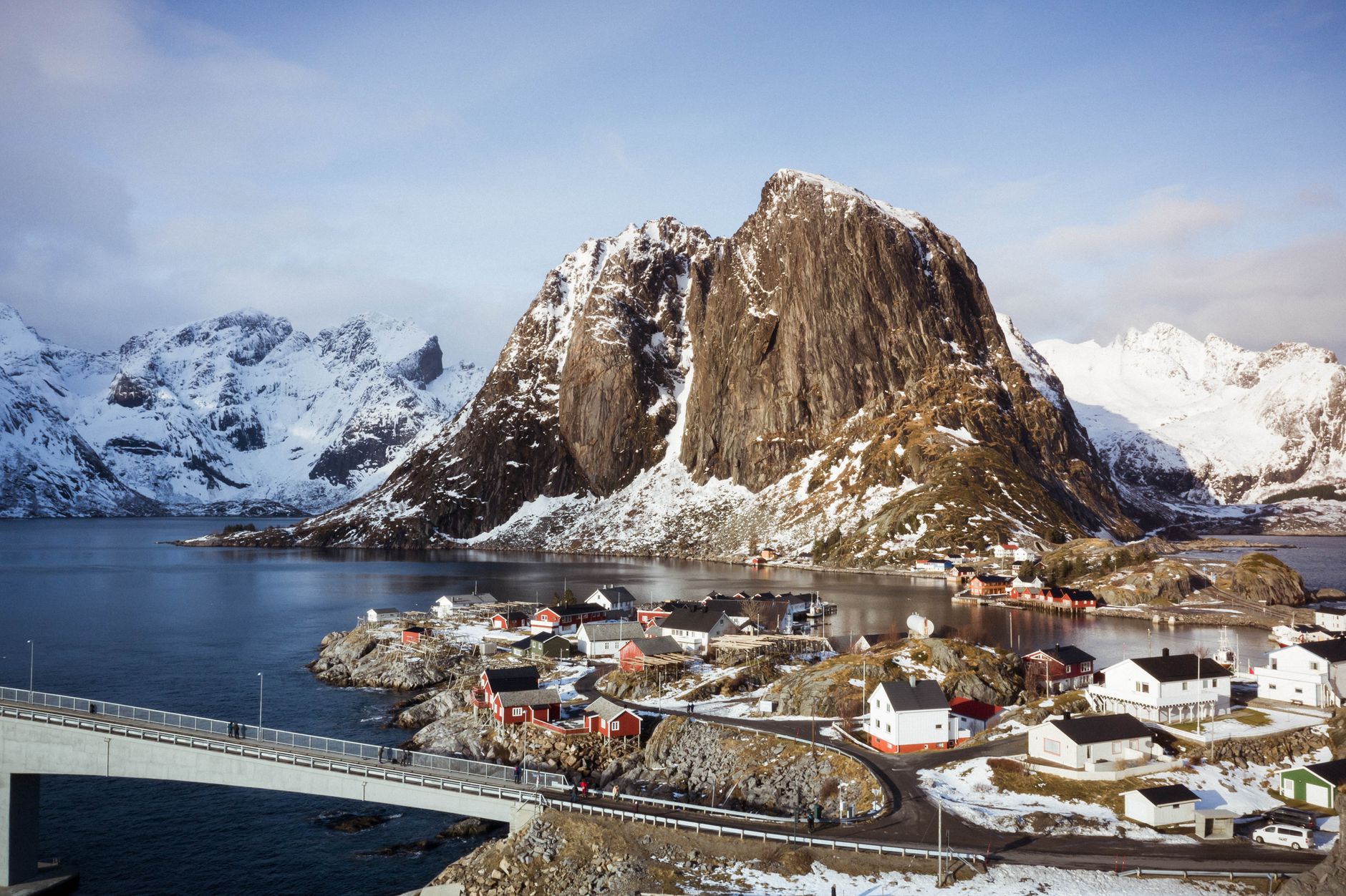
The mountains are what strike first, and they do not behave like other mountains. There are no foothills. A thousand metres of bare rock comes straight up out of a shoreline within reach of the car door, and the road, with nowhere else to be, keeps to the water at the foot of it. The Norwegians call this the Lofoten wall. In cloud low enough to swallow half the range, the half still showing looks provisional, barely committed to being there at all.
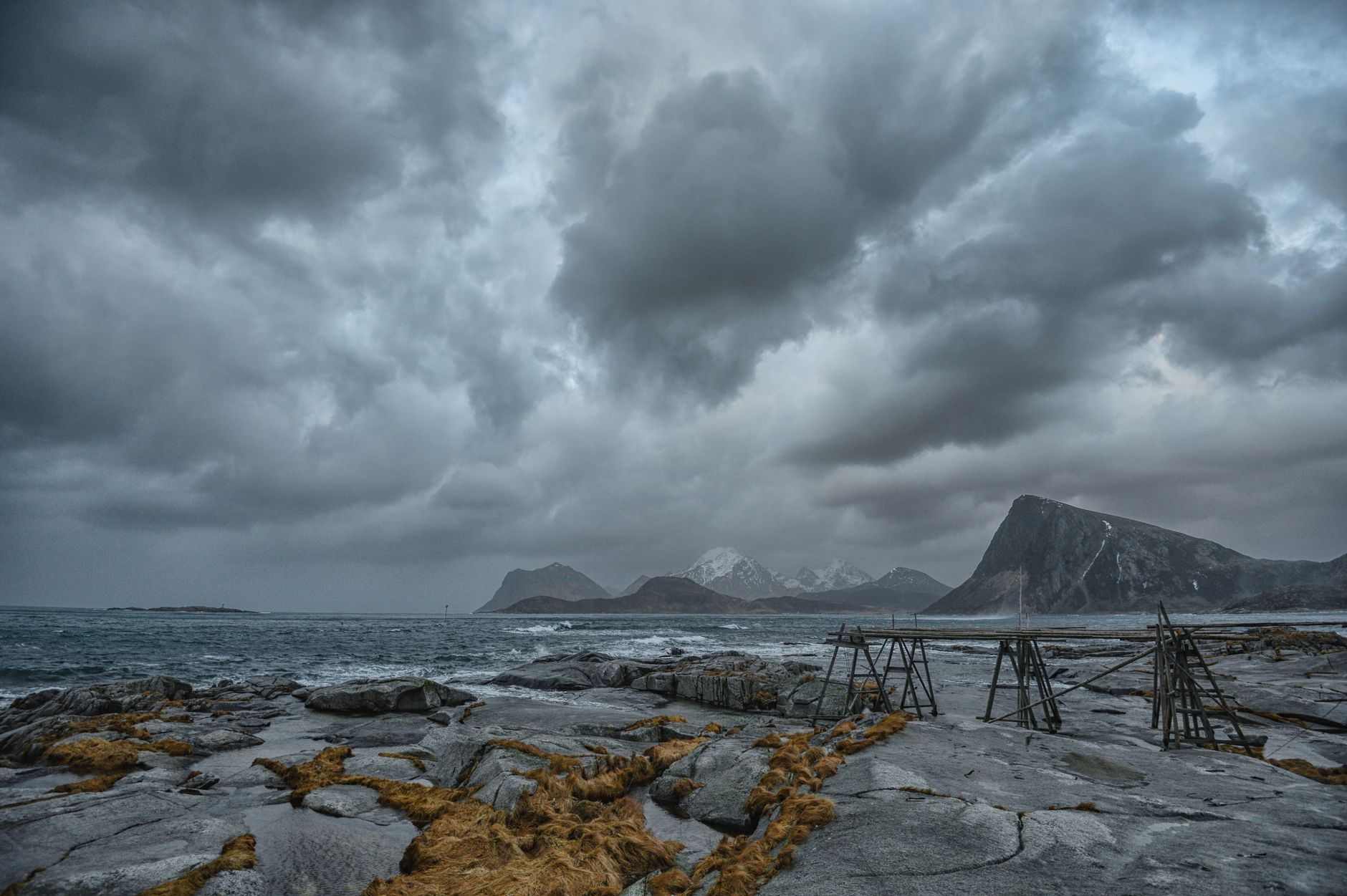
Henningsvaer, five hundred people on a knot of rock half an hour off the main road, makes a natural first night, its harbour restaurants serving fish soup and then cod pulled from the water more or less below the window. The fishermen drink there too. One, on the boats since he was sixteen, called this a thin season: the skrei coming late and staying deep, the drying racks up the road only half filled. Ask him where the road ends and the answer comes flat. Past A, the last village, there is nothing but water, said the way a local confirms a fact, not the way anyone sells a view.
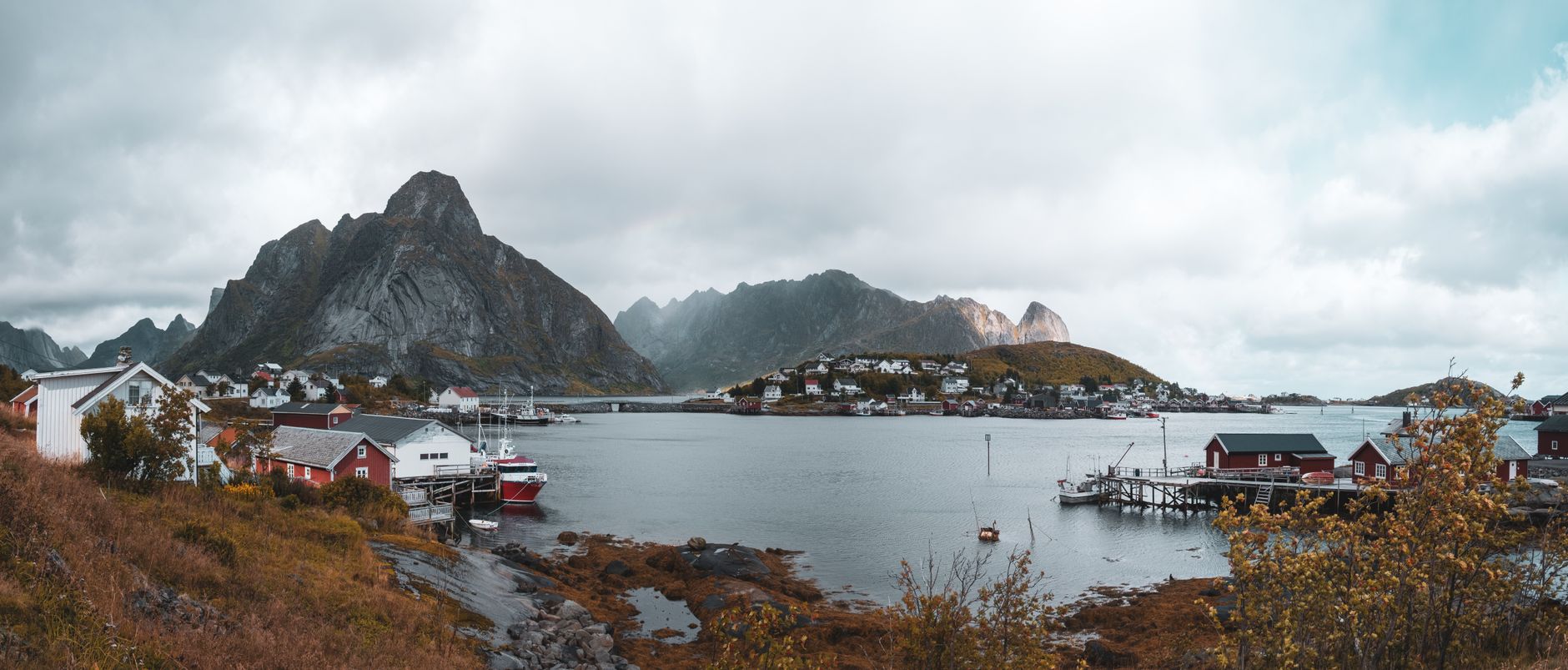
Reine, near the southern end of the drive, is where the walking starts. The view the whole road keeps promising has to be earned on foot, up the Sherpa stairs cut into the flank of Reinebringen: close to two thousand stone steps that gain four hundred and fifty metres more or less straight up, and in high summer they are less a trail than a slow queue. Climb it in rain, near the back of a line of strangers, and the top still hands over the archipelago whole, every island and channel of it, for about as long as the weather here hands over anything. Then it closes.
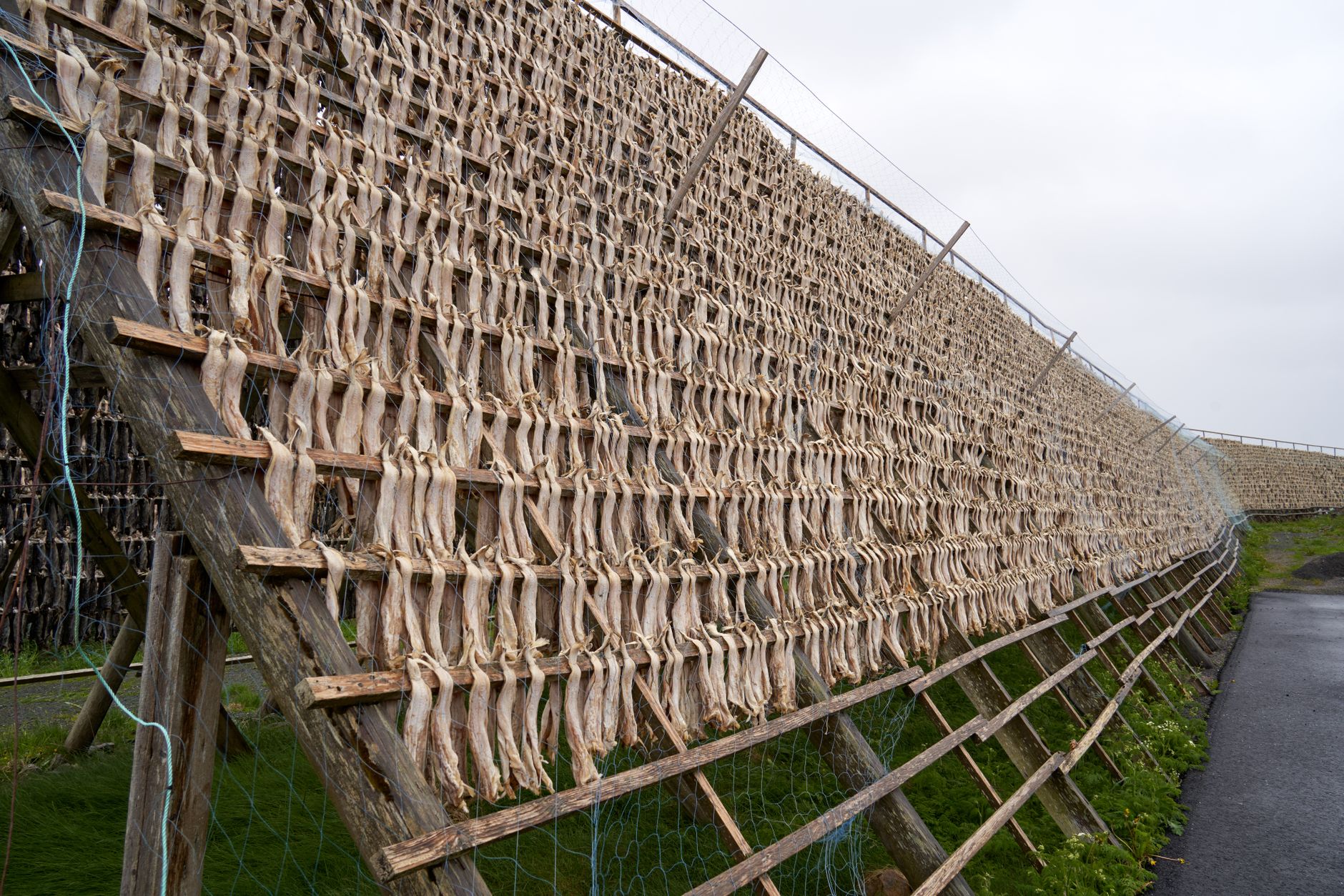
The racks are the reason any of this is here. Every winter the skrei run down from the Barents Sea to spawn, and for more than a thousand years the whole of Lofoten has turned out to catch them, split them, and hang them over poles to go hard in the cold wind off the sea. The dried fish, torrfisk, has been an export since the Vikings, and it now carries a protected name like champagne or parma ham. You smell the racks on the road before you see them. At the very end, at A, there is a small museum in an old fish landing station that is only about this, the whole journey of a cod from the sea to a crate bound for Italy, and it is better than that sounds.
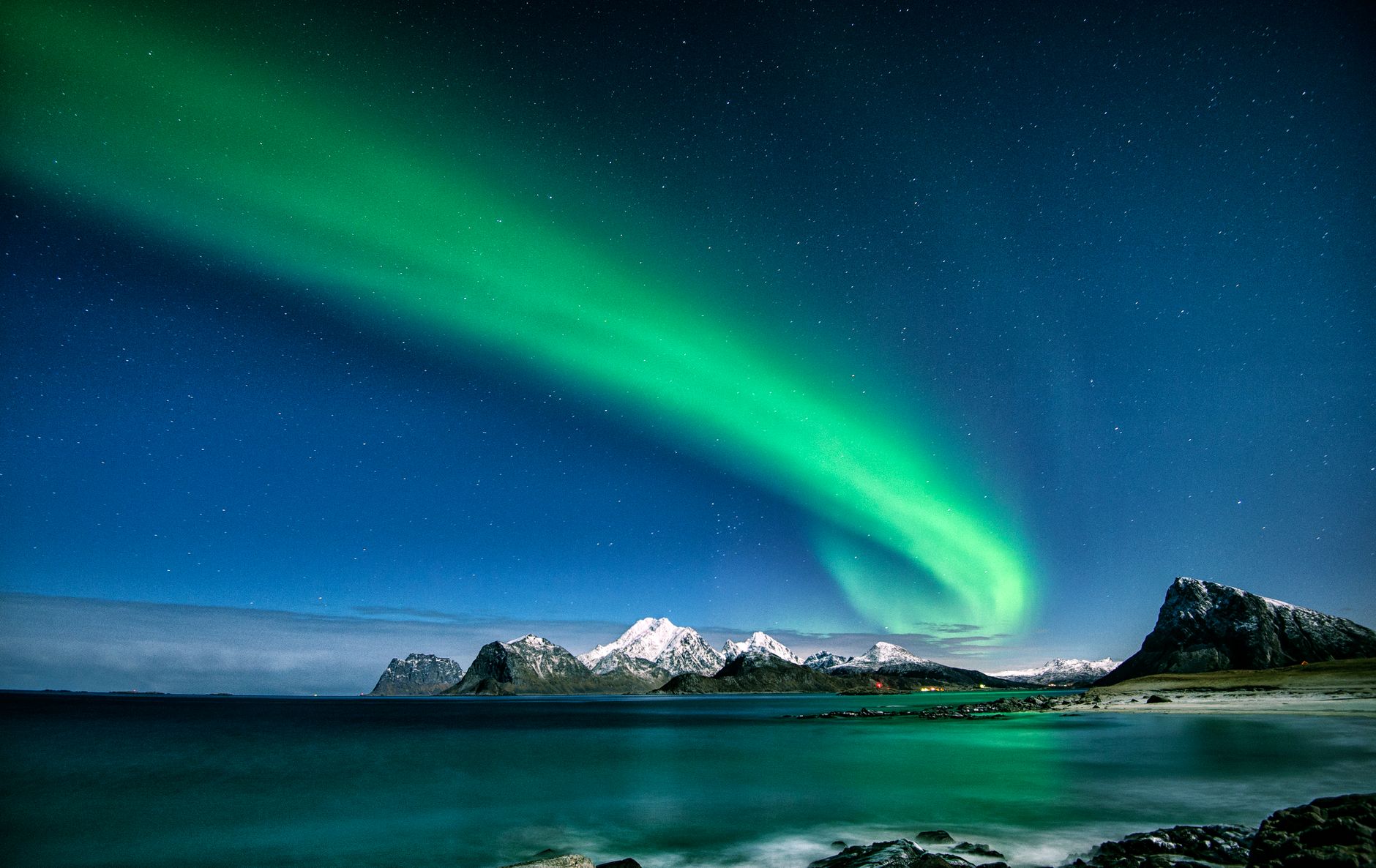
The light, when it comes, does what the fisherman promised. It arrives without warning, a summit clearing, a low sun laying the channel out in beaten silver, and then, before anyone is done with it, gone. That is the summer Lofoten, the long days when the sun barely sets. It is not the only one. In December the sun does not rise at all, and the sky holds a flat pink noon that is neither day nor night; the boats go out into it, and the light people cross the world for is the aurora, moving green over the same black water. Fishermen will tell you the cold season is the better one, and that the roads in it are murder. Both are worth believing.
The road gives out a little past Reine, at a village called A, a single letter, the last of the twenty-nine in the Norwegian alphabet. Fill the tank first: there is no fuel for the final sixty kilometres, and it is a bleak stretch to spend watching the warning light. The tarmac simply stops, in a wind that will not let anyone stand still, a drying rack on one side and on the other nothing but grey water going on to nowhere. It is a long way to drive to run out of road, and worth doing in the worst weather Lofoten can offer, for the twenty minutes of light.