The pitch for every luxury sleeper train is identical, and it is a good one. You board, you hand over your phone's attention if not the phone itself, and for two or three days the point is not to arrive but to move: white tablecloths in the dining car, a cocktail in the observation lounge, strangers who become dinner companions, and a landscape unspooling past the window that you would otherwise fly over. The trains that live up to that are among the great journeys left. The trouble is that the fares are enormous and the differences between them are real, so it is worth knowing what separates the ones worth boarding from the ones selling mostly the idea.
A first word on what a luxury train is not. The Rocky Mountaineer, the most-marketed rail journey in North America, is a superb daytime train through the Canadian Rockies, but it does not have sleeping cars: you ride by day and sleep in hotels along the way. That is a fine trip and a different product. Everything below is a genuine live-aboard sleeper, where the cabin you dress for dinner in is the one you wake up in.
AustraliaThe Ghan
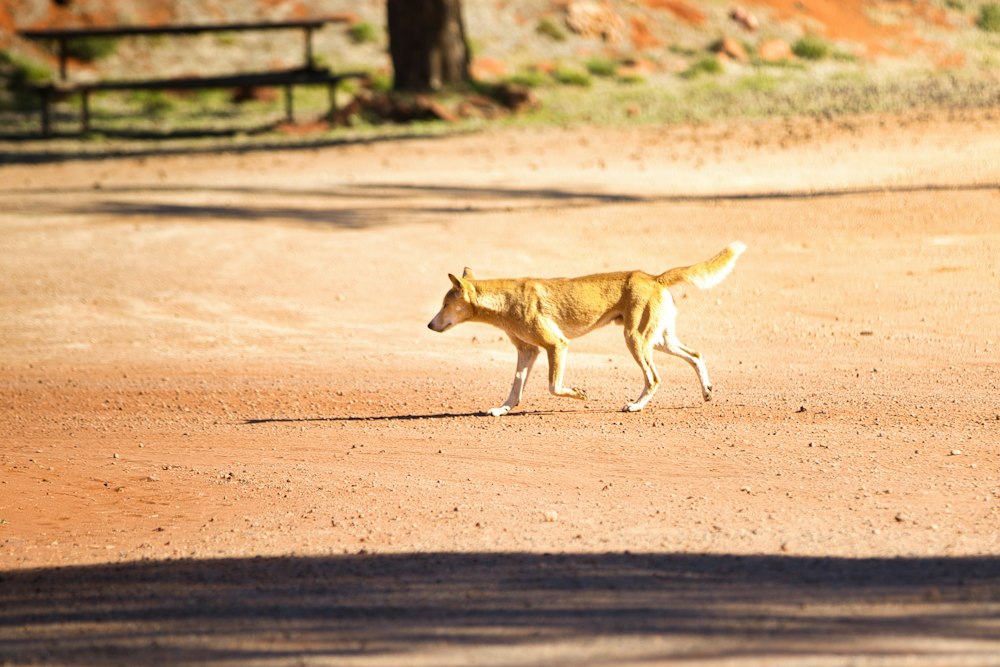
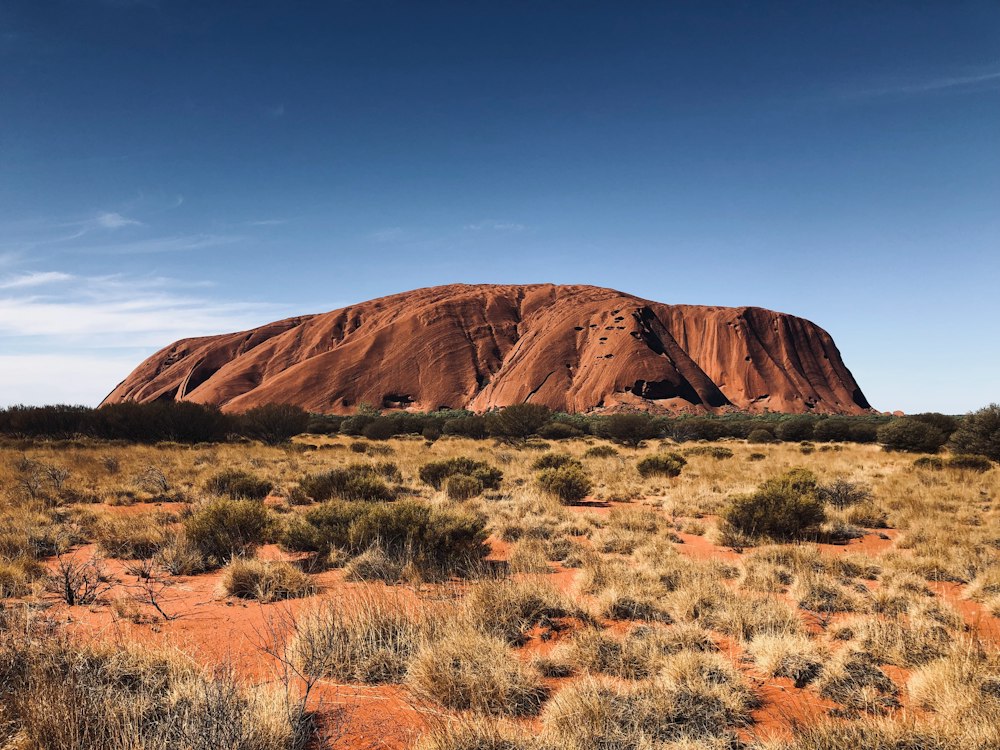
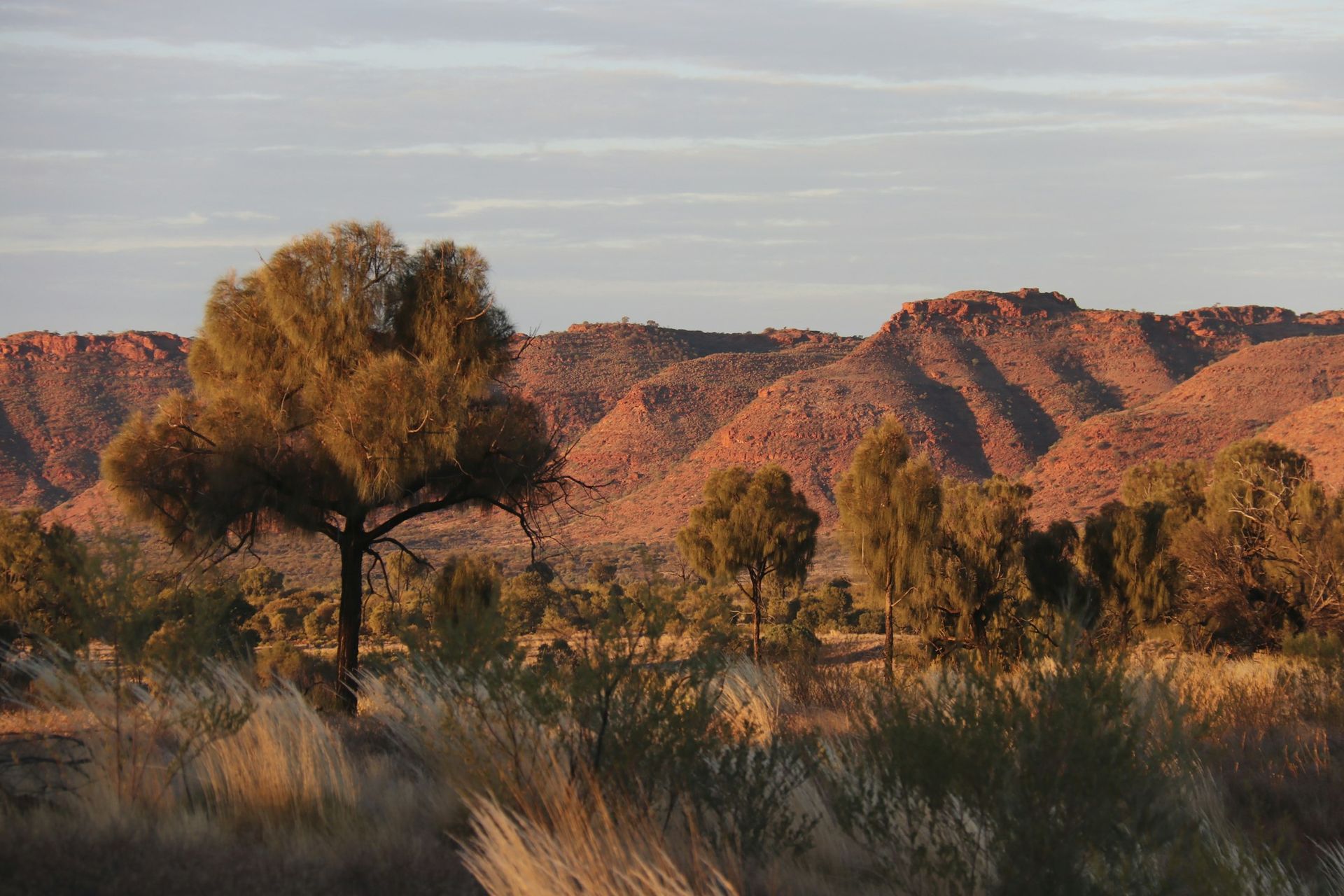
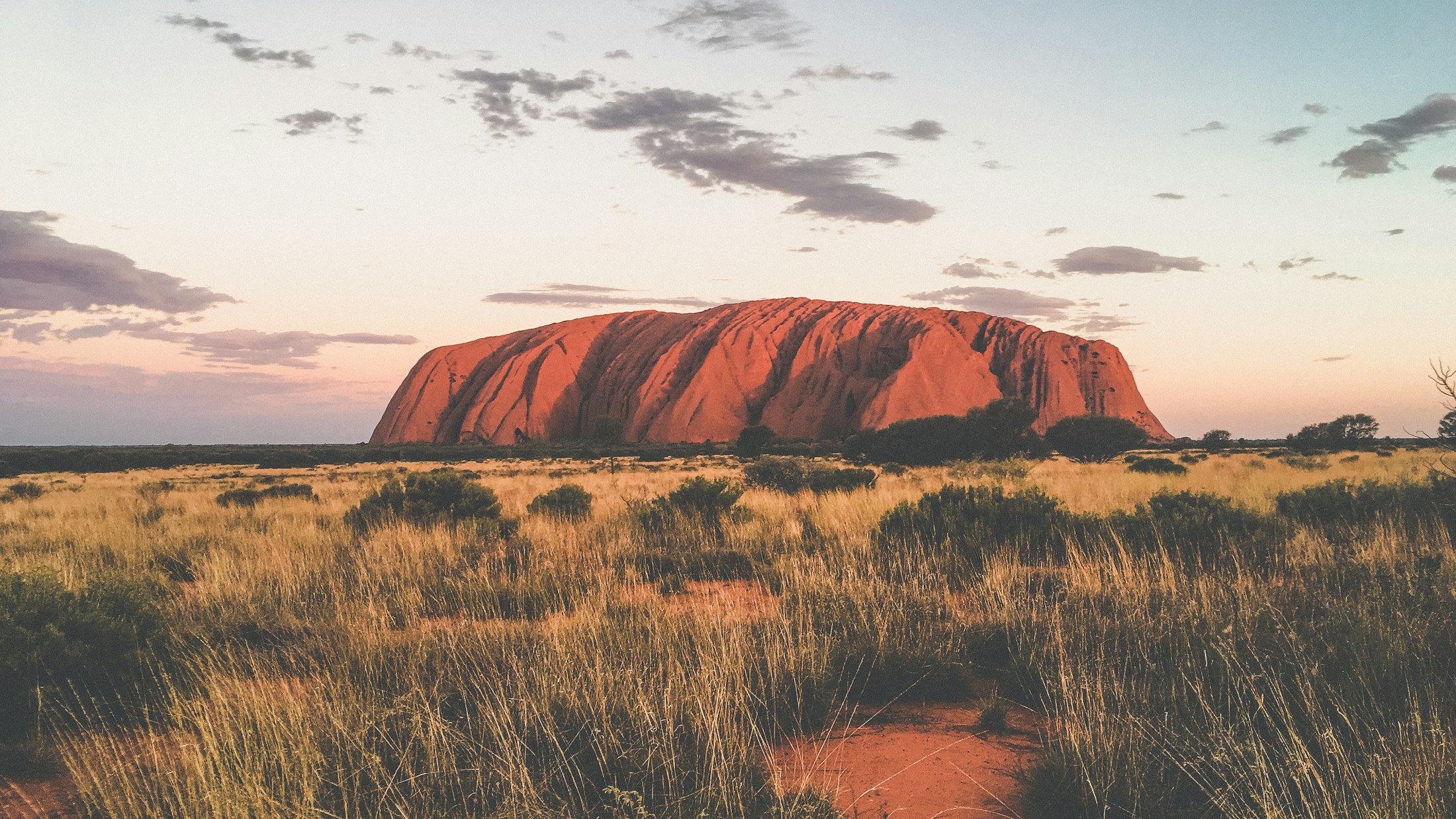
The natural anchor for any list, and the one most first-timers should start with. The Ghan runs the length of Australia, Adelaide to Darwin, nearly 3,000 kilometres and two nights through the dead centre of the continent, past Alice Springs and the ochre emptiness of the Red Centre. The service has run in some form since 1929, named for the Afghan cameleers who once carried supplies along the route. It is all-inclusive, with off-train excursions built into the fare, and it has an unusual quirk worth knowing: the mid-tier Gold service is widely rated better value than the top Platinum, chiefly because Gold guests use the sociable lounge and dining car while Platinum's larger cabins can leave you slightly marooned in your own comfort. For the scenery-to-fare ratio and the sheer scale of the crossing, it is the sleeper most people come away happiest with.
South AfricaRovos Rail
Ask people who have ridden several which was best and Rovos comes up more than any other. It runs mainly between Pretoria and Cape Town over three unhurried days, in restored wood-panelled carriages with some of the largest suites on any train in the world, several with a proper Victorian bathtub. The defining feature is a strict no-devices rule in the public cars and, on the classic trains, no wifi at all, which sounds like a gimmick until you spend a day watching the highveld go by without a screen in sight. It is often compared to South Africa's state-run Blue Train on the same route; the consensus is that Rovos edges it on service and character, though the Blue Train is the cheaper way to sample the idea.
EuropeThe Orient-Express, and a warning about the name
Here is where buyers get confused, so it is worth being precise. The Venice Simplon-Orient-Express, run by Belmond, is the famous one: original 1920s and 1930s carriages, art-deco marquetry, black-tie dinners, on routes such as Paris to Venice. It is pure romance and genuinely beautiful, but the historic cabins are small and, crucially, the standard ones do not have private bathrooms; you use facilities at the end of the carriage. That is a fair trade for the period authenticity if you know it going in, and a nasty surprise if you do not, so book a suite or book with your eyes open. Confusingly, the name now covers other things too: Accor launched a separate Orient Express La Dolce Vita service in Italy in 2025, and a revived Orient Express hotel brand. They are not the same train.
PeruThe Belmond Andean Explorer
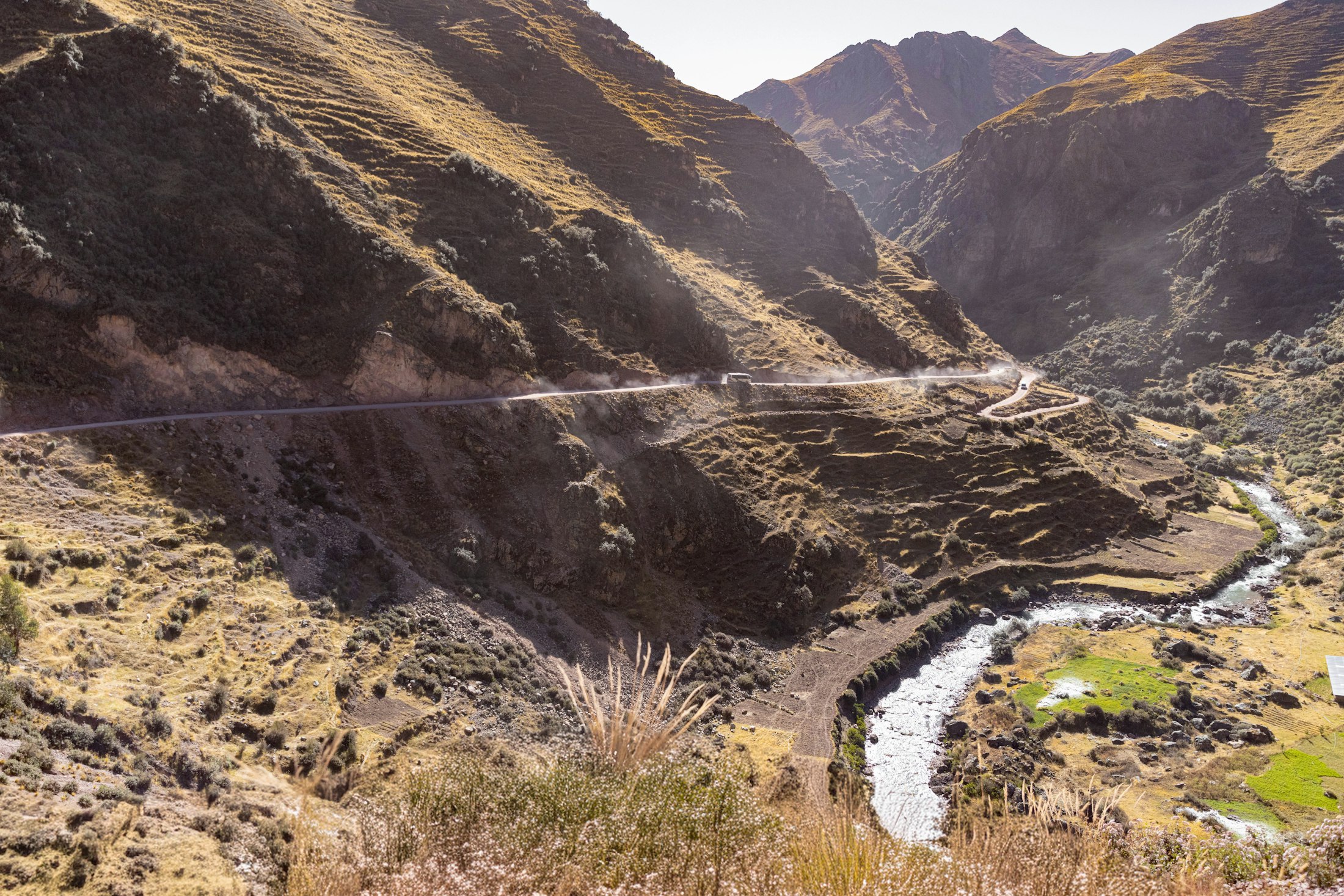
South America's first luxury sleeper, and the highest in the world, climbing across the Peruvian altiplano between Cusco, Lake Titicaca and Arequipa at altitudes above 4,000 metres. Oxygen is piped into the cabins for a reason. The trips are short, one and two nights, and the recurring verdict from passengers is that they wish the ride were longer, which is about the best complaint a train can attract. It pairs naturally onto a Peru trip that already takes in Machu Picchu, and the scenery, high lakes and snow peaks and herds of alpaca, is unlike anything else on this list.
What you are buying is not transport. It is slow time, and the willingness to be somewhere for its own sake for two or three days.
Scotland & beyondThe shorter luxuries
Two more are worth naming for particular travellers. The Belmond Royal Scotsman runs short two-to-seven-night loops through the Highlands from Edinburgh in a country-house style, with a whisky-tasting car and a tartan-and-log-fire register that suits a special-occasion trip more than a grand crossing. And the Golden Eagle operates long-haul private-train journeys across Central Asia, its Silk Road route between the old caravan cities the marquee trip; note that its former Trans-Siberian runs across Russia are not currently operating, so ignore older articles that lead with Moscow to Vladivostok.
Put the field in order and it comes down to what you actually want. For a first grand crossing with the best value and the biggest landscape, take the Ghan. For the finest service and the most room, Rovos. For period romance, the Venice Simplon-Orient-Express, in a suite. For the most dramatic scenery, the Andean Explorer. None of them is a way to get anywhere quickly, and that is the entire point: you are paying for the days, not the distance. Book a year ahead for the popular departures, pack something formal for dinner, and choose the cabin grade with the bathroom question settled first.