The common wisdom is that Machu Picchu cannot be done without a guide, a tour, a package booked months out. Most of that is a business, not a rule. The most famous ruin in South America can be reached independently, and doing it that way, on no one else's clock, is a fair part of the reason to go. What it takes is a flight, a train, a bus, and a little planning done in the right order.
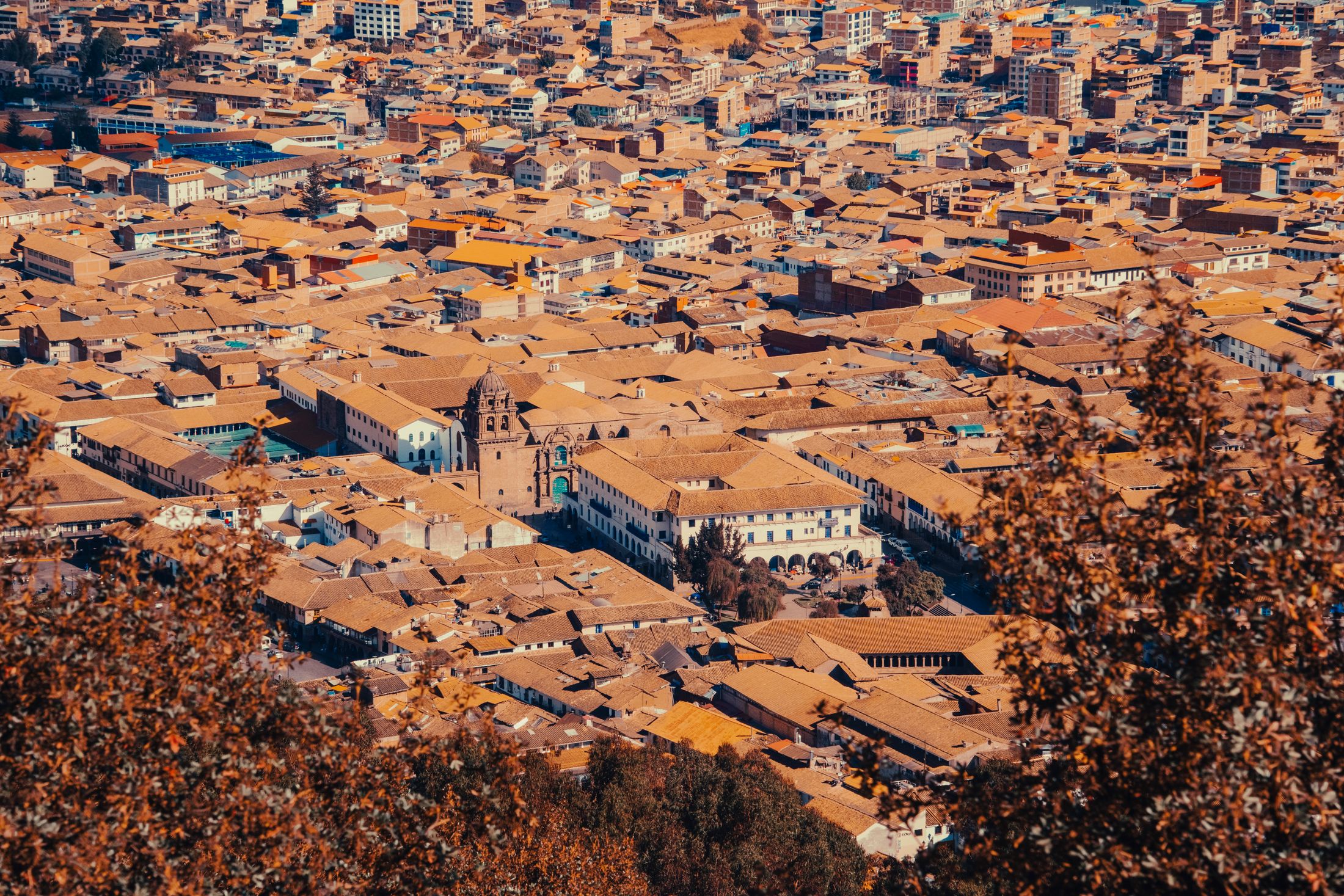
It starts in Cusco. The flight comes in from Lima, over the Andes, and lands at eleven thousand feet, an altitude the body notices within the hour. It wants a day, ideally two, before anything else: walk slowly, drink the coca tea the hotels leave out, let the thin air become ordinary. Cusco is no waiting room. It is a handsome Inca and colonial city in its own right, and the acclimatising is really just a reason to spend time in it.
Machu Picchu itself has no road to it. The only way in, short of a multi-day trek, is the train, and the train does not leave from Cusco. It leaves from Ollantaytambo, an hour and a half down in the Sacred Valley, so the first move is getting there: a colectivo, the shared vans that run all day for a few soles, or a booked shuttle, or a taxi. Two companies run the line, PeruRail and Inca Rail, and the cheapest seats go first, so the train is worth booking early, second only to the entry ticket for the ruins themselves, which should be the very first purchase. A longer budget route exists for those with more time than money, a bus to Hidroeléctrica and a two-hour walk in along the tracks, but the train is how most people go, and it is the better journey.
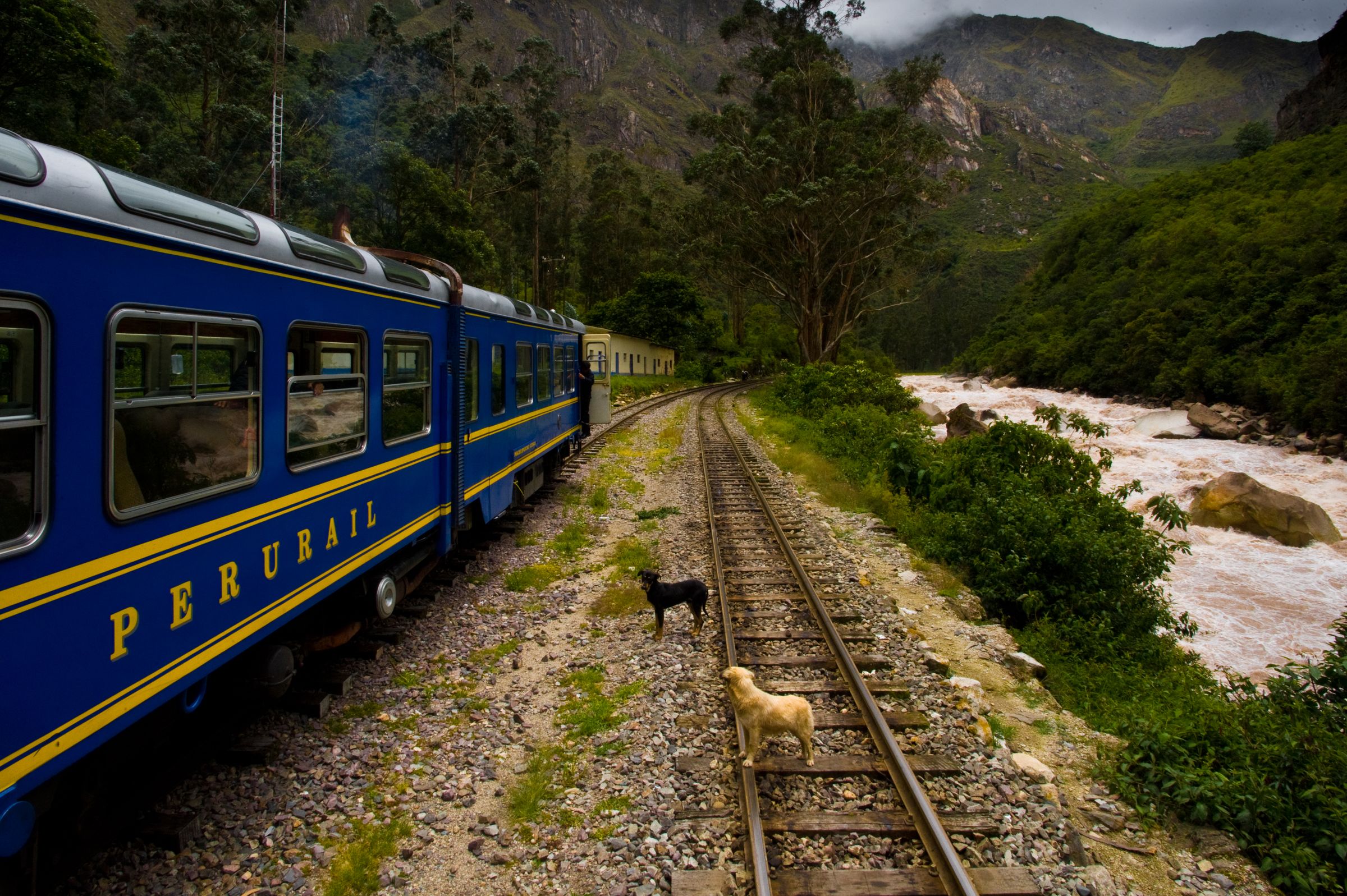
The train is the best part of the getting there. It runs along the Urubamba as the Sacred Valley narrows, and the dry high country gives way to green and then to actual cloud forest, the mountains closing in and the river going white below the windows. An hour and a half of that, and the line ends at the bottom of everything, in a town that exists only because of what stands above it.
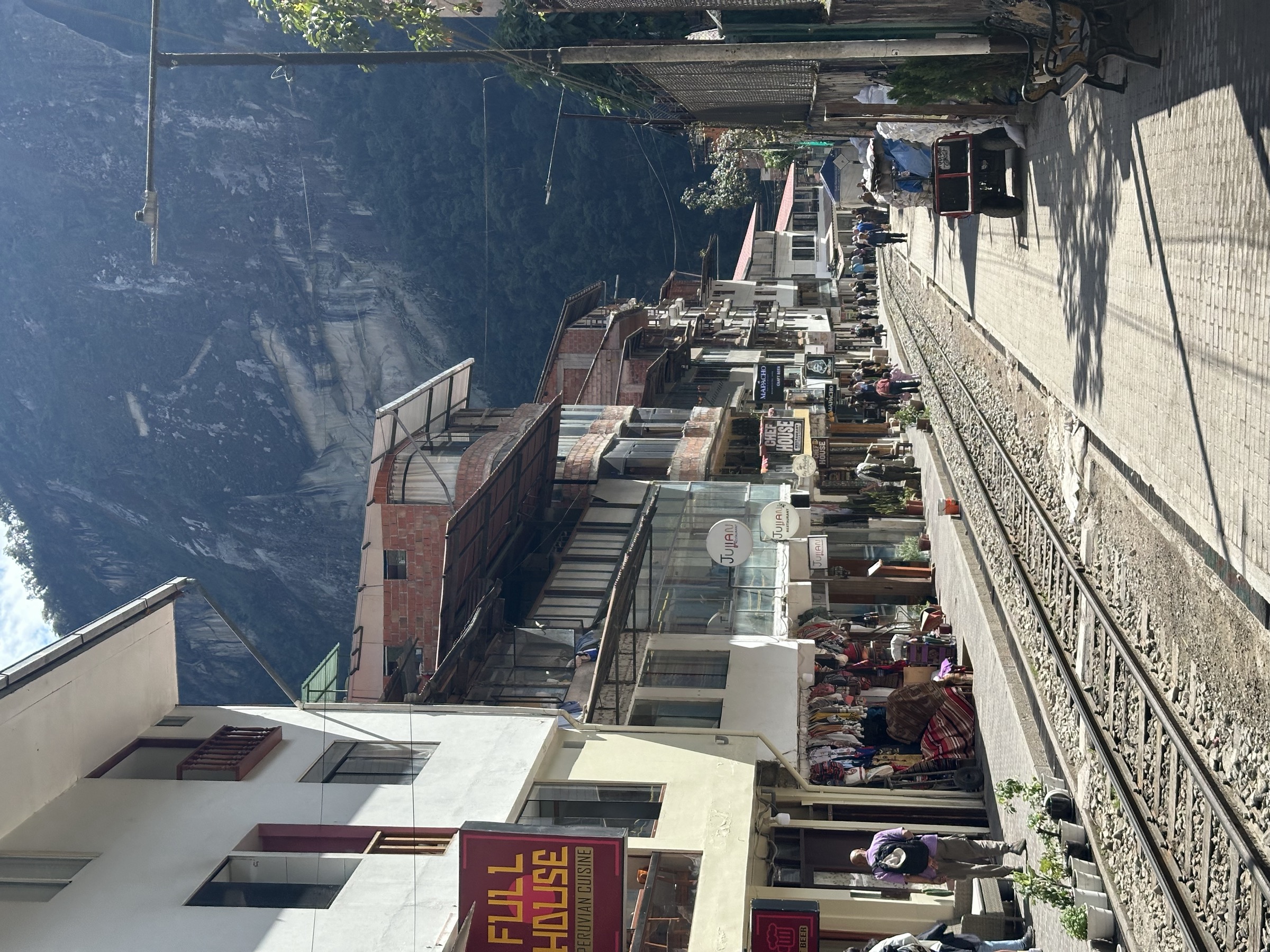
The town is Aguas Calientes, officially Machu Picchu Pueblo, a loud, steep, likeable place wedged into a gorge with nowhere left to grow. The train tracks run straight down the main street, between the hostels and the pizza places and the market stalls, and everyone is either about to go up the mountain or has just come down from it. It is a place to stay the night, and the whole point of staying is the next morning.
From the town to the gate is a last five hundred metres more or less straight up, covered two ways. A bus, run by a single company, switchbacks up the mountain in about twenty-five minutes; a footpath of steep stone stairs takes a fit walker a little over an hour in the half-dark. The bus up and the stairs down is the usual compromise. Buy the bus ticket the day before, from the office in town, because the queue at first light is long, and first light is exactly the point of coming.
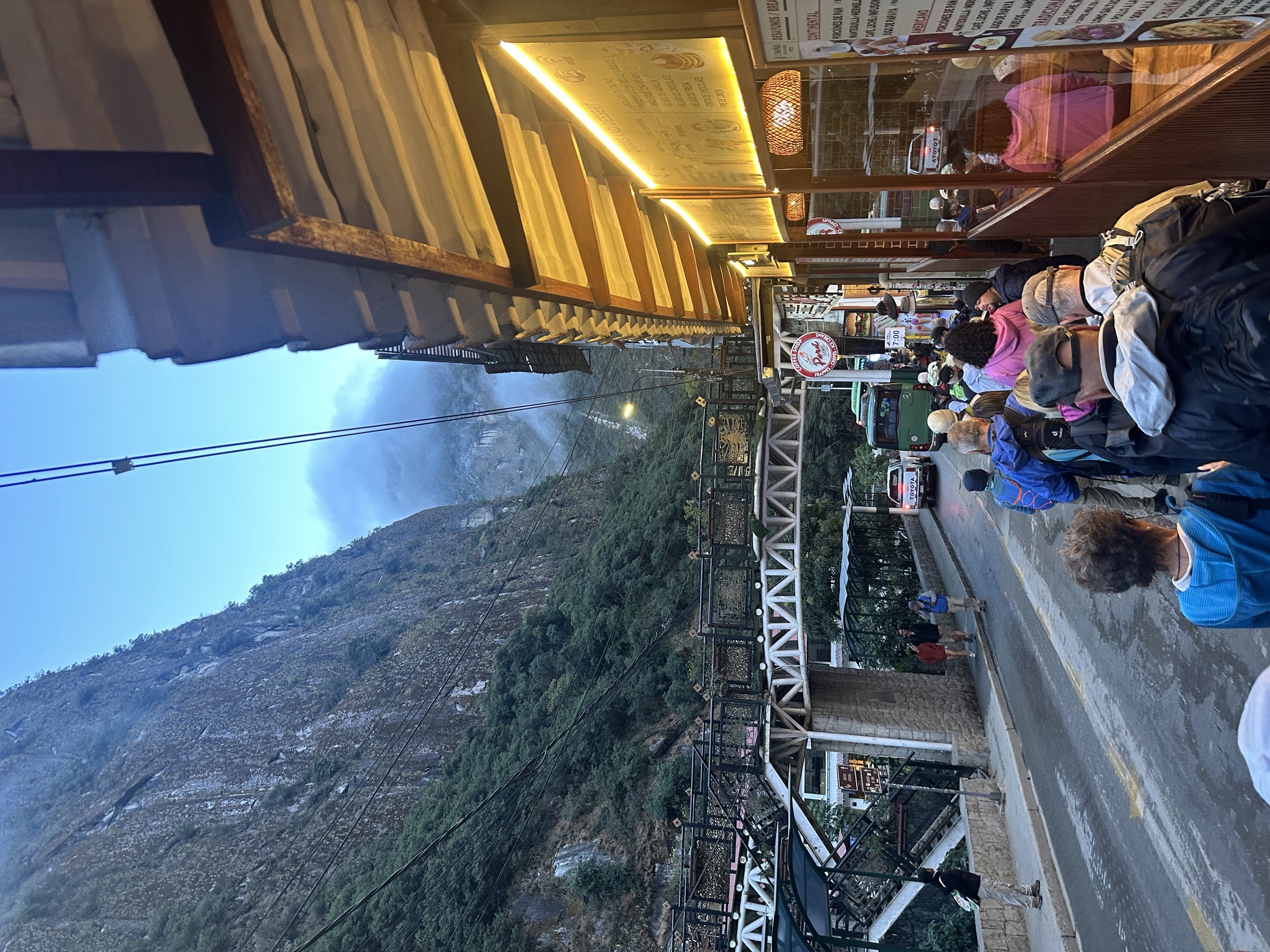
The rule that a guide is compulsory is a myth. Machu Picchu can be met alone.
And then it is there, the terraces at the postcard angle, the whole green world falling away and Huayna Picchu standing over it. Reaching it at all depends on one decision made months earlier, before the flights, before anything else: the entry ticket, which is the first thing anyone going to Machu Picchu should book. It comes from the government site, tuboleto.cultura.pe, the only place that sells them at face value, and in high season the good dates and the popular circuits go as much as six months ahead. A missed date leaves a slim chance of a last-minute ticket from the culture ministry office in town, but that is a real gamble, not one to build a trip around. The circuit matters too: for a first visit Circuit 2 is the one, the loop that takes in both the famous view and a walk down through the ruins. A passport is required at the gate, because the name on it has to match the name on the ticket, and the check is real. A guide is not. The guides are good and the history is deep, but the idea that one is compulsory is a myth. A little reading beforehand is enough to stand here without one.
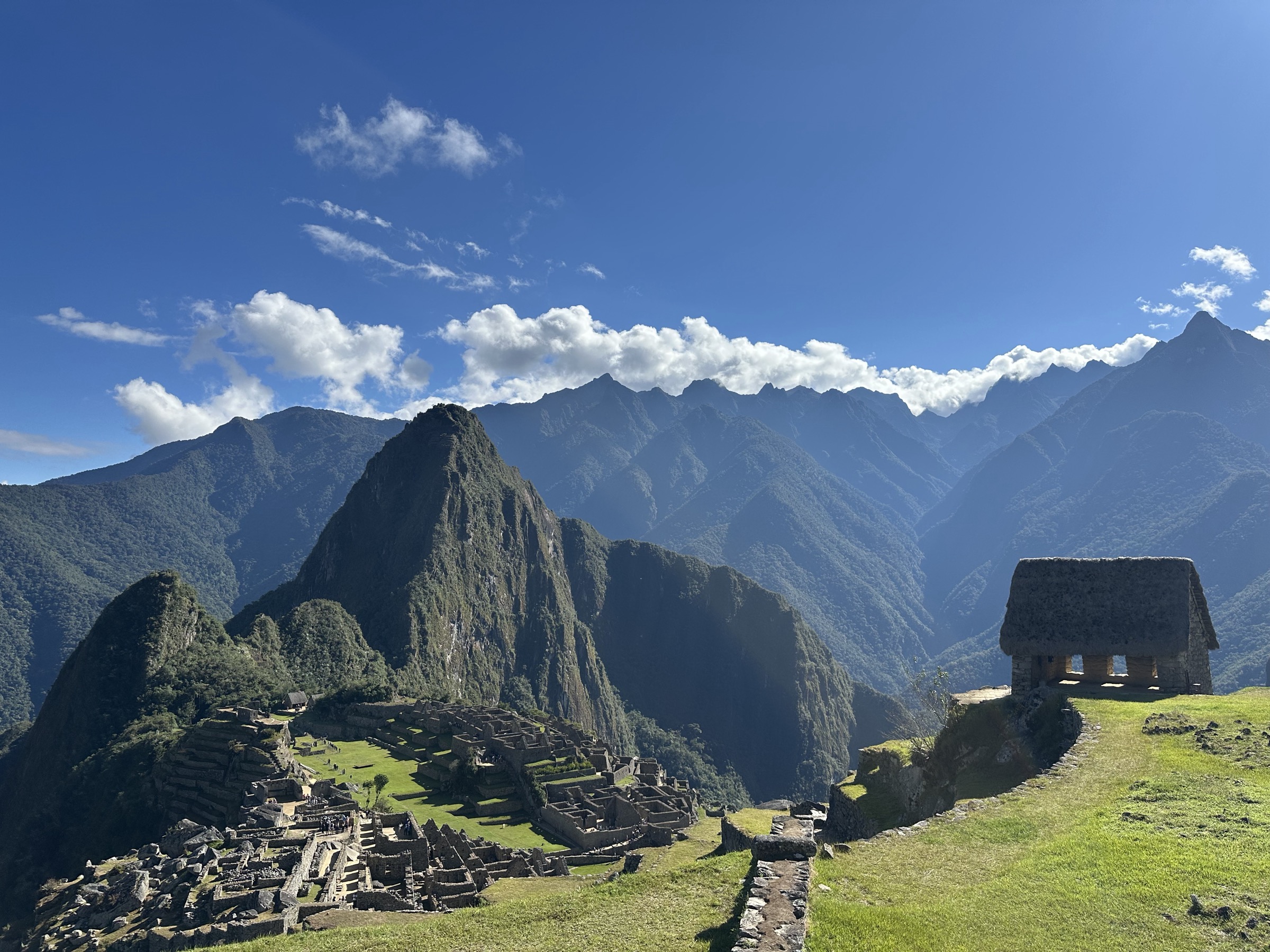
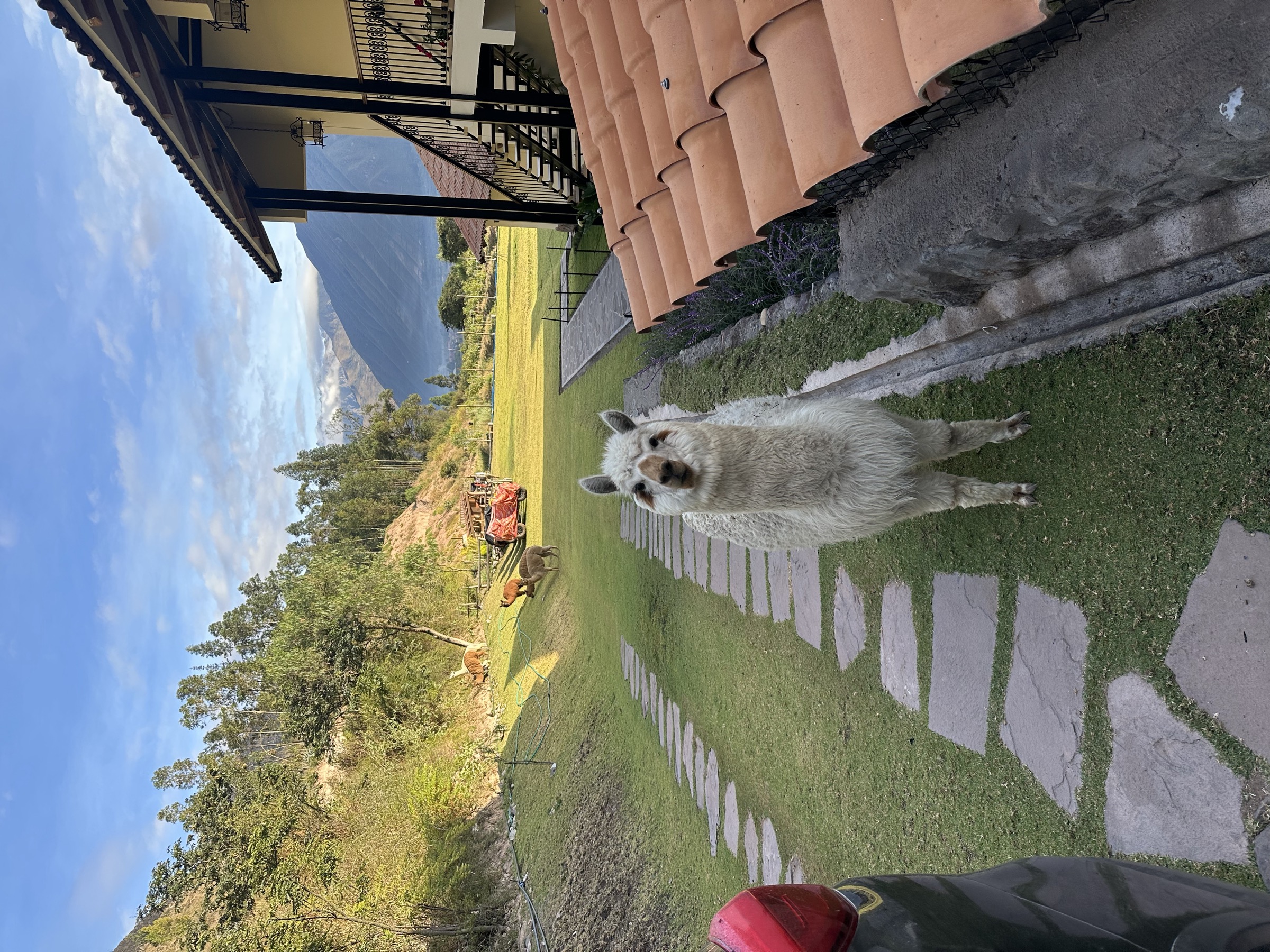
Machu Picchu is one of the most visited places on earth, and by mid-morning it can feel like it, so the whole trick is the first entry window, the six o'clock light, before the day-trippers come up from Cusco. Up early, the circuit walked slowly, back down for a late breakfast. It is a lot of moving parts, the flight and the van and the train and the bus and the ticket bought on the right website, but they can all be managed without a tour. There is a particular satisfaction in it: arriving at the most guided place in the Andes independently, with a llama on the lawn as the send-off.