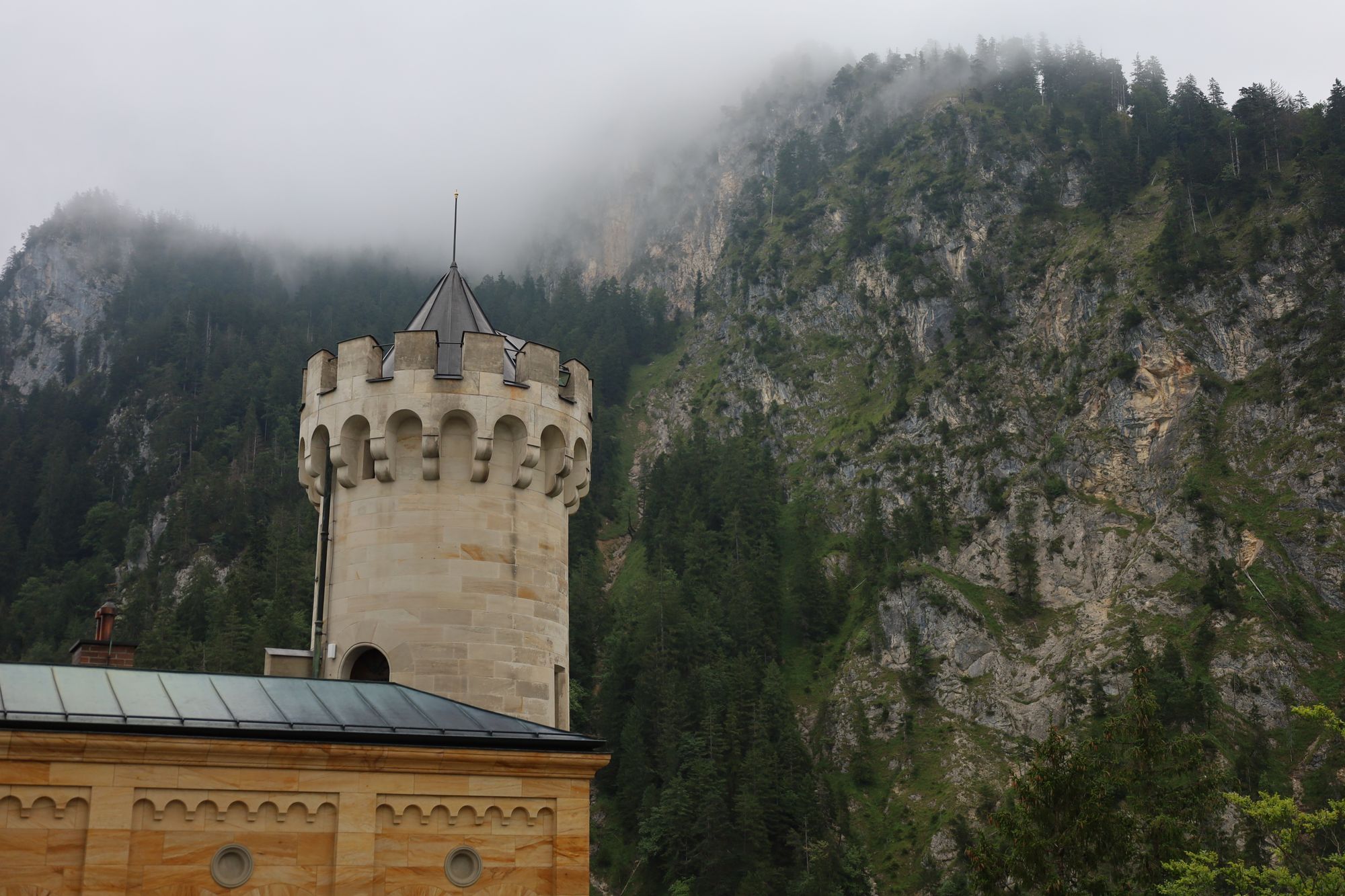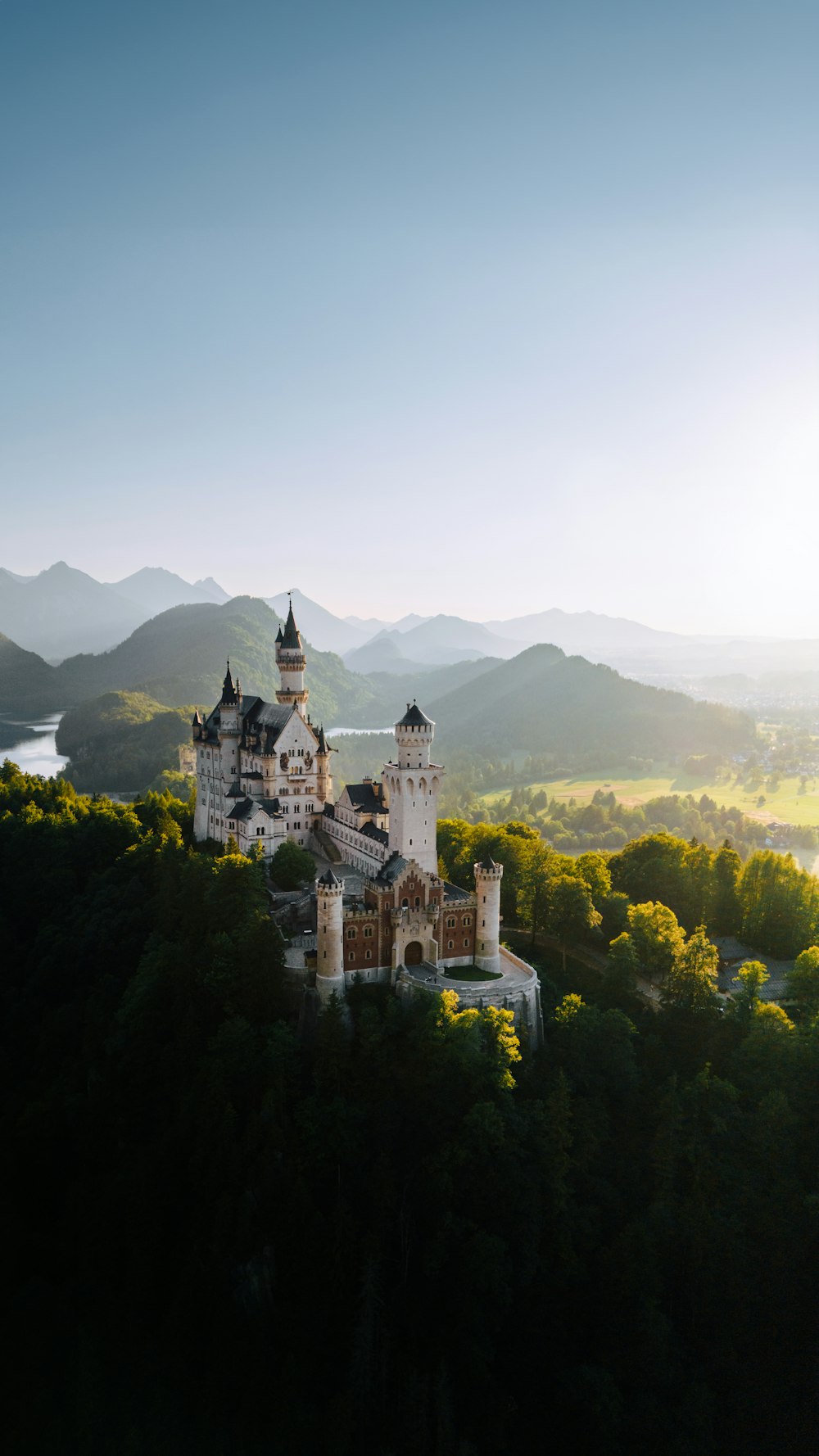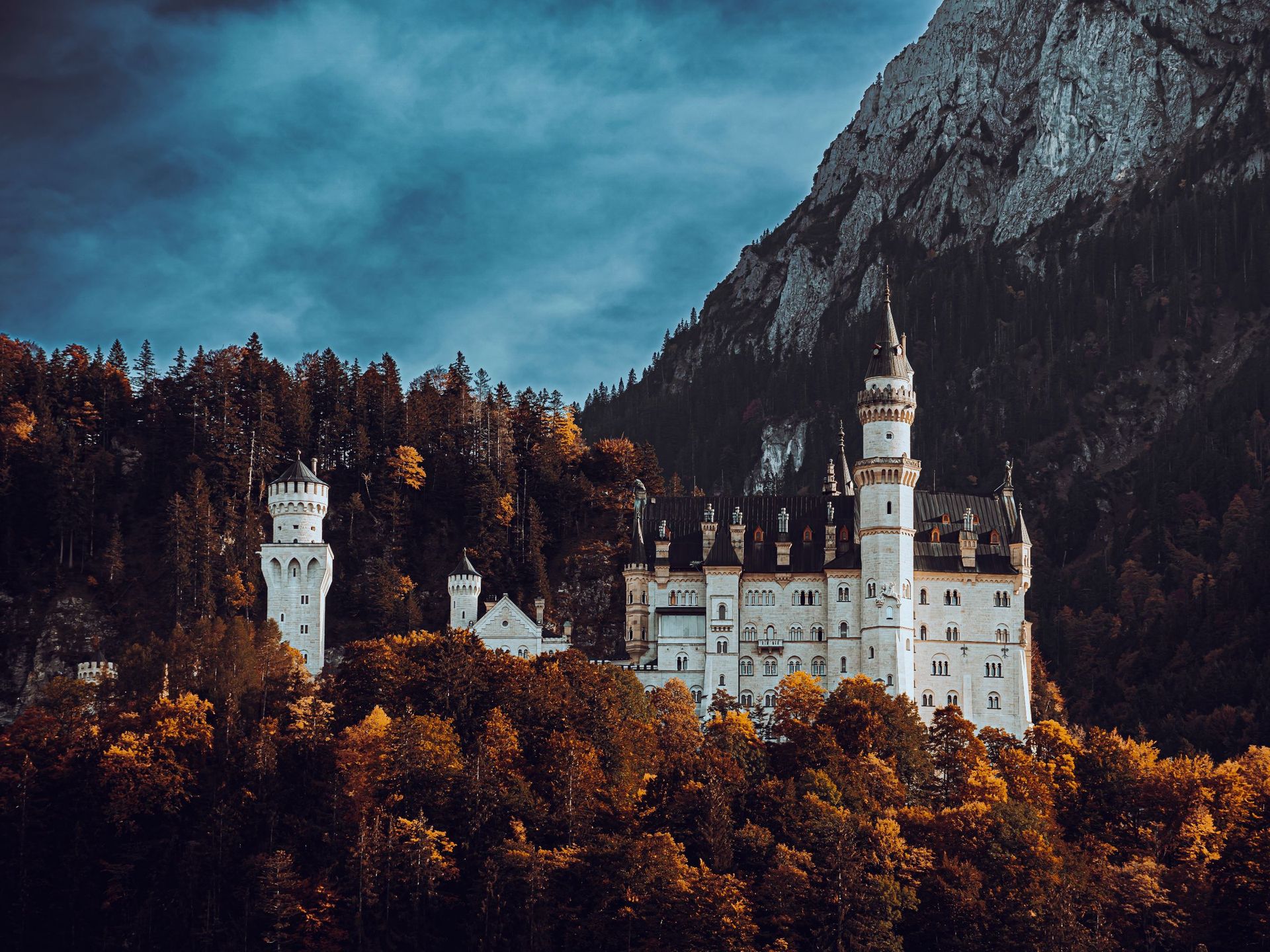
The first surprise about Neuschwanstein is how new it is. It looks like something that has stood over this valley since the Crusades, a grey-and-white fortress bristling with towers and turrets, and most of it went up in the 1880s, later than the Brooklyn Bridge. It was never a castle in the working sense. No one was ever defended here, no army mustered at its gate. It is a Romantic fantasy of a castle, built for an audience of one.
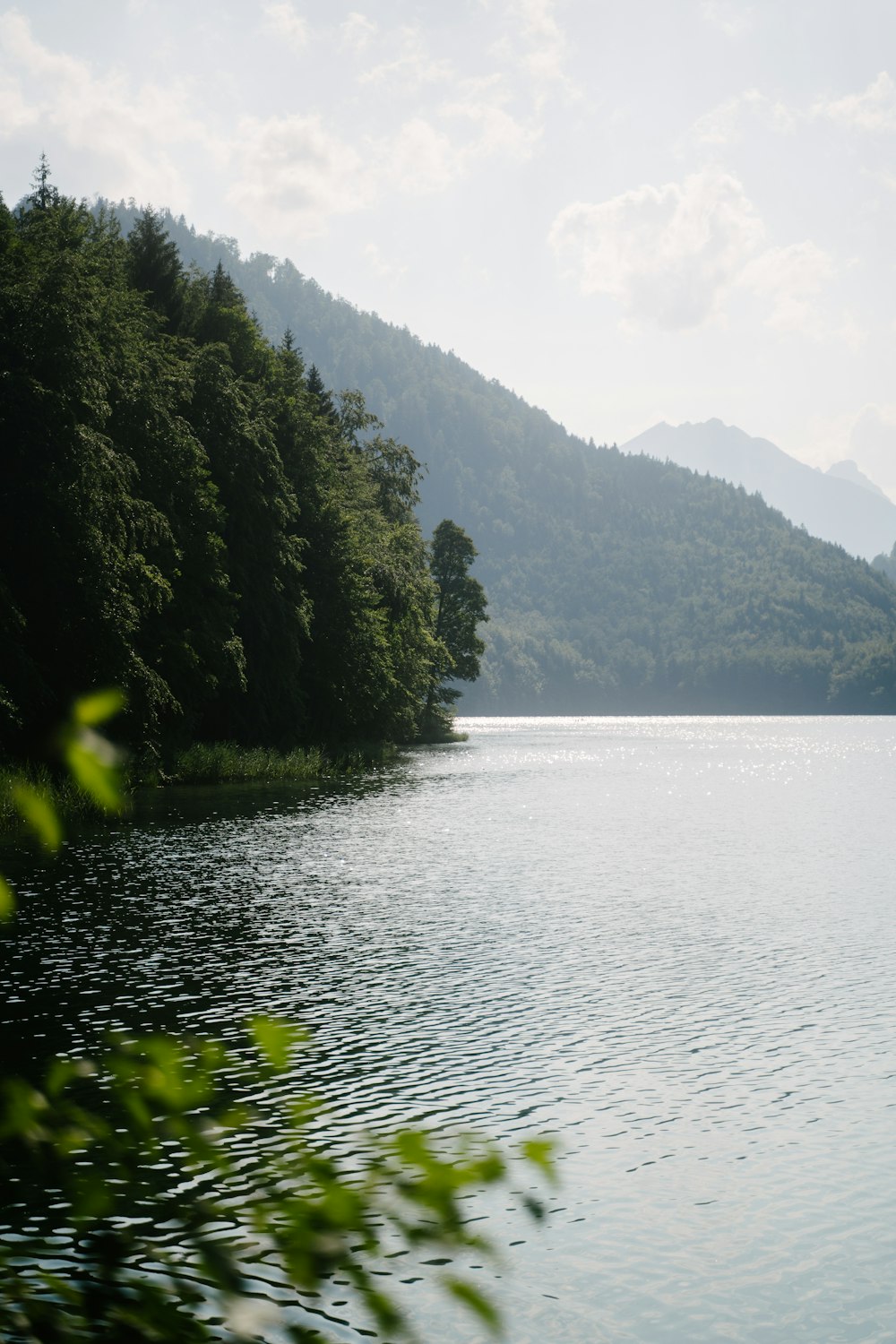
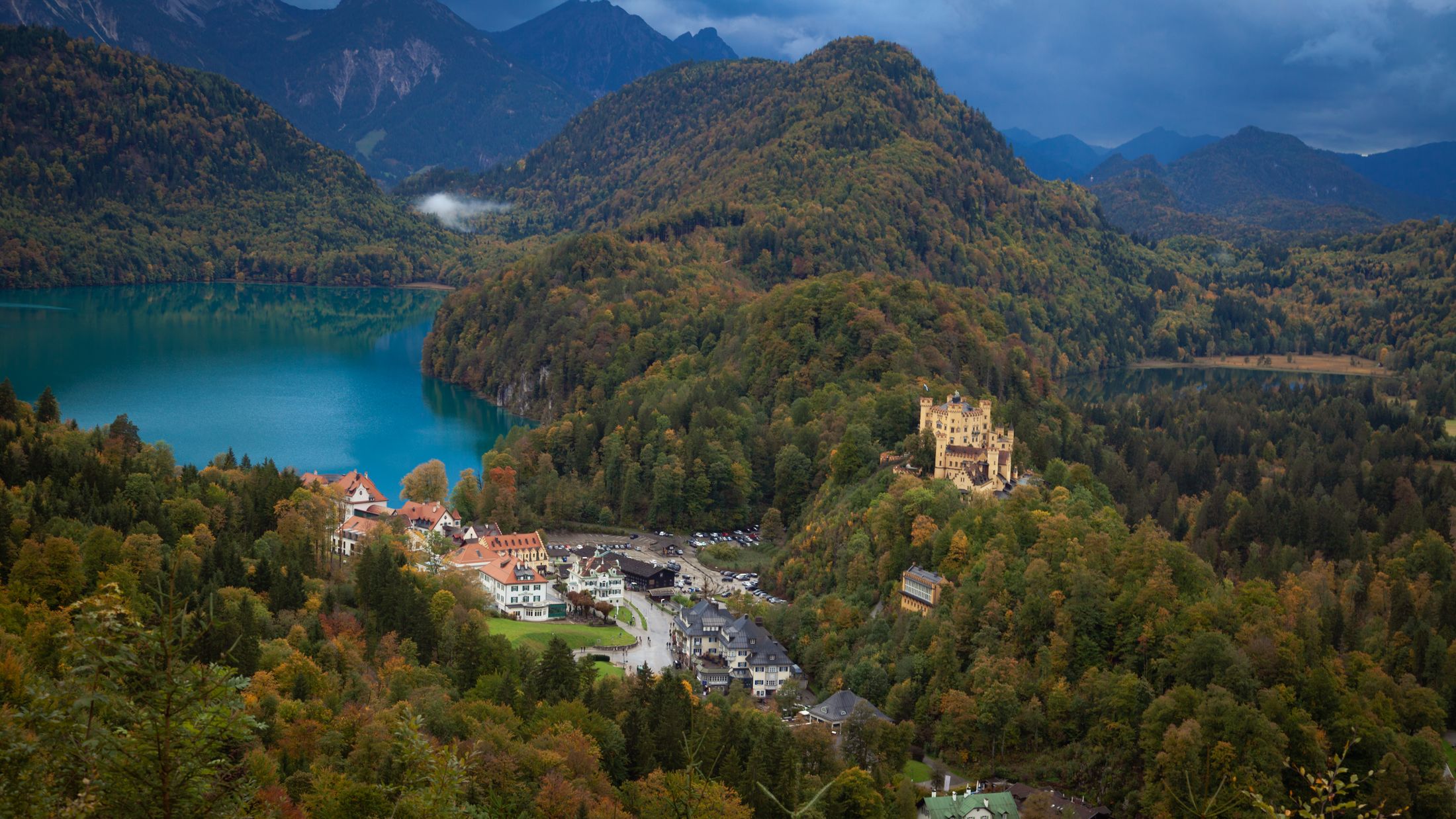
That one was Ludwig II of Bavaria, crowned at eighteen, a shy and famously beautiful young king who preferred opera to governing and legends to people. He had grown up in the yellow castle just below, Hohenschwangau, on the shore of the Alpsee, and he built his own fantasy on the ridge directly above it, in full view of his childhood. Neuschwanstein was a private homage to Richard Wagner, whose operas he funded and whose swans and knights and grail-kings cover its walls. He paid for it not from the treasury but from his own borrowing, and the borrowing had no bottom.
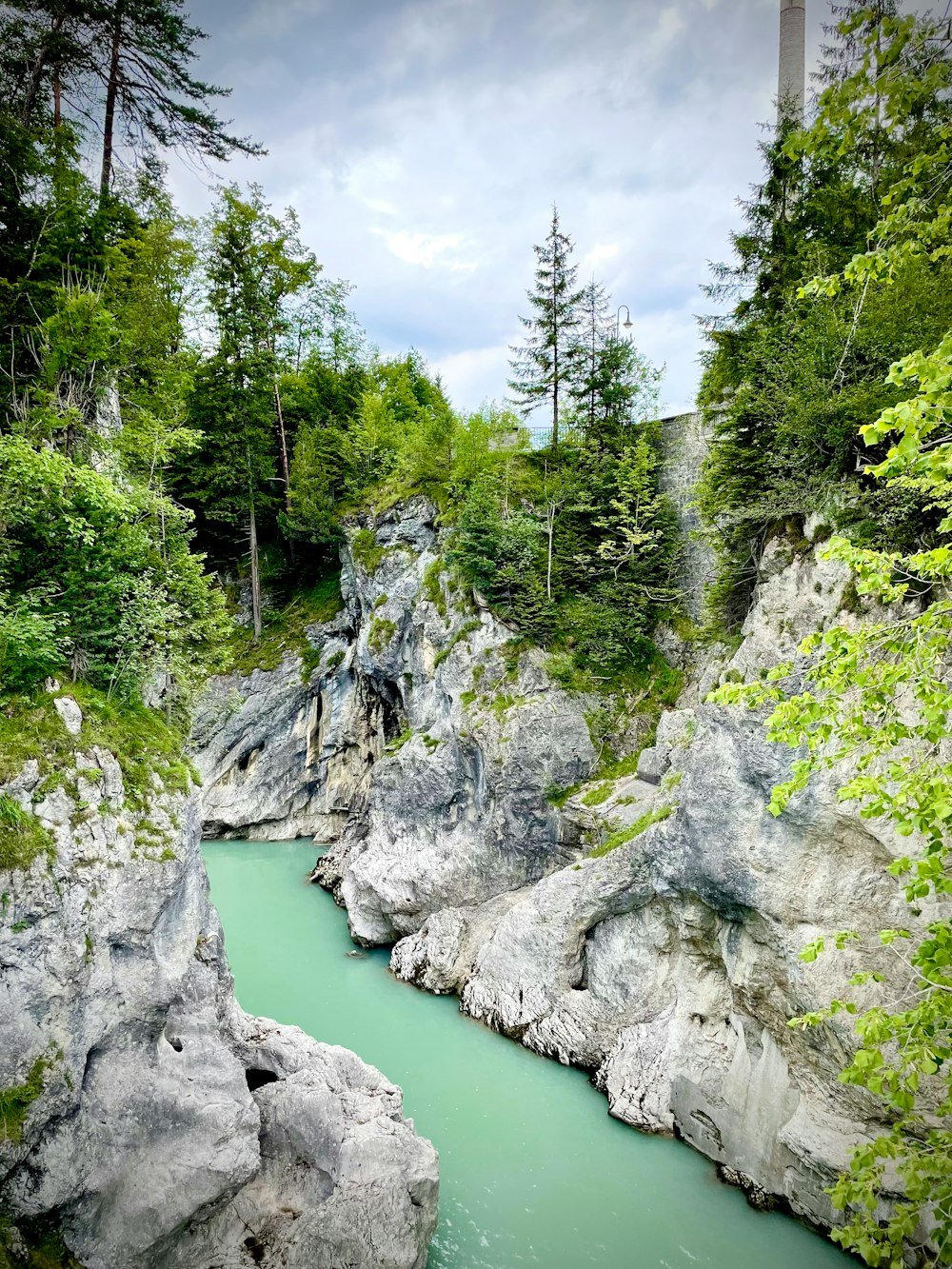
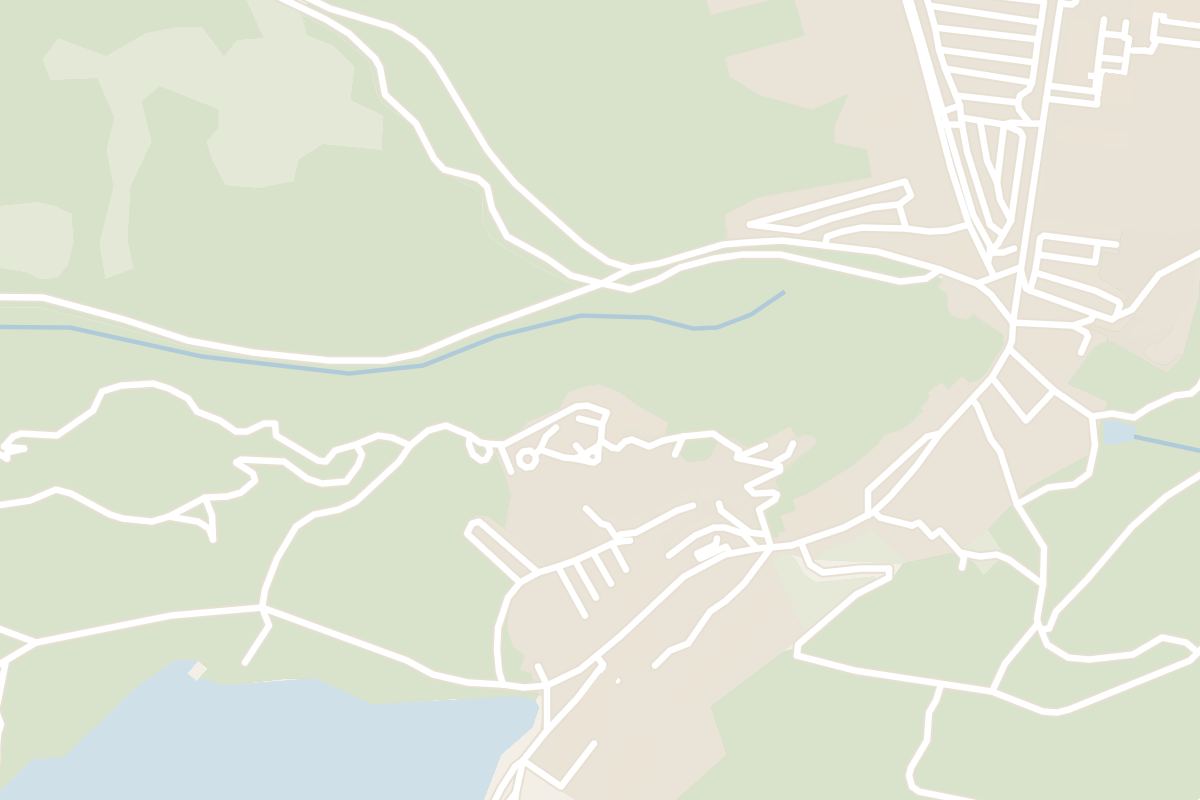
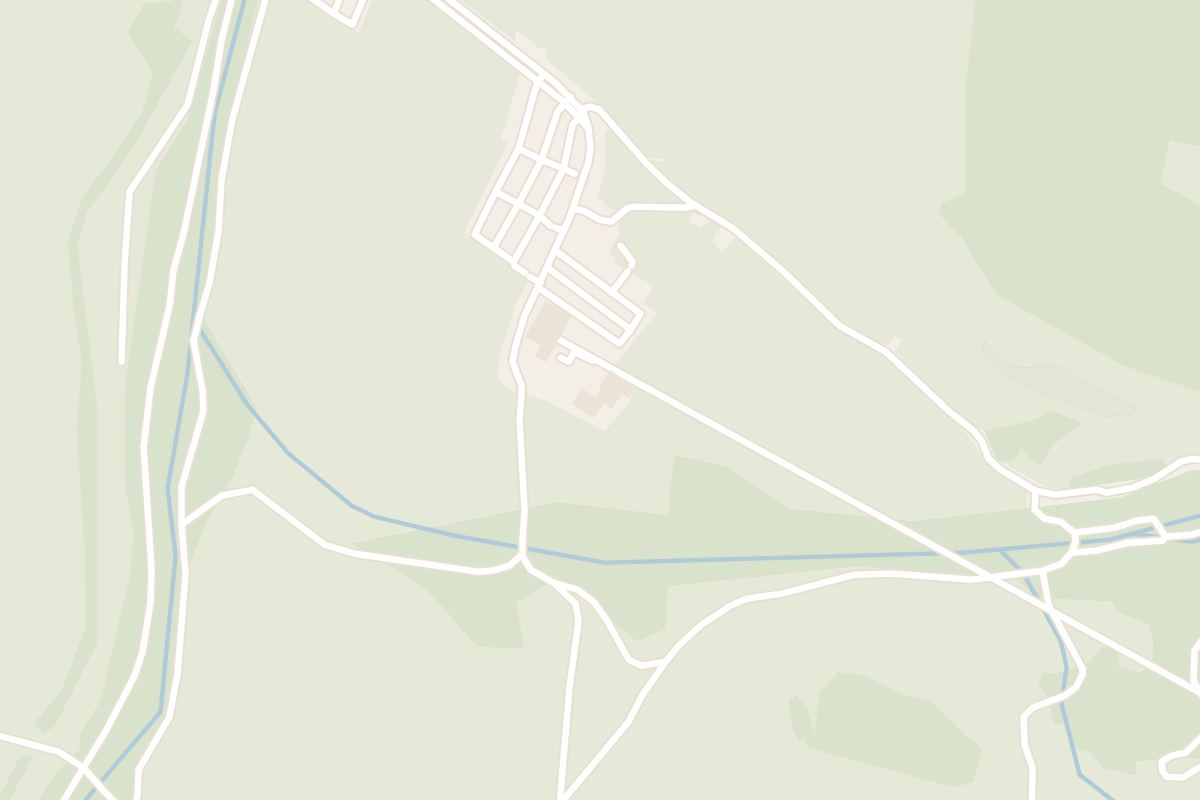
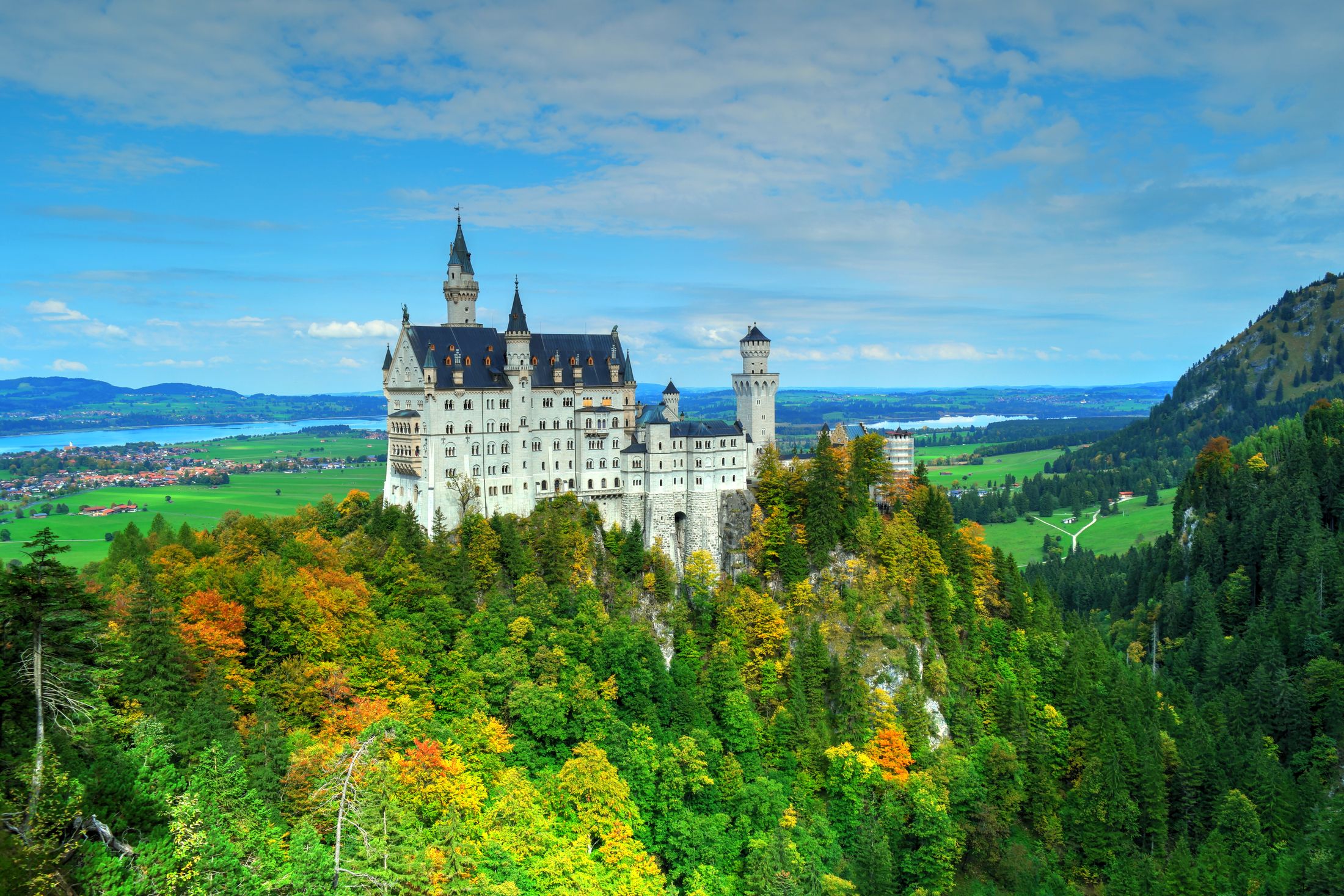
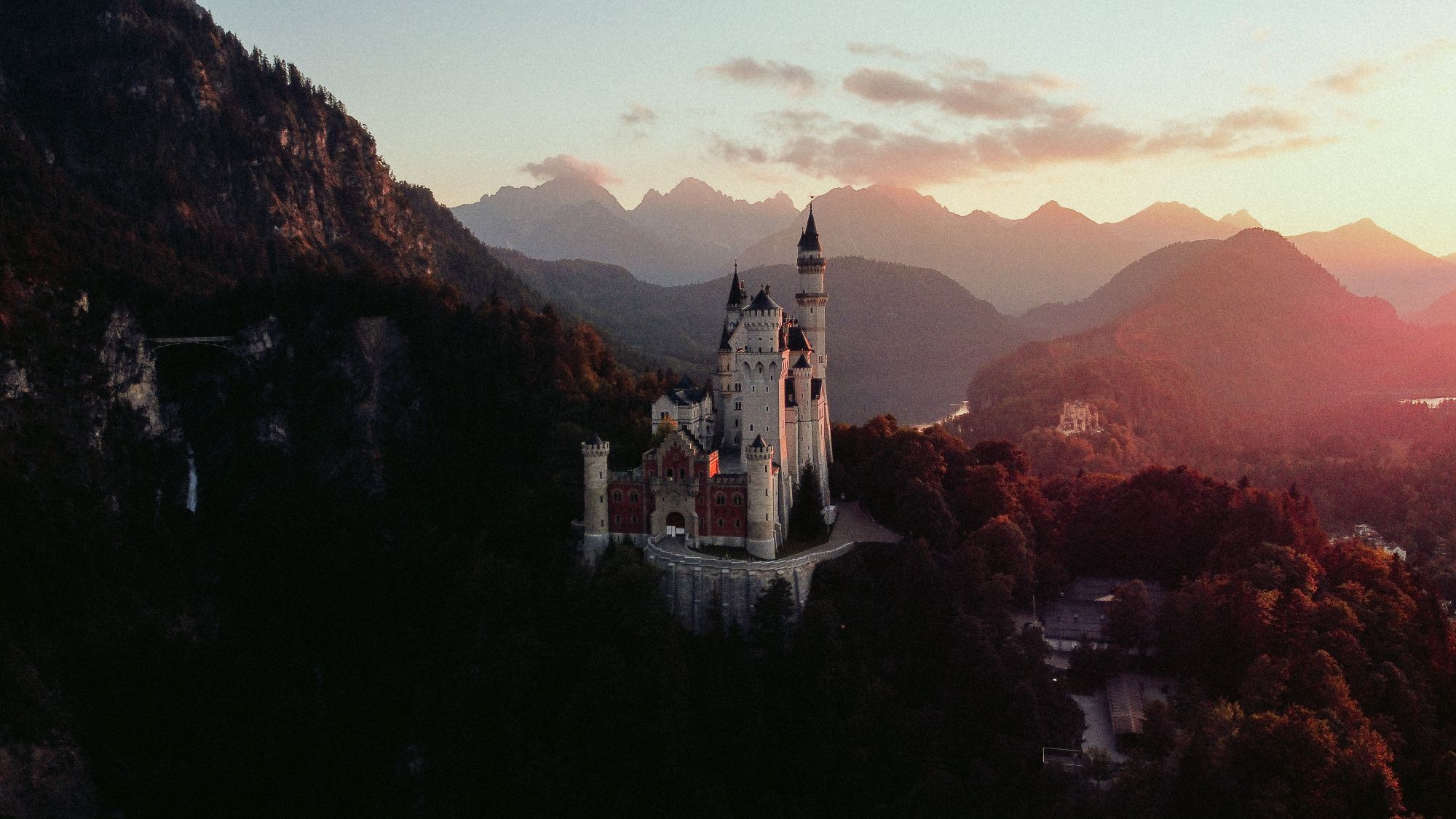
He chose the site the way a director chooses a stage. The castle stands on a crag above the Pöllat gorge, the Alps at its back and two lakes and the whole green plain of the Allgäu laid out below. From the Marienbrücke, a slender footbridge flung across the gorge, comes the view that every photograph is taken from, and it is genuinely staggering: the towers rising straight out of the pines with the mountains behind them. It was designed to be seen from exactly here, at exactly this angle. Ludwig understood the shot a century before anyone owned a phone.
Inside, it is stranger still. The rooms that were finished are a fever of medieval fantasy: a throne room built like a Byzantine church, with no throne ever installed; a two-storey Singers' Hall for concerts that were never held; murals of Tristan and Lohengrin around every door. And threaded through the fairy tale is startlingly modern machinery, running hot and cold water, flushing lavatories, forced-air heating, an electric bell system to call the servants. A medieval dream with the plumbing of the future. Most of the hundred-odd rooms were never finished at all.
Ludwig lived here for about a hundred and seventy days. In 1886 his ministers, alarmed at what the castles were costing, had him declared insane by a panel of doctors who never examined him, and deposed. Three days later he was found dead in the shallows of Lake Starnberg, alongside the very doctor who had certified him, two drownings that were never explained. He was forty. Seven weeks after he died, the state that had called him mad opened his private fantasy to paying visitors, and it has not closed since.
He built a world to disappear into, and now the whole world comes to disappear into it.
Most visitors have seen this castle before they ever arrive. Its silhouette, the white walls and the blue-capped towers, is the one Walt Disney drew for Sleeping Beauty and then stamped on every park and every title card since, so that a billion people carry a picture of Neuschwanstein without knowing its name or its king. On the bridge, a few hundred at a time photograph the same fantasy from the same spot Ludwig planned, and in that he got, in the end, the one thing he had wanted. The move is to come early, before the coaches, to walk up rather than take the bus, and to cross to the bridge first while the light is still low. The castle is a lie. It is also, out of the pines with the Alps behind it, one of the most beautiful lies ever told.