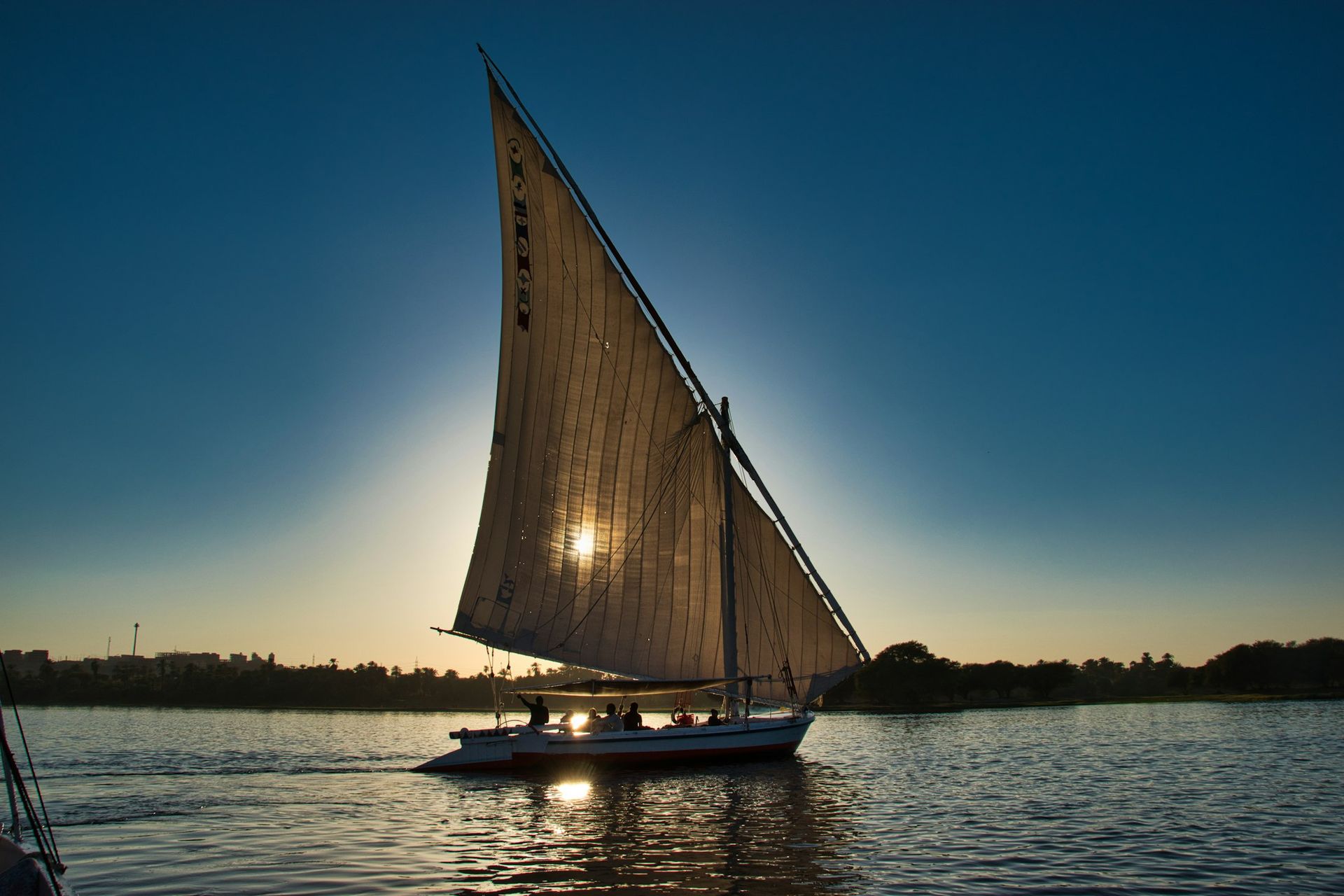
A Nile cruise is really two decisions dressed as one. The route almost picks itself: the classic stretch runs the roughly 200 kilometres between Luxor and Aswan, taking in the greatest concentration of temples anywhere in Egypt, and every operator on the river visits more or less the same ones. What actually varies, and what decides whether the trip is a highlight or a slog, is the boat. Get that choice right and the rest falls into place.
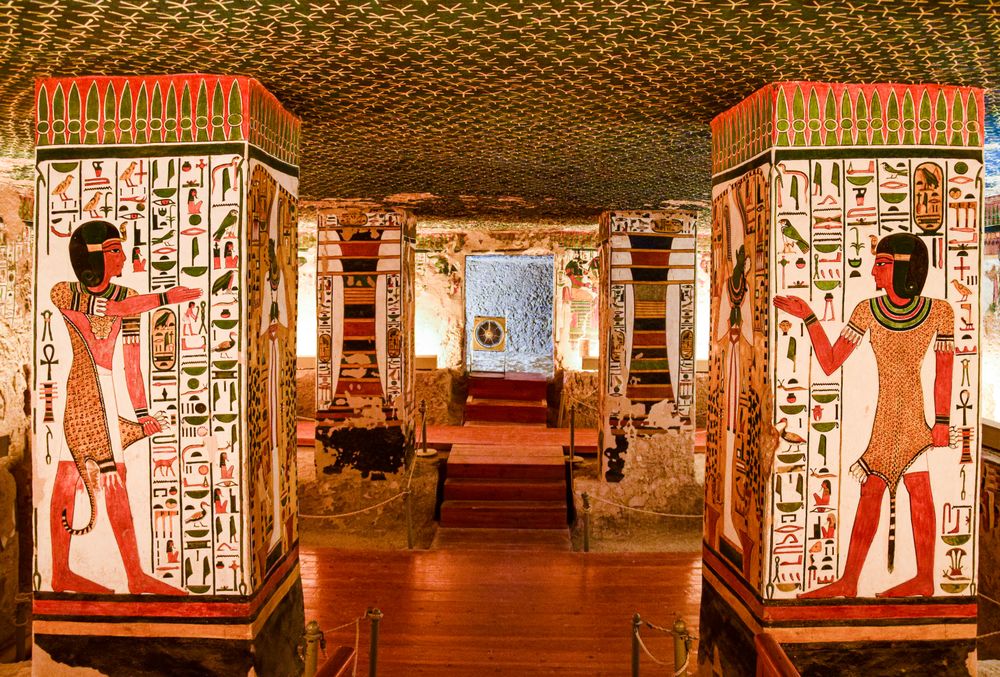
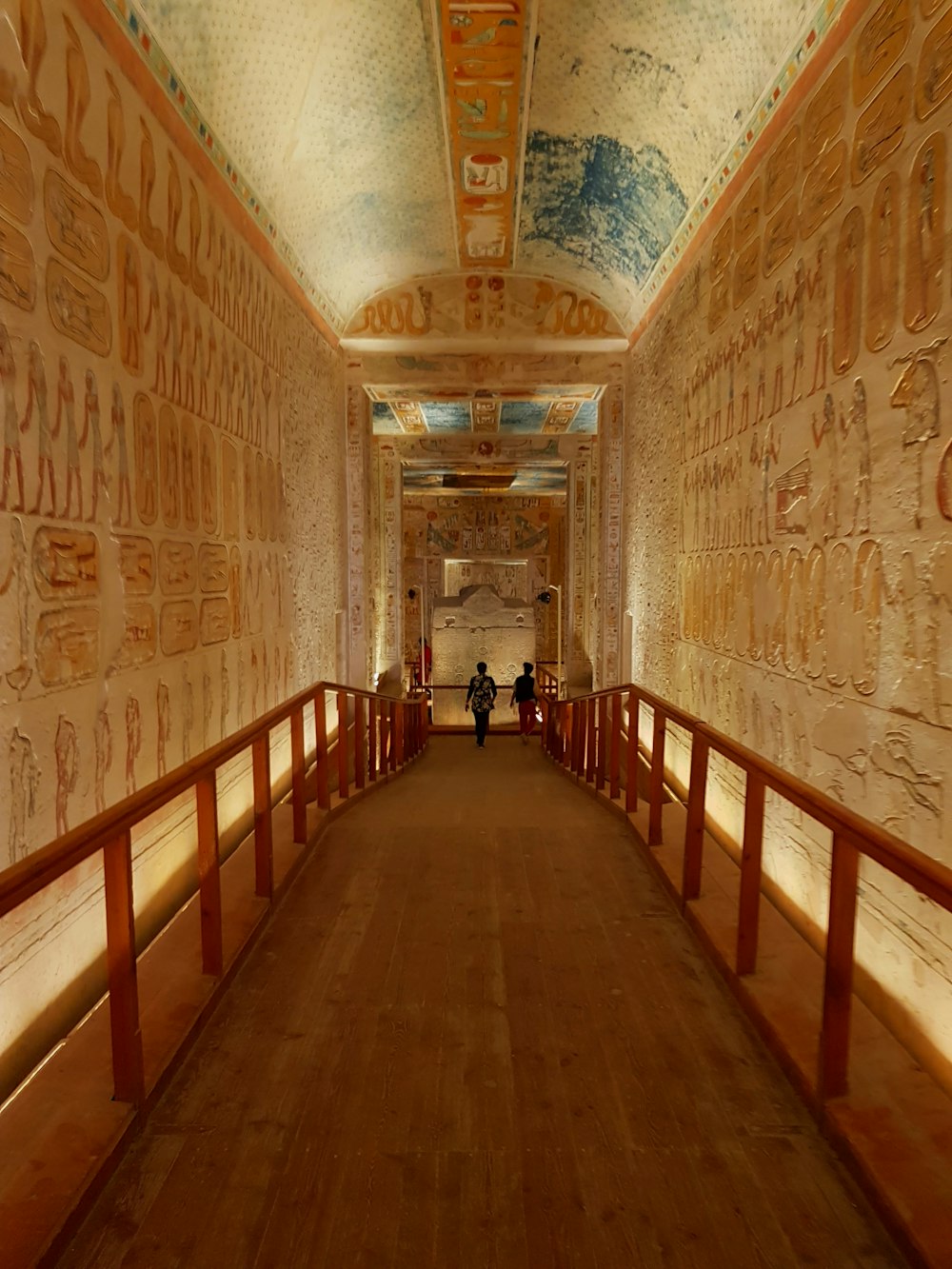
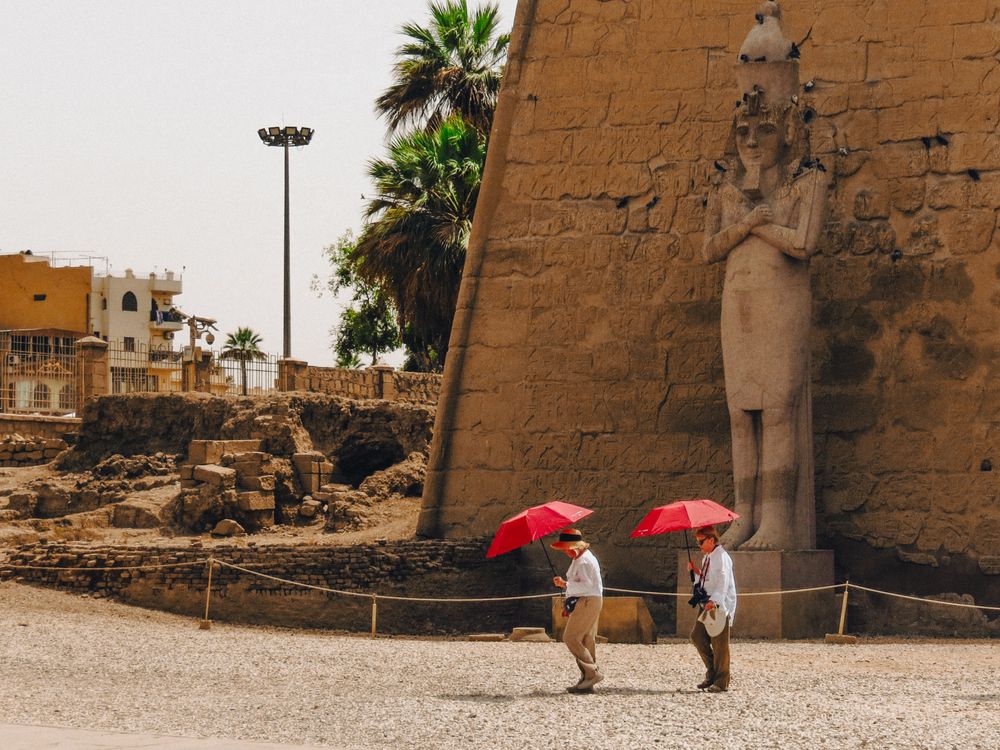
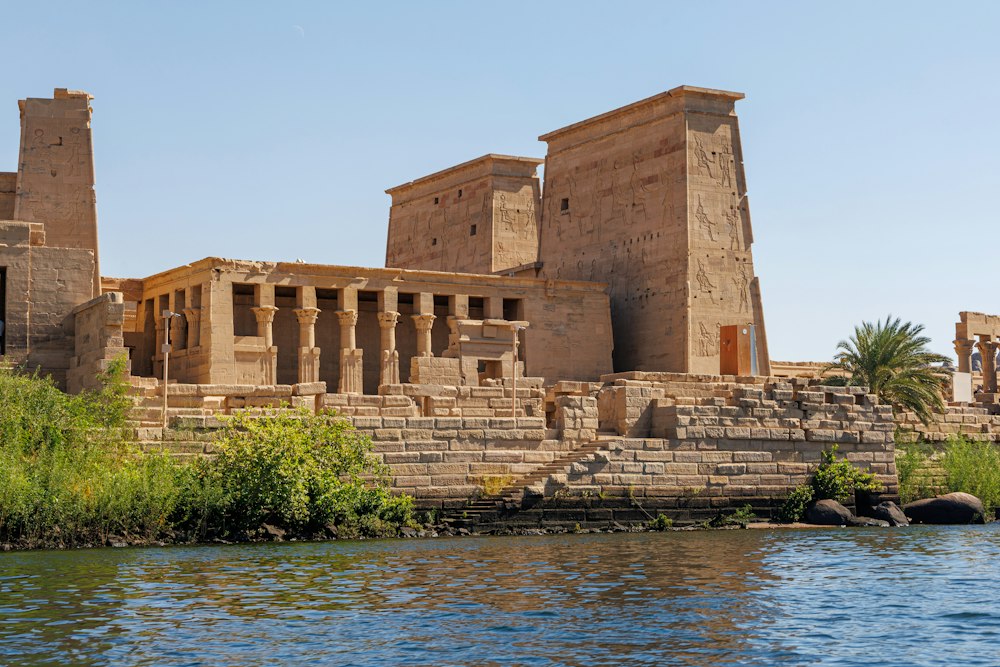
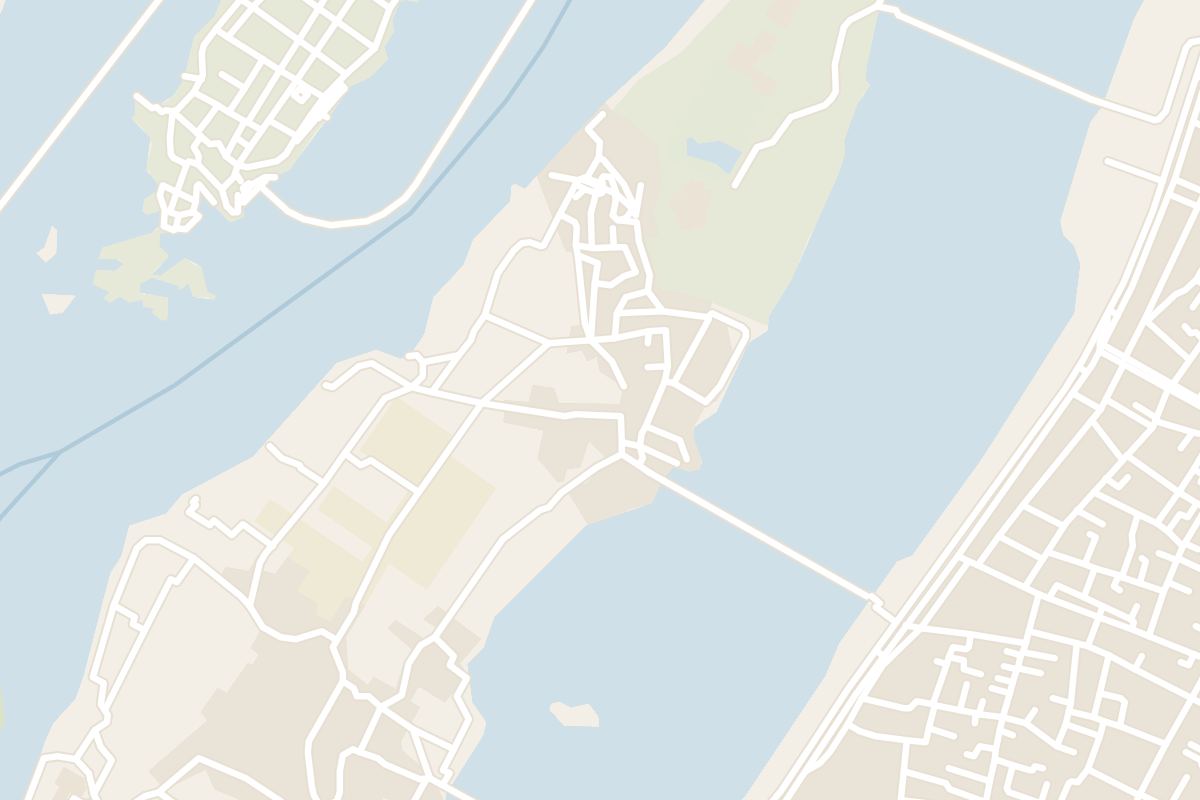
Start with the geography, because it is the one thing worth understanding before you book. Luxor sits on the site of ancient Thebes and holds the richest sites: Karnak and Luxor temples on the east bank, and across the river the Valley of the Kings, the tombs of Tutankhamun and Ramses among them, and Hatshepsut's terraced mortuary temple against the cliffs. Most cruises begin or end here. Between Luxor and Aswan lie Edfu and Kom Ombo, and Aswan anchors the southern end, gentler and more Nubian in feel, with Philae temple on its island and the High Dam beyond.
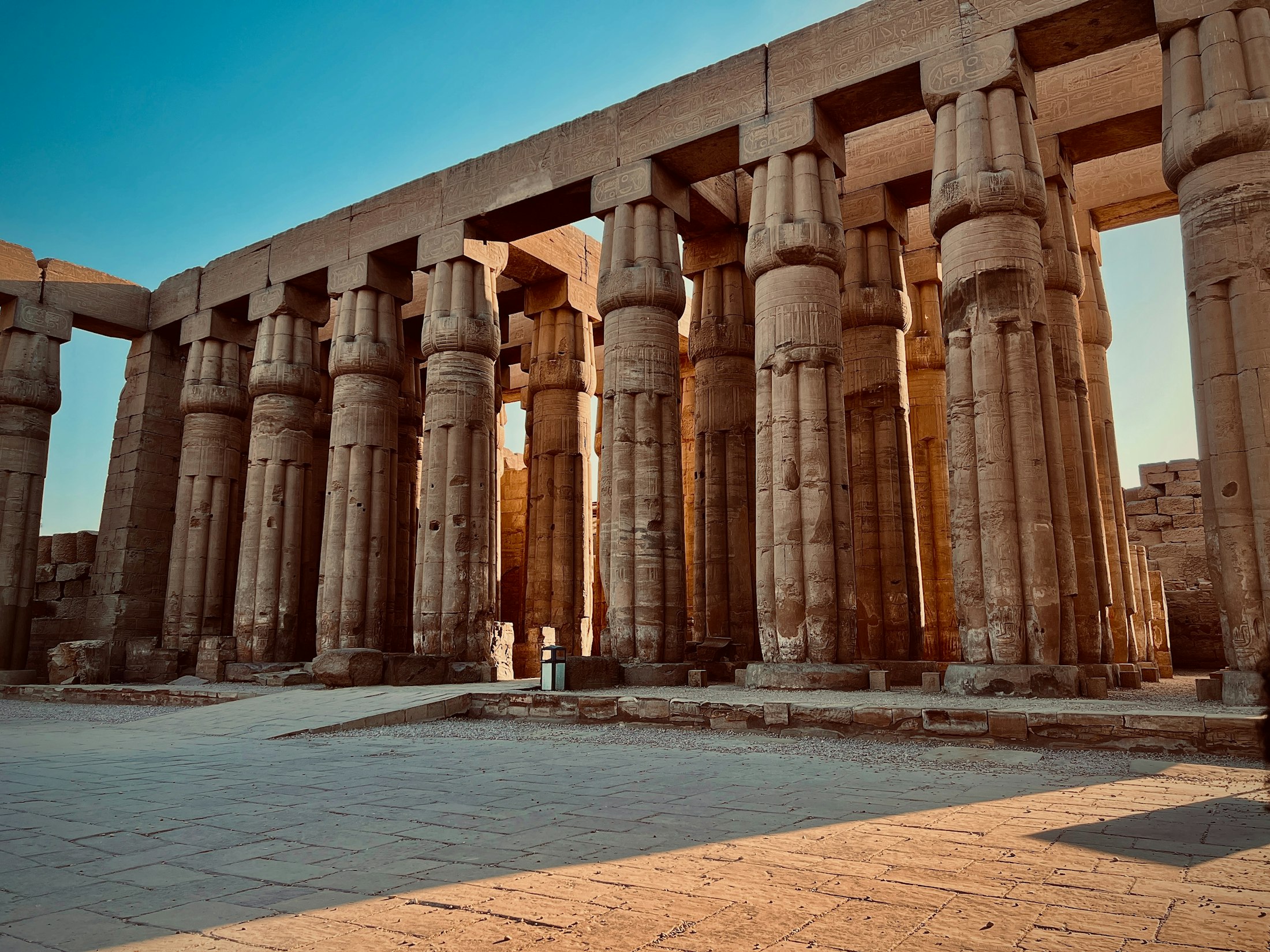
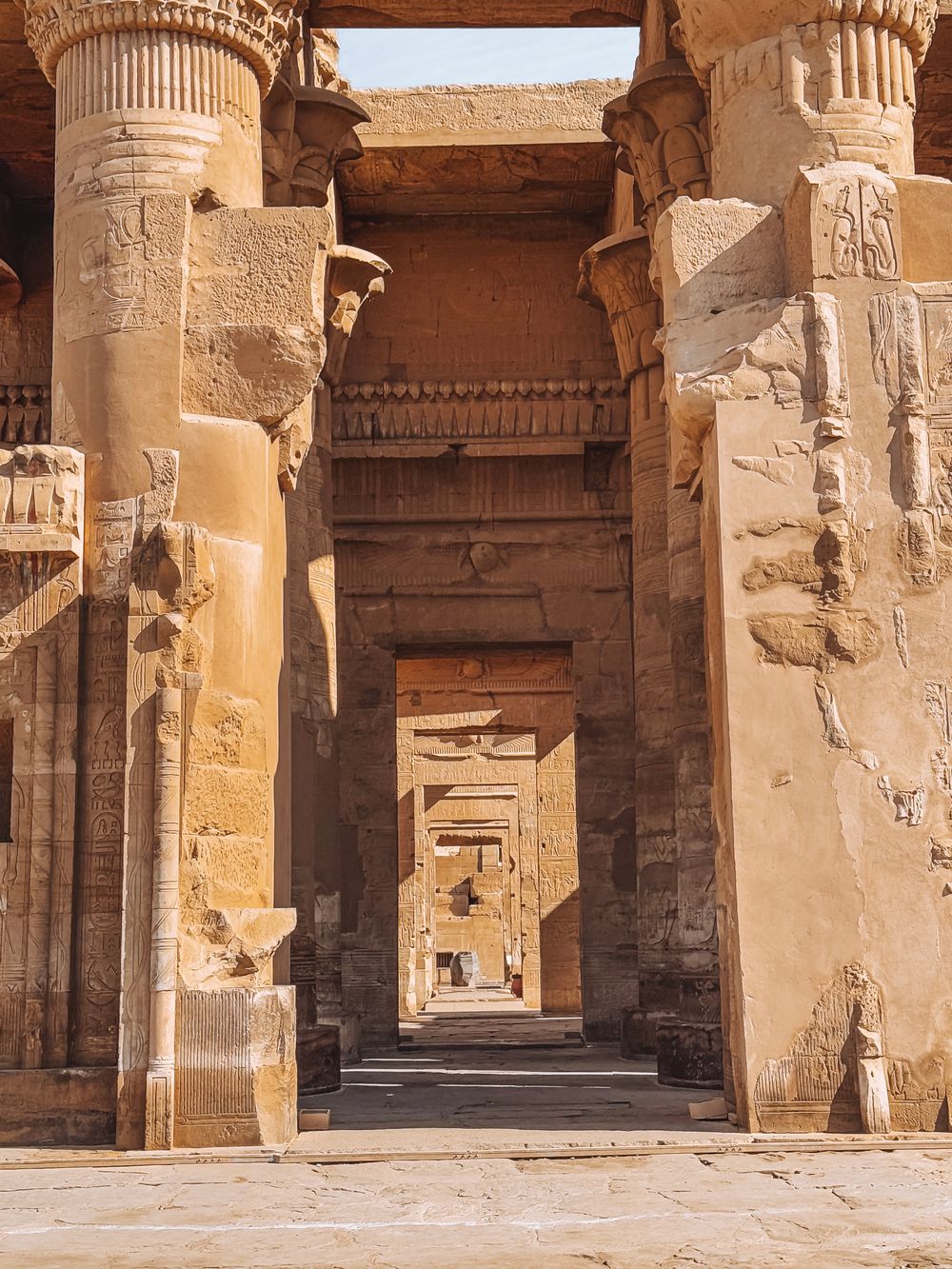
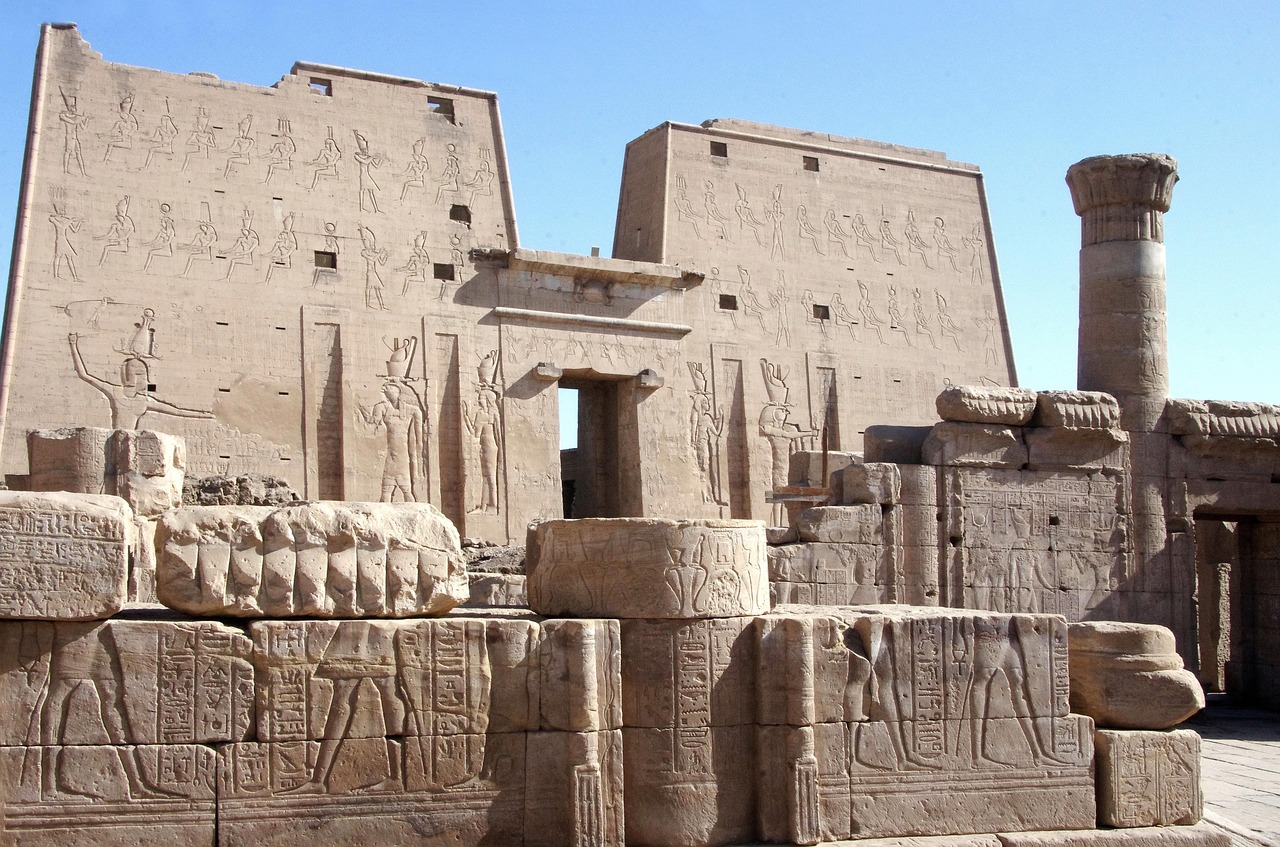
One point of order clears up a lot of confusion at the temples themselves. Karnak and the Theban sites are New Kingdom, more than three thousand years old. Edfu and Kom Ombo look just as ancient but are much younger, Ptolemaic, built in the last few centuries BC when Greek-descended pharaohs ruled Egypt, which is precisely why they are the best-preserved large temples in the country: they had less time to weather and be quarried. Edfu, dedicated to the falcon god Horus, is reached by a short horse-carriage ride from the mooring; Kom Ombo, unusually a double temple to two gods, stands right on the riverbank where the boats tie up.
Downstream or up matters less than people fear. Sailing from Aswan down to Luxor runs with the current and tends to save the biggest sites for the finale; Luxor to Aswan front-loads them. Either works. What does not vary is the itinerary's rhythm: temples in the cool of morning and late afternoon, the river itself in the heat of the middle of the day. Which brings the whole thing back to the boat, because you will spend a great deal of that time aboard it.
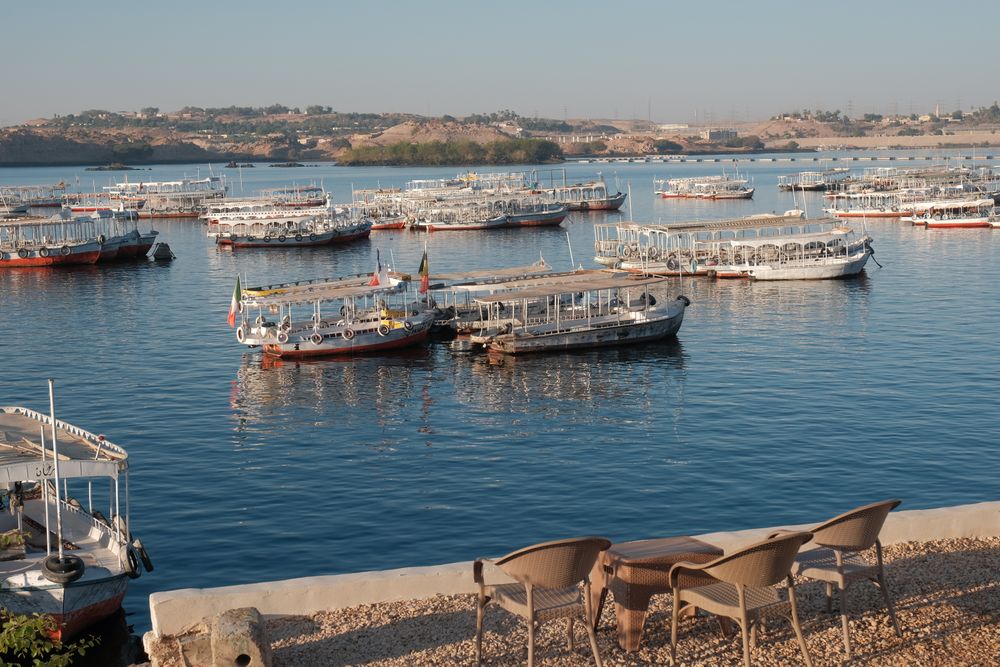
The default, and much the cheapest, is a standard cruise ship: a five-deck floating hotel carrying a hundred or more passengers, with a pool on the roof, air conditioning throughout, and a cabin with a picture window. They are comfortable and sociable and good value, and they have one real drawback. Dozens of them run the river on the same schedule, so they move almost in convoy and raft up side by side at the moorings, sometimes three or four deep, which means you walk through other boats' lobbies to reach the shore and arrive at every temple in the same wave of people. If the budget is the priority, this is the sensible choice, with eyes open about the crowds.
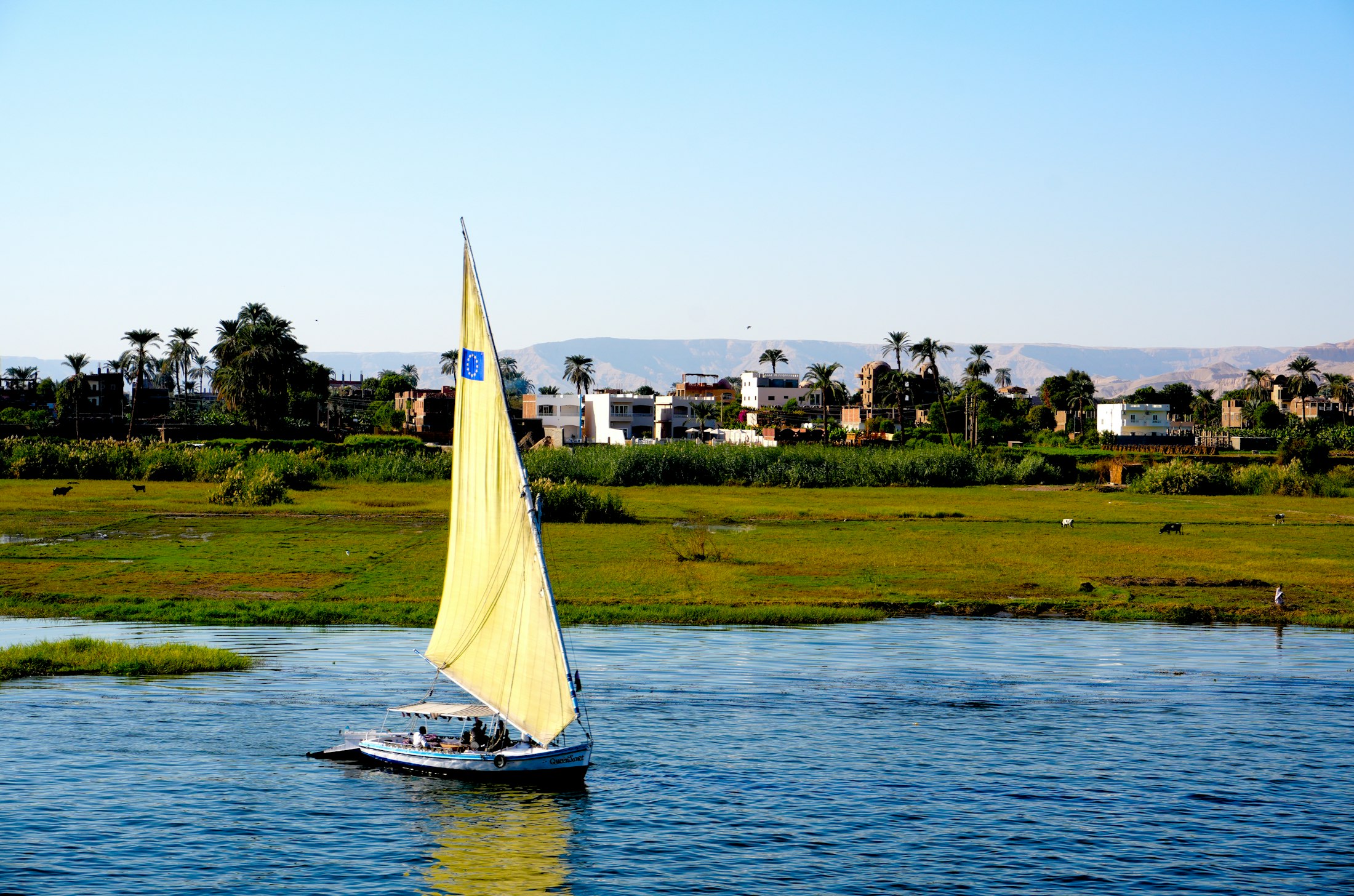
The alternative worth paying for is a dahabiya. These are small two-masted sailing boats, typically eight to a dozen cabins, that trace the way wealthy travellers crossed the Nile in the nineteenth century. They are slower, quieter and more expensive, and because there are few of them and they are wind-driven, they moor at empty sandbanks and small villages the big ships cannot reach. The pace is the point: long stretches under sail with almost nobody else in sight. If the money stretches, most people who have done both say the dahabiya is the version to take.
The temples are fixed. The difference between a cruise you tolerate and one you remember is almost entirely the boat under you.
The third option is the felucca, the small open lateen-sailed boat that is the oldest craft on the river. A felucca trip is cheap, basic and memorable, usually a night or two sleeping on deck under blankets with simple meals cooked aboard, and no engine, plumbing or privacy to speak of. It suits younger and hardier travellers and works best as a short two-day sail out of Aswan rather than the full run to Luxor. It is an experience rather than a hotel, and it is priced accordingly.
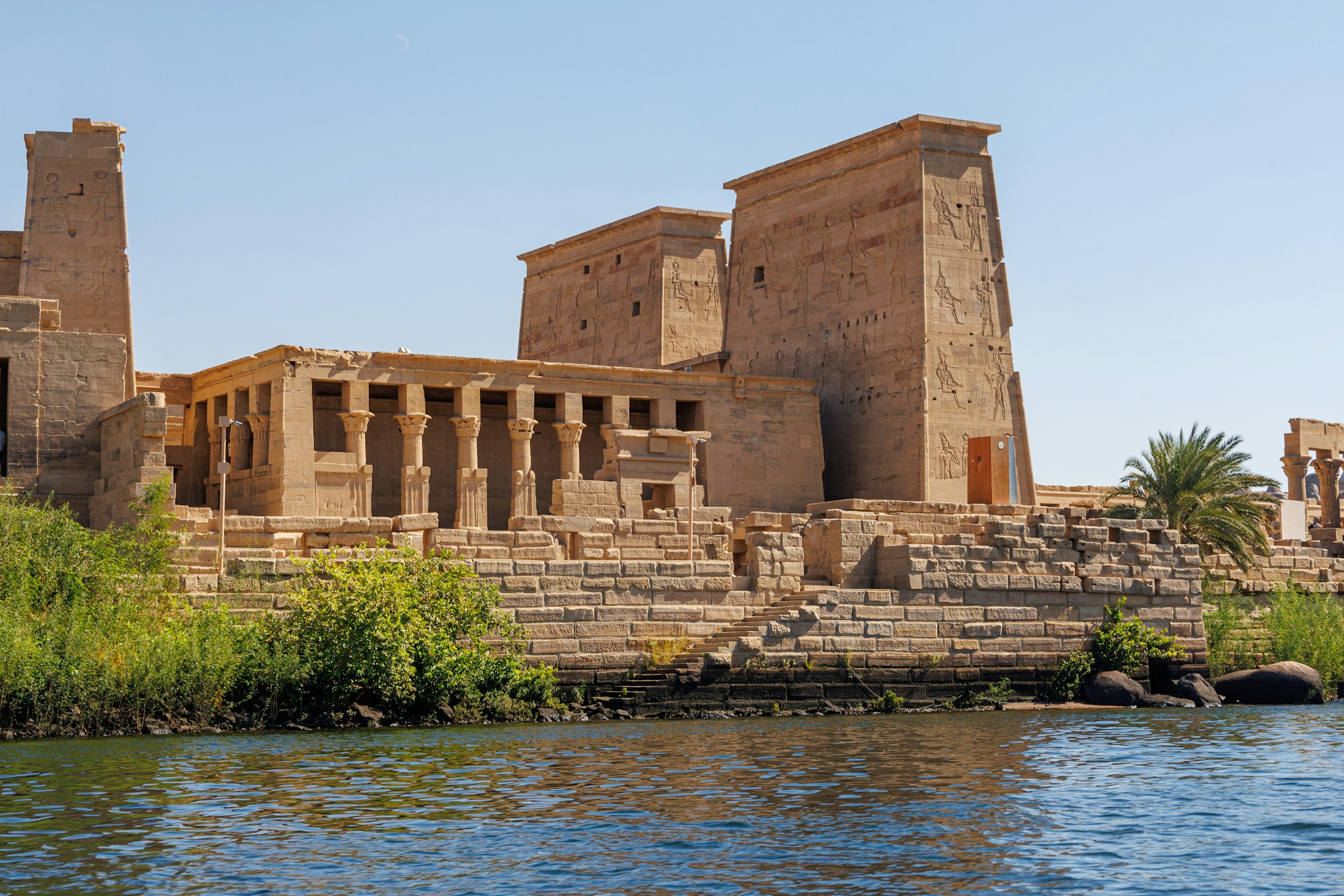
Two add-ons and a warning finish the plan. Abu Simbel, Ramses II's colossal rock temples, lies about 280 kilometres south of Aswan near the Sudanese border, reached by an early road convoy or a short flight; it is not on the cruise itself but is worth the day if you can spare it. Both Abu Simbel and Philae were cut apart and rebuilt on higher ground in the 1960s when the Aswan High Dam flooded their original sites, one of the great feats of modern archaeology, and knowing it makes both far more interesting to stand in front of. As for the warning: build in tips for crew and guides, which are expected and add up, and treat the relentless galabeya-and-souvenir selling at the temples as part of the experience rather than a surprise. Go between October and April, when the heat is bearable; high summer on the river is brutal.