Of the whole Arabian Peninsula, Oman is the corner where a foreigner collects a car at the airport and drives off into the country alone. The tarmac is good and the signs read in English as well as Arabic. It is among the safest and most welcoming places in the Arab world, a country where strangers still press coffee and dates on visitors at the roadside. None of this makes it a secret, and the marquee canyon pools are crowded by late morning. What it makes it is rarer for the region: a place a traveller can loop unaccompanied, at their own pace, for a week.
The wealth that built the old towns came off the water. Oman was an Indian Ocean seafaring power for centuries, and the frankincense of its southern province, Dhofar, was the finest the ancient world could buy, a trade now protected as the UNESCO Land of Frankincense. At its nineteenth-century height the Omani empire reached down the East African coast, and in 1837 the capital itself moved to Zanzibar; Britain arbitrated the split of the two halves in 1856. The country is still the world's only majority-Ibadi state, a strand of Islam distinct from both Sunni and Shia. For a long stretch of that history the coastal sultanate at Muscat and the interior imamate around Nizwa ran as two separate powers. The aflaj, the gravity-fed channels that carry water through the mountain villages, have flowed for roughly 1,500 years.
Then came Sultan Qaboos, who took the throne in 1970 to find a country with about ten kilometres of paved road in it. He built the rest quickly and modernised without letting Oman turn into Dubai. There is no forest of glass towers here. The forts were left standing, the national dress is still worn, and the oil money went into roads and schools rather than skyline. He ruled until 2020, and the restraint is exactly the thing that makes the drive worth taking.
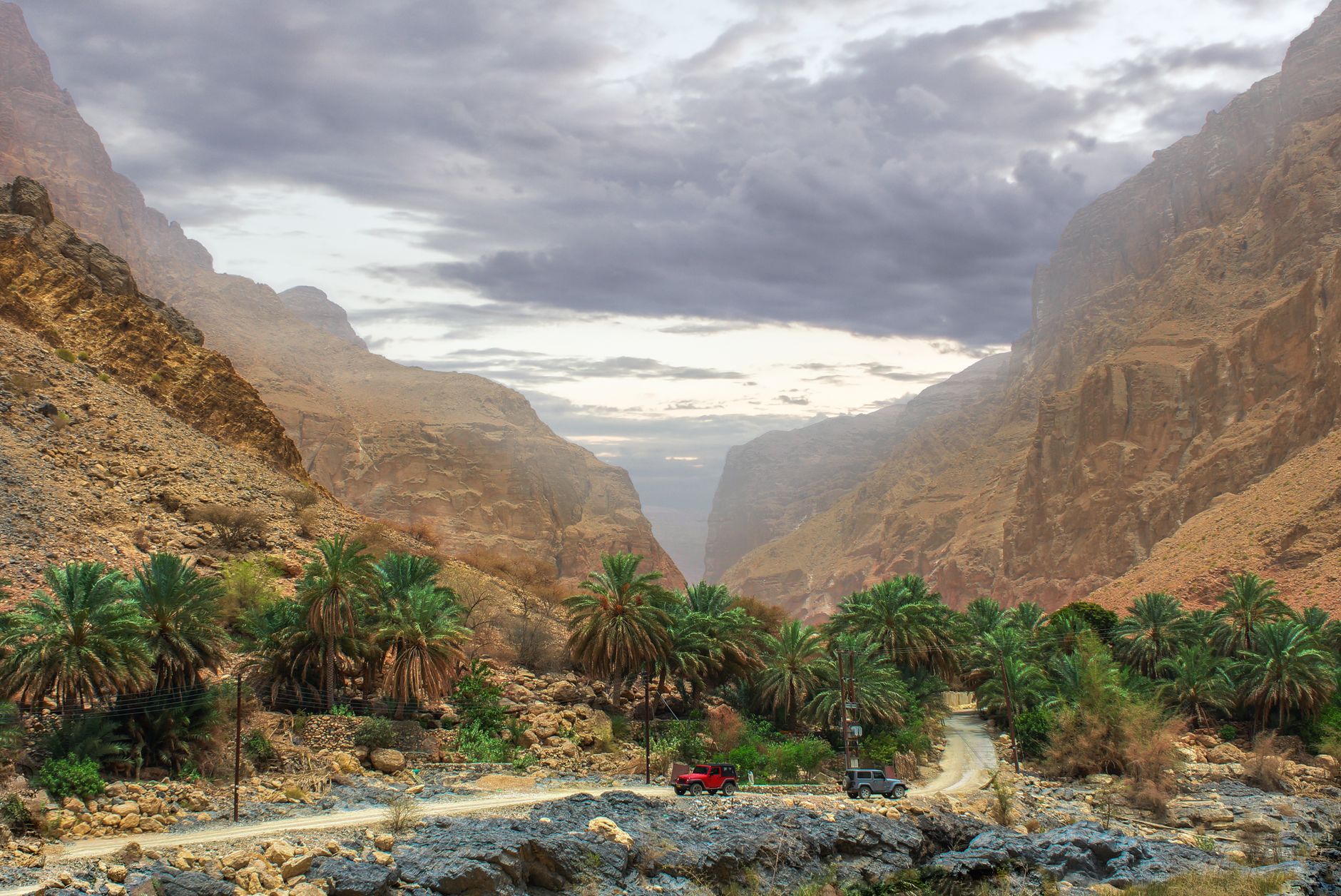
The classic loop runs down the coast first. An hour or so along the Muscat-to-Sur road, a car park at the fishing village of Tiwi marks the mouth of Wadi Shab. Entry costs about a rial for a boatman to ferry visitors the few metres across an inlet, and after that the wadi has to be walked: some 2.5 kilometres of scrambling along a chain of turquoise pools, over rock that turns slippery where the water spills across it. The far end offers no dry route at all. The only way through is to swim a deep pool and squeeze through a narrow crack in the rock, and behind it waits a hidden cavern with a waterfall falling inside and a rope fixed to climb. It rewards confident swimmers and punishes the rest.
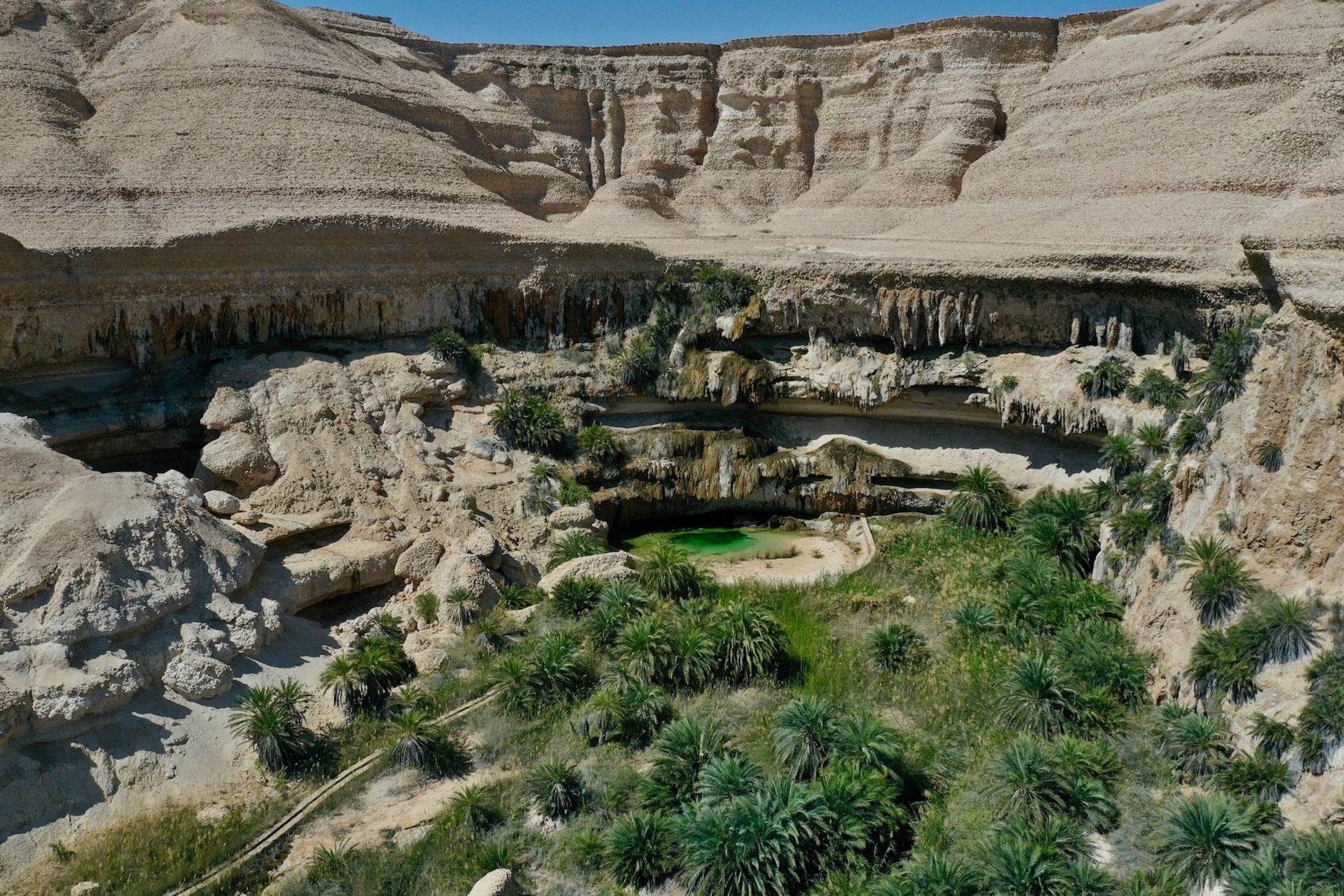
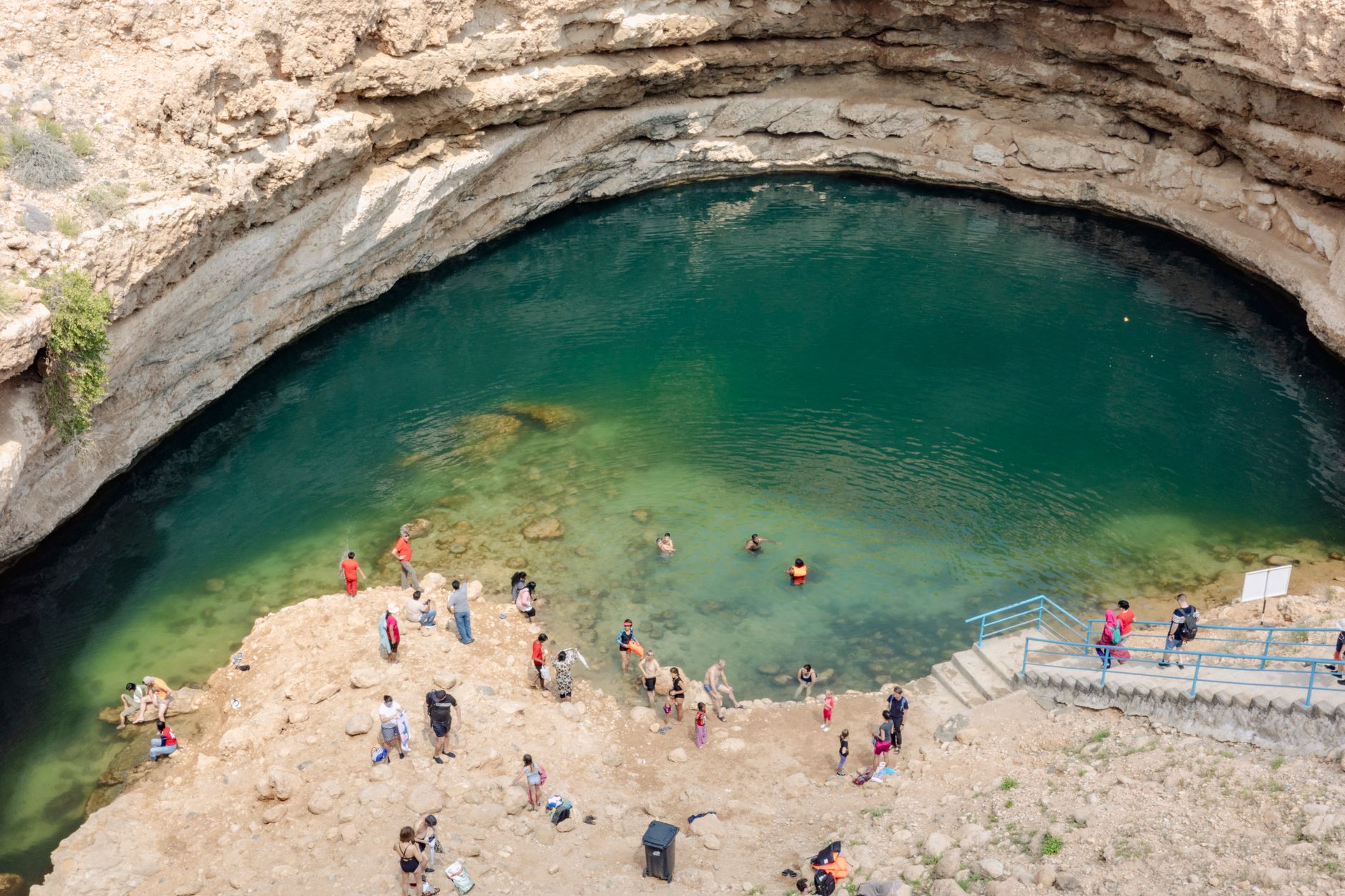
Timing decides how the place feels. The boats begin around six in the morning, and a walker who reaches the pools at quarter to seven can have them almost to themselves; by eleven there are hundreds, and midday is the hour to avoid. One rule is absolute: never enter after heavy rain, when a dry wadi can fill with a flash flood in minutes. Back up the same road, the Bimmah Sinkhole, called Hawiyat Najm locally, gives an easier version of the same pleasure, a turquoise collapse pool ringed by pale limestone, free to swim in, and a natural pairing with Wadi Shab on a single day.
Turn inland and the ground goes to sand. The Wahiba, or Sharqiya, Sands are the accessible dune sea; the true Empty Quarter, the Rub al Khali, the largest continuous sand desert on earth, lies farther south and asks for a proper expedition. Reaching a Wahiba camp means dropping the two-wheel-drive at a pickup point on the edge of the sand and transferring by 4x4 across the soft dunes to a cluster of tents. The camps sell the evening more than the day: the sun going down behind the ridgelines, a silence with nothing in it, and after dark a sky crowded with stars.
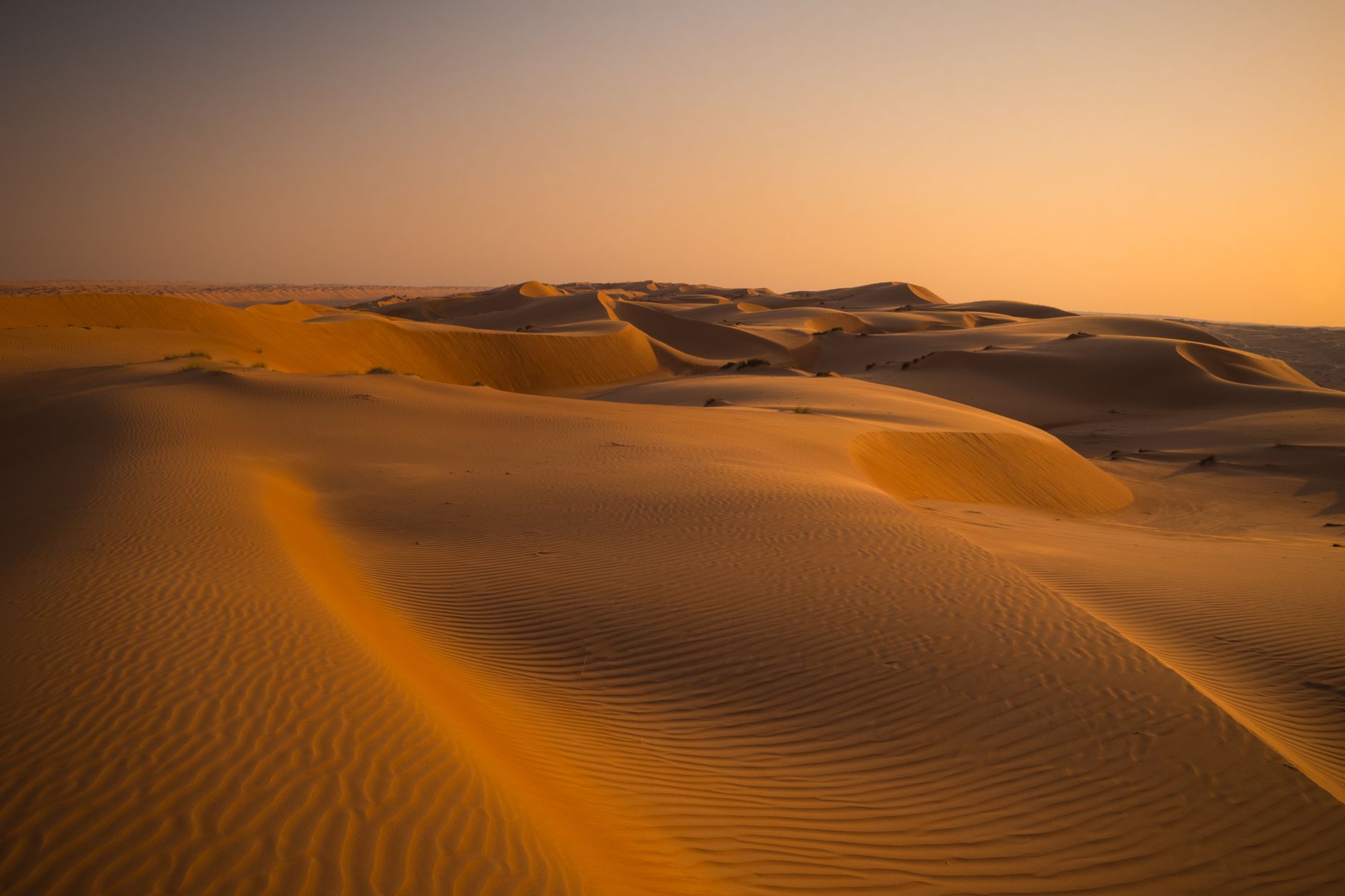
The Gulf built its towers of glass. Oman kept its forts of mud.
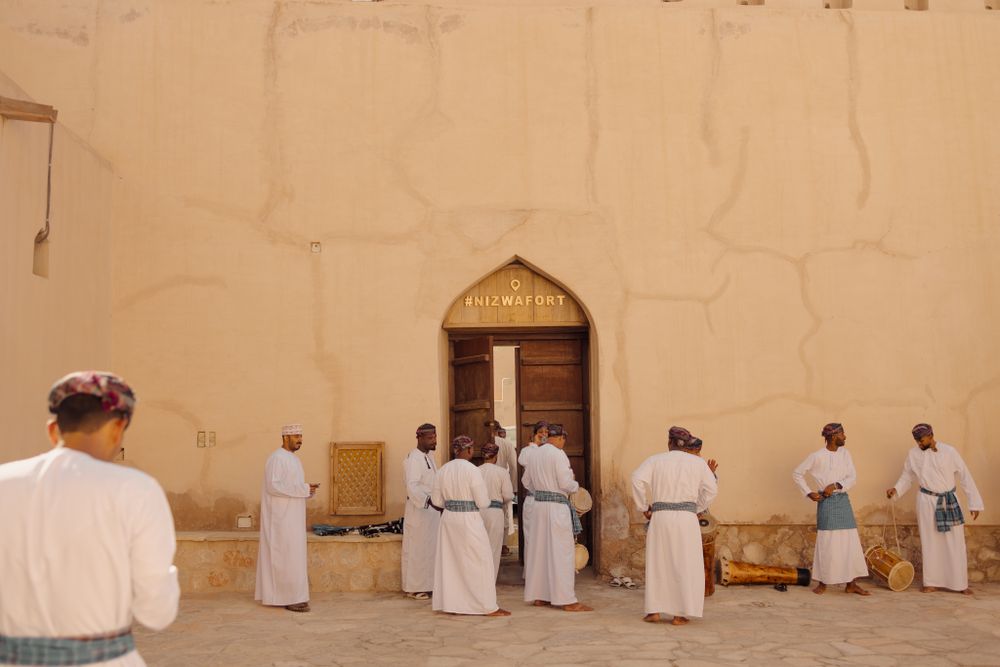
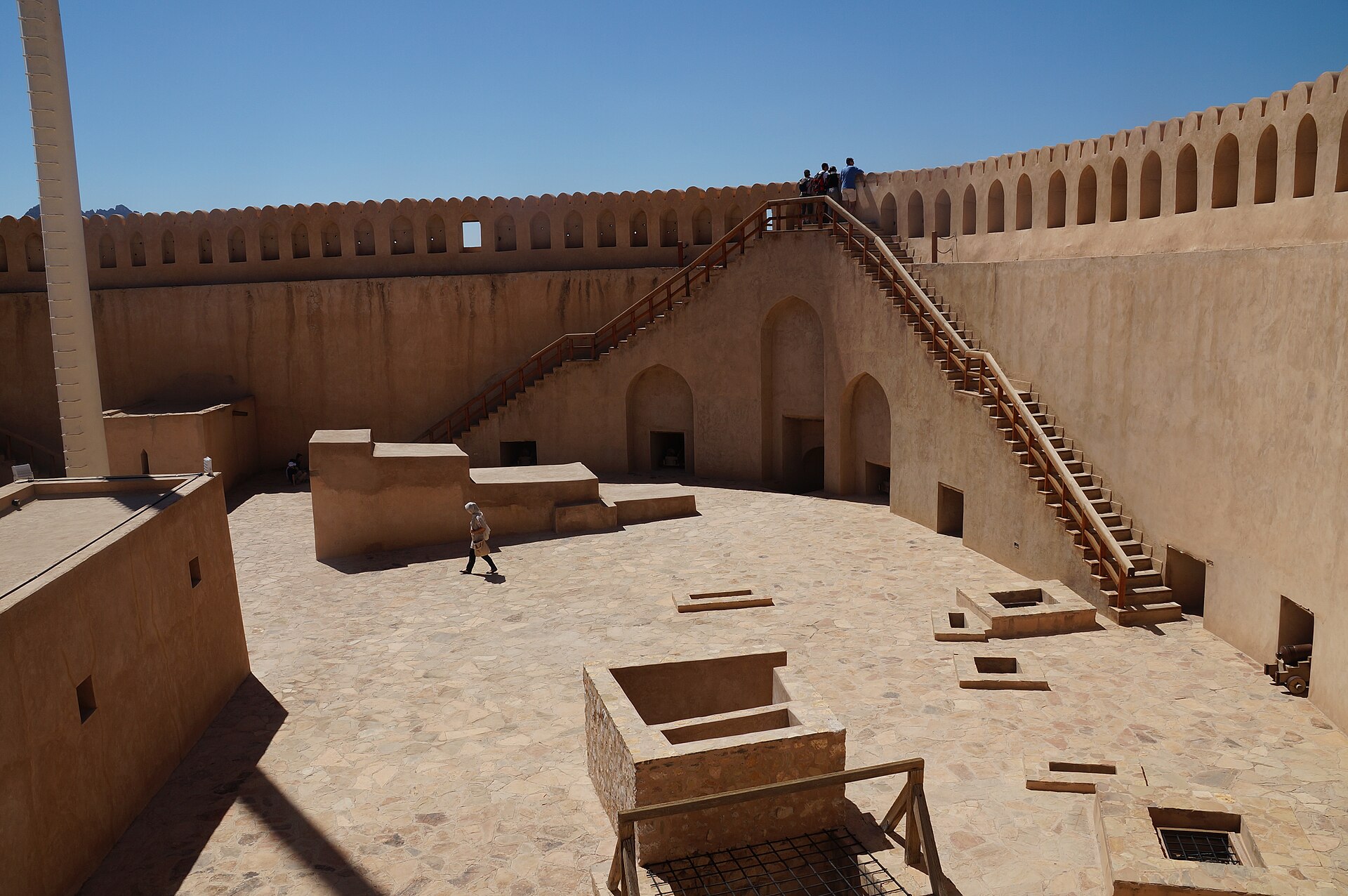
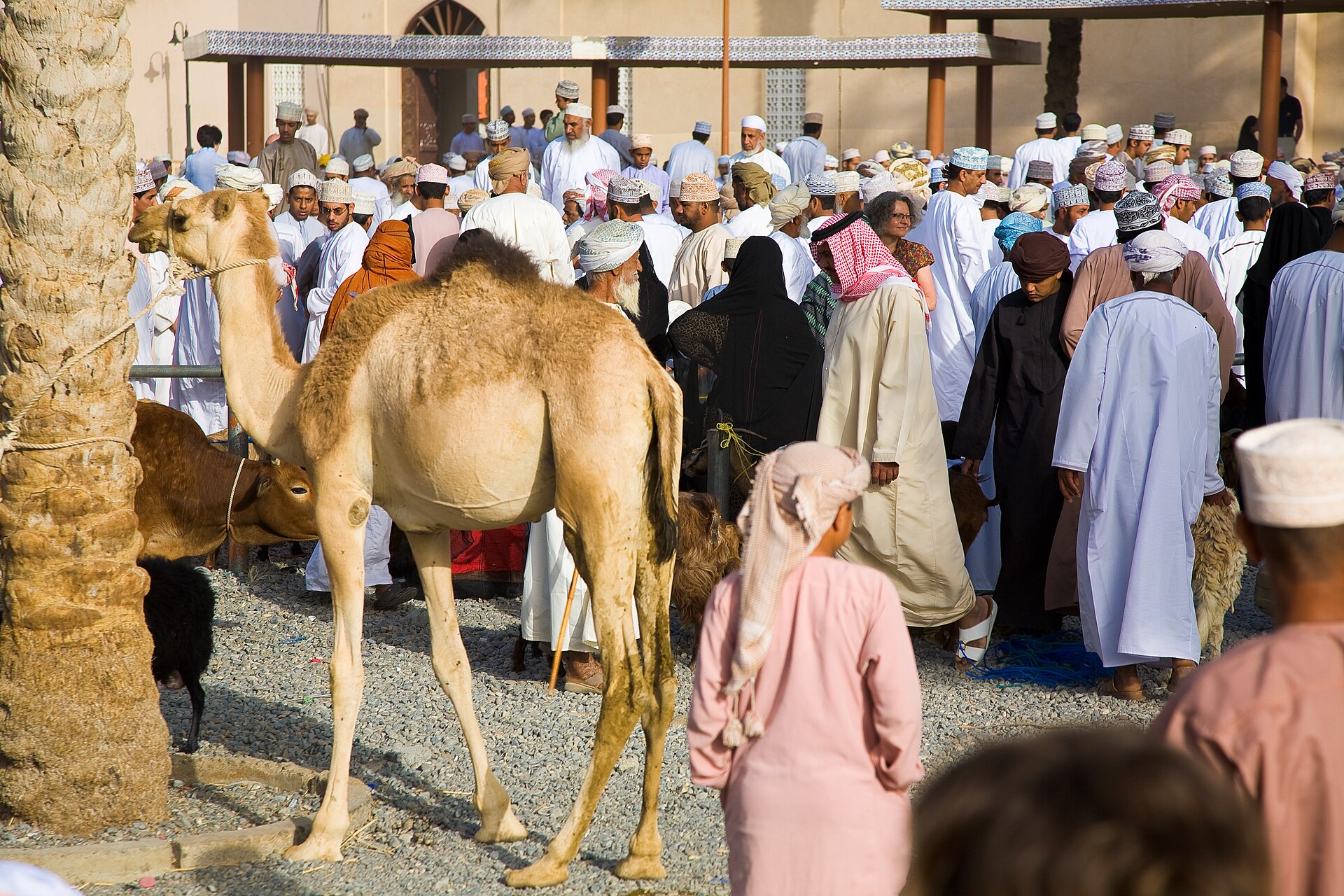
Nizwa was the capital of that old interior, and it still holds the interior's temperament. Its Friday goat market opens at dawn: traders walk their animals in a slow circuit around a central ring while buyers lean in to check teeth and shout bids across the din. Above the souq rises the great round tower of Nizwa Fort, a squat stone cylinder built to absorb cannon fire, and beside it a restored market of silver, dates and frankincense. It trades for real; it is not a display put on for the coaches.
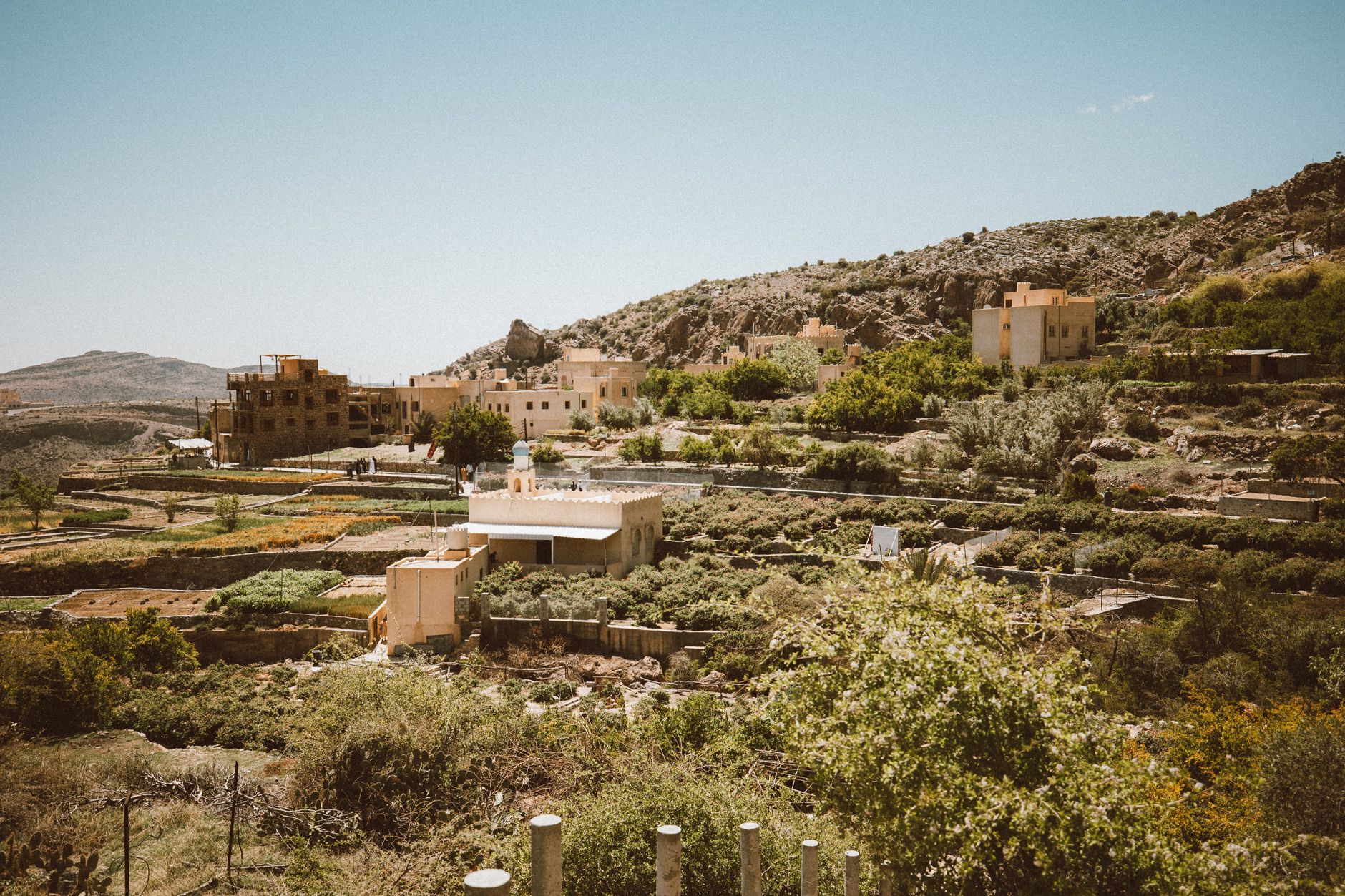
Higher on the mountainside sits Misfat al Abriyeen, a mud-brick village somewhere between 300 and 500 years old, its stepped lanes too narrow and steep for any car. A falaj still runs down the middle of it, feeding date-palm terraces stacked below the houses. Several of the old houses have been restored as small guesthouses, which is the argument for staying a night rather than passing through. By evening the day visitors are gone, and the village runs, as it always has, on the sound of moving water.
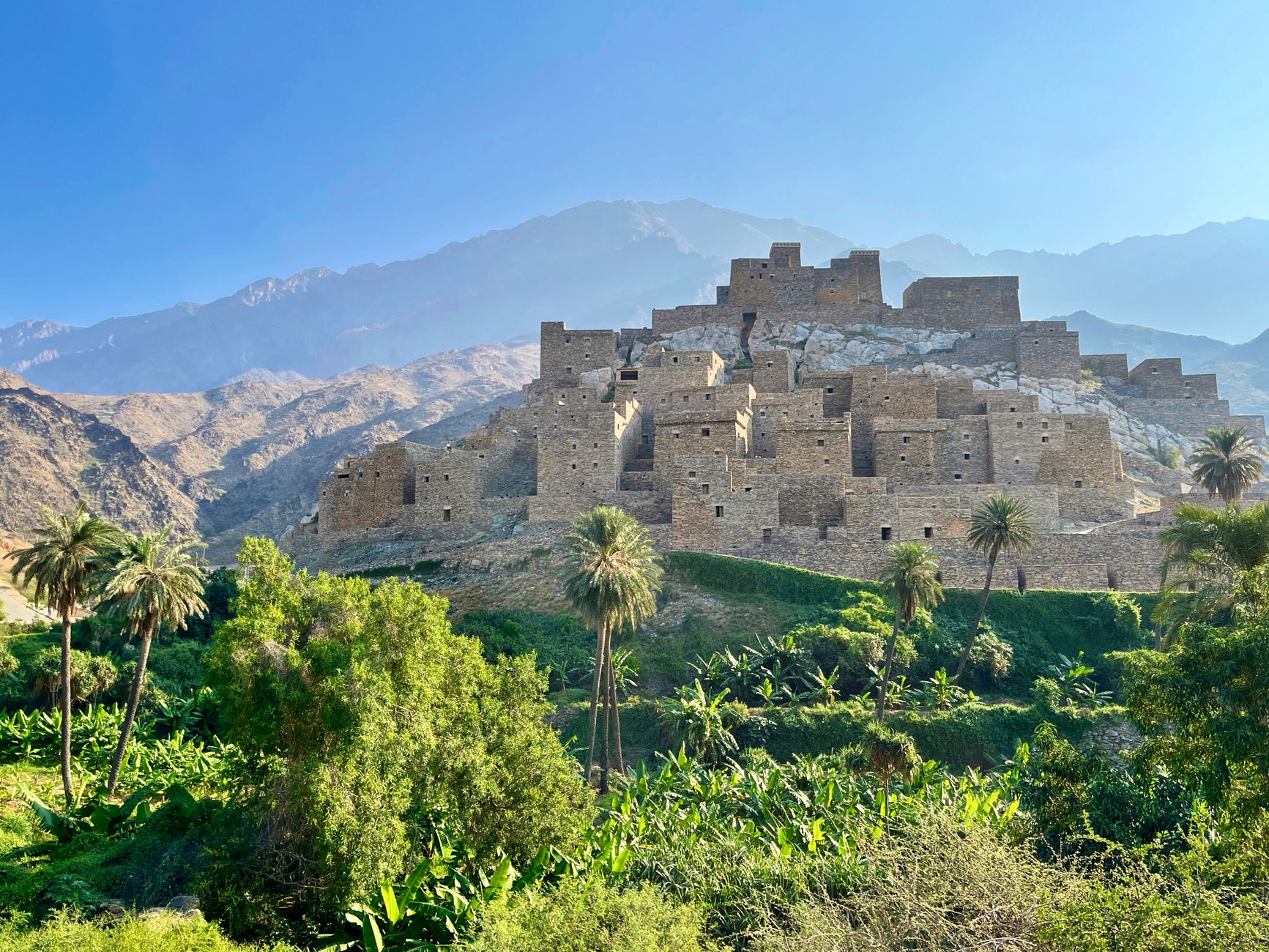
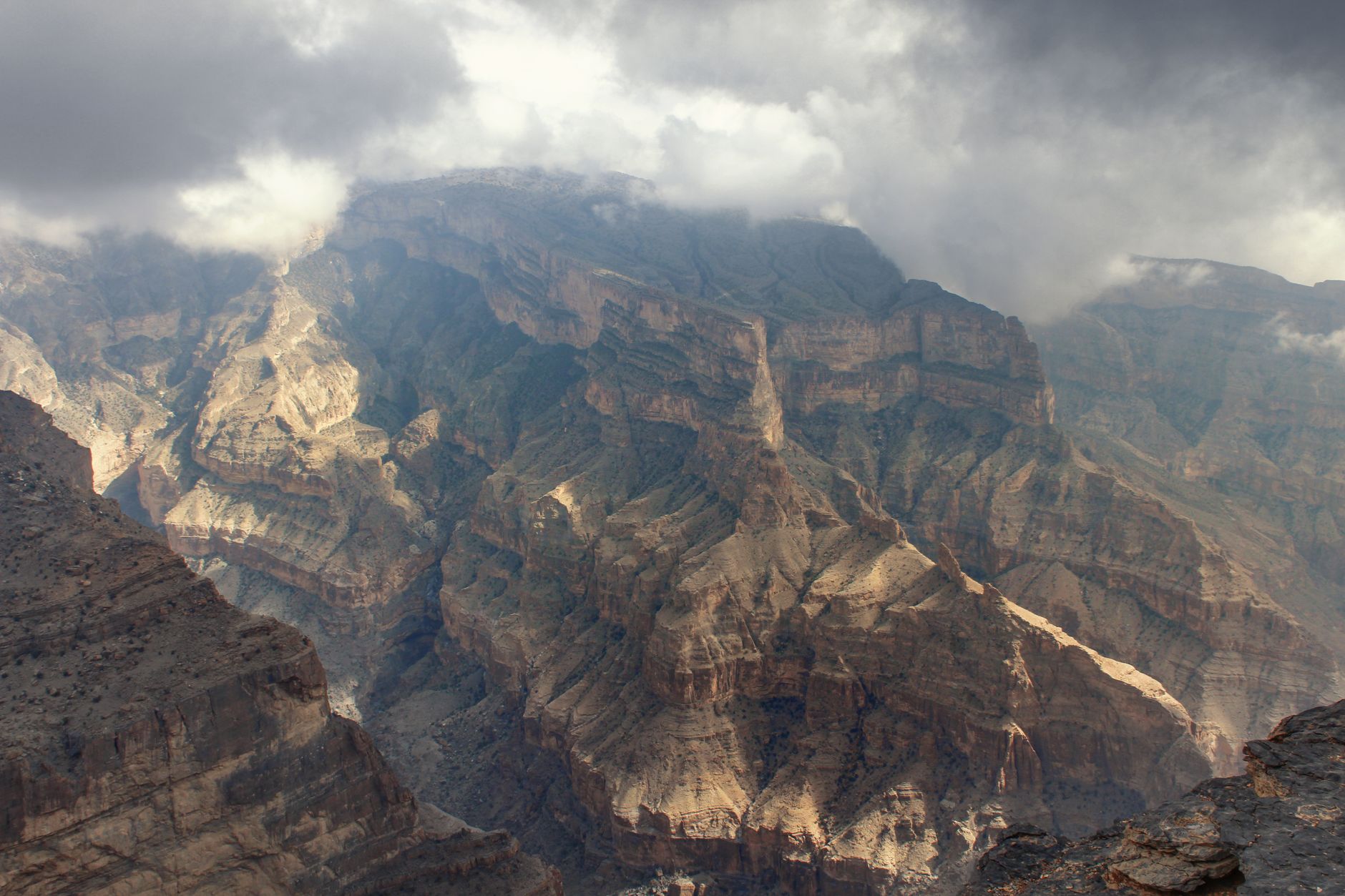
The high country is the other half of Oman, and it needs the 4x4 the coast did not. Jebel Shams, the Grand Canyon of Oman and the country's highest mountain at around 3,009 metres, falls away into a gorge that earns the name. The Balcony Walk, waymarked W6, runs about eight kilometres round trip along a ledge on the canyon rim to As Sab, an abandoned village left clinging to the cliff. On the neighbouring massif, the Saiq plateau of Jebel Akhdar at around 2,000 metres grows terraced orchards and, in spring, the Damask roses distilled here into rosewater. A police checkpoint on the access road turns back anything that is not a 4x4.
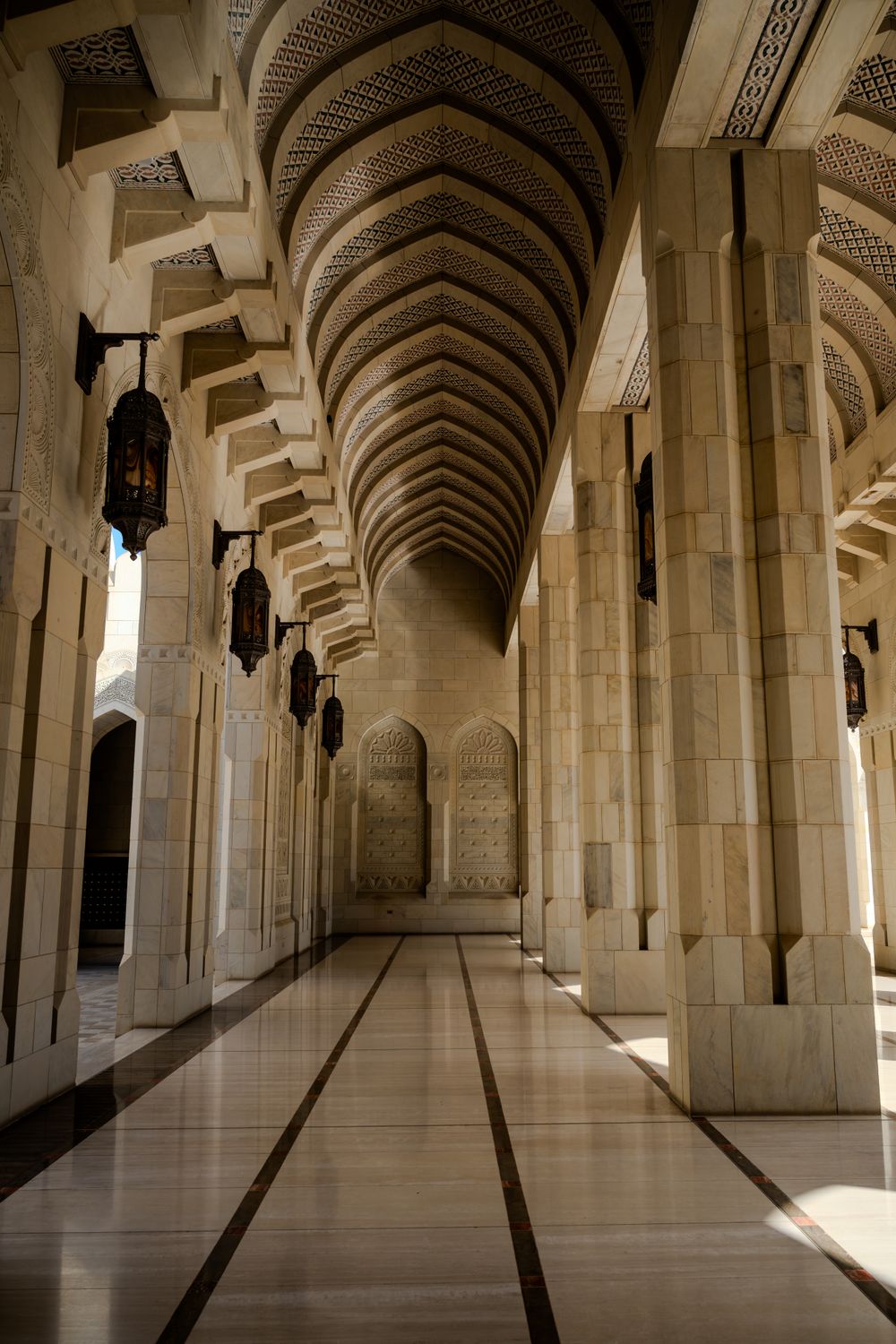
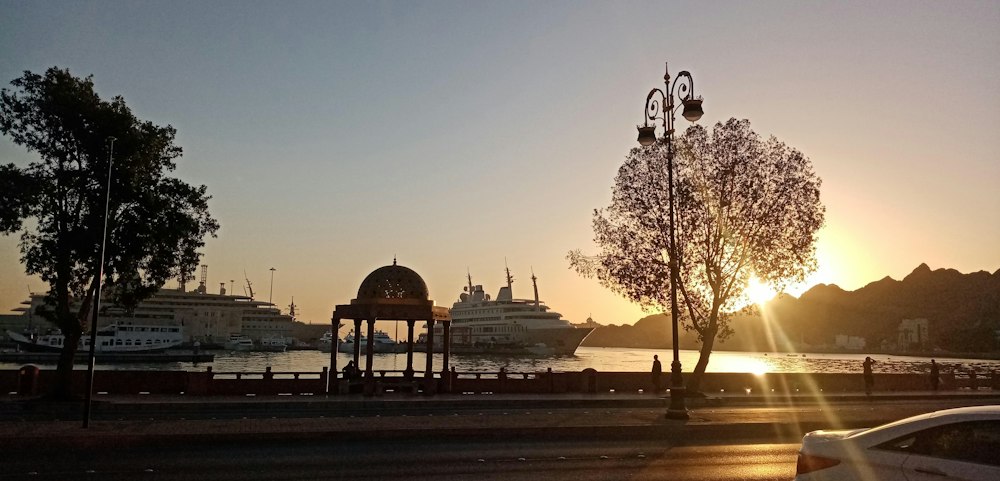
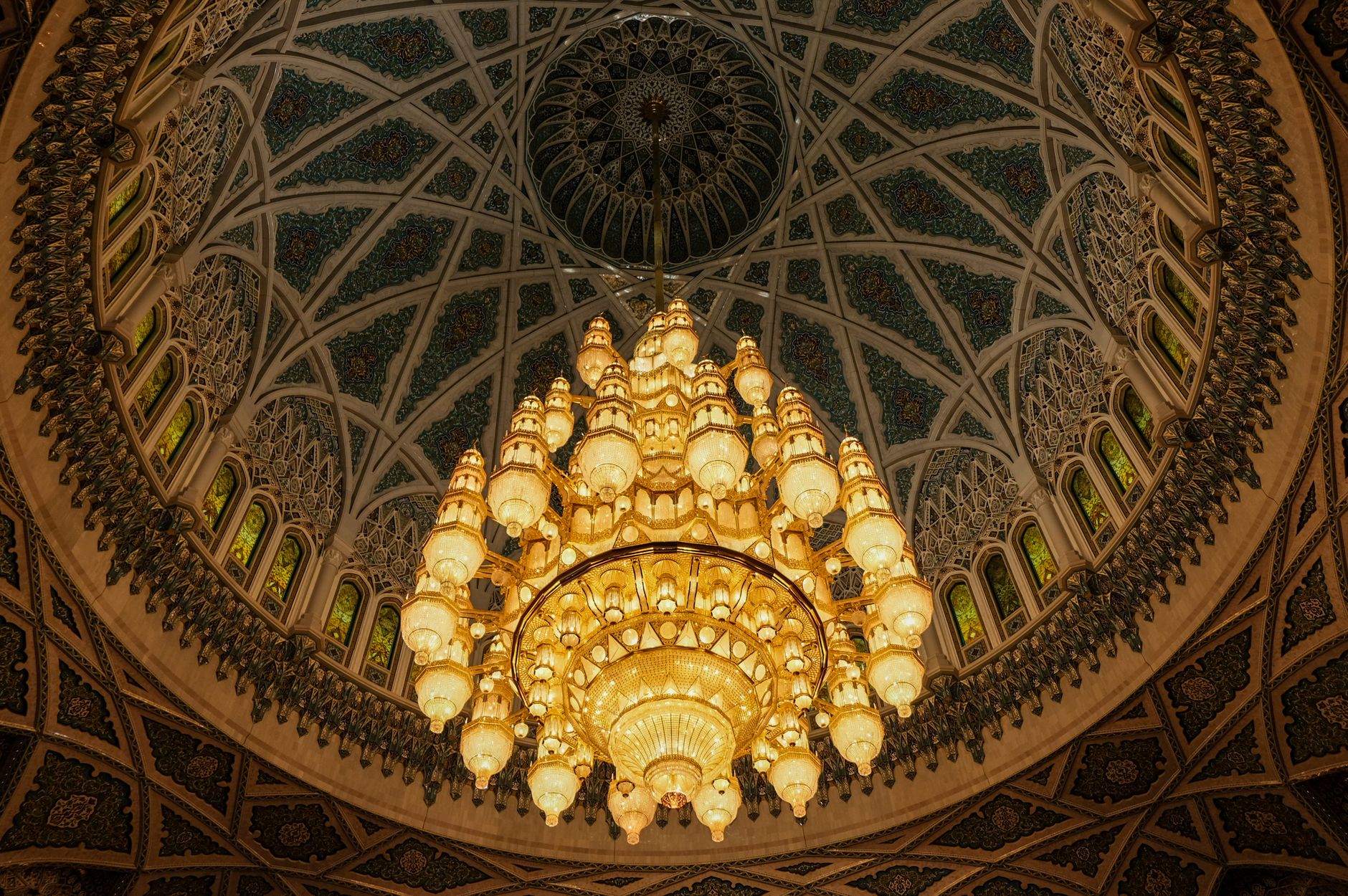
Muscat, the hub the loop begins and ends in, keeps to the same low key. The Sultan Qaboos Grand Mosque hangs a chandelier of some 600,000 crystals over a hand-woven carpet that was, when it was laid, the largest in the world. The dress code is strict, and women must be fully covered and wearing a headscarf to enter. Along the corniche the Mutrah souq runs back from the water in a warren of covered lanes, heavy with frankincense, silver and cloth.
Out on the east cape, the reserve at Ras al Jinz guards a beach where green turtles haul ashore to nest. Guided viewings run at dawn and after dark, must be booked ahead, and peak between May and September. The rest of the loop, Muscat, Bimmah, Wadi Shab, Sur, Ras al Jinz, the Wahiba, Nizwa, Misfat and Jebel Shams, is a week to ten days of good road that a two-wheel-drive covers, with a 4x4 needed only for the desert transfer and the high mountains. The season to drive it is October to March. Summer is brutal everywhere but Salalah in the far south, where the khareef monsoon greens Dhofar between June and September. Dress modestly, keep the drinking to licensed hotels, and the loop takes care of itself.