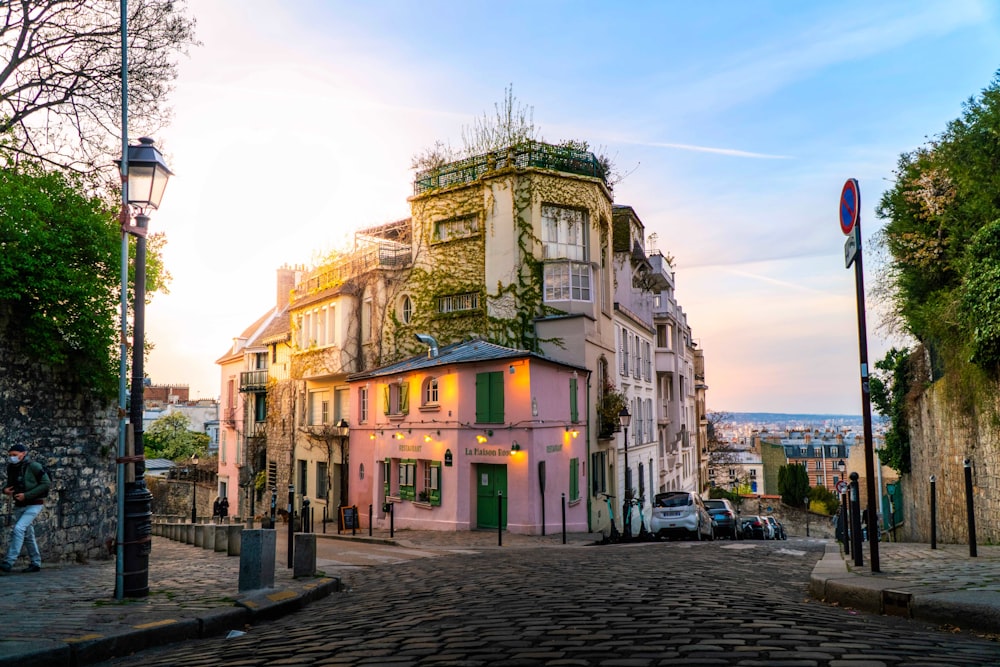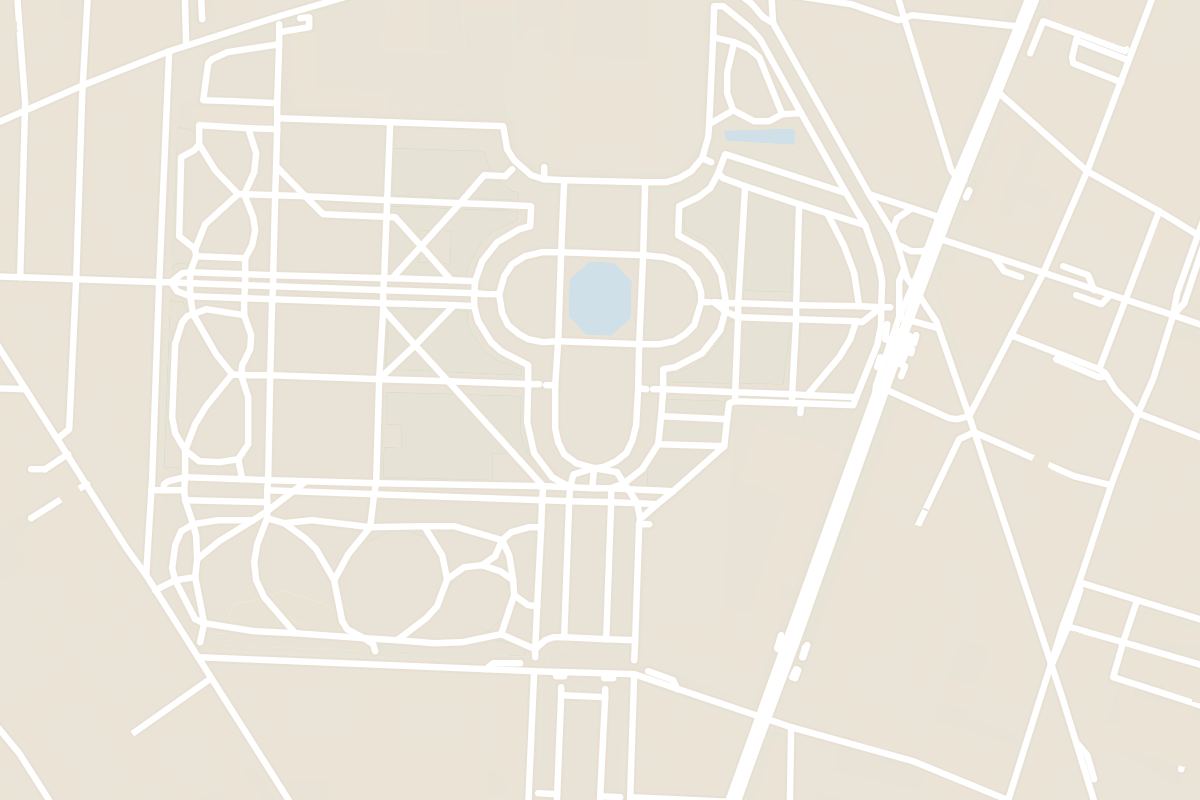
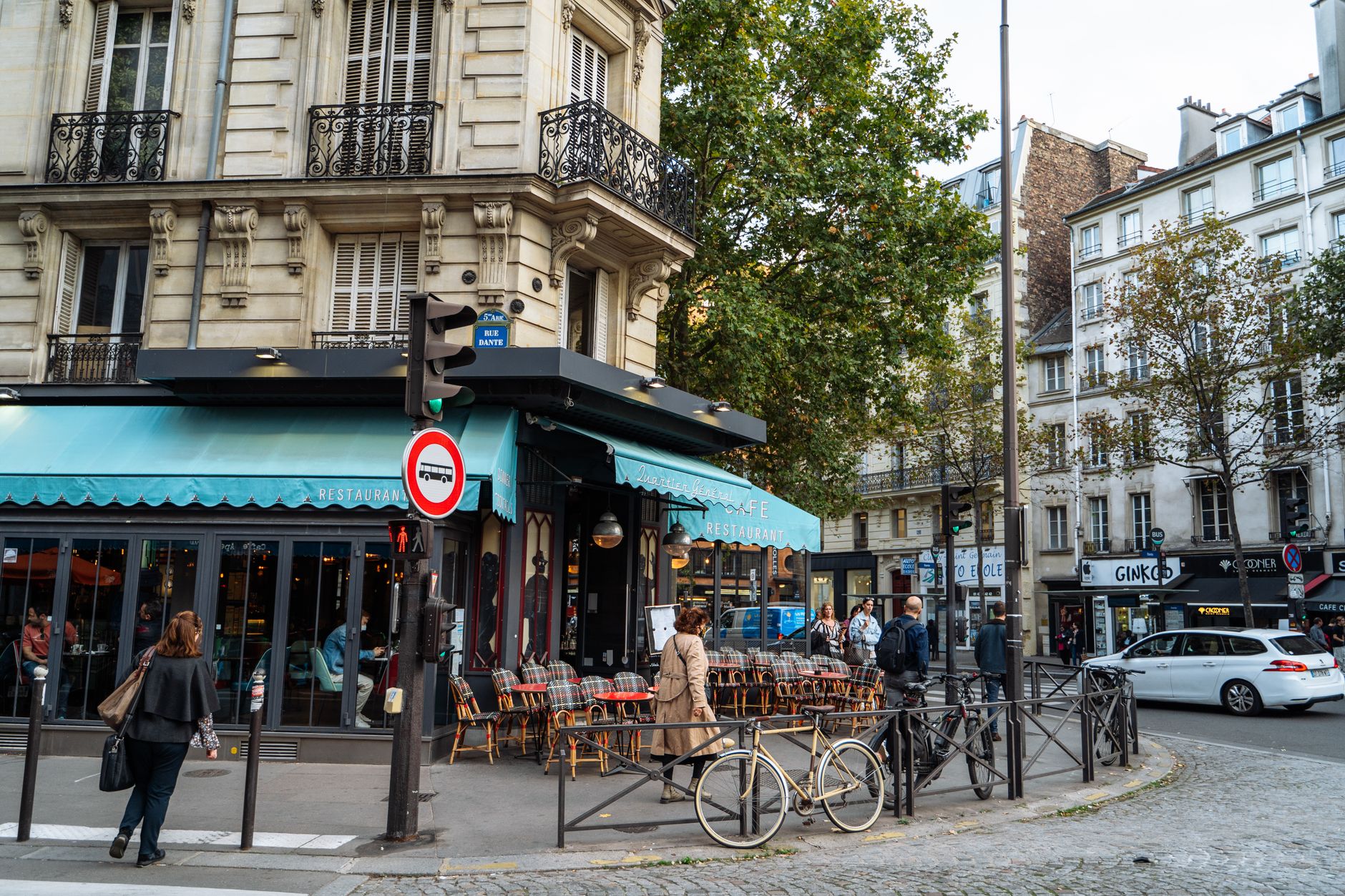
Paris is a small city for its fame. You can cross the middle of it on foot in an afternoon, from the hill of Montmartre down to the gardens of the Luxembourg, and the whole way it holds to one register: six storeys of cream stone, grey zinc roofs, tall windows and iron balconies, a city built almost all at once in the nineteenth century and kept, by careful rule, from changing much since. That evenness is the quiet luxury of the place. It is what makes the light so soft and the streets so easy to read, and it is why a plain corner in Paris can hold you as surely as any monument.
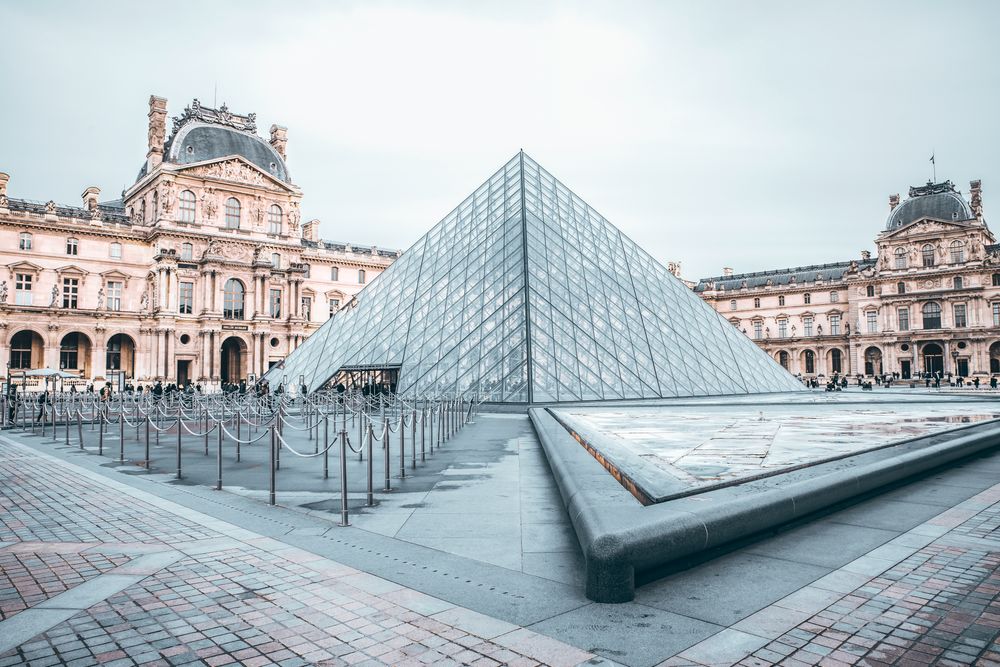
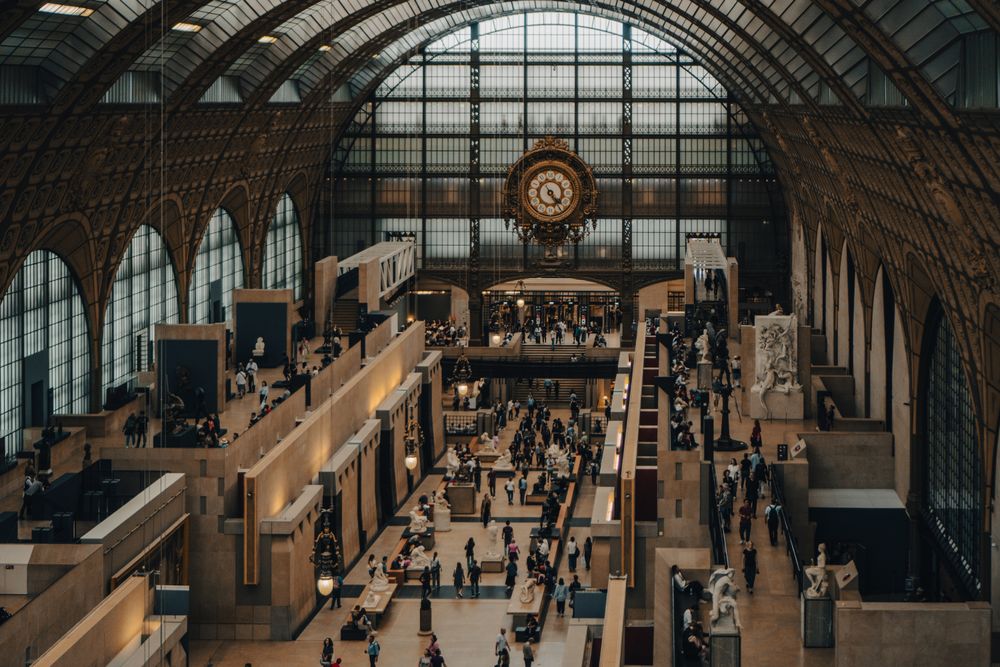
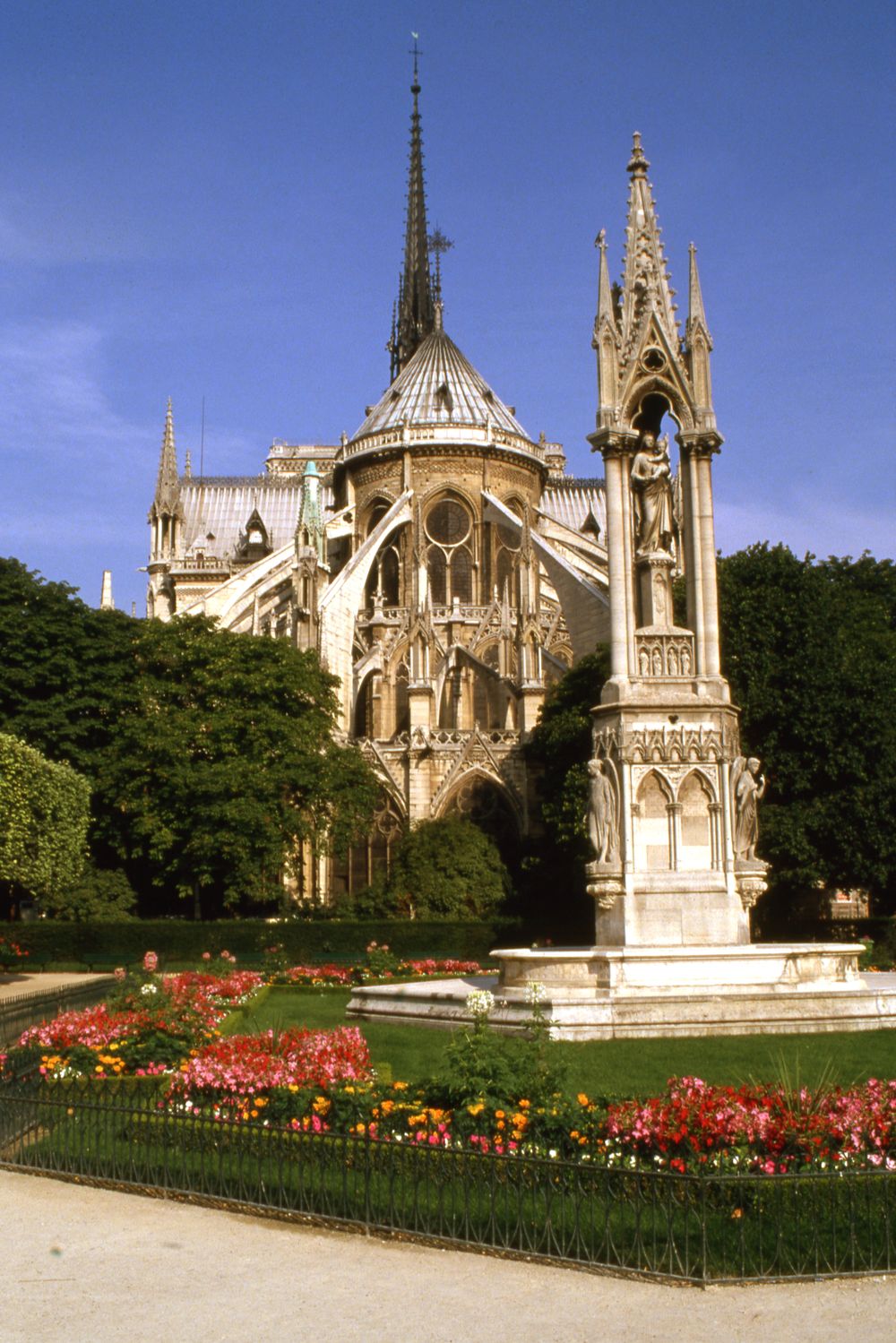
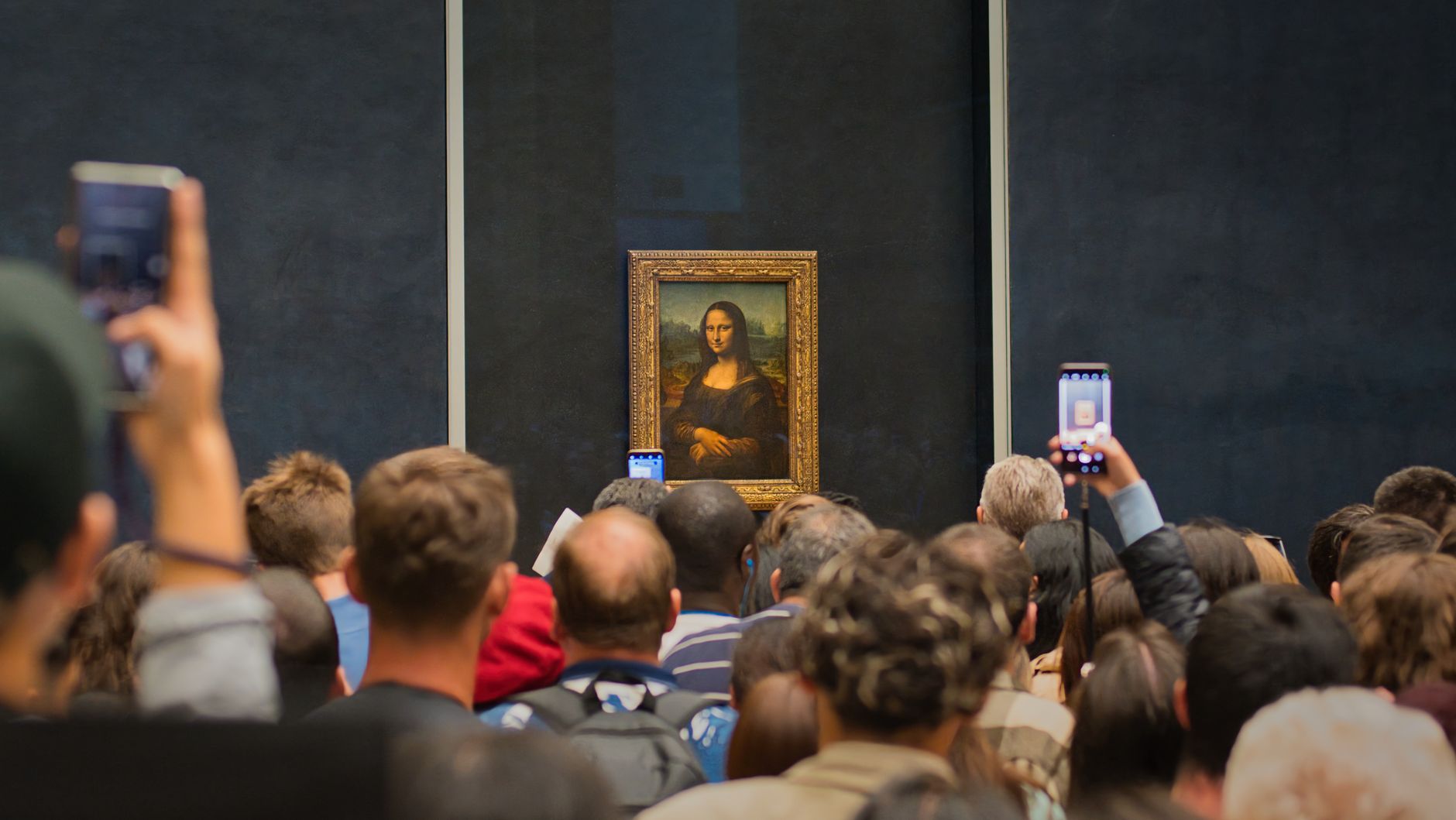
The famous sights are worth the time they ask, and they reward a little planning. The Louvre repays a morning and a short list: choose two or three things to see, walk to them, and leave before the crowds thicken. The Mona Lisa draws the largest crowd in the building, so see it early or make your peace with a glimpse over a field of raised phones, then spend the freed hour in the near-empty galleries of the same museum, which are among the finest anywhere. Book the timed places ahead, the Orsay, the Sainte-Chapelle, the towers of Notre-Dame, and the days open up into the city rather than into its queues.
What the city is really for reveals itself the moment you sit down. A Paris cafe rents you a chair on the pavement and the right to keep it as long as you like over one small coffee, the tables turned to face the street because the street is the entertainment. This is the local method rather than idleness: you take a terrace in the late morning or the hour before dinner, order simply, and watch the city pass. Choose one a street back from the big sights, where the prices soften and the tables fill with people who live nearby, and you have found the best seat in Paris.
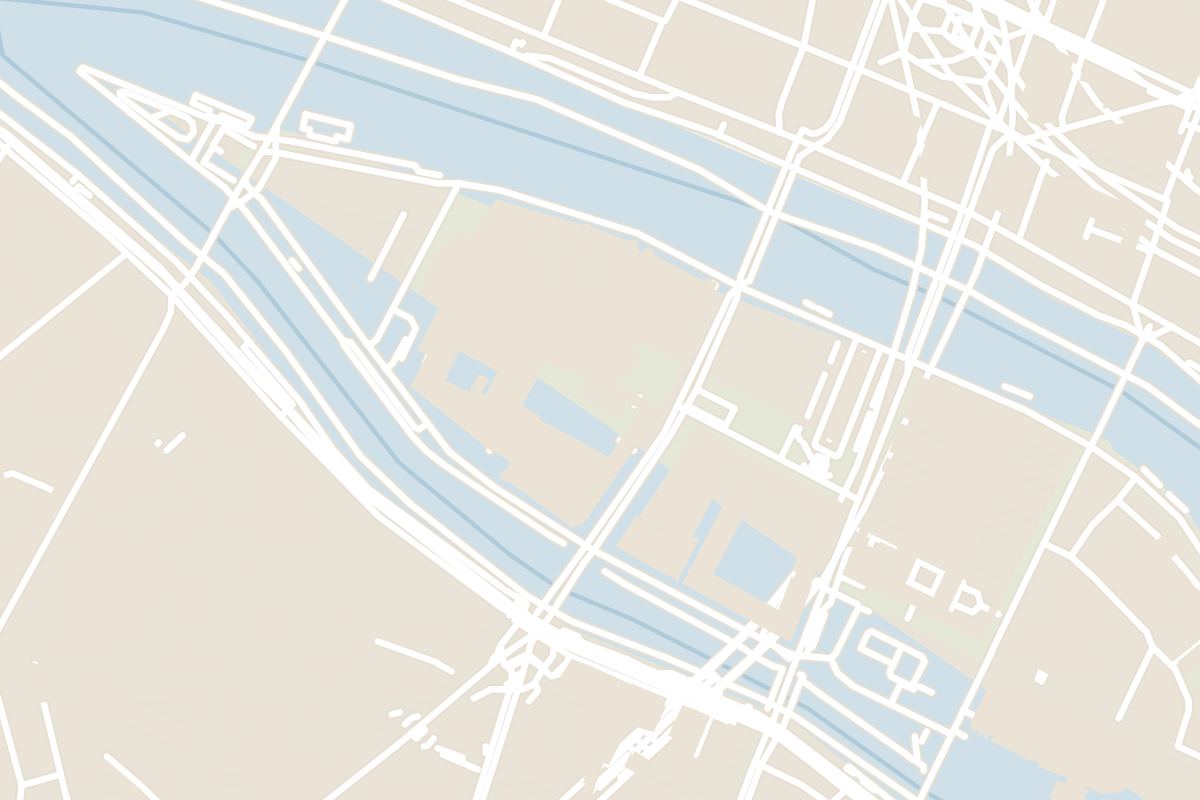
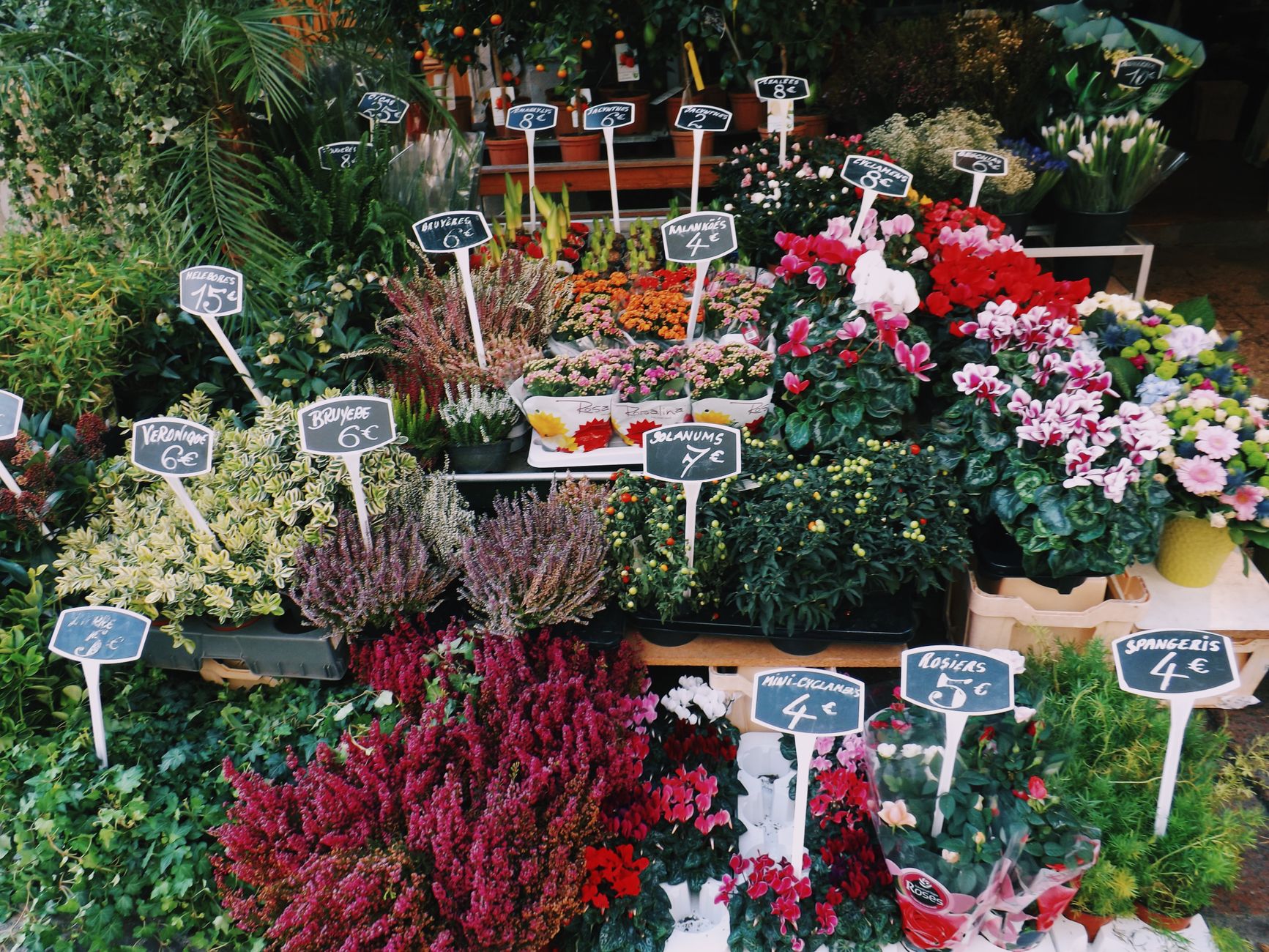
The Seine is the city's spine, and its banks are a long public garden. Walk the quays instead of the boulevards where you can, and cross by the footbridges. The two islands in the middle of the river, the Ile de la Cite and the Ile Saint-Louis, hold the oldest streets, an afternoon of ice cream and quiet lanes, and, beside Notre-Dame, the Marche aux Fleurs, a small covered market of plants and cut flowers under iron and glass that is one of the gentlest corners in the city. You can buy nothing and it is still worth the walk.
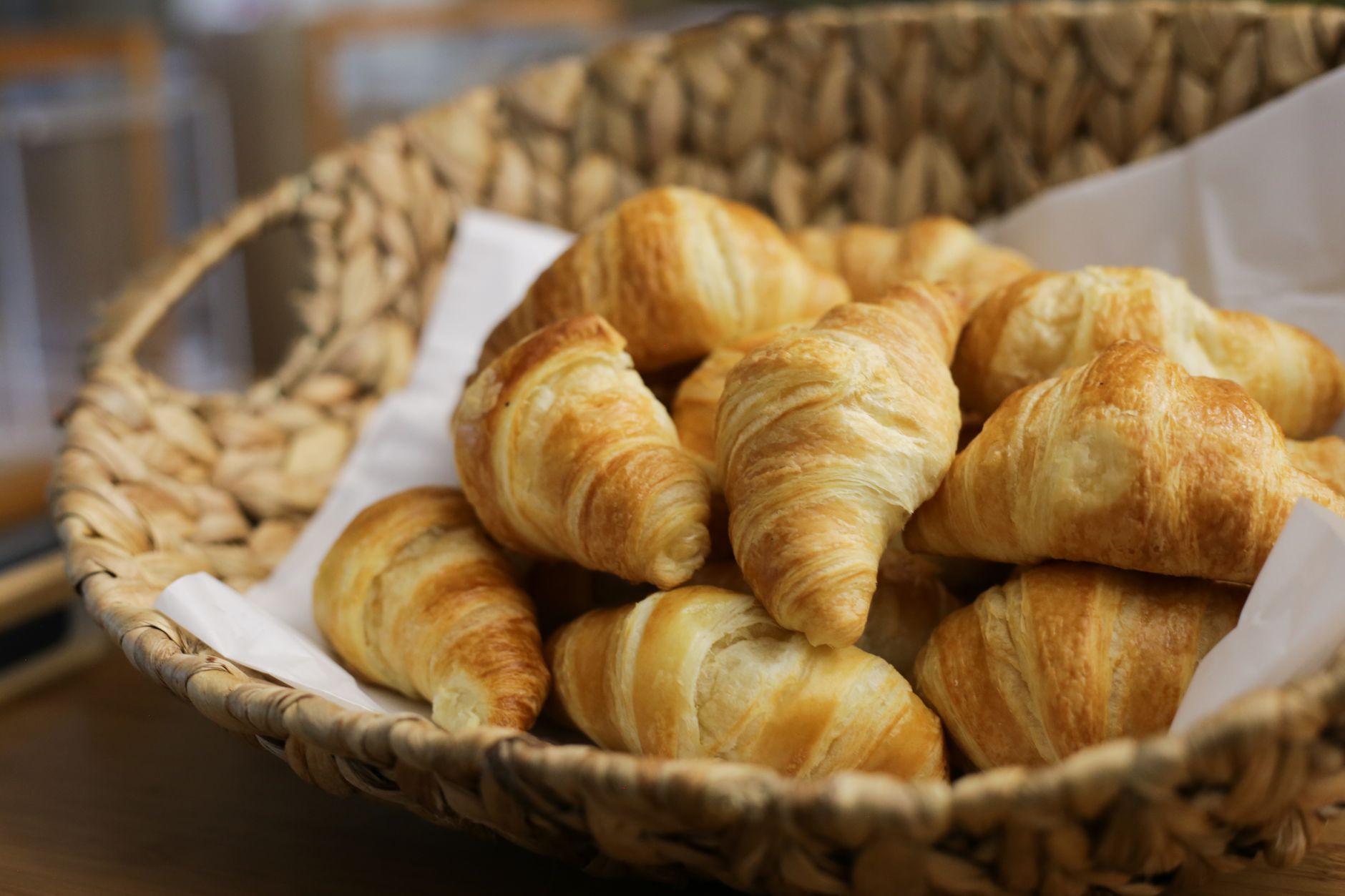
Paris keeps its parks like drawing rooms. In the Jardin du Luxembourg the green metal chairs are free to move and free to take, and half the city spends a Sunday reading in them around the fountain. The markets are the other daily pleasure, the roving ones that fill a boulevard two mornings a week and the covered halls that stand every day, where a good lunch, bread and cheese and fruit and a small pastry, costs about the price of a sandwich and is best eaten in the nearest square.
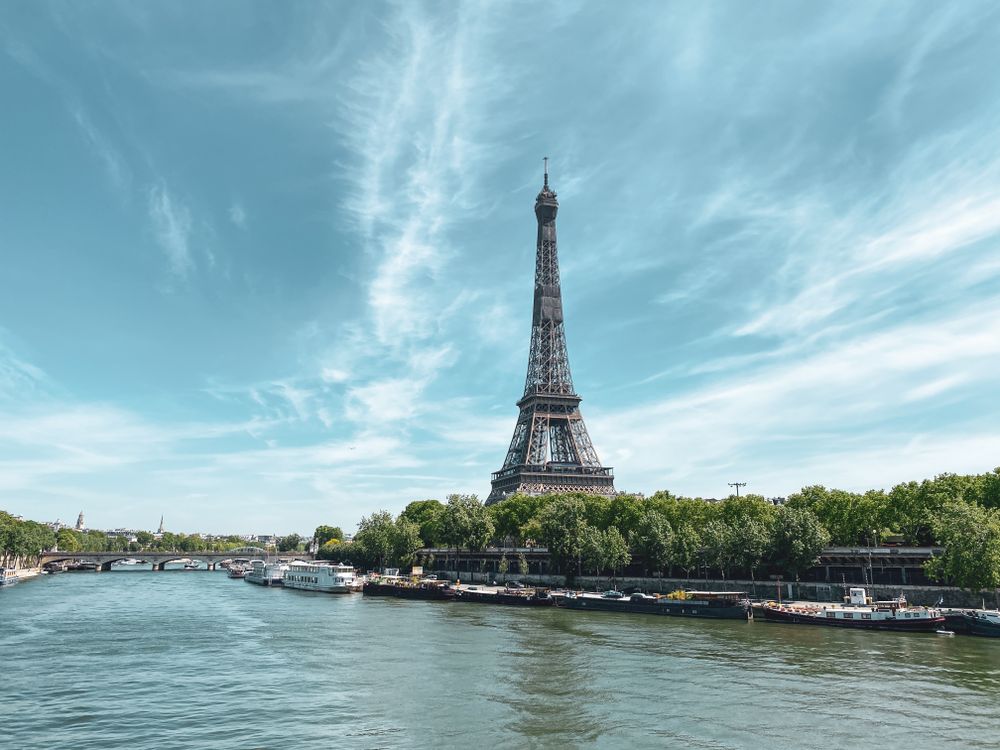
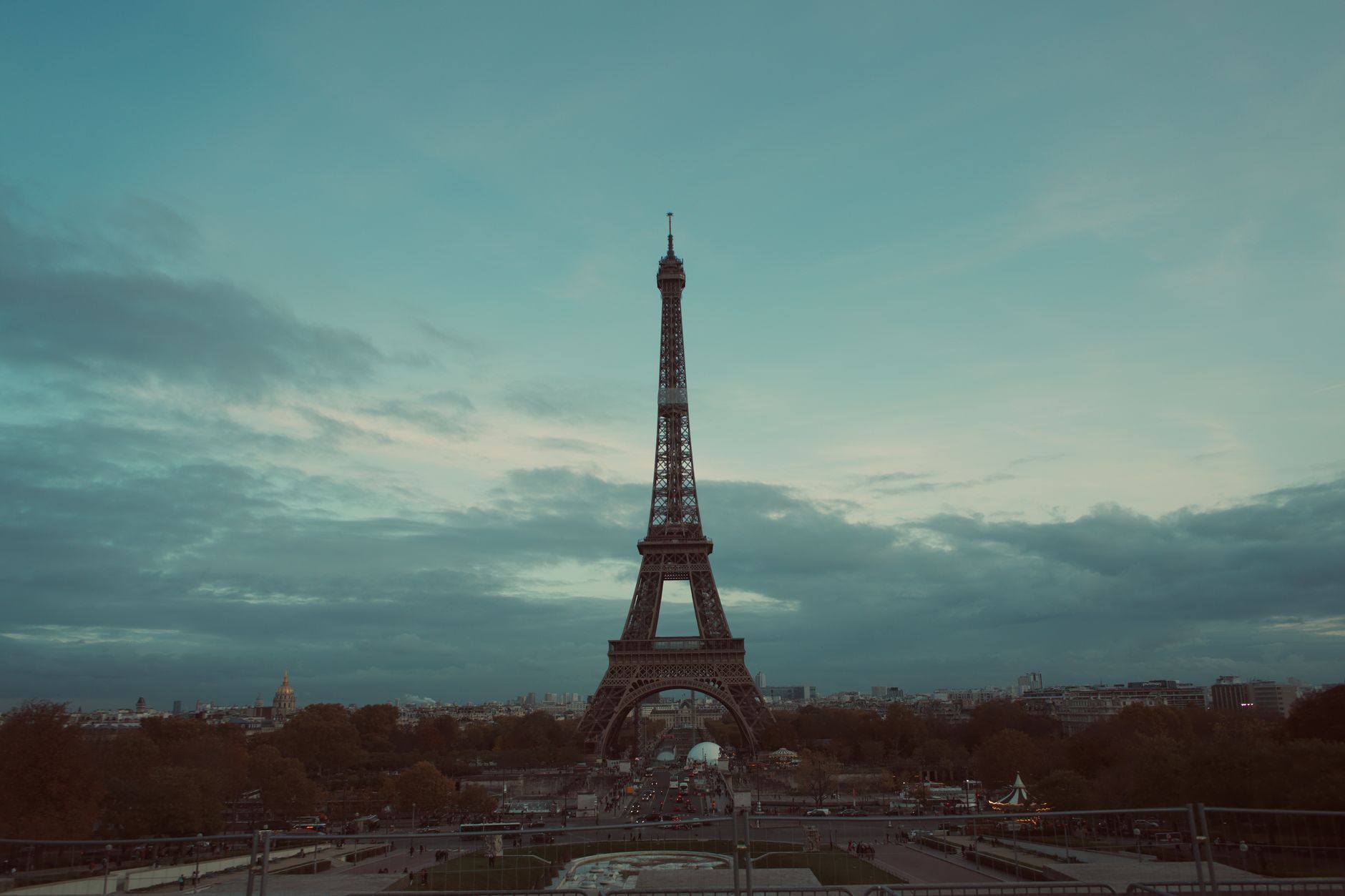
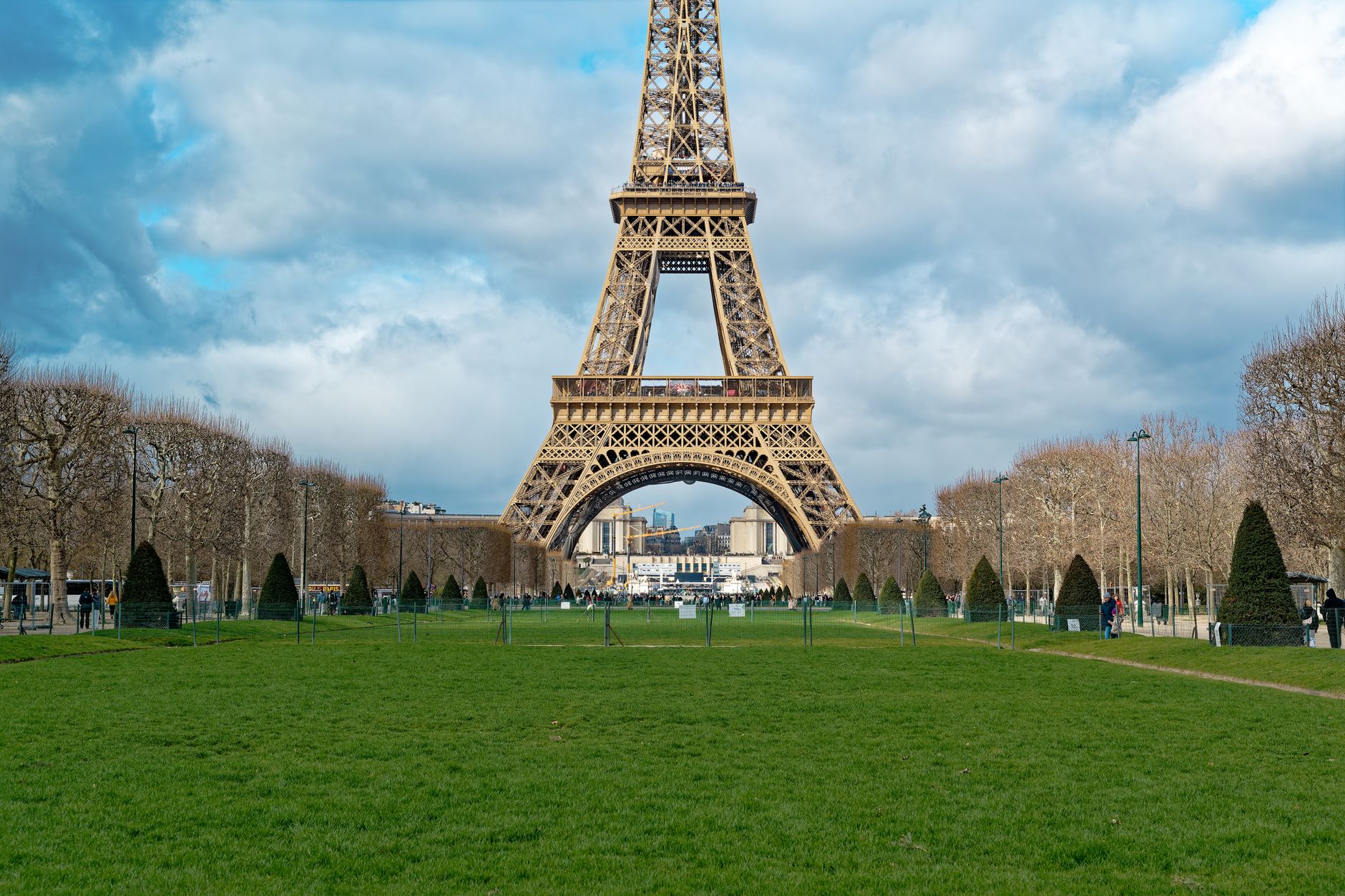
In the evening the city softens further. The Eiffel Tower is worth going up once, but the finer hour with it costs nothing: take some bread and cheese to the lawns of the Champ de Mars as the day cools, and watch it light gold and then, on the hour after dark, break into five minutes of sparkle. Across the whole city the stone turns from cream to honey in the last light before dusk, and that is the hour Paris looks most like the idea people carry of it.
None of this needs much arranging, which is the ease of the place. Book the two or three sights you truly want to see, and leave the rest of the days loose: a terrace, a market, a walk along the river, an hour in a park chair in the sun. Paris fills unplanned time better than almost anywhere, and those are usually the hours you carry home.