Dispatches About Get the App
Romania  ·  45.66°N 25.60°E

The Famous Dracula Castle Is the One to Skip

Written by Meridian Dispatch  ·  10 July 2026

An honest verdict on Romania's castles: which ones earn the drive, which one to skip, and where the real Vlad the Impaler actually stood his ground.


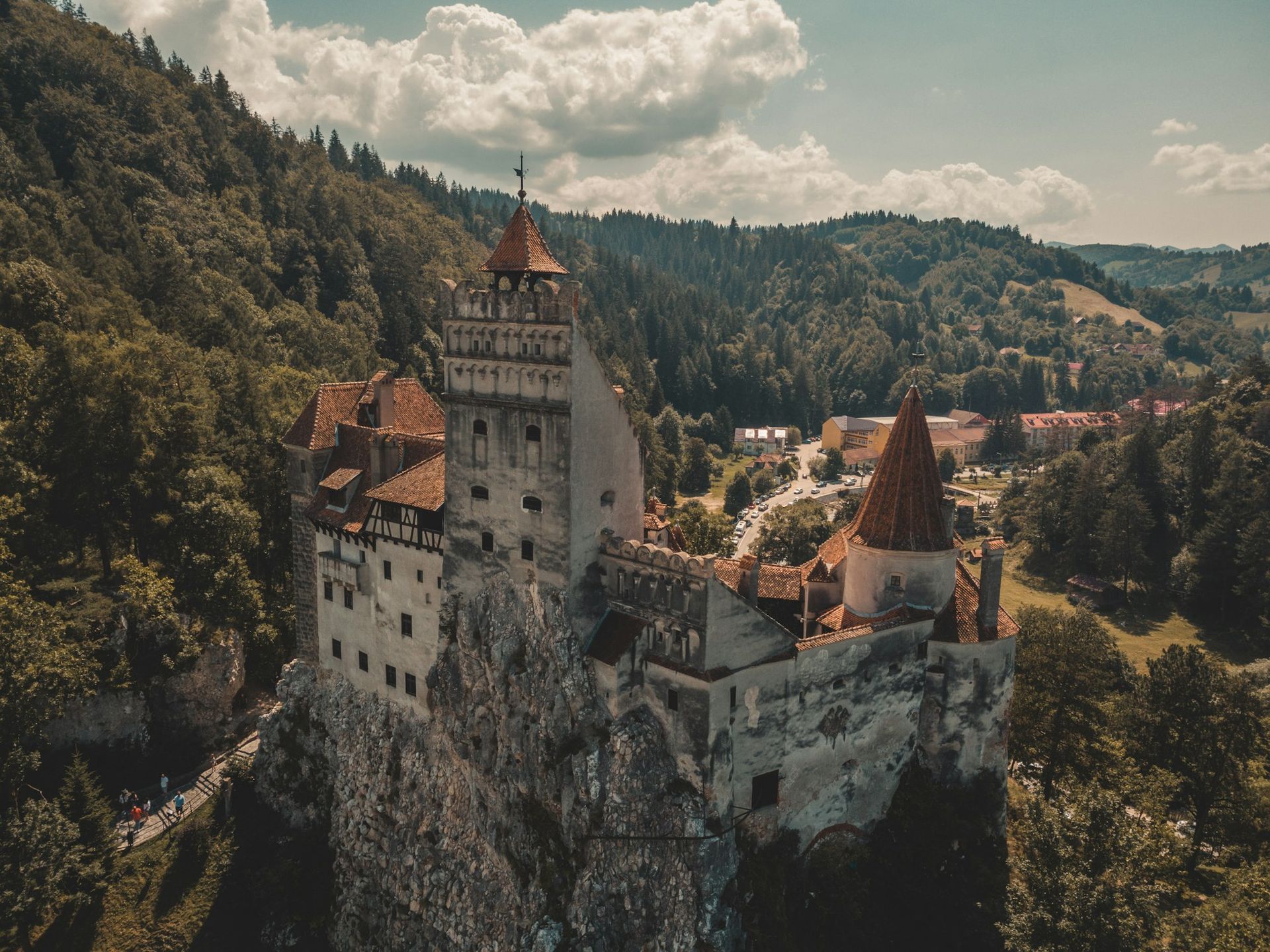
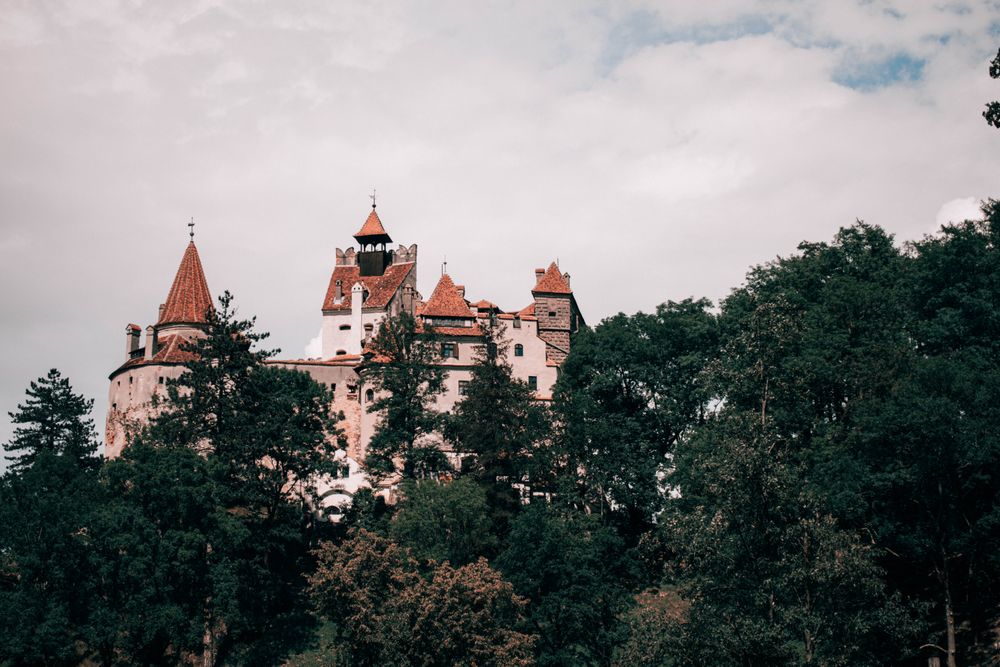
Most people come to Romania for one castle, and it is the wrong one. Bran, near Brasov, is sold the world over as Dracula's castle, but the connection is largely invention. Bram Stoker never set foot in Romania and wrote his novel from London. The historical Vlad the Impaler ruled Wallachia, south of the mountains, and almost certainly never lived at Bran and may never have visited. The castle with his face on the souvenir mugs is the one place he had least to do with.

That does not make Bran worthless, but it does make it the weakest stop on a strong list. It is a small, handsome fourteenth-century customs fort whose furnished rooms mostly reflect Queen Marie, who used it as a royal residence in the 1920s. It also draws around a million visitors a year, and it feels like it: tour buses fill the lot, the narrow stairwells jam shoulder to shoulder in summer, and the approach is a gauntlet of stalls selling vampire T-shirts and "Dracula wine". Go at opening or off-season, keep expectations low, and it is a pleasant hour. Go at midday in July and it is the trip's low point.
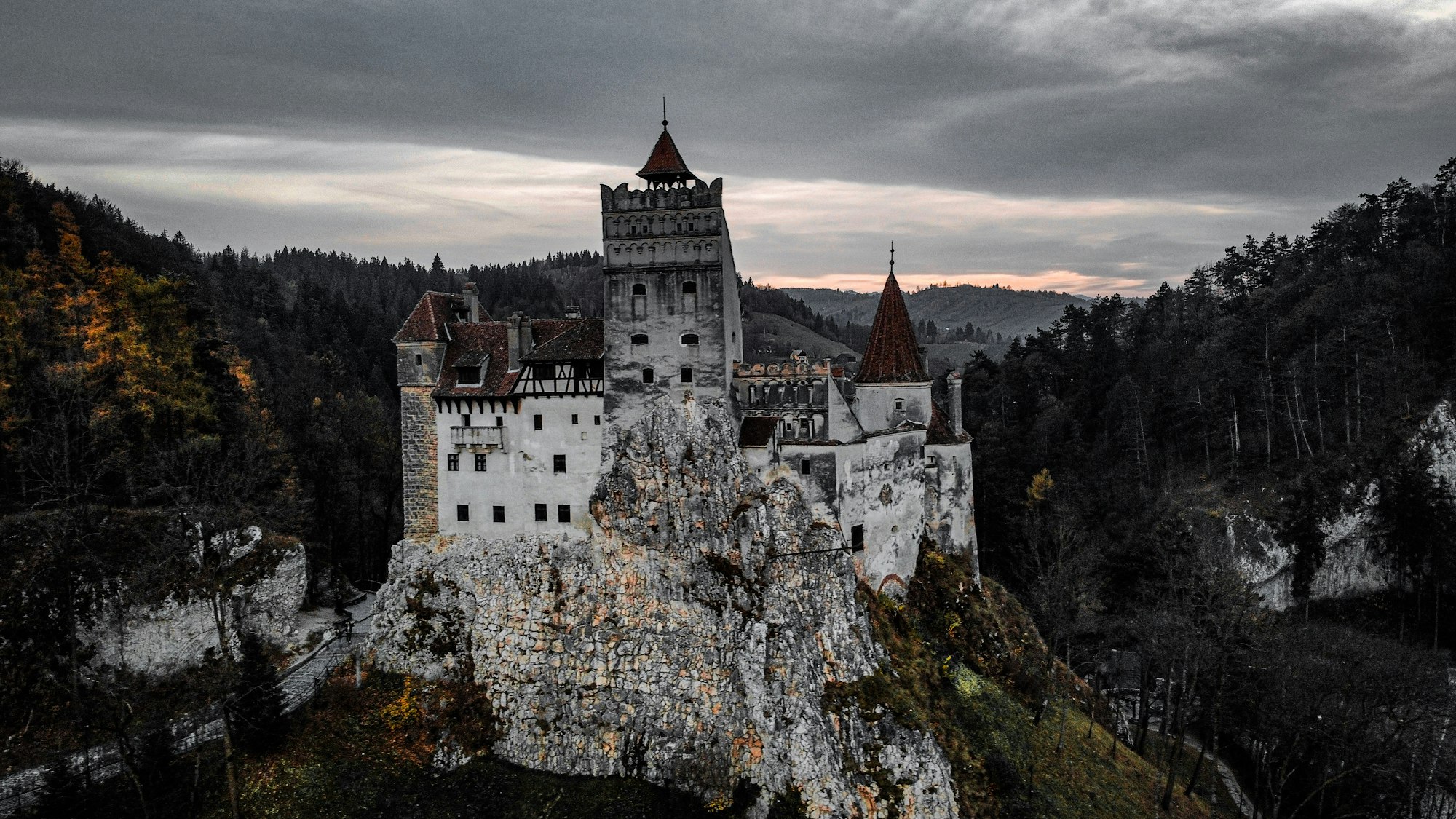
Bran Castle, a whitewashed fortress on a rock near Brasov, Romania
Bran, the famous one, and the letdown

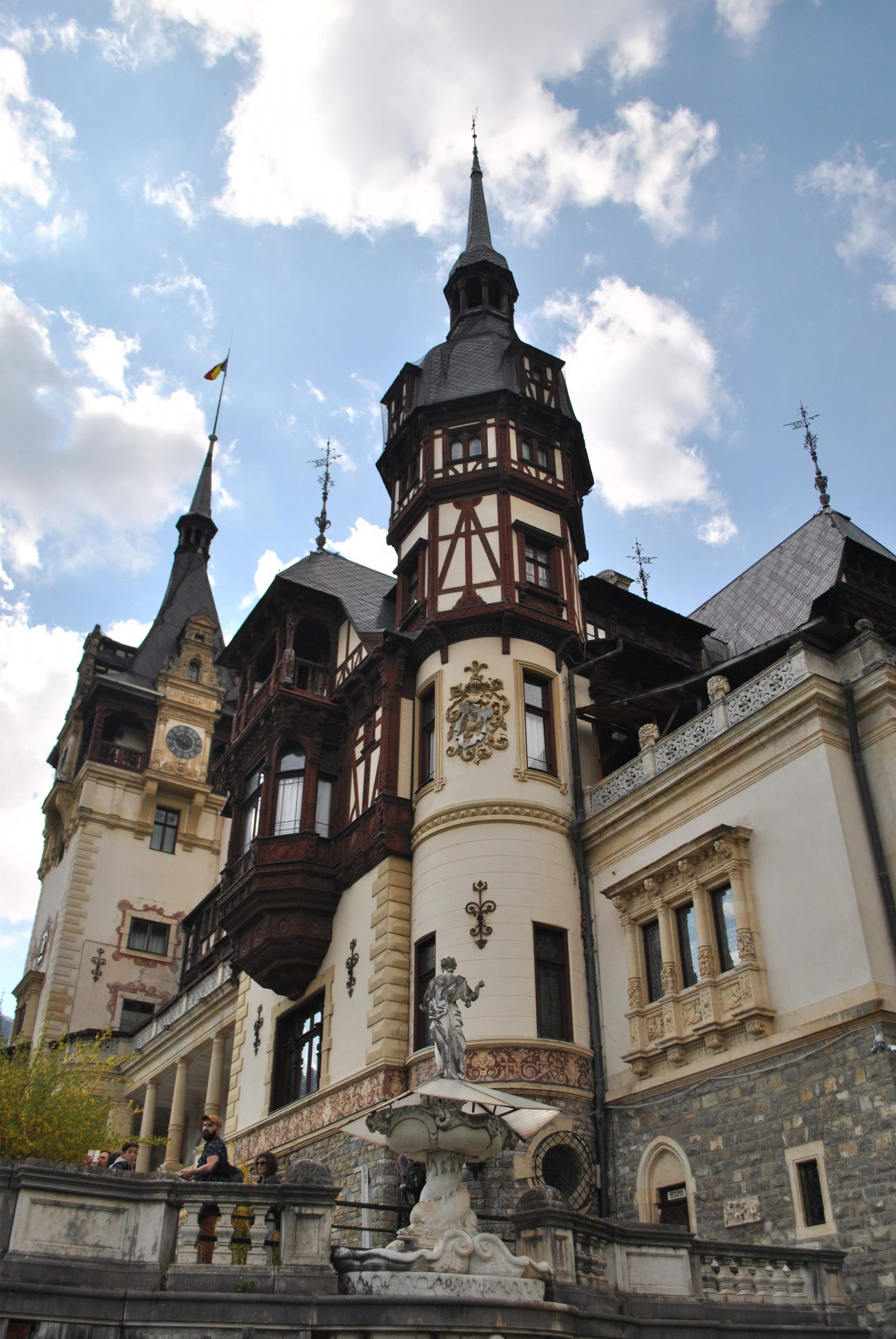
The castle that earns its fame is Peles, in the mountain town of Sinaia. It is worth saying plainly that it is not medieval: it is a neo-Renaissance royal palace, built for King Carol I and finished in 1914. Inside are some 160 rooms, carved-wood ceilings, a library with a hidden passage, a hall holding roughly four thousand weapons, and a concert hall with a working pipe organ. Entry is by guided tour only, and there is a separate photo permit that the staff enforce. It is busy, and it is the one castle almost everyone agrees is worth the queue.
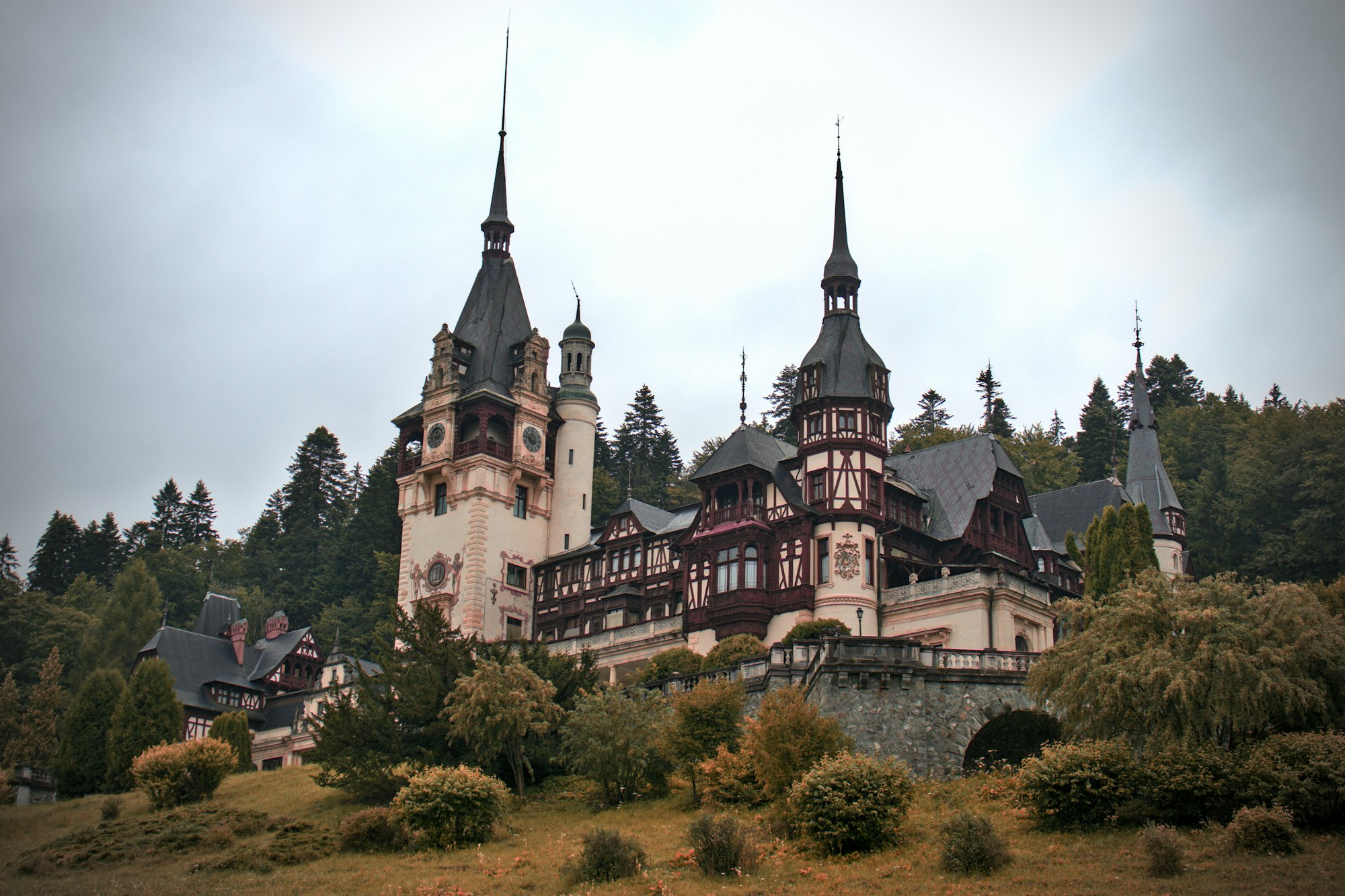
Peles Castle, an ornate royal palace among forested mountains at Sinaia
Peles, the palace that earns it

The sleeper is Corvin, at Hunedoara. This is the genuine article that Bran only pretends to be: a real fifteenth-century Gothic fortress, expanded from the 1440s by John Hunyadi on an older keep, with a wooden drawbridge over a moat, a Knights' Hall, towers, and a torture chamber. It is the most dramatic castle in the country and, because it sits about 270 kilometres from Brasov beside an old steelworks, it is also the least crowded. That distance is exactly why most Bran-and-Peles day-trippers never see it, and exactly why it is worth the detour.
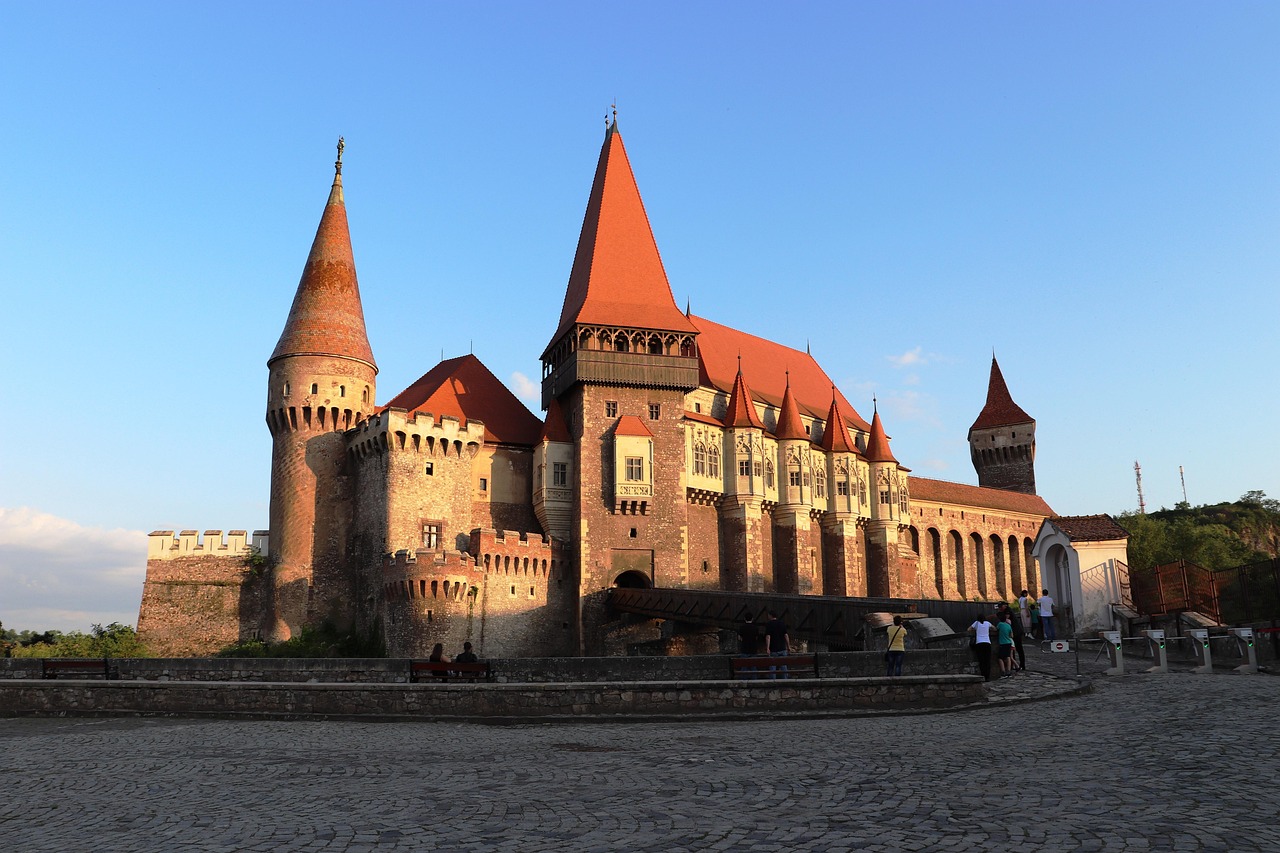
Corvin Castle, a gothic fortress with a wooden bridge over a moat at Hunedoara
Corvin, the gothic sleeper
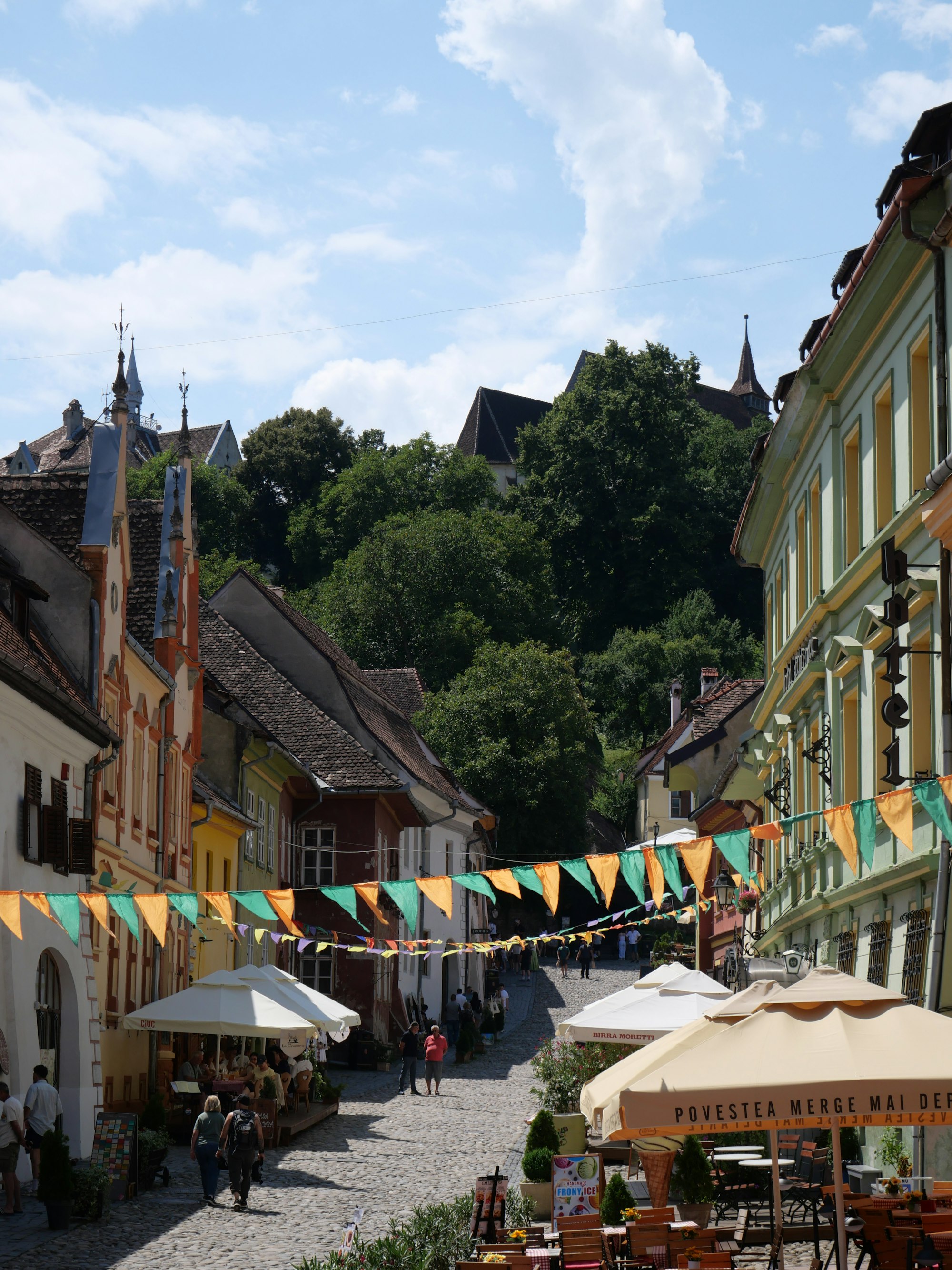
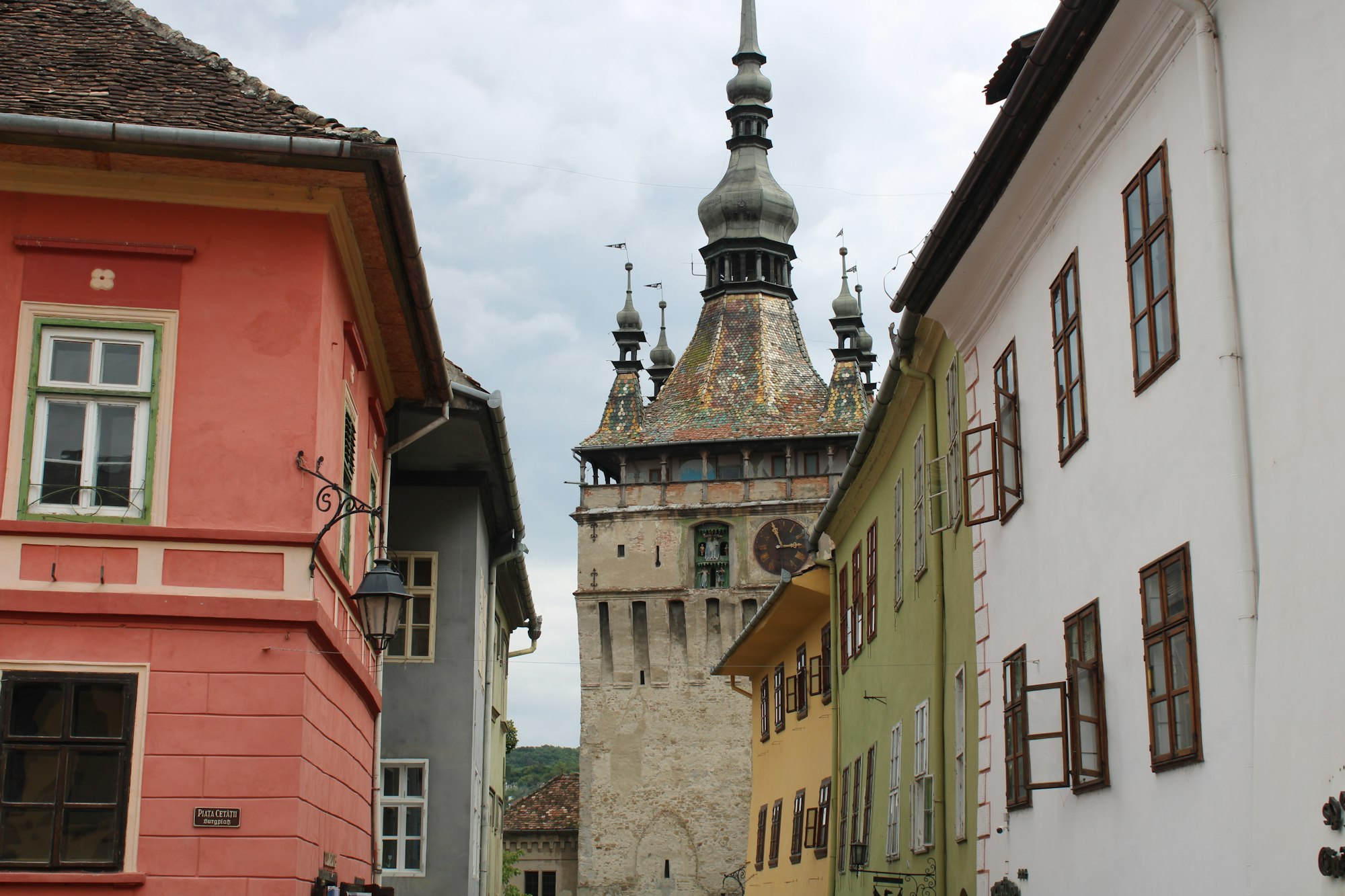
The medieval clock tower and citadel of Sighisoara
Sighisoara, where Vlad was born

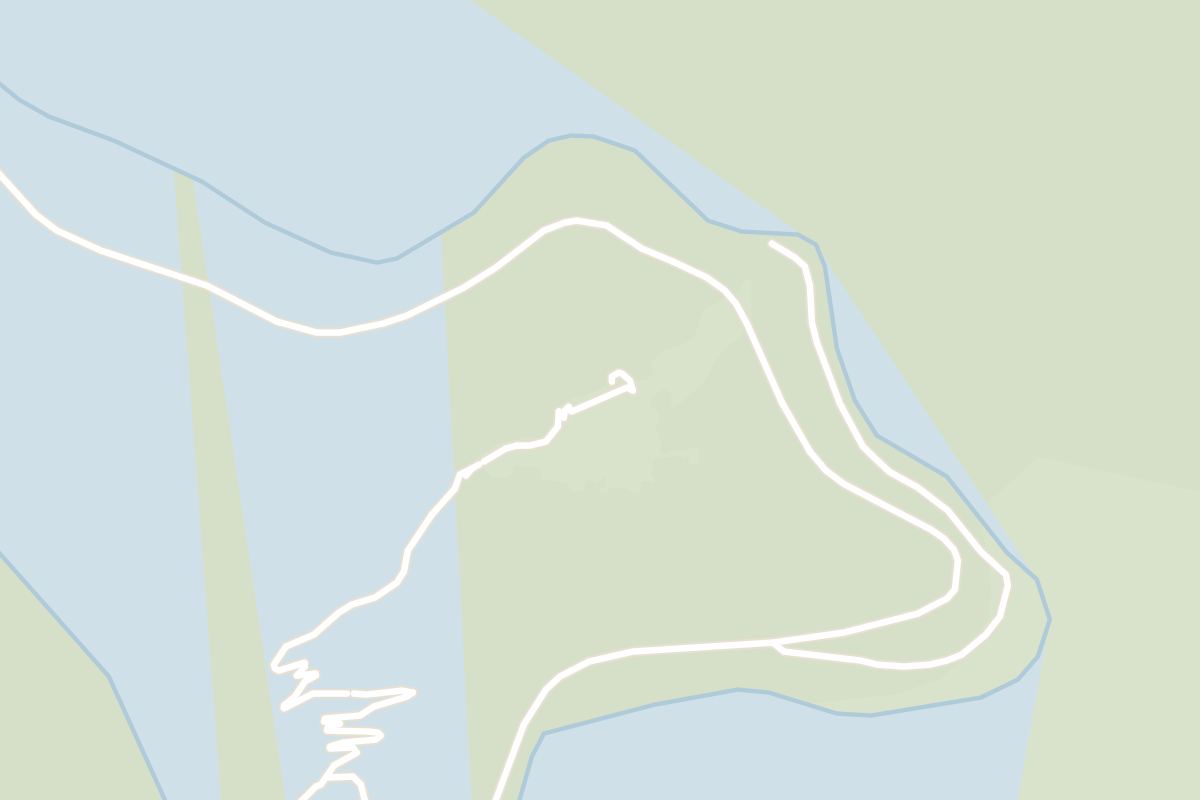
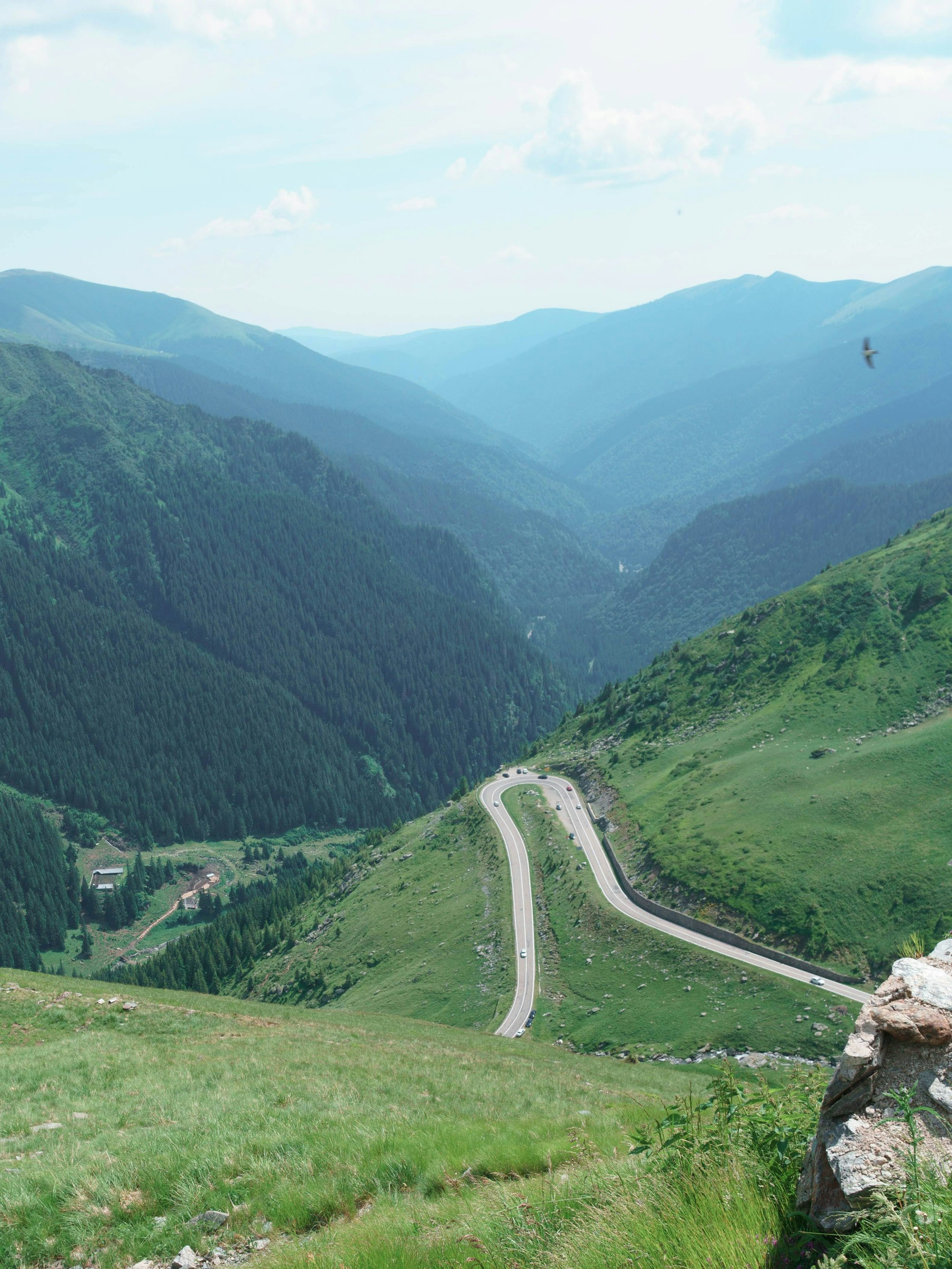
The real Dracula pilgrimage is Poenari, and hardly anyone makes it. It is not a furnished castle but a ruin on a rock spur above the Arges gorge, and it is the fortress Vlad the Impaler actually held, repaired around 1457 and used as his guerrilla base against the Ottomans in 1462. Reaching it means climbing 1,480 concrete steps, a stiff half-hour up through forest now strung with barbed wire to keep the bears off the path. At the top are broken walls, a few grim re-enactment figures, and a view down the gorge toward the Transfagarasan. It is far more connected to the real story than anything at Bran, and on most days you will have it nearly to yourself.

The castle with Vlad's face on the mugs is the one he never lived in. The one he actually held is a ruin almost nobody climbs to.
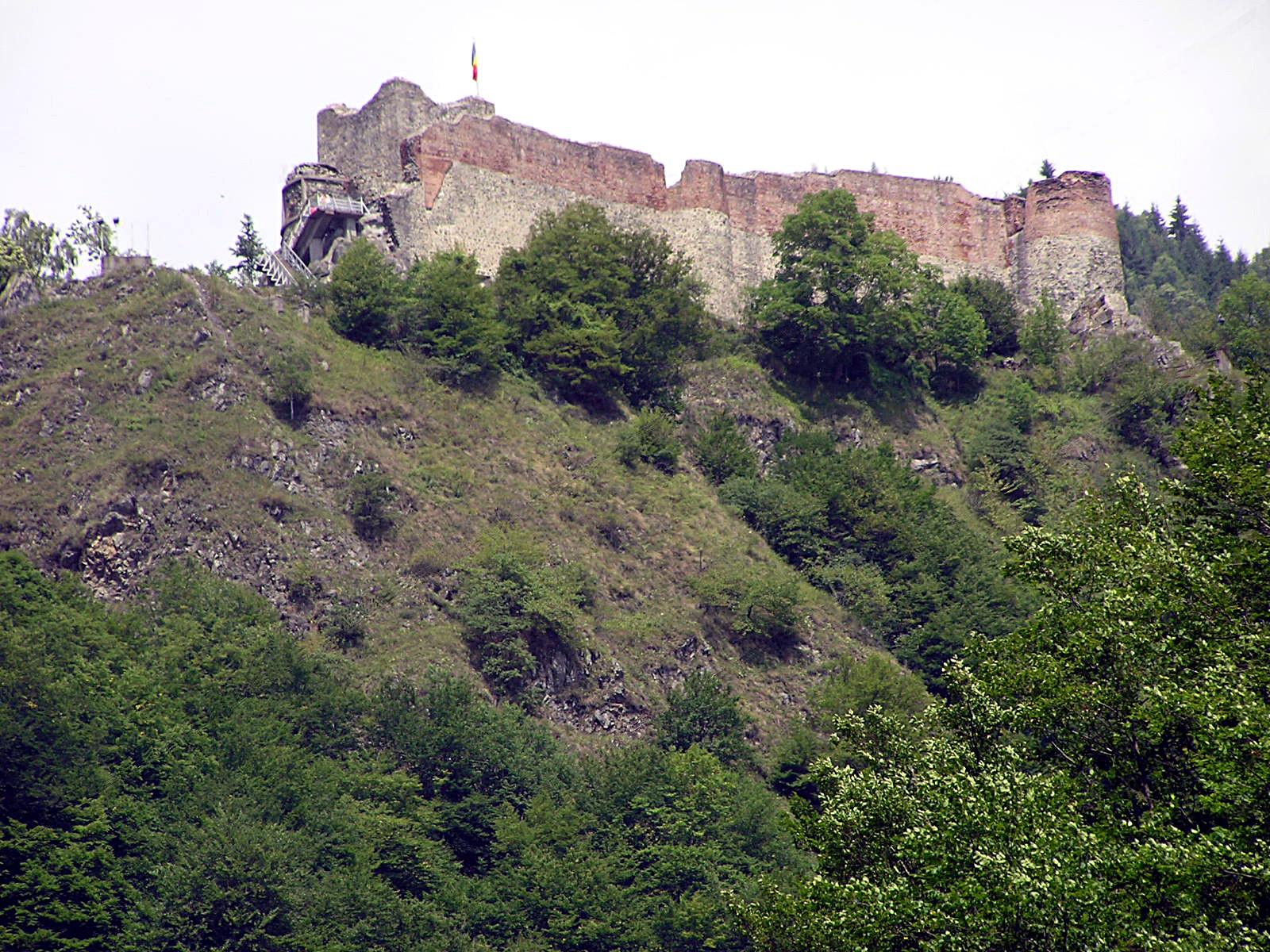
The ruined walls of Poenari Citadel on a crag above the Arges gorge
Poenari, the real Vlad fortress, up 1,480 steps

The last piece of the true story is Sighisoara, a UNESCO-listed medieval citadel that is a living town rather than a museum, with cobbled lanes, a covered stairway up to the hill church, and a fourteenth-century clock tower whose figures turn on the hour. Vlad was reputedly born here around 1431; the house is now a restaurant. It is the most atmospheric overnight on the route, best after the day-trip buses leave and the cobbles empty out.

Put the verdicts together and the loop falls into place from a base in Brasov: Peles for the palace, Corvin for the drama, Poenari for the history, Sighisoara for the evening, and Bran only if you are passing and get there early. A car makes it possible; Corvin, Poenari and the mountain roads are awkward to impossible by public transport. Come in May and June or September and October for thinner crowds, with one catch: the Transfagarasan, the high road to Poenari's end of the country, only opens in the warmer months, so a loop that includes the drive wants high summer despite the crowds. Skip the one castle everyone photographs, and Romania turns out to have a much better set behind it.
Plan a similar trip

The itinerary

Fly into Bucharest, rent a car, and base in Brasov. Give it five days for the full loop. Come in late spring or early autumn for thinner crowds, but note the Transfagarasan to Poenari is only open in the warmer months.

  1. Day 1

    Bucharest to Peles to Brasov

    Drive up from Bucharest to Sinaia for Peles and Pelisor, then carry on to Brasov, the base for the next two nights.

    Travel

    Bucharest to Sinaia about 2 hours, then Sinaia to Brasov about 45 minutes

    Peles is guided-tour only and closed Mondays and Tuesdays; buy the photo permit if you want to shoot inside.

  2. Day 2

    Bran, early

    The famous Dracula castle, best at opening before the buses. Pair it with the Brasov old town rather than a full day.

    Travel

    Brasov to Bran about 30 minutes on the DN73

    Rasnov fortress on the same road is under renovation; check before routing through it.

  3. Day 3

    Sighisoara

    The medieval citadel and Vlad's reputed birthplace. Stay the night for the empty cobbles after the day trippers leave.

    Travel

    Brasov to Sighisoara about 2 hours

  4. Day 4

    Corvin, via Sibiu

    The gothic fortress at Hunedoara, the dramatic one most people miss. Break the drive in Sibiu, a fine old town in its own right.

    Travel

    Sighisoara to Sibiu about 2 hours, Sibiu to Hunedoara about 1.5 hours

  5. Day 5

    Poenari, over the mountains

    The real Vlad fortress up 1,480 steps, reached over the Transfagarasan, then the drive back down to Bucharest.

    Onward

    Over the Transfagarasan to Poenari, then to Bucharest, a long full day

    The high road is snow-closed outside the warmer months; take the valley route if it is shut.

← All dispatches
Keep exploring

More dispatches

Meridian Dispatch for iPhone

A travel journal that
writes itself.

Your best memories, journaled automatically, from the photos already on your phone. The app reads your photo library, finds the international trips you have taken, identifies the venues, writes the prose, and lays it out like a magazine spread. The first time you open it, the last several years of your travel are already there. Every trip after that goes in by itself.

  1. Mapped on a globe

    Your whole world, on one globe.

    Every country you've visited, lit on a private 3D globe. Spin it to find a trip and fall straight back into it. The globe is the table of contents for your journal.

    The app's private globe of visited countries.
  2. Detected automatically

    It finds your trips on its own.

    Your photos cluster by place and time, and each cluster becomes a venue: the museum you spent the morning in, the restaurant you lingered over, the streets you wandered after dinner. No tagging, no prompts, no logbook to keep up.

    The app's archive, every trip a dispatch.
  3. In warm prose

    Each place, written up.

    Every day opens on a hero photograph, and each place you stopped gets its own short entry beside your own photographs, no two days laid out the same. A record of where you've been, kept in real sentences. Edit a line, or regenerate any passage you want fresh.

    A written day in the app, with a place entry and a photo grid.
  4. Yours to keep

    Every trip, as a photobook.

    Download any journal as a clean photobook, send it to whoever was there, or have it printed as a hardback you keep on the shelf. What you read on your phone is exactly what lands on the page.

    The app exporting a trip as a photobook, with Share PDF and Save to Files.