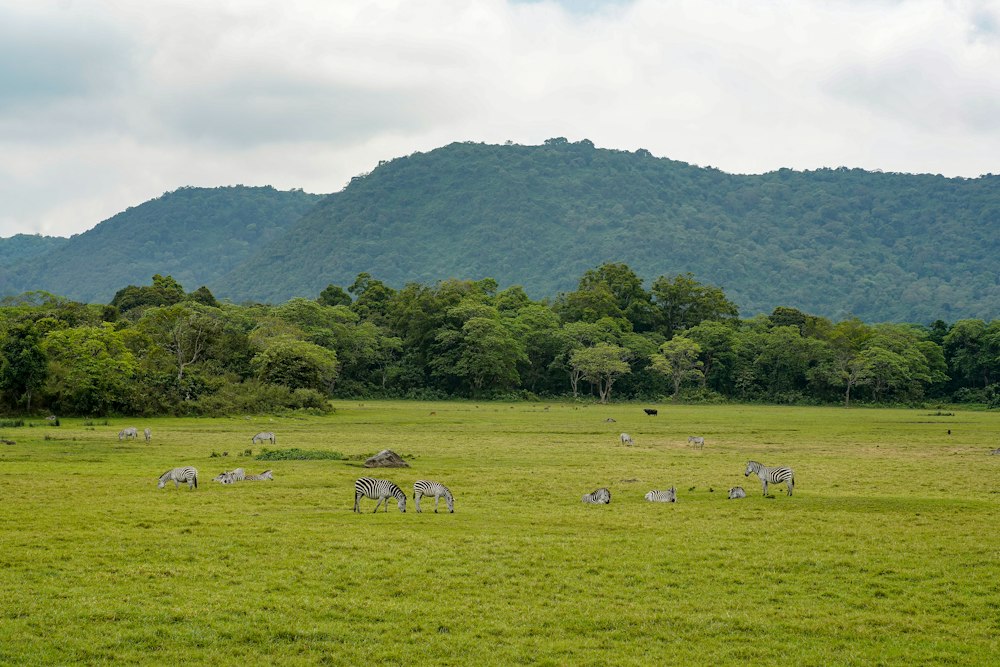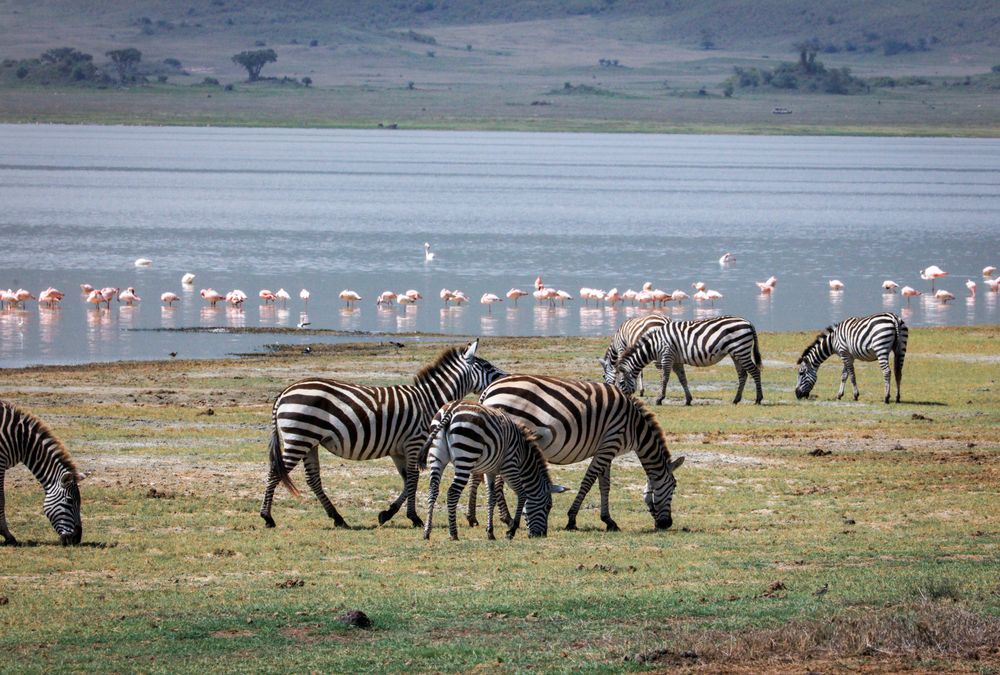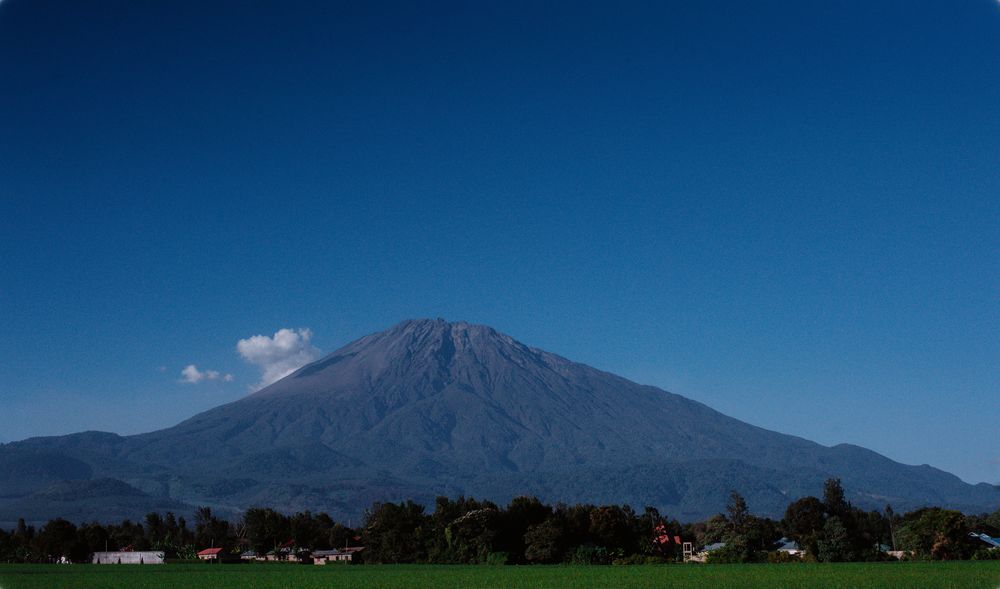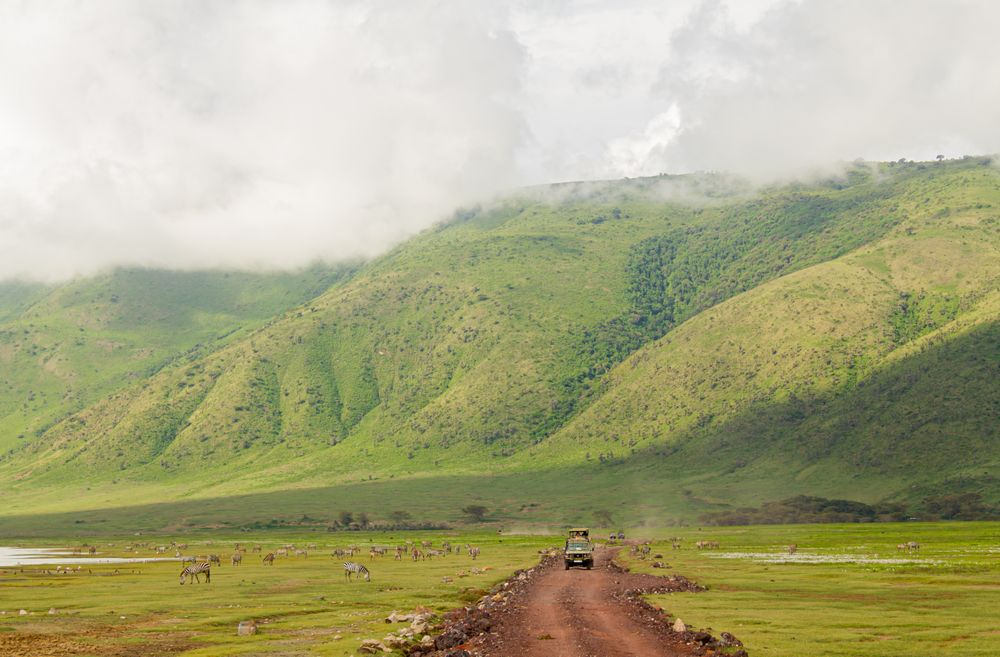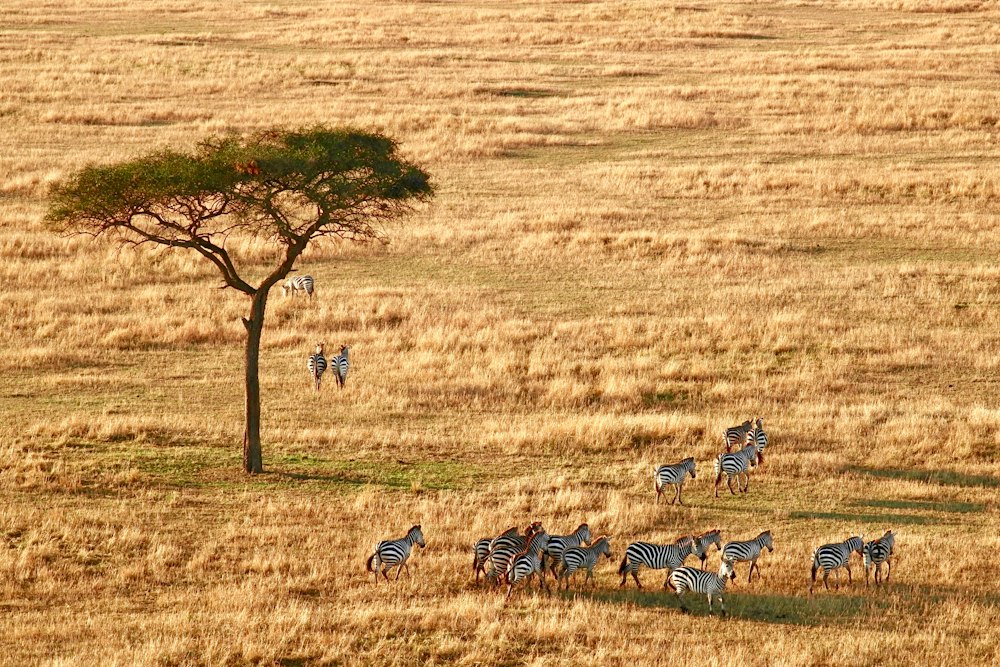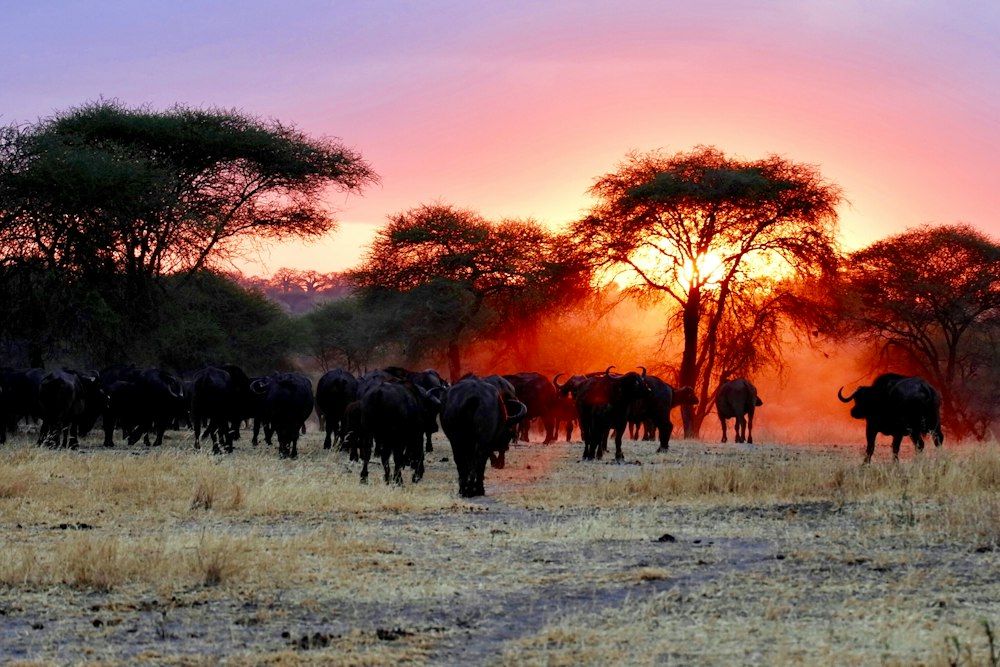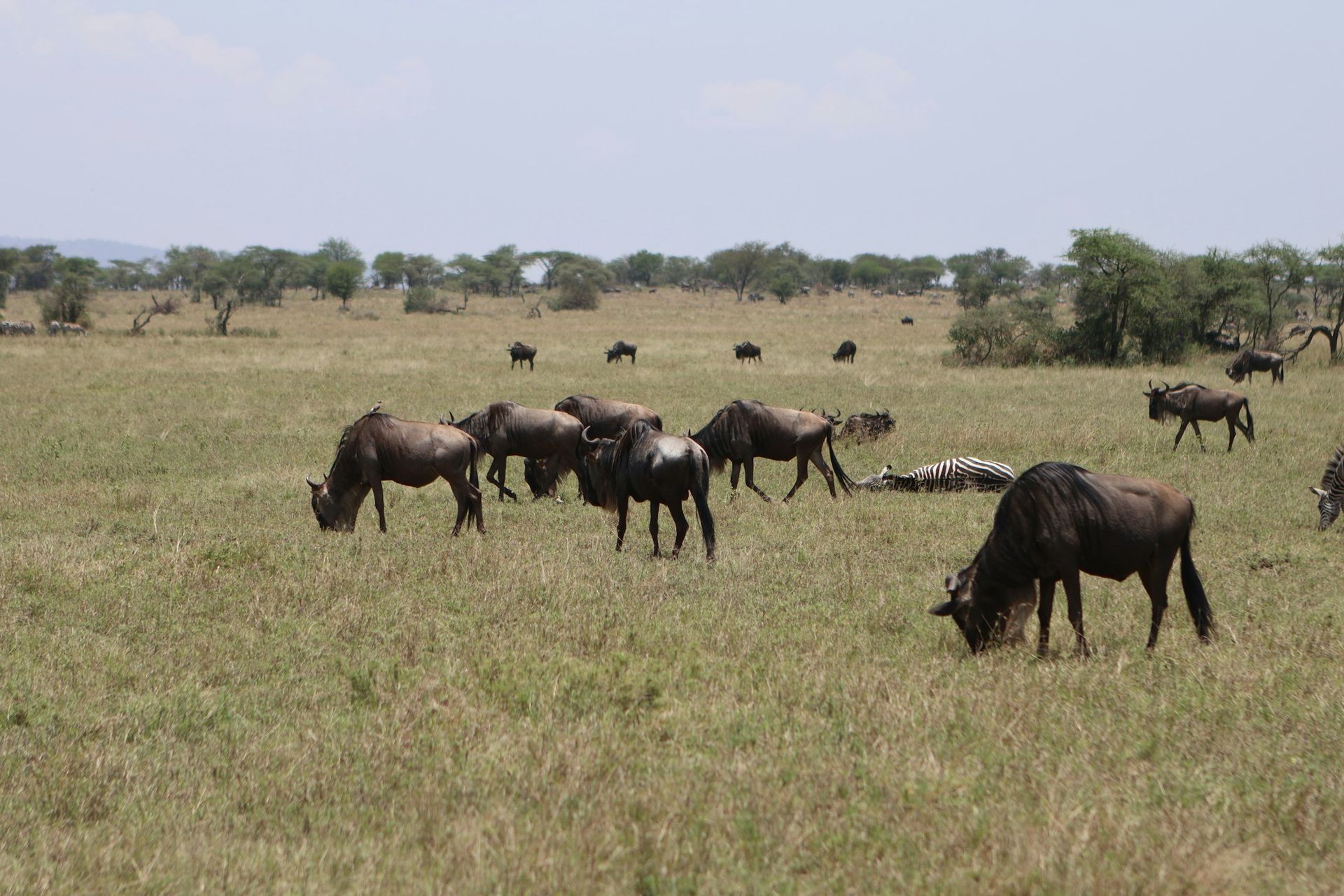
The most common mistake people make with the Great Migration is treating it as an event, a date to fly in for. It is not. It is a loop that never stops. Well over a million wildebeest, with a few hundred thousand zebra and gazelle mixed in, move in a rough circle around the Serengeti and the neighbouring Masai Mara all year, chasing rain and fresh grass. There is no start, no finish, and no herd leader. Somewhere in that circle the animals are always on the move, which means the real question is not whether to see the migration but which part of the loop to book.
The images that sell the trip, thousands of wildebeest flinging themselves into a crocodile-filled river, come from one short stretch of the year in one place. From roughly July to October the herds reach the Mara River in the northern Serengeti and cross it, back and forth, on the way to and from Kenya. That is the famous footage, and it happens to coincide with the dry-season peak of the whole safari calendar, which is why most people assume the migration is a July thing. The animals are just as visible in February and in May. They are simply somewhere else, doing something else.
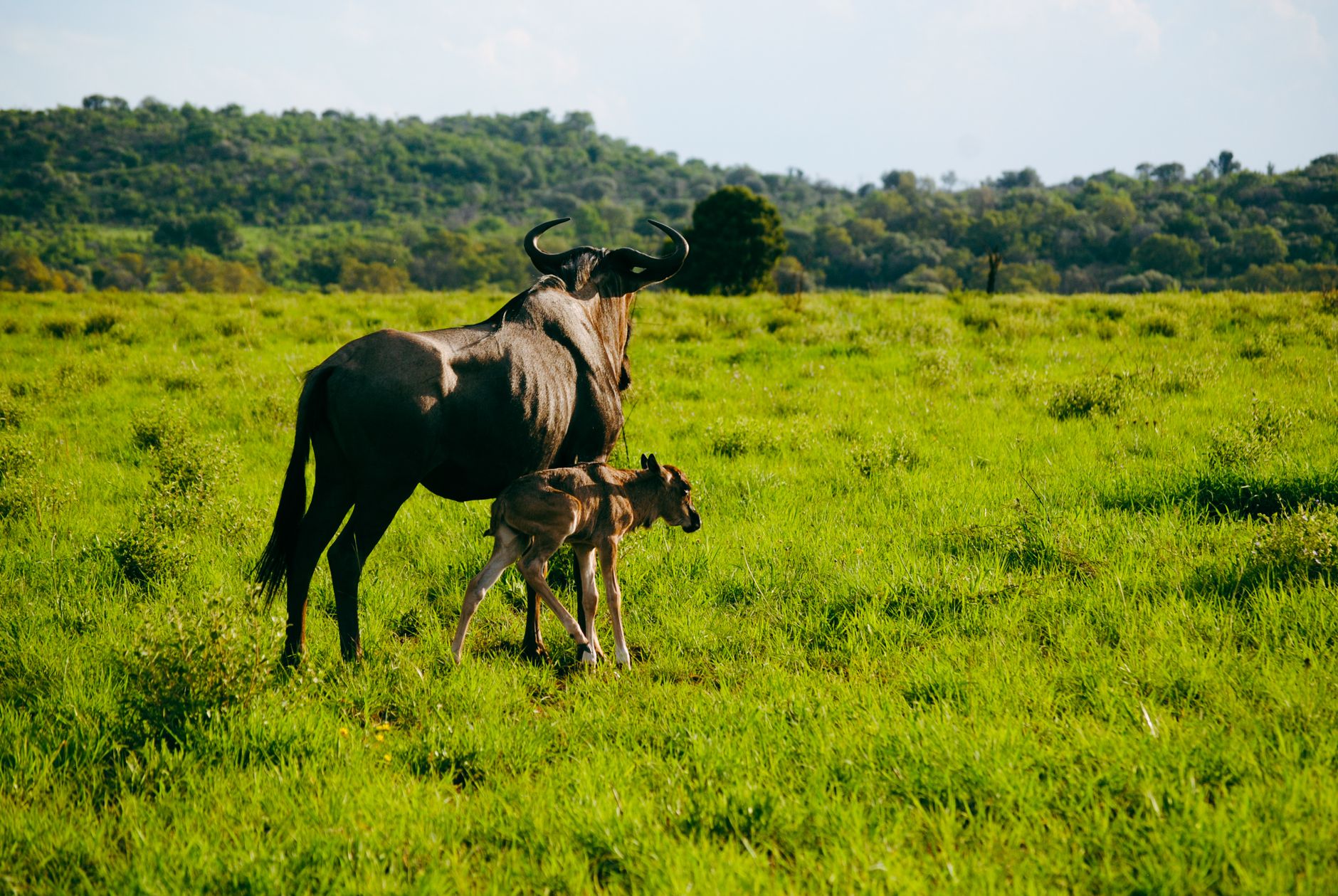
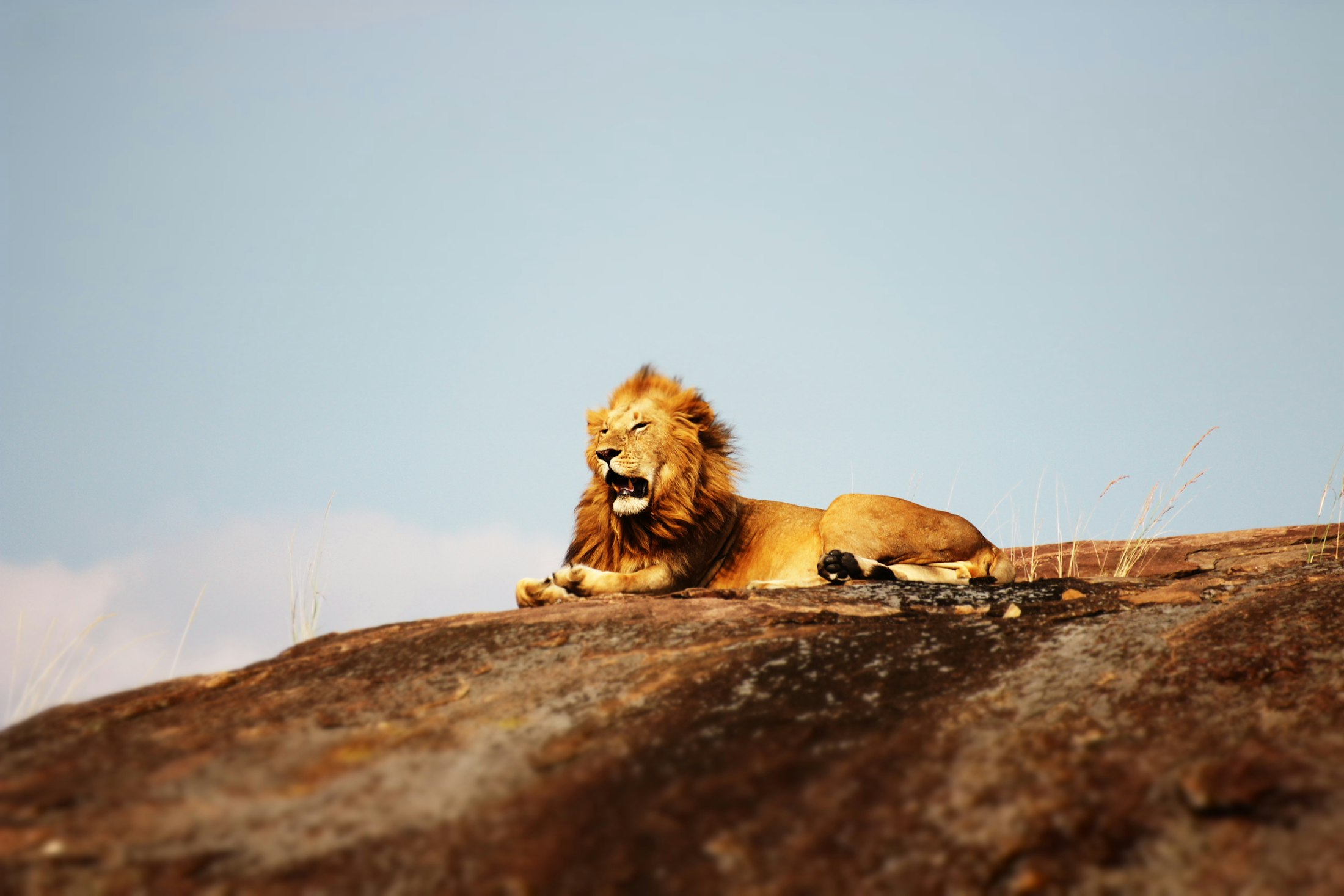
The year is easiest to read as a clock. Around December to March the herds gather on the short-grass plains of the southern Serengeti and Ndutu, on the edge of the Ngorongoro Conservation Area, to calve. The peak comes in late January and February, when hundreds of thousands of calves are born in the space of a few weeks. The grass is green, the plains are covered end to end, and the predators that shadow the herds are at their busiest. It is the least crowded phase of the cycle, and for a lot of guides the most rewarding.
From April the herds string out and move northwest through the central Serengeti as the long rains come. Around May and June they reach the first river, the Grumeti, in the Western Corridor: a smaller, less theatrical crossing than the Mara, but one that very few vehicles ever reach. Then, from July, the front of the migration arrives at the Mara River in the north, around Kogatende, and the crossings everyone came for begin. By November the short rains pull the whole procession back south toward the plains where the calving starts again.
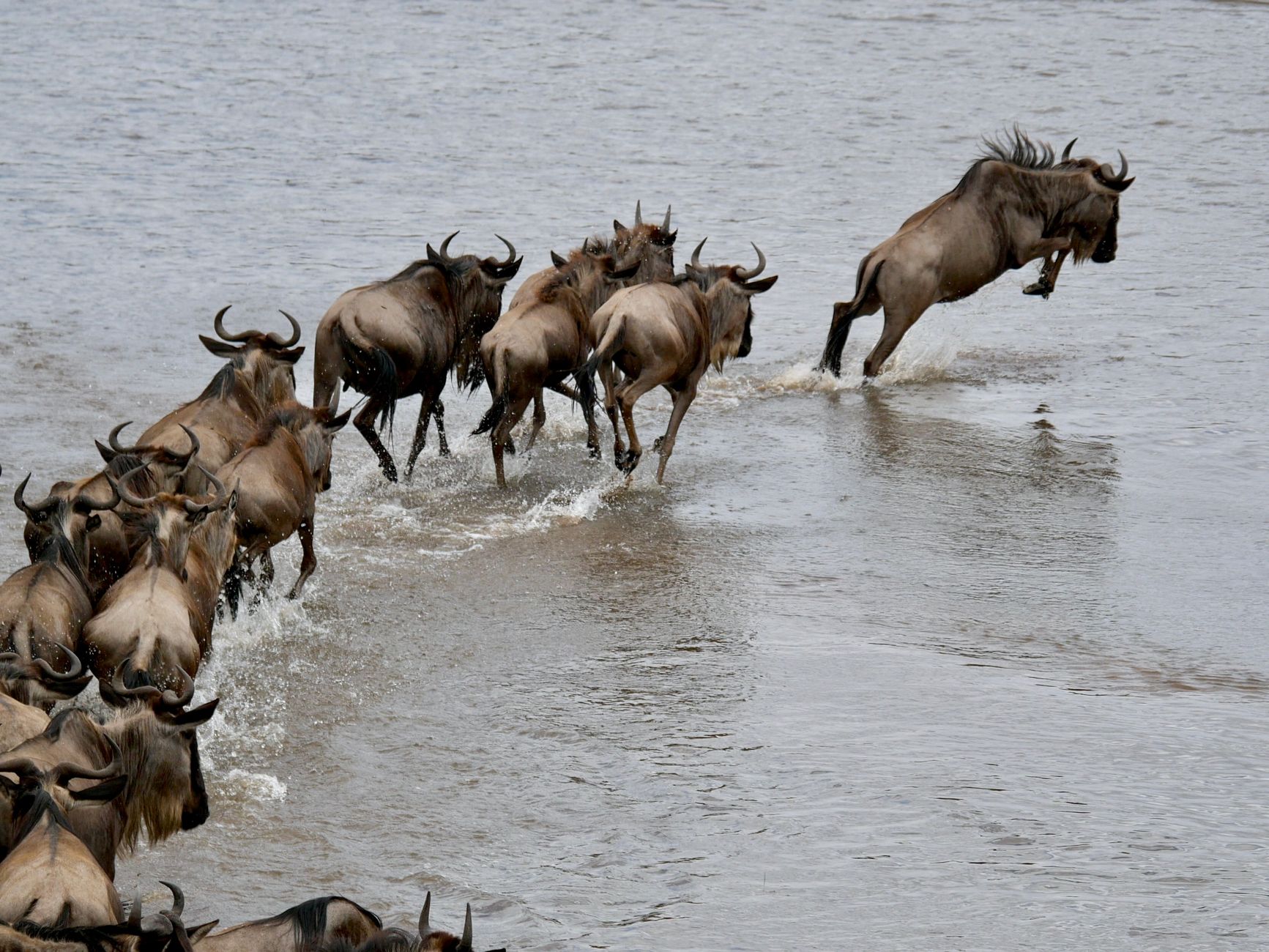
Here is what the footage does not show. A river crossing is impossible to schedule. The herds mass on the bank for hours, sometimes days, then balk and drift away, or cross a stretch and cross straight back the next morning for no reason anyone can name. Sitting above a crossing point for a whole day and seeing nothing is a normal outcome, not bad luck. A guide who can read the herds and knows the crossing points is the single biggest factor in whether the drama happens while you are watching. Patience is the actual activity.
The other thing the footage crops out is the traffic. The Mara crossings have grown so popular that the banks now fill with vehicles, and in July 2025 a single crossing at Kogatende drew a reported 150-plus safari cars, some passengers leaving their vehicles and blocking the herds until animals panicked and drowned. Tanzania's park authority and its tour operators responded with new binding rules for crossing etiquette, and the standing park rule against leaving your vehicle near animals exists for exactly this reason. It is worth choosing an operator that hangs back rather than chases, and worth knowing in advance that the famous side of the river can feel less like wilderness than a busy car park.
The trip is worth taking even if no crossing performs. Book it for the whole ecosystem, not the one scene from the trailer.
All of which points to the quiet advice seasoned guides keep repeating: stop fixating on the crossing. The calving season in February, and the Grumeti crossings in May and June, put you beside the same herds with a fraction of the crowds, often at lower prices, and the predator activity during calving has no equal in the year. If your one fixed idea is the Mara River in August, you are booking the busiest, most expensive and most contested version of the trip.
The way to actually wake up near the herds is a mobile camp, a tented camp that packs up and relocates two to five times a year to stay with the migration, rather than a fixed lodge you drive out from each morning. Camps such as Nomad's Serengeti Safari Camp, Asilia's Olakira and Ubuntu, and andBeyond's Serengeti Under Canvas move with the animals; permanent luxury lodges like the Singita properties in the private Grumeti reserve stay put and offer more polish, but leave you commuting to the action. For a crossing-focused trip, base in the north around Kogatende; for calving, in the south around Ndutu.
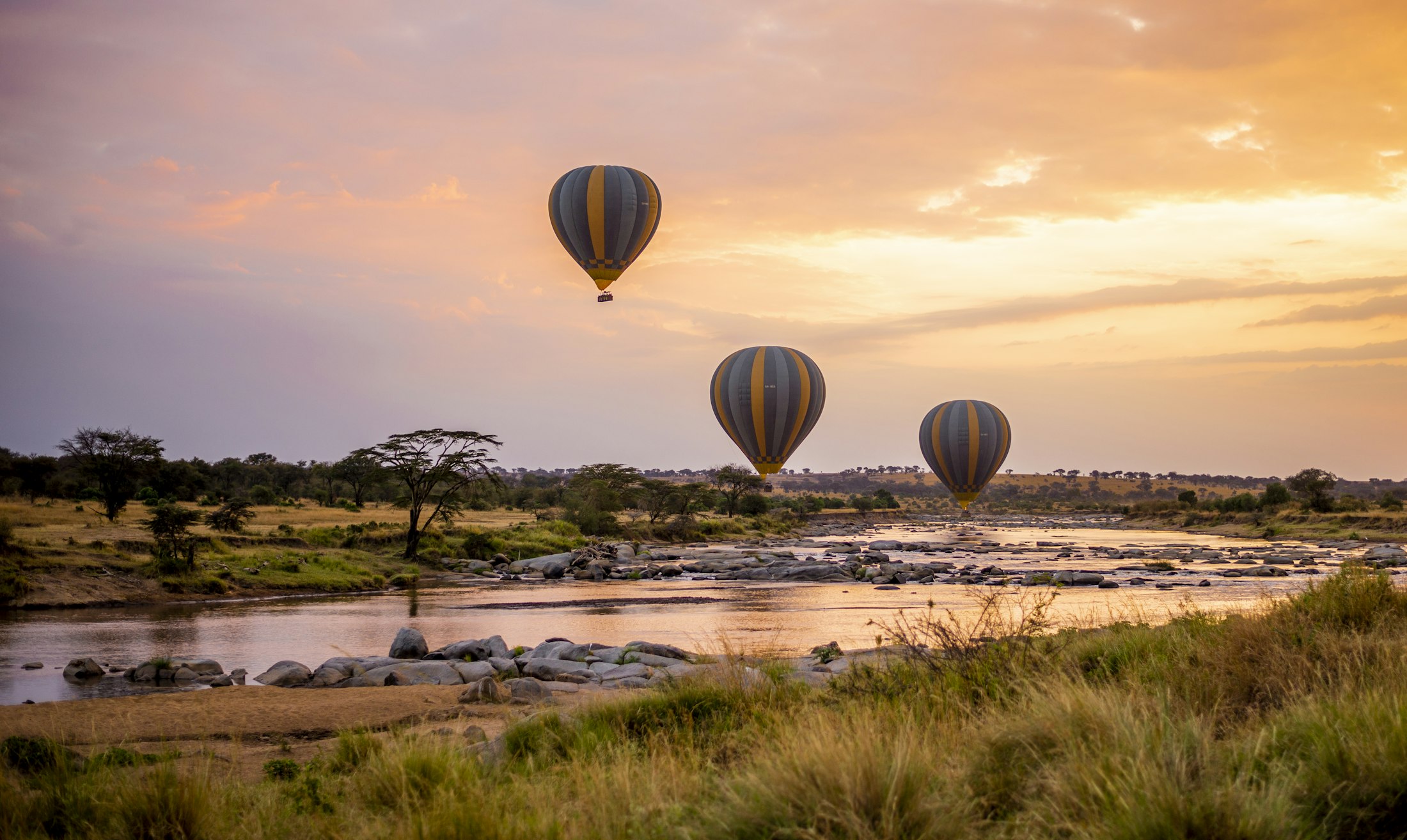
Most people fly in. Light aircraft run from Kilimanjaro International or Arusha to bush airstrips, Seronera in the centre and Kogatende in the north, and skipping the long, punishing overland transfer is worth it if the budget stretches. Days are built around a game drive at first light and another in the late afternoon, with a dawn hot-air balloon over the plains as the classic splurge. Budget for the daily park fees on top of the camp, pack neutral khaki and beige rather than black or bright white, take malaria precautions seriously, and reserve the good camps six to twelve months ahead for the July-to-October peak.
The mistake is to buy a plane ticket for a single afternoon at a river and stake the whole trip on it. The migration is not that afternoon. It is more than a million animals turning the same slow circle they have turned for millennia, and almost any month of the year drops you somewhere along it worth the journey. Pick the season that matches what you want to see, keep your expectations off the crocodiles, and let the guide find the rest.