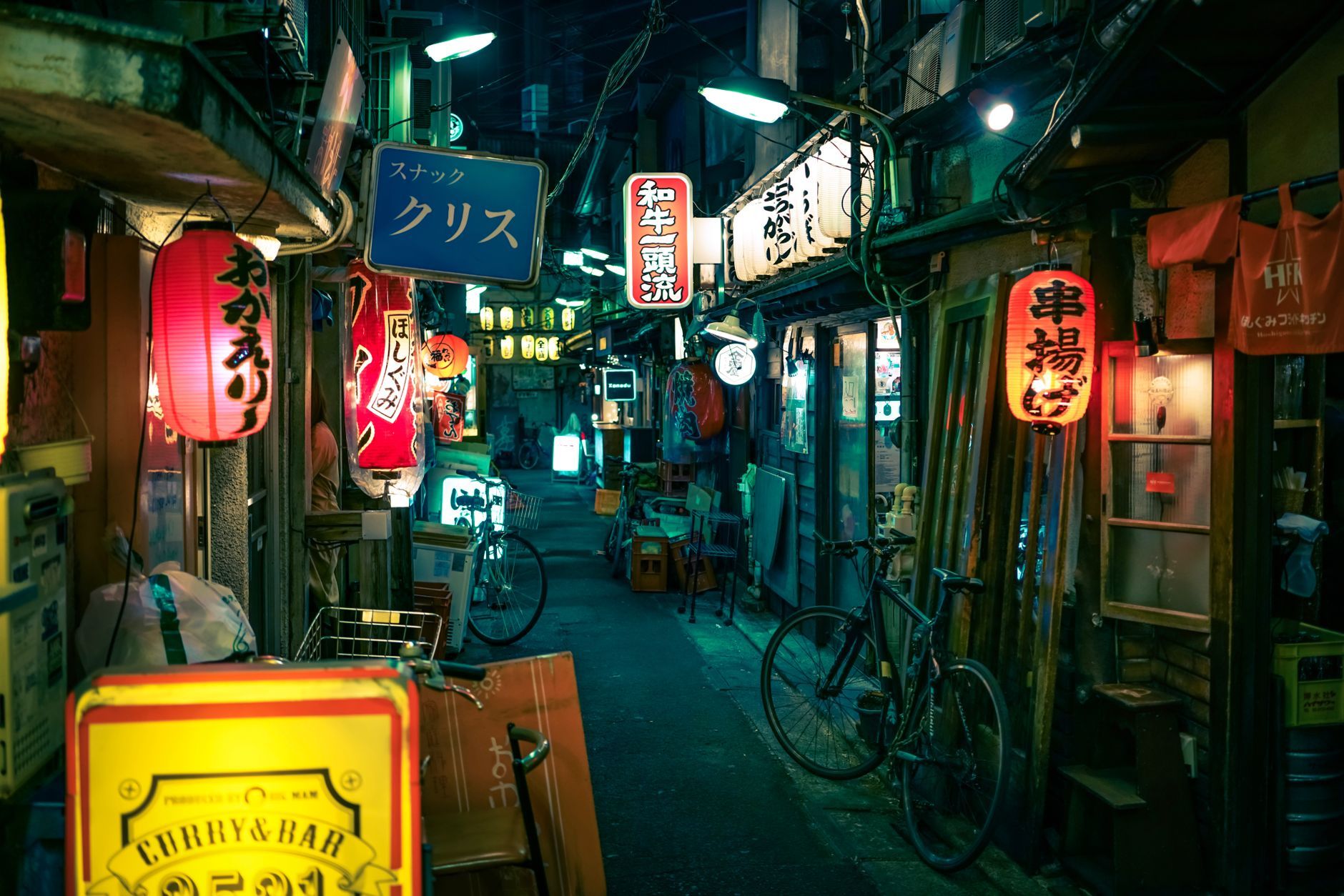
Tokyo is supposed to overwhelm you. It is the first thing anyone says about the place, and for about a day it is true. Thirty-seven million people in the greater sprawl, a map like spilled circuitry, a scale that is meant to flatten a newcomer on arrival. But the enormity keeps its own hours, and it gathers in a handful of bright districts a visitor can simply decline to enter. The city the warnings describe is real. It is just not the only one, and not the Tokyo worth crossing the world for.
The reward is in the small rooms. Tokyo, for all its size, is a city built at the scale of a counter: six stools, one cook, a single dish done ten thousand times. A place like that is not taken in from above. You sit down in it.
Give the first day to the ground. Sawanoya, a family ryokan that has kept twelve tatami rooms in Yanaka since 1949, sits in the low east of the city, the old shitamachi, where the towers thin out and the streets remember a Tokyo that mostly burned away and quietly rebuilt itself smaller. Jet lag is the off-season of the body, and it is not worth fighting: awake at four, out by five, and the first hour of Yanaka belongs to almost no one.
A neighborhood, on foot
Yanaka is what is left when the neon is taken away. The war spared it and the developers mostly forgot it, and so it kept its wooden houses, its wandering cats, its temples folded into a grid that can be crossed in an afternoon. It rewards crossing slowly. Early in the morning a woman sweeps the stone step in front of her shop, the same tiles she has swept every morning for years, and the sound of the broom is the loudest thing on the street.
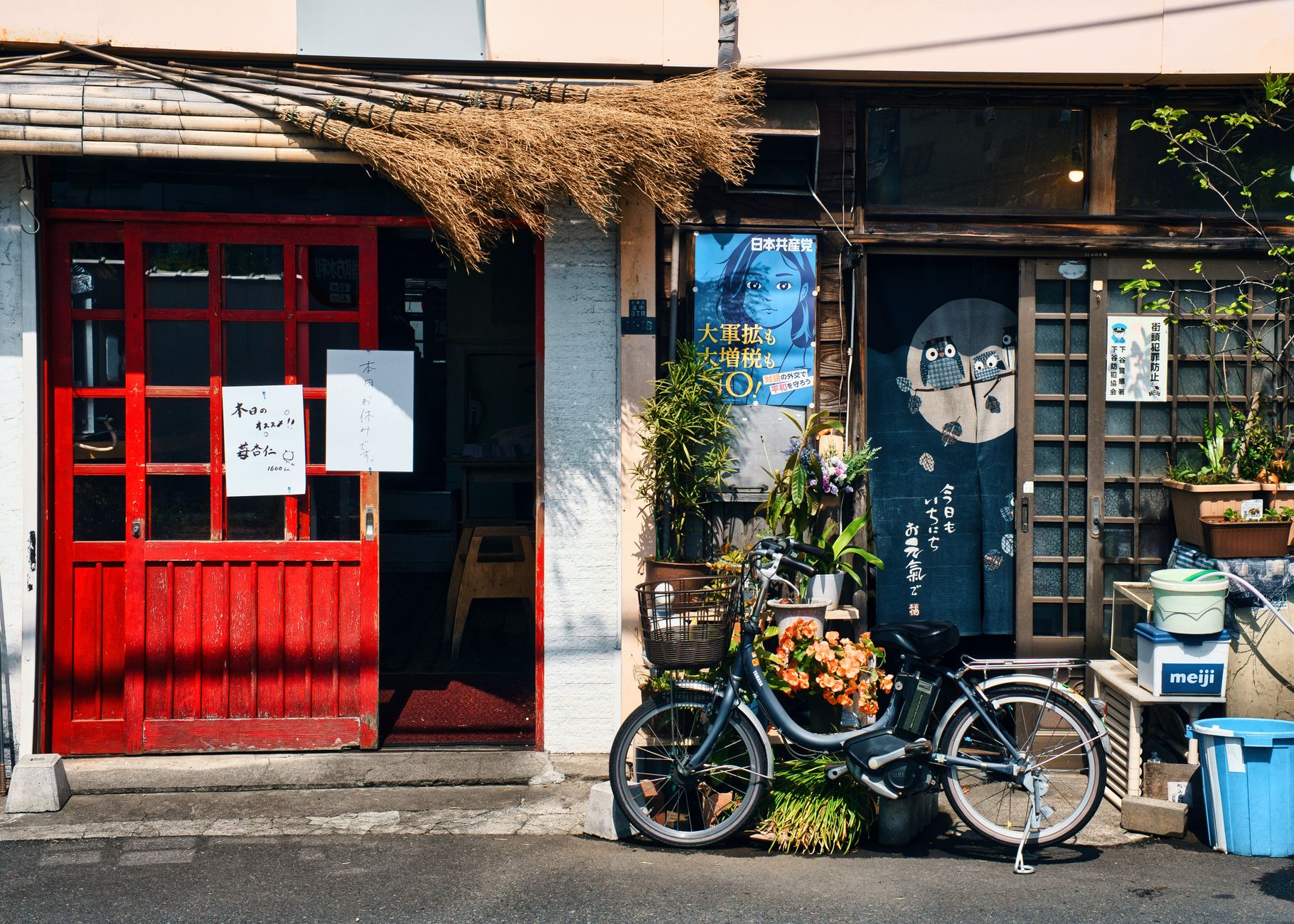
The ritual here is not performed for anyone. A man arranges dried persimmons in a wooden tray with the seriousness of a jeweler. On a corner, the old wooden machiya that has held Kayaba Coffee since 1938 opens late in the morning, though it is plain where the neighborhood will gather once it does. A nearby sweet shop sells one thing, a soft bean confection pressed into the shape of a season, and keeps strictly to the season: the autumn shape is not ready until autumn. Nobody hurries. By mid-morning a few visitors drift up the old shopping lane with cameras out, and the neighborhood absorbs them without changing its pace. The crowds keep banker's hours, which is the argument for arriving before them; the best of Yanaka is over by the time they do.
The slow afternoon
By two o'clock the light goes long and gold in Tokyo, and the city offers you a particular kind of room to spend it in. The kissaten is the old Japanese coffee house, and it is the opposite of everything coffee has become elsewhere. No queue, no laptops, no name called over a machine. You push open a heavy door, your eyes adjust to a deliberate dimness, and a master in a pressed apron makes you a single cup as though it were the only one he would make that day.
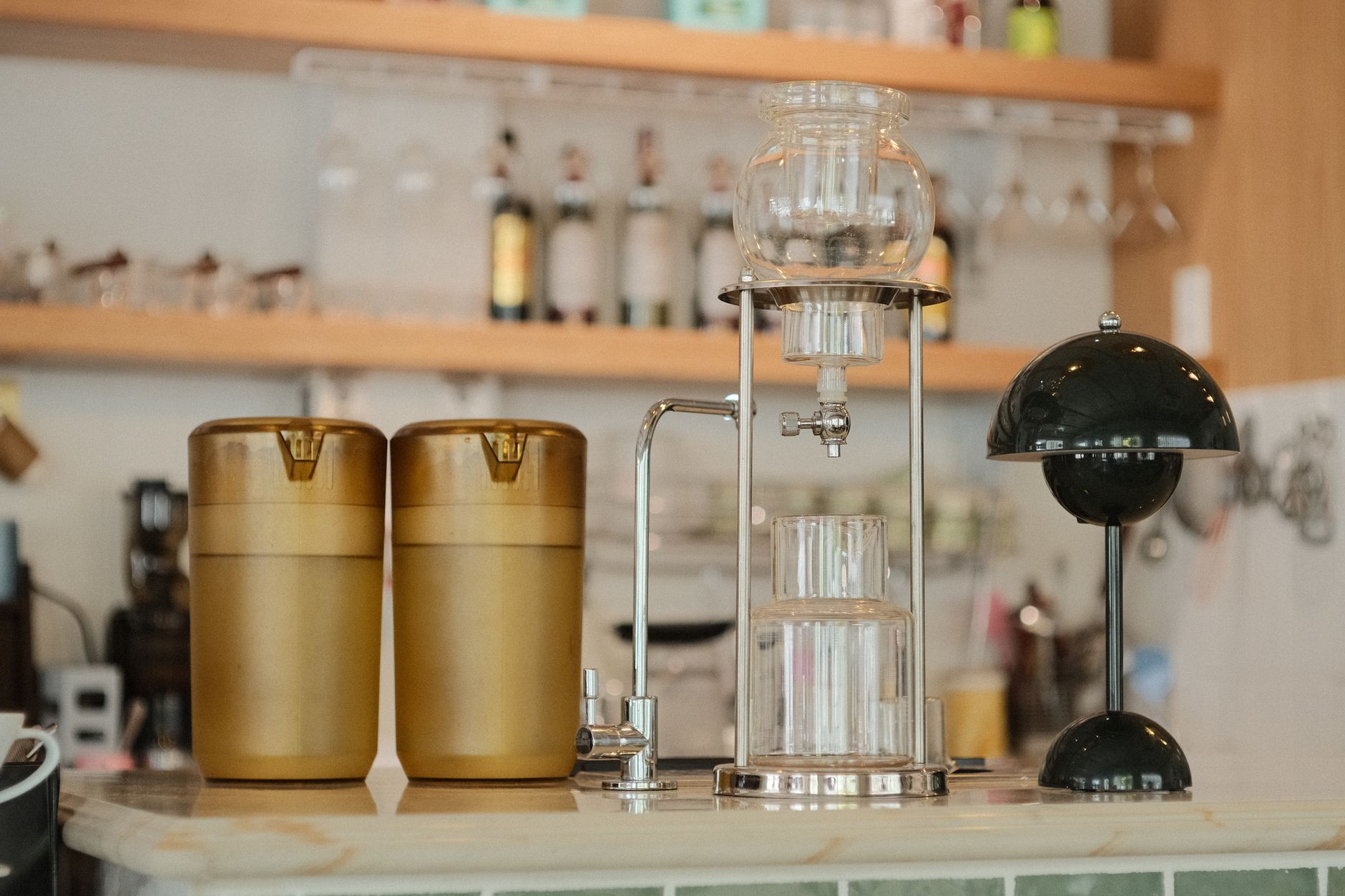
The best of them are basement counters that have not changed in fifty years. The master grinds the beans by hand, wets the paper filter, and pours in a slow spiral, and the whole performance takes the better part of ten minutes for one small, very serious cup. Jazz plays on a turntable at a volume just below conversation. Phones stay in pockets. These places are the city's apology for its own speed, a room kept dim and unhurried on purpose, and the water bowl is refilled without being asked, long after the cup has gone cold at the bottom.
An old way with eel
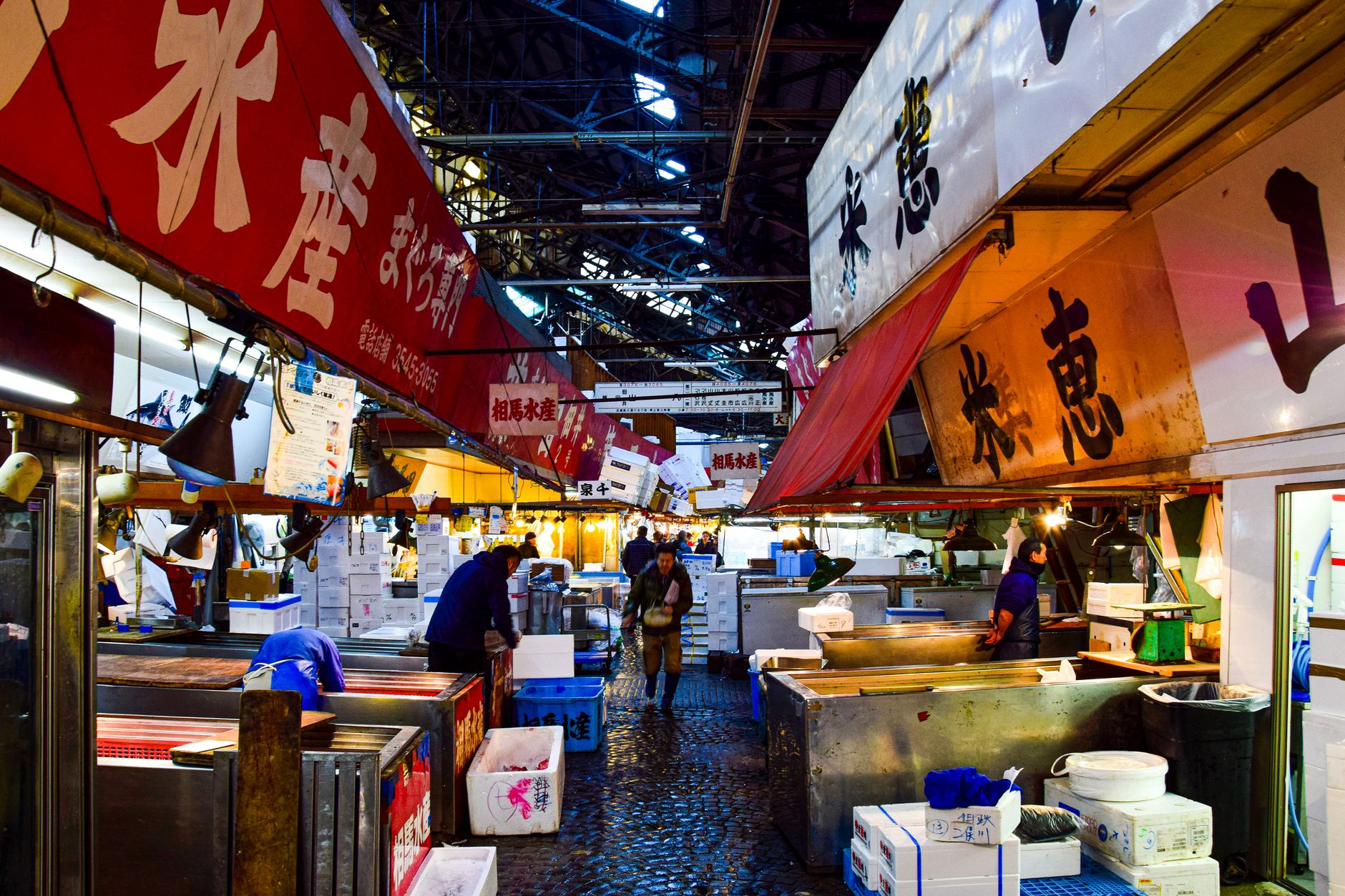
Some of Tokyo's food is theater and some of it is liturgy. Unagi is liturgy, and it is worth building a whole day around. Begin before light at the Tsukiji outer market, where the wholesale auctions moved east to Toyosu years ago but the lanes of knife sellers, stock makers and tamagoyaki griddles kept going as if nothing had changed. The knife stall to seek out is Tsukiji Masamoto, grinding steel for the market since 1845; the men behind the counter test a new blade's edge on a hair without appearing to think about it.
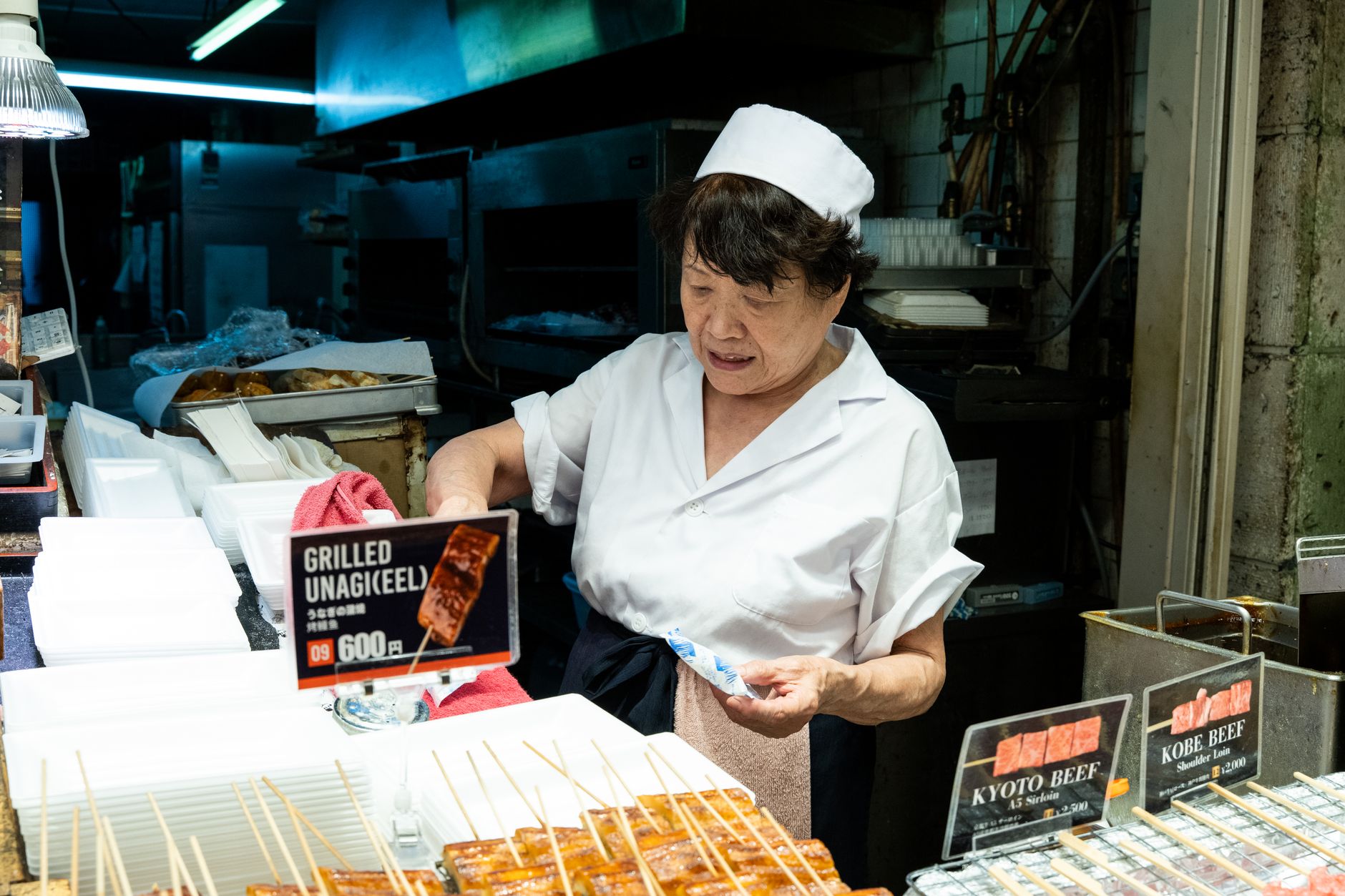
Then, for lunch, the eel itself. In Ueno, Izuei is where the same family has grilled freshwater eel through nine generations, since the middle of the Edo period. The method has not been allowed to drift. The eel is split, steamed until the fat surrenders, then grilled over charcoal and lacquered with a sweet dark sauce the shop has been topping up, never finishing, for longer than anyone working there has been alive. An older man works the grill without looking up, turning the fillets by a rhythm in his hands rather than a timer, and the lacquered box arrives simple to the point of austerity: rice, eel, a clear soup, a single pickle. It tastes like patience. The craft is in everything you cannot see.
You cannot hide at a counter that size.
After the last train
The other Tokyo, the one worth politely ignoring until now, begins around midnight, when the trains stop and the city sorts itself into those who go home and those who cannot be bothered.
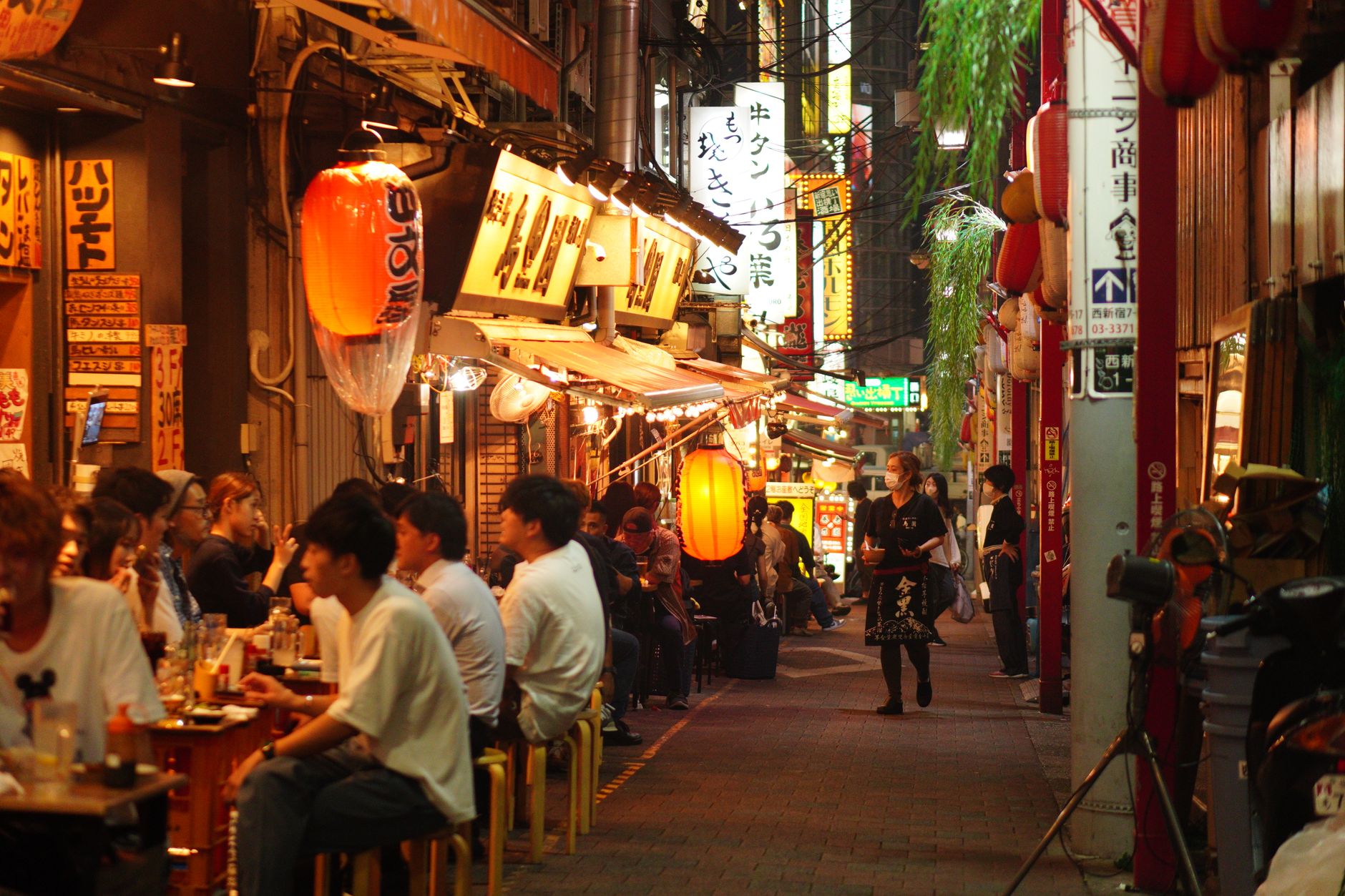
Golden Gai is a couple hundred bars folded into six narrow alleys in Shinjuku, the passages between them barely wide enough for one person. A bar here seats five, maybe six. The walls are papered in film posters or whiskey labels or the master's particular obsession, and the master is the whole staff, the whole concept, the whole night. Some doors carry a cover charge and a small printed warning that regulars come first; a few, like the three stacked floors of Albatross, throw the door open to anyone, and those are the ones a first-timer should aim for. Duck a curtain into one and the room is six strangers and one bartender making a parliament of the small hours.
Within an hour a newcomer can be folded into a conversation in three languages and no common one, taught the correct way to order the house pour, and told by a retired printer on the next stool exactly where to eat breakfast and at what hour. None of it is on any itinerary. The last train has gone long ago. Outside, the alleys are still full, the city around them dark and enormous and entirely beside the point, and for a while the whole of Tokyo shrinks to the width of a wooden counter and the people sitting at it.
South, to the slow islands
There is a flight south that the food writers do not take often enough. Two and three quarter hours over the East China Sea, and Tokyo's grey precision gives way to Okinawa, a long string of islands the mainland half forgets, where the pace drops a full gear the moment you step off the plane.
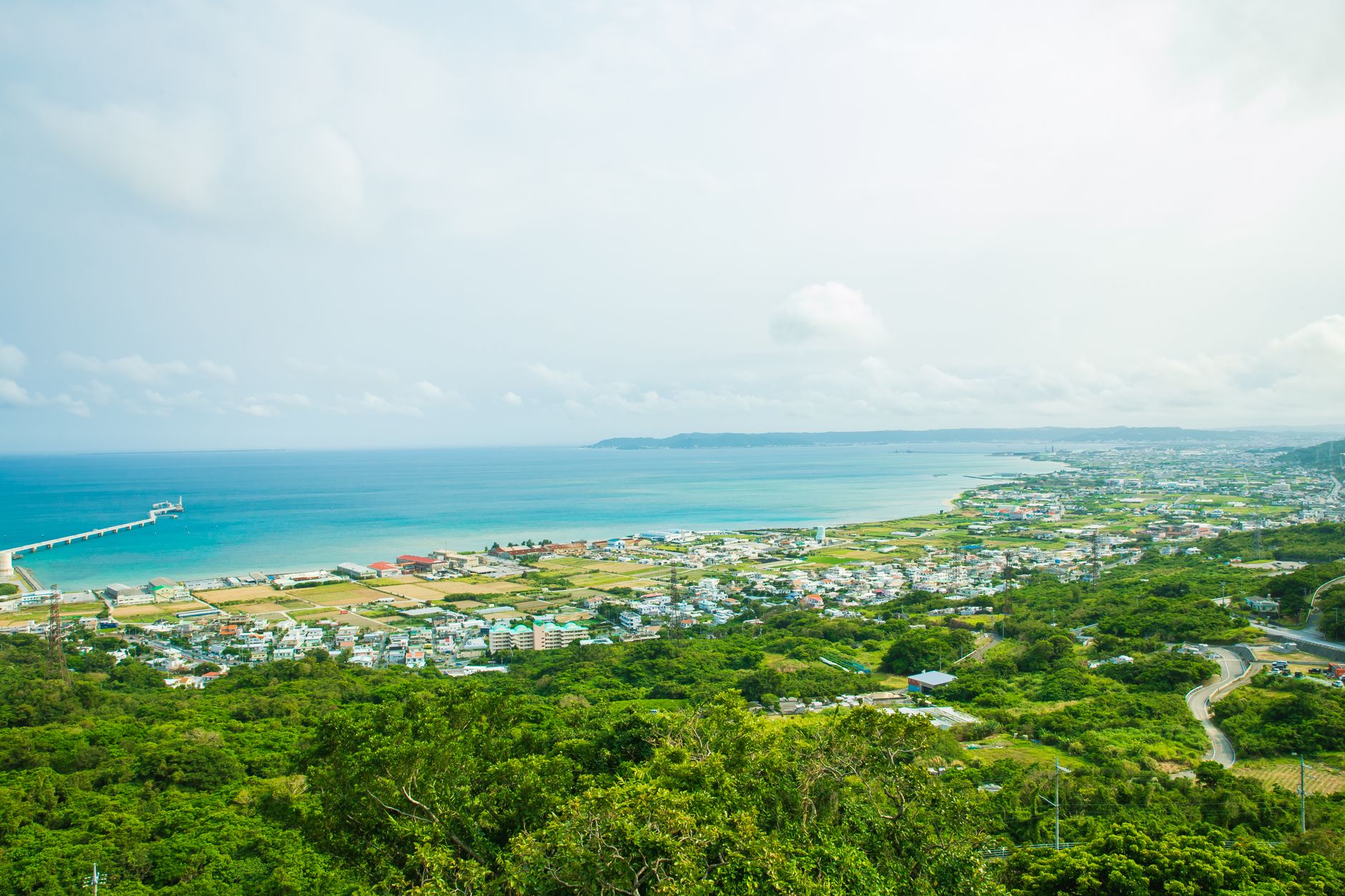
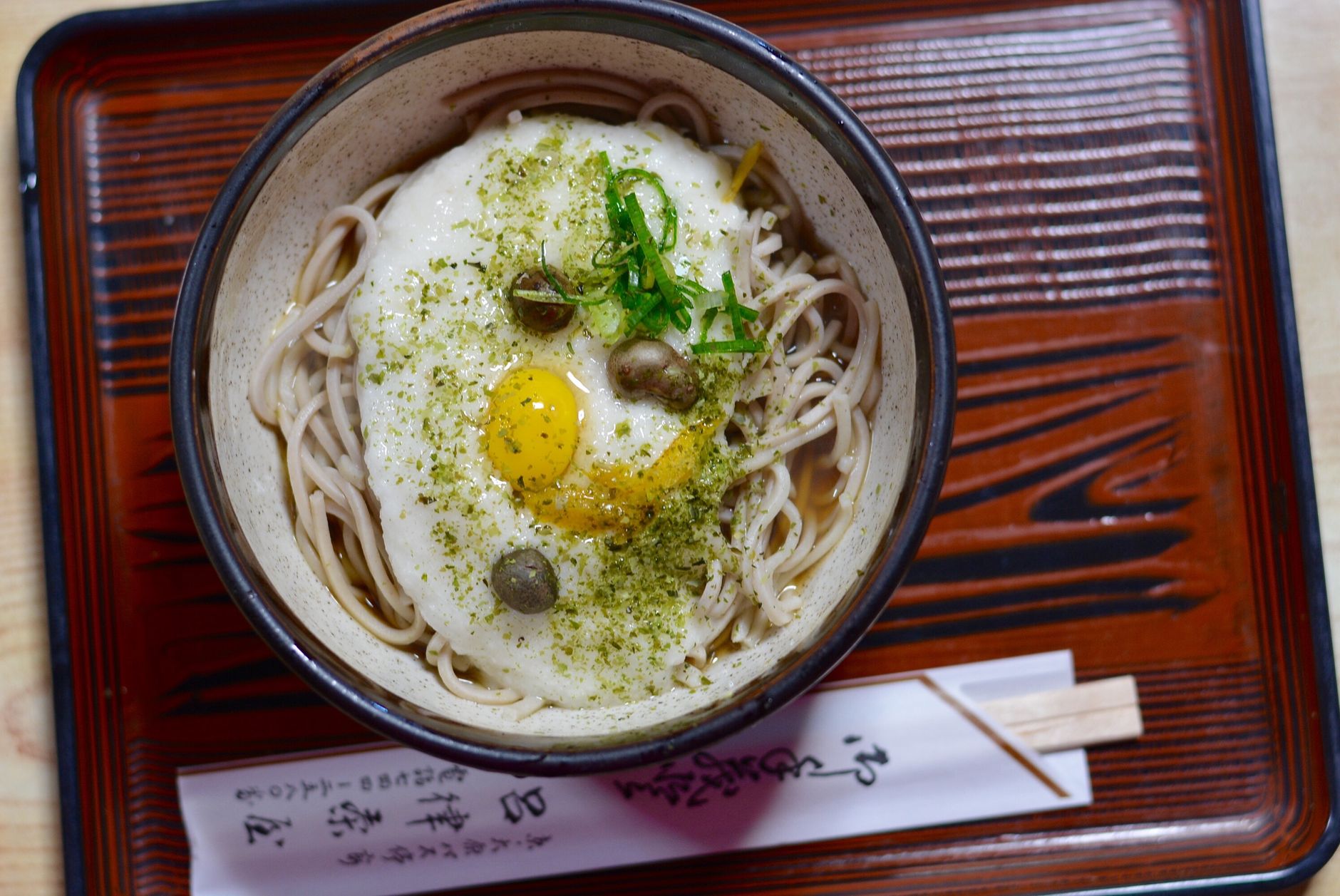
In the north of the main island is Ogimi, a village of three thousand that keeps the public records to back its claim as a home of longevity, one of the handful of places researchers file under the same unhurried heading. The coast road runs up to it, the sea the bright impossible blue of somewhere much further from a capital. Lunch has to be booked a day ahead at Emi no Mise, where a woman in her seventies named Emiko serves a longevity set of fifteen small dishes built from what grows in the gardens around it: tofu and seaweed, brown rice, the bitter green goya that turns up at every Okinawan meal, pork belly simmered soft in awamori and island sugar. It is best eaten slowly on the porch open to the wind, because there is no other way to eat it.
People in Okinawa are said to forget to die. Stay a few days and it stops sounding like a slogan and starts to read as a description of how the hours are spent: in the garden, on the porch, at the long table, in no particular rush to be anywhere else. The counters of Tokyo were built for one cook and a few strangers, and the islands turn out to be the same lesson at a wider scale. The good things are small, they are made slowly, and you take them sitting down.
Most visitors leave the north too soon; a second, unplanned night is the correction. The flight back to Tokyo can carry a bag of shikuwasa, the sharp little Okinawan limes. The last train still stops at midnight in the capital. Treat that as a suggestion.