The best day in Venice is spent not in a museum or a queue but on foot with a glass in hand. The Venetians have a word for it, the giro d'ombre, the round of shadows, and it is the closest thing the city has to an instruction manual: a walk from one small bar to the next, a glass of wine and something to eat at each, taken standing, then on to the following counter. It begins where the food does, at the cluster of bars around the Rialto market, and it is best begun before the lunch crowd finds them.
The glass is an ombra, which means shade. The wine sellers, so the story goes, once followed the shadow of the campanile across the square to keep their barrels cool; whether or not that is true, it is still the word for a small glass of house wine. It comes with cicchetti, the little plates lined along the counter: a crostino of whipped salt cod, baccala mantecato; a fried meatball, a polpetta; sarde in saor, sardines turned sweet and sour with onions, vinegar and raisins. One rule matters above the rest: eat standing at the bar. Sitting down brings a cover charge onto the bill and, worse, stops the walk.
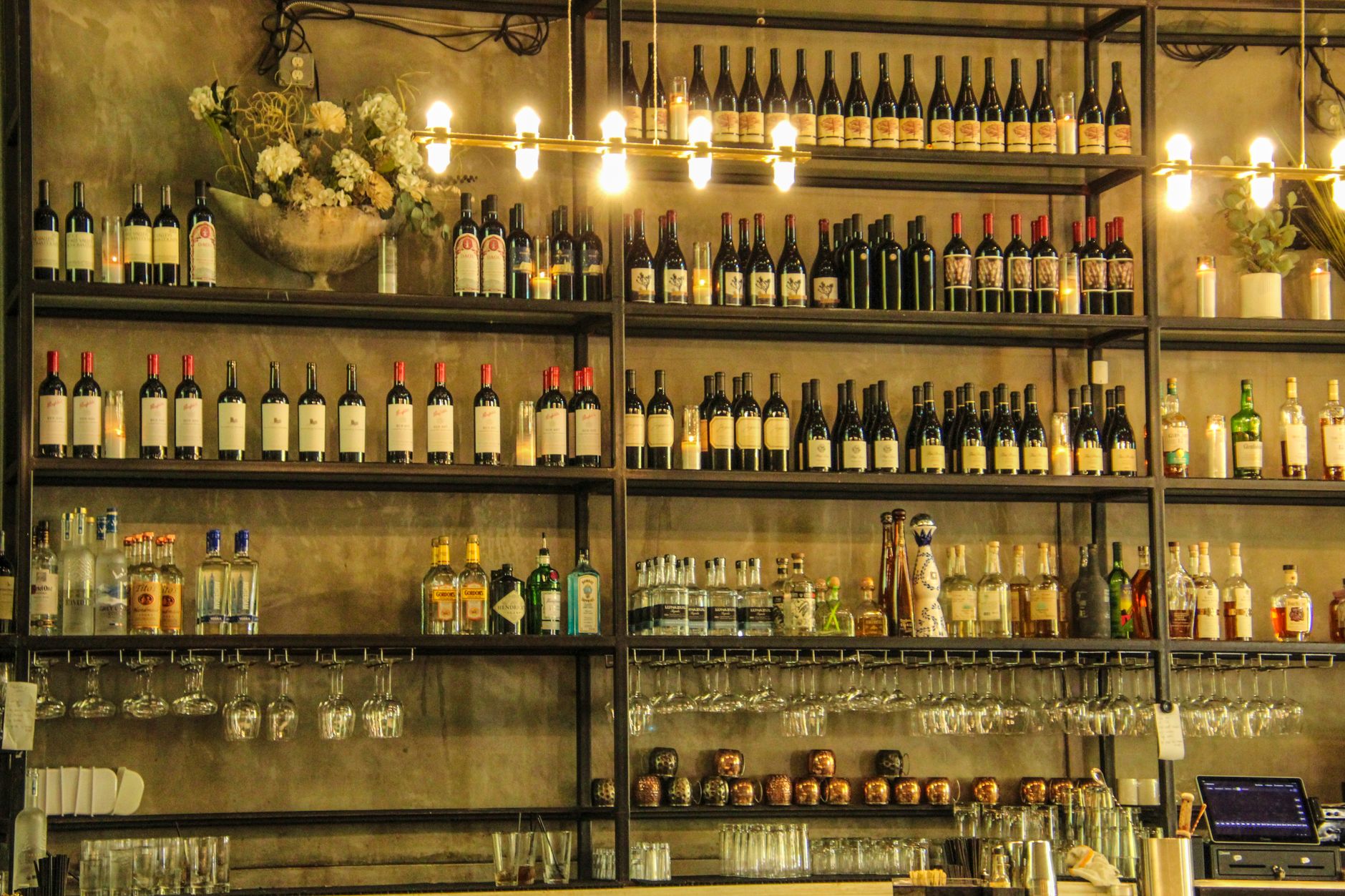
The bars are the point, and the good ones sit within a few minutes of the market. All'Arco, a slot of a place in San Polo run by a father and son, buys its fish and vegetables from the stalls a few steps away and makes some of the best cicchetti in the city; it rewards an early arrival, as it shuts by the middle of the afternoon. Al Merca, on the market square itself, is not much more than a window with a crowd in front of it, pouring a glass and a small filled roll for the porters and fishmongers on their break. Cantina Do Mori, which by its own reckoning has been pouring since 1462, is a dark low room hung with old copper, its sandwiches the size of a postage stamp and its service brisk to the edge of rude. None of the three has anywhere to sit, which is exactly as it should be.
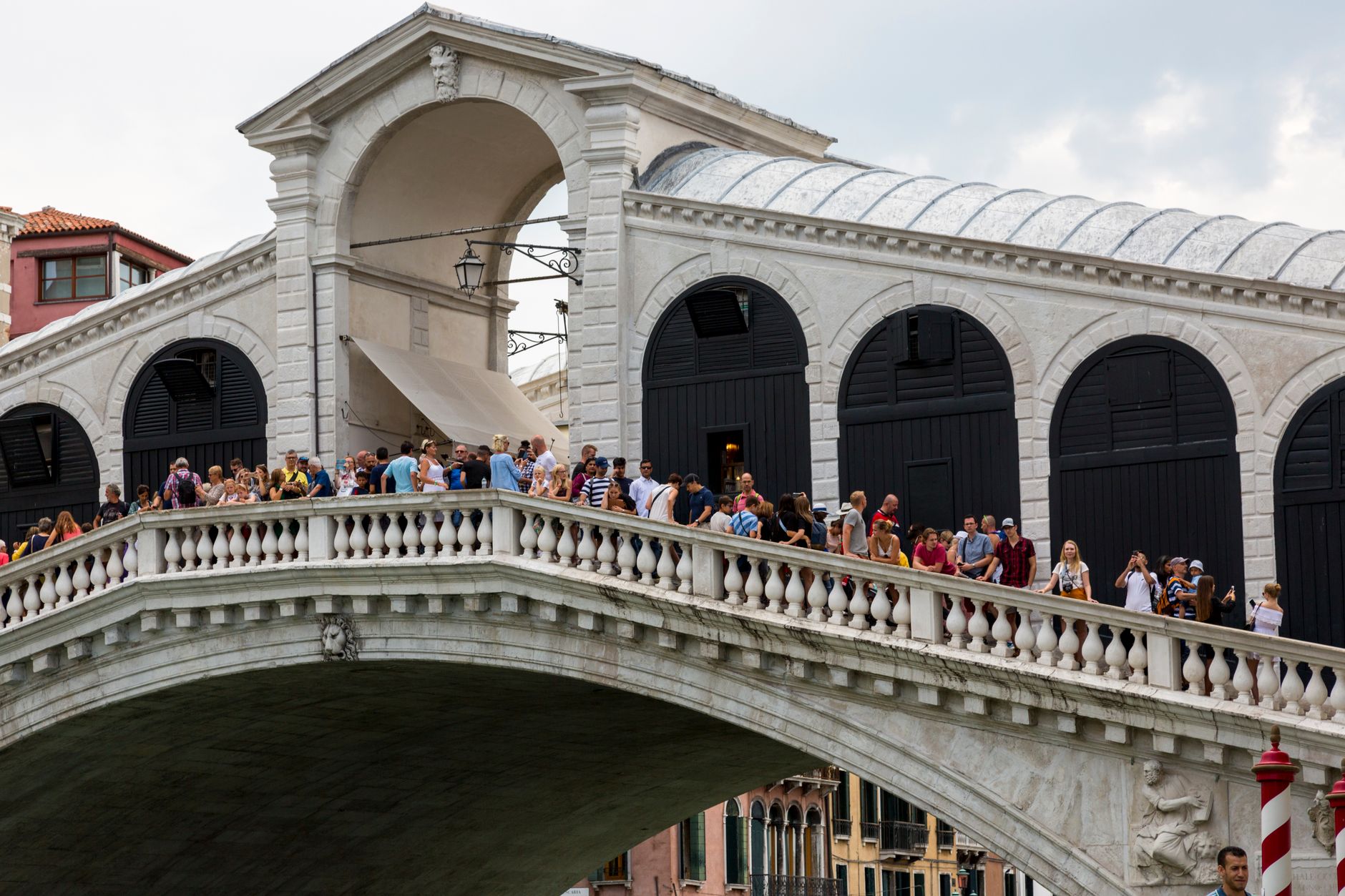
To see how the whole machine works, the Rialto market rewards a visit as it opens, while the boats are still unloading and the fishmongers are laying the lagoon out on ice, sea bass and soft-shell crabs and stranger things without an English name. This is the engine room. Everything the good bars serve at noon came off these stones in the morning, and the market has fed the city this way for something close to a thousand years. Twenty minutes spent out of the way of the trolleys, watching it run, is the least touristed and most Venetian half-hour in the postcode.
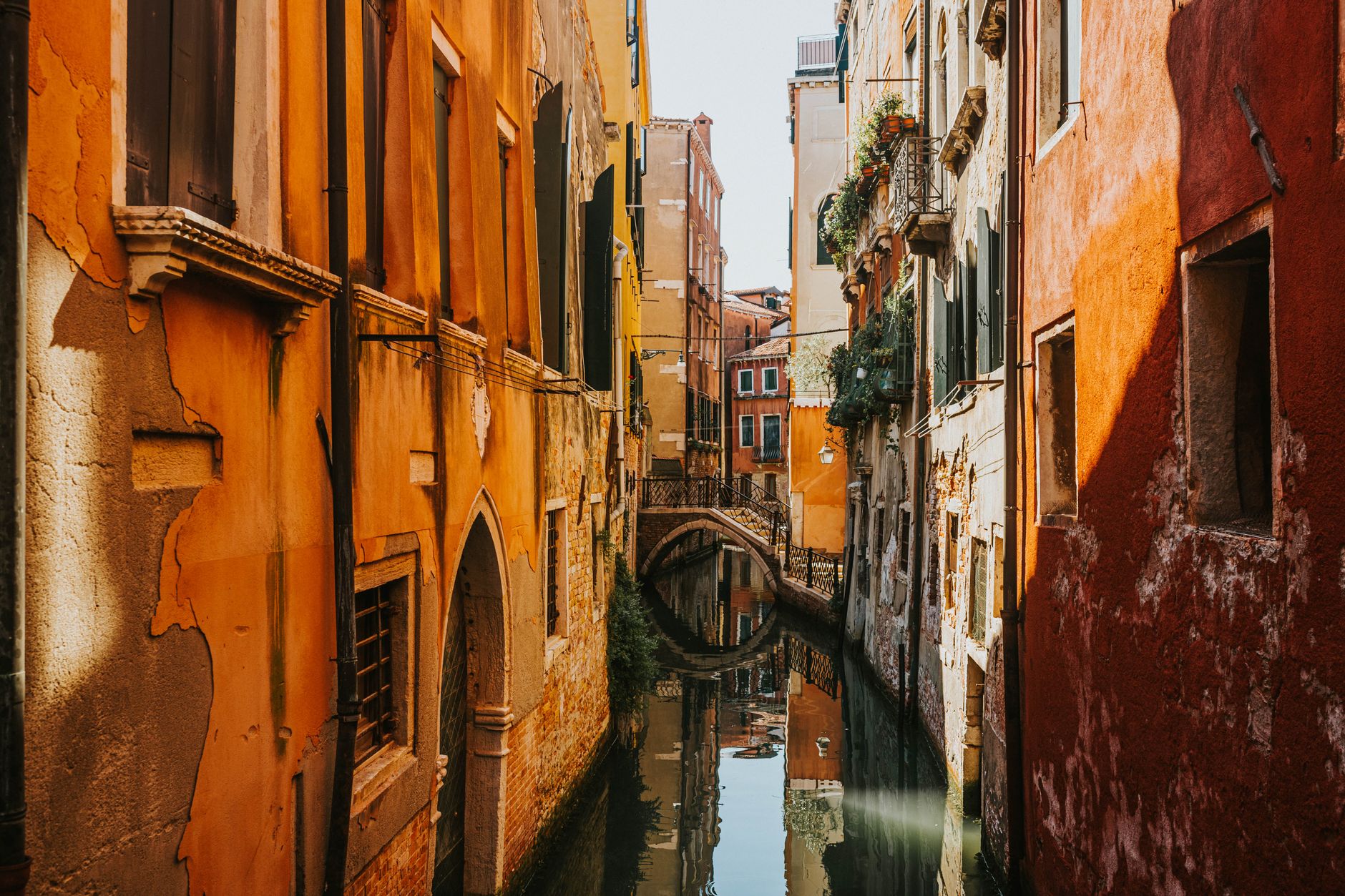
Two practical notes, and no more. Arrive on the water: the number one waterbus runs the length of the Grand Canal, and the slow ride past the palazzi beats the sealed fast boat that hides them, the best hour to be had for the price of a ticket. And on its busiest days the city now charges day-trippers a few euros to come and go between morning and mid-afternoon. A room for the night waives the fee, and hands over the giro in the quiet before the coaches arrive.
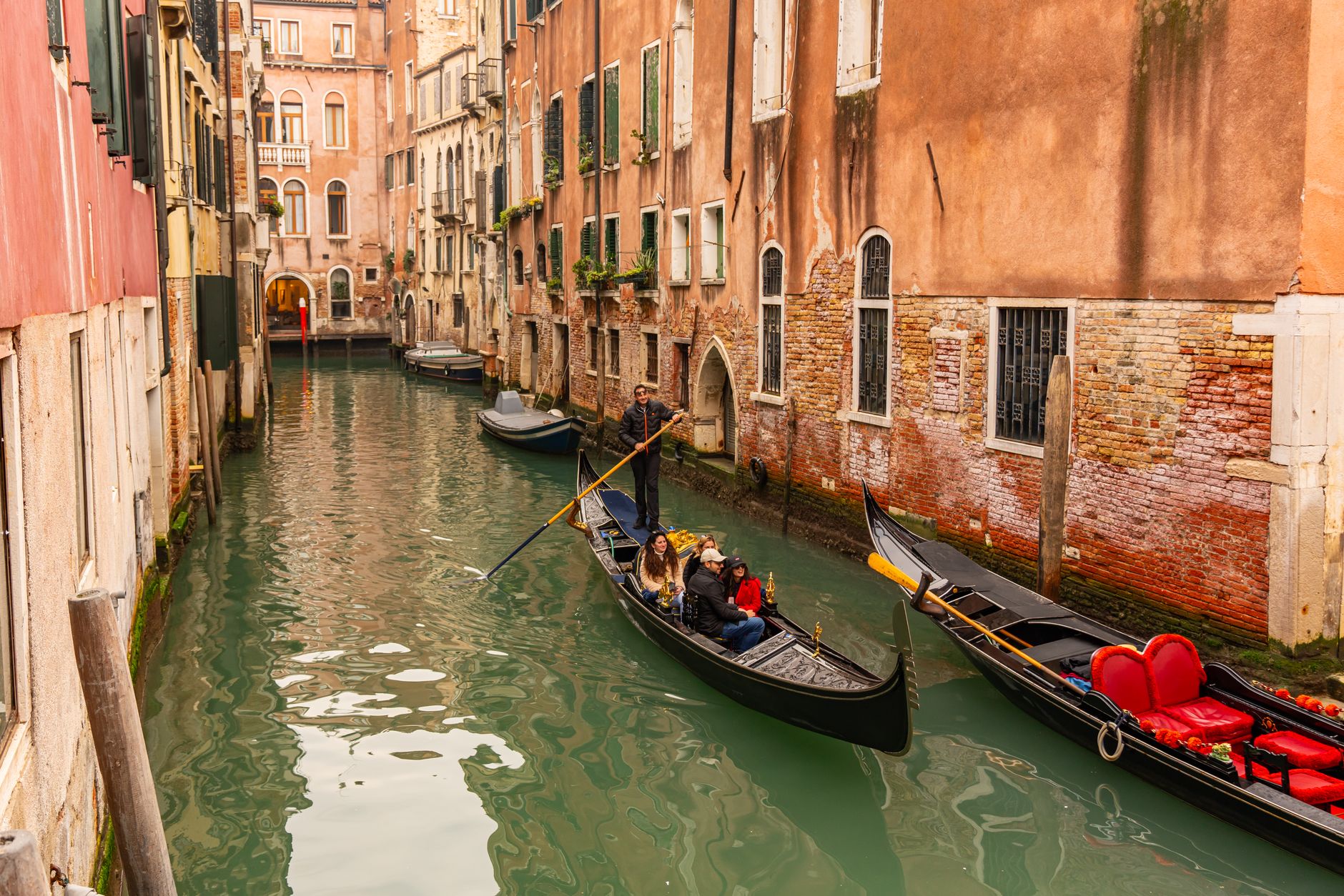
A word on the gondola, since the question always comes. The fare is fixed by the city, around ninety euros for half an hour by day and more once the lamps come on; it is unabashedly for visitors, and it bobs. It is worth taking anyway, though not from the rank on the Grand Canal. A few minutes' walk to a quiet side canal turns up a gondolier leaning on his oar with nothing to do, and the ride goes through the back of the city where the water turns green and still and the only sound is the blade turning.
By late afternoon the giro has crossed half of Venice on a route drawn entirely by which bar came next, San Polo to San Marco by way of a dozen counters, for less than the cost of one sit-down dinner near the Rialto Bridge. That is the giro d'ombre, the most Venetian thing to be done without owning a boat. One last ombra at whatever counter the walk has washed up against, taken standing, and the day is properly spent.