Everyone books the art cities. The Alps are the other half of the map.
Ten days buys one region properly. The country runs about 1,200 kilometres end to end, and no single trip takes in all of it
Trains between the cities. A car for the Alps and the coast roads, and never for a city centre, where the ZTL cameras fine every gate a driver crosses
April to June, September and October. August empties the cities and fills the coast
Italian. English is widely taught and unevenly spoken: Italy sits in the lowest EU band on the EF proficiency index, with France and Cyprus
The euro. Since 2026 every business has to accept a card, and refusing one is a fine
Rome Fiumicino FCO and Milan Malpensa MXP are the two intercontinental gateways. Naples NAP, Venice VCE and Catania CTA are the regional ways in
Ninety seconds on the country
Italy holds sixty-one World Heritage sites, more than any other country. Most of that art never left the building it was made for. The Last Supper is still on the refectory wall, and the Pantheon has carried the same concrete dome since 126 AD.
The other half of the country is vertical, and it is the half nobody books. The northern border runs along Mont Blanc and the Matterhorn, and Etna and Stromboli are the two most active volcanoes in Europe. The Dolomites are where via ferrata was invented.
It is a long country and a slower one to cross than the map suggests. The high-speed spine from Turin down through Milan, Florence and Rome to Naples is genuinely quick, Rome to Milan in under three hours. Step off that line and the pace halves: Cortina has no railway station at all, and the nearest is a bus ride away at Calalzo di Cadore.
Which makes treating Italy as one trip the standard mistake. Ten days does one axis of the country properly and two of them badly, and the axes run on opposite calendars. The Ligurian and Amalfi coasts are warm enough to swim from May, when the Dolomite high routes are still under snow and the huts have not opened for the season.
August is the month to think hardest about. Italians take their own holiday then, so the cities empty and the coast and the mountains fill, and a good deal of urban Italy shuts for a fortnight around the fifteenth. April to June and September to October are the months that serve both halves of the country, and they are cheaper.
Almost everything worth seeing now has a gate on it, so Italy rewards deciding early. The Vatican Museums and the Uffizi sell out weeks ahead, and the Last Supper admits forty people every fifteen minutes. Venice charges day trippers on about sixty dates a year.
Pick how you want to travel. The towns, the things to do and the map all change with it.
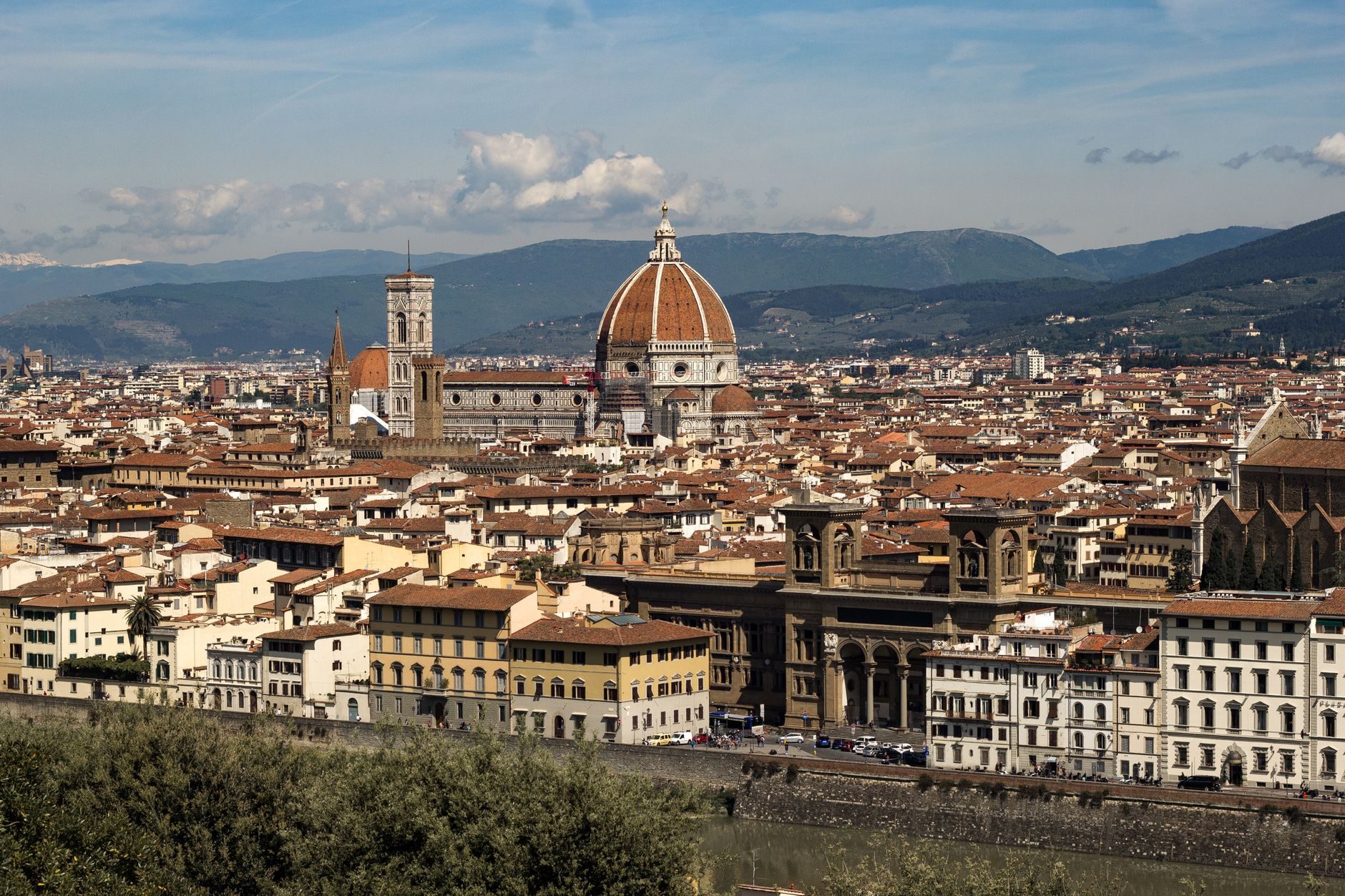
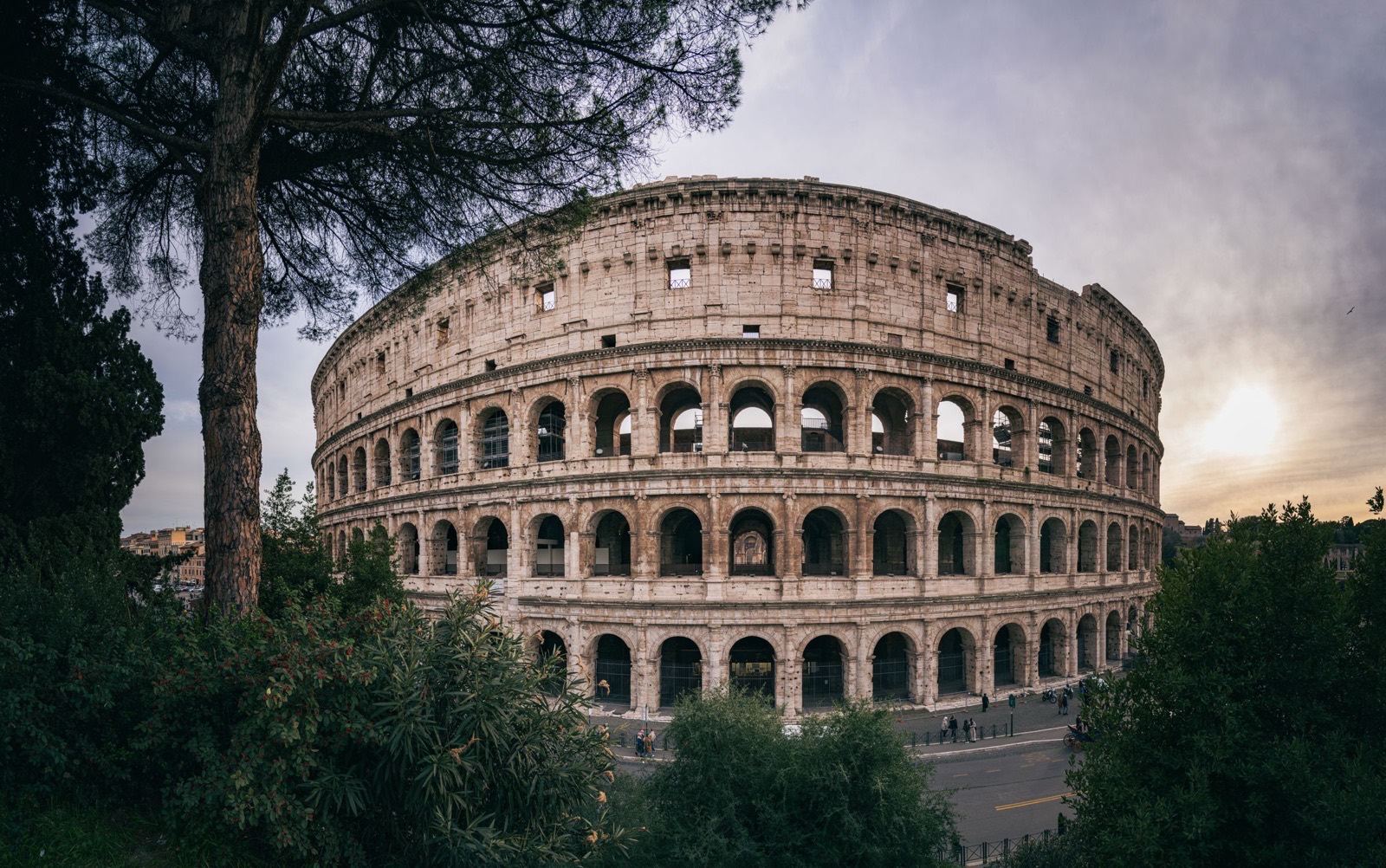
Italian art mostly stayed in the building it was made for. Rome, Florence, Venice, Milan and Naples each want two full days, and what constrains the order is the booking.
The Vatican Museums, the Uffizi and the Last Supper all sell out weeks ahead. Siena, Verona, Aosta and Trieste need no booking at all. All four sit an hour off the fast line.
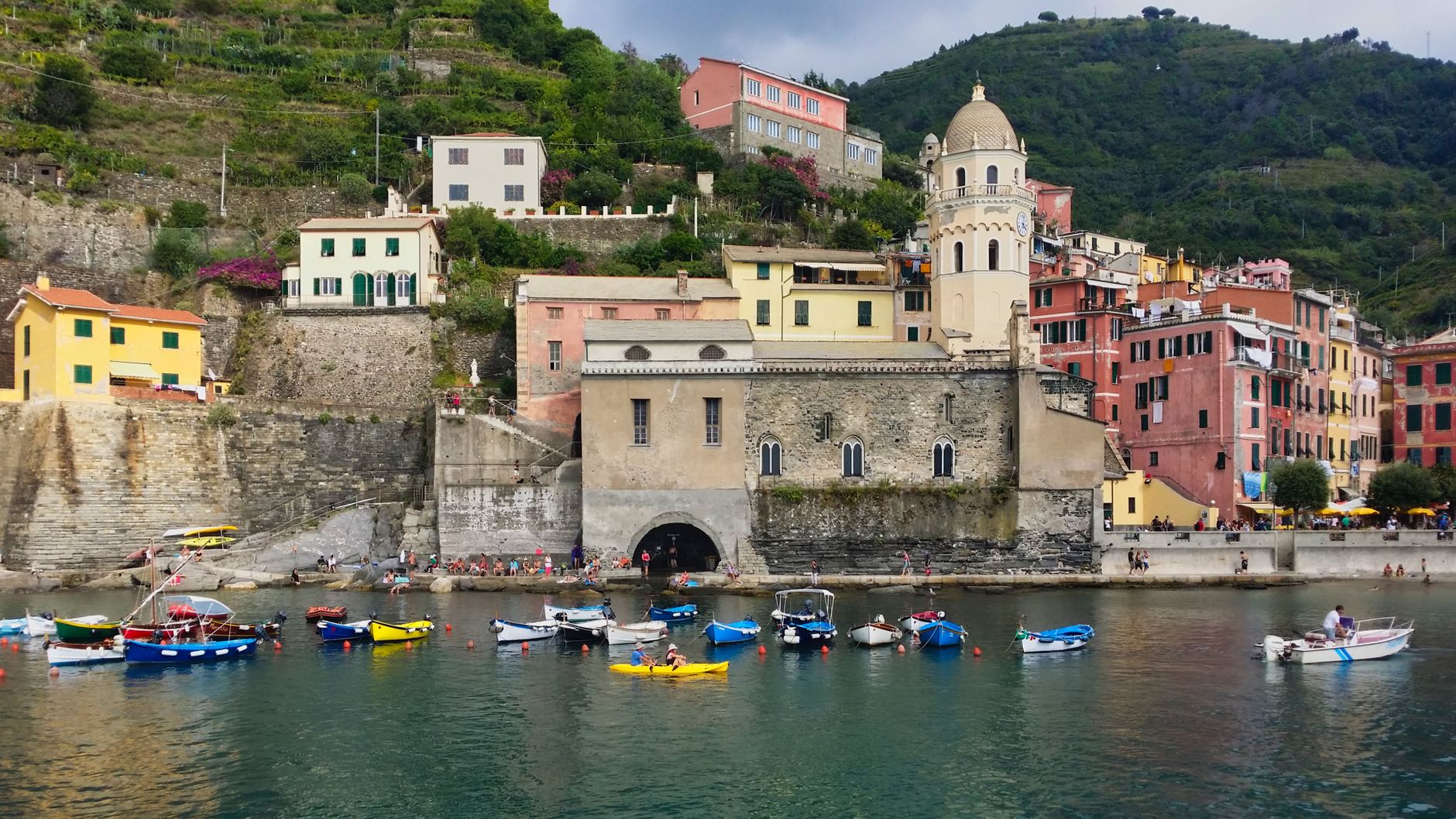
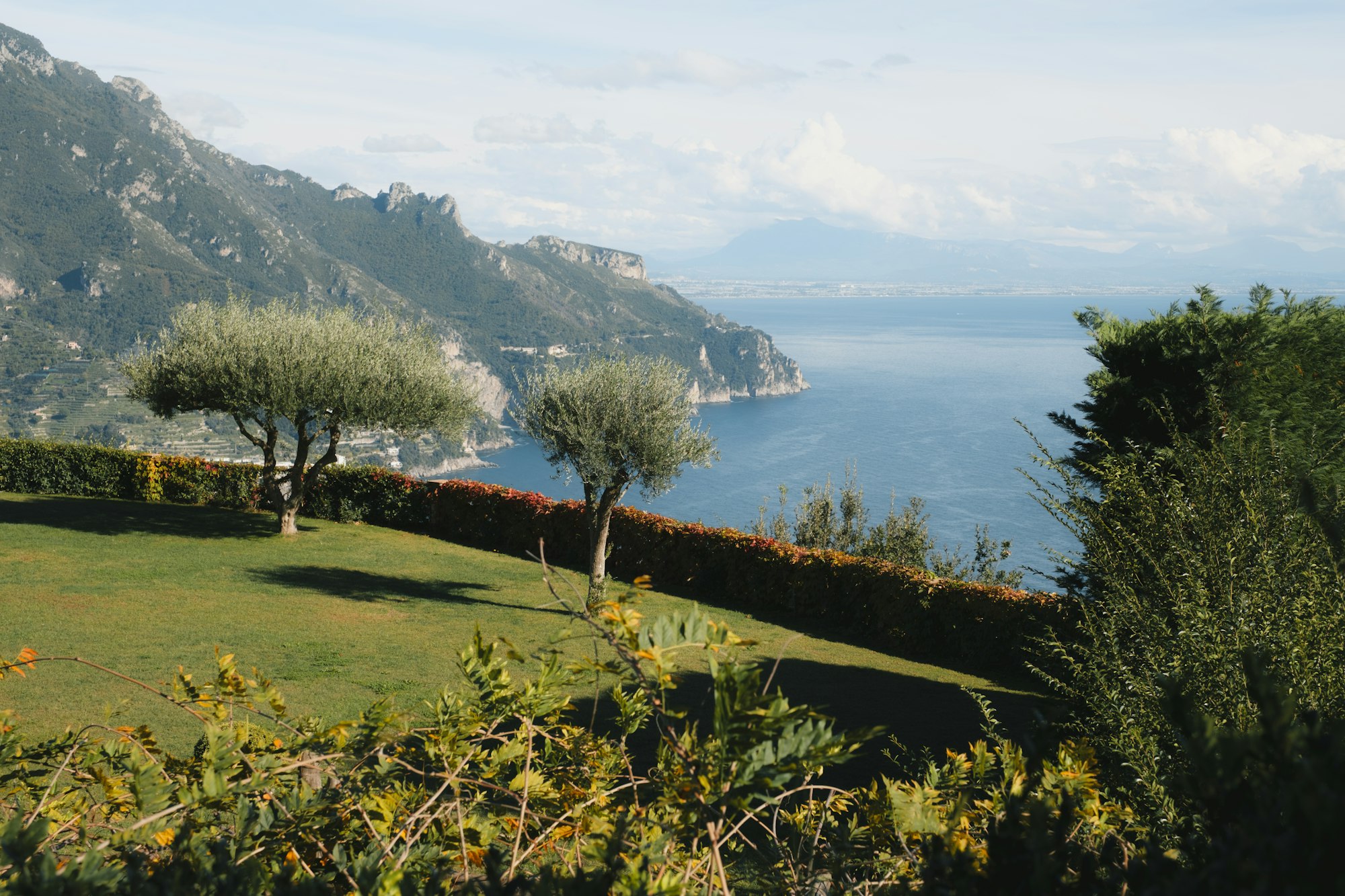
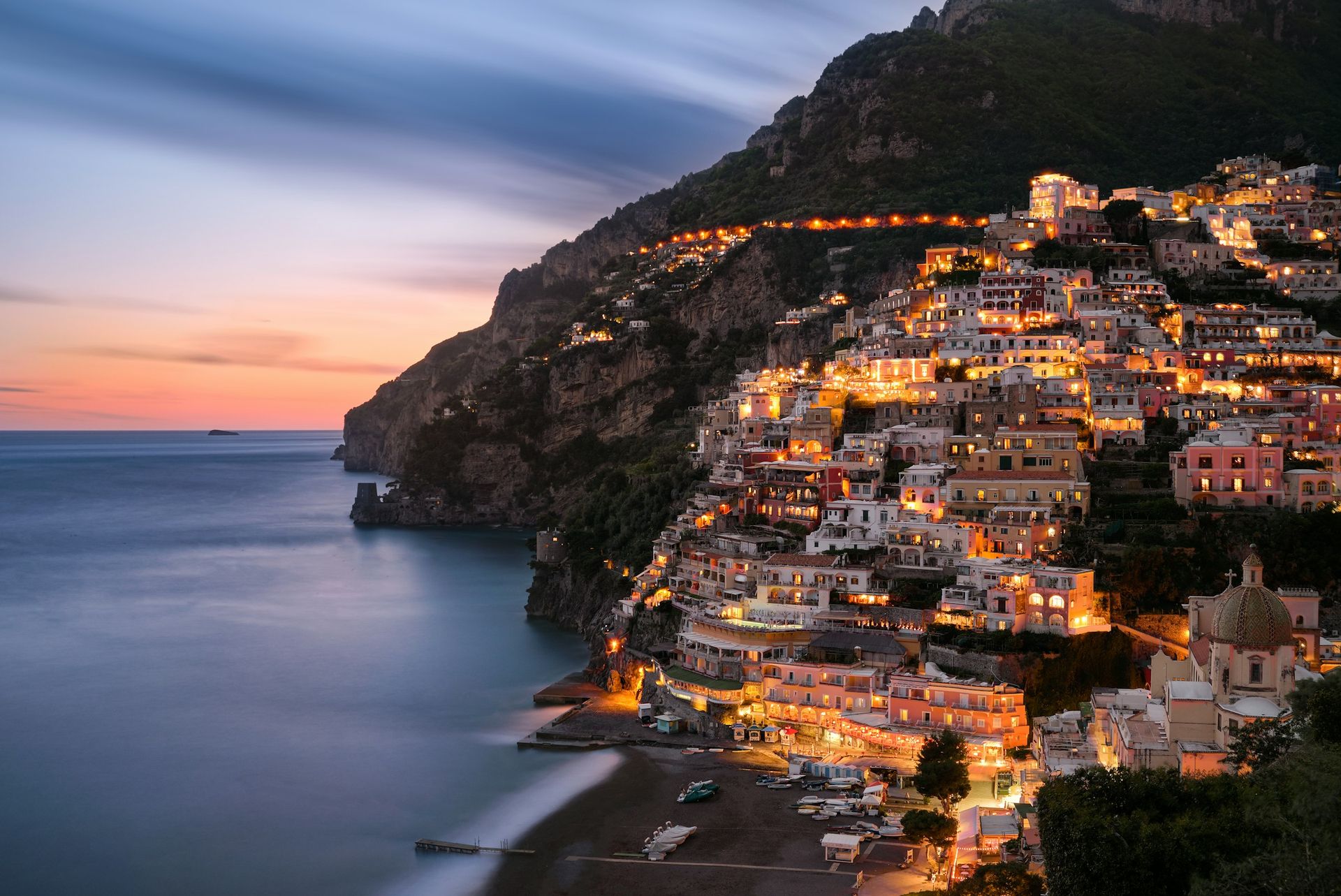
The Amalfi Coast, the Cinque Terre and Capri are built on ground too steep to farm. The beaches under them are small and shingle, reached down long flights of steps.
The Amalfi road gridlocks from June, so the ferries between Sorrento, Positano and Amalfi beat the bus. For real sand, head to San Vito Lo Capo in western Sicily.
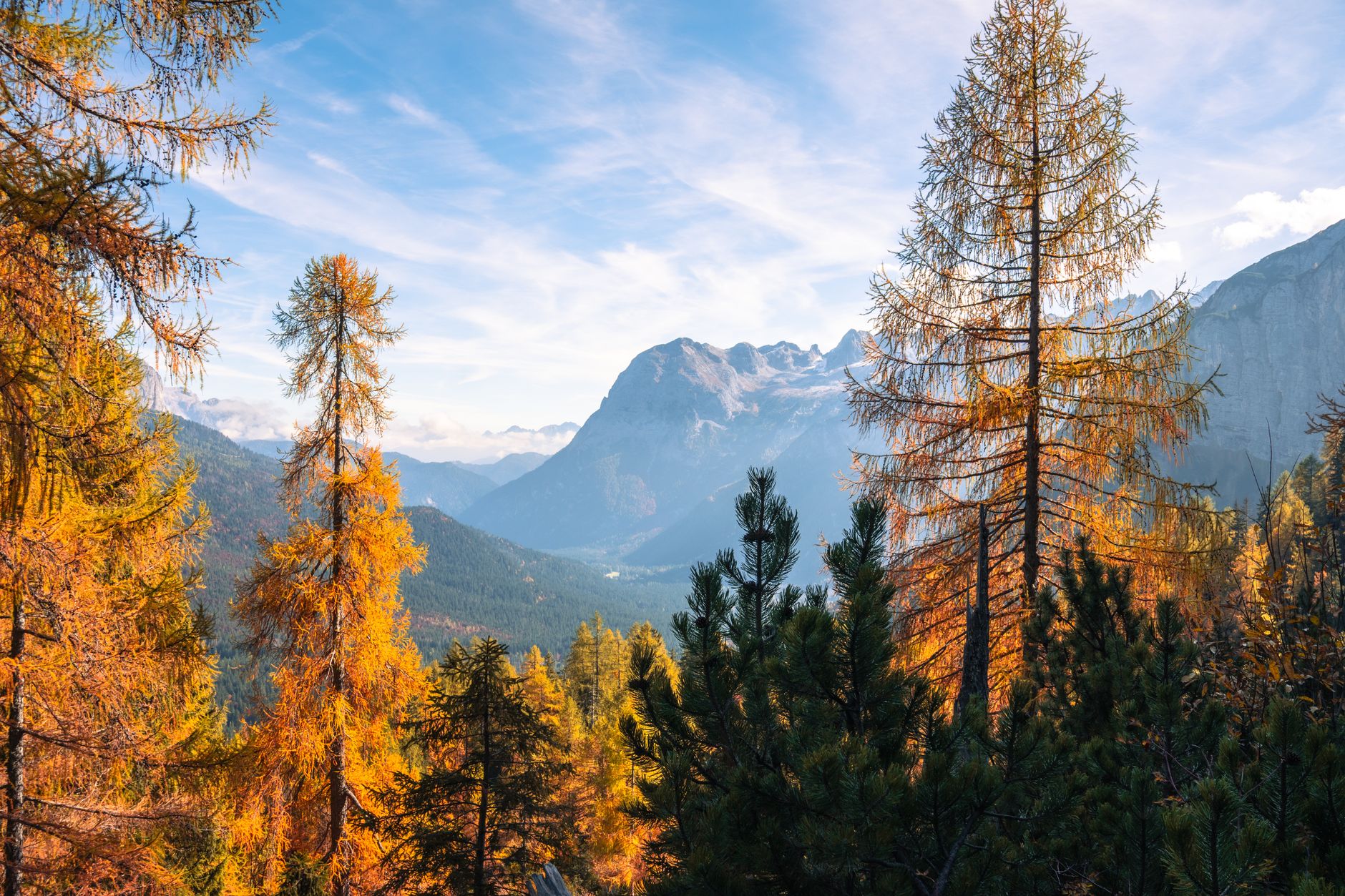
The Italian landscape people travel for is water and limestone. Lago di Braies and Lago di Sorapis are the two lakes above Cortina in every Dolomite photograph. Alpe di Siusi behind Ortisei is the largest high pasture in Europe.
Much of it now runs to a timetable. Braies closes to cars in high season, the Grotta Azzurra on Capri opens only when the swell allows, and the Marmore falls near Terni run to a published schedule. Check the day before.
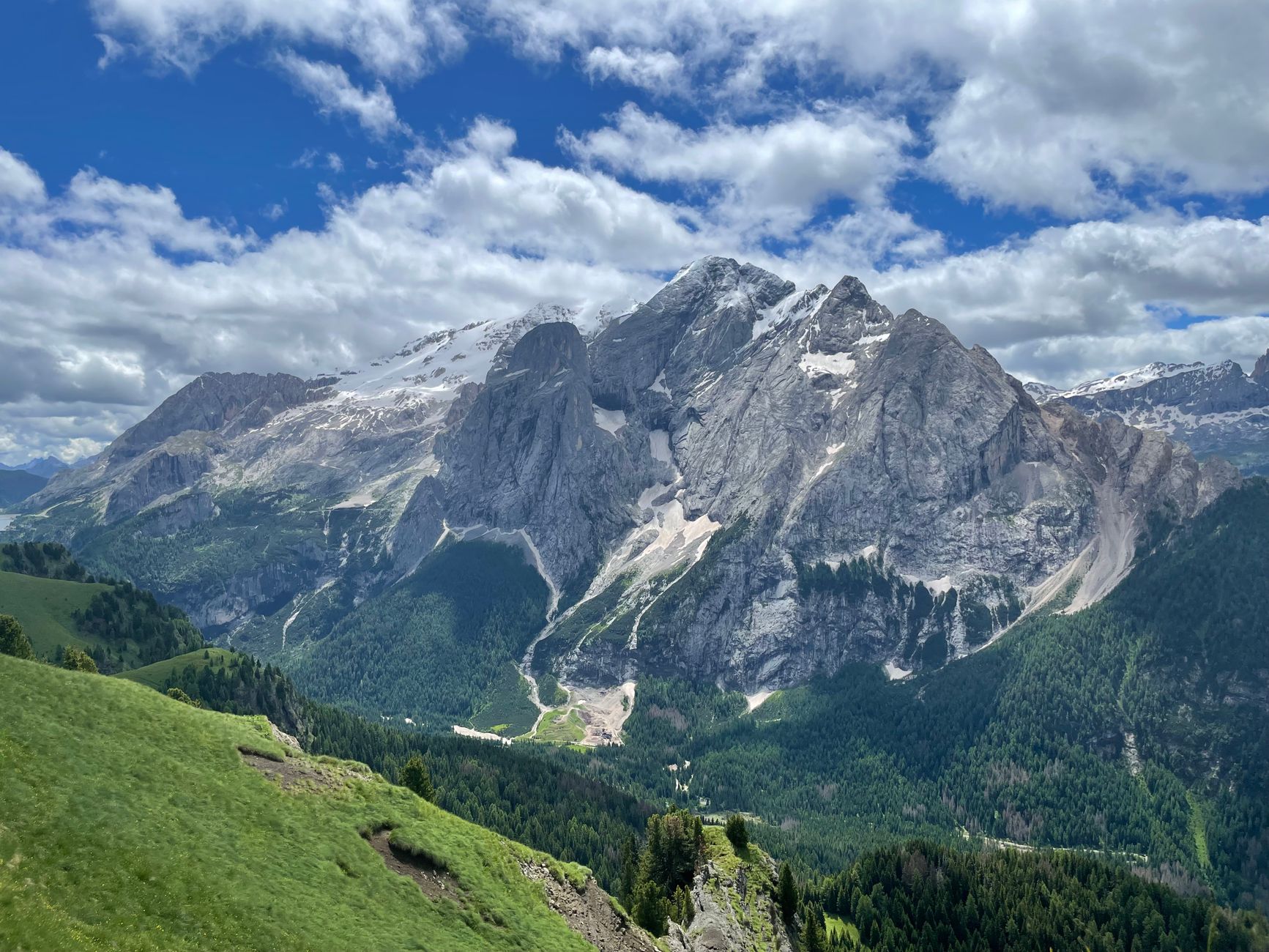
Via ferrata was invented on Dolomite rock during the mountain war of 1915 to 1917. The full walk is the Alta Via 1, ten days of huts south from Lago di Braies. Tre Cime, Lagazuoi and the Cinque Torri are the day versions.
Book the huts six months out. Off the wire it is water and volcano: the Noce in Val di Sole is one of the best whitewater rivers in the world, and Etna and Stromboli are climbed with guides. Courmayeur and Cortina are the towns to base in.
Le Sirenuse and Il San Pietro hang off Positano, and Caruso sits 350 metres up at Ravello. Venice keeps the Cipriani in a garden on the Giudecca and the Gritti on the Grand Canal.
The coastal hotels close for the winter. Le Sirenuse runs mid-April to October, and most of Amalfi and Capri keeps the same season. From November the good rooms are in Rome and Milan, and Cortina works in both seasons.
Last updated
The places on this page are in the app, each with a verdict: why to go, how far from your hotel, how long to stay. Forward your confirmations and the days fill themselves in.