 Submit a photo
Ninety seconds on the Great Barrier Reef
The reef day boats board at the Reef Fleet Terminal on the Cairns waterfront. The crossing to the reef platforms usually takes about 70 minutes each way.
Stingers are present in Queensland waters all year, but the risk is higher from November to May. Crews issue full-length lycra stinger suits before snorkellers enter the water.
The clearest water usually comes from June to October, in the dry season, when the coral is seen at its sharpest. July and August can be choppy, as the trade winds blow more steadily then.
An introductory dive, a supervised dive for beginners, needs no certification. The usual conditions are sound health and an age of roughly 12 or more, and operators set the final rules.
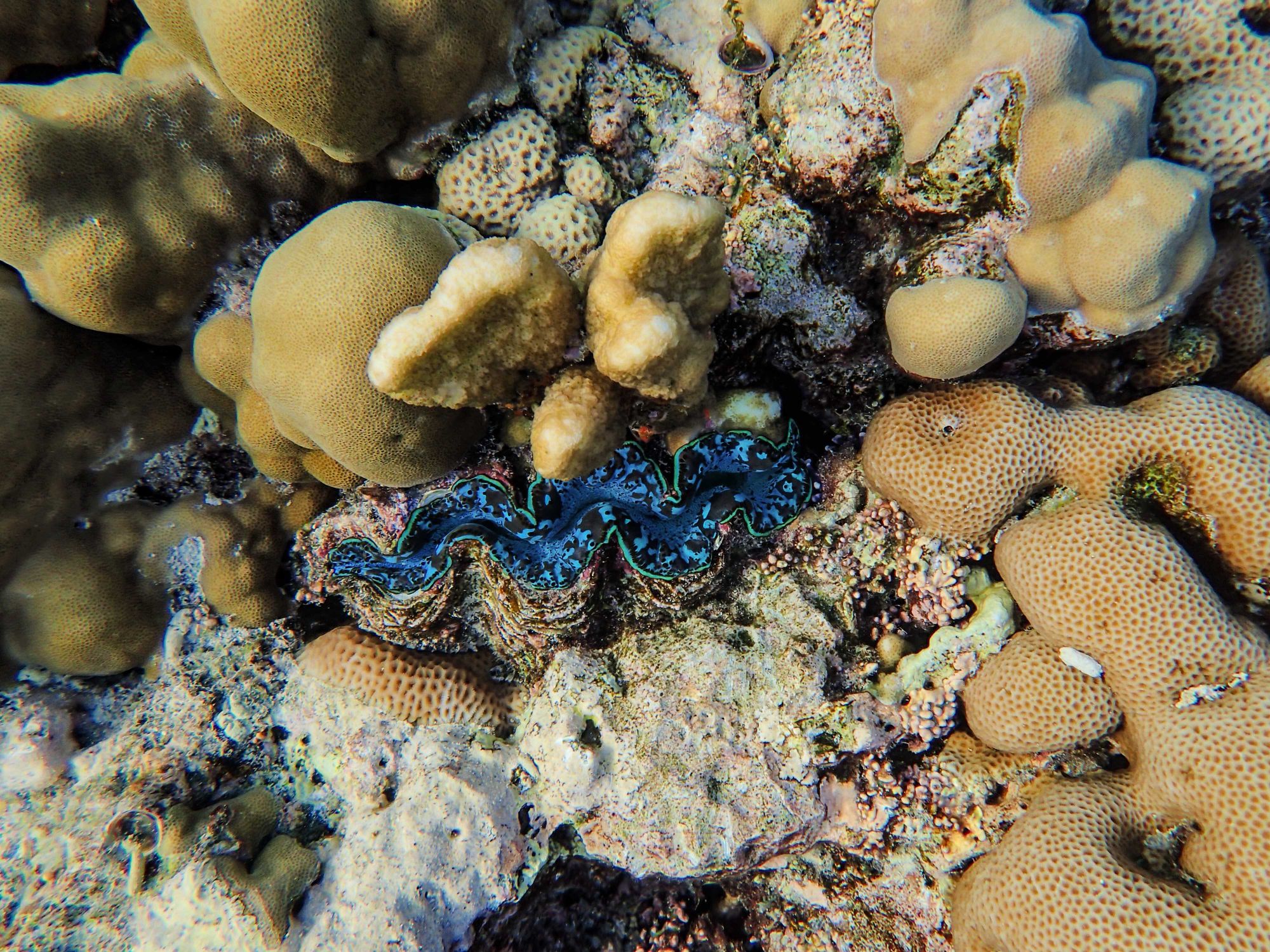
The coral off Cairns is part of the most extensive reef system in the world, and you can float over it from a moored platform without ever learning to dive.
From the surface you look straight down on coral gardens only a few metres beneath you, soft and hard corals growing together with reef fish moving through them. The outer reef has the richest coral cover, the most variety and the best visibility. The deep Coral Sea walls, such as Osprey Reef, where the coral drops more than 1,000 metres, are reached by liveaboard trips, not by the day boats.
Turtles, several kinds of shark and sea snakes all live on the reef, though no sighting is guaranteed. On a calm day at Moore Reef, snorkellers have met an eagle ray, reef sharks and green turtles around a single moored platform.
White patches are often bleached coral: when the sea warms, the coral expels the algae that feed it and turns white. Bleached coral can recover or die.
Most boats leave the marina by half past eight and take 60 to 90 minutes to reach the outer reef. Some visit two or three reef sites, with forty five minutes to an hour in the water at each. Others moor all day at a pontoon, a floating platform with shade, seating and an enclosed snorkelling area.
Choose a pontoon for children or less confident swimmers, and a multi-site boat if you want more snorkelling. On a platform day you snorkel straight off the deck, and the glass-bottom boat and semi-submersible run all day.
From November to May, wear the stinger suit the crew offers; it is strongly advised. An introductory dive needs no certificate; confirm the age and health rules when you book. Book early in your stay, which leaves room to move the trip if the wind is up.
If you get seasick, choose a short crossing: the Frankland Islands trip crosses the least open water, and Green and Fitzroy islands are under 30 kilometres out, far less than the outer-reef run.
On any boat, take your tablets at least 30 minutes before boarding, eat a light breakfast and sit in the middle, where the boat moves least. If you still feel sick, go out to the open lower back deck. Put on reef-safe sunscreen at the hotel rather than on the boat, and leave valuables behind, since you spend most of the day in the water.
The chance of a sting on the reef itself is very small, even in stinger season. Irukandji symptoms can take 20 to 40 minutes to show, so if you feel unwell after a swim, tell the crew and get medical help.
Cairns, and further afield
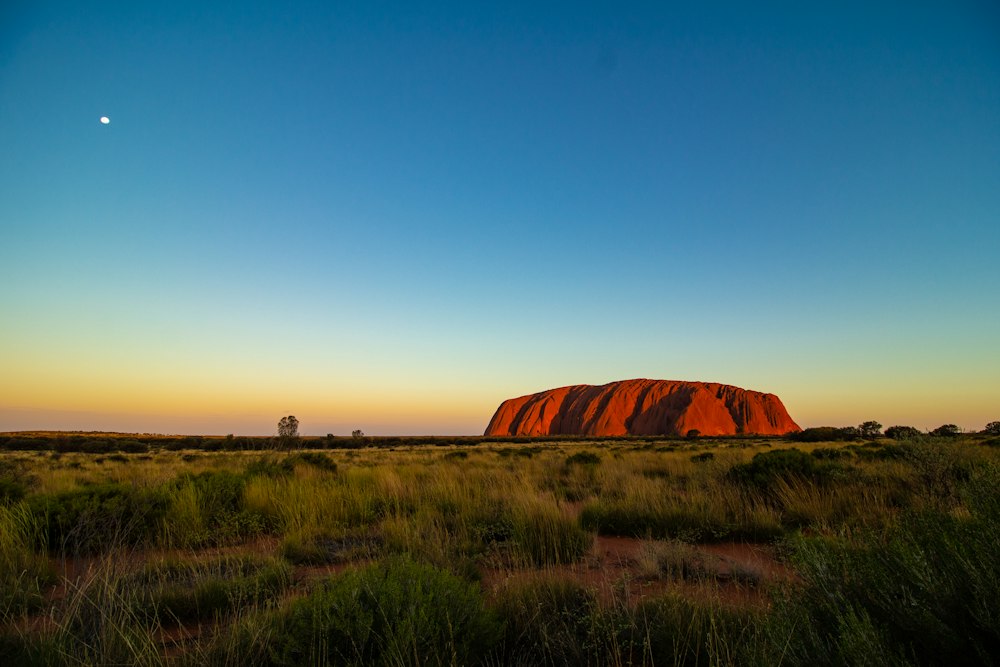
Desert settlement of Yulara sits outside the boundary of Uluru Kata Tjuta National Park in the southwest of the Northern Territory, and…
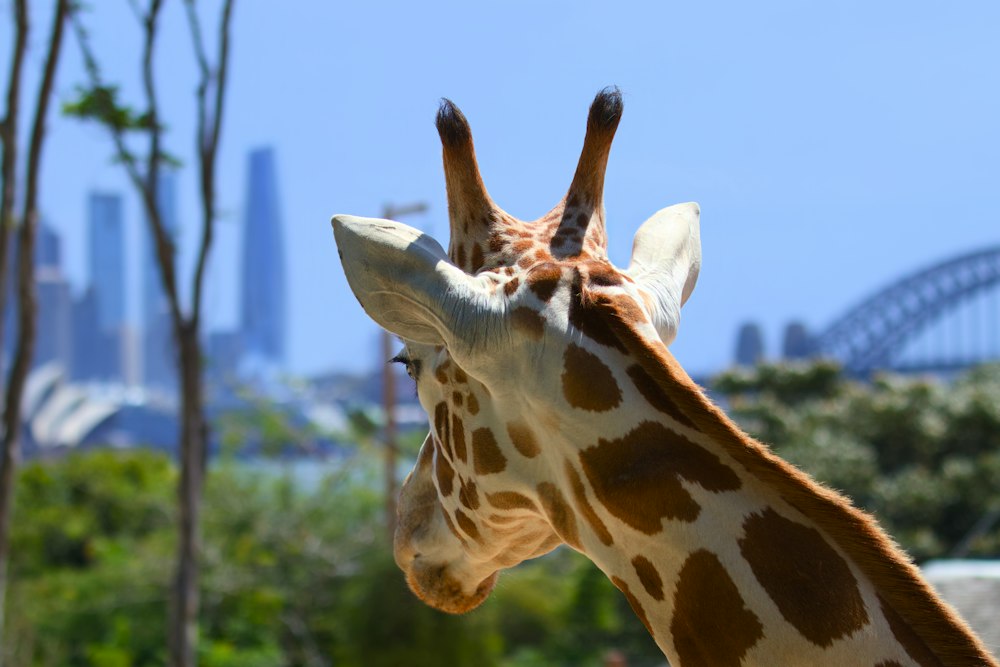
A hillside zoo on Bradleys Head in Mosman, a short ferry ride from Circular Quay, that looks straight back across the harbour at the city…
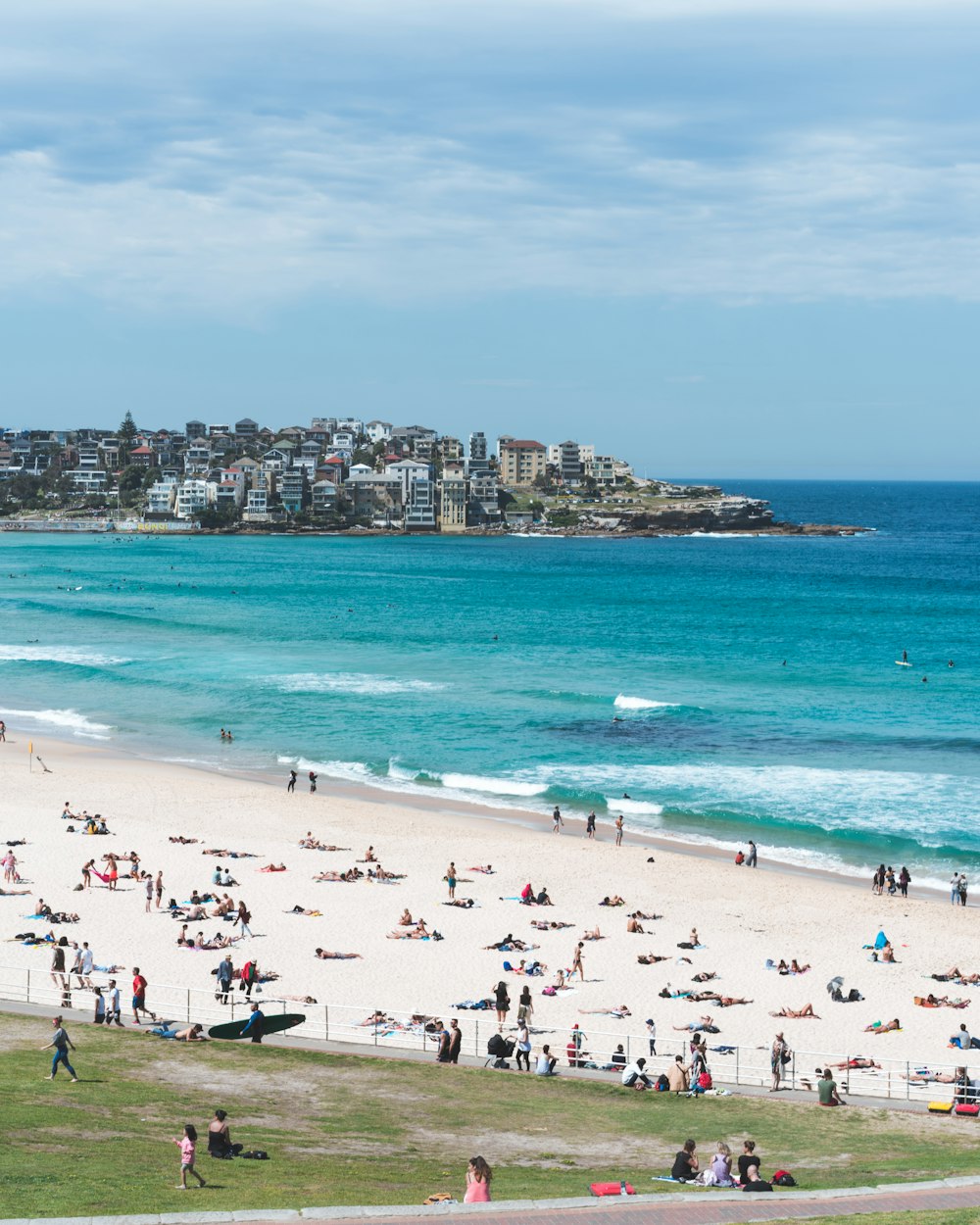
A kilometre of sand between two headlands, backed by a promenade of cafes and a skate bowl, draws swimmers, surfers and sunbathers through…
Tropical port in far north Queensland, wedged between rainforest mountains and the mudflats of Trinity Bay, and the usual launch point for…
Harbour city on the southeast coast of Australia, built around a drowned river valley of coves, headlands and ocean beaches, and the usual…
Second city of Australia, set at the head of Port Phillip Bay on a flat grid of lanes, arcades and tram lines, with the Yarra cutting…
Southernmost capital in Australia, set on the Derwent estuary under a dolerite mountain, with Georgian sandstone along the waterfront and a…
Last updated