Globe Countries Cities Dispatches Events World's Best Get the App
Where to go next

The World's Best

The places worth building a trip around, chosen and checked by our editors.

By Meridian Dispatch · Updated September 2026
Show me the best in
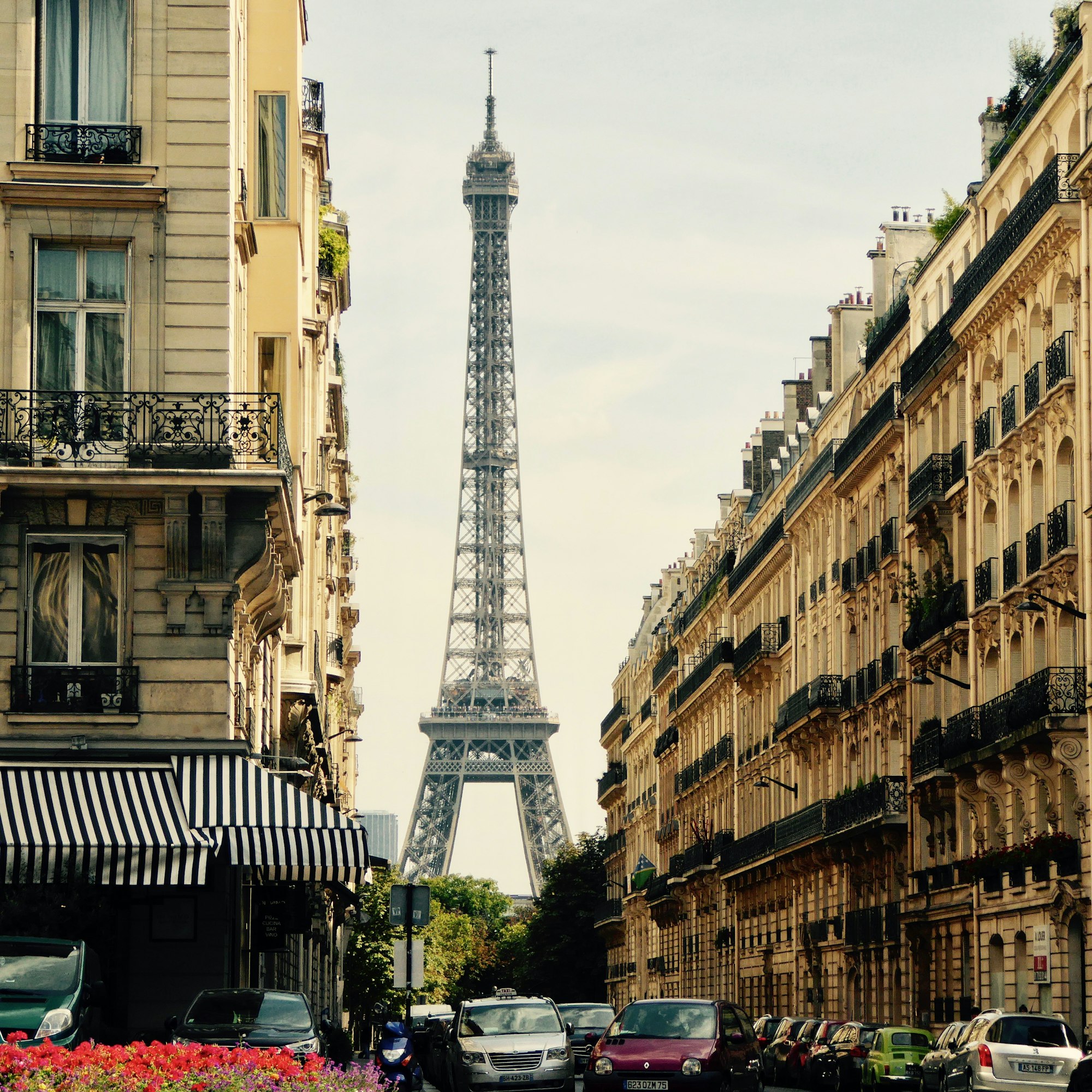
  1. Eiffel Tower
    Fig. 01 · 48.858° N · 2.295° E
    Paris, France · Landmark

    Eiffel Tower

    An iron lattice monument completed in 1889 for the World's Fair, standing 330 metres tall and designed by Gustave Eiffel.

    The Paris guide →
  2. I
    Part I · Nos. 02 to 06
    1. 02Mount Kilimanjaro
    2. 03Taj Mahal
    3. 04Grand Canyon National Park
    4. 05Louvre Museum
    5. 06Great Pyramid of Giza
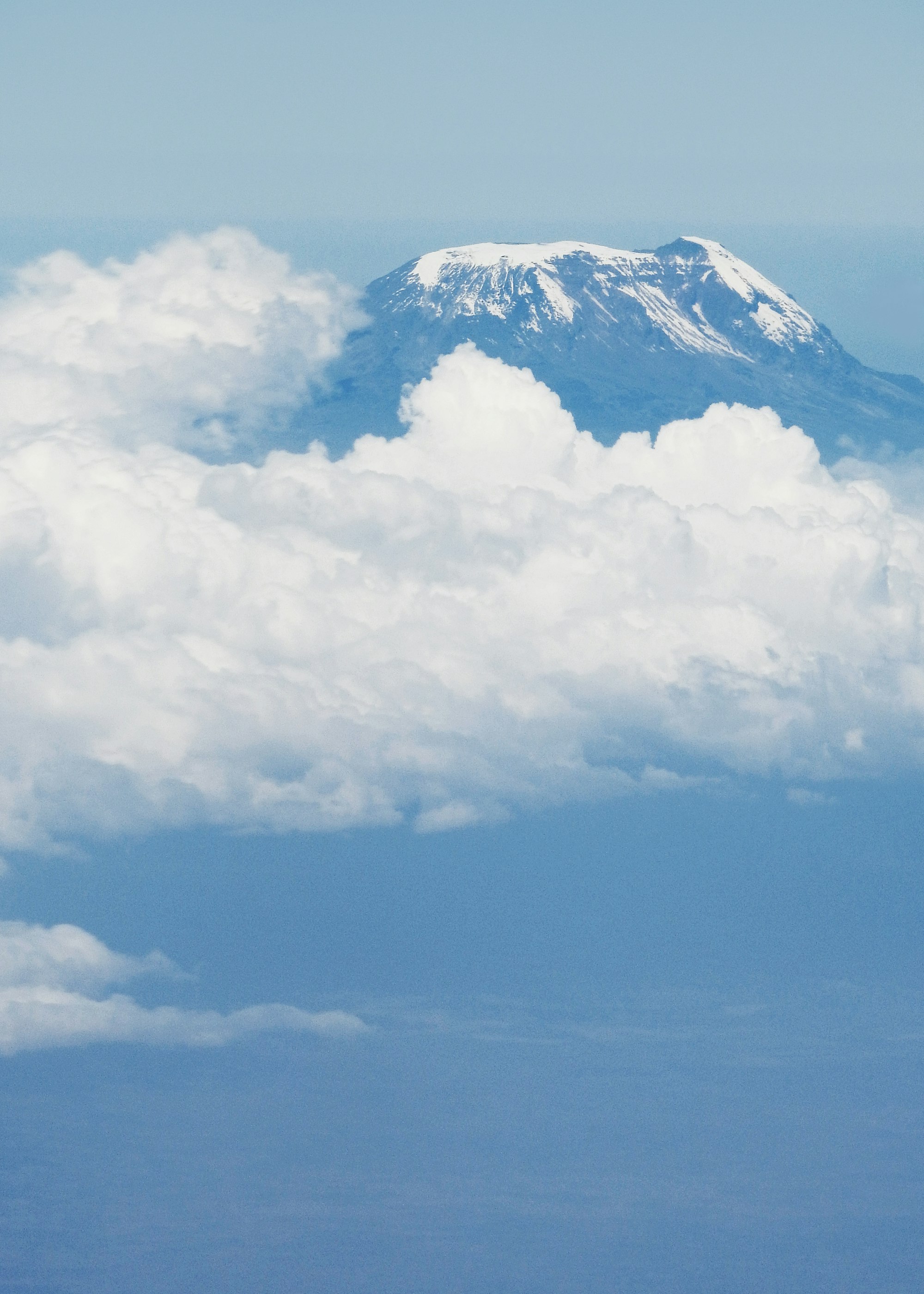
  3. Mount Kilimanjaro
    Fig. 02 · 3.067° S · 37.359° E
    Moshi, Tanzania · Mountain

    Mount Kilimanjaro

    Africa's high point stands alone above the plain at 5,895 metres, a dormant volcano carrying glaciers on a summit close to the equator.

    The Moshi guide →
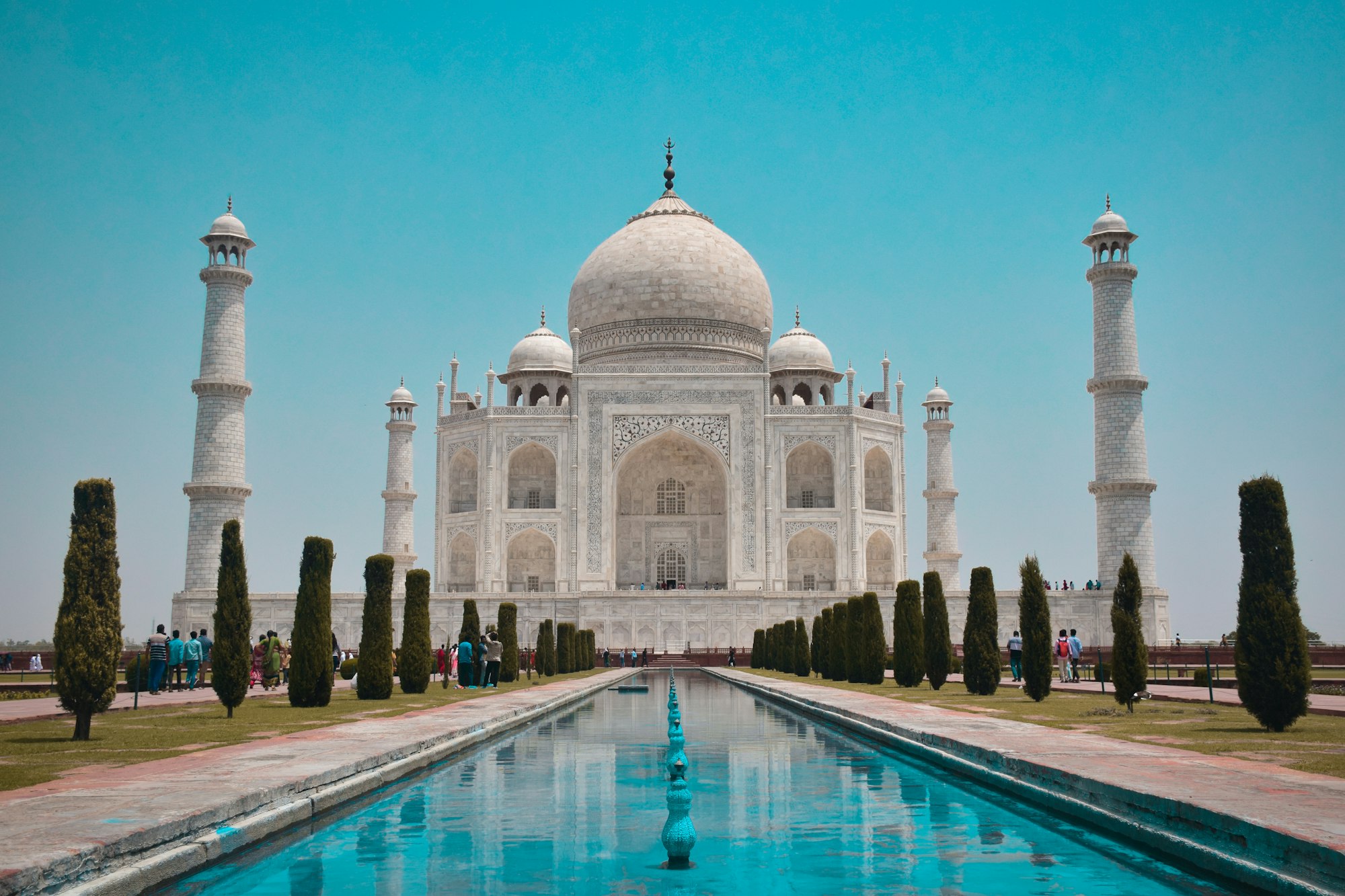
  4. Taj Mahal
    Fig. 03 · 27.175° N · 78.042° E
    Agra, India · Monument

    Taj Mahal

    Shah Jahan commissioned this marble mausoleum for his wife Mumtaz Mahal, and work ran from 1632 until the middle of the century.

    The Agra guide →
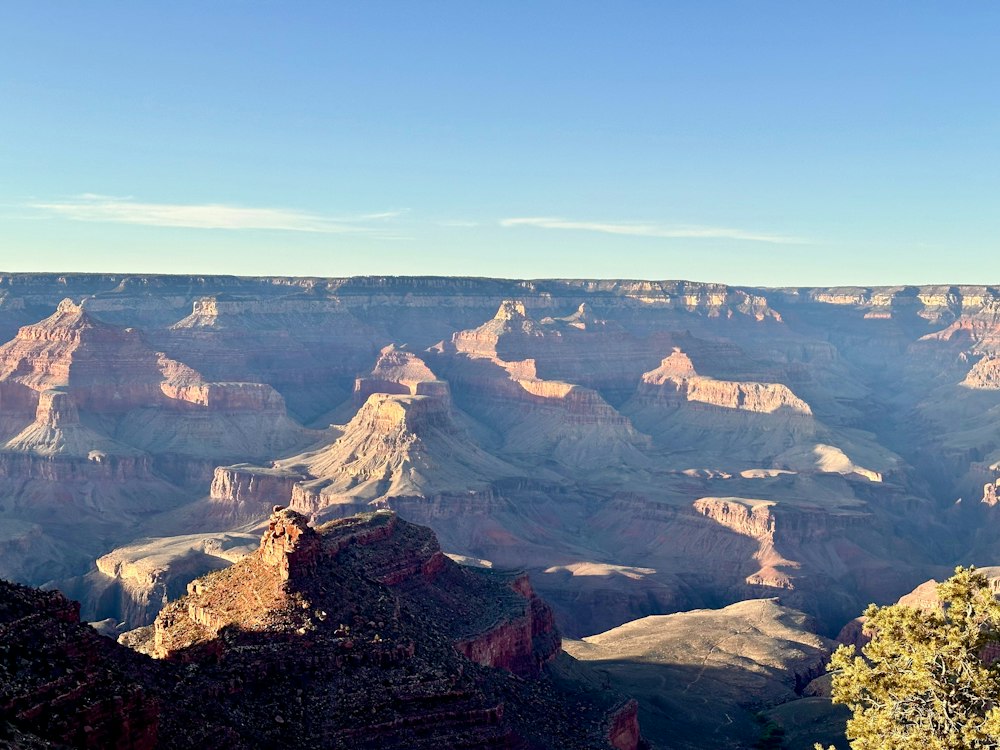
  5. Grand Canyon National Park
    Fig. 04 · 36.055° N · 112.122° W
    Grand Canyon Village, United States · Park

    Grand Canyon National Park

    Four hundred and fifty kilometres of the Colorado River run through the park, in a gorge nearly thirty kilometres wide at its broadest and well over a kilometre deep.

    The Grand Canyon Village guide →
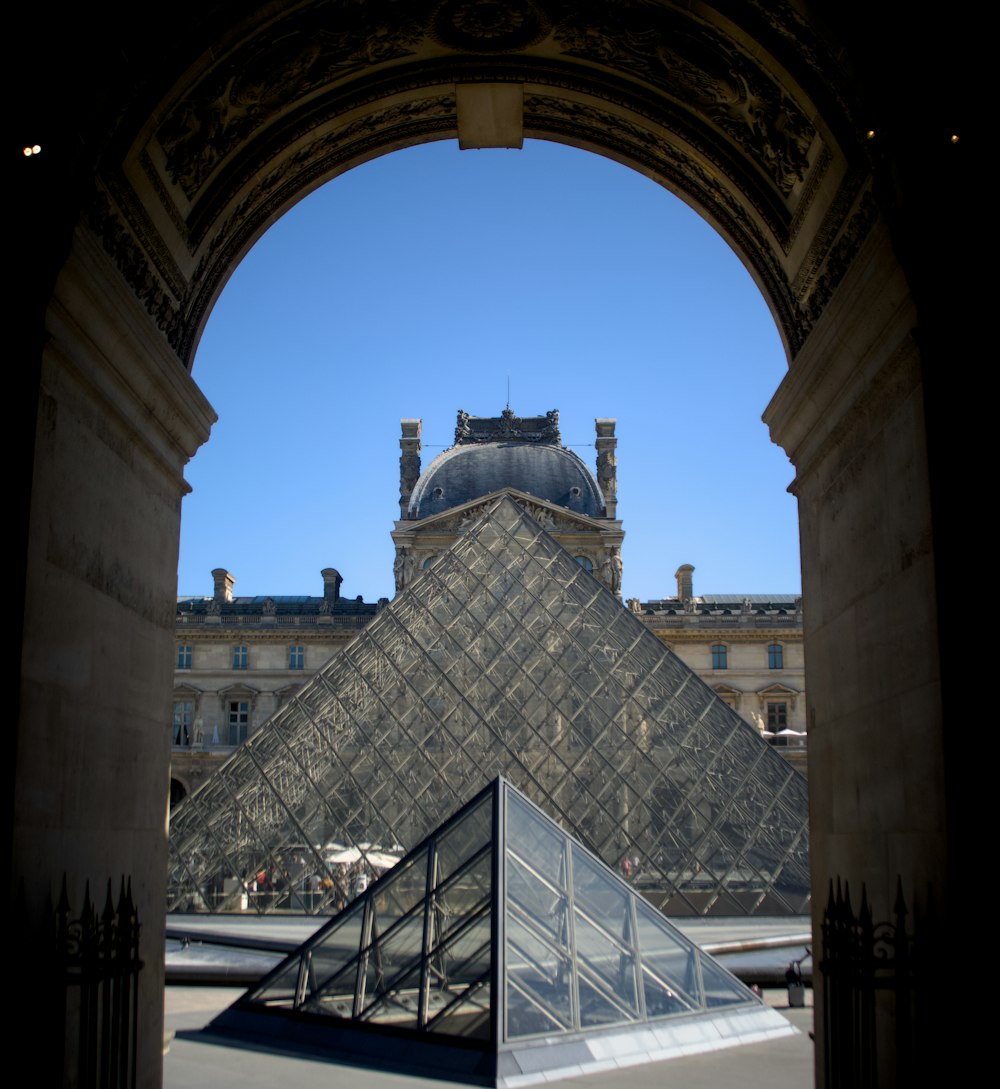
  6. Louvre Museum
    Fig. 05 · 48.861° N · 2.338° E
    Paris, France · Museum

    Louvre Museum

    The former royal palace holds roughly 35,000 works on display, including the Mona Lisa, the Venus de Milo and the Winged Victory of Samothrace.

    The Paris guide →
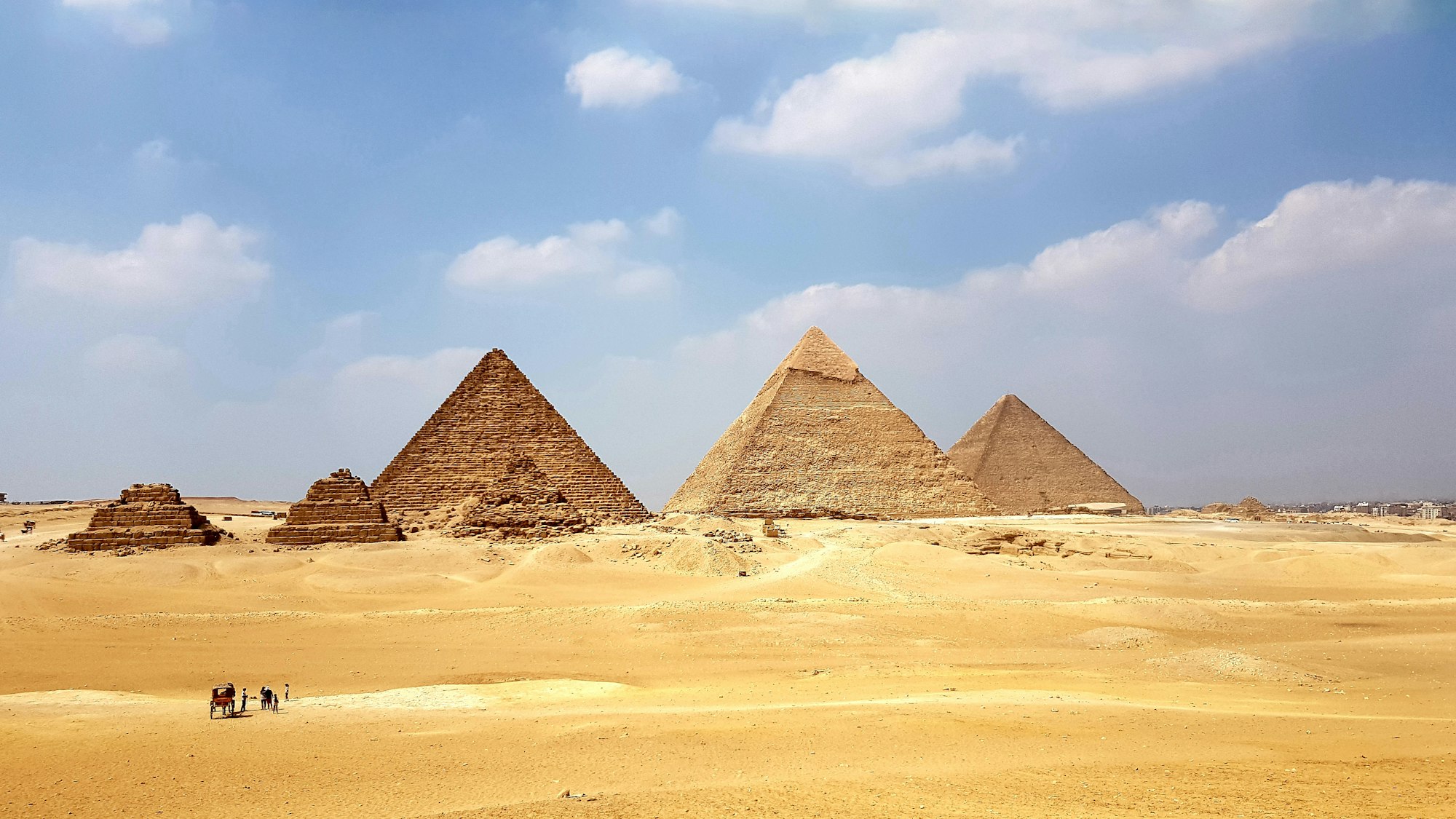
  7. Great Pyramid of Giza
    Fig. 06 · 29.979° N · 31.134° E
    Giza, Egypt · Archaeological Site

    Great Pyramid of Giza

    3 million blocks, stood as the tallest structure on earth for close to four thousand years.

    The Giza guide →
  8. II
    Part II · Nos. 07 to 11
    1. 07Matterhorn
    2. 08Great Barrier Reef
    3. 09Statue of Liberty
    4. 10Hagia Sophia
    5. 11Machu Picchu
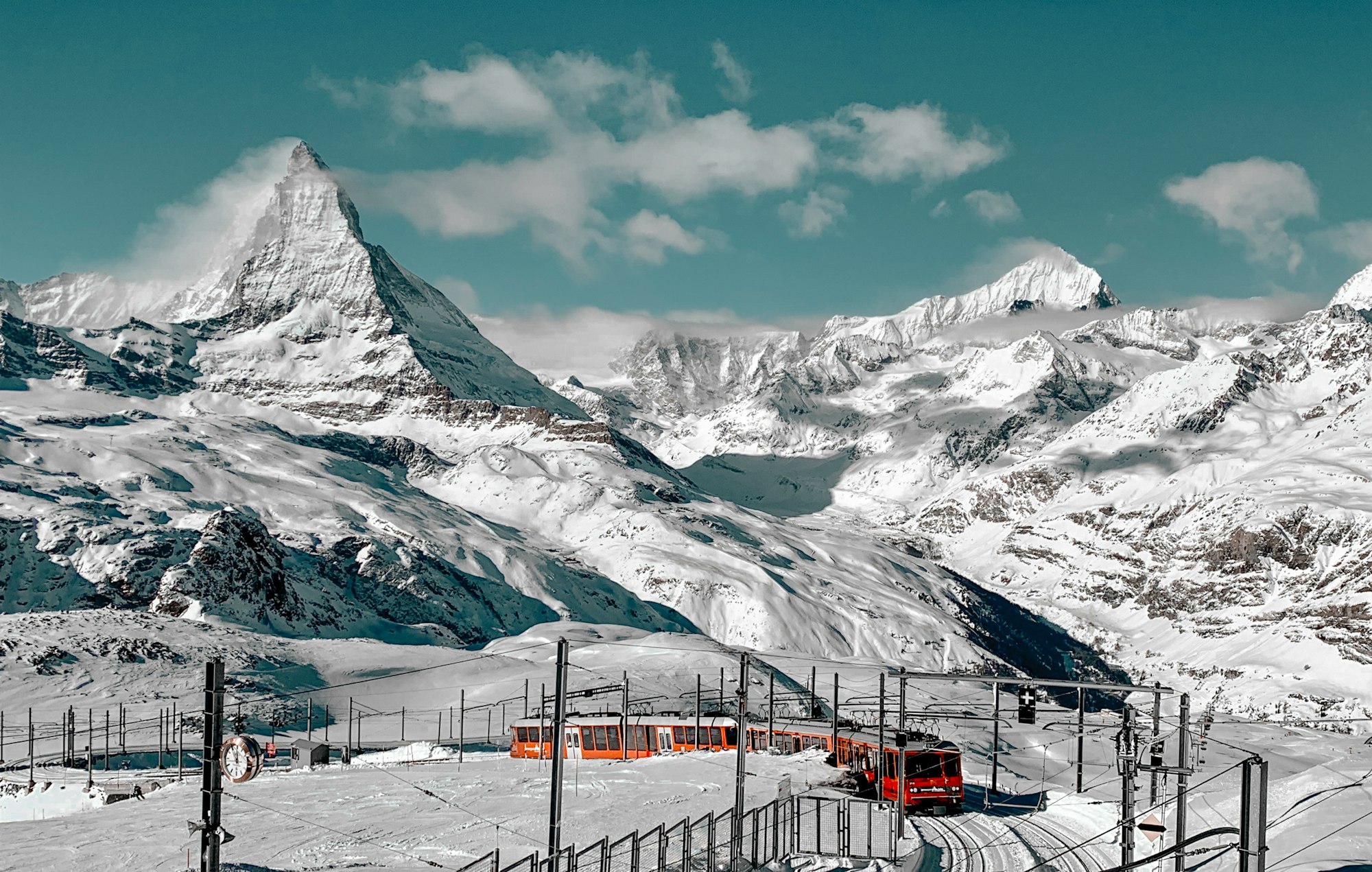
  9. Matterhorn
    Fig. 07 · 45.976° N · 7.659° E
    Zermatt, Switzerland · Viewpoint

    Matterhorn

    The mountain that put the Alps on a poster, 4,478 metres and standing alone, which is why the shape reads as a single tooth from every side.

    Read the full record →
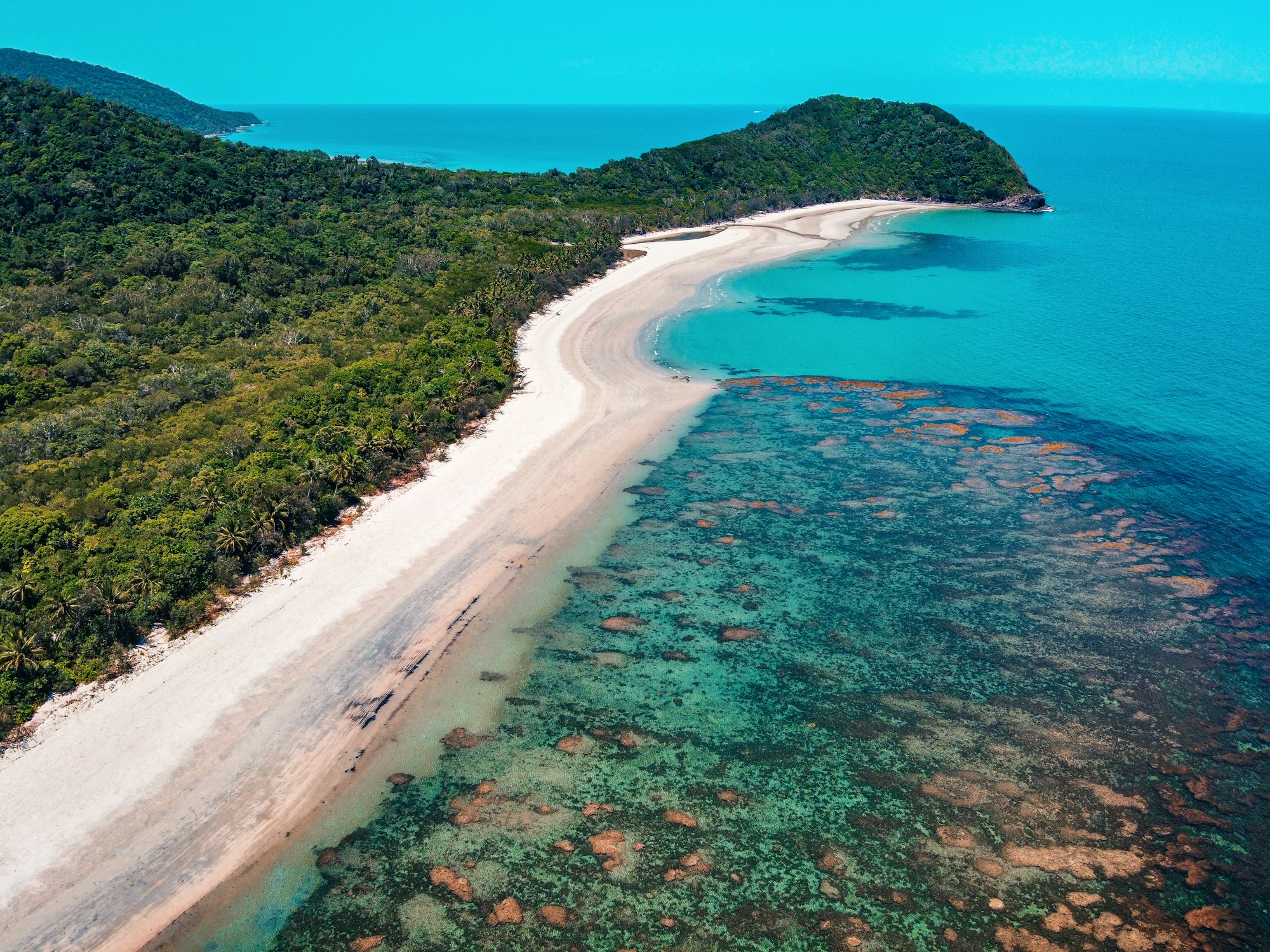
  10. Great Barrier Reef
    Fig. 08 · 16.400° S · 145.800° E
    Cairns, Australia · Reef

    Great Barrier Reef

    Coral runs for some two thousand kilometres along the Queensland coast, and this port is one of the main gateways onto it.

    The Cairns guide →
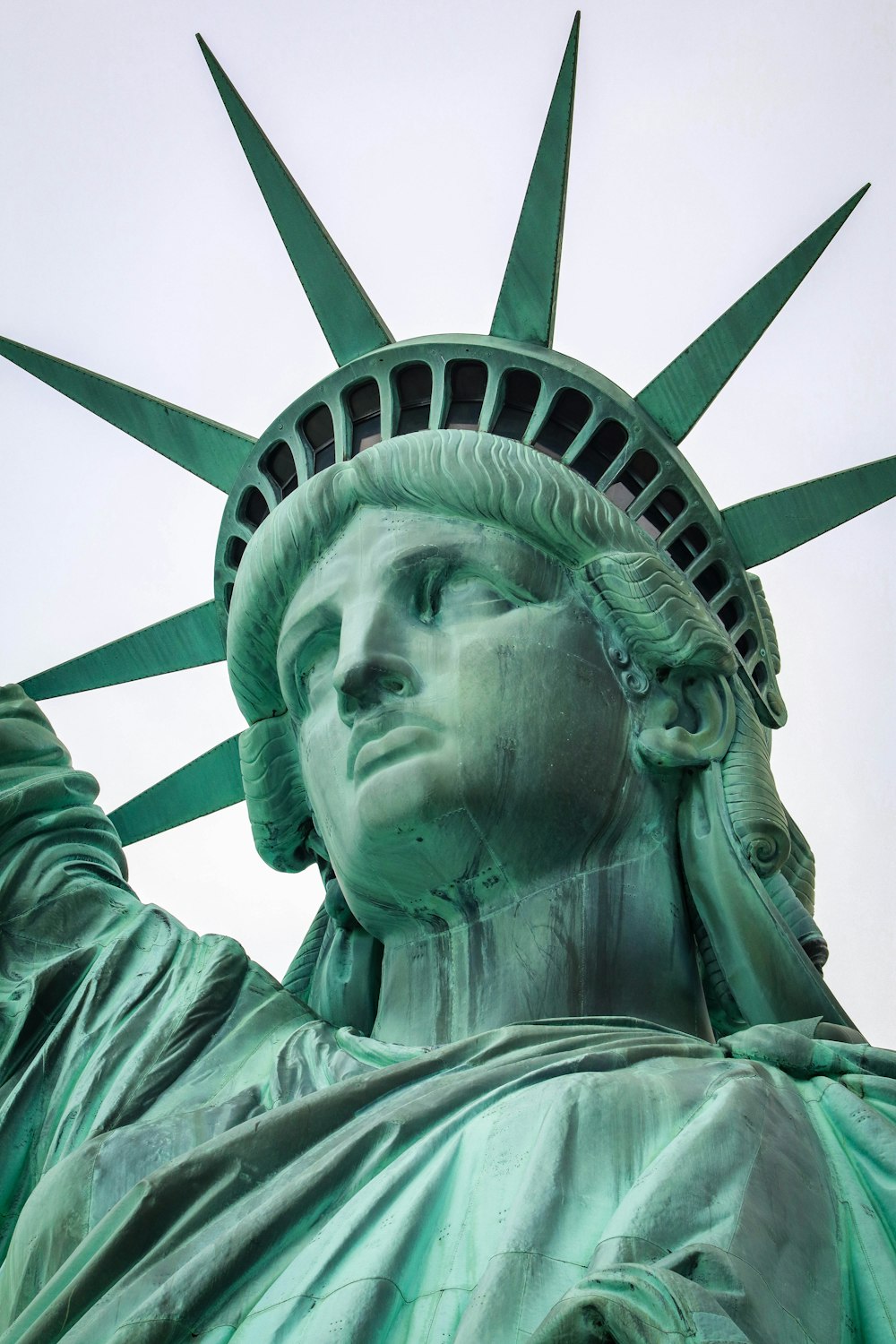
  11. Statue of Liberty
    Fig. 09 · 40.689° N · 74.044° W
    New York, United States · Monument

    Statue of Liberty

    Ferries from Battery Park run to Liberty Island and on to Ellis, and one ticket covers both.

    The New York guide →
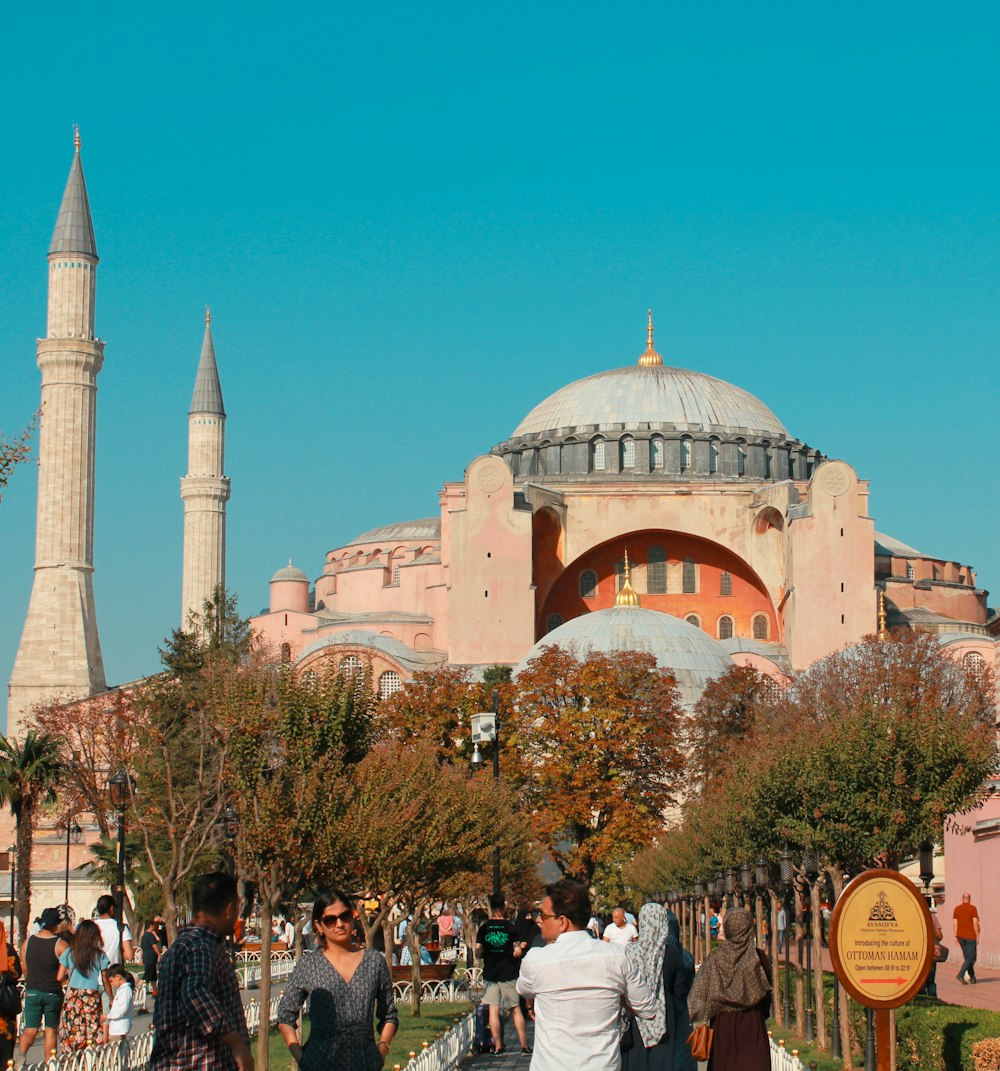
  12. Hagia Sophia
    Fig. 10 · 41.009° N · 28.980° E
    Istanbul, Turkey · Monument

    Hagia Sophia

    Built in 537 CE under Byzantine Emperor Justinian, this massive domed structure served as a cathedral, mosque, and museum before becoming a mosque again in 2020.

    The Istanbul guide →
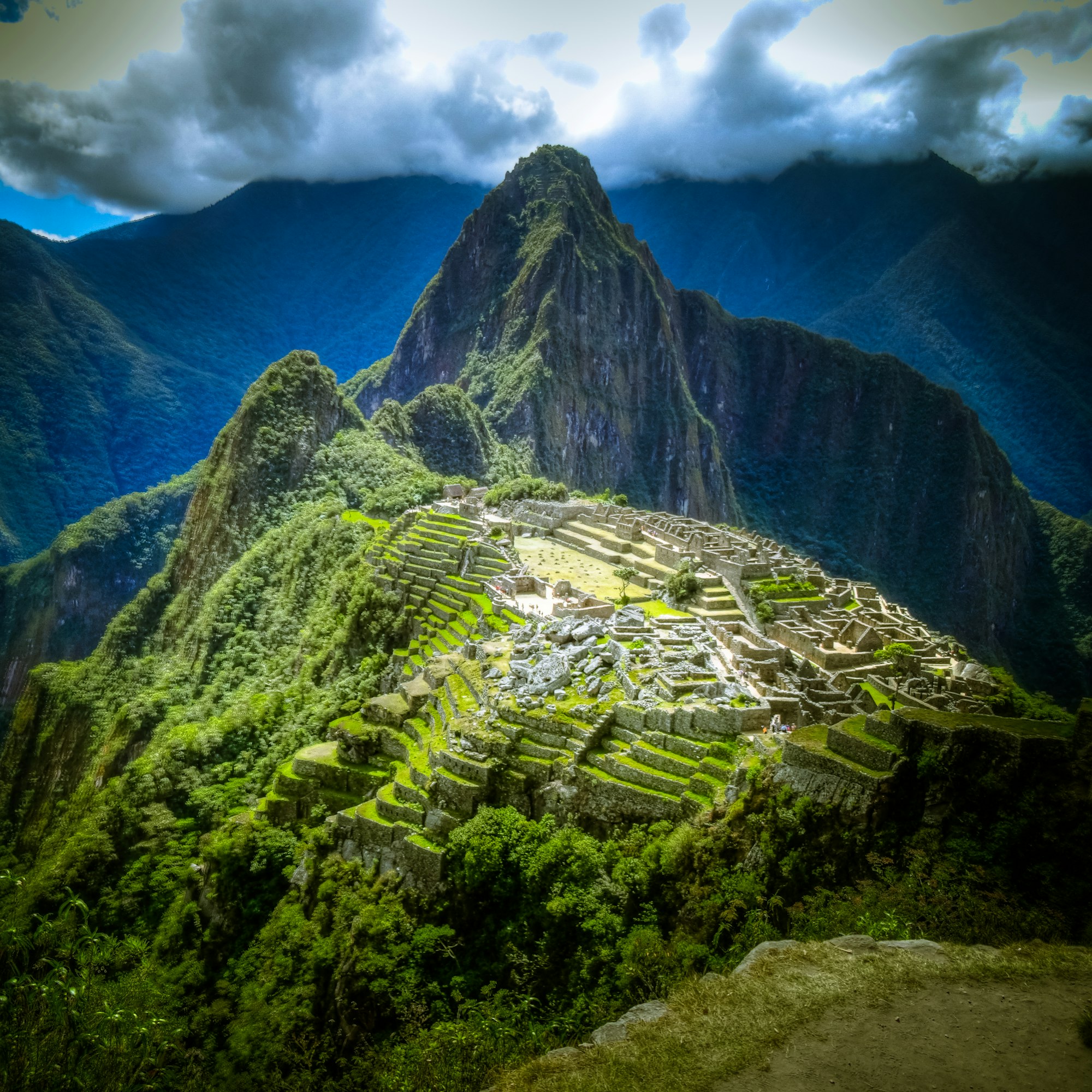
  13. Machu Picchu
    Fig. 11 · 13.163° S · 72.545° W
    Machu Picchu, Peru · Ruins

    Machu Picchu

    Fifteenth-century Inca citadel built around 1450 on a mountain ridge above the Urubamba River valley.

    The Machu Picchu guide →
  14. III
    Part III · Nos. 12 to 16
    1. 12Colosseum
    2. 13Mount Fuji
    3. 14Petra
    4. 15Marrakesh Medina
    5. 16Serengeti National Park
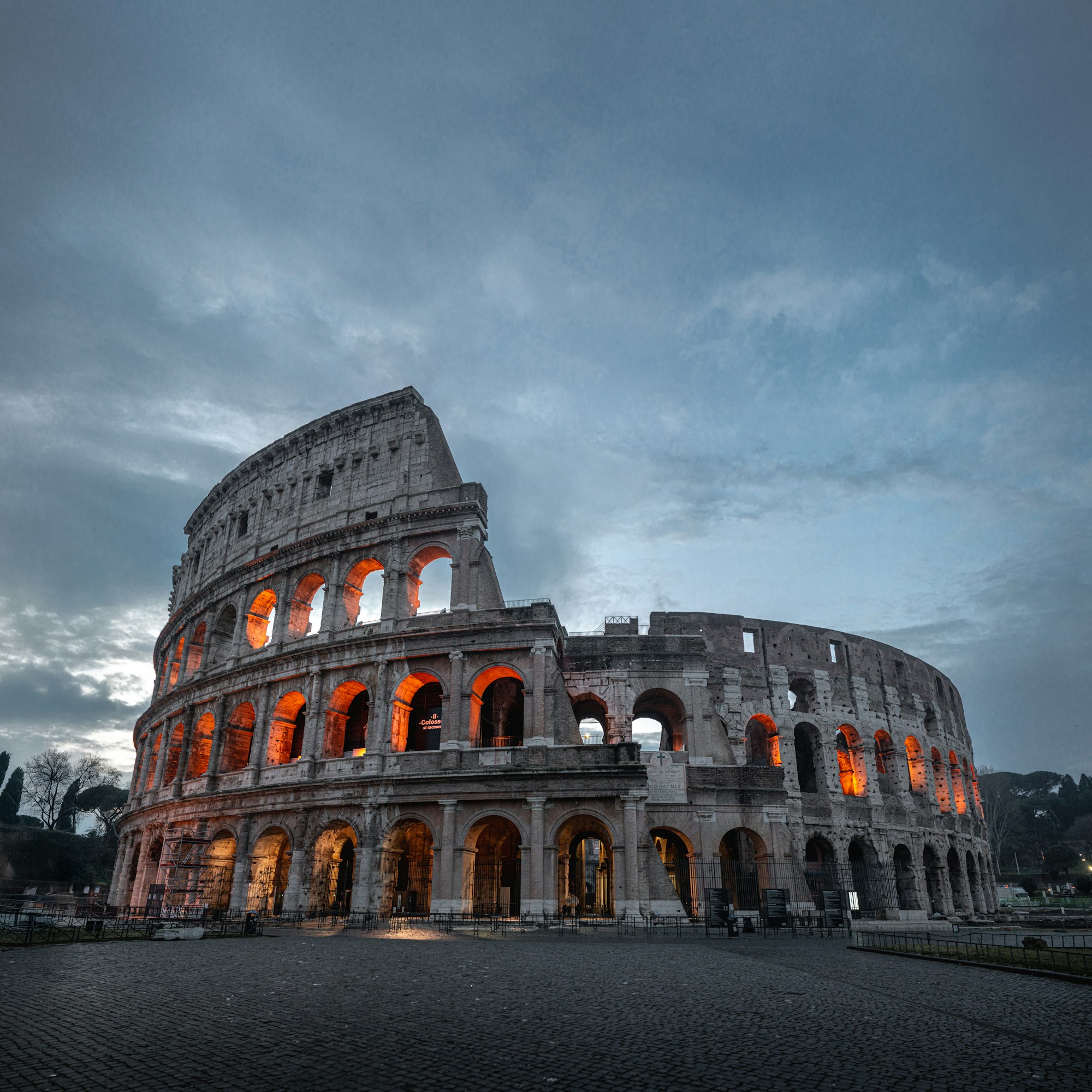
  15. Colosseum
    Fig. 12 · 41.890° N · 12.492° E
    Rome, Italy · Ruins

    Colosseum

    The largest amphitheatre of the Roman world, completed in AD 80 under Titus and seating roughly 50,000 spectators.

    The Rome guide →
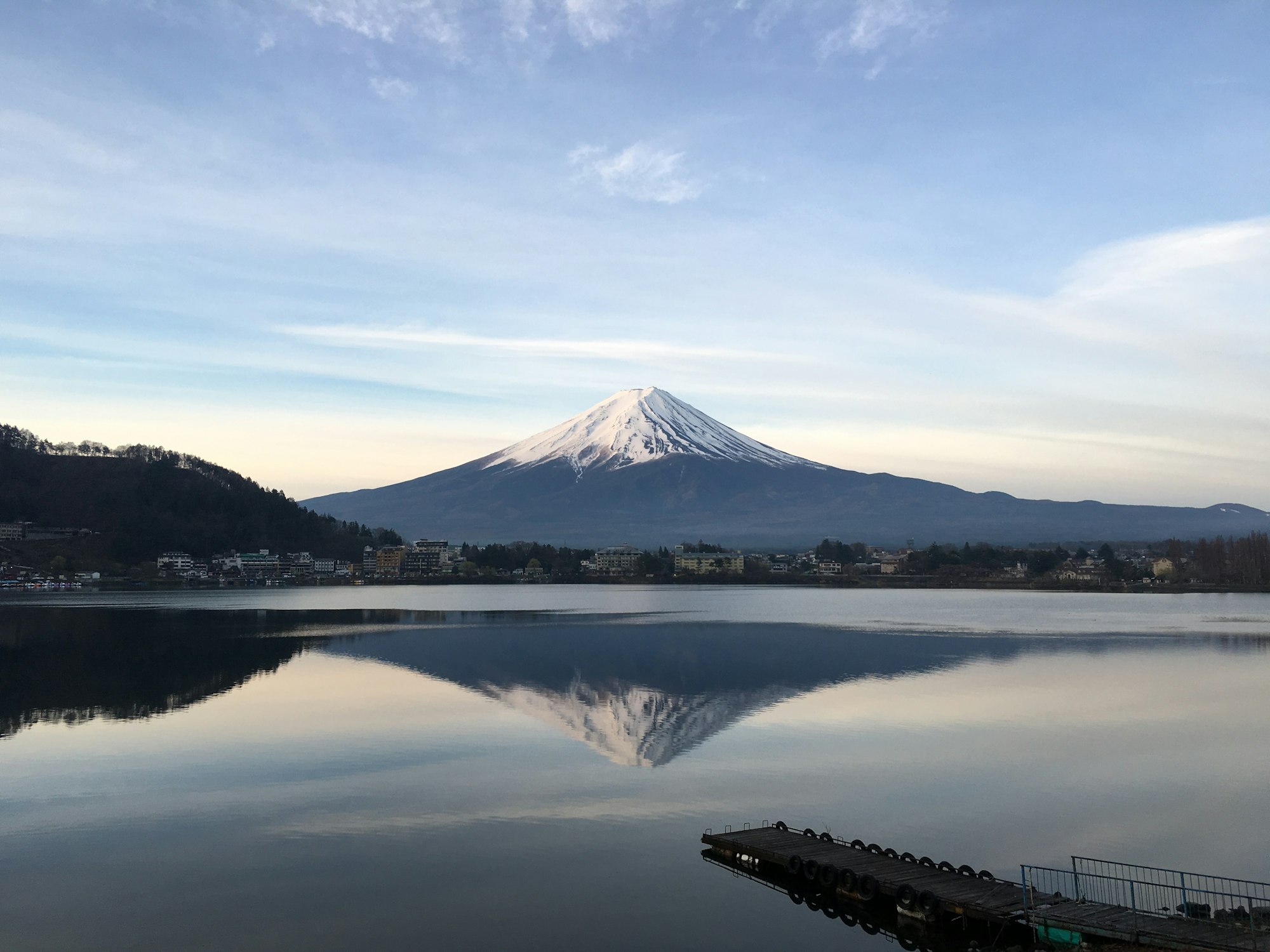
  16. Mount Fuji
    Fig. 13 · 35.361° N · 138.727° E
    Fujikawaguchiko, Japan · Volcano

    Mount Fuji

    Japan's highest peak at 3,776 metres, an active volcano last in eruption in 1707.

    The Fujikawaguchiko guide →
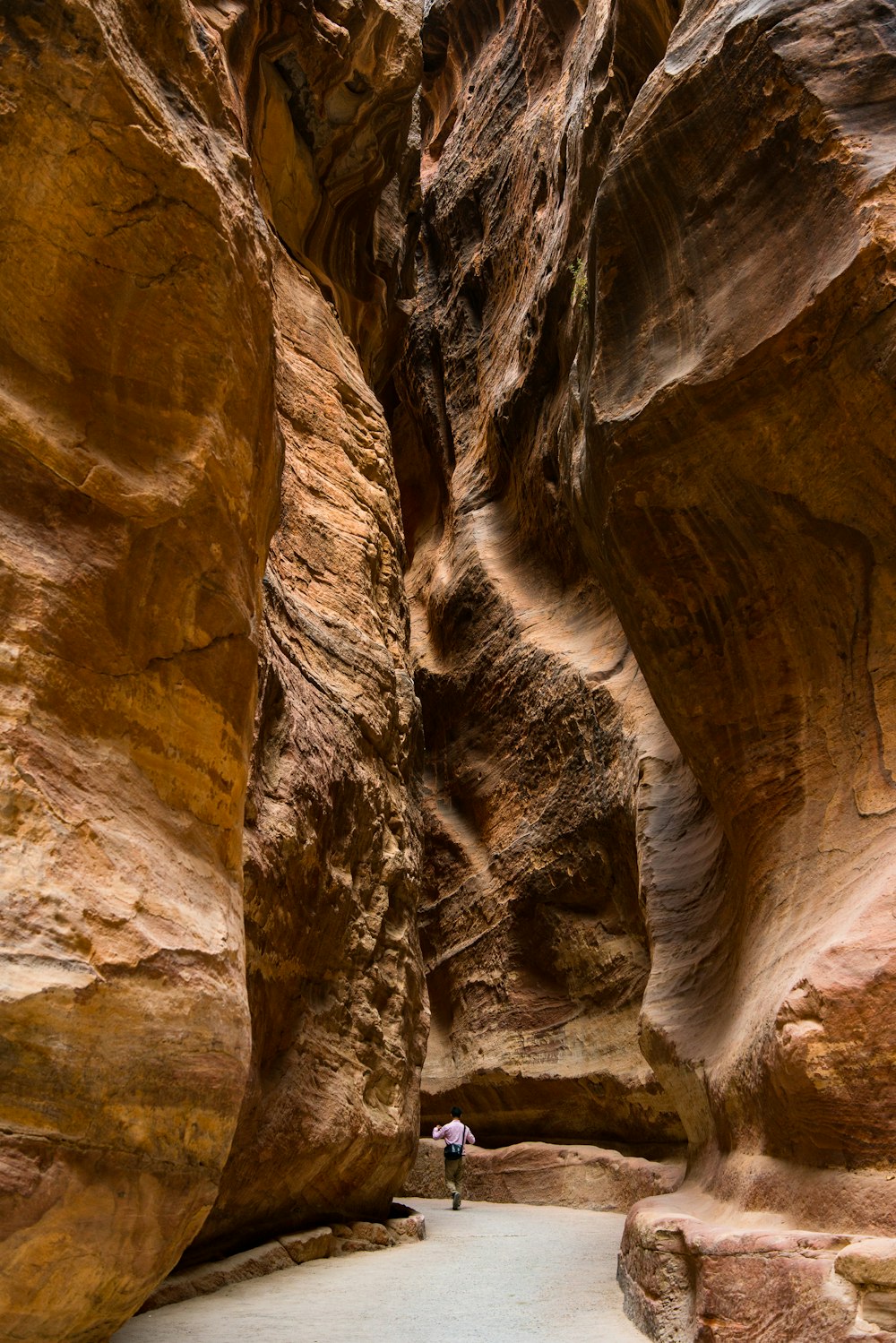
  17. Petra
    Fig. 14 · 30.329° N · 35.440° E
    Wadi Musa, Jordan · Archaeological Site

    Petra

    Carved into rose sandstone by the Nabataeans from the fourth century BC, the capital of a caravan kingdom spreads across canyons and ridges far beyond its famous facade, with tombs, a colonnaded street, temples and a theatre.

    The Wadi Musa guide →
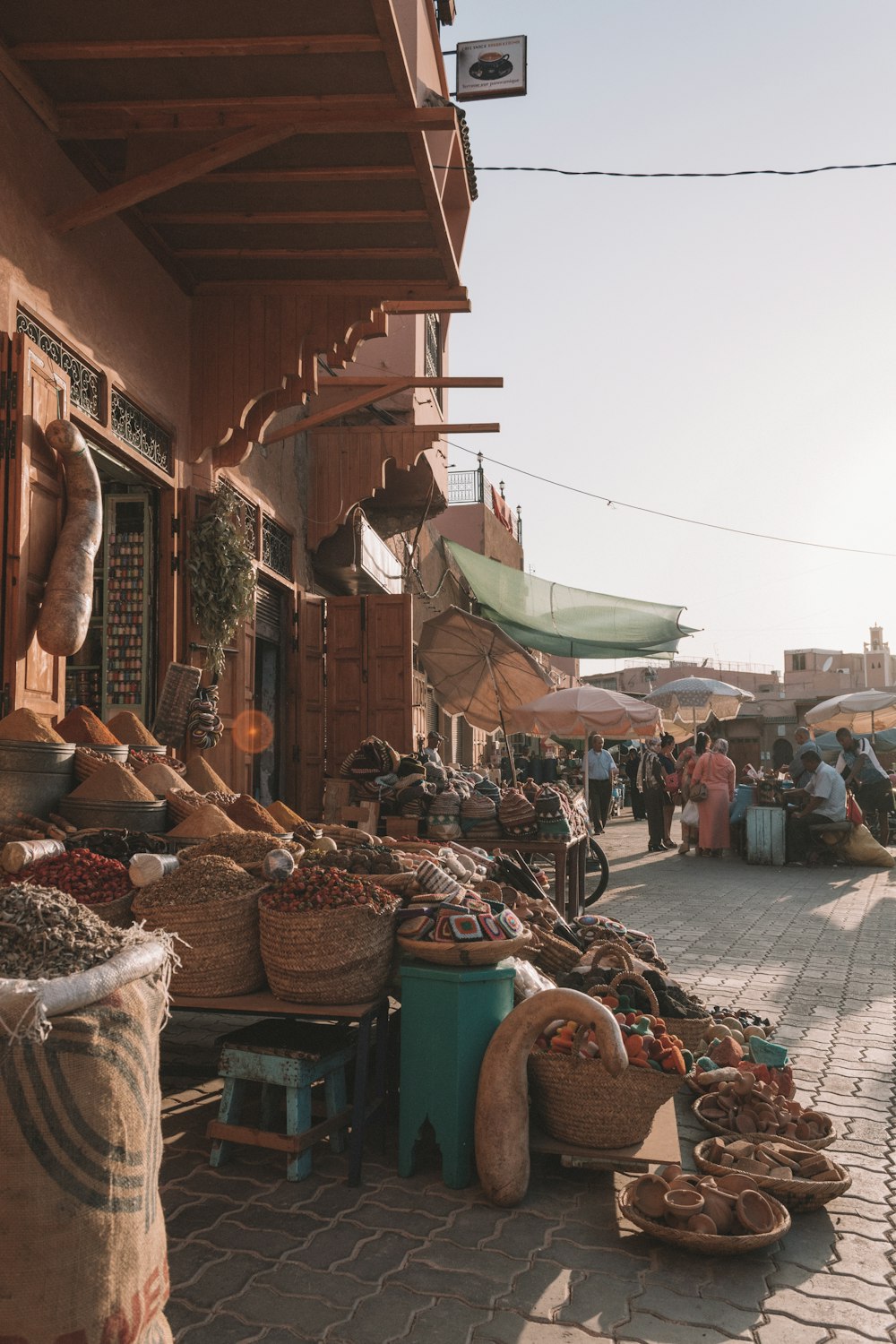
  18. Marrakesh Medina
    Fig. 15 · 31.629° N · 7.981° W
    Marrakesh, Morocco · Old Town

    Marrakesh Medina

    Walls of red rammed earth enclose the old city, and the souks north of the main square split into lanes for leather, metalwork, spices and slippers.

    The Marrakesh guide →
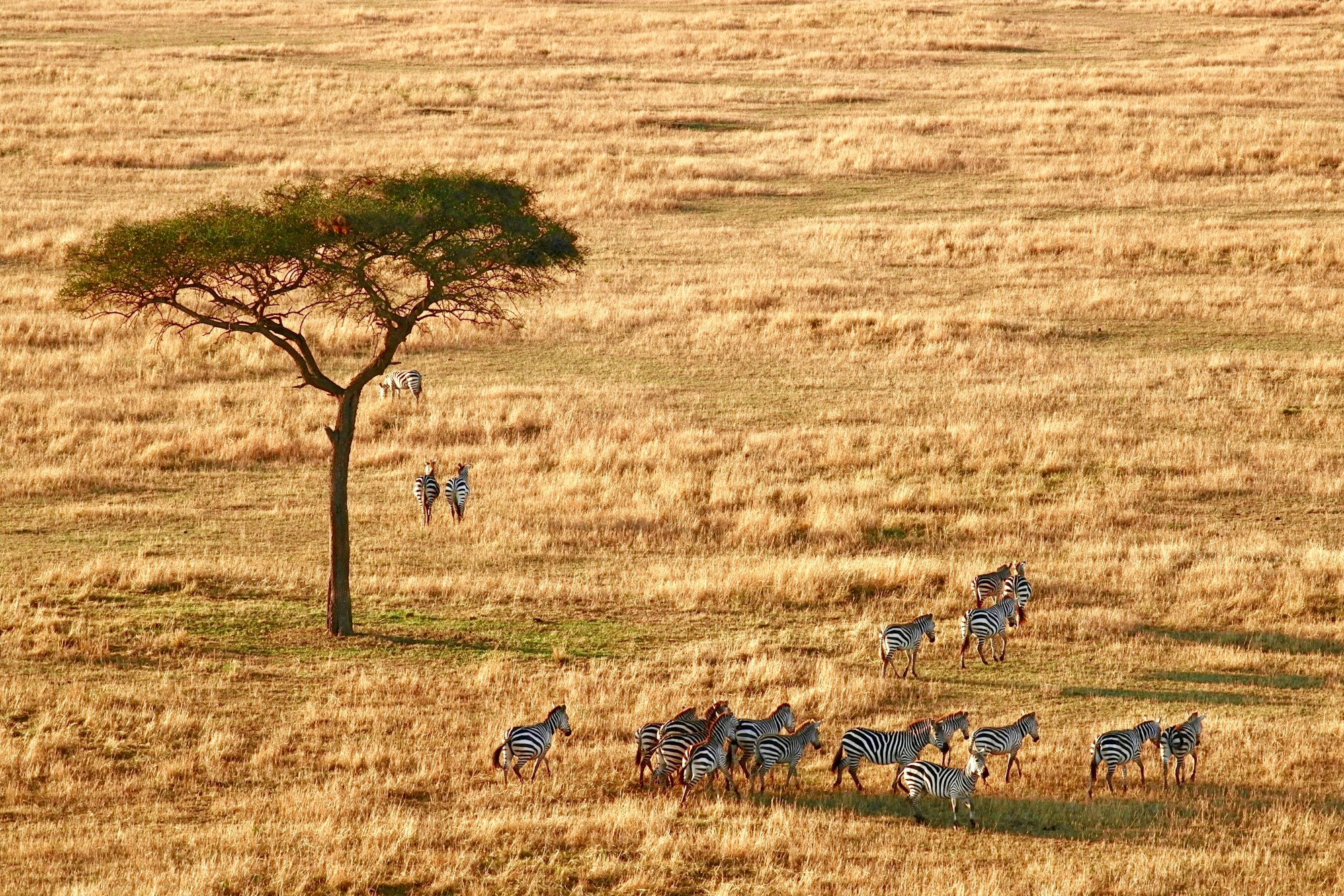
  19. Serengeti National Park
    Fig. 16 · 2.400° S · 34.600° E
    Arusha, Tanzania · Park

    Serengeti National Park

    Grass plains run unbroken to the Kenyan border, carrying close to two million wildebeest and zebra on an annual circuit that follows the rain.

    The Arusha guide →
  20. IV
    Part IV · Nos. 17 to 19
    1. 17Angkor Wat
    2. 18Parthenon
    3. 19Iguaçu Falls
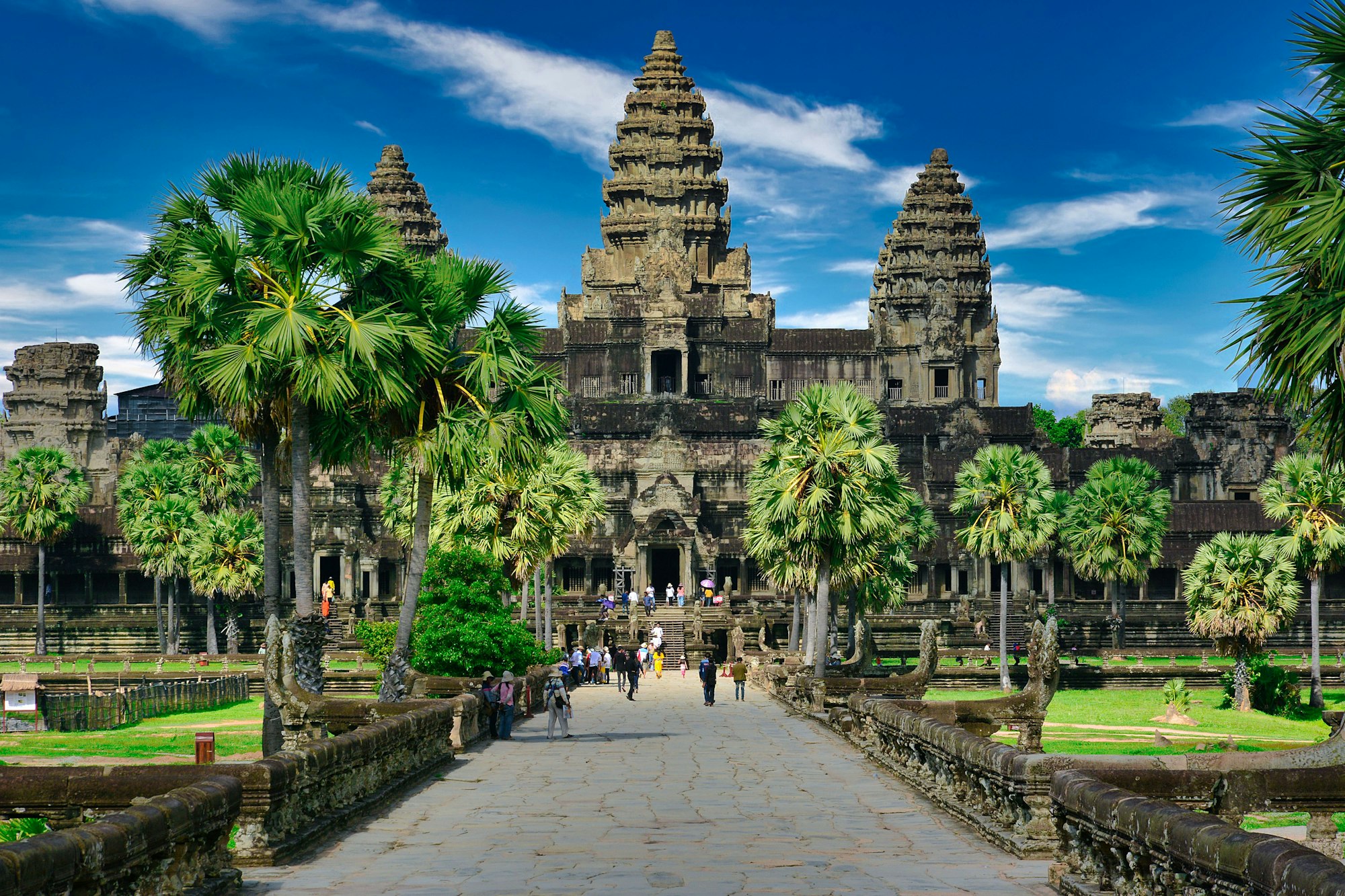
  21. Angkor Wat
    Fig. 17 · 13.412° N · 103.867° E
    Siem Reap, Cambodia · Temple

    Angkor Wat

    Suryavarman II raised this temple mountain in the twelfth century as a Vishnu sanctuary and his own funerary monument, and it has never been fully abandoned since.

    The Siem Reap guide →
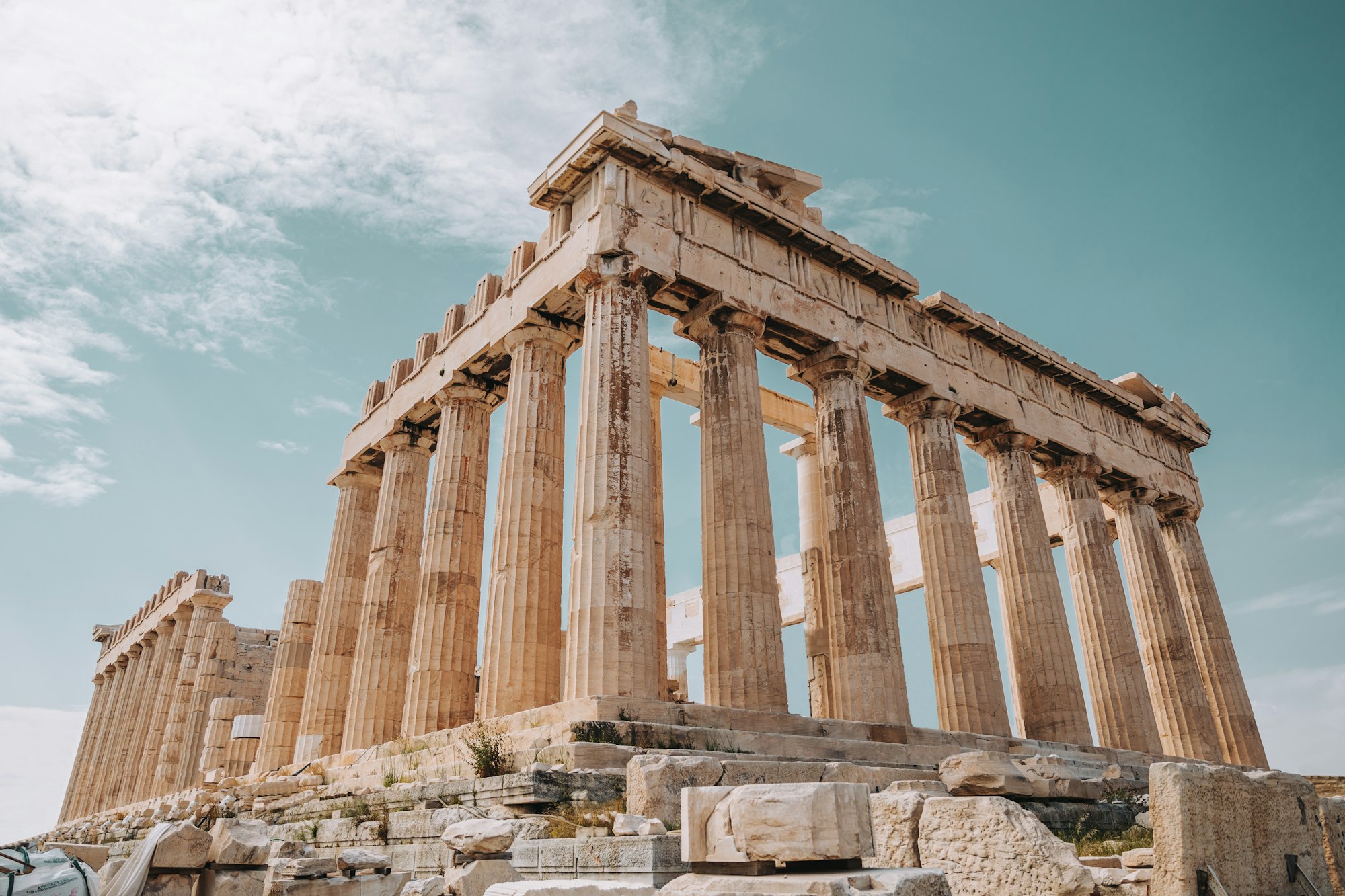
  22. Parthenon
    Fig. 18 · 37.972° N · 23.727° E
    Athens, Greece · Temple

    Parthenon

    Athena's temple, completed in 432 BC, contains almost no straight lines: the columns swell and lean inward and the floor rises toward the middle, corrections that make it look perfectly regular from below.

    The Athens guide →
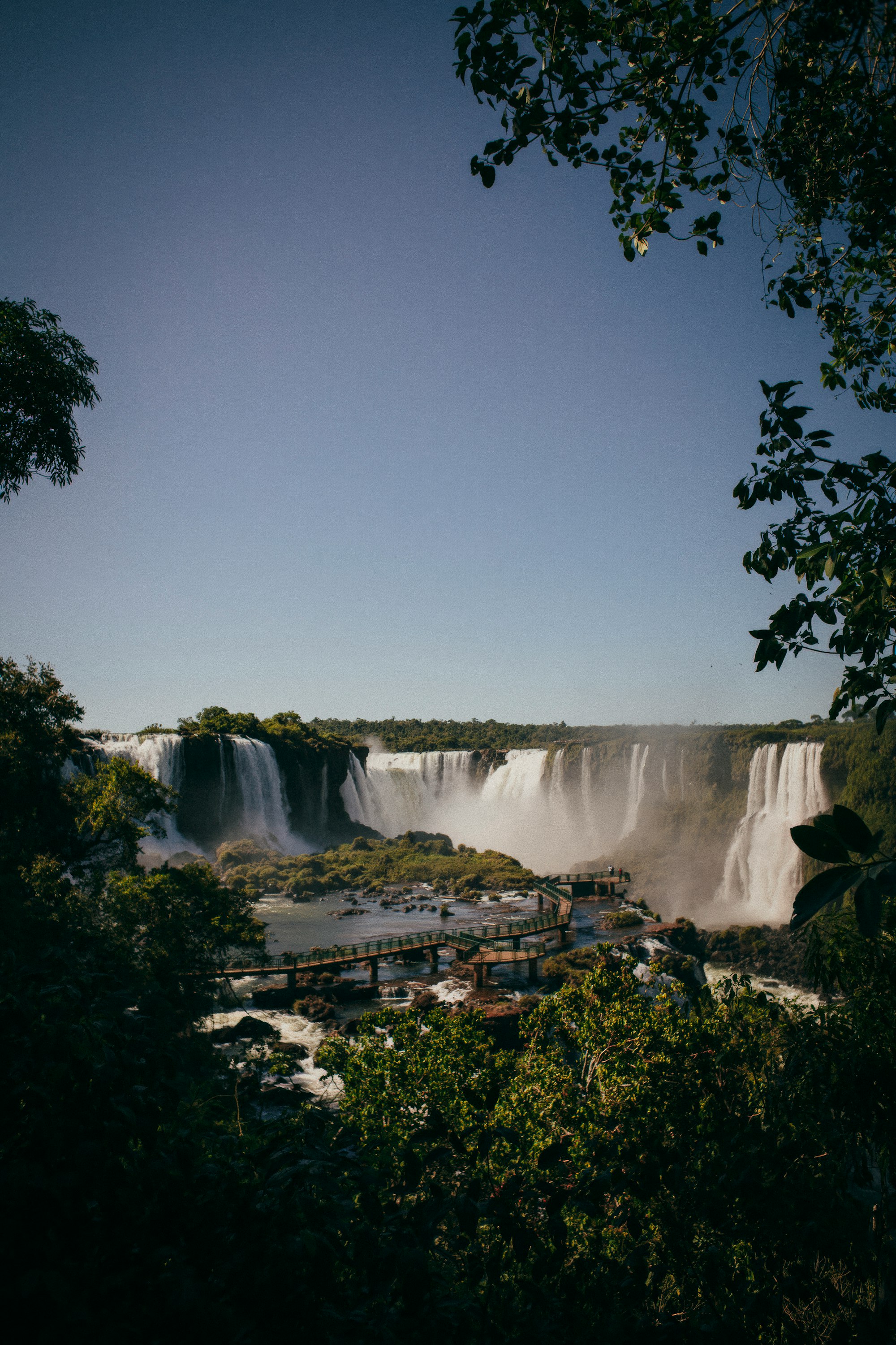
  23. Iguaçu Falls
    Fig. 19 · 25.695° S · 54.437° W
    Foz do Iguaçu, Brazil · Waterfall

    Iguaçu Falls

    Some 275 drops spread along nearly three kilometres of the Iguaçu river, split between Brazil and Argentina at the point where the water plunges into the Devil's Throat.

    The Foz do Iguaçu guide →
Meridian Dispatch for iPhone

A travel journal that
writes itself.

Your best memories, journaled automatically, from the photos already on your phone. The app reads your photo library, finds the international trips you have taken, identifies the venues, writes the prose, and lays it out like a magazine spread. The first time you open it, the last several years of your travel are already there. Every trip after that goes in by itself.

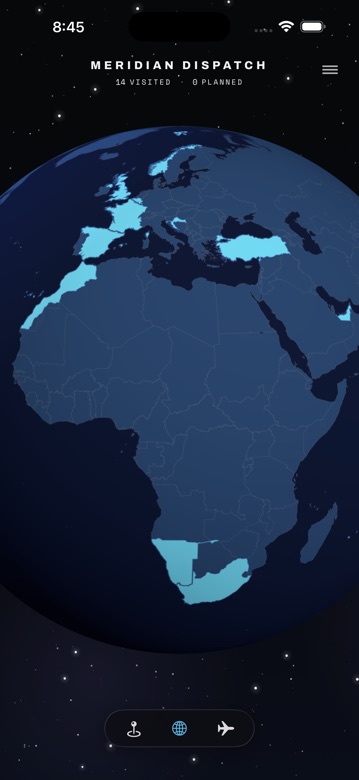
  1. Mapped on a globe

    Your whole world, on one globe.

    Every country you've visited, lit on a private 3D globe. Spin it to find a trip and fall straight back into it. The globe is the table of contents for your journal.

    The app's private globe of visited countries.
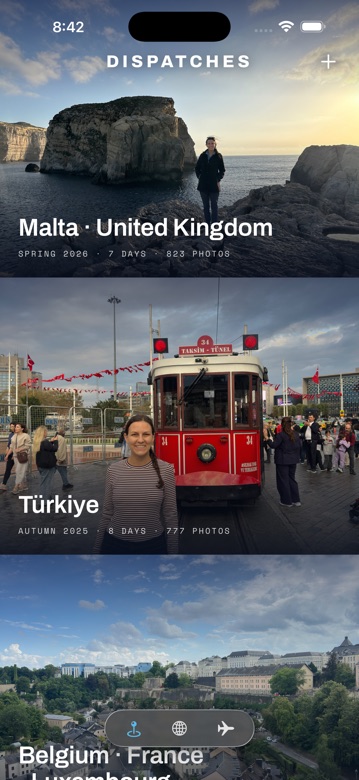
  2. Detected automatically

    It finds your trips on its own.

    Your photos cluster by place and time, and each cluster becomes a venue: the museum you spent the morning in, the restaurant you lingered over, the streets you wandered after dinner. No tagging, no prompts, no logbook to keep up.

    The app's archive, every trip a dispatch.
  3. In warm prose

    Each place, written up.

    Every day opens on a hero photograph, and each place you stopped gets its own short entry beside your own photographs, no two days laid out the same. A record of where you've been, kept in real sentences. Edit a line, or regenerate any passage you want fresh.

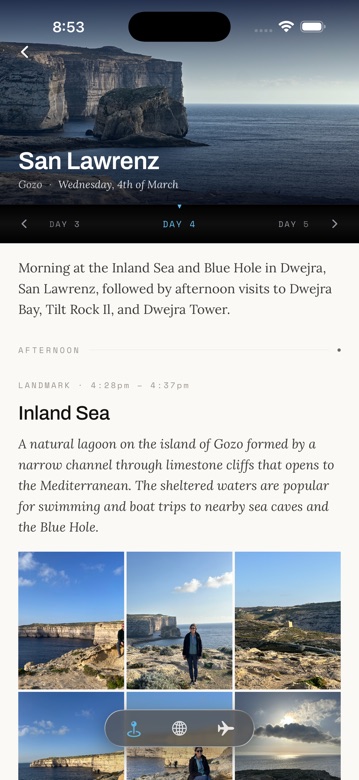
    A written day in the app, with a place entry and a photo grid.
  4. Yours to keep

    Every trip, as a photobook.

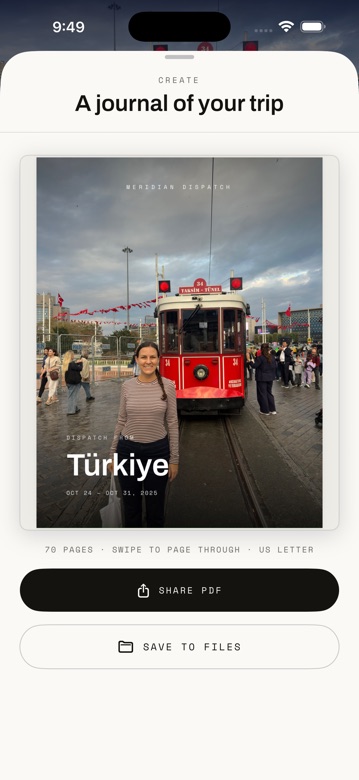
    Download any journal as a clean photobook, send it to whoever was there, or have it printed as a hardback you keep on the shelf. What you read on your phone is exactly what lands on the page.

    The app exporting a trip as a photobook, with Share PDF and Save to Files.