Globe Countries Cities Itineraries World's Best Hotels Events Login
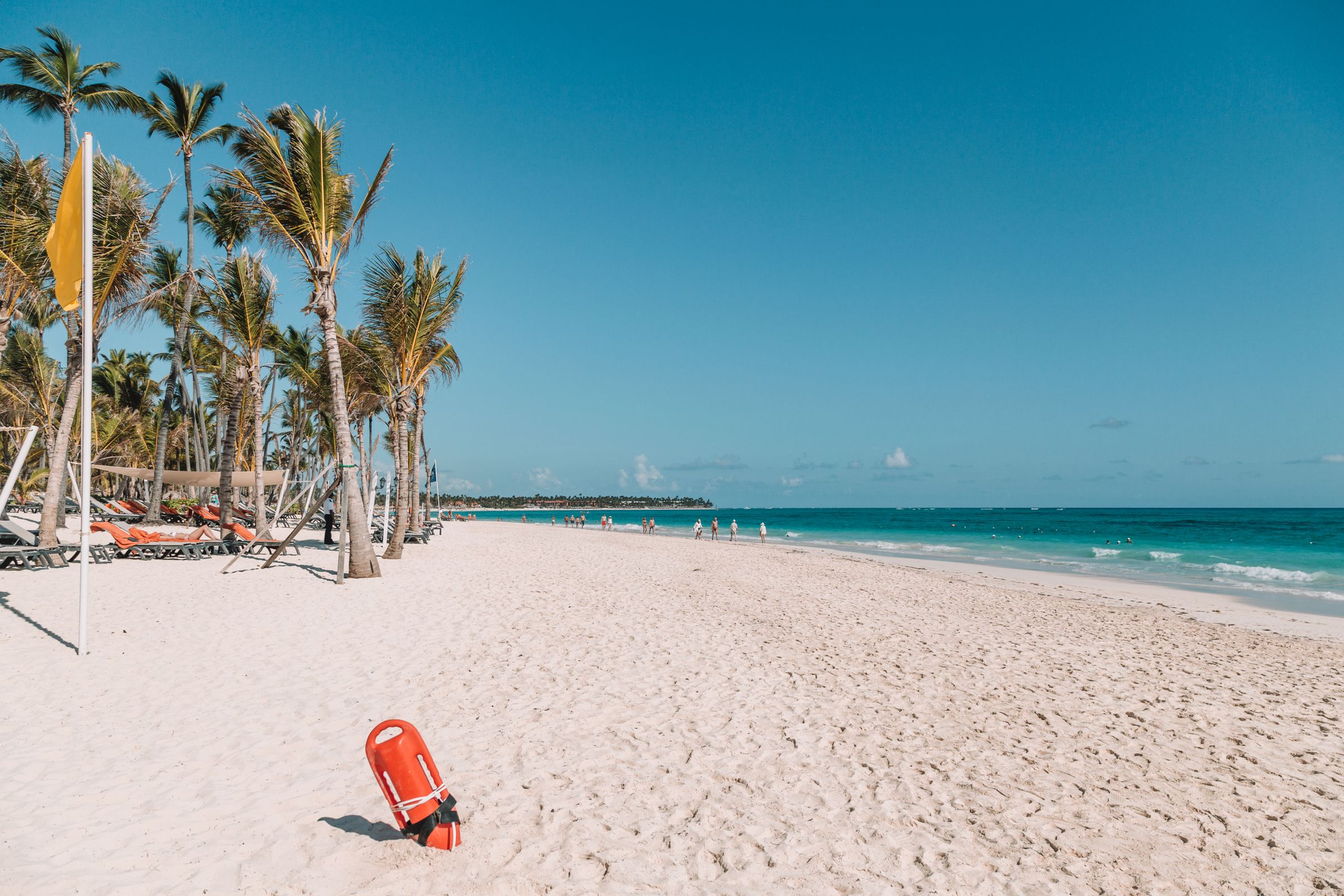
Palm-shaded white sand on the Punta Cana coast, sunbeds under the trees, a yellow flag and an orange lifeguard float on the beach, and turquoise water running out to a distant headland
The sand at Punta Cana · sunbeds under the palms, a lifeguard float by the flag
Town brief · 18.5333°N 68.3667°W

Punta Cana

Leave the resort for a day: every Dominican beach is public by law, and a walk through a public access point or a short taxi ride puts you on sand your hotel does not own, from reef-sheltered coves to open Atlantic surf.

View on globe

Why you should go

Ninety seconds on Punta Cana

How long
About a weekforeign visitors average 7.85 nights nationally
Getting around
Taxis and guagua minivansafter dark, take a taxi your hotel calls
When
Late December to Aprilthe drier months; hurricanes run June to November
Language
Spanishthe official language across the country
Money
The Dominican peso, RD$US dollars and euros change at banks
Airports
Punta Cana PUJCap Cana 15 minutes away, Uvero Alto about an hour
How long

How many days does a Punta Cana trip need?

A week, close to the national average for foreign visitors, leaves room for beach days around one or two full-day trips. The standard Saona excursion runs 10 to 12 hours from hotel pickup to return, in a group of about 40 to 80, with lunch and time to swim included.

Getting around

Is a car needed in Punta Cana?

No. Taxis, hotel transfers and the guagua minivans cover the coast. Hire cars are available at the airport for drivers aged 25 or over with a licence from their home country. The Ministry of Tourism advises full insurance, returning the car with a full tank, and no driving after dark, main highways included.

When

When is the best time to visit Punta Cana?

Late December to April, the drier season, with March the driest month. The Atlantic hurricane season runs from 1 June to 30 November, and most of its activity falls between mid August and mid October.

Language

What language is spoken in Punta Cana, and what is the power supply?

Spanish is the official language of the Dominican Republic. Sockets take Type A and Type B plugs, the flat-pin North American kind, so travellers from 220-volt countries need an adapter and, for some appliances, a converter. Tap water is unsafe to drink, including in hotel bathrooms, and bottled water is the rule.

Money

What currency is used in Punta Cana?

The Dominican peso, written RD$. US dollars are taken widely in the resorts and on excursions, and most airport transfer services also accept euros, Canadian dollars and pounds sterling. Taxi drivers generally take pesos, so the currency belongs in the fare agreed before the ride.

Airports

Which airport serves Punta Cana?

Punta Cana International, PUJ, with two main terminals, A and B, is the airport for the coast. Santo Domingo Las Américas, SDQ, is the alternative. The APTRA public bus to Santo Domingo leaves from the Verón crossroads, takes about 3 hours and cannot be booked in advance.

Pick the zone before the hotel. Bávaro is the busy centre of the coast, with its public access points between the resorts. Cap Cana, in the south near the airport, is gated, and Uvero Alto, at the northern end, is the most remote, with the longest transfer.

Fill in the free e-ticket before you fly: it opens a week before arrival, and Customs scans its QR code when you land. File a second one for the flight home. At the terminal, let only the official taxi line or your pre-booked driver take your bags; fares are fixed by destination, and booking ahead locks in a flat rate for the vehicle.

Dominican taxis run no meters, so agree the fare before the door shuts, including for the drive to the Basílica Catedral Nuestra Señora de la Altagracia in Higüey. Guaguas, the local minivans, stop wherever you flag them down and drop you where you ask. Carry small change for the fare, because the drivers carry little.

Read the flags before you swim: red closes the beach to bathers, yellow means take care going in, and green means open. Lifeguards are not posted on every stretch. Sargassum arrives from about April and usually peaks from June to August, and the south coast around Bayahibe and La Romana is often less affected.

For Saona, a bus collects you at the hotel and drives to Bayahibe, where the boats leave. Buy from an operator that takes cards and gives written confirmation; a dramatically cheaper offer on the sand is a warning sign. On the island, a firm "No, gracias" ends the pitch from photographers and drink sellers.

Things to do

11
  1. Basílica Catedral Nuestra Señora de la Altagracia

    Basílica Catedral Nuestra Señora de la Altagracia

    Church · 1.5 hr

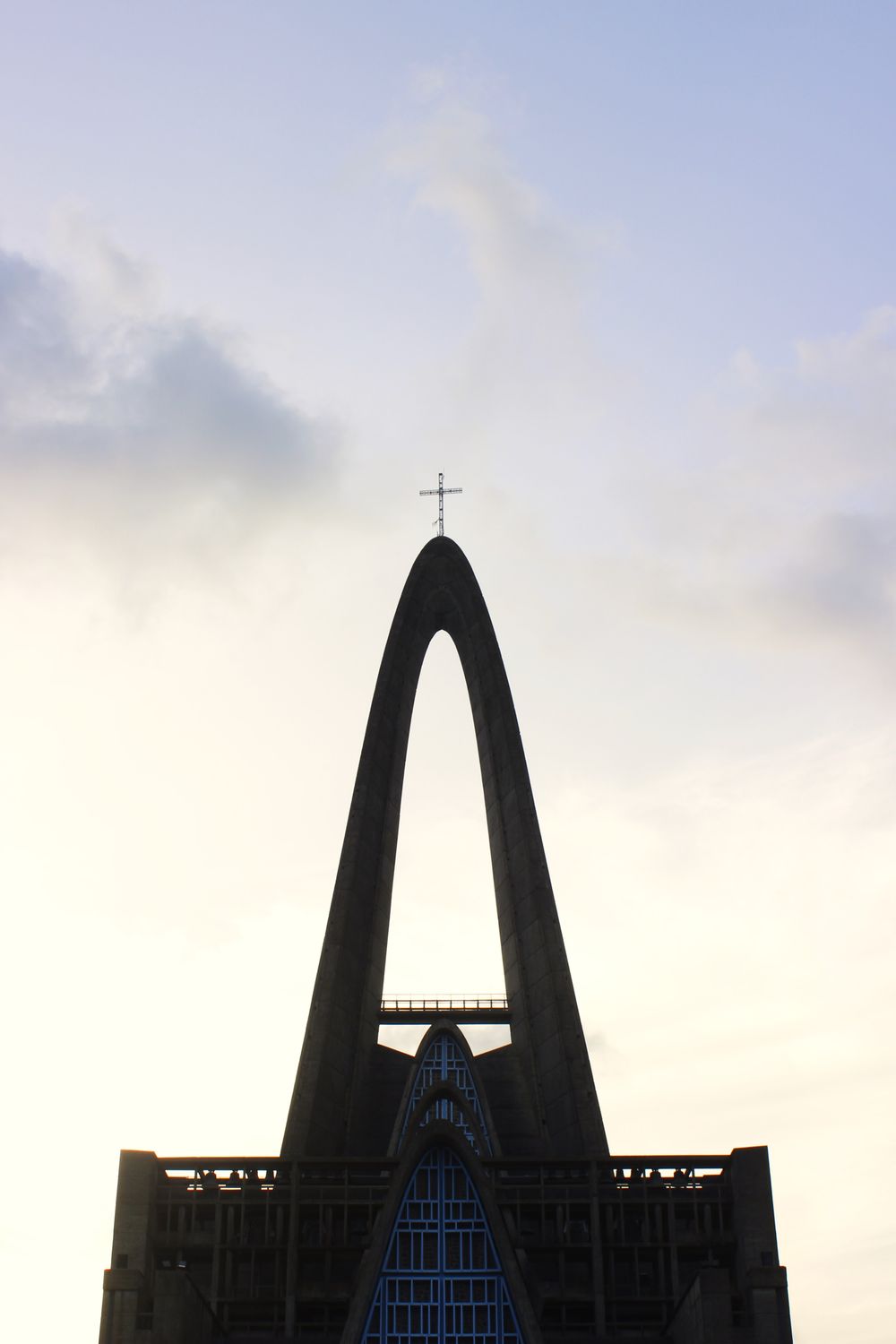
    Inaugurated in 1971, this concrete basilica holds the painting of the Dominican Republic's patron saint, and one trip inland from the beach lets you see the country's main Marian shrine for yourself.

    View more →
  2. Bávaro Beach

    Bávaro Beach

    Beach · 4 hr

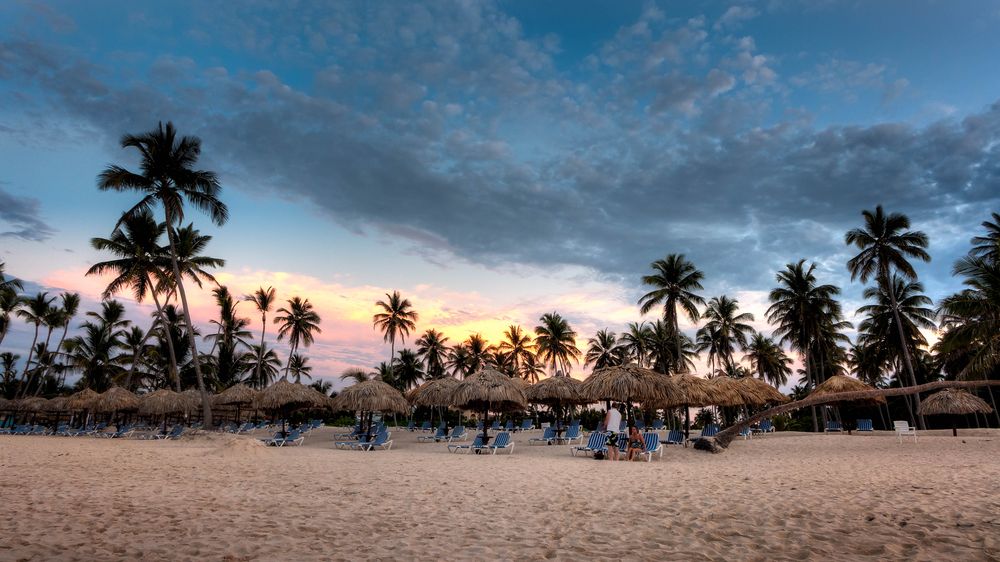
    Long band of white sand backed by coconut palms and the largest concentration of hotels on the coast, with calm shallow water inside a fringing reef. Public access points sit between the resorts at Bibijagua, Los Corales and El Cortecito, where fishing boats land and small bars open onto the sand. None of them needs a ticket.

  3. Saona Island

    Saona Island

    Island · 8 hr

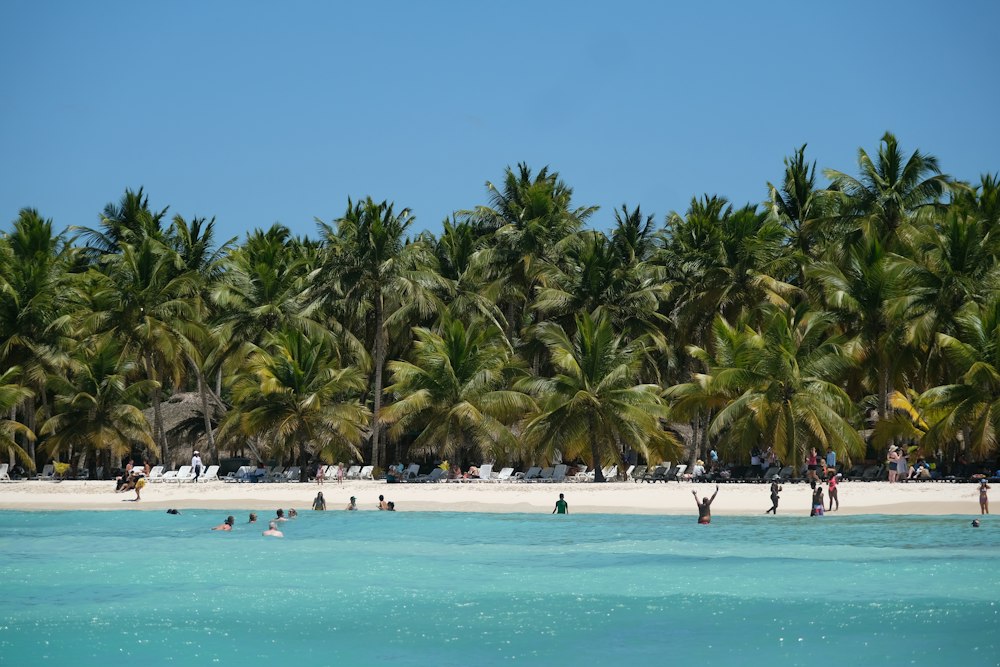
    Catamaran and speedboat trips run to this low island inside Cotubanamá National Park, stopping at a sandbar in waist deep water and a palm backed beach at Mano Juan. The boat leg from Bayahibe takes 45 to 90 minutes, depending on the boat. Boats fill quickly in high season, so book a place ahead.

  4. Cotubanamá National Park

    Park · 5 hr

    Formerly Parque Nacional del Este, this park covers the peninsula and islands at the southeastern corner of the country, protecting dry forest, mangrove and caves with Taíno rock art. Most visits arrive by boat from Bayahíbe on a Saona or Catalina trip. Entry on foot is possible at Guaraguao, though the trails are unshaded and nothing is sold inside.

  5. Hoyo Azul

    Cenote · 2 hr

    A cenote of deep blue water sits at the foot of a limestone cliff on the private Scape Park estate in Cap Cana, reached on a wooden walkway through dry forest. Swimming is allowed and the water stays cold. There is no separate entry to the cenote: every visitor needs at least the basic Scape Park combo ticket.

  6. Macao Beach

    Beach · 3 hr

    One of the few beaches here with no resort behind it, Macao faces open Atlantic swell and has become the surf school beach for the east coast, with board rental and instructors working from shacks behind the sand. Currents are strong and there is no lifeguard. Buggy tours arrive mid morning and thin out by late afternoon.

  7. Ojos Indígenas Ecological Reserve

    Park · 3 hr

    A nature reserve of about 600 hectares set aside by Fundación Puntacana, with forest trails and a chain of freshwater springs. Four of the springs are open for swimming, among them the Inriri and Cacibajagua cenotes. Visits run as the Los Ojos Eco Journey, a guided tour that follows the trails and stops for a swim in the springs.

  8. Playa Blanca

    Beach · 3 hr

    About 3 km from Punta Cana airport, Playa Blanca is a sheltered white-sand beach inside the Puntacana resort area. Day visitors from other hotels can enter after registering their personal details and car number plate at the resort's main gate, and buy a consumption voucher for the beach restaurant. A taxi or a hire car is the practical way to reach it.

  9. Playa Cabeza de Toro

    Beach · 3 hr

    Just south-east of Bávaro, Playa Cabeza de Toro is a quieter stretch of hotel beach. Public access runs through the small Cabeza de Toro marina, between the Sunscape Coco and Bakour Suites resorts. From there, a walk of about 1.6 km northwest along the shore, toward Bávaro, reaches a less built section backed by palms.

  10. Playa Juanillo

    Beach · 4 hr

    Inside the gated Cap Cana development at the southern end of the coast, Playa Juanillo has calm water behind an offshore reef that catches much of the sargassum before it reaches the sand, so it often stays cleaner than open Bávaro in a heavy year. The beach is public, but day visitors need a Cap Cana access pass arranged through the beach club or hotel they are visiting, and ID at the gate.

  11. Playa Uvero Alto

    Beach · 4 hr

    At the far northern end of the Punta Cana coast, Uvero Alto is a beach and resort area lined with all-inclusive hotels. Public access points sit on either side of the Excellence Punta Cana resort, so a day visitor can reach the sand without a hotel pass. The rest of the shore in front of the hotels is open to walk along.

Basemap Meridian · data © OpenStreetMap
Sources 4

The official pages this guide was checked against.

Last updated