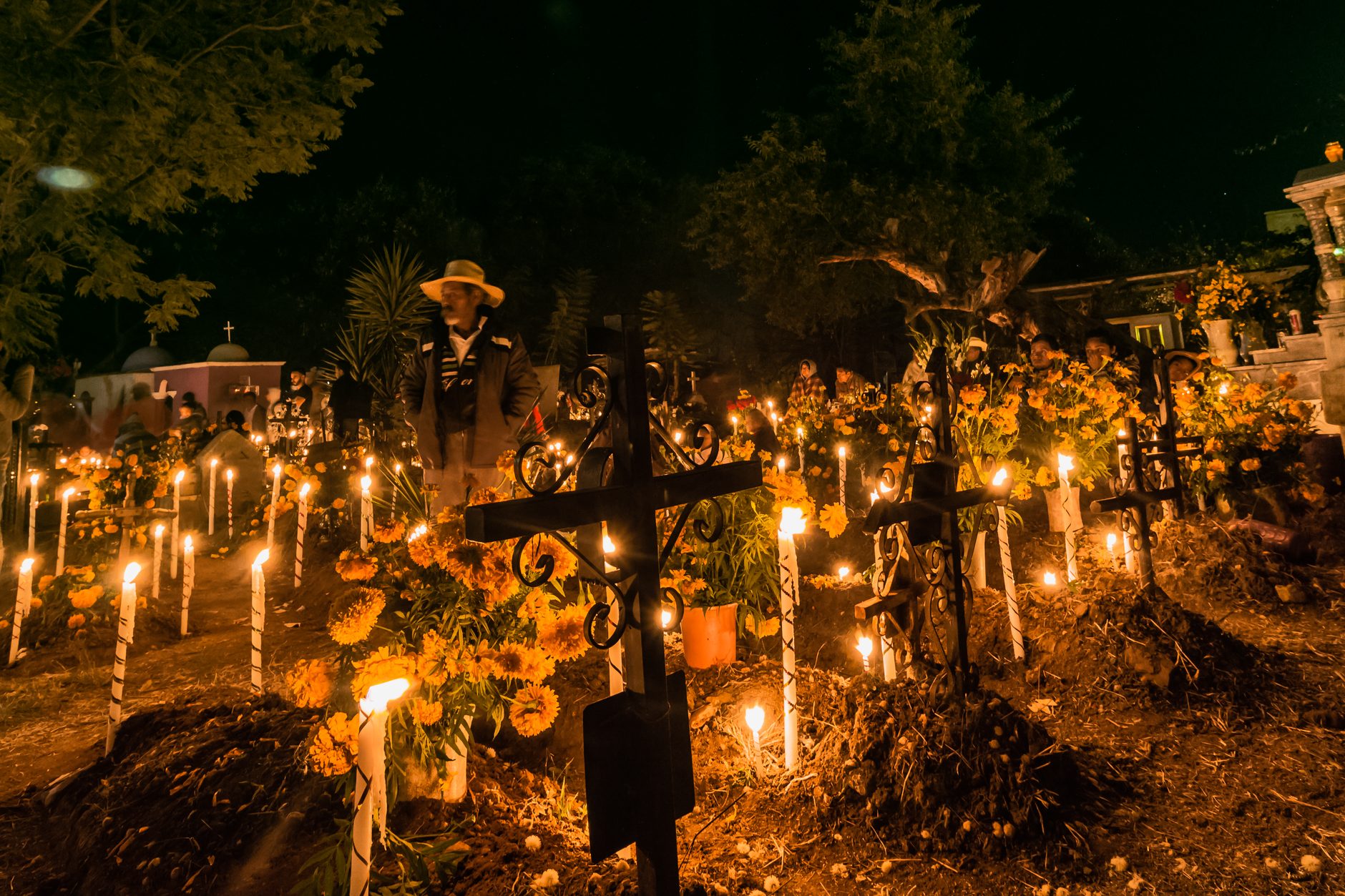
The state publishes each year's full programme, La Fiesta Más Viva de Todas, in early October on oaxaca.travel.
The core nights run from Sunday 31 October to Tuesday 2 November 2027. The 31st is the Día de los Angelitos, when the souls of children are received with toys, sweets and light food. The adults follow on 1 November, the night that matters most, and 2 November sees them off.
More than a hundred events, gathered by the state under the name La Fiesta Más Viva de Todas. In 2026 the Verbena Xandú street fair opened in the Zócalo on 30 October at seven in the evening, beside 30 monumental altars for the 16 Indigenous peoples of Oaxaca and the Afro-Mexican people.
The Gran Comparsa's date and route come with each year's programme. In 2026 it set off on 31 October at six in the evening, from the Calzada Porfirio Díaz to García Vigil; in 2025 it ran from the Fuente de las Ocho Regiones to the Alameda de León. Smaller comparsas, costumed street bands, parade through the centre on the other evenings of the week.
Free, with no ticket for any of it. The parades, the altars and a walk through the city cemeteries cost nothing, and in 2026 the state also ran free BinniBus routes from Parque Juárez El Llano to the marigold fields and the main venues. Tours are an optional extra.
Santa Cruz Xoxocotlán first, about five kilometres south of the centre and the most visited of all; inside it, the large new cemetery, Mictlancíhuatl, is where the families gather. Santa María Atzompa is smaller and more intimate, with less spectacle.
The night of 1 November, when families sit up at the graves until dawn and the muerteada of the Etla valley runs from about ten. Xoxocotlán is at its most crowded on the 31st, so that night suits Xoxocotlán and the 1st suits Etla or Atzompa. Two nights cover both.
Layers, with something warm for after dark. Afternoons in early November usually reach 22 to 26°C, but the valley sits at about 1,500 metres and nights in the cemeteries drop toward 10°C or lower. A small flashlight helps on the dark paths between the graves, and so do shoes for uneven ground.
Yes, with care. Ask a family before photographing their vigil, and never use flash: the night vigils depend on candlelight. Walking the paths quietly is expected, and a bunch of marigolds laid down where a family allows it is a welcome gesture.
In the Centro Histórico, within walking distance of the Zócalo and the parades, or in Jalatlaco, a pedestrian artists' barrio. Día de Muertos is the most demanded season of the year and the centre sells out first, so rooms are best booked by spring. Taxis cover the cemeteries from either.
On foot in the centre, where traffic is usually restricted in the afternoons and evenings to authorised residents. For the village cemeteries, a taxi agreed there and back works best, or a driver hired to wait, since the ride home late at night is the hard part. Oaxaca airport has direct flights from Mexico City.
Yes, above all by day and in the early evening. The 2026 programme included children's activities with a costume contest, face painting, parades and craft workshops, and the street fair and parades suit families. The vigils run cold and long into the night, so an early visit to the cemeteries suits young children better.
A homecoming: the dead are believed to visit their families for a few nights. The festival blends Indigenous Mesoamerican beliefs with the Catholic feasts of All Saints and All Souls, and UNESCO added it to the Intangible Cultural Heritage of Humanity in 2008. In Oaxaca each household builds an ofrenda, an altar of photographs, candles, food and marigolds to guide the souls home.
Give Oaxaca three nights at the start of November and you will stand in a cemetery at two in the morning, among families who have come to sit up with their dead. Book your room by spring.
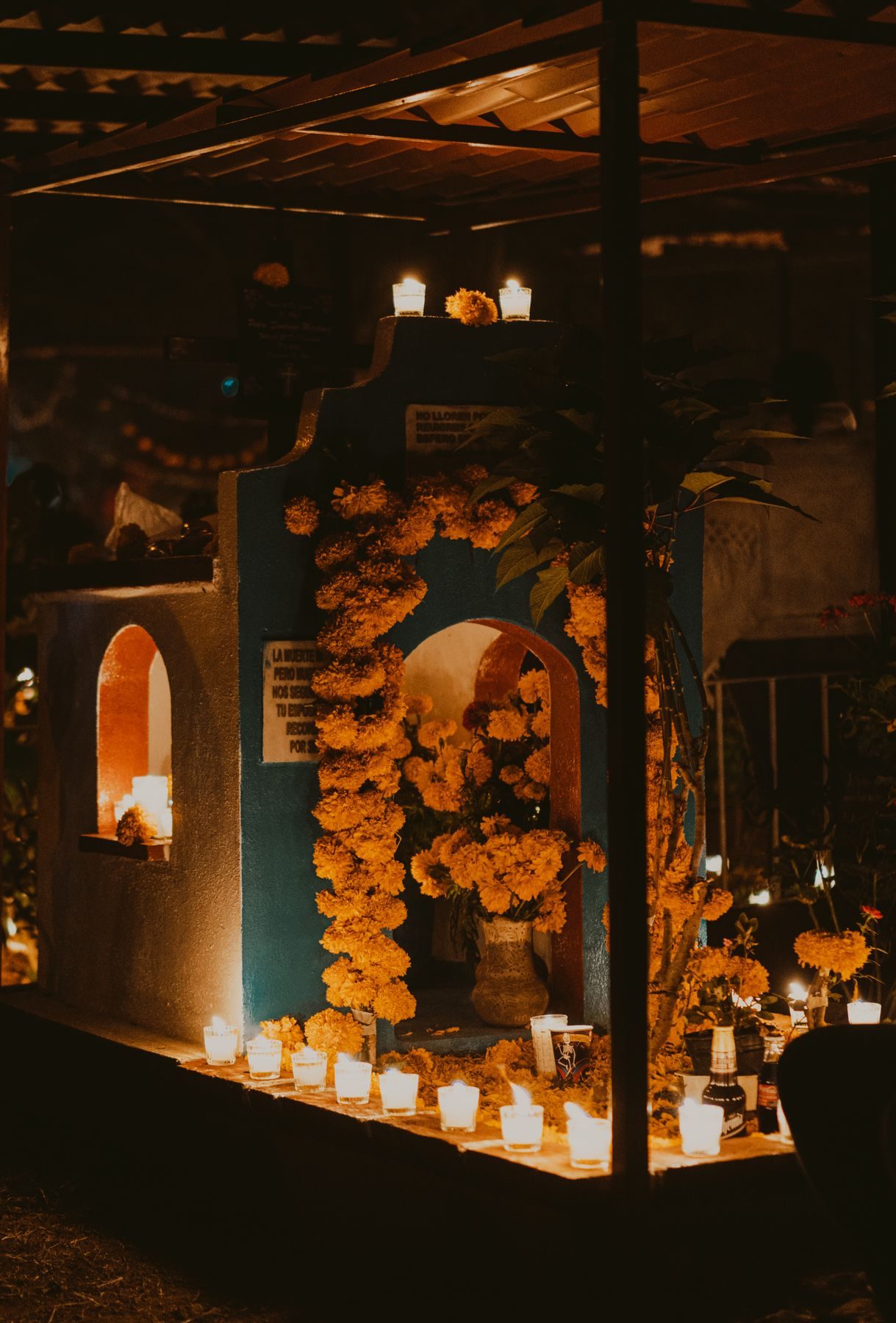
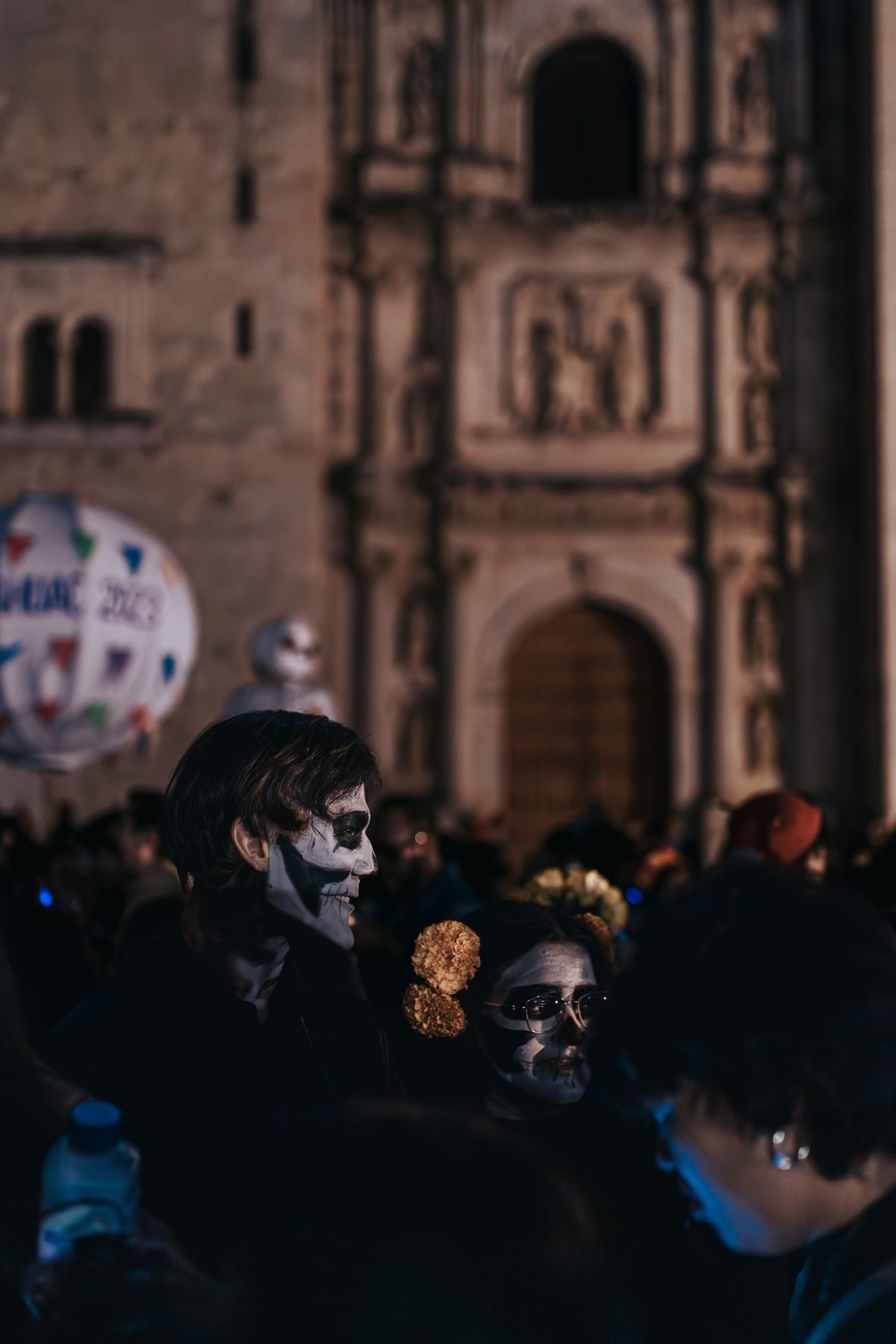
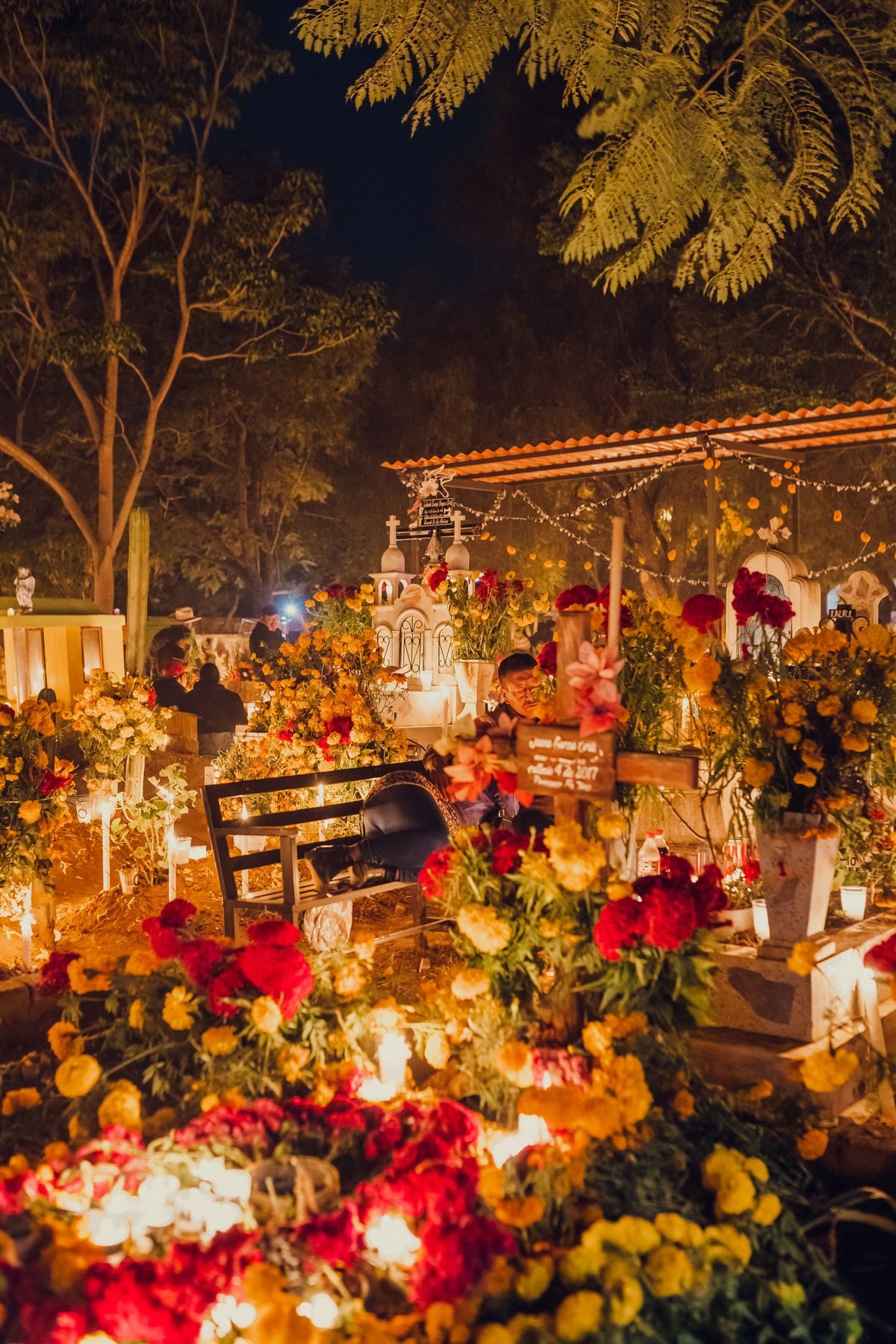
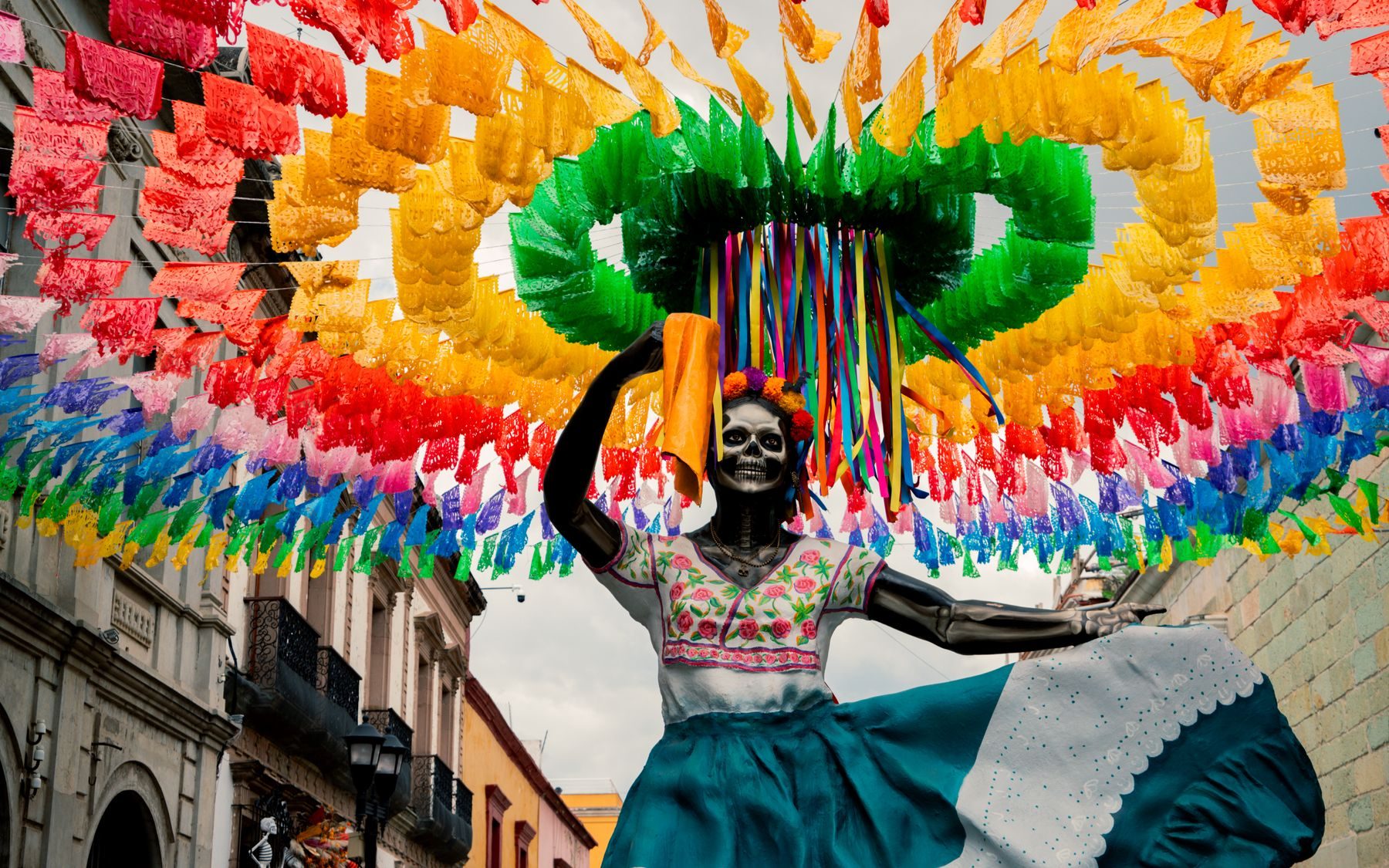
A week before the dead are expected, the centre gets ready for them: altars inside the shops and churches, giant skeletons along the pedestrian streets, papel picado strung over the Alcalá.
The altars and the comparsas cost you nothing, and they are calmer before the final weekend.
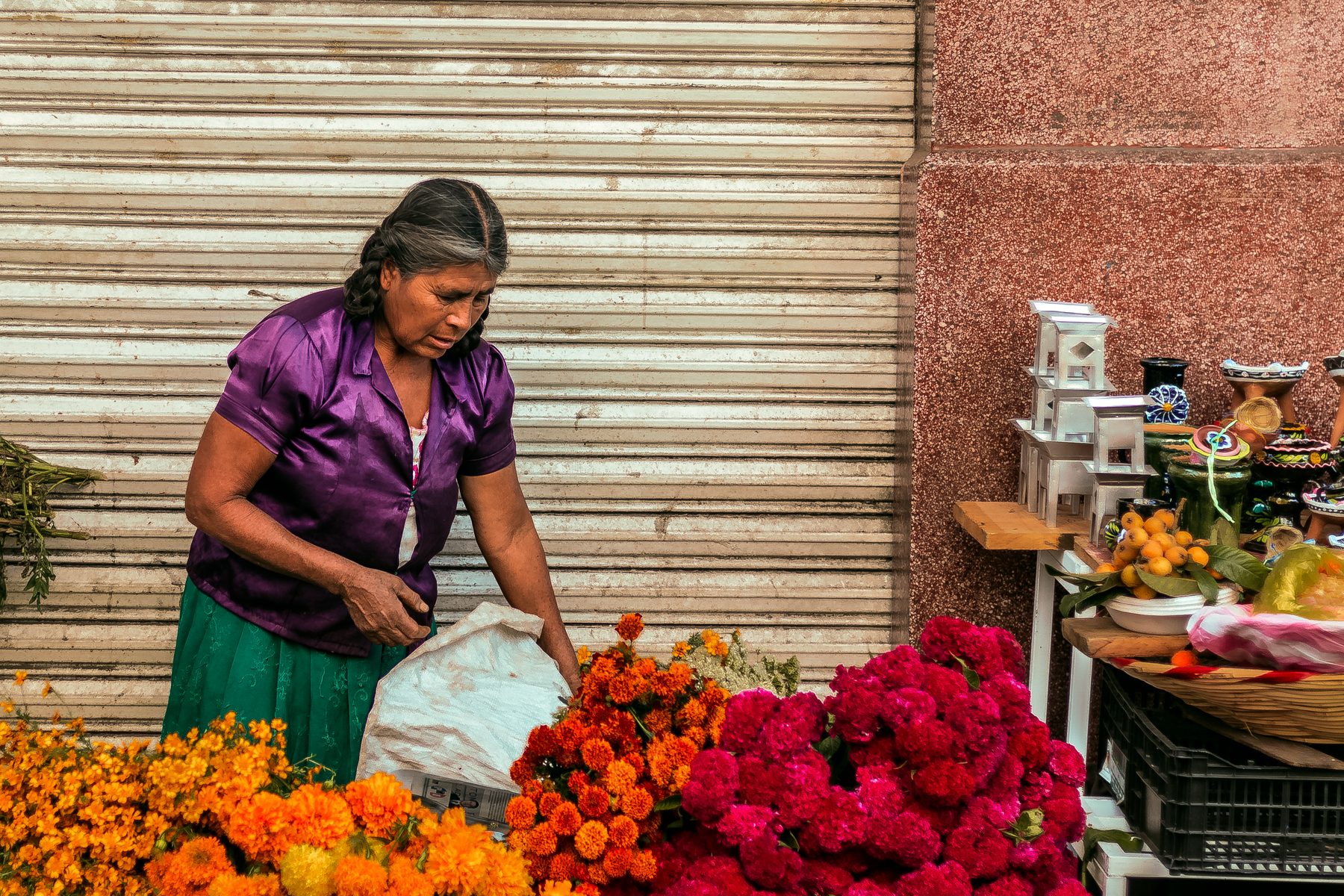
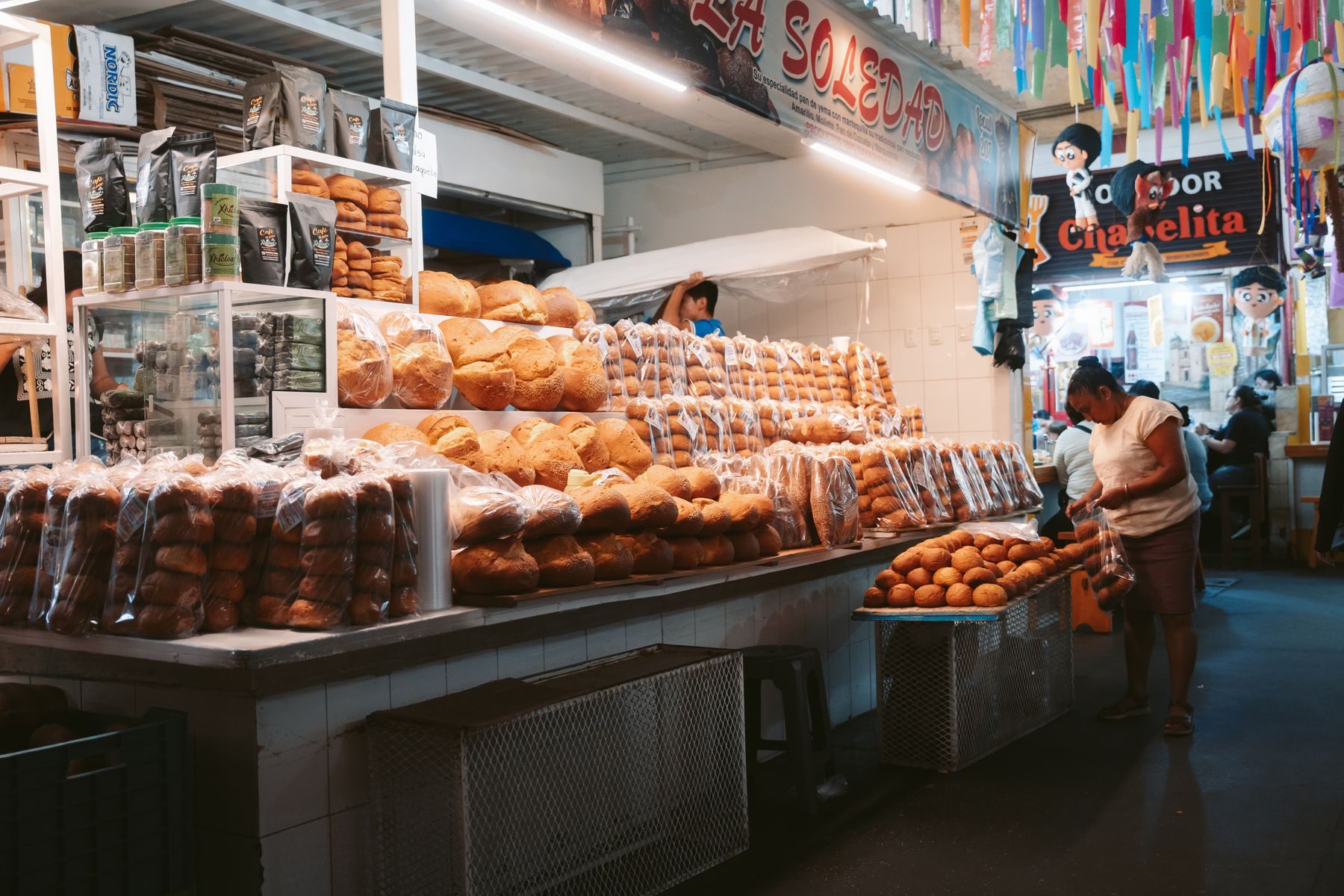
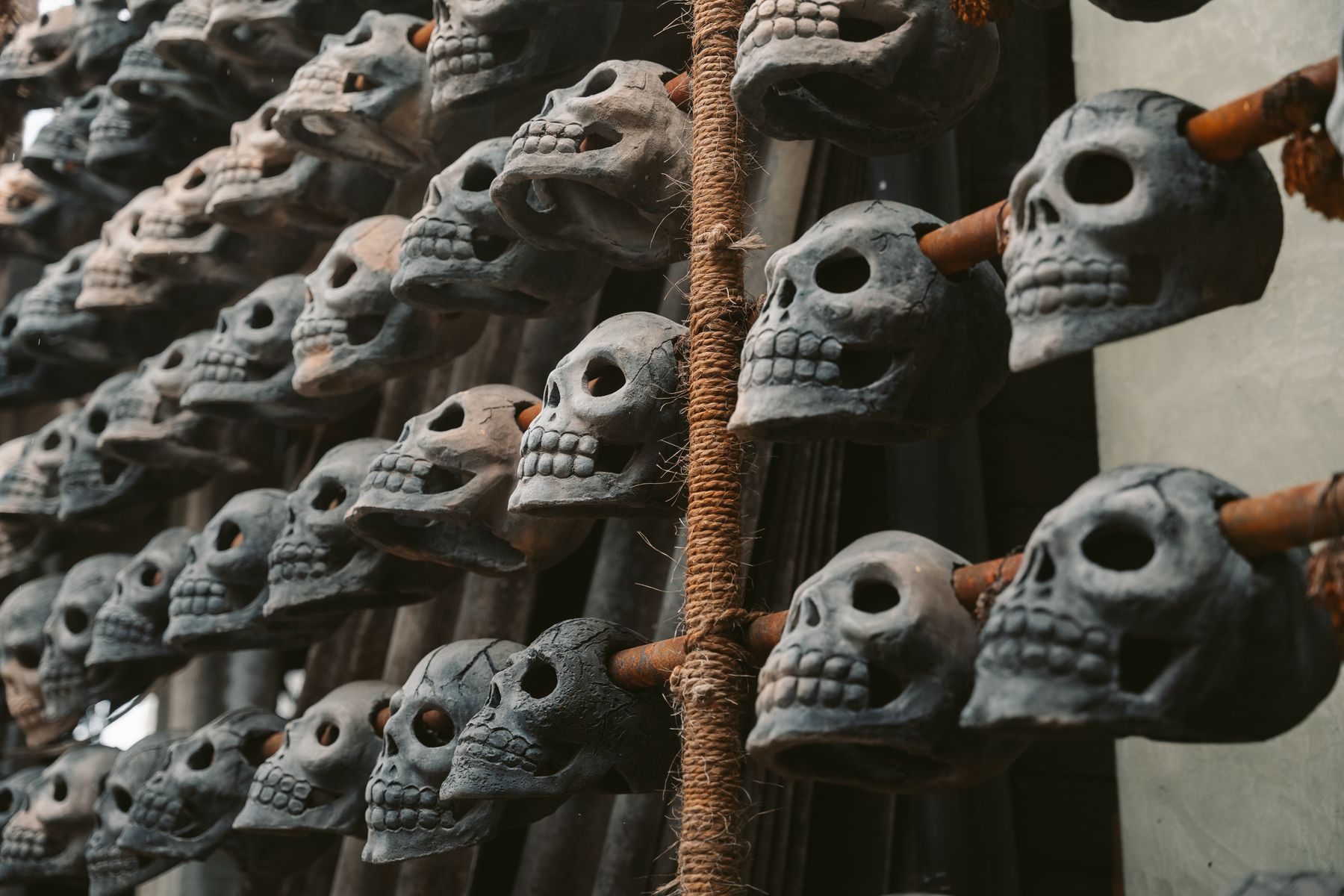
Every household builds an ofrenda, and the markets supply it: marigolds by the armful, pan de muerto, candles, chocolate, copal and sugar skulls with a name piped on the forehead.
Buy a bunch of marigolds and a loaf. You will want something to carry to a grave later in the week.
Tap anything on the altar. Each thing is there for a reason, and each is for sale two blocks from the Zócalo.
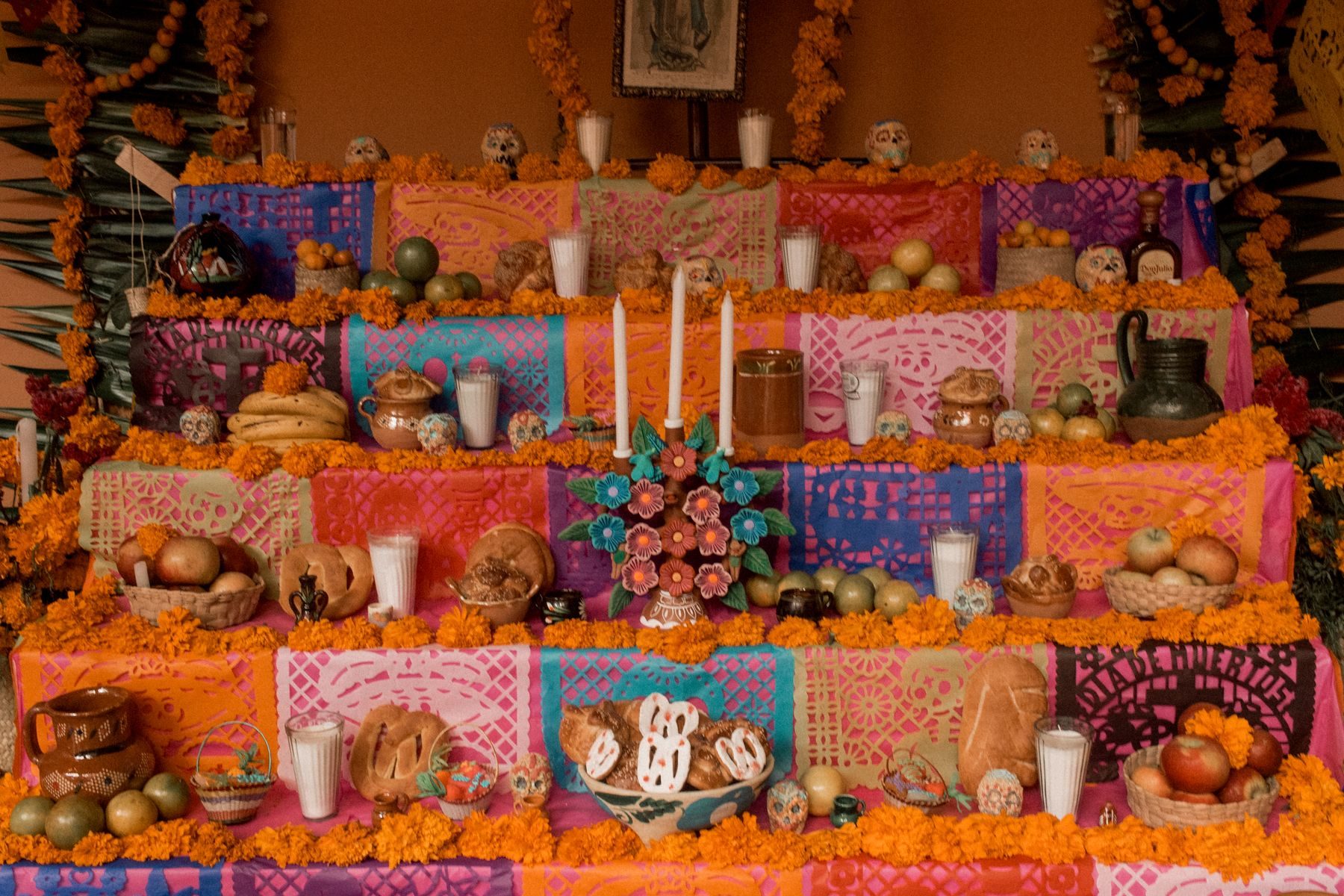
The altar is built for someone, and their picture goes at the top so they know it is theirs. Everything below it is laid out for that one person: what they liked to eat, what they drank, the things they kept.
Every household makes one, and so do shops, hotels and churches. Look for them from about 26 October.
The city holds its Día de Muertos verbena in the historic centre, usually on this evening: food stalls, music, and the first comparsas out in costume. It is the least crowded night of the week, and the right one to arrive on if you have three nights.
Eat early and stay in the centre. From tonight the Alcalá and the streets around the Zócalo are busy until well after midnight.
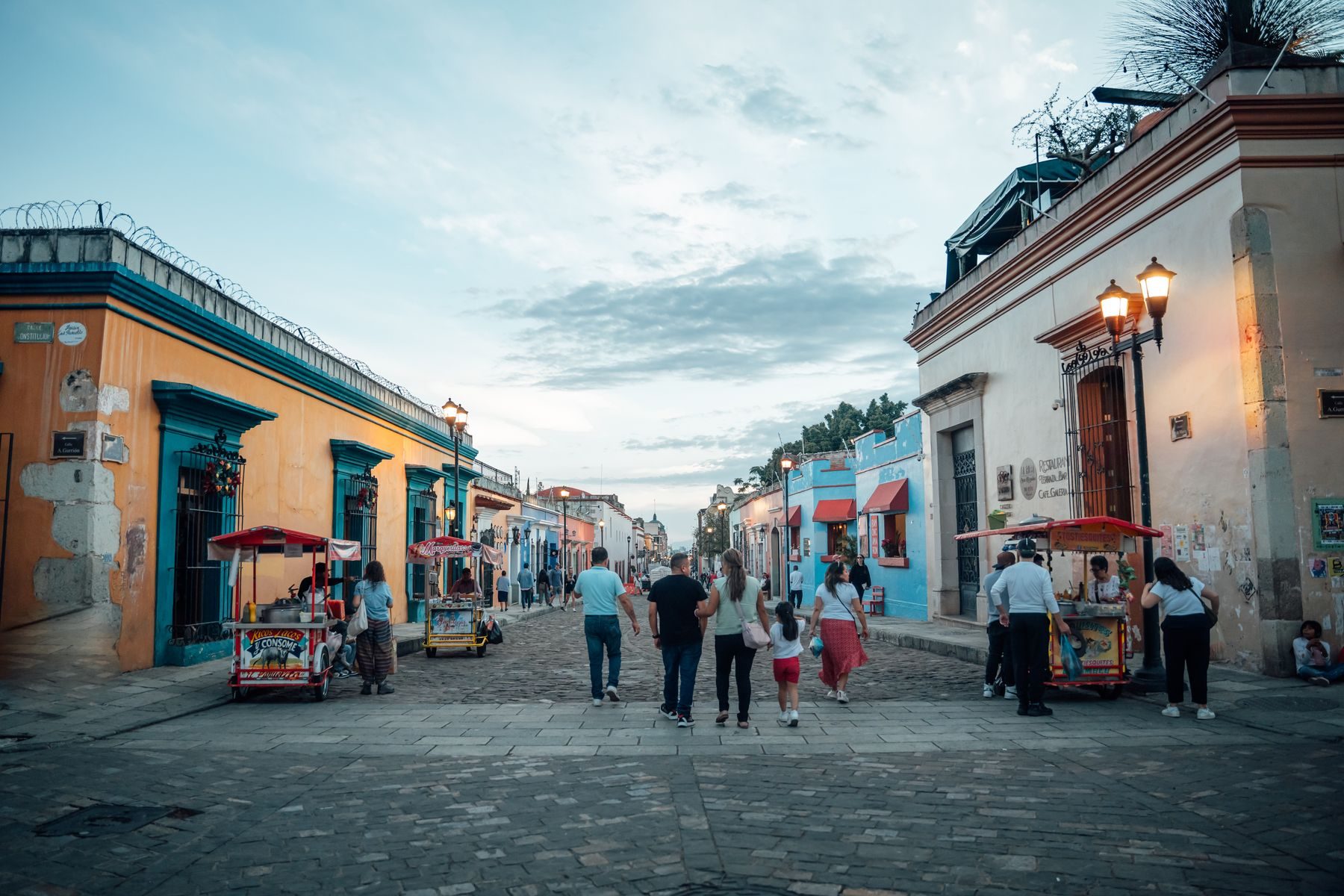
Follow a comparsa for a few streets, then peel off for a taxi: the vigils start tonight at Santa Cruz Xoxocotlán and Santa María Atzompa, and the families are already at the graves.
The souls of children are believed to arrive first, so tonight the smaller graves get the sweets and the toys. In Xoxocotlán, spend your time in the big new cemetery, Mictlancíhuatl; Atzompa has fewer visitors and graves banked knee-high in marigolds.
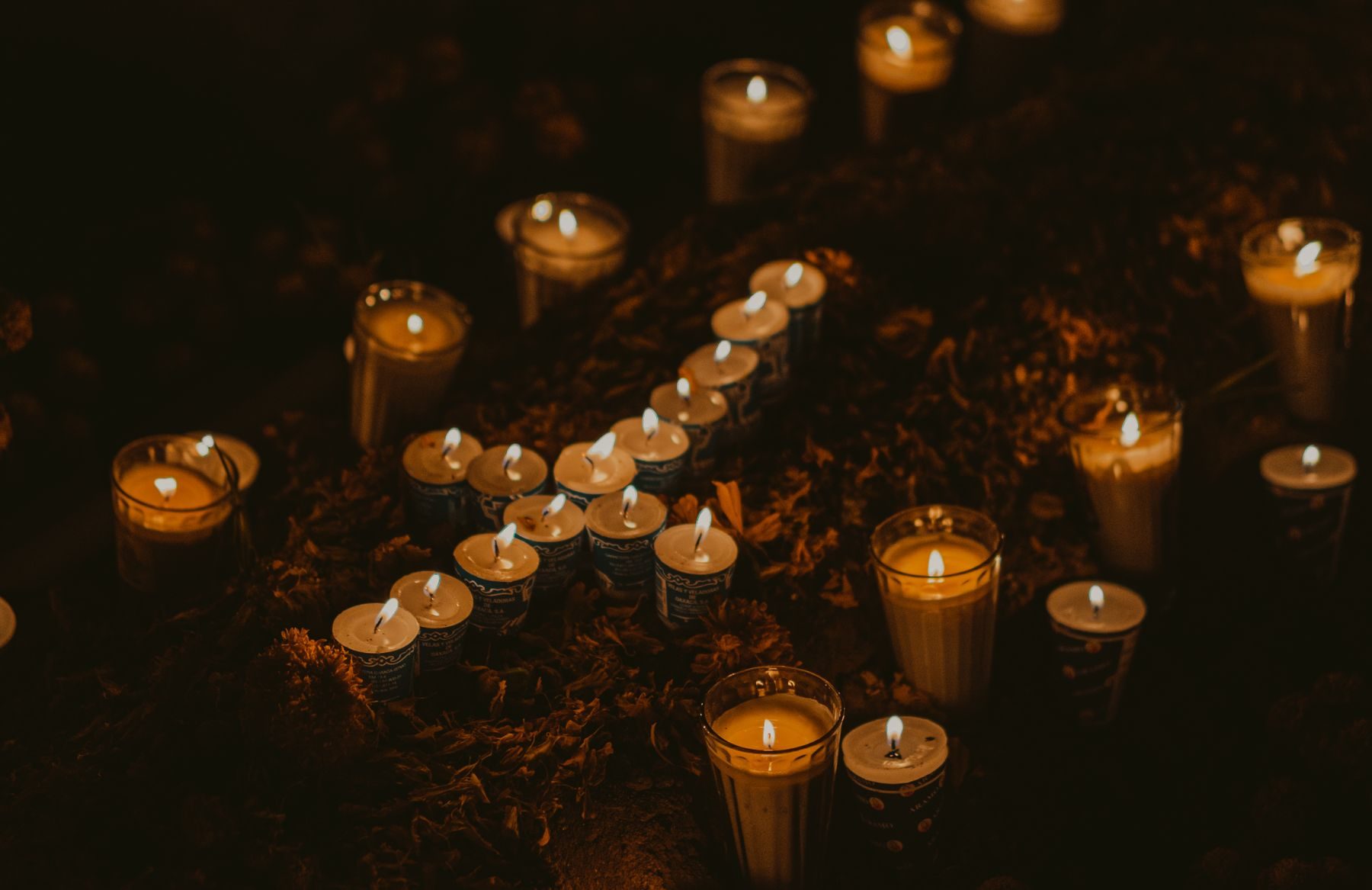
Have your hotel book the taxi there and back (Mictlancíhuatl cemetery on Google Maps). Roads near the cemetery close, so expect to walk the last five minutes, and bring a small light for the paths between the graves.
The adults are believed to come home tonight, and families sit with the graves until dawn, with the dead person's favourite food laid out and a band somewhere nearby, and the candles are replaced as they burn down.
If you can only do one night, do this one. In San Agustín Etla the muerteada, masked dancers and brass bands going house to house, runs from about ten until breakfast.
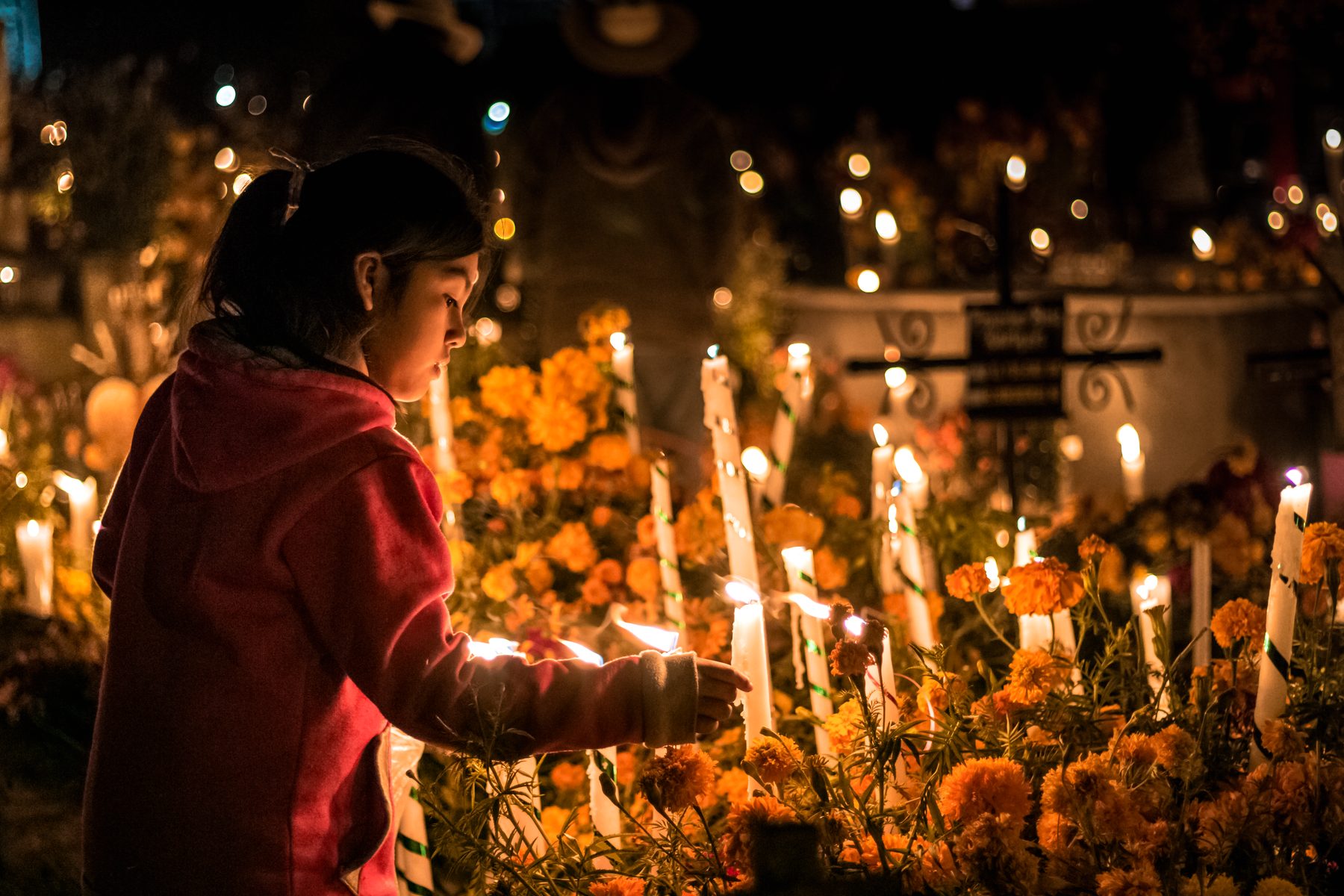
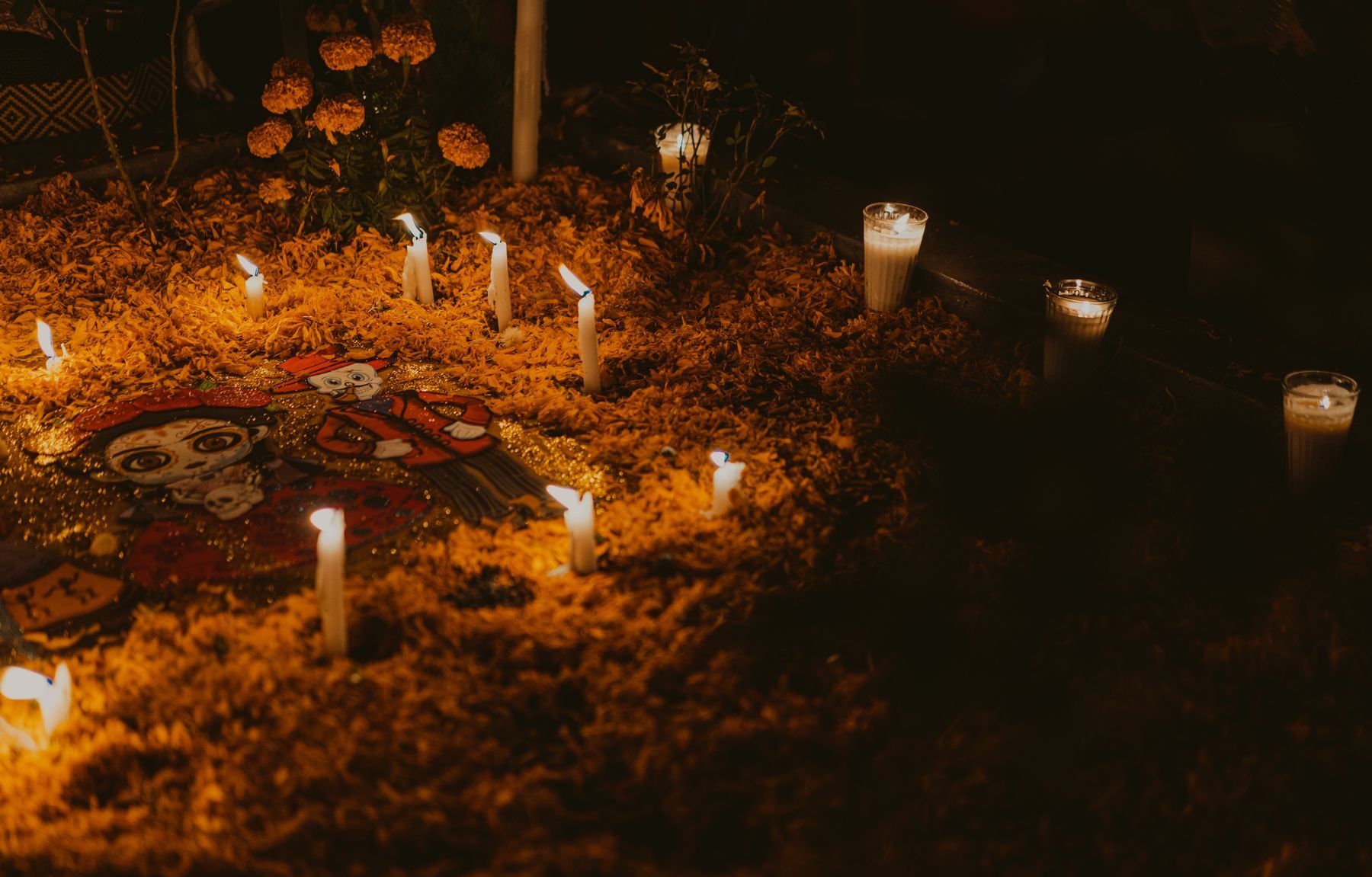
For Etla, book a driver weeks ahead and agree a pick-up time: the road jams on this night and the ride home after midnight is the hard part of the whole trip.
Walk through quietly and you are welcome. Ask before any close picture, and never use a flash.
Carry your marigolds in, put them down where a family lets you, and sit for a while before you move on. The paths between the graves are uneven and dark.
Dress warmly: the valley is at 1,500 metres and the cemeteries are cold by two in the morning. Eat before you go; the stalls at the gate are for the families.
The souls of adults are believed to leave today, and the villages hold processions to the cemeteries to see them off. In Teotitlán del Valle, the weaving village east of the city, processions go up to the cemetery through the afternoon, so go late morning and see the rug workshops first.
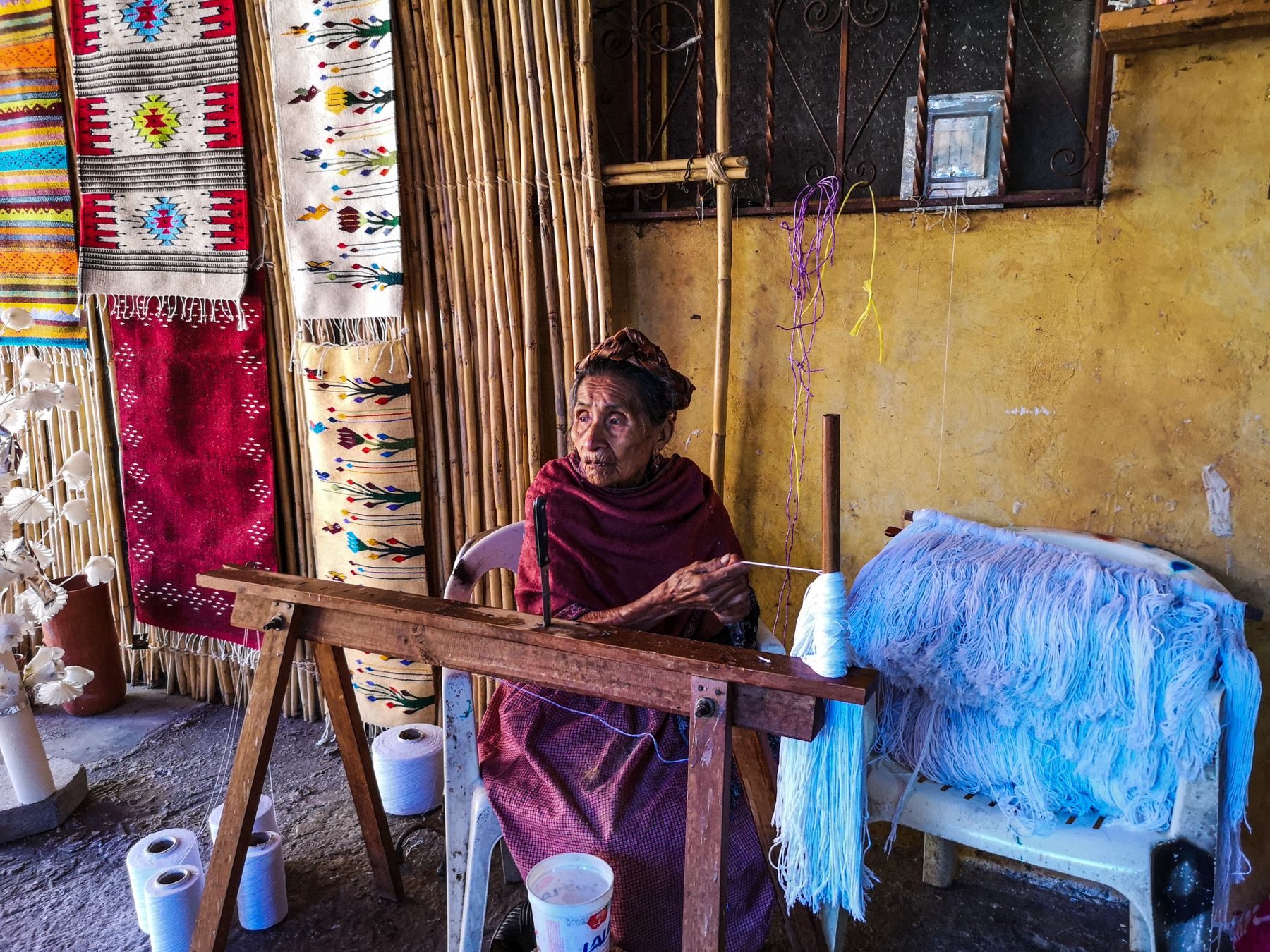
Zapotec weavers at treadle looms, 30 kilometres east. Processions to the cemetery on 2 November.
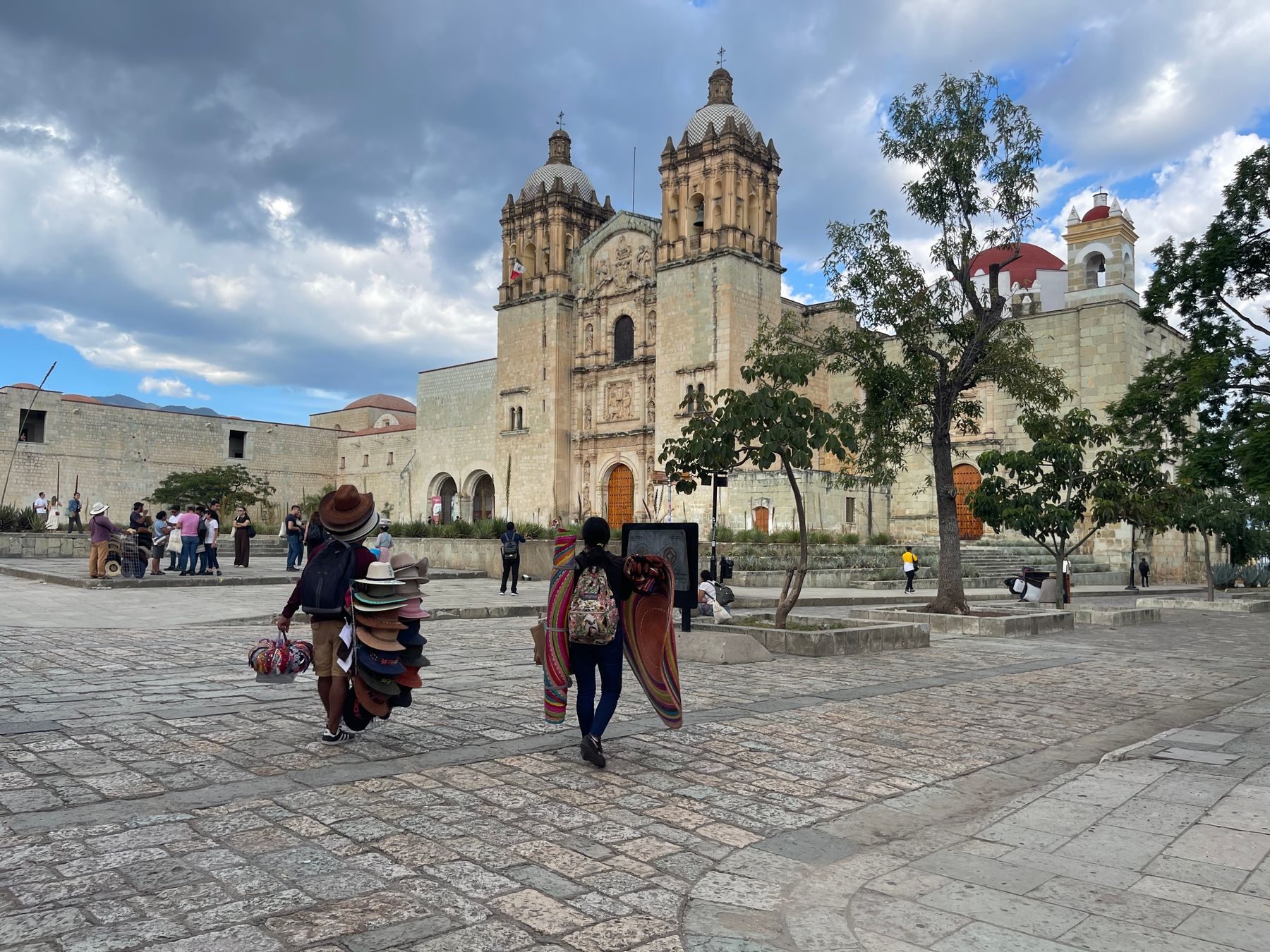
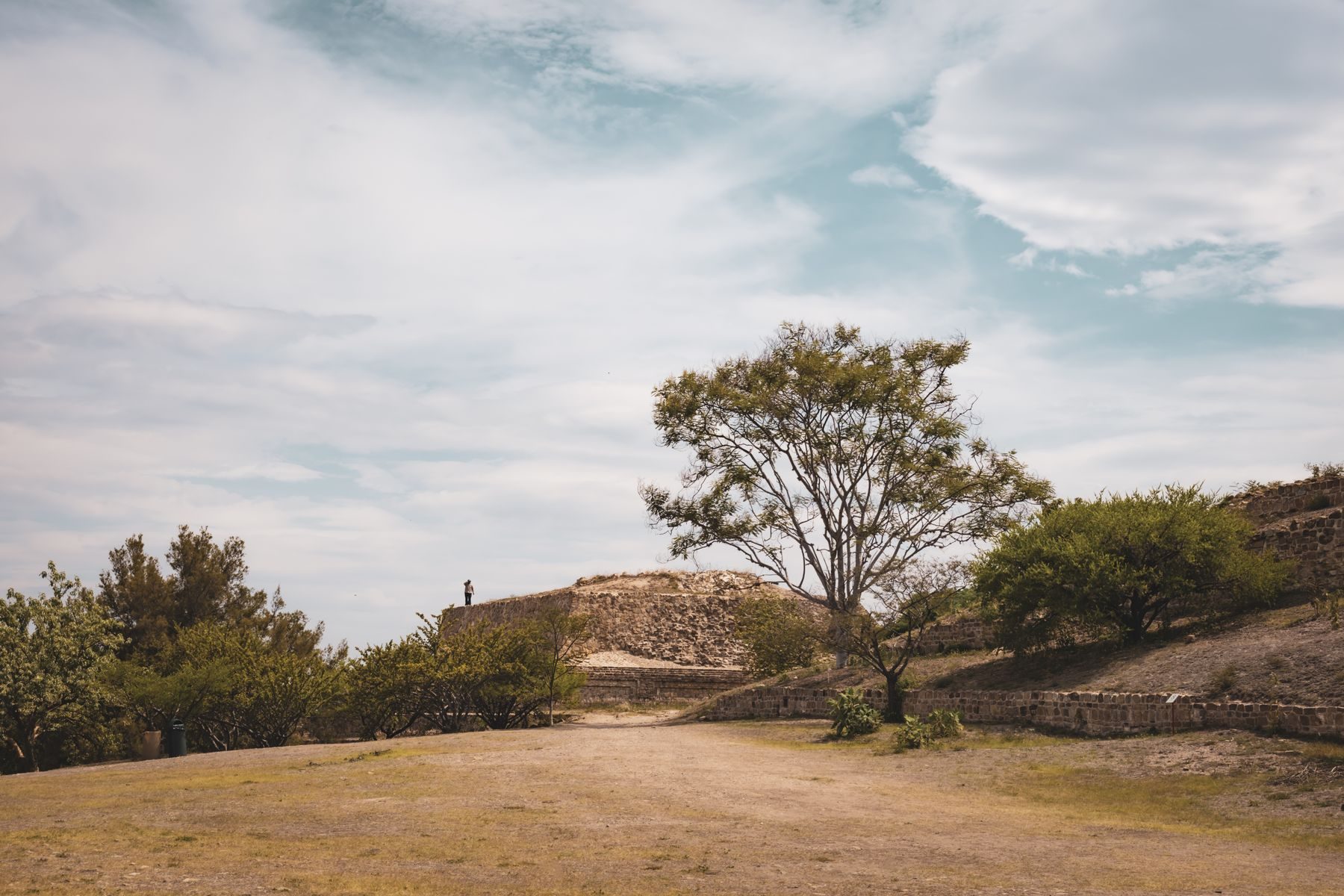
In the Oaxaca City guideThe altars stay up for a few days and the centre goes quiet. This is the morning for Santo Domingo, the museum in the convent beside it, and a long breakfast. With an extra night, Monte Albán on the hill above the city is the last morning.
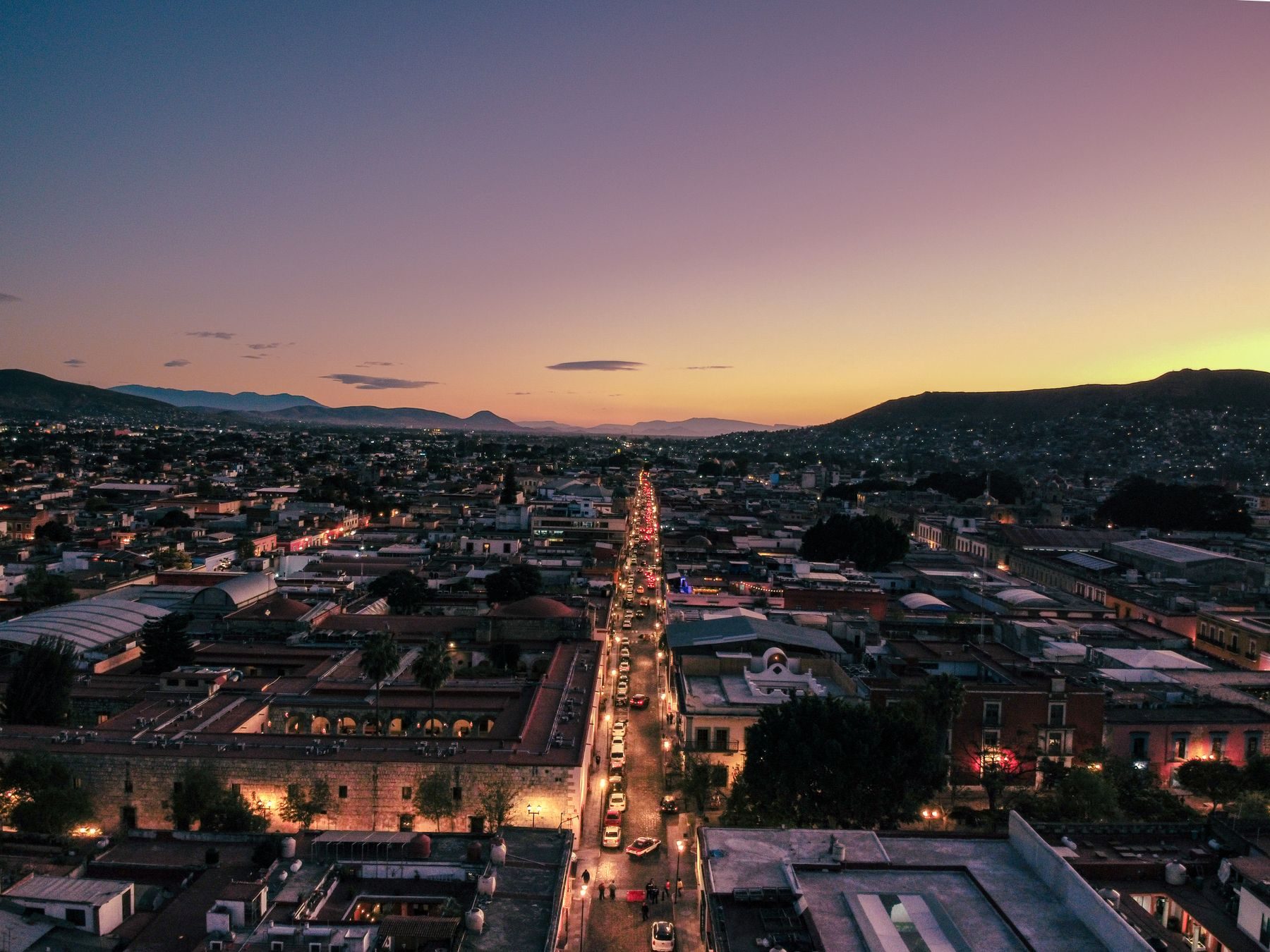
Stay within walking distance of the Zócalo, and book by spring: the centre sells out first. Our pick is Pug Seal Oaxaca on Porfirio Díaz. It holds a Michelin Key, and its twenty rooms fill an early nineteenth-century house.
Open the town guideThe week beyond the cemeteries.
Last updated