 Submit a photo
Ninety seconds on Verdensarvsenter for bergkunst
Below the museum at Hjemmeluft lies Northern Europe's largest concentration of hunter-gatherer rock art, and of Alta's World Heritage rock art sites, this is the one you can walk into.
On the rock are people, reindeer, elk, bears, wolves or dogs, foxes, hares and waterbirds, with halibut, salmon, whales and boats. Many figures join into scenes of hunting, trapping, fishing and ritual.
Look for the boats trailing a long line across the rock with a fish at its end.
Iron in the Hjemmeluft bedrock turns the rock along the old shoreline a natural reddish brown.
When the carvings were found in the 1970s, many were painted red to make them easier to see. Paint can damage a carving, hide its details and give a false impression, so the museum is now removing it.
The higher a carving sits on the slope, the older it is. The figures were cut on smooth rock at the water's edge, so the oldest scenes now lie well above the sea and the later ones lower down.
You can start indoors or go straight down to the carvings. Inside, bear paw prints on the floor lead you through the exhibition, which tells Alta's story from the Stone Age to today and includes seven boulders with carvings.
Other rooms cover Kven culture, trade, mining and salmon fishing on the Alta River.
The carvings are about five minutes' walk down through the trees. The white route shows the painted figures and suits a visit of an hour; along the red route, every carving is unpainted.
Beside the path, signs mark shallow hollows as the remains of prehistoric dwellings. Back at the museum, finish in the café, which looks out over the Alta Fjord and serves homemade cakes.
Nobody staffs the carving areas, so pick up the audio guide at reception before you go out. Follow the signs along the trail and key in the number at each of its 25 outdoor stops; it comes in Norwegian, English, German, French, Italian and Spanish.
A guided tour runs 45 to 50 minutes in summer and must be booked ahead by email at post@altamuseum.no. In high season tours usually run in Norwegian, English, German, French and Russian.
If you have two hours, walk the white route before the red: the painted figures show you the shapes to look for on the bare rock. Take a magnifying glass or a torch from reception for the faint lines.
In summer, arrive early, because the car park can fill by the afternoon. Reception lends umbrellas and rain ponchos too, if it rains.
Explore the rest of Alta
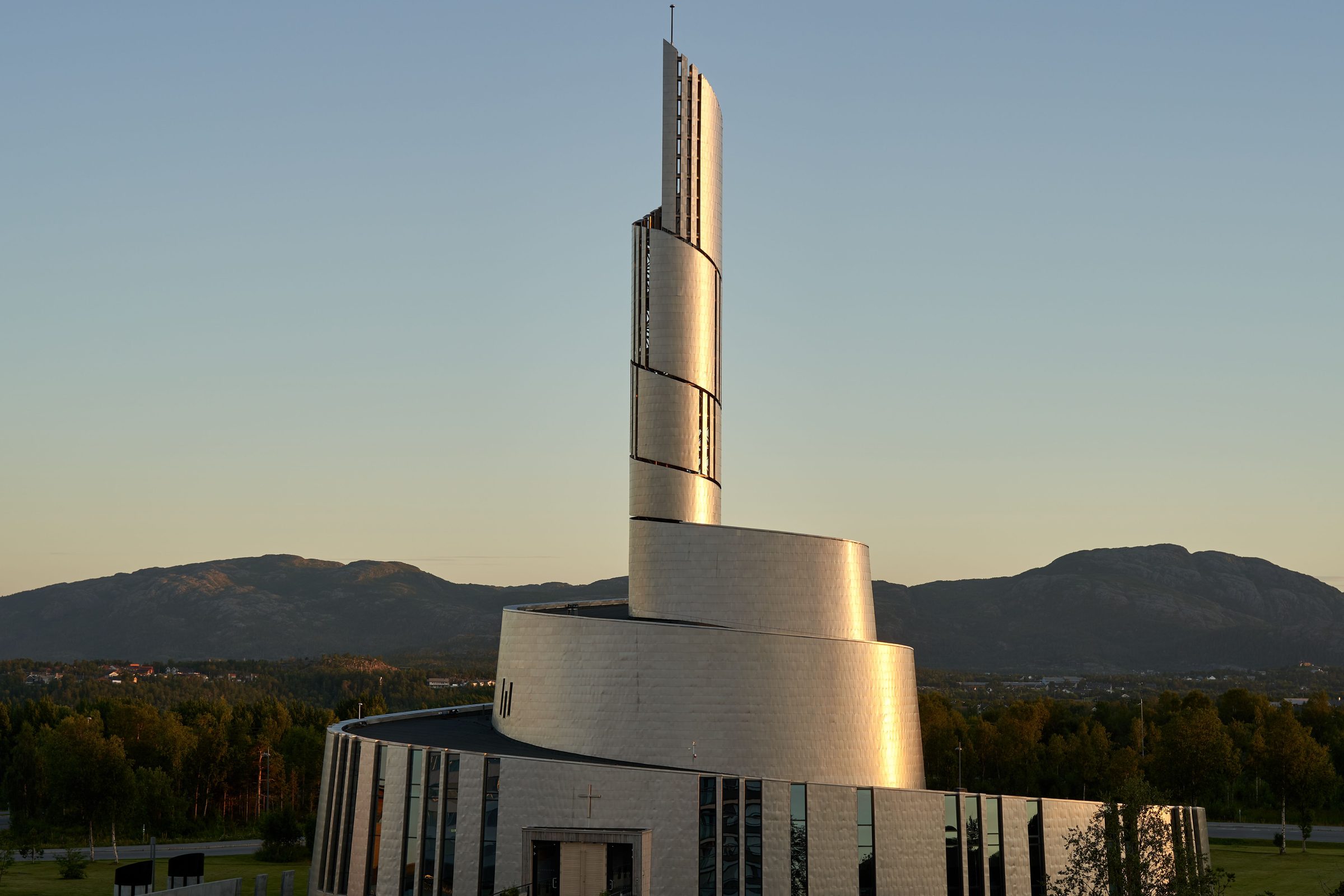
The largest town in Finnmark sits at the southern end of the Altafjord, where the salmon river Altaelva reaches the sea. It became a town…
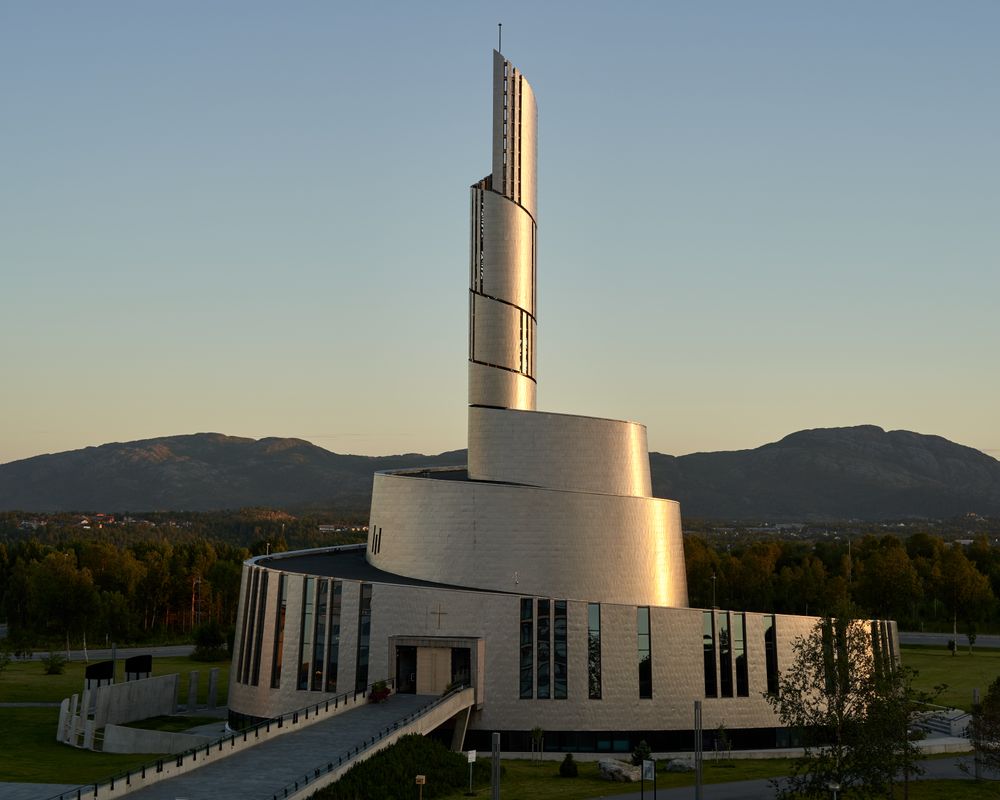
The Northern Lights Cathedral, completed in 2013 in central Alta, is a spiral of titanium sheets over concrete and wood, rising to a…
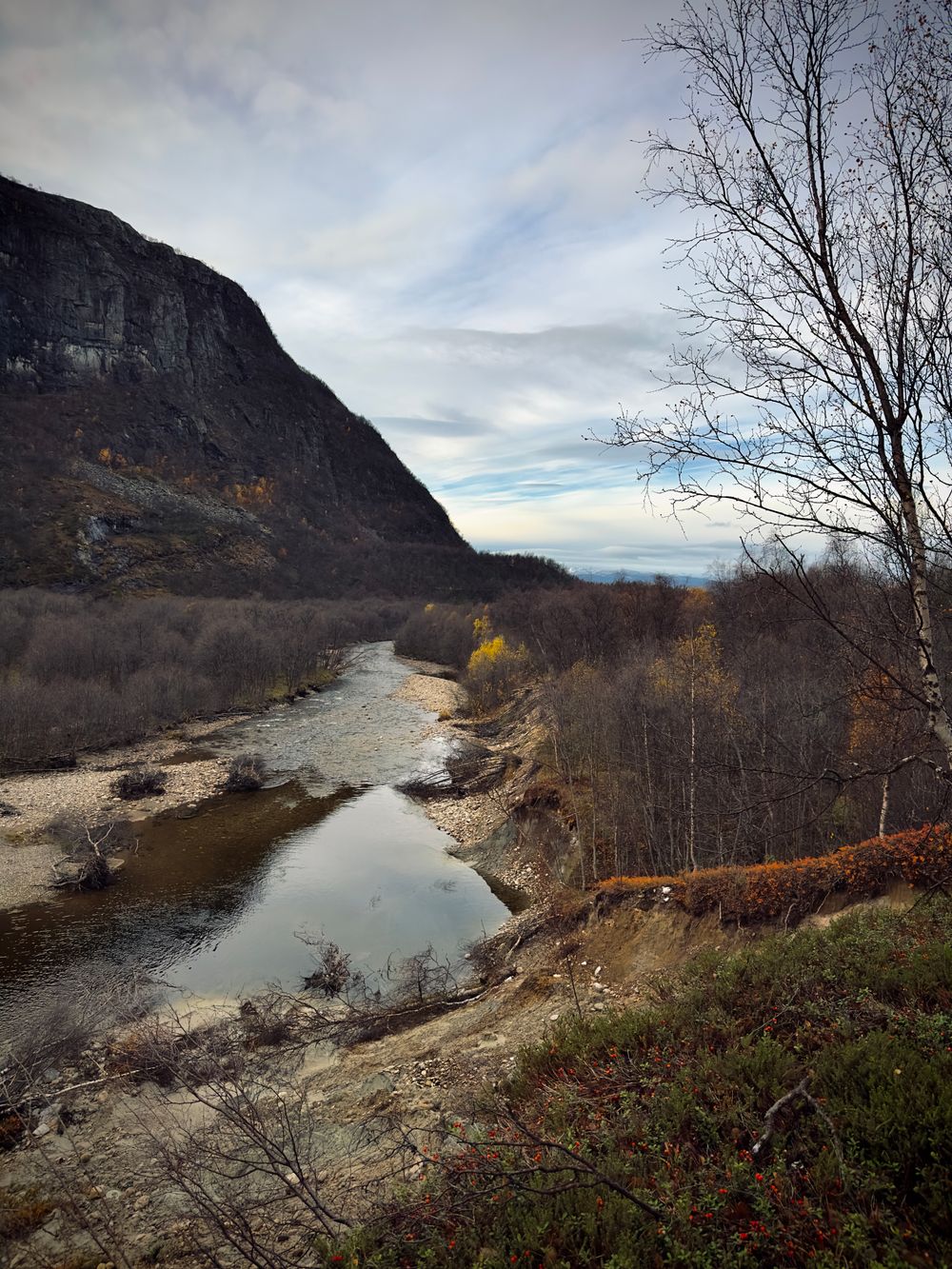
The Altaelva runs 240 km from the Finnmarksvidda plateau to the fjord in the middle of Alta, cutting the Sautso canyon on the way. It has a…
The official pages this guide was checked against.
Last updated