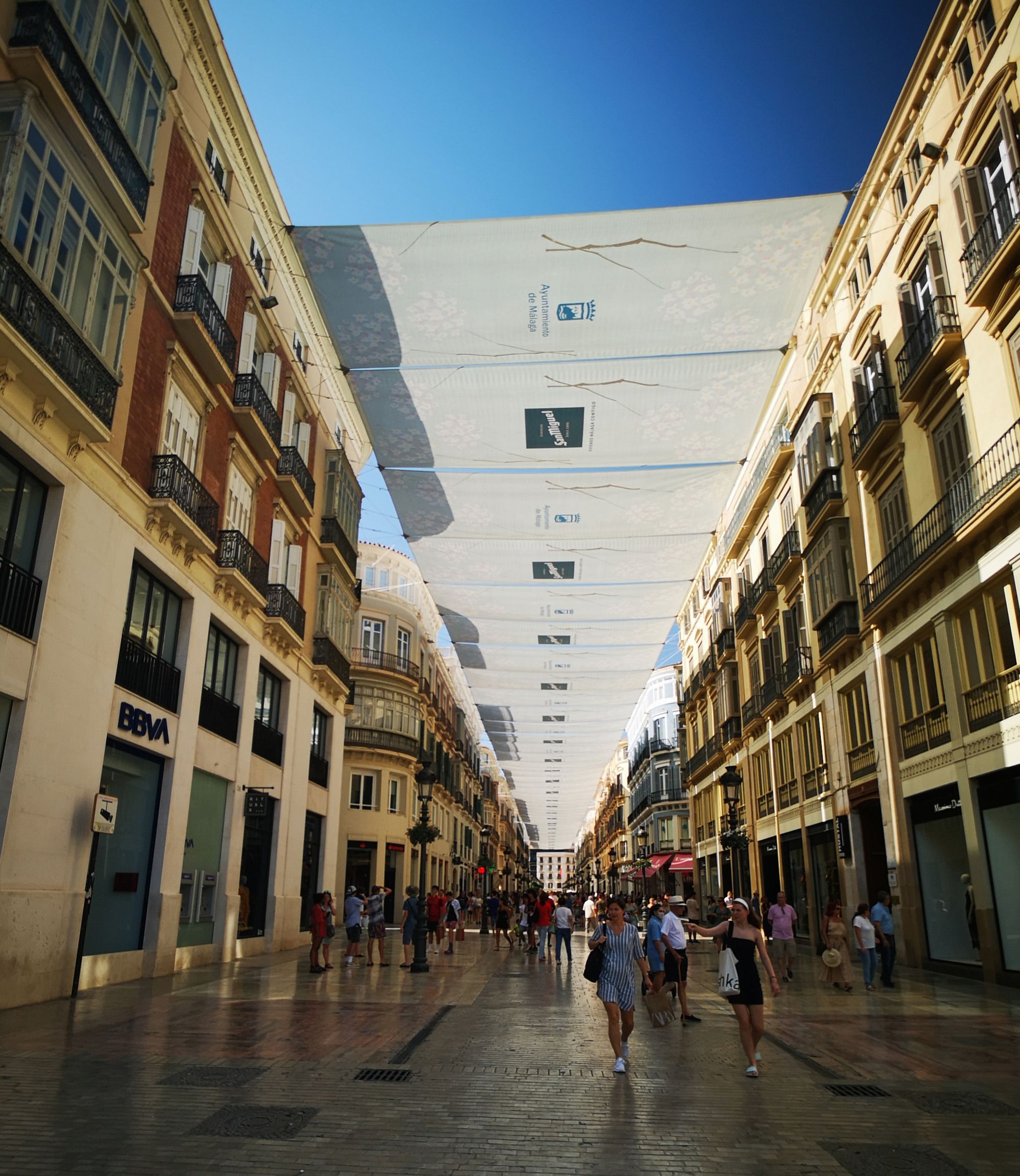
Ninety seconds on Calle Larios
Three times a year Málaga's main shopping street is the centre of the city's celebrations, at Christmas, in Holy Week and during the August fair, so plan your walk around one of them if you can.
Calle Larios has been closed to traffic since 2002, and outdoor cafés and street musicians fill it in any month.
The Christmas installation traditionally starts going up at the end of October. After dark its lights are synchronised to music in a light-and-sound show, and the pieces decorate the street by day too, unlit, so a morning walk still shows them.
During the August fair, Larios and Plaza de la Constitución fill by day with music, dancers and stalls selling fair accessories. Local folk bands, known as pandas de verdiales, play on Larios every day, beside a stage for Málaga folk music. A giant gateway showing a pair of dancers stands at the entrance to Calle Larios, and paper lanterns hang over the street and around it.
In Holy Week, Larios is on the official route that every procession follows to the cathedral. Six or seven processions march through the city each day, staggered so that they pass along the route one after another, and in the city they run late into the night.
Starting at the statue of the Marqués de Larios at the south end, walk slowly up the street. Look up at the decorative balconies above the shopfronts, and stop at an outdoor café if you want to watch the street for a while.
The street ends in Plaza de la Constitución. From the back of the square, duck through Pasaje de Chinitas, a narrow covered arcade.
For a drink or tapas, head into Calle Granada and the streets around it, Calle Císter and Plaza de la Merced especially, which are packed with traditional bars.
Weekends, cruise ship days and the sales are the busiest times, so on those days walk the street early and come back for the side-street bars in the evening.
In summer, carry water as you walk: the stone streets of the old town give off the heat of the day.
Explore the rest of Málaga
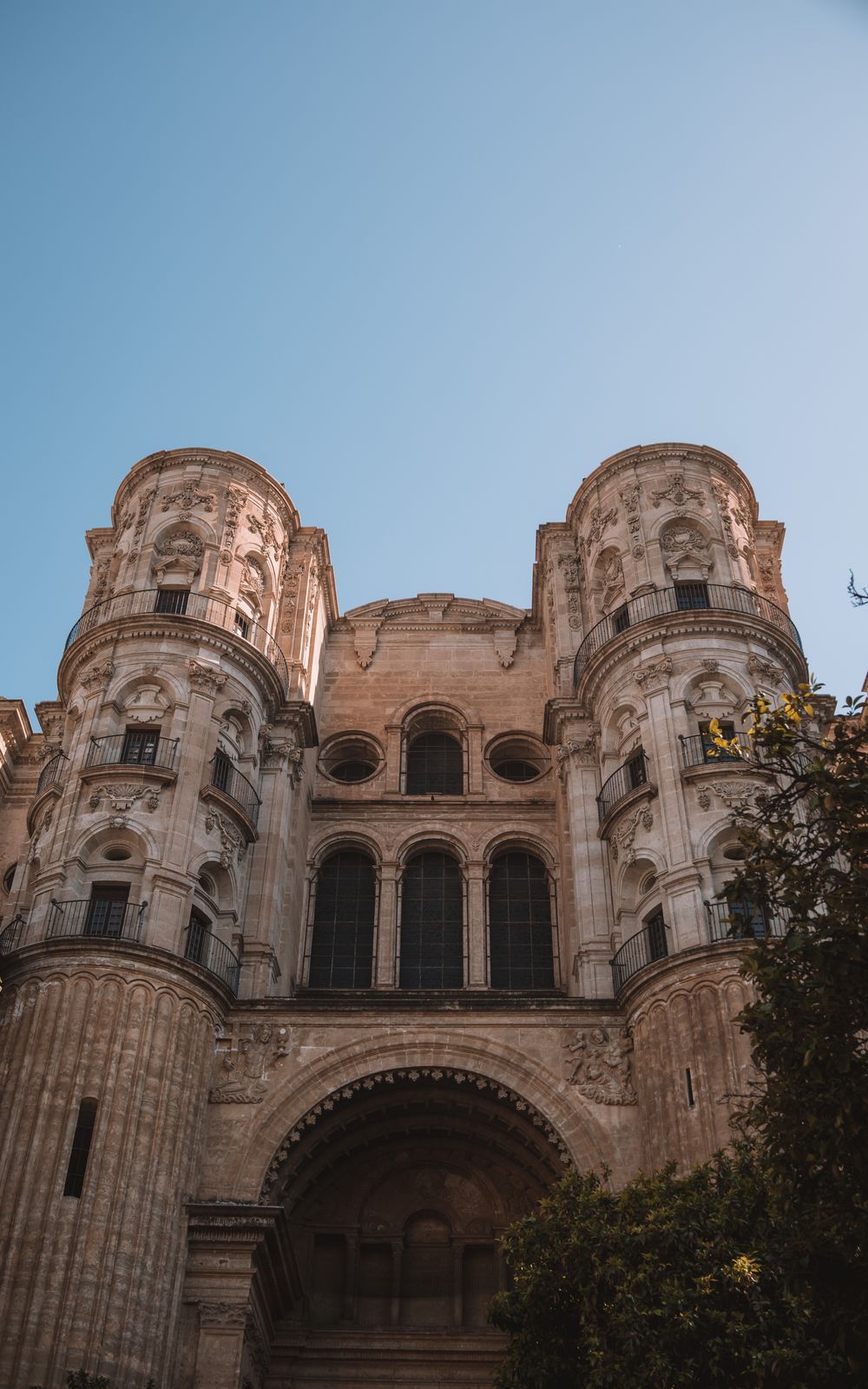
Known in the city as La Manquita, the one-armed lady, because its south tower was never finished and stops short beside the complete north…
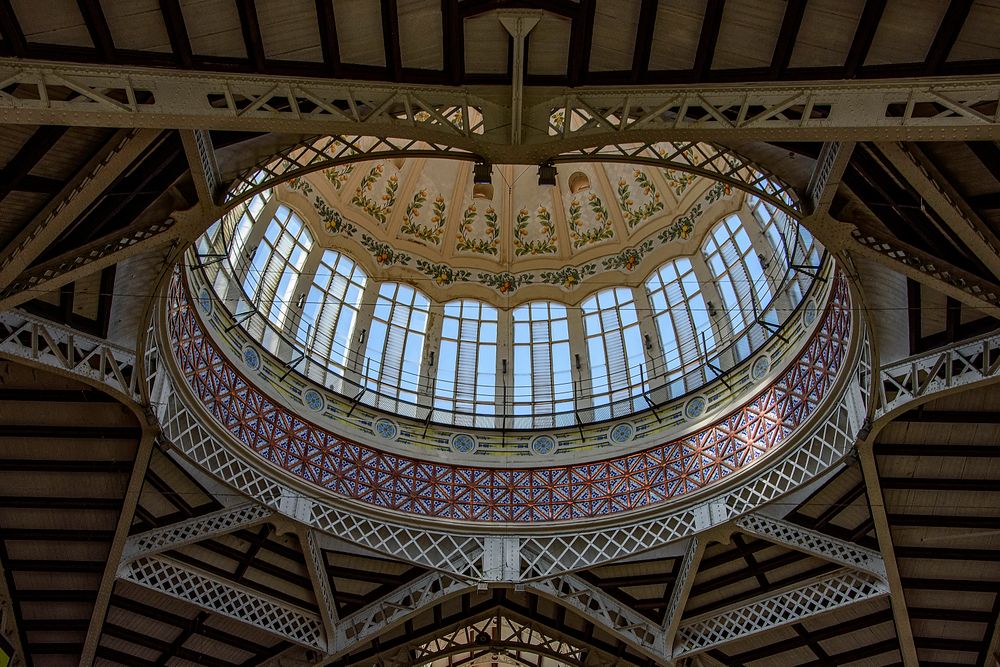
The central food market, an iron hall entered through a marble gate left from the Nasrid shipyards. Fish and shellfish lead the stalls,…
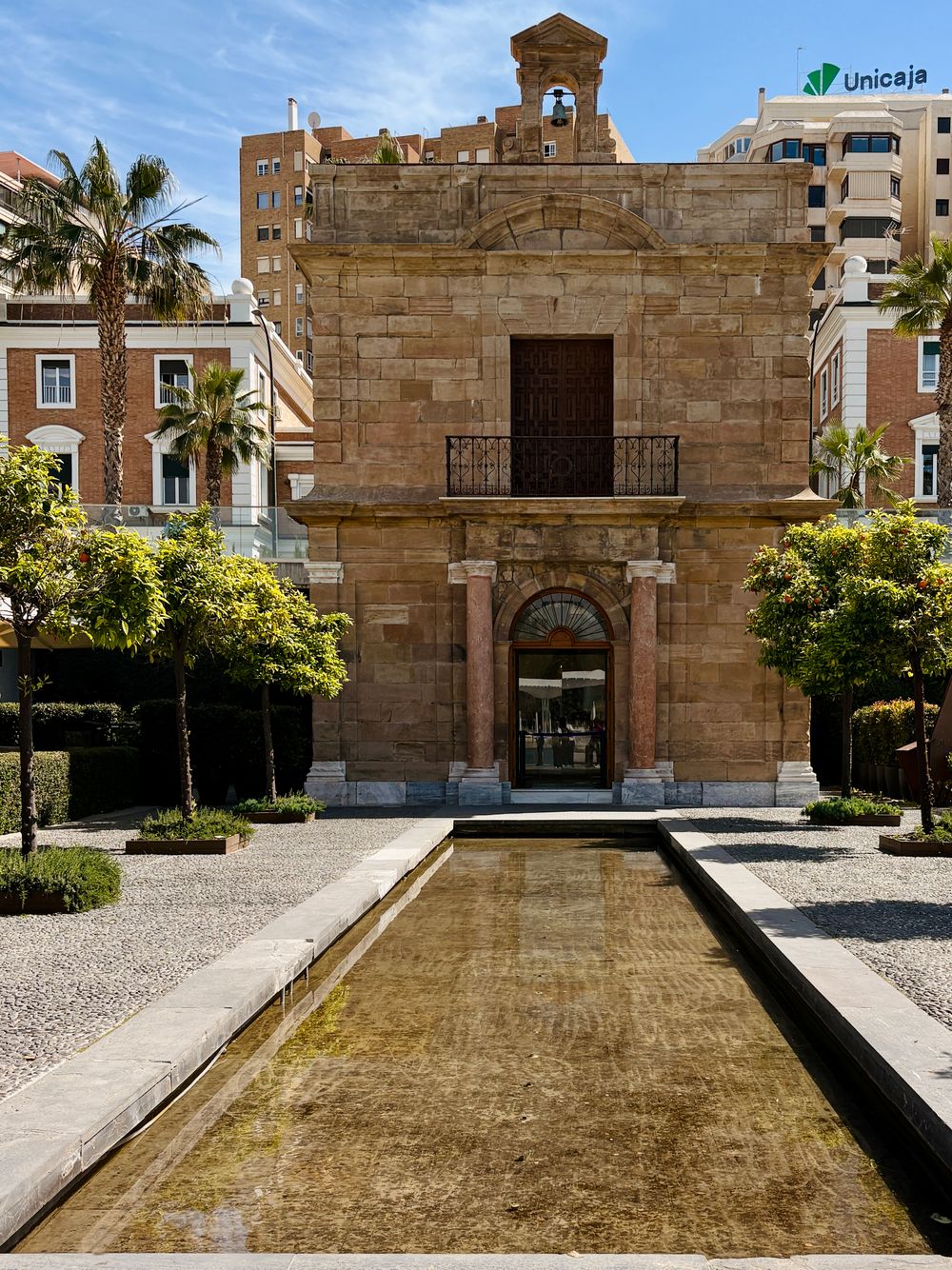
Paintings, drawings and ceramics given by the artist's family, hung in a Renaissance palace on Calle San Agustín a few streets from his…