Base yourself in Madrid and the fast train does the rest: Toledo is half an hour away, and Seville, Córdoba, Valencia and Barcelona are each under three hours.
A first trip of ten days usually takes in Madrid and the three Moorish cities of Andalusia, with Barcelona or the Basque coast as the extra stop. A week suits a single region: Madrid with Toledo, Andalusia on its own, or Barcelona with Valencia. The Basque coast, with Bilbao and San Sebastián about an hour apart, takes three or four nights, and the train from Madrid is slow enough that a flight to Bilbao is quicker.
Not between the cities. The AVE high-speed trains link Madrid with Seville and Barcelona in about two and a half hours and with Valencia in under two, and Córdoba sits on the Seville line. Málaga and Granada have their own branches. A car is useful for the Basque coast, the rice fields of the Albufera south of Valencia and the hill villages of Andalusia.
April to June and September to October. In July and August the inland south passes 40°C in the afternoon, and Seville and Córdoba empty at midday, while the Basque coast stays mild. The big festivals fill their cities: the Fallas in Valencia in mid March, Holy Week and the April Fair in Seville, and San Fermín in Pamplona from 6 to 14 July.
Spanish is spoken everywhere, and three regions in the guide have a second official language: Catalan in Barcelona, Valencian in Valencia and Basque in Bilbao and San Sebastián. Signs there are usually bilingual, though Barcelona street names are in Catalan only. English is routine in hotels and at the major sights of the big cities, and less common in tapas bars and small towns.
The euro. Cards and contactless payment are taken almost everywhere, including most tapas bars and market stalls. Service is not normally added to a bill, and a tip is modest: rounding up, or a few coins for good table service. Hotels in Barcelona add a tourist tax to every night; Madrid and the Valencia region charge none.
Madrid-Barajas is the main hub and handled about 68 million passengers in 2025, with Barcelona-El Prat second. The C1 suburban train links Terminal 4 to Atocha, where most AVE lines leave. Málaga and Seville take direct international flights for Andalusia, Valencia has its own airport close to the city, and Bilbao is the way in to the Basque coast.
Ninety seconds on the country
Spain splits into three trips you can join by train: the Moorish south, the Mediterranean cities and the green north. Madrid sits in the middle of the rail network, so you can change cities in a morning and still have the afternoon for a museum or a long lunch.
In Andalusia in summer, plan your day around the heat. See Seville, Córdoba and Granada in the morning, rest through the afternoon, and walk out again after nine, when the squares fill and the tapas bars open. In Granada, plan the whole day around your Nasrid Palaces slot.
The Mediterranean side runs from Barcelona down to Valencia and Málaga, three cities with a beach inside the city limits. Barcelona adds Gaudí, Valencia its science museums and the old town, and Málaga the Picasso museum and a Moorish fortress above the port.
The north is cooler in summer and can rain in any season. San Sebastián has an old town packed with pintxo bars, Bilbao the Guggenheim on its river, and Pamplona the walled old town where the bulls run each July.
Pick how you want to travel. The towns, the things to do and the map all change with it.
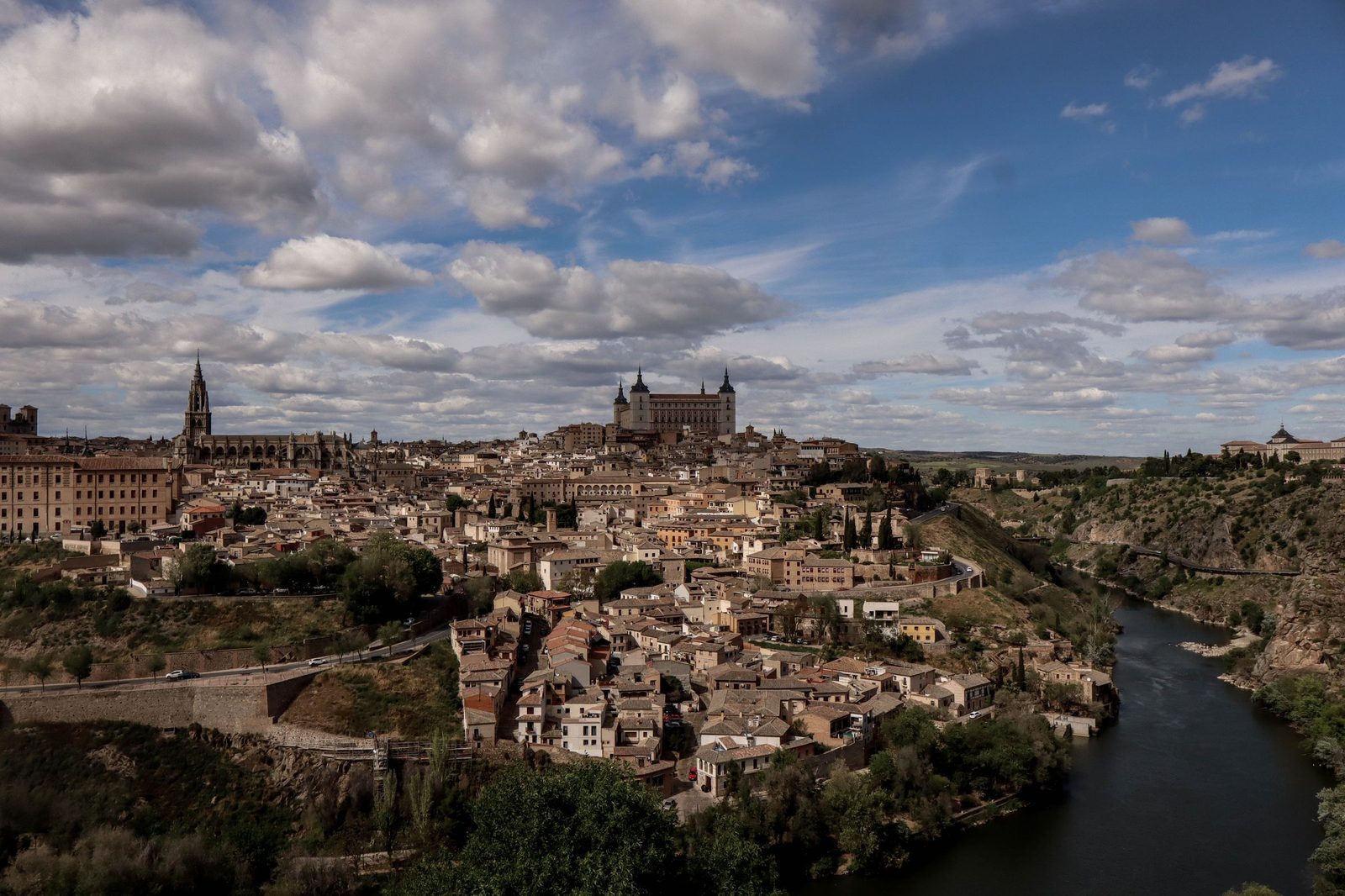
Madrid holds the Prado, the Thyssen and the Reina Sofía within a short walk of each other. Toledo is the day trip, a walled hill town above the Tagus; stay the night and the lanes empty after dark.
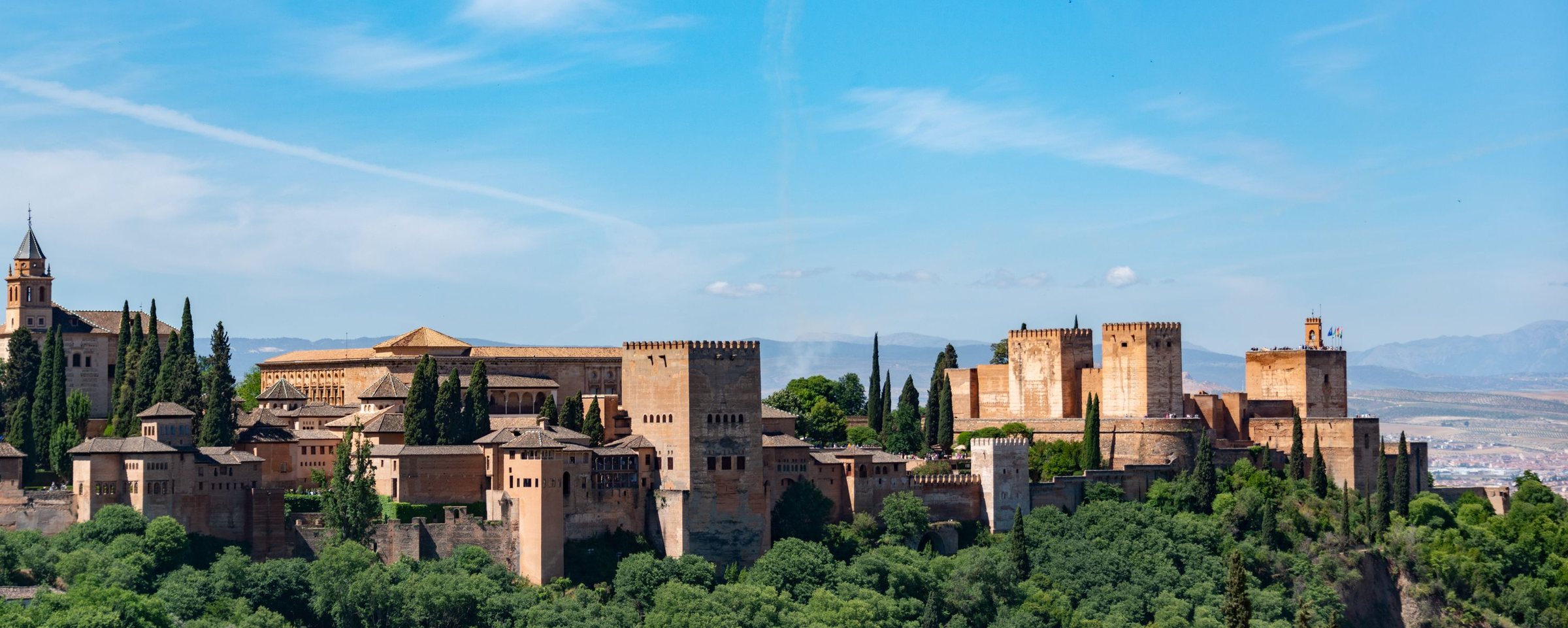
In the south, Seville has the Alcázar, Córdoba the Mezquita, with its hundreds of striped arches, and Granada the Alhambra. Barcelona is Gaudí’s city, from the Sagrada Família to the Casa Batlló. Bilbao has the Guggenheim, and Valencia the City of Arts and Sciences at the end of the old Turia riverbed.
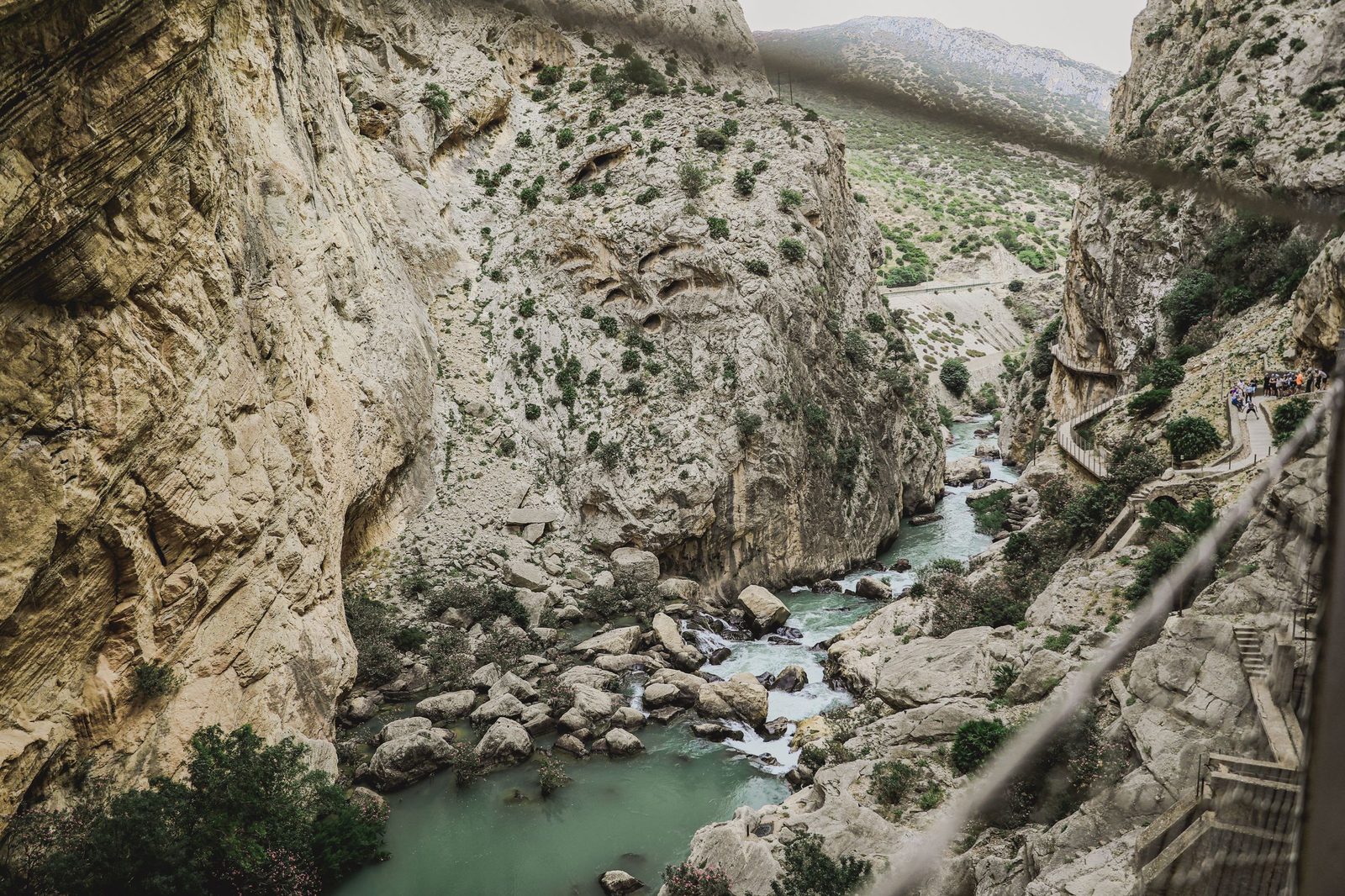
For mountains and gorges, stay in Málaga or Granada. The Caminito del Rey is a walkway fixed to the walls of a gorge about an hour from Málaga, and the Sierra Nevada above Granada holds snow into spring.
The cities have their own green spaces. Madrid has the Retiro, Barcelona Park Güell and the Bunkers del Carmel, old anti-aircraft emplacements with a view over the city, and Valencia a long park in the old bed of the Turia. San Sebastián has Urgull and Igueldo at either end of La Concha, and Bilbao a funicular up to Artxanda.
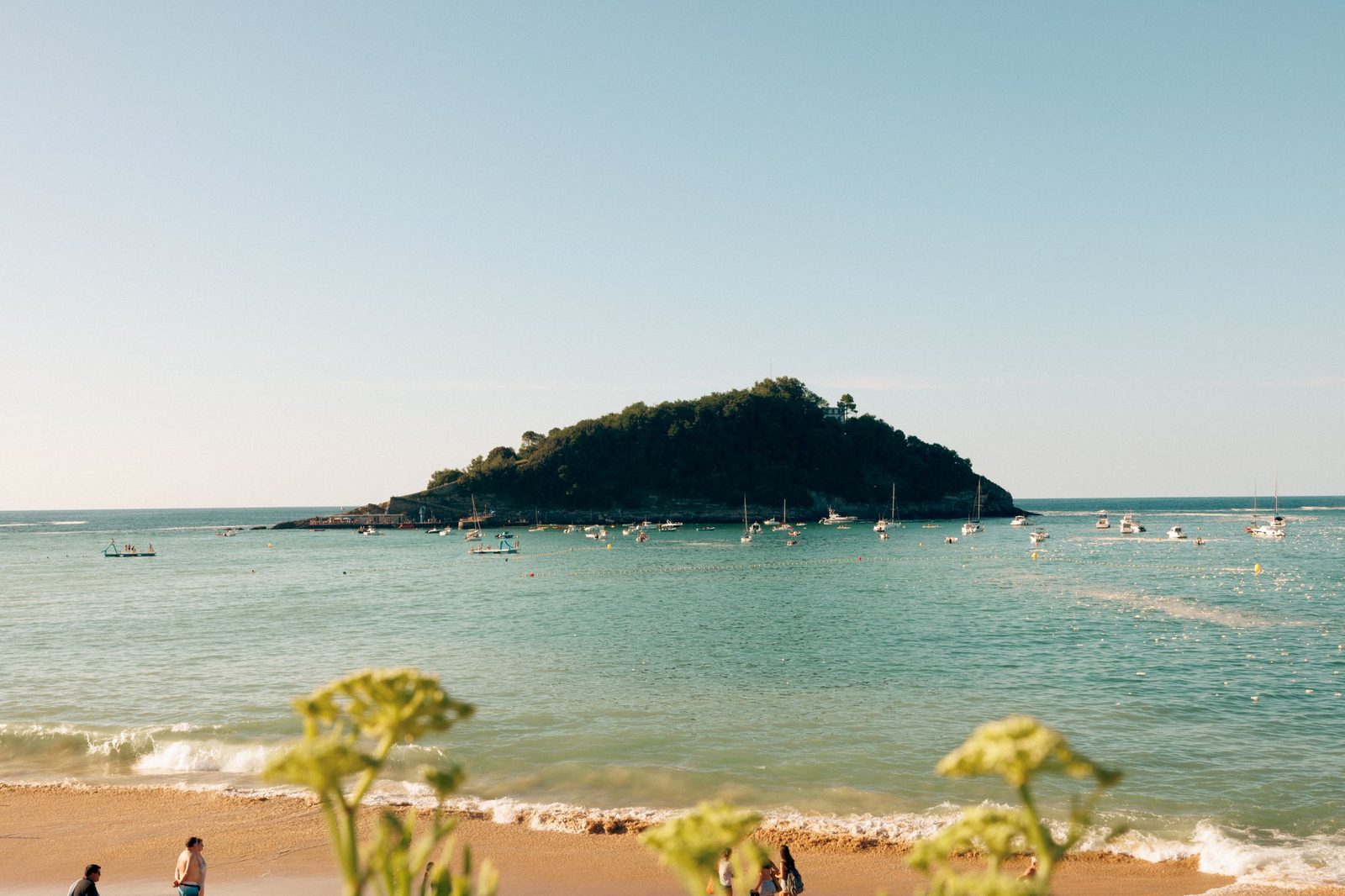
San Sebastián is the base for the Atlantic. La Concha curves round a sheltered bay, and on the coast near Bilbao a stone stairway crosses to the chapel on San Juan de Gaztelugatxe. Book a free slot for the path before you go: it is required daily from June to September and at weekends the rest of the year.
On the Mediterranean the beach is part of the city. In Barcelona the Barceloneta is about fifteen minutes on foot from the Gothic Quarter, in Valencia the tram runs to the Malvarrosa, and in Málaga La Malagueta starts a few minutes from the cathedral, with the fish grills of Pedregalejo further east.
Last updated
The places on this page are in the app, each with a verdict: why to go, how far from your hotel, how long to stay. Forward your confirmations and the days fill themselves in.