Ninety seconds on Jardin Anglais
Two of Geneva's best-known sights face each other here: the flower clock in this lakeside garden, and the Jet d'Eau straight across the water. You take your photograph at the clock, then sit facing the jet.
The flower clock is the thing to find. Its face is a bed of several thousand plants, tended by the city's mosaiculture gardeners without any chemical sprays, and a satellite signal keeps the hands on time. Its second hand, 2.5 metres long, is billed as the largest in the world.
The face is replanted four times a year. Expect pansies from autumn to mid-May, with primroses in March, then begonias or succulents in summer, chosen because they keep disease away.
The garden was the first park in Geneva laid out in the English style, on ground reclaimed from the lake, which is why its paths curve and its trees stand out of line. The clock soon became the most photographed monument in the city.
At the centre stands the Four Seasons fountain, ringed by old trees. The National Monument shows two young women with sword and shield, the Republic of Geneva and Helvetia. Look too for a purple beech planted in 1895, and a ginkgo planted in 1863 that is striking in autumn.
Jardin Anglais is best begun at the flower clock, so take your photograph there first.
From the clock, walk in under the old trees to the Four Seasons fountain at the centre, then on to the National Monument.
Finish on the benches that face the lake, looking out at the Jet d'Eau. If you want to stand in its spray, the stone jetty out to its base is easy to reach from the garden.
On summer evenings the old bandstand hosts concerts, and La Potinière restaurant sits inside the garden beside the water. In winter the Geneva Christmas market sets up here; check the city for the dates.
Coach groups unload at the clock in large numbers, so come on a weekday morning for a clear shot.
Carry a light layer even in July, because the wind off the lake can bite on days that start warm. Dogs may use the paths on a lead but are not allowed on the lawns.
Explore the rest of Geneva
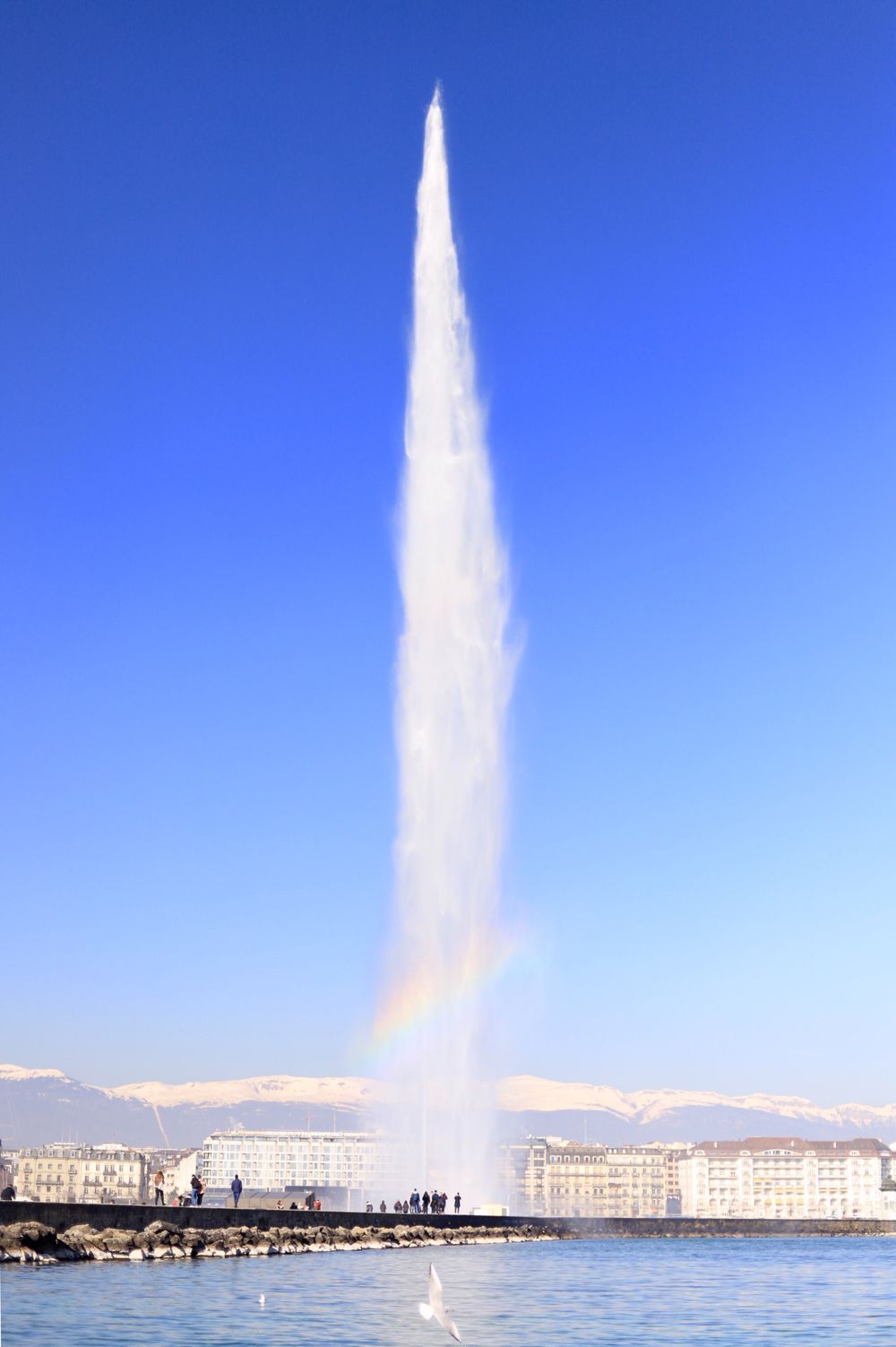
From a stone jetty on the left bank, where the lake drains into the Rhone, the fountain throws five hundred litres a second to more than…
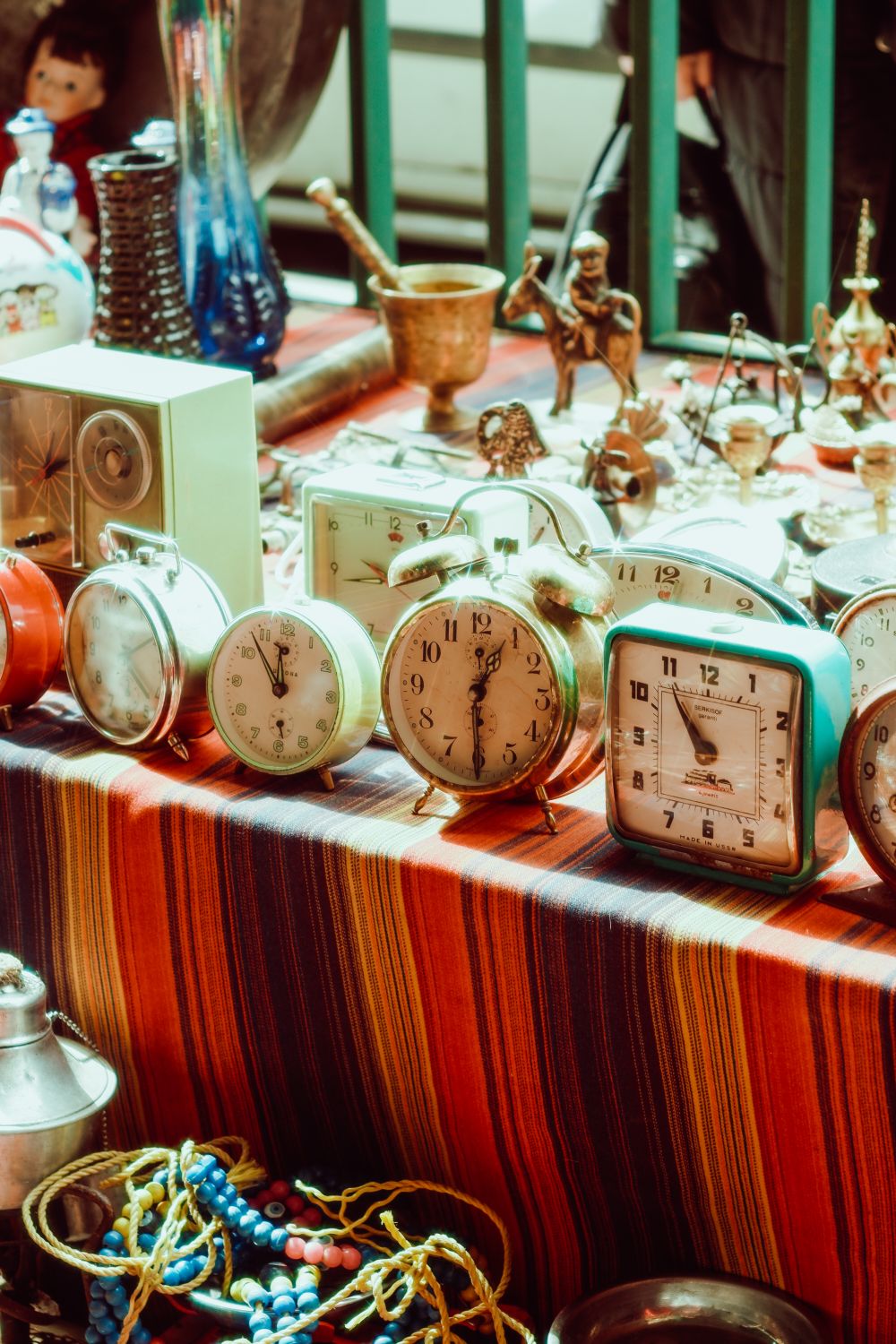
Every Wednesday and Saturday, hundreds of stalls ring the triangular Plaine de Plainpalais with old furniture, paintings, records, clothes…
Opposite the gates of the Palais des Nations on the Place des Nations, a wooden chair twelve metres high stands on three legs, the fourth…