You can reach almost all of it by train, including 3,454 metres of it. The pass that makes that cheap does not cover the train everyone books.
No. The rail network reaches almost every village and the postbus covers the rest, and several of the best-known villages, including Zermatt, Wengen, Murren and Saas-Fee, do not admit cars at all
The high road passes, including the Furka, Grimsel, Susten and Oberalp, usually open in June and close with the first heavy snow in October or November. May and November are the between-seasons, when a large share of the cable cars and mountain railways shut for maintenance
Four are national. German is the main language of about two thirds of residents, French of 23 per cent, Italian of 8 and Romansh of 0.5, on the Federal Statistical Office survey for 2023. English is the main everyday language of 6 per cent and is spoken at work by 23 per cent
Zurich ZRH took 32.5 million passengers in 2025 and has a rail station under the terminal. Geneva GVA took 17.7 million and is the door to the Valais and Lake Geneva. Basel BSL took 9.6 million and serves the northwest. Flying into one and out of another saves a day of backtracking
No, and it is the one excursion most people assume it does. The pass covers trains, buses and boats and puts most mountain railways at half price, with Rigi, Stanserhorn and Stoos free, but the Jungfraujoch is not included at any discount from the pass alone
Ninety seconds on the country
Switzerland is small and slow, and the second half of that is the part people get wrong. It is 350 kilometres across, and you will not cross it in a day, because the valleys are dead ends and the mountains are in the way.
What you get in exchange is a country where public transport reaches the ice. A train runs to 3,454 metres and a cable car to 3,883, both of them on a timetable that holds.
The mistake is treating it as one destination. The Valais, the Bernese Oberland, the Engadine and Ticino differ in language, climate and food, and moving between two of them is most of a day.
The other mistake is the between-season. A great deal of the lift system shuts for maintenance in May and again in November, and a mountain valley with its cable car closed is just a valley.
Pick how you want to travel. The towns, the things to do and the map all change with it.
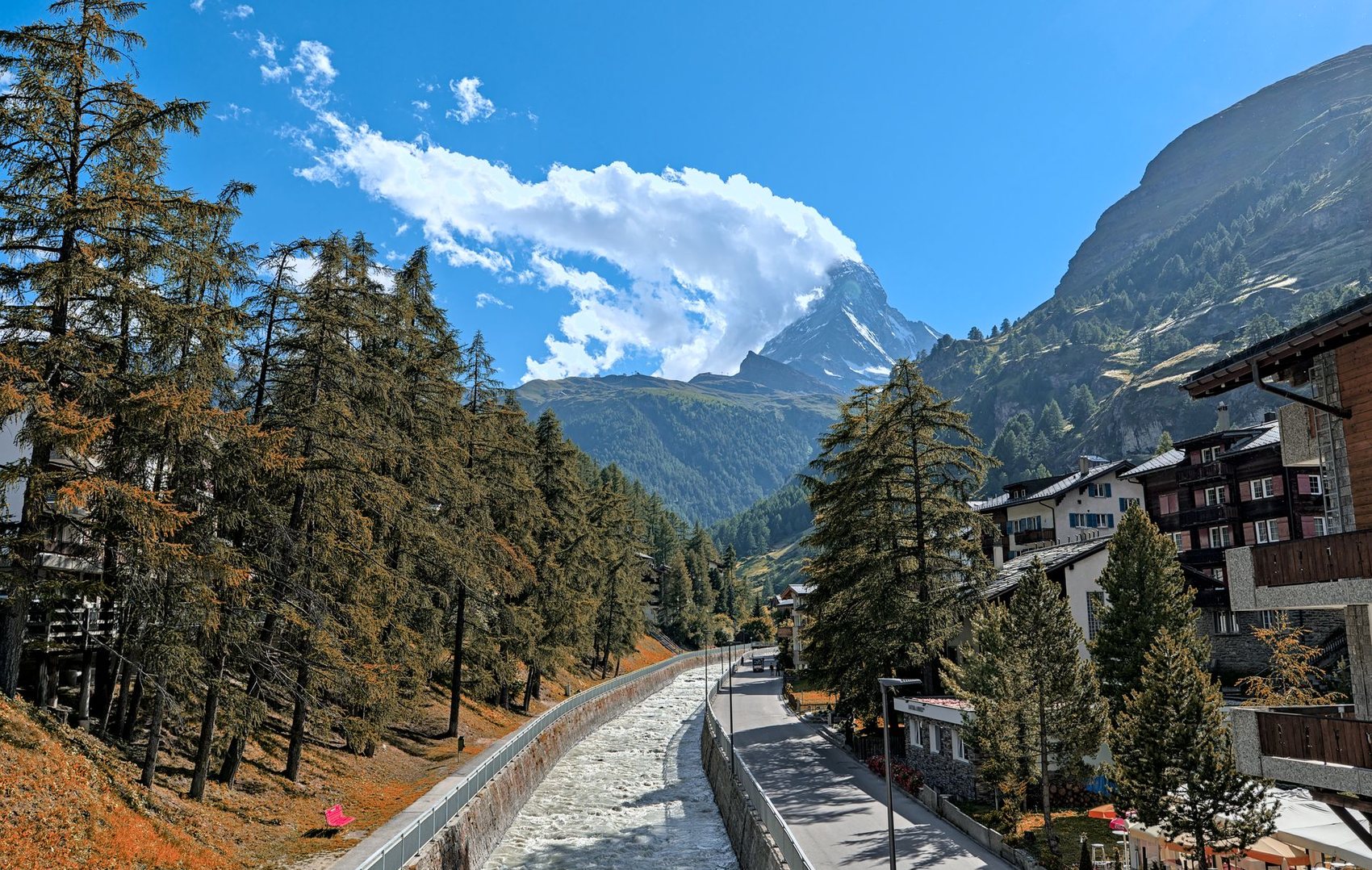
Lakes take the largest share, then waterfalls, gorges and the roads over the high passes. Grindelwald, Interlaken and Lauterbrunnen hold the most of it, and 32 of Switzerland’s 35 towns carry something: 76 places in all.
Very little of it needs boots. On the panorama railways and the mid-height cable cars the mountain is something to look at rather than climb.
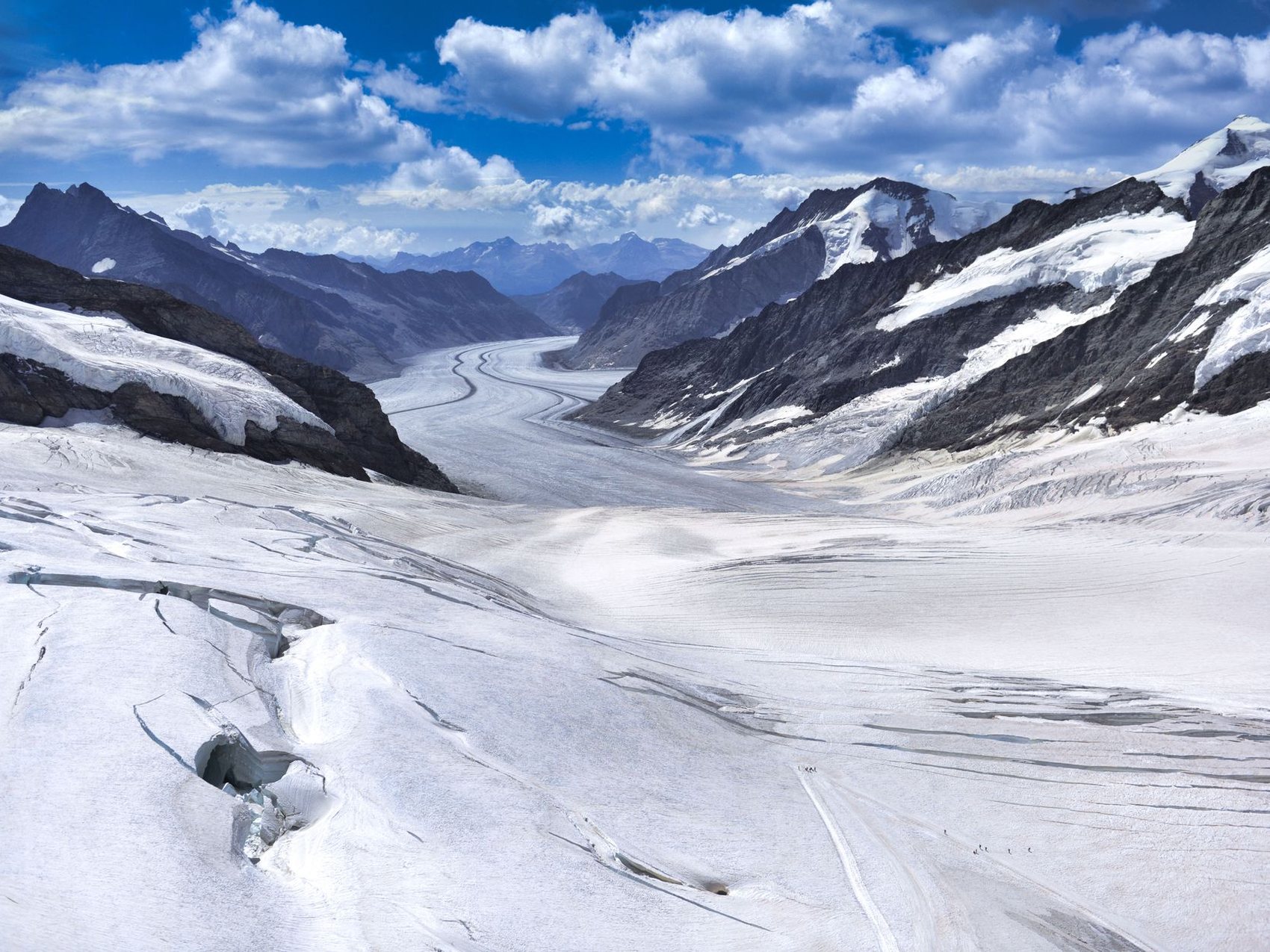
The line is drawn at the ice: a glacier, a summit above the tree line, a marked mountain route or a run on snow. Mürren and Saas-Fee hold four each and Zermatt three, twenty-eight places across fifteen towns.
The high stations do most of the work. Three of them stand over 3,200 metres and are reached sitting down: the altitude is real and the effort is optional.
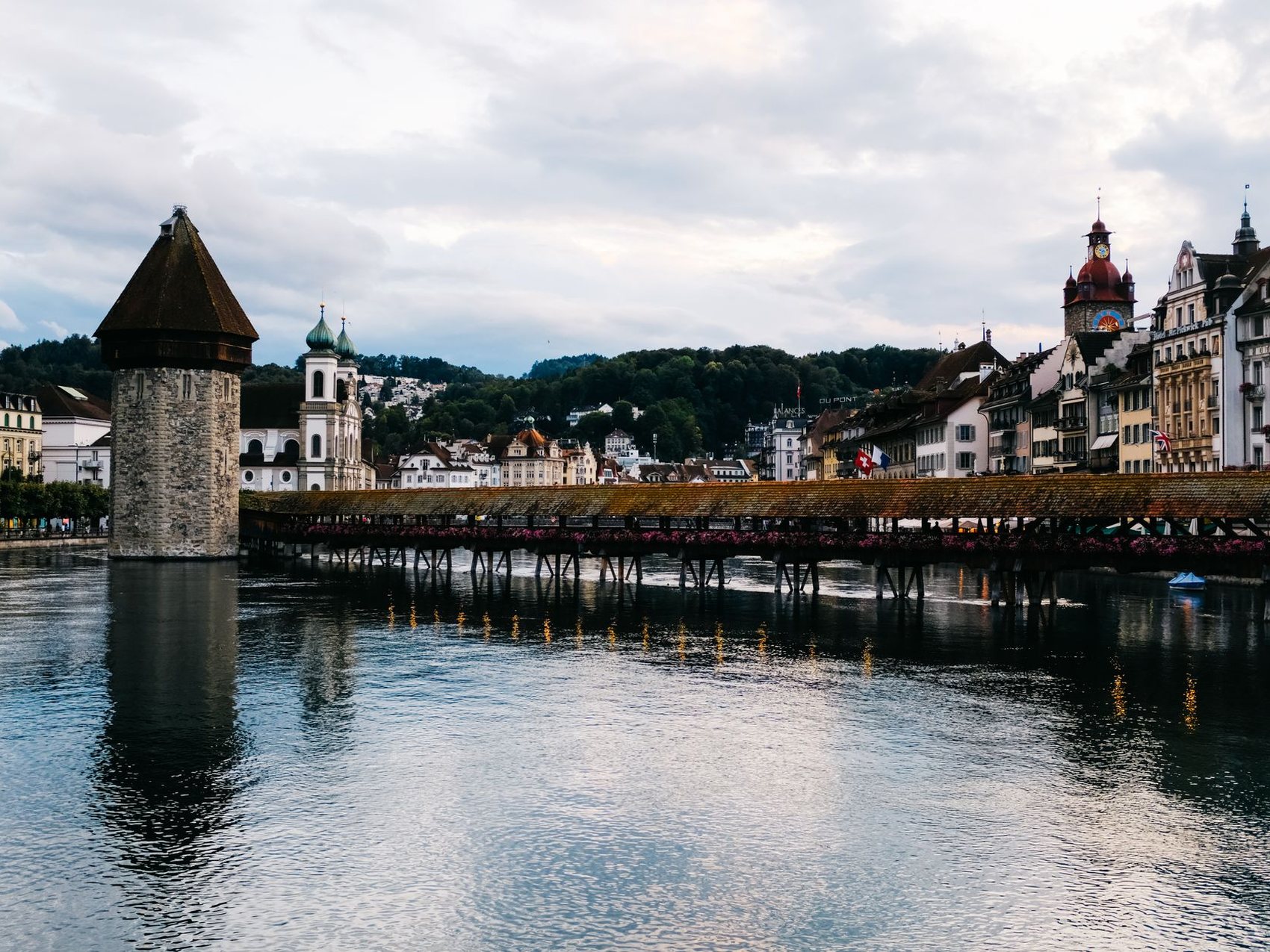
Four language regions, and the churches, castles and collections of each look nothing like the others. No one city dominates: Basel, Bern, Lausanne, Geneva, Lucerne and Zurich carry five or six apiece, seventy-four places across twenty-eight towns.
Basel alone holds about forty museums and Bern’s arcaded centre is a UNESCO site. Outside those cities the weight sits at Bellinzona, whose three castles still close the valley they were built to close, and at Chur.
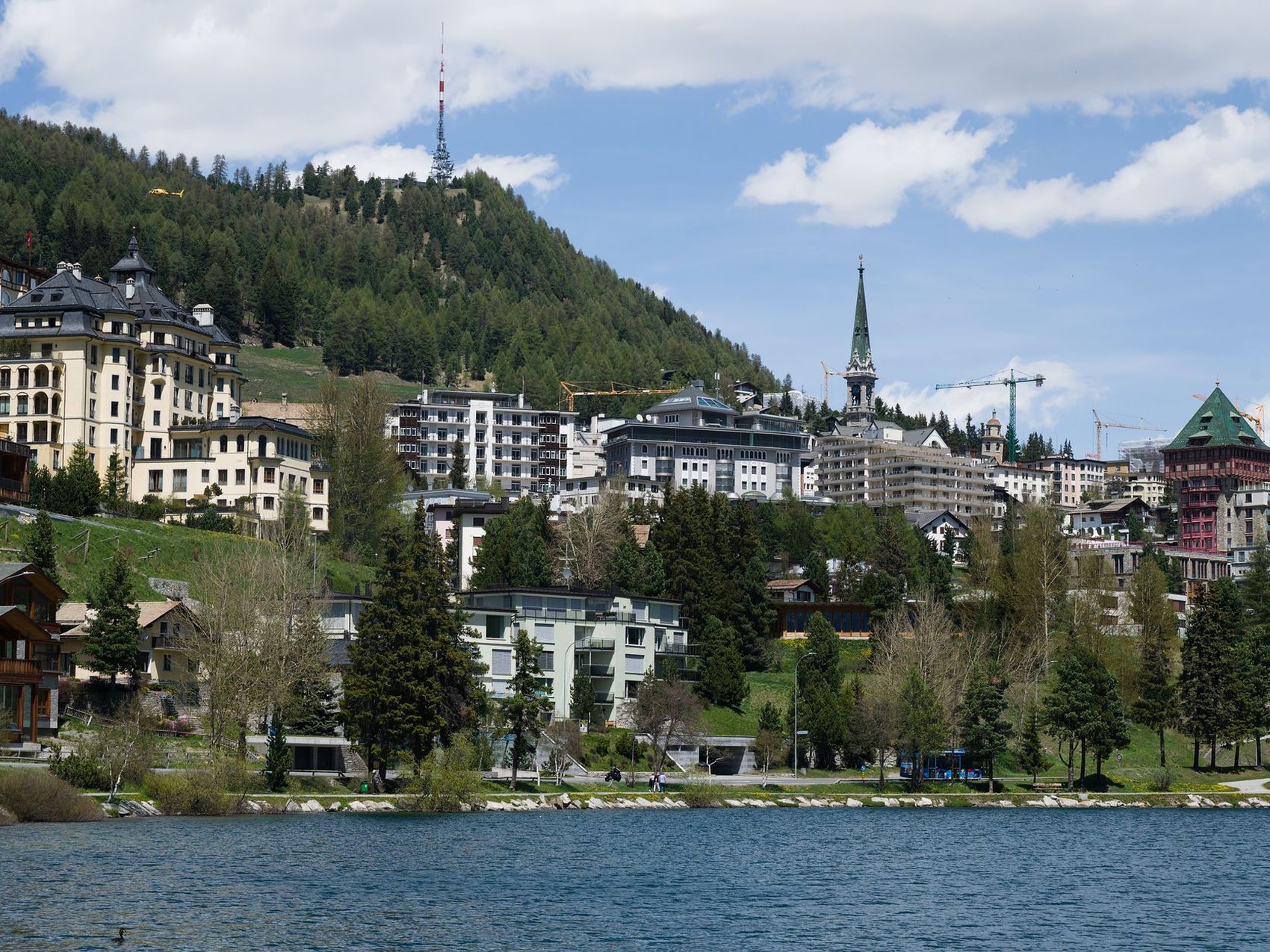
These are houses with a history rather than a star rating. Only St. Moritz and Zermatt have two; the other fourteen towns have one apiece, eighteen hotels across sixteen towns.
The winter season was invented here on a bet. In 1864 a St. Moritz hotelier wagered a group of English summer guests that they would enjoy the place in December, and several of the houses that followed are still trading.
Last updated
The places on this page are in the app, each with a verdict: why to go, how far from your hotel, how long to stay. Forward your confirmations and the days fill themselves in.