 Submit a photo
Ninety seconds on Mount Kilimanjaro
Kilimanjaro Airport lies about 40 to 45 kilometres from Moshi, and under normal traffic the drive takes roughly an hour. The Lemosho route begins at Lemosho Gate on the western side of the mountain, at 2,100 metres.
Yes. Climbing is permitted only on the designated routes, and it must be undertaken with licensed guides. The officially recognised routes are Marangu, Machame, Lemosho, Northern Circuit, Rongai, Umbwe and Shira.
The Marangu route takes five to six days, and the Lemosho route takes seven to eight, so the length of the climb depends on the route chosen.
From July until the end of October the weather is generally colder but much drier, although the trails can be busier. The long rains run from the end of March to early June, when the trails can be very wet, muddy and snowy, and climbing then is not recommended. A short rainy season follows from early November to early December.
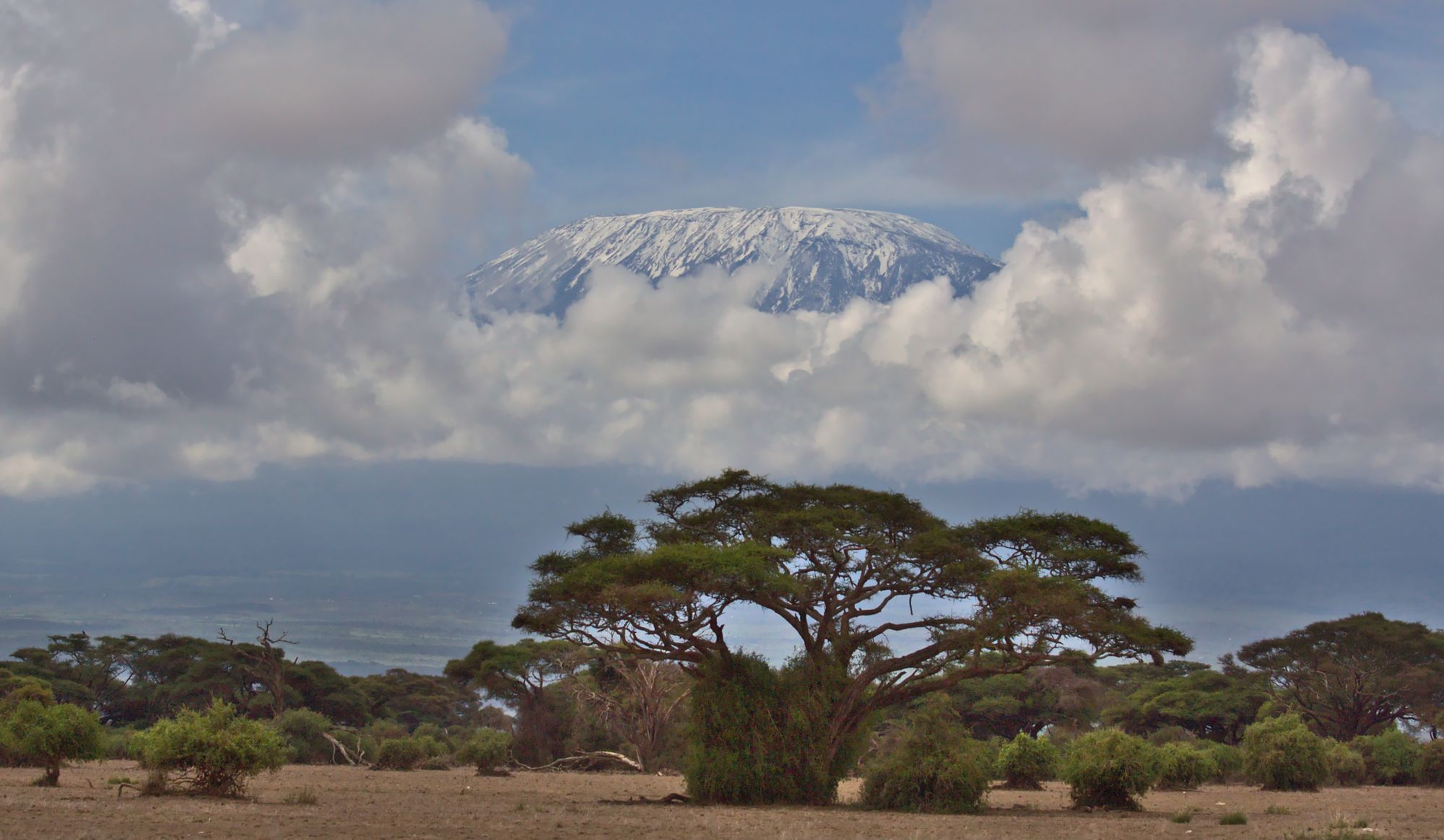
Uhuru Peak, the highest point, stands 5,895 metres above sea level, the top of the African continent. The massif climbs about 4,900 metres from the surrounding plains and has three main peaks: Kibo, Mawenzi and Shira.
Climbers are woken around 11pm at the high camp and set off soon after, a line of head torches stretching up the slope. The cold is at its worst between 3am and 4am, and the summit comes after roughly eight hours of climbing.
From the rainforest at Lemosho Gate you walk up through moorland and alpine desert to the ice on Africa's highest summit, and every night on the way gives your body time to adjust to the height.
Kilimanjaro is three volcanoes in one mountain: Shira, Mawenzi and Kibo. The youngest is the one you climb on the last night. Mawenzi is the second peak, and on summit night you see it black against the sunrise.
The top is two craters, one inside the other, around an ash pit 350 metres deep. Ice fields and glaciers sit along the crater rim.
The mountain stands alone, rising nearly 4,900 metres above the plains around it. Uhuru Peak, the summit on the crater rim, is the highest point in all of Africa. From the top you look down on the clouds, with the crater on one side and the glaciers shining in the sun below.
Start at Lemosho Gate and hand your duffel to the porters, who carry the tents, the food and your gear. The trail climbs through rainforest, then moorland, then alpine desert, and crosses the Shira Plateau, one of the largest high plateaus in the world. Your own daypack holds rain gear, two to three litres of water, snacks, sunscreen, a warm layer and your passport.
On the middle days you walk up to a new height and drop back down to sleep, which is how your body adjusts. Walk slowly from the first hour, even when the pace feels too easy.
Summit night starts with a wake-up at 11pm at Barafu, the last camp, and a departure near midnight in every warm layer you have. The small hours are the coldest, so keep your water bottle inside your jacket, because it can freeze.
Dawn usually comes near Stella Point on the crater rim, before the last stretch to Uhuru Peak. Plan on reaching the summit between about seven and eight in the morning, then go down the Mweka route.
A licensed guide is compulsory, and only the recognised routes are open, so every climb is booked through an operator who supplies the guide, cook and porters. Ask whether your lead guide is registered with the park authority, KINAPA, because some operators hire through middlemen who hold no licence of their own.
Before you book, ask whether the lead guides hold a current Wilderness First Responder certificate, how many guides walk with each climber on summit night, and what happens if you have to come down early.
Choose the route for its nights. Marangu is the only route with huts instead of tents, but at five or six days it is short, and a climb of seven to nine days gives your body far more nights to get used to the height. The safe pace is to sleep no more than 300 metres higher than the previous night's camp.
Eat a full dinner before summit night, even with no appetite, and pack a balaclava for the wind near the top. Leave cotton clothing at home, because it holds sweat and chills you at altitude.
Check on its website that your operator is a partner of the Kilimanjaro Porters Assistance Project (KPAP), which scores operators on how they treat their crews all season. Walk away from any quote far below the others, because crew welfare is what gets cut first.
Explore the rest of Moshi
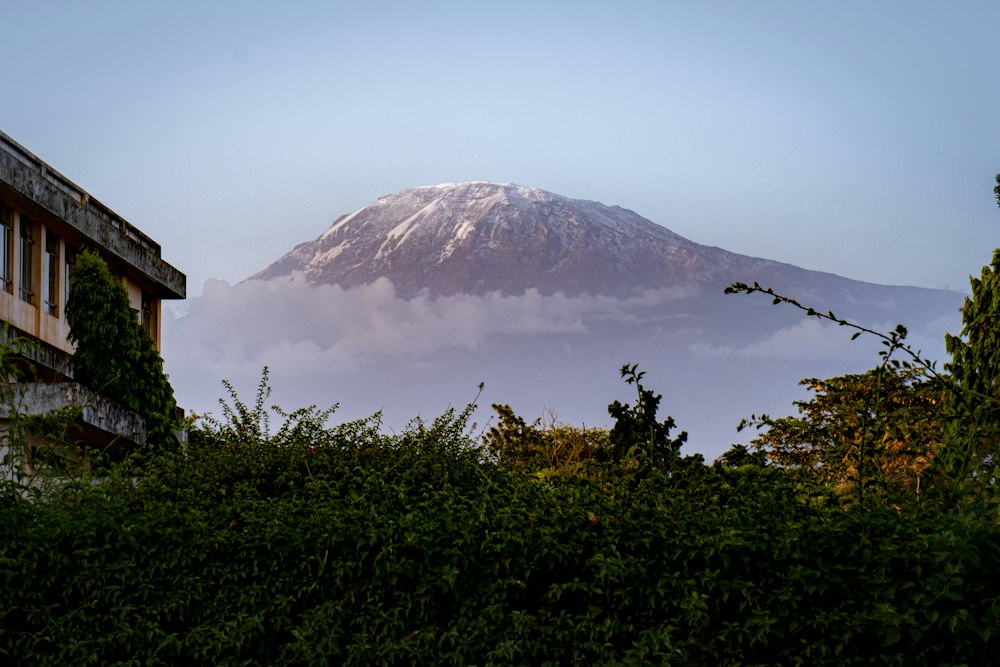
Gates at Marangu, Machame, Londorossi and Rongai control access to the mountain, and every climb runs through a licensed operator with…
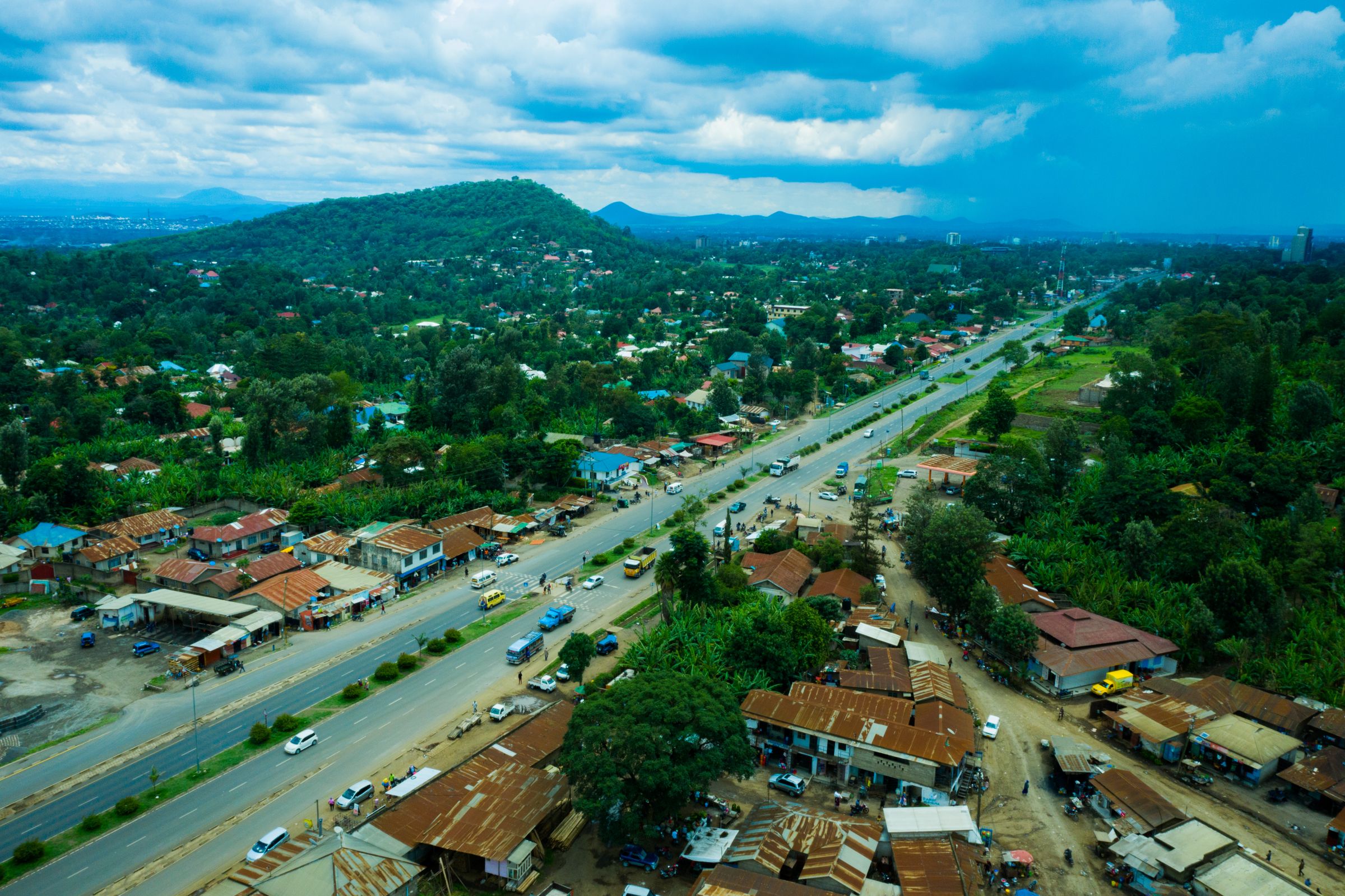
Arusha is the safari city of northern Tanzania. Around its Clock Tower roundabout stand the Maasai Market for crafts, the Central Market…
Coffee country on Kilimanjaro's southern slopes gives this northern Tanzanian town its living and its view: the mountain stands directly…
Last updated