 Submit a photo
Ninety seconds on Clava Cairns
An unhurried visit takes about an hour of wandering among the cairns. A stop for a photograph or two takes far less time, and the smaller remains at Milton of Clava add a little more.
Yes. Clava Cairns is free to visit and open year-round, in the care of Historic Environment Scotland. Nothing is ticketed, and visitors can explore the stones at their own pace.
Visitors park at the site itself, in a free car park right beside the main group of cairns. It has disabled spaces and room for minibuses.
Very close: only a few hundred metres separate the two, on the east side of Inverness. The cairns and the battlefield fit easily into the same day, roughly 10 km out of the city.
The cairns lie roughly 10 km east of Inverness, and a taxi takes about 10 minutes. By bus, the nearest stop is Culloden Moor Inn, about 22 minutes from Inverness, followed by a walk of about 1.6 km.
The three large cairns are about 4,000 years old, built around 2000 BC to house the dead. The cemetery remained a sacred place in the landscape for millennia, and there may once have been two more cairns in the row.
In a peaceful grove you can walk right up to these stones, with no ropes and no guide in the way. About 50 cairns like them are found around the Moray Firth and Inverness, and nowhere else.
The cemetery is a row of three large cairns running north-east to south-west. Their form mixes ring cairn, passage grave and stone circle in one monument.
The two outer cairns have entrance passages, while the chamber of the central one is enclosed. Each sits inside a ring of standing stones, graded in height with the tallest facing the setting sun. The passages point the same way, which suggests the builders had midwinter in mind.
Look closely at the kerbs. Their stones are graded by size and chosen for colour, larger and redder on the sunset side, smaller and whiter on the side opposite. Many stones carry cup marks.
Around the central cairn, stone paths run out like rays from its platform to three of the standing stones, a feature unique to this cairn.
The chambers were cleared out long ago. Rowan trees grow round the cairns.
Culloden Battlefield is about 275 metres away, and the cairns are signposted from the B9091 to the east of it.
Balnuaran of Clava, the main group, is the one closest to the car park, with picnic tables to the right of where you park. Walk the row from one end to the other: a passage grave, the central ring cairn, then the second passage grave.
At each end, stand in the entrance of the passage grave and look along it. Then circle each cairn slowly on the grass to find the cup-marked stones.
Finish at Milton of Clava, a short distance to the south-west, with the remains of a medieval chapel, another cairn and possible standing stones.
The site has no toilets, café or visitor centre. The nearest are in Inverness, so bring water and whatever else you need for the visit.
Signs at the stones invite visitors to join a crowdsourced conservation project, and this monument is one of the sites taking part. Look out for them as you walk round.
Explore the rest of Inverness
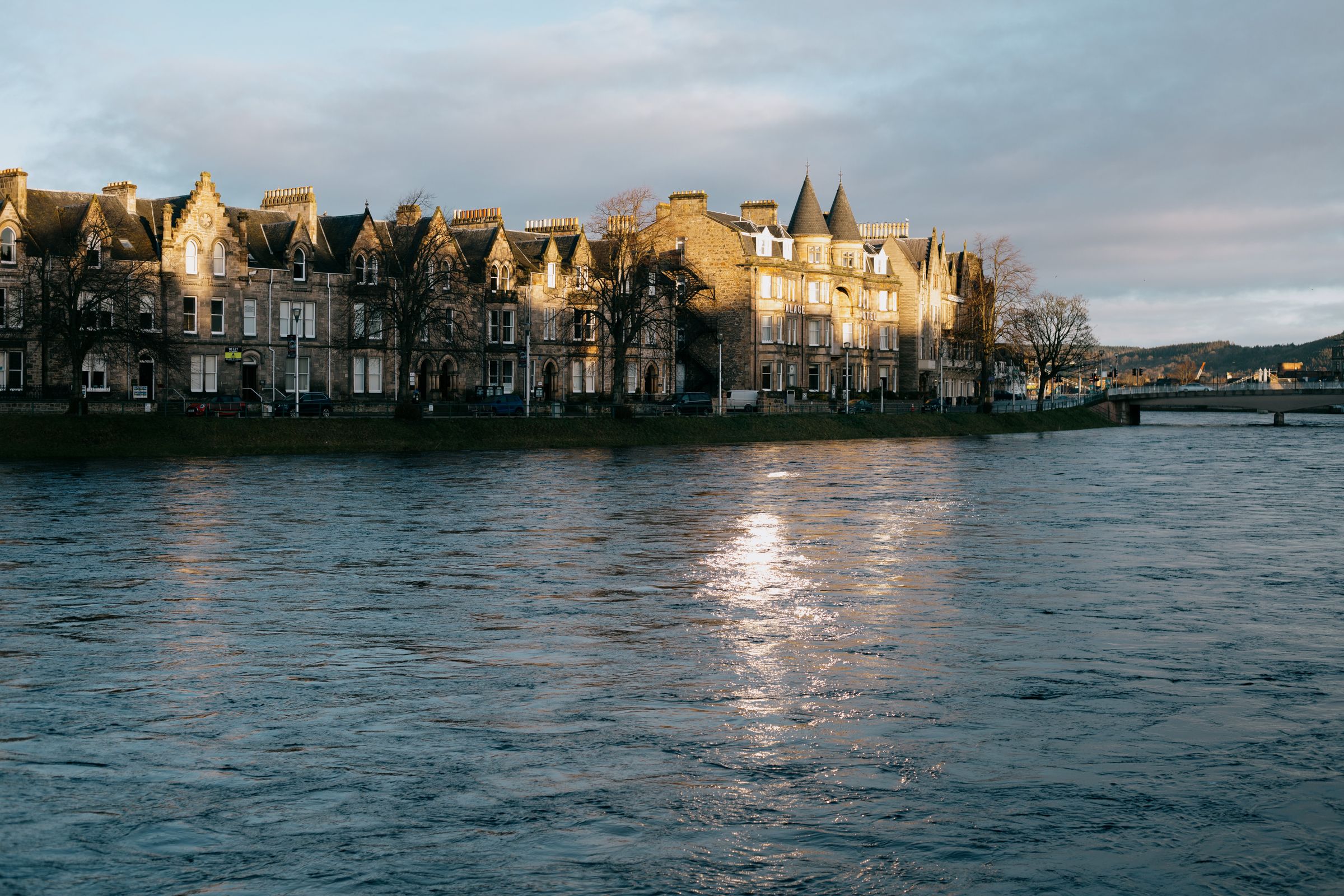
Capital of the Highlands, Inverness is a compact river city of castle, cathedral and riverside walks, and the natural first or last night…
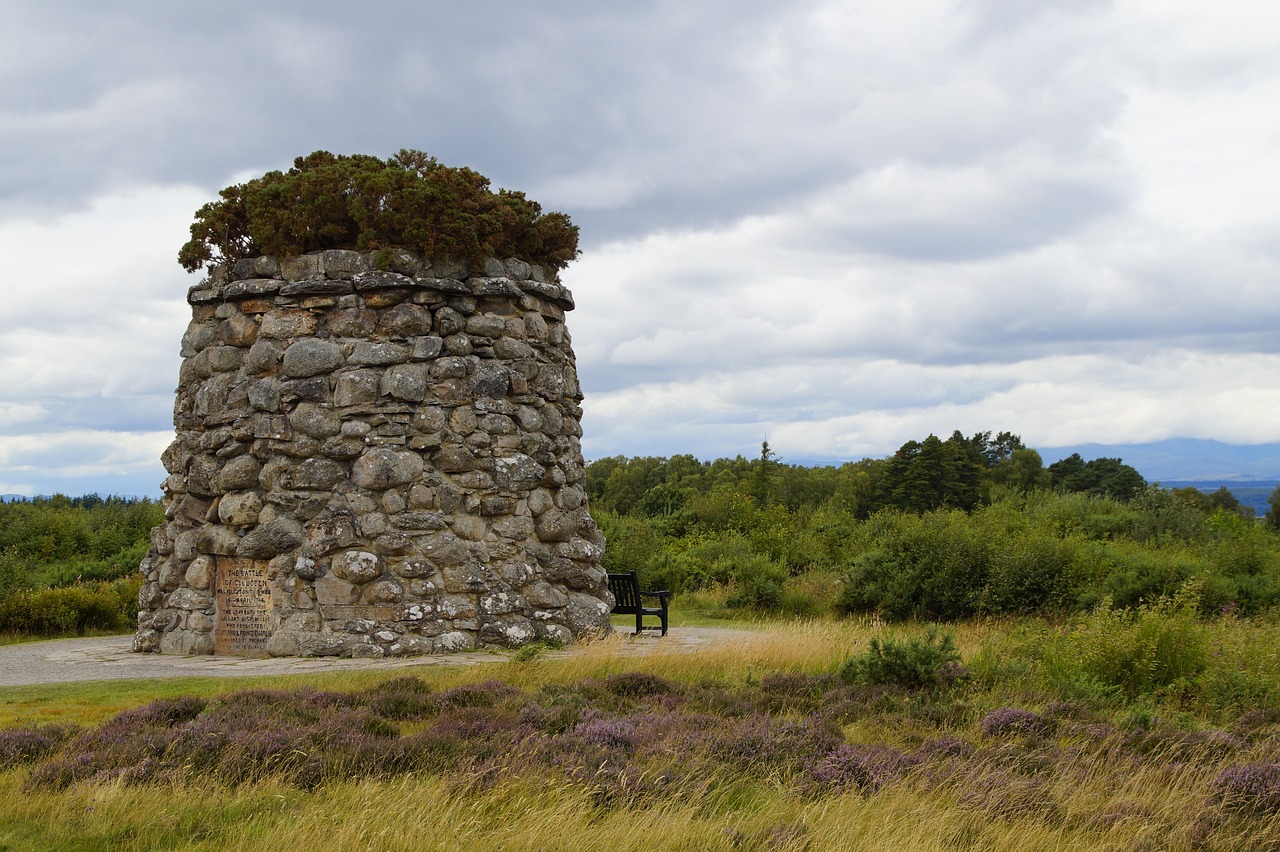
Red and blue flags mark the government and Jacobite lines on the open moor where the Jacobite rising ended in 1746. A visitor centre with a…
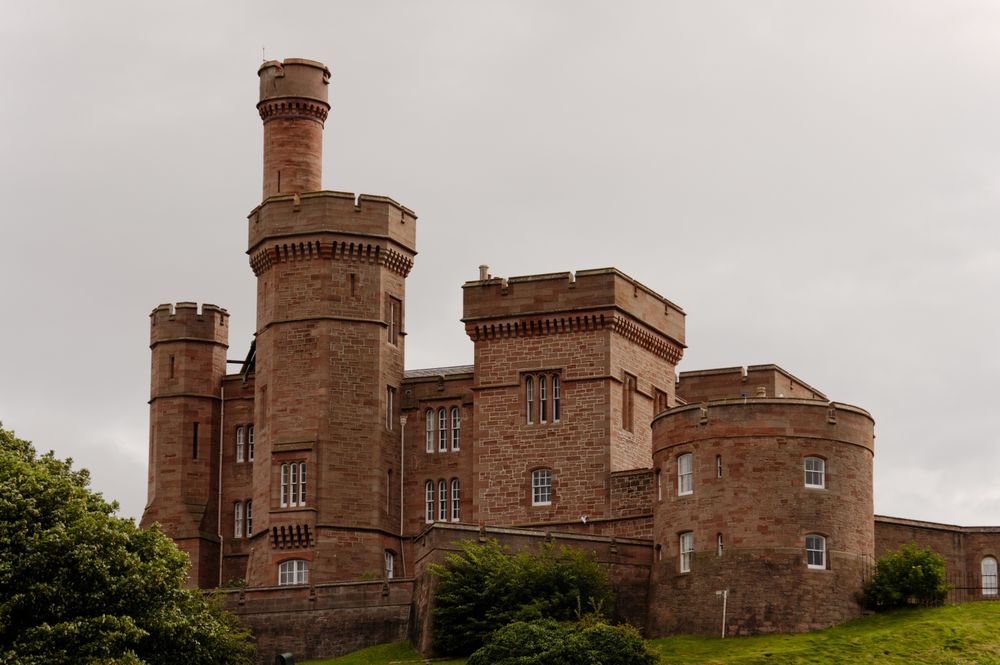
Rising over the River Ness, the castle reopened as the Inverness Castle Experience, a self-guided journey through Highland stories across…
Last updated