Free to walk in, and the Rosetta Stone, the Parthenon sculptures and the Assyrian winged bulls are all on the ground floor, a few rooms apart. Pick two or three galleries, not the whole building.
What is here, and what isn't
The British Museum is about objects, not paintings: carved stone, gold, pottery and the things people were buried with, from every continent. The ground floor holds the monuments of Egypt, Assyria, Greece and Rome, and the floors above hold smaller things in cases, from the Egyptian mummies to the Sutton Hoo helmet.
Come for the Rosetta Stone and the Parthenon sculptures, not for old master paintings.
Thousands of years, and almost no paintings
- 1250 BCRamesses II
- 800s BCAssyria
- 400s BCThe Parthenon
- 196 BCRosetta Stone
- 600sSutton Hoo
- 1200s onRapa Nui
- TodayStill collecting
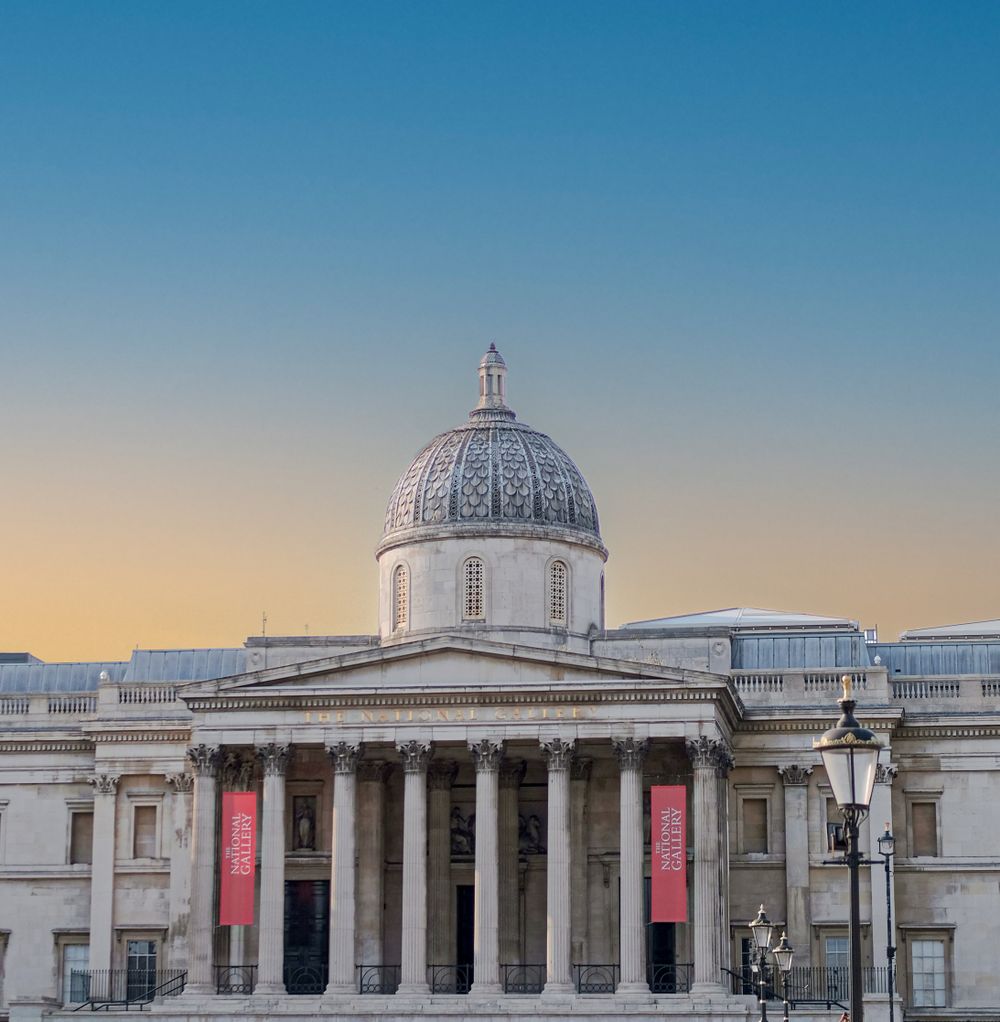
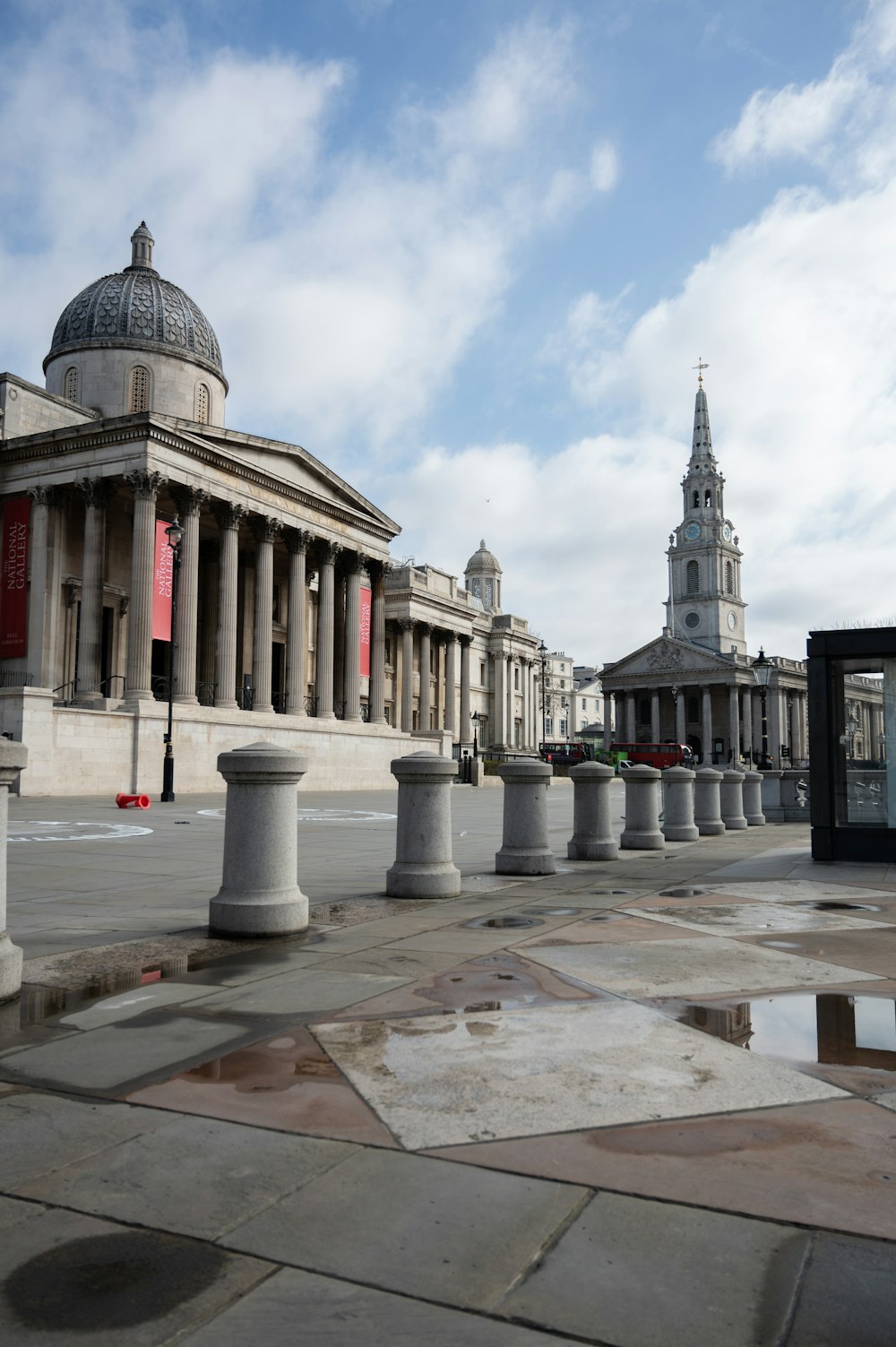
For Leonardo and Turner, go to the National Gallery in Trafalgar Square, a twenty-minute walk south.
How the museum is organised
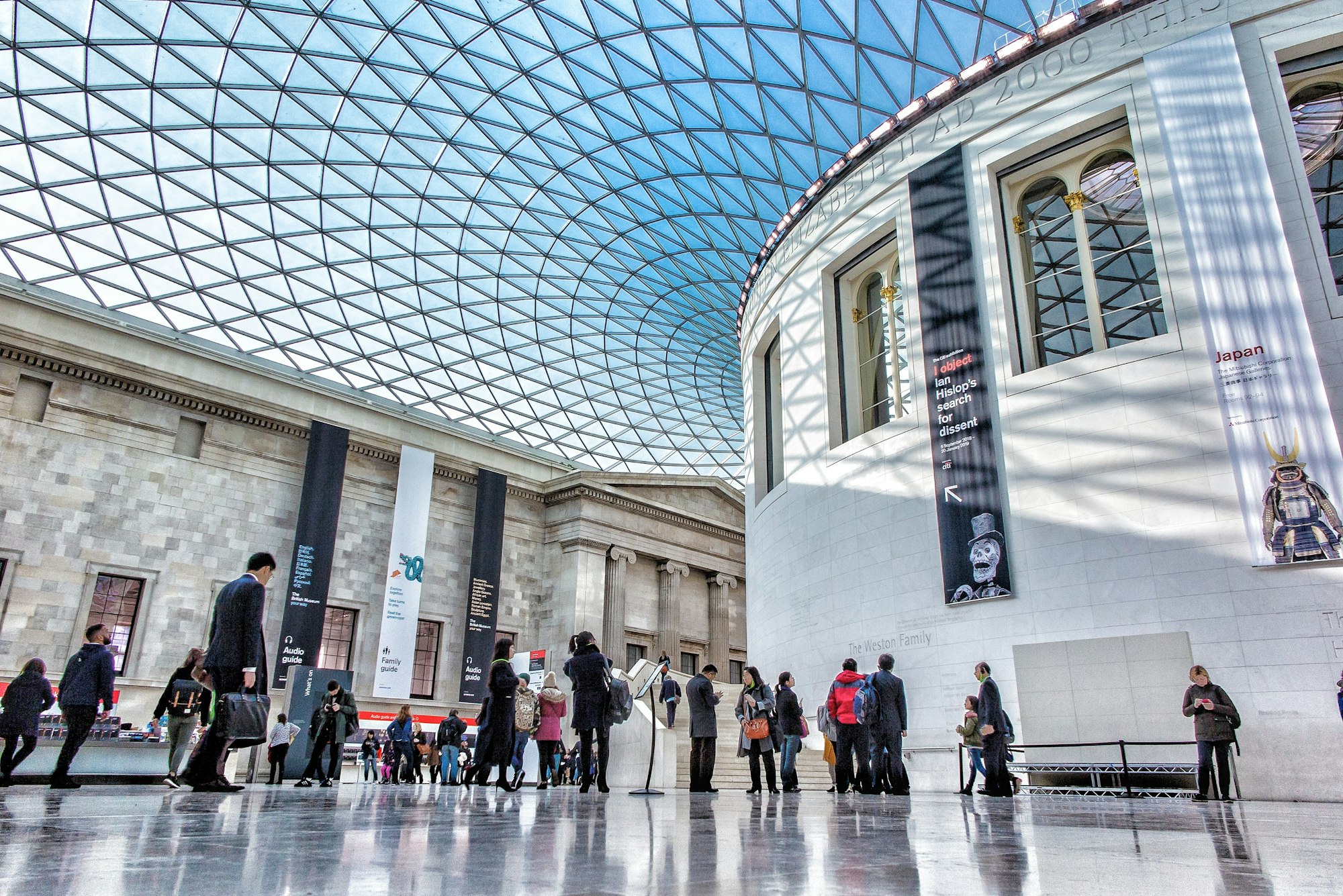
Everything opens off the Great Court, the glass-roofed square around the round Reading Room. The west side of the ground floor is one long run of monuments: Egyptian sculpture in Room 4, the Assyrian winged bulls and palace reliefs beyond it, then Greece and Rome, with the Parthenon sculptures in Room 18.
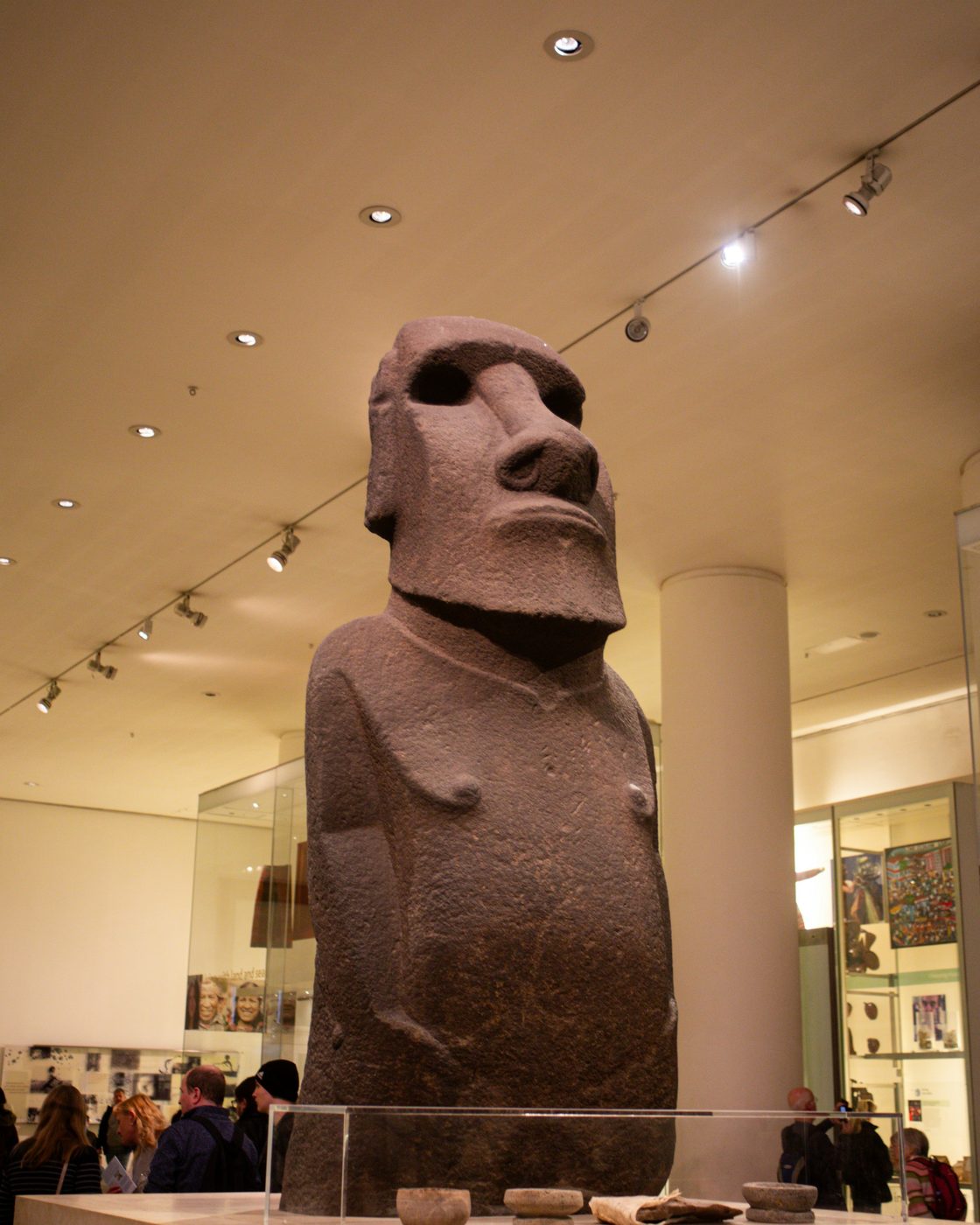
Room 24, Living and Dying, opens off the Great Court and is where Hoa Hakananai'a stands. Africa has its own gallery, Room 25, on the lower floor.
The upper floors are quieter and full of cases. The Egyptian mummies and coffins are in Rooms 62 and 63, and the Sutton Hoo helmet in Room 41.
The map from the information desk in the Great Court prints an hour-long route past the best-known objects and a longer one through the quieter rooms. Take it: the room numbers are the only way to find anything here.
When to come
Arrive at ten on a Tuesday, Wednesday or Thursday and go straight to Room 4: the Rosetta Stone is the room that fills first. Weekends and school holidays are the busiest, and a free timed slot booked online saves you a wait at the door.
On a Friday the museum stays open until half past eight, and by the evening the school groups have gone. Climb to the mummies early or late in the day, when the families are elsewhere.
The rear entrance on Montague Place usually has the shorter security queue. Leave a wheeled suitcase at the hotel: security turns them away.
What you came for
The objects the British Museum is known for, from a decree that unlocked hieroglyphs to a statue from the far side of the Pacific. Each one with its room, why it matters, and how to see it well.
Rosetta Stone
Ptolemaic Egypt, 196 BC
Room 4Ground floor
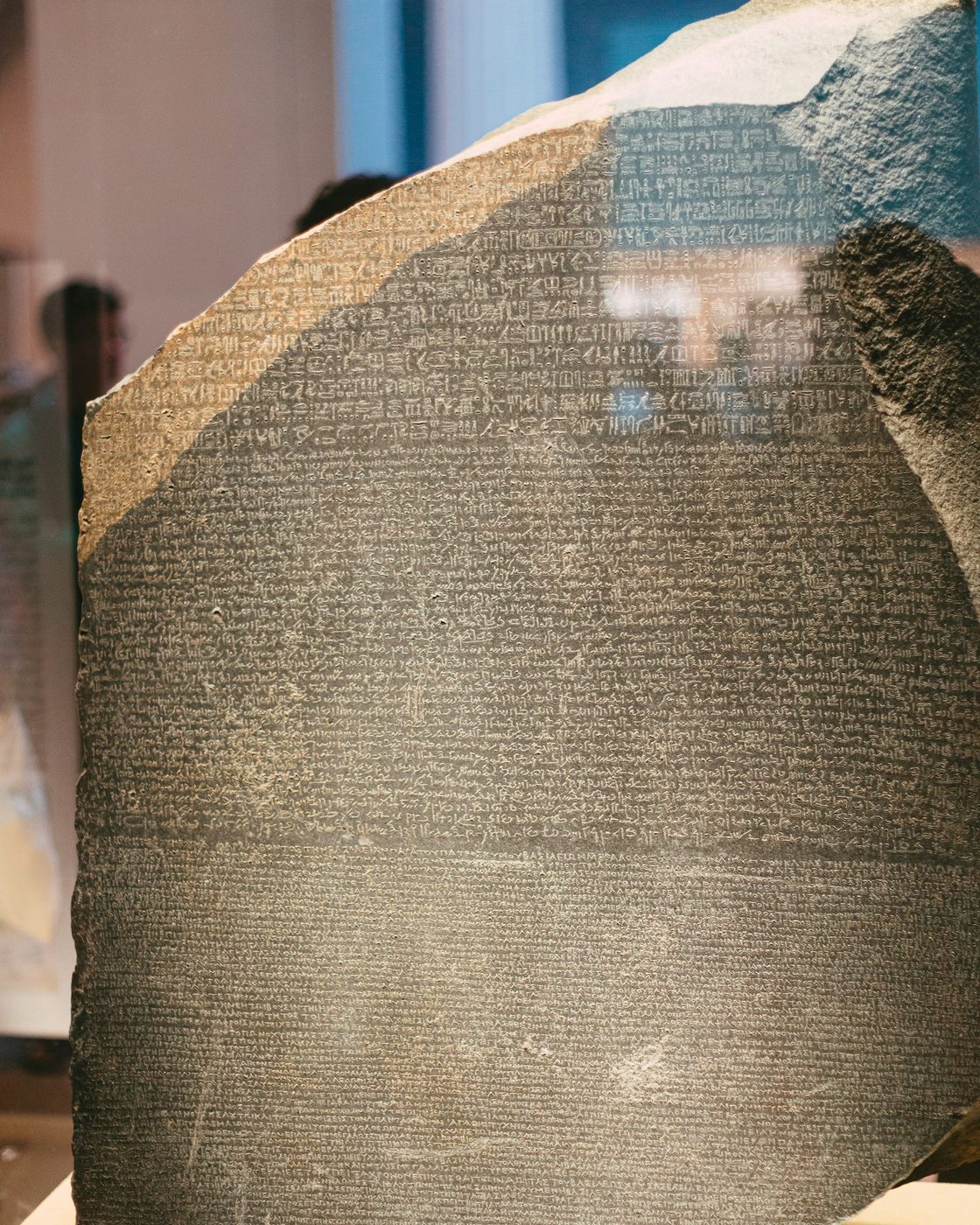
One royal decree carved three times, in hieroglyphs, in everyday Egyptian script and in Greek, which is how scholars finally learned to read hieroglyphs. French soldiers dug it out of a fort wall in 1799, and it has been the museum's most visited object for two centuries. Make it the first thing you see: the room fills before eleven.
The Younger Memnon
Ancient Egypt, Ramesses II, about 1250 BC
Room 4Ground floor
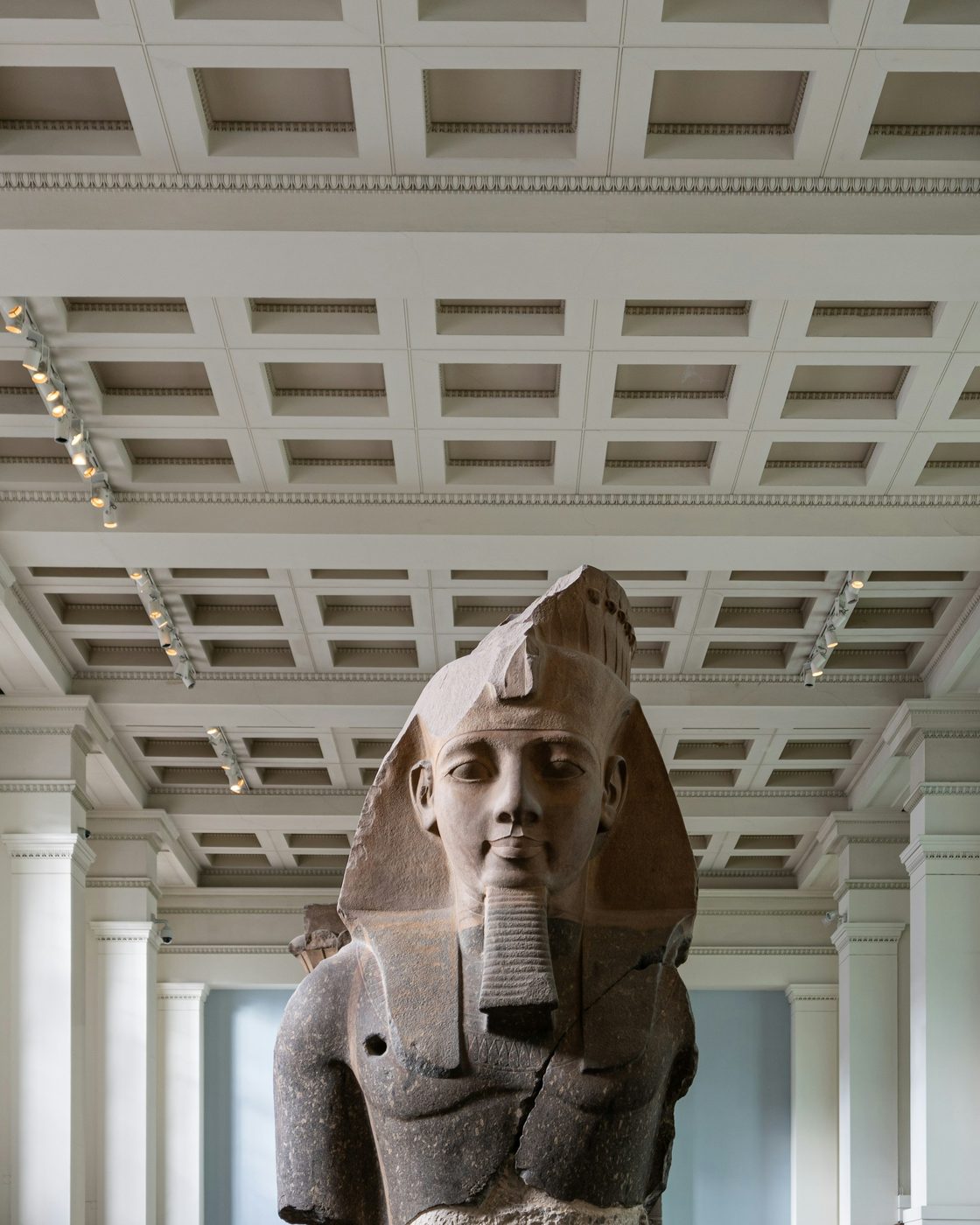
The upper half of a granite colossus of Ramesses II from his temple at Thebes, which arrived in London in 1818 and set Shelley writing his Ozymandias. It stands a few steps down the same gallery as the Rosetta Stone. Look for the hole in the right side of the chest, said to have been drilled by Napoleon's men when they failed to move it.
The Parthenon sculptures
Athens, the workshop of Phidias, about 447 to 432 BC
Room 18Ground floor
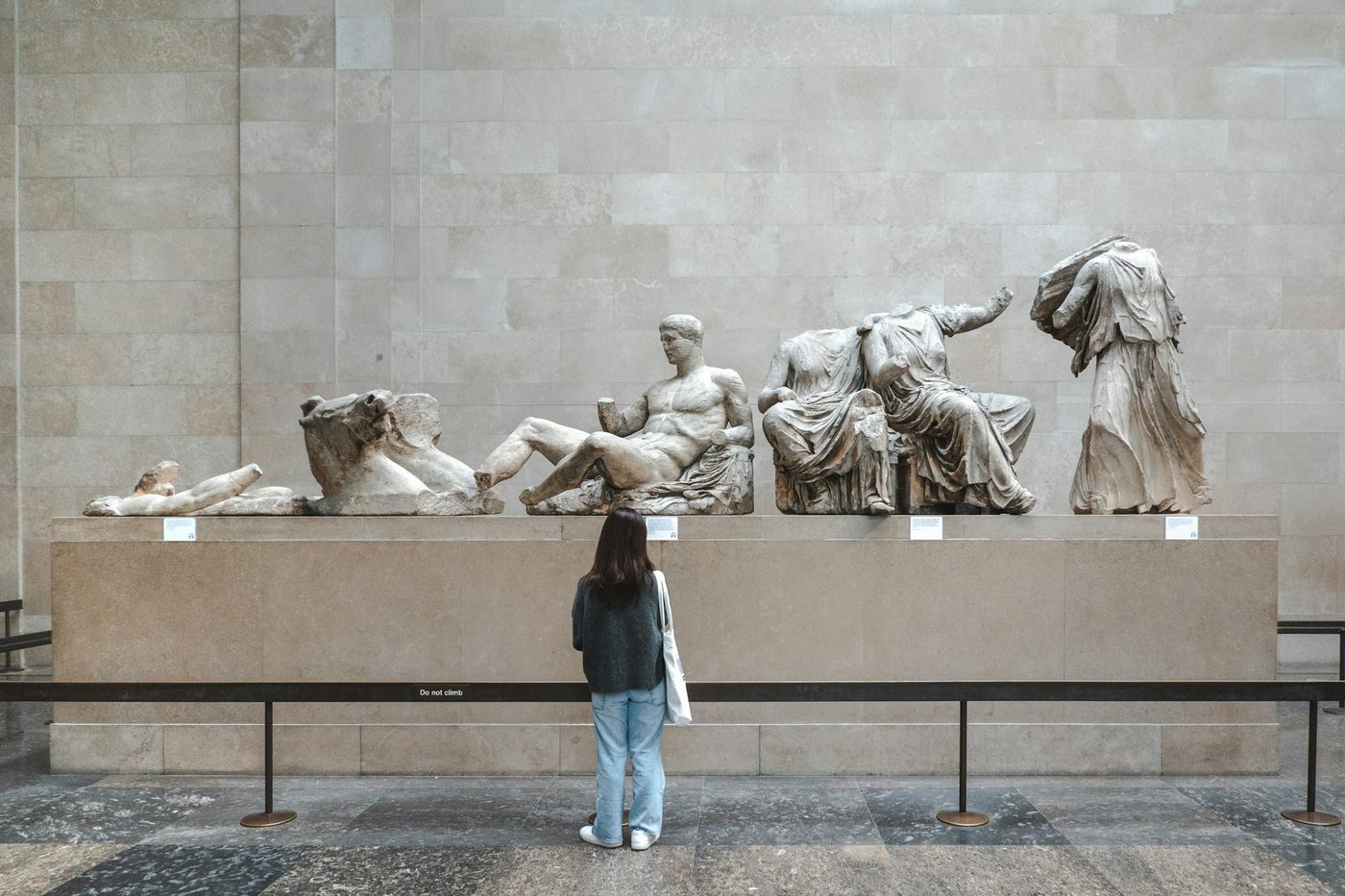
The frieze and pediment figures from the temple on the Acropolis, removed by Lord Elgin's agents between 1801 and 1812, and asked back by Greece ever since. The frieze runs round the walls of one long gallery, with the pediment figures at either end. Walk the whole frieze before you stop at the reclining figures: it is a single procession.
Hoa Hakananai'a
Rapa Nui (Easter Island), between 1200 and 1800
Room 24Ground floor
A basalt moai taken from Easter Island by the crew of a British ship in 1868, one of the finest of the island's statues. What sets it apart is on the back: carvings of the island's birdman cult, added long after the face. Walk all the way round it, because most visitors see only the front.
Know before you goOpen every day from ten until five, and until half past eight on Friday; closed 24 to 26 December. Entry is free, and a free timed slot booked online saves you a wait at the door at weekends and in the holidays. Wheeled suitcases are turned away at security and a large rucksack may be too, so leave luggage at the hotel.
The Bayeux Tapestry is on loan until July 2027 on its own timed ticket. Tickets go on sale in batches with online queues that run for hours, and in its first weeks even ticket holders waited up to two hours to reach it, so book at the first release you can and arrive at your slot time.