 Submit a photo
Ninety seconds on Natural History Museum
The main hall holds a whale skeleton overhead, and beyond it you can walk every permanent gallery for free, from the dinosaurs to Earth Hall.
Hope, the blue whale skeleton, hangs from the ceiling of Hintze Hall, the museum's largest public gallery. Her name marks the recovery of blue whales after decades of commercial hunting.
Around her, the hall also holds giraffes, butterflies, a marlin and a large meteorite. Then look up past the whale: the ceiling is 162 panels of plants, each painted by hand.
Alfred Waterhouse built the museum in terracotta, which he believed was more hygienic and would resist the grime of Victorian London. In its decoration, extinct species belong to the east wing and living species to the west.
In the Dinosaurs Gallery you meet the roaring T. rex and the skull of a Triceratops, and among the fossils is part of the first Tyrannosaurus rex skeleton ever discovered.
Earth Hall opens with Sophie, the most intact Stegosaurus fossil skeleton ever found. From there an escalator carries you up through a model planet. Elsewhere in the museum, a piece of the Winchcombe meteorite comes from the first meteorite fall recovered in the UK for 30 years.
Before you set out, look at the museum map and pick the galleries that matter most to you. You can book a free General Admission ticket online. It helps at weekends and in school holidays, when a queue can form outside and ticket holders skip it.
Choose your door next. The Central Entrance on Cromwell Road is the main one, reached by a ramp that is wide but steep, and large bags and wheeled suitcases must go to its cloakroom. The East Entrance on Exhibition Road, a short walk away, can be less busy, with steps or a lift from the lobby to the galleries.
Inside, start in Hintze Hall, then go to the Dinosaurs Gallery on the ground floor of the Central Building, the room that grows most crowded in the early afternoon. Finish in Earth Hall. The self-guided routes on the museum's website follow the same highlights if you would rather not plan your own.
You do not need a guide here. The routes on the museum's website cover the highlights, and in Hintze Hall a free audio tour narrated by Sir David Attenborough explains the room around you.
For the building itself, the museum runs a ticketed Architecture of the Natural History Museum tour, listed and booked on its website. Private tour groups are not official museum tours.
Eat outside the noon to two o'clock rush, when the cafes are at their busiest. Near the registration desk inside you will find toilets, a lift, a cloakroom and a cafe.
The Cocoon in the Darwin Centre can close at short notice. If it is on your list, ask a member of staff in the galleries whether it is open.
Explore the rest of London
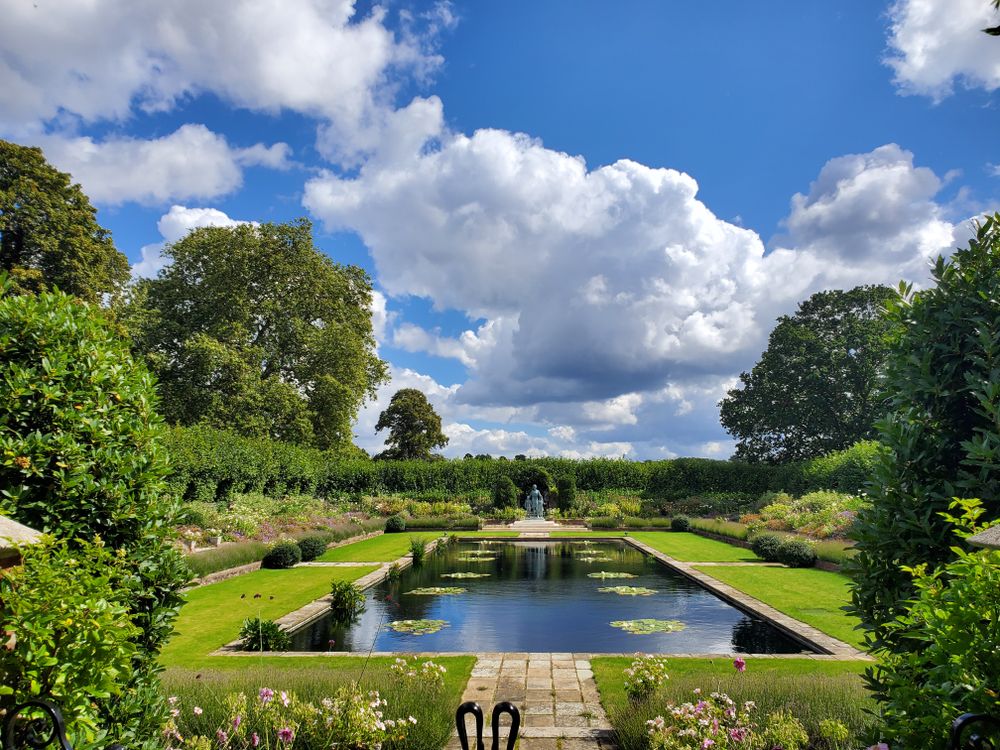
Kensington Gardens is the royal park west of the Serpentine bridge, laid out as the grounds of Kensington Palace and divided from Hyde Park…
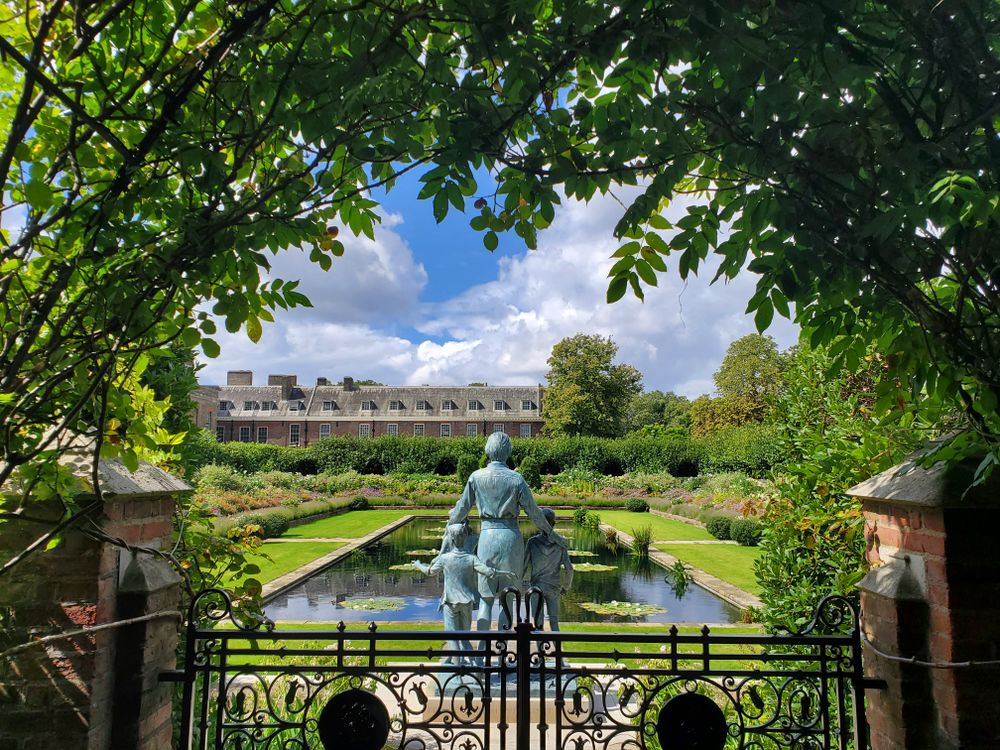
The birthplace of Queen Victoria and the London residence of the Prince and Princess of Wales, with William Kent's painted King's Staircase…
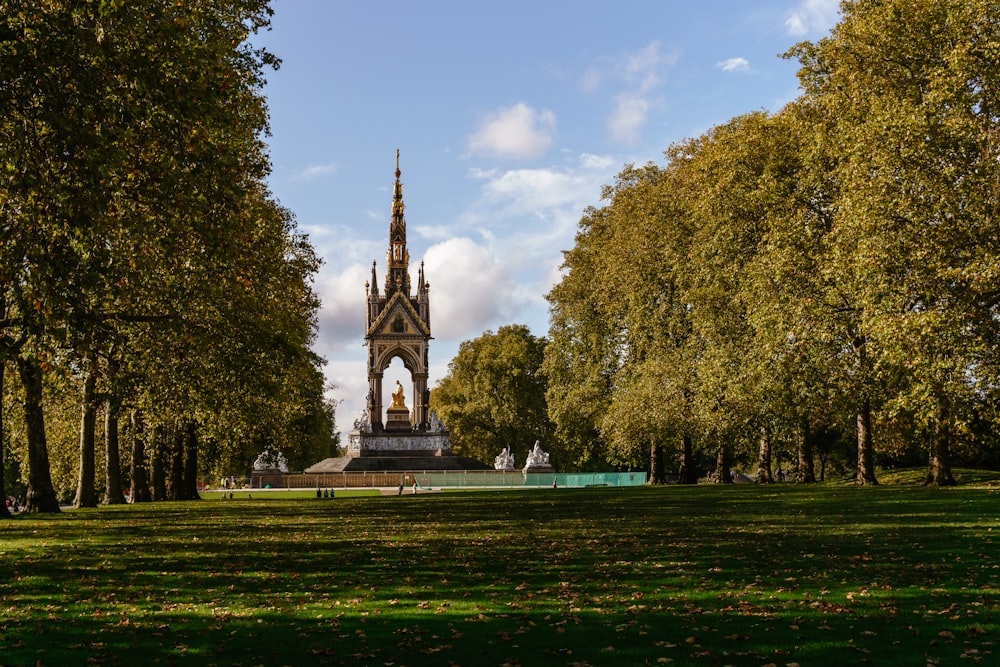
The largest Royal Park in central London, with rowing boats and a lido on the Serpentine, the Diana memorial fountain, and Speakers' Corner…
Last updated