 Submit a photo
Ninety seconds on Duncansby Stacks
Two reasons bring you to the north-east tip of the British mainland: sea stacks worn into sharp pyramids, and cliffs packed with nesting seabirds from spring into July.
The stacks are Old Red Sandstone, laid down in layers about 390 million years ago. Their tops have eroded more than their bases, which is why they stand broad below and pointed above.
At the base of the cliffs a rock platform runs out to sea, continuing underwater for up to 100 metres. In front of the stacks stands Thirle Door, a sea arch still joined to the mainland. One day it will fall and leave another stack.
Along this stretch of coast the sea has cut plunging cliffs, arches, blowholes and caves. From spring into summer the ledges hold guillemots, razorbills, kittiwakes and fulmars, and puffins are sometimes seen among them.
Below the lighthouse, the fast tides of the Pentland Firth earned this stretch of water the name Hell's Mouth.
The path to the stacks leaves from a walking sign opposite the lighthouse, across the grass from the car park. Follow it to an inlet where seabirds nest on the rock walls; the busiest ledges are just south of the lighthouse.
Follow the grass path south along the clifftop, past the Geo of Sclaites, a cleft in the cliff where you can watch the birds. The main viewpoint over the stacks is 15 to 20 minutes from the car park.
A wire fence runs along much of the edge, but not all of it, and the drops are sheer. Stay on the landward side of the fence, and where there is none, keep well back.
From the viewpoint, turn back the way you came, or carry on along the coast to see the stacks from other angles. In winter, scan the boulder beaches below the cliffs, where grey seals breed.
The headland has no toilets, cafe or shop, so bring what you need before you drive out. Wear shoes that can cope with mud after rain, and bring a warm layer: cold wind blows here even in high summer.
Keep dogs on a lead, because sheep graze the headland. In April and May, when the birds are choosing nest sites and sitting on eggs, keep back from the colonies and move on rather than lingering above them.
Explore the rest of Thurso
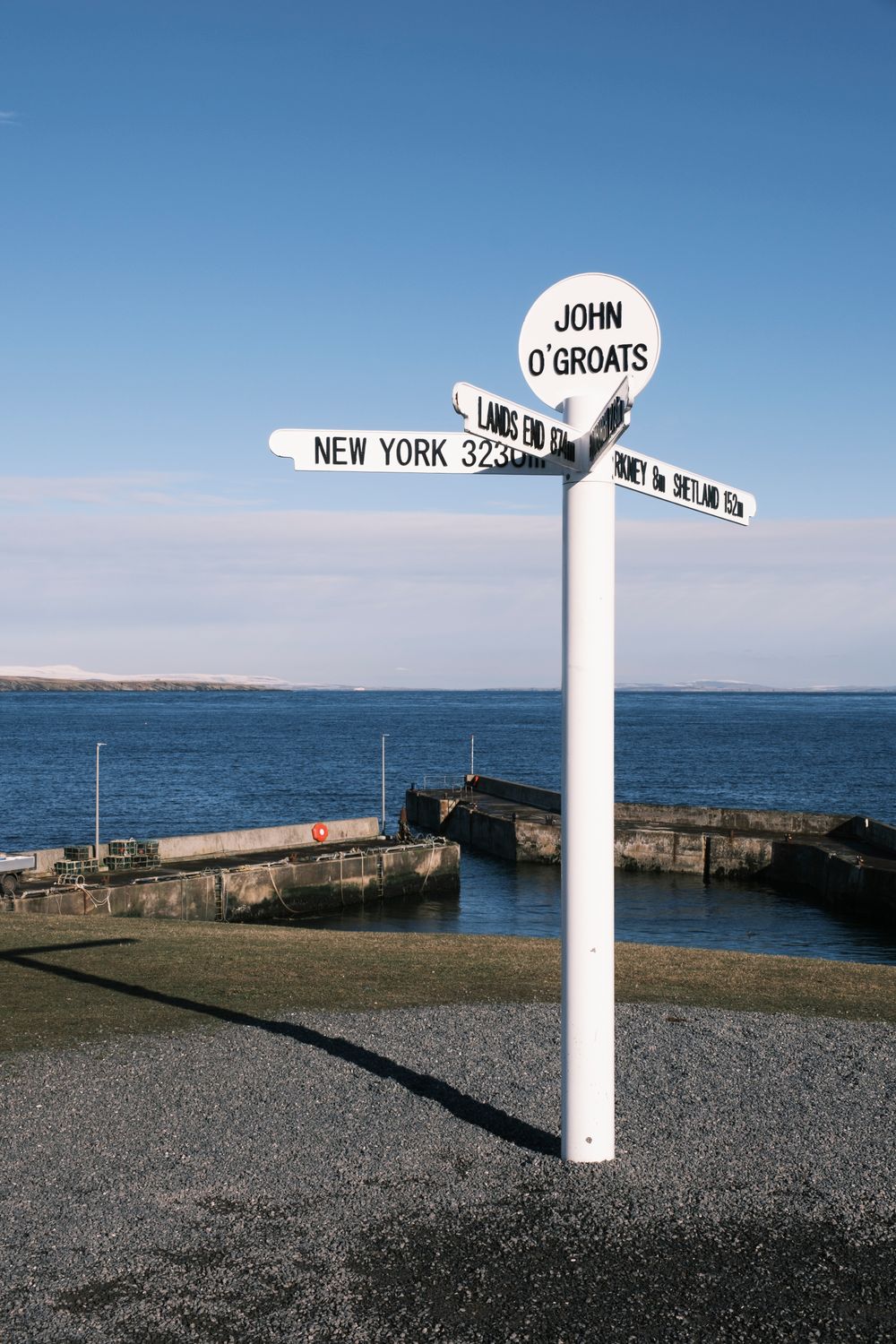
A cluster of houses and a small harbour at the north-east corner of the mainland, John o' Groats marks the traditional end of the road from…
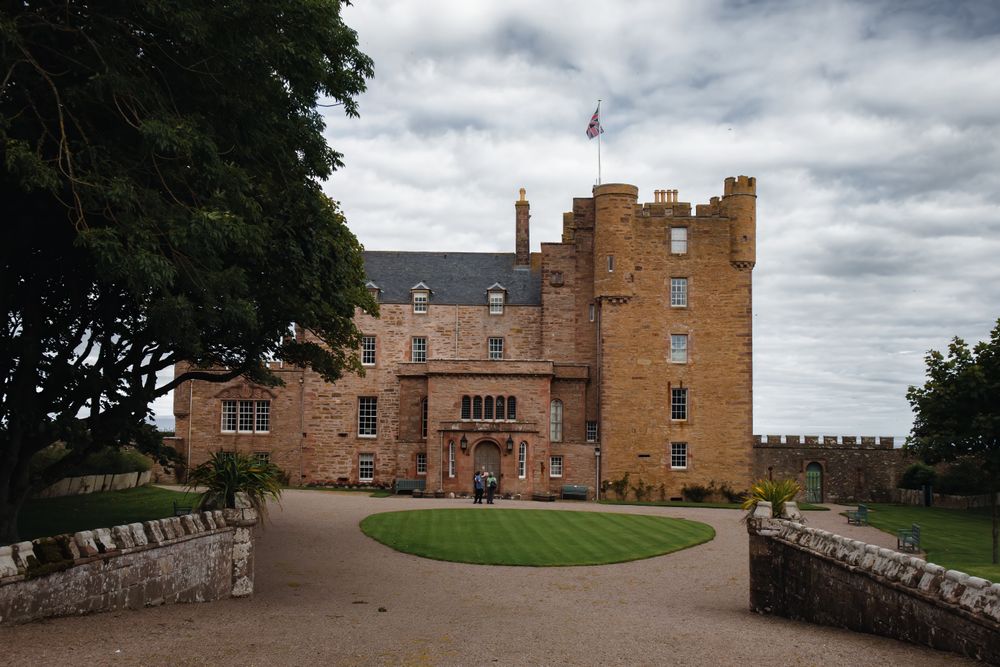
Restored by the late Queen Mother, who spent her summers here, this turreted castle above the Pentland Firth keeps her furniture, paintings…
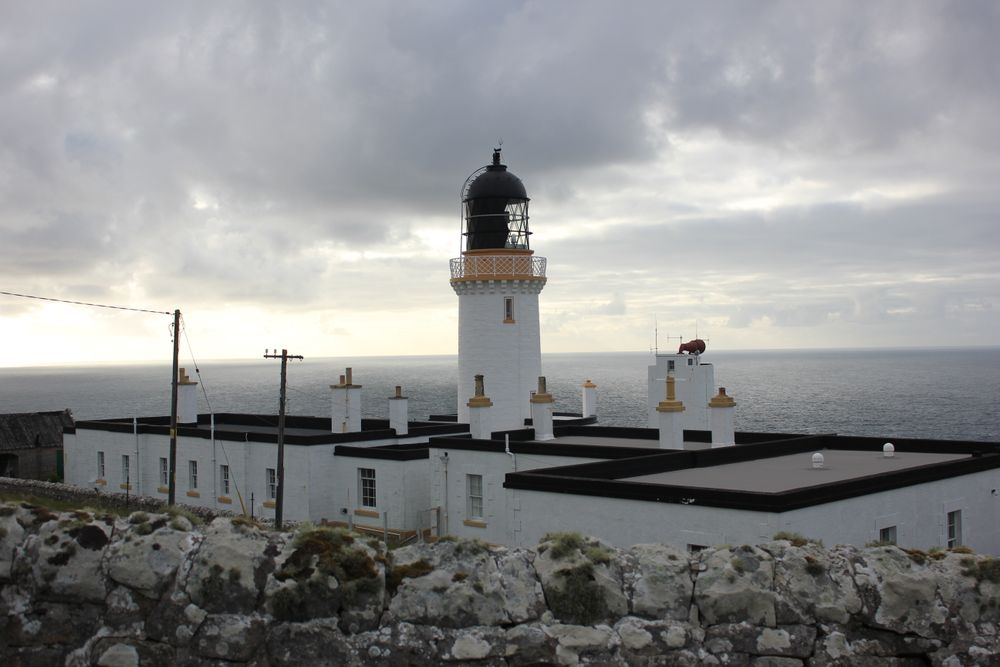
Sandstone cliffs at the mainland's northern tip carry a lighthouse and a car park, with views across the Pentland Firth to Hoy in Orkney.…
Last updated