 Submit a photo
Ninety seconds on Anavilhanas National Park
Novo Airão, the gateway town, is reached from Manaus by road. A shared taxi, paid in cash, makes the run in about two and a half hours, and the twice-daily coach from the Manaus bus terminal is slower at around four.
It depends on what visitors want to see. The low-water months, September to February, uncover white sand beaches across the islands, though their timing varies by year. High water, March to August and highest in June and July, lets small boats slip between drowned trees.
No. The park charges nothing and sells no ticket, and access is open all year. Camping on a beach or island needs ICMBio's permission, and so does holding an event there.
No. Visitors may not swim with, touch or feed the pink river dolphins; only the floating-deck staff feed them, after giving a talk. The dolphins are wild and free to roam, and on some days they leave the area altogether.
No. The park supplies no guides, so visitors hire their own boat at the Novo Airão port. ICMBio's visitor guide lists local operators and guides, and boatmen at the port also offer caiman and birdwatching outings.
Two to four days based in Novo Airão is the usual advice. Staying overnight puts visitors on the river in the misty light of early morning and evening, which a same-day return to Manaus never catches.
Anavilhanas National Park gives you two different trips on one river: in the flood a small boat carries you between the treetops of a drowned forest, and in the dry months the same channels open onto white beaches.
Anavilhanas is an archipelago inside a river: more than four hundred islands strung along the Rio Negro upstream of Manaus, the second-largest river archipelago in the world. The park protects these islands and some sixty lakes. From the boat, they read as a maze of channels.
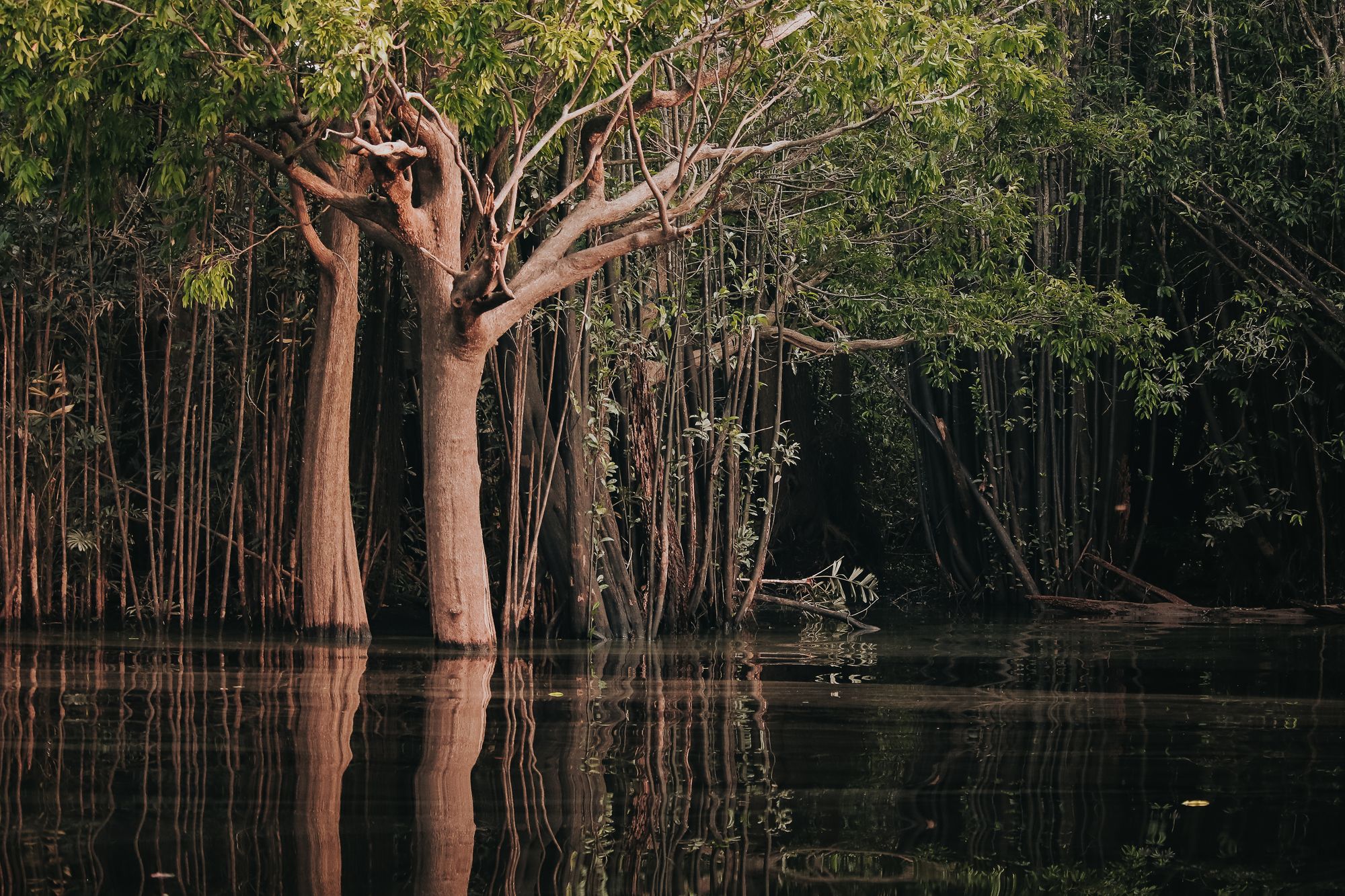
The water of the Rio Negro is almost black. On a calm day it mirrors the trees so cleanly that from the boat the forest appears twice, once upright and once upside down.
The river's yearly rise and fall decides what you see. At high water many islands go completely under until only the trees stand above the surface, and small boats leave the channels to enter the igapó, the flooded forest, between the trunks.
When the water drops, sand beaches spread out from the islands, white against the dark river. Where they surface changes from year to year, and by January many are already going back under.
Before you leave the dock, agree the plan with your boatman: every tour in the park runs on the river, and the day is shaped to what you ask for. In one day a boat takes in some of the main beaches in the dry months or a run through the igapó in the wet ones, plus one of the short trails on foot.
Lunch is usually at an indigenous community such as Tiririca, which has a restaurant. A second day suits the Pedra do Sanduíche rock and the trail to the Madadá caves. Night tours by boat or on foot go out after dark for caimans, owls and frogs.
In Novo Airão, where most boat days start, staff at the Flutuante dos Botos floating deck give a talk, then hold out fish to bring the wild pink river dolphins in at set times. Ask when the next feeding is, and watch from the deck: swimming with them, touching them and feeding them are not allowed. The dolphins come and go as they please, and some days they stay away.
Book your boat and guide directly, at the port or through your lodge, rather than through an intermediary. Novo Airão has a single cash machine, so bring the cash you need from Manaus, for the shared taxi as much as for the boat.
If you reach town without a bed, stop at the Tourist Information Center at the entrance to Novo Airão. It keeps a full list of lodges, hostels and hotels, and of the local tour operators.
Manaus, and further afield
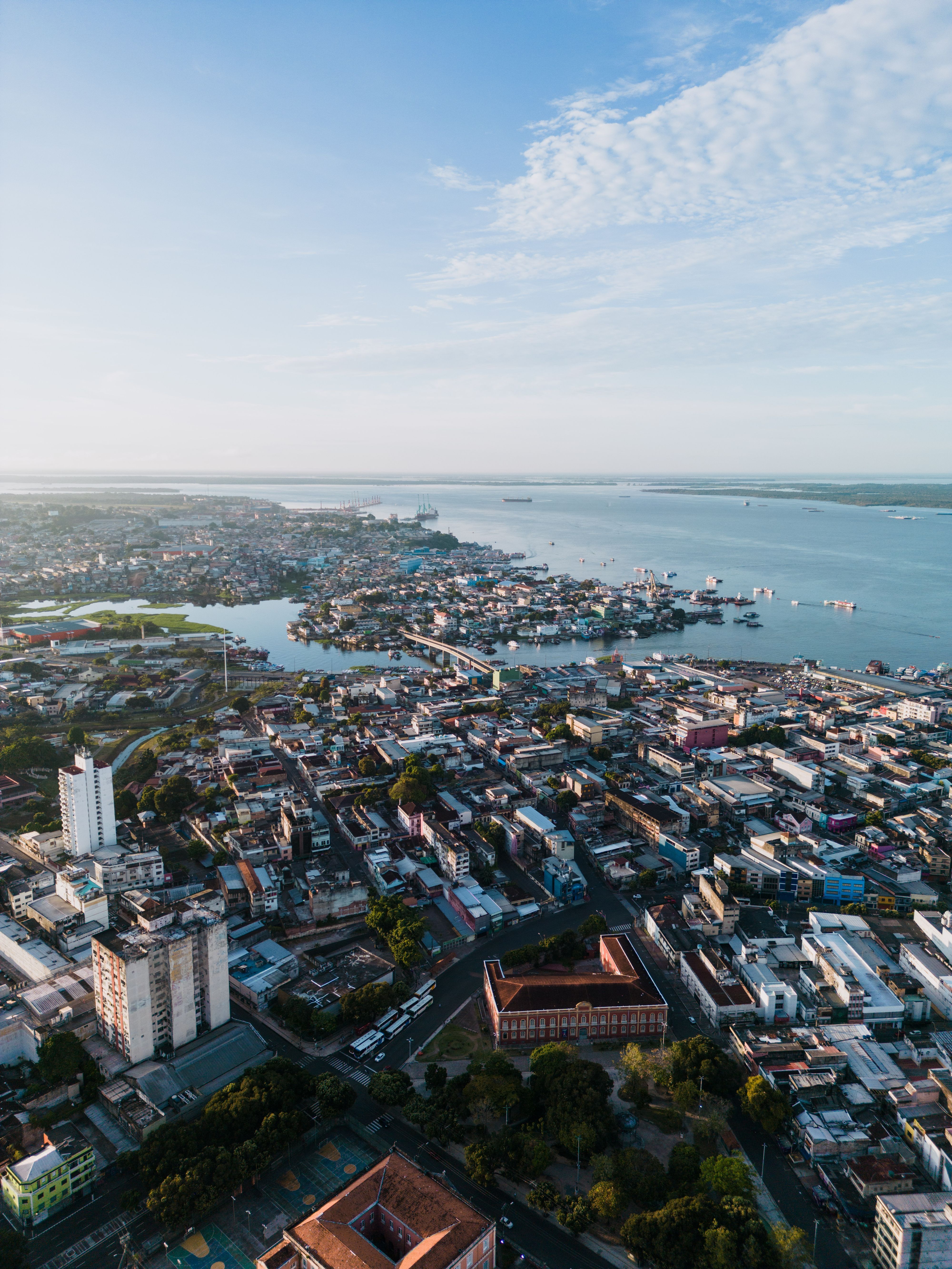
A city of two million at the meeting of the Negro and the Solimões, a thousand miles up the Amazon and reached in practice only by air or…
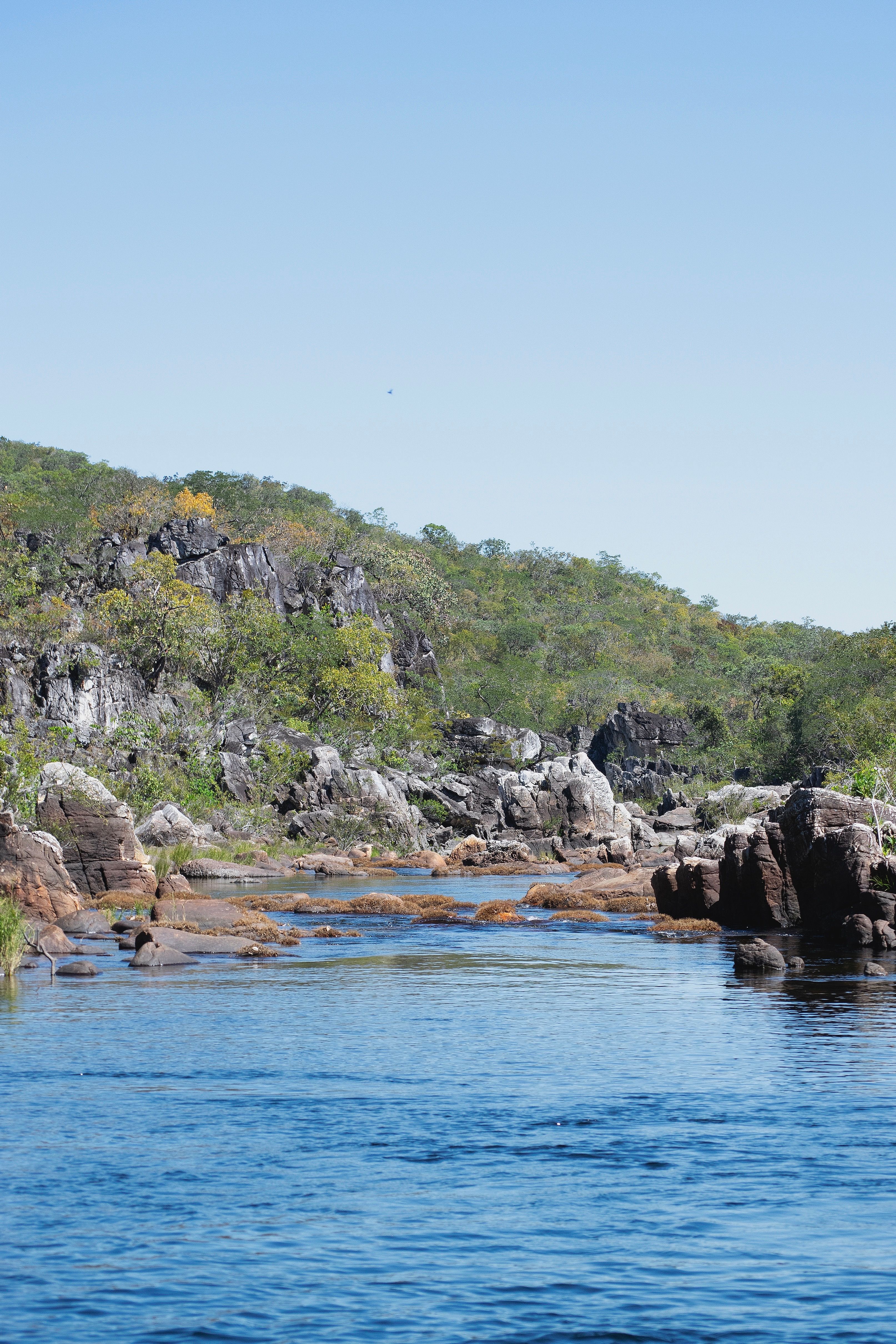
A high town on the fourteenth parallel, at around twelve hundred metres, and the main base for the Chapada dos Veadeiros. Crystal miners…
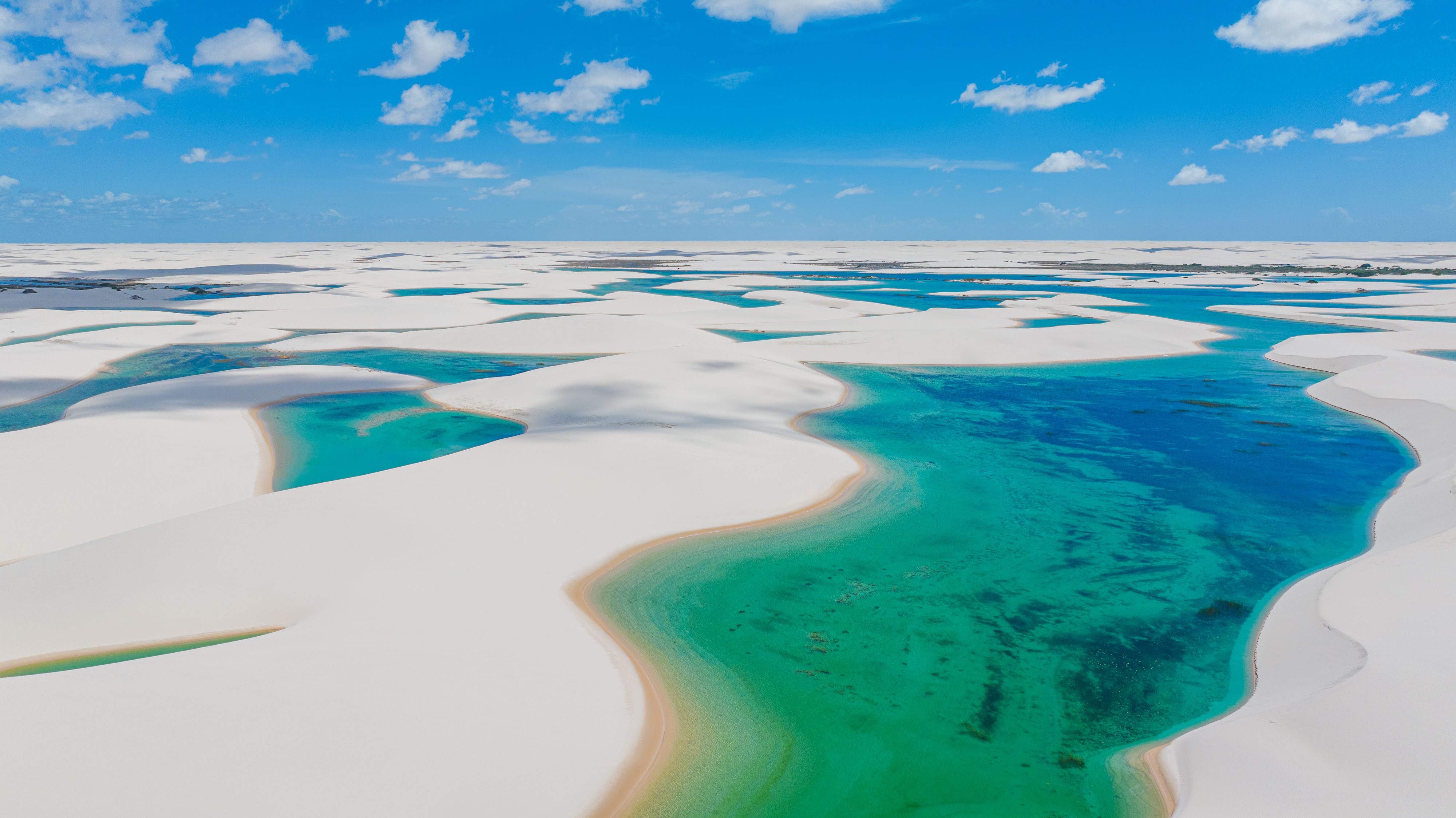
A river town on the Preguiças and the main gateway to the Lençóis Maranhenses, four hours by road from São Luís. Almost everything runs…
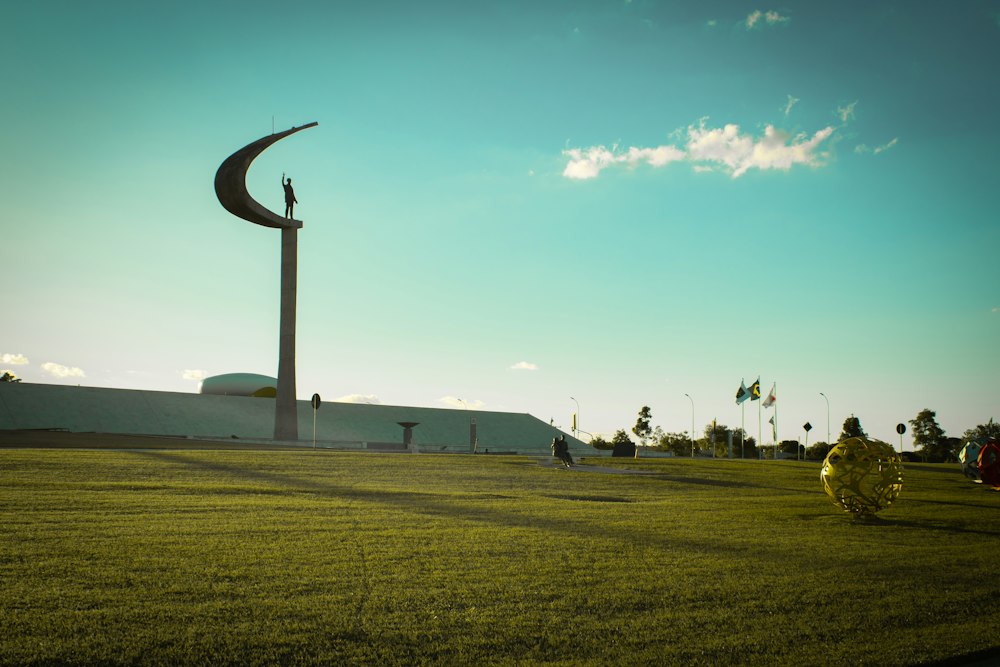
A museum, mausoleum and cultural centre in Brasília, built to honour Juscelino Kubitschek, the president who founded the city.
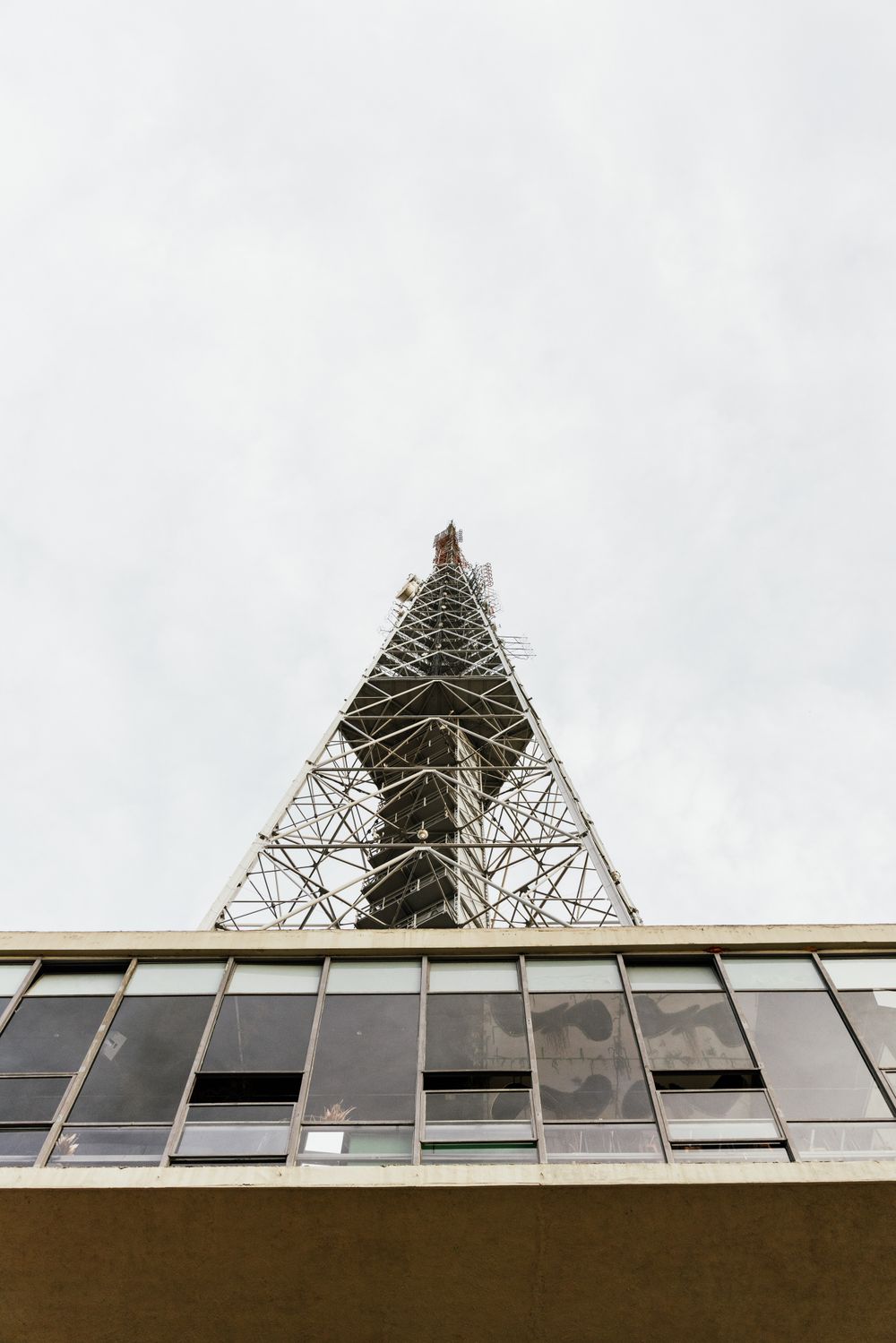
A free lift carries you up Lúcio Costa's TV tower in the centre of Brasília to a viewing deck over the whole Plano Piloto, from the…
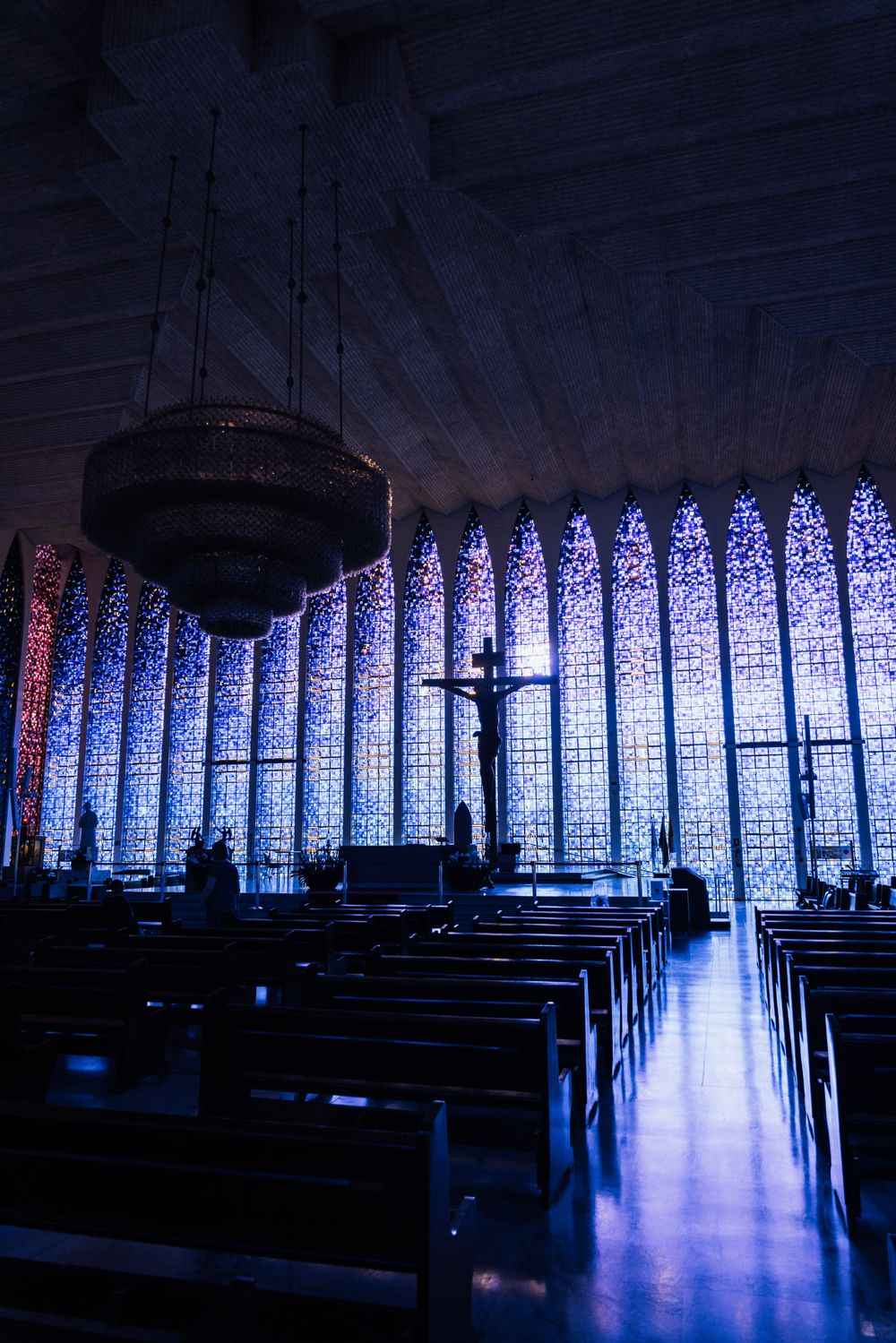
Concrete columns frame Hubert Van Doorne's blue and lilac glass, which fills every wall of this church at the start of Asa Sul. It opens…
A former gold town on the northern rim of the Pantanal, and the gate to the Transpantaneira, which starts at its southern edge. Nobody…
Athos Bulcão's tiles cover the outer walls of this small church in Asa Sul. You can see the outside at any hour, and the interior is…
Last updated