 Submit a photo
Ninety seconds on Parque Estadual Encontro das Águas
Only from the water, on boat trips that the area's hotels and tour operators run out of Porto Jofre. A cat on the bank or swimming is watched from the boat, and going ashore near one is banned.
From Cuiabá, the route follows the Transpantaneira road south from Poconé to Porto Jofre at Km 142, where the boats leave. Cuiabá is the usual gateway, with frequent flight connections from São Paulo.
July to October, the dry season, gives the best chance: the cats stay closer to the riverbanks in search of water and prey. In the rains from November to March the plains turn lush, but the cats are harder to find and the unpaved roads are slower going.
Access is mainly through tours sold by authorised travel agencies, and the park's preservation fees are built into the tour price. Book ahead, above all from July to October.
Porto Jofre, at the end of the Transpantaneira, is the base for the park: a hotel stands there, closest to the boats. Other lodges stand further north along the road, one as far up as Km 10, close to Poconé.
Families of capybaras and Pantanal caimans line the banks, and the rare yellow anaconda lives here. Toco toucans, egrets and ocelots live here too, and jabiru storks fly over the water.
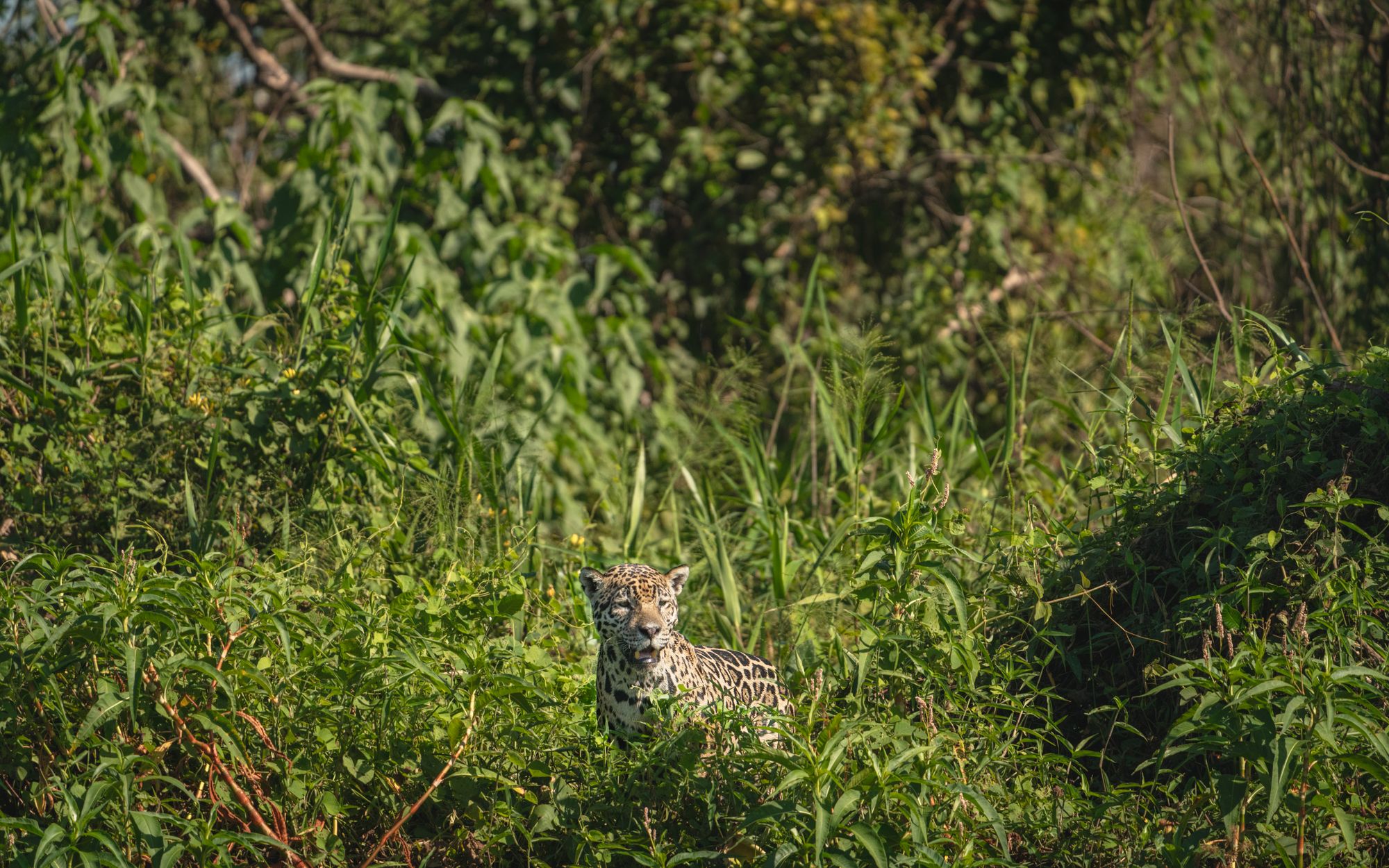
You watch wild jaguars from a boat here, in one of the largest concentrations of the cat in the world, hunting along the riverbanks of the Pantanal.
The park covers about 109,000 hectares of Pantanal, the largest continuous flooded plain on the planet, between Poconé and Barão de Melgaço in Mato Grosso. Rivers, side channels and lakes cross the park.
Its name means the meeting of the waters. The murky Cuiabá and São Lourenço join the clear Piquiri here. Ask your pilot to pass the confluence, where the colours mix, and to run up the Corixo Negro, a dark side channel with jaguars living along its banks.
The cats feed on the capybaras and caimans common across the Pantanal. Each jaguar's spots work like a fingerprint, and researchers log them in photo catalogues.
Giant otters, tapirs, giant anteaters, maned wolves, anacondas and marsh deer share the park with the jaguars, as do jabiru storks and hyacinth macaws.
Porto Jofre, where the Transpantaneira ends south of Poconé, is where the river trips start. The region's lodges supply the meals and the boats.
From the landing, boats run along the rivers that border and cross the park, searching the banks for cats.
Mato Grosso's jaguar-watching rules, Resolution 85/11, set how close a boat may come once a jaguar is found: at least 10 metres off the bank, or 30 metres if the cat is swimming. You watch in silence and stay aboard.
The same rules allow three boats on one animal at once, each for at most 20 minutes when more than one boat is watching. No boat may land or tie up within 100 metres of the sighting, on either bank.
Those are state rules. As of November 2026, the park's own management plan calls the resolution out of date, and the park still lacks a public-use plan of its own.
Bring a long camera lens and binoculars for the boat, along with light clothes, a hat, sunscreen and insect repellent. Carry plenty of water for the tropical heat.
When choosing where to stay, ask whether their boat trips are private or shared. The hotel at Porto Jofre runs only private trips, on boats sized to each group.
Poconé, and further afield
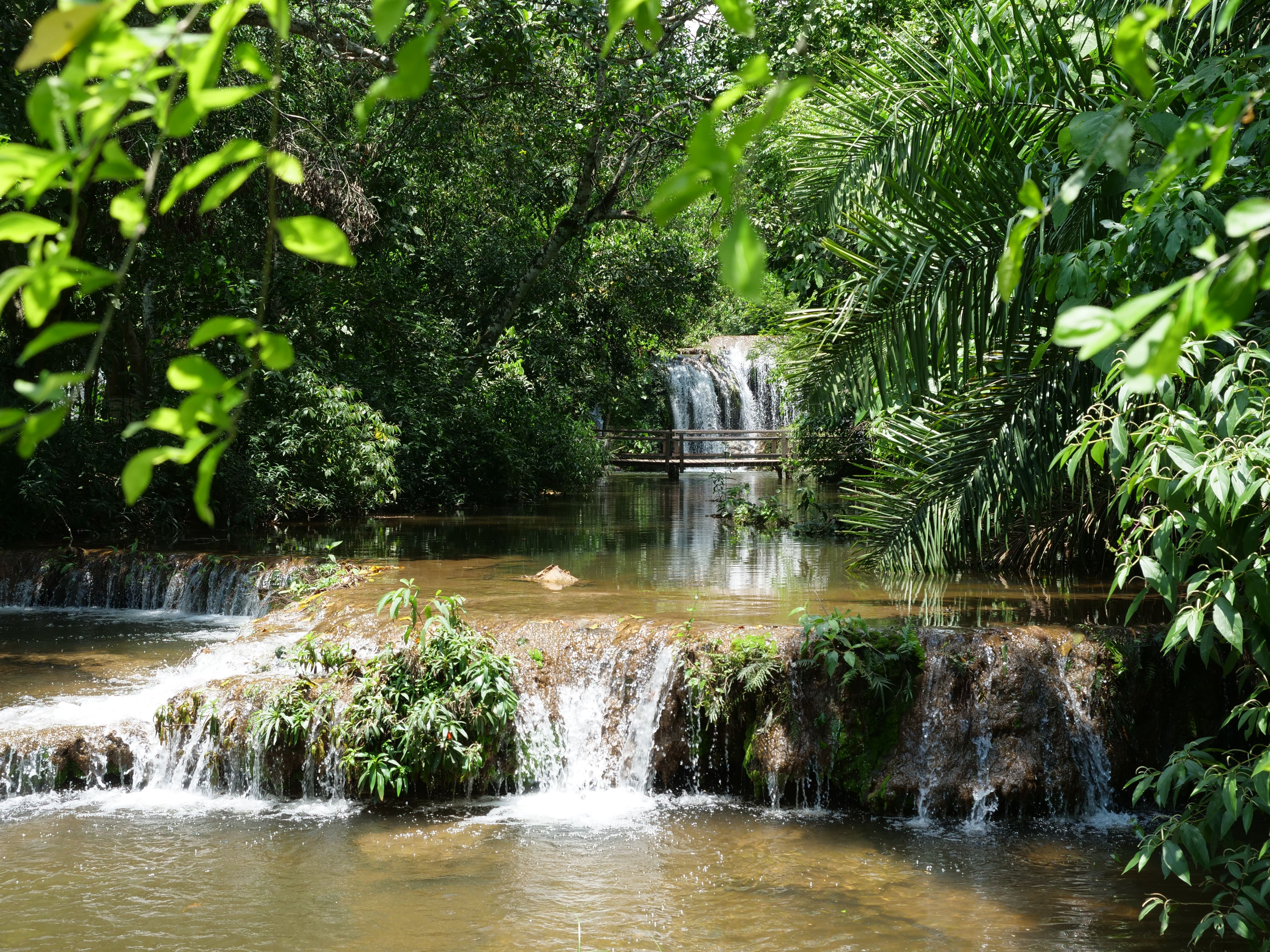
A small town on the eastern edge of the Serra da Bodoquena, where limestone filters the groundwater until the rivers run clear enough to…
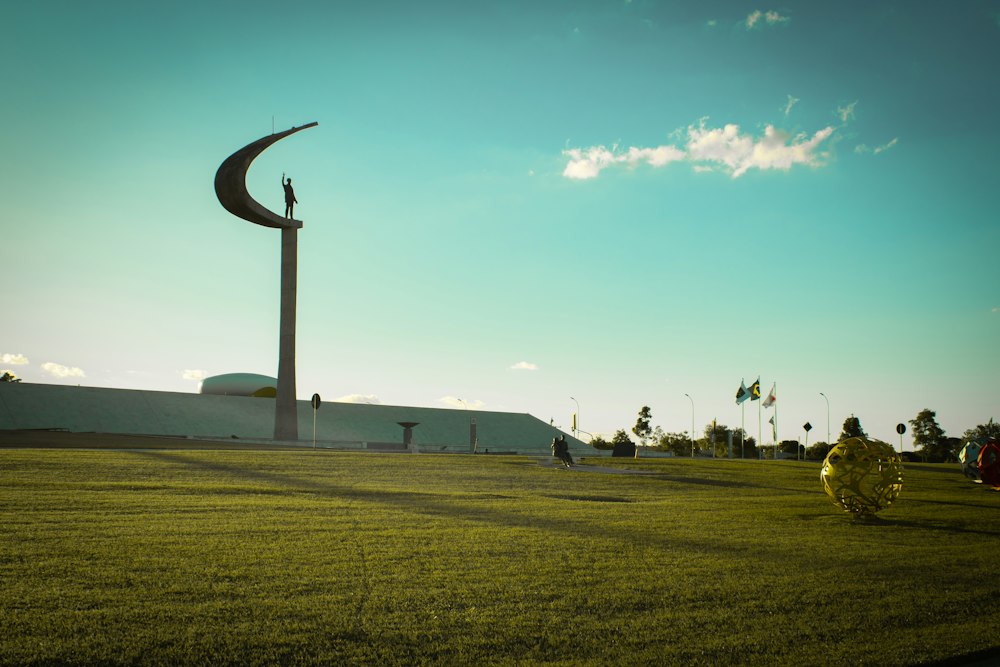
A museum, mausoleum and cultural centre in Brasília, built to honour Juscelino Kubitschek, the president who founded the city.
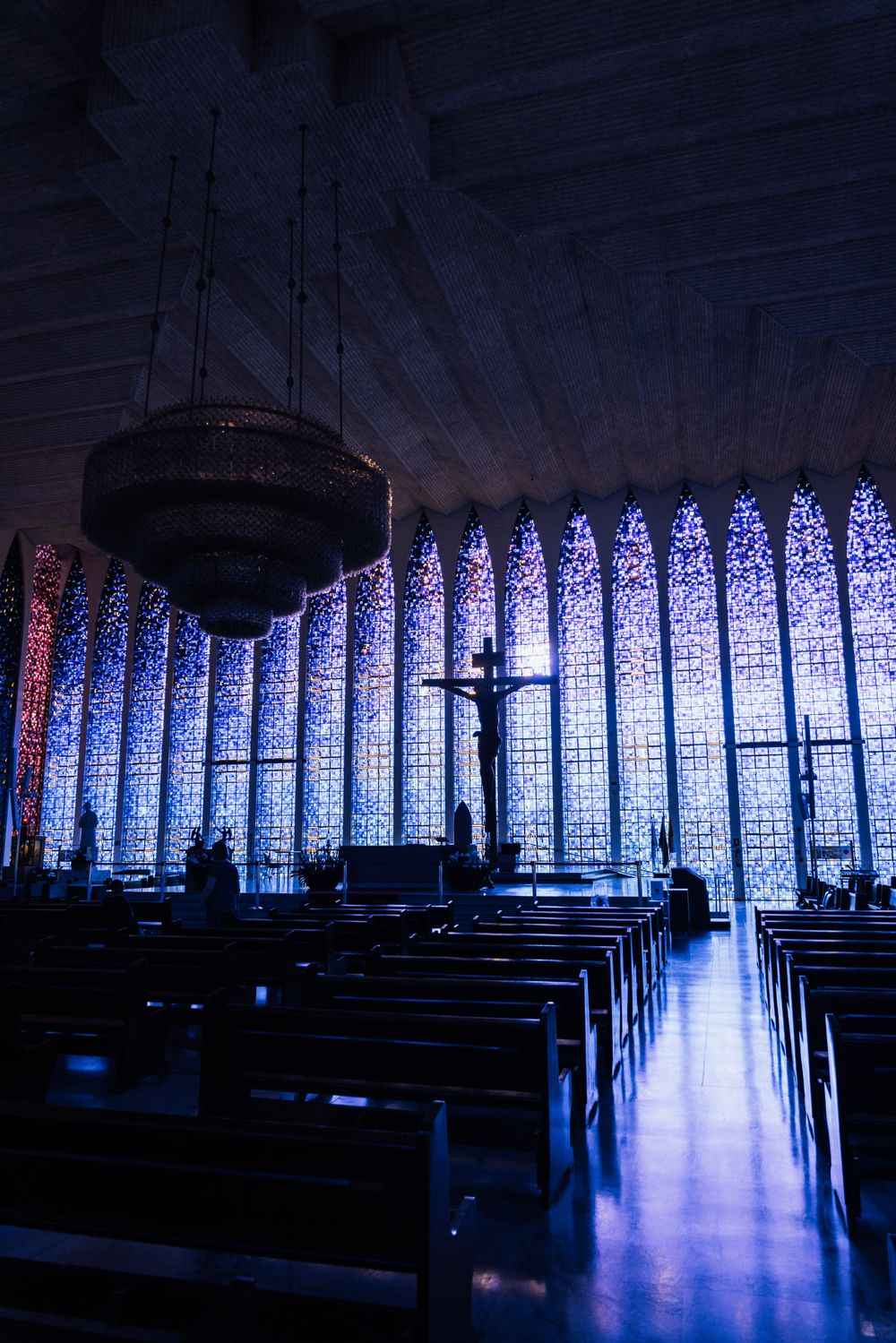
Concrete columns frame Hubert Van Doorne's blue and lilac glass, which fills every wall of this church at the start of Asa Sul. It opens…
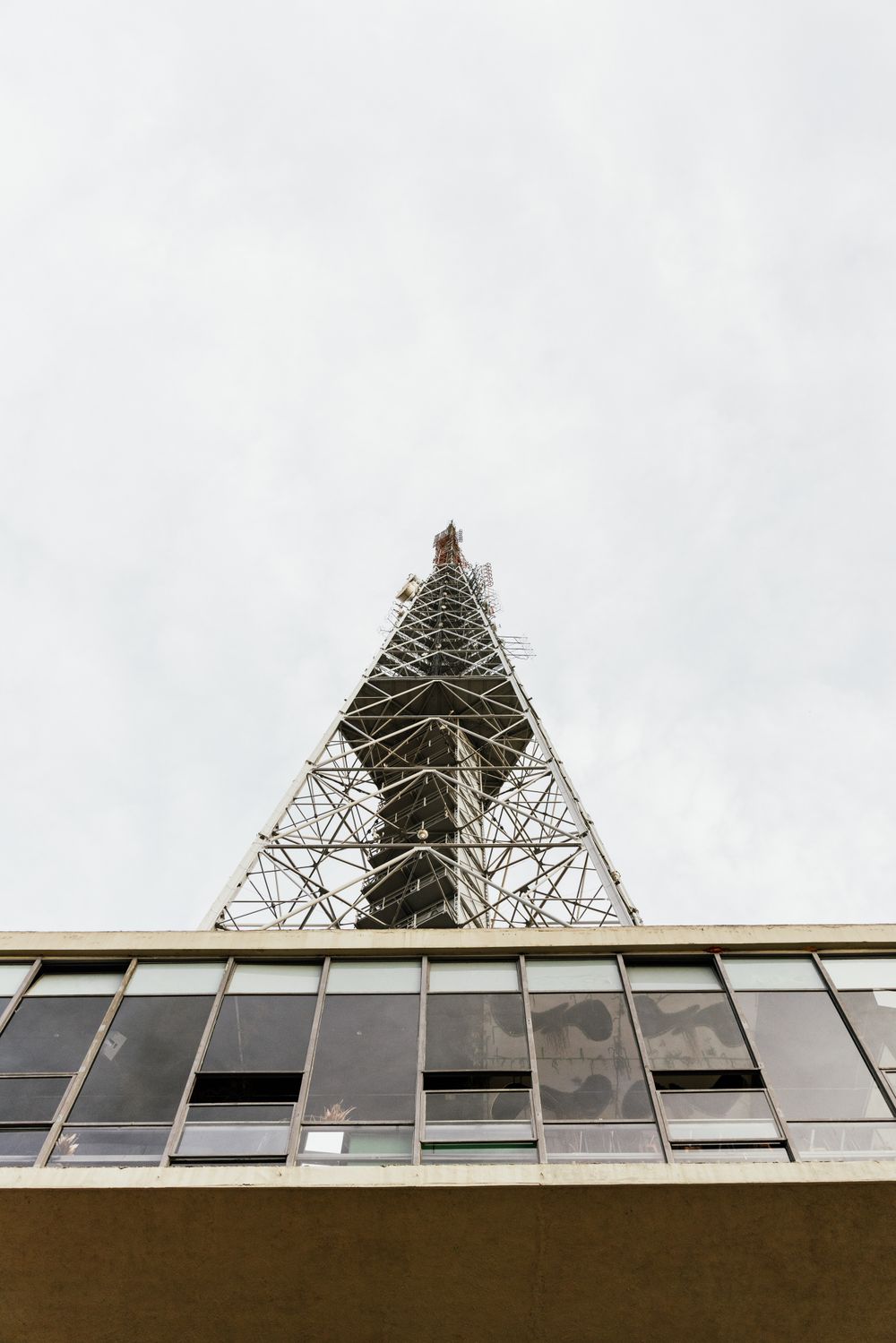
A free lift carries you up Lúcio Costa's TV tower in the centre of Brasília to a viewing deck over the whole Plano Piloto, from the…
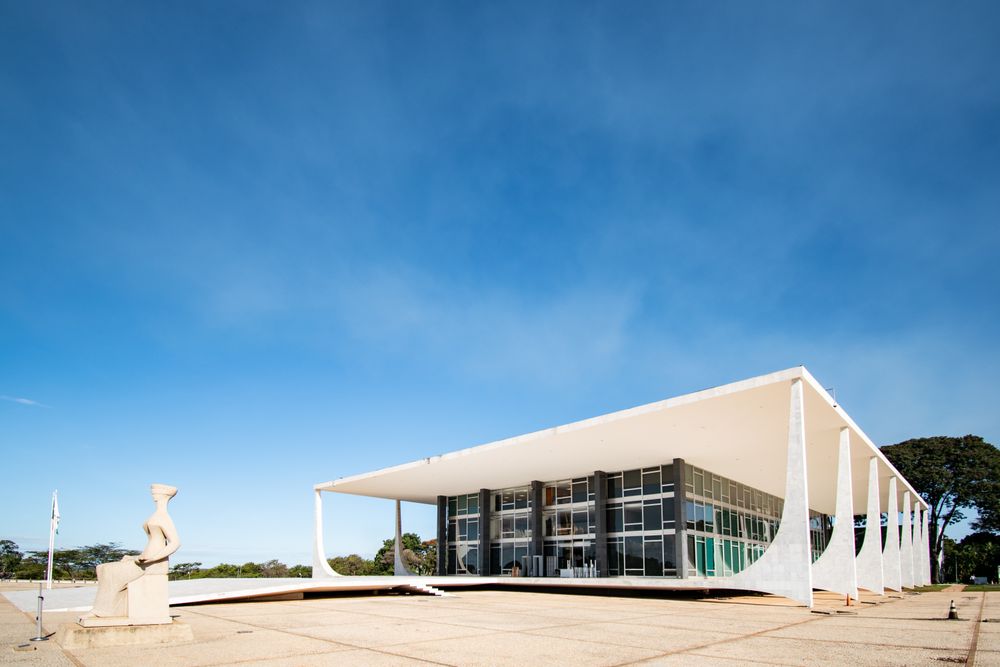
Built on empty savanna between 1956 and 1960, the capital was laid out by Lúcio Costa and filled in by Oscar Niemeyer. Government buildings…
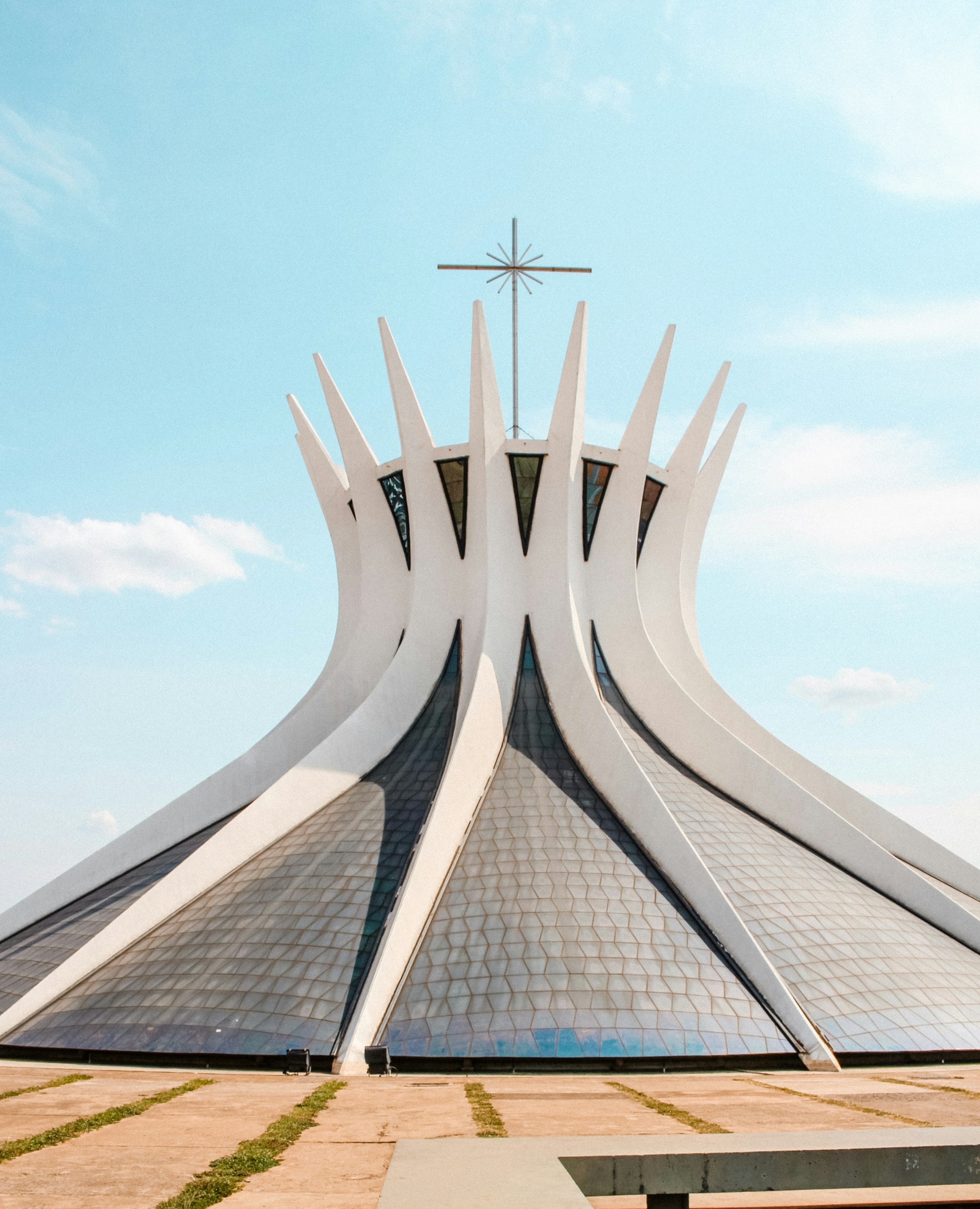
A cathedral on the Esplanada dos Ministérios, built as a ring of curved concrete columns rising from a reflecting pool, with stained glass…
A former gold town on the northern rim of the Pantanal, and the gate to the Transpantaneira, which starts at its southern edge. Nobody…
Athos Bulcão's tiles cover the outer walls of this small church in Asa Sul. You can see the outside at any hour, and the interior is…
Last updated