Ninety seconds on Rano Kau
Two sights share one crater rim here, and you see both in a morning: a lake hidden under floating reed, and Orongo, the stone village of the Birdman ceremony.
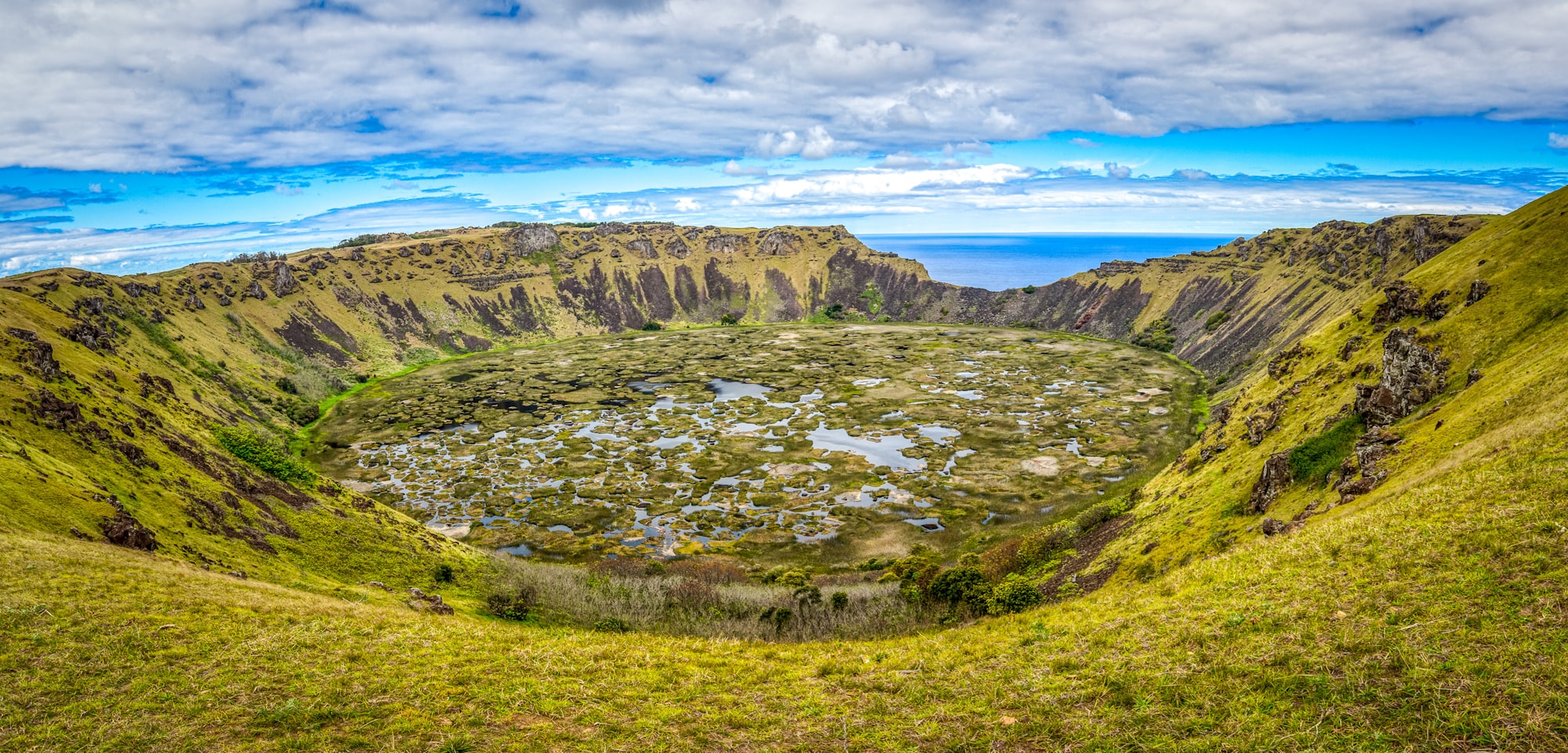
The crater is more than a kilometre across, and what looks like a green floor is a freshwater lake. Floating mats of totora reed about a metre thick cover it, and the water underneath is thought to be around 10 metres deep.
Sheltered from the wind and kept damp by the lake, the basin works like a natural greenhouse. The Rapa Nui grew food inside it, and it has sheltered rare plants such as the toromiro tree, now extinct in the wild.
Orongo sits on the rim: low, round-walled stone houses roofed in turf, with even lower doors. On one side a 300 metre cliff drops to the sea, and on the other a steep grassy slope runs down into the crater. The houses look out to three islets, Motu Nui, Motu Iti and Motu Kao Kao.
Each spring, clans competed to bring back the first manutara egg from Motu Nui, in the Birdman ceremony. At the far end of the village, six chambers are carved into one rock outcrop that is covered in petroglyphs. Across Orongo, petroglyphs of the god Make-Make and the Birdman are cut into the rocks.
Rano Kau's roadside viewpoint is the first stop, looking straight down into the crater. The walls rise more than 200 metres above the lake. Use a wide lens or your phone's panorama mode to fit the whole crater in.
The viewpoint is free to visit. Orongo, further along the rim, needs the park ticket and a guide, and the park's administration office there has printed information.
Inside the village, keep to the marked trails, and do not touch the houses or the petroglyphs or walk on the roofs. Facing the sea from the administration office, a short path to the right leads to a cliffside viewpoint over Motu Nui.
An accredited local guide is required to enter Orongo, and the rule also covers anyone who walks in along the trail. Half-day and full-day tours are the usual way in. They pair Orongo with other sites on the island and stop at the village for an hour to an hour and a half.
Dress in layers and carry a jacket, because the weather on the island changes quickly and the rim is exposed to the wind. The wind is strongest in the southern winter, June to August.
There is no shade on the trail and midday can be very hot, so bring a hat, sun protection and enough water. There are no shops at the crater, so bring snacks as well.
Explore the rest of Rapa Nui
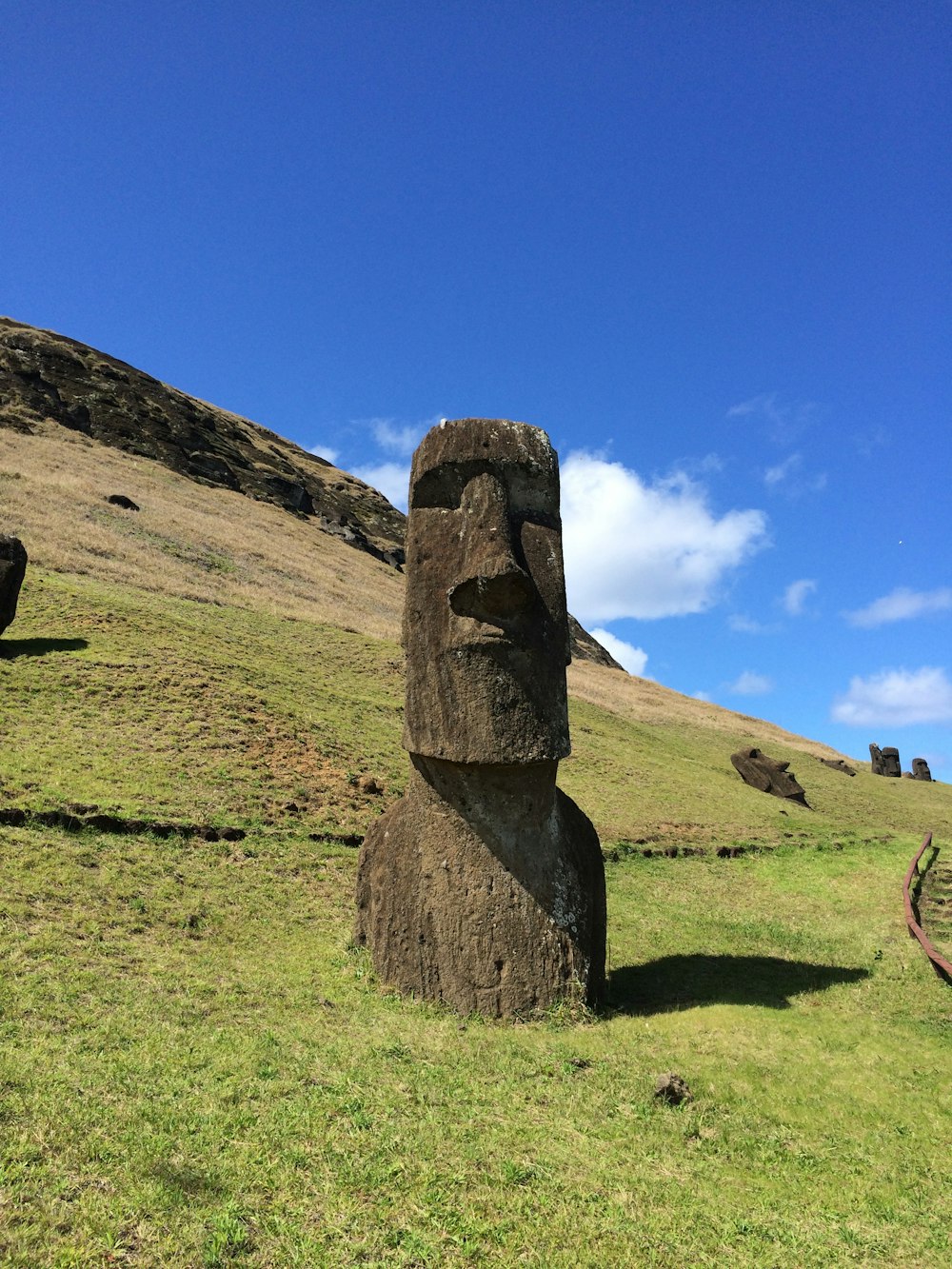
Hanga Roa is the island's only town and the base for every visit, with moai on platforms around the coast and on the slopes of the Rano…
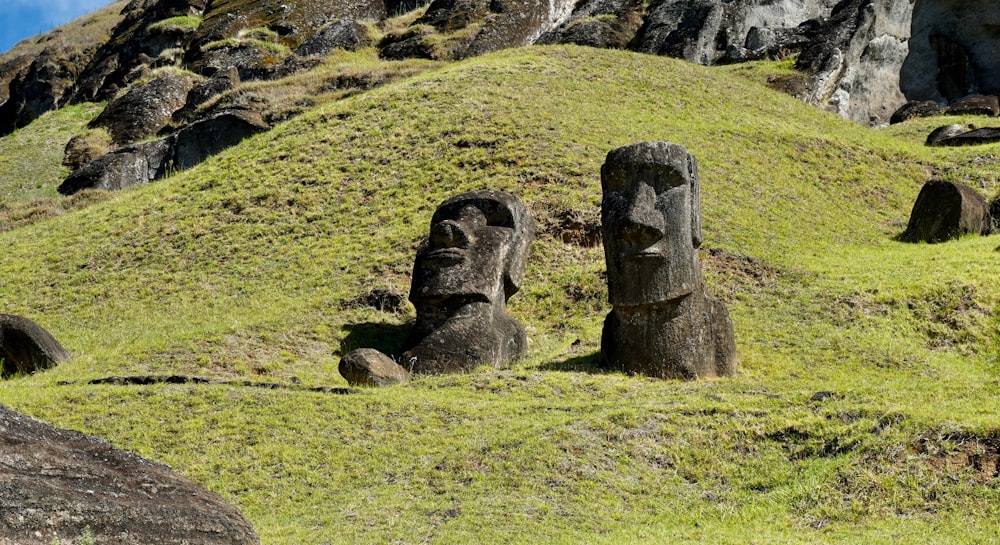
Almost every moai on the island was cut from the volcanic tuff of this crater's slopes, and many remain on the hillside, upright, half…
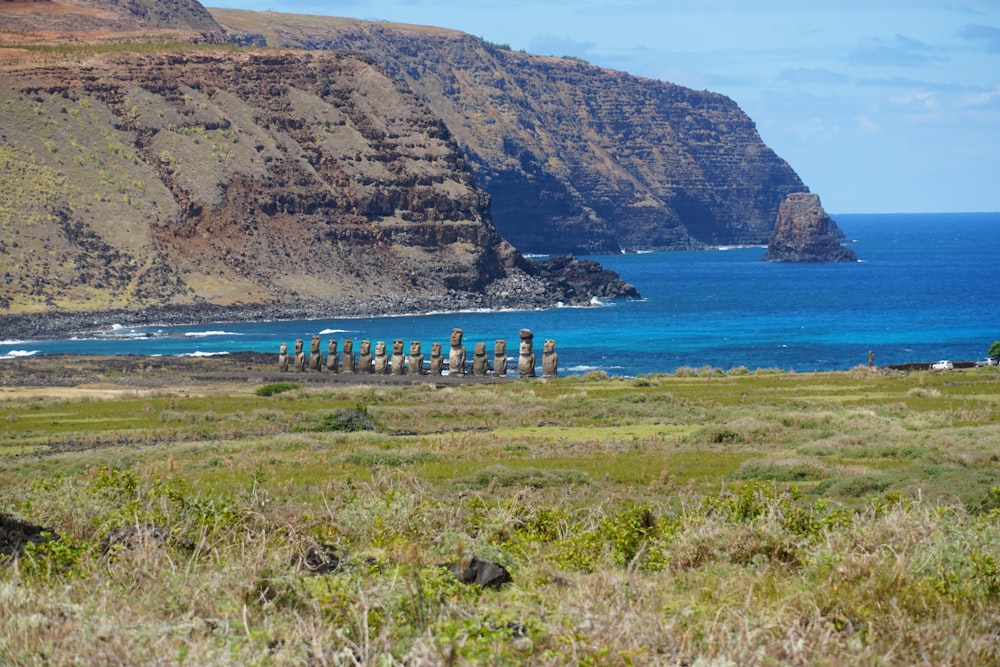
A low stone and timber lodge on a rise in the countryside at Miro O'one, some seven kilometres from Hanga Roa. Rates include meals and the…