Ninety seconds on Valle de la Luna
At opening time you can walk the salt flats and climb the Duna Mayor before the sunset tours arrive in the afternoon.
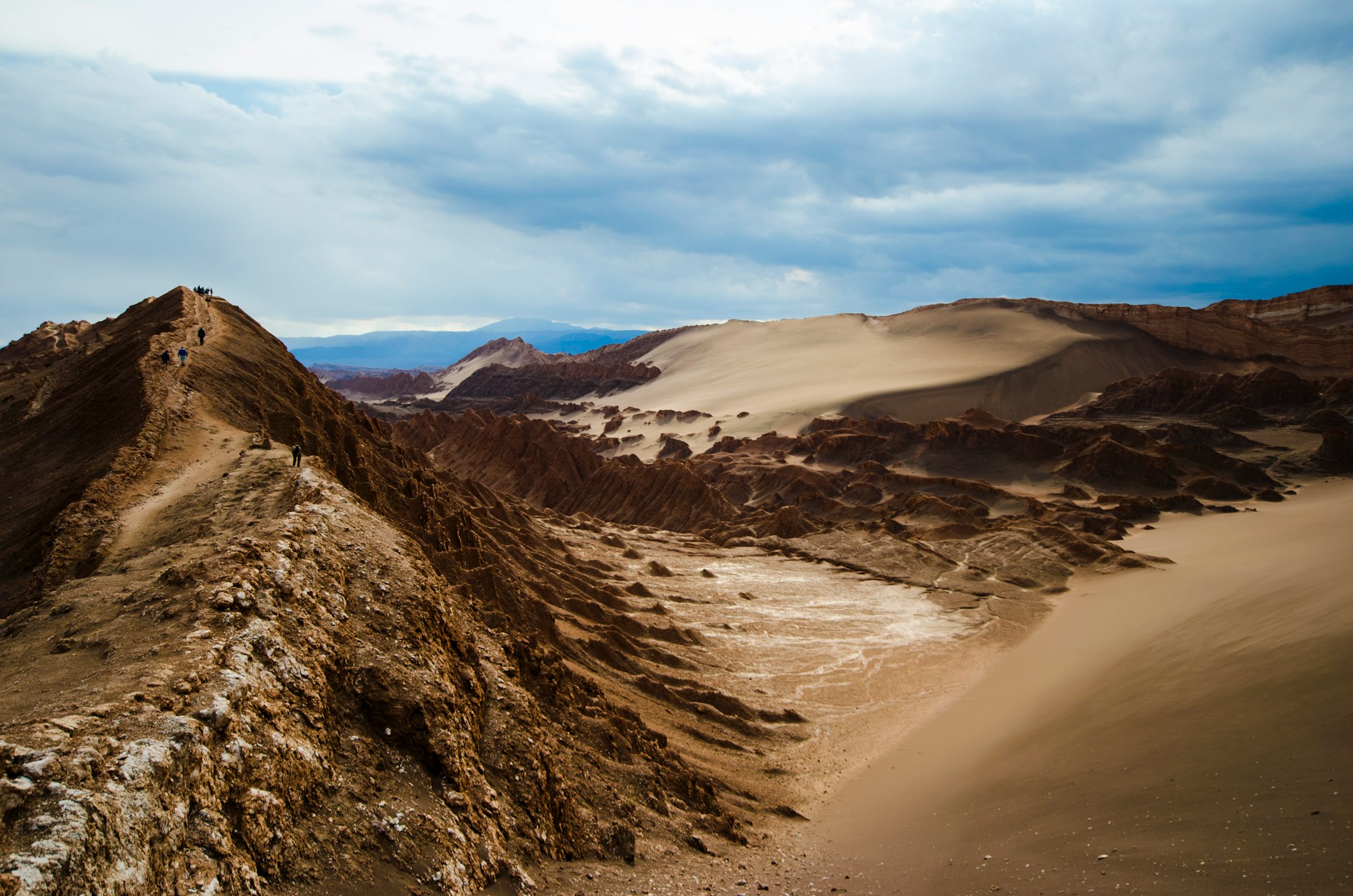
The valley was once the bed of an ancient salt lake. Shifting tectonic plates lifted and folded it, and wind and water then carved it into the ridges and dunes you see now. The white patches you cross are salt, marking ancient lakes that evaporated long ago.
The ground is so dry and bare that scientists tested a prototype Mars rover on it. It was declared a Nature Sanctuary in 1982 for this lunar landscape, which also gave the valley its name.
Las Tres Marías are three rock pillars whose ragged outlines are said to look like human figures, though it takes a little imagination. Barriers now protect the pillars, so stay behind them.
The Lickanantay communities held this landscape sacred long before tourism. Today they co-manage the valley with CONAF, Chile's forestry service, as Sector 6 of the Reserva Nacional Los Flamencos.
Book your ticket online at least a day ahead and save it to your phone, since signal can be patchy. Groups currently enter at up to twelve people, and an independent group or family names one leader.
At the entrance a guide briefs each group on the rules. Each marked trail then has its own controlled start, where a park ranger takes your details and gives you directions for that walk.
The Duna Mayor walk is the classic: under a kilometre, easy and about an hour, and the main risk is a stumble on uneven ground. The soft sand makes the climb up the dune slower than it looks. The trails close between 4:30pm and 5:30pm, before the light goes, so finish your walks by then.
If you have no bike or car, a four-hour sunset tour from San Pedro is the easiest way to go. Stops vary by operator, and the vehicle brings you back after dark.
Going on your own suits you if you drive or cycle. Without your own group leader, you can enter with a registered tour operator instead.
The air turns cold fast once the sun drops behind the Andes, so pack a warm layer with at least two litres of water each. Add a hat, sunglasses and sunscreen, because the sun is strong at this altitude, and expect the wind on the ridge to blow sand in your face.
Food, alcohol and drones (without a CONAF permit) stay outside. Salt caves are not on the current list of open trails, so do not plan around them. Inside the park, the rangers are the authority, so follow what they tell you.
Explore the rest of San Pedro de Atacama
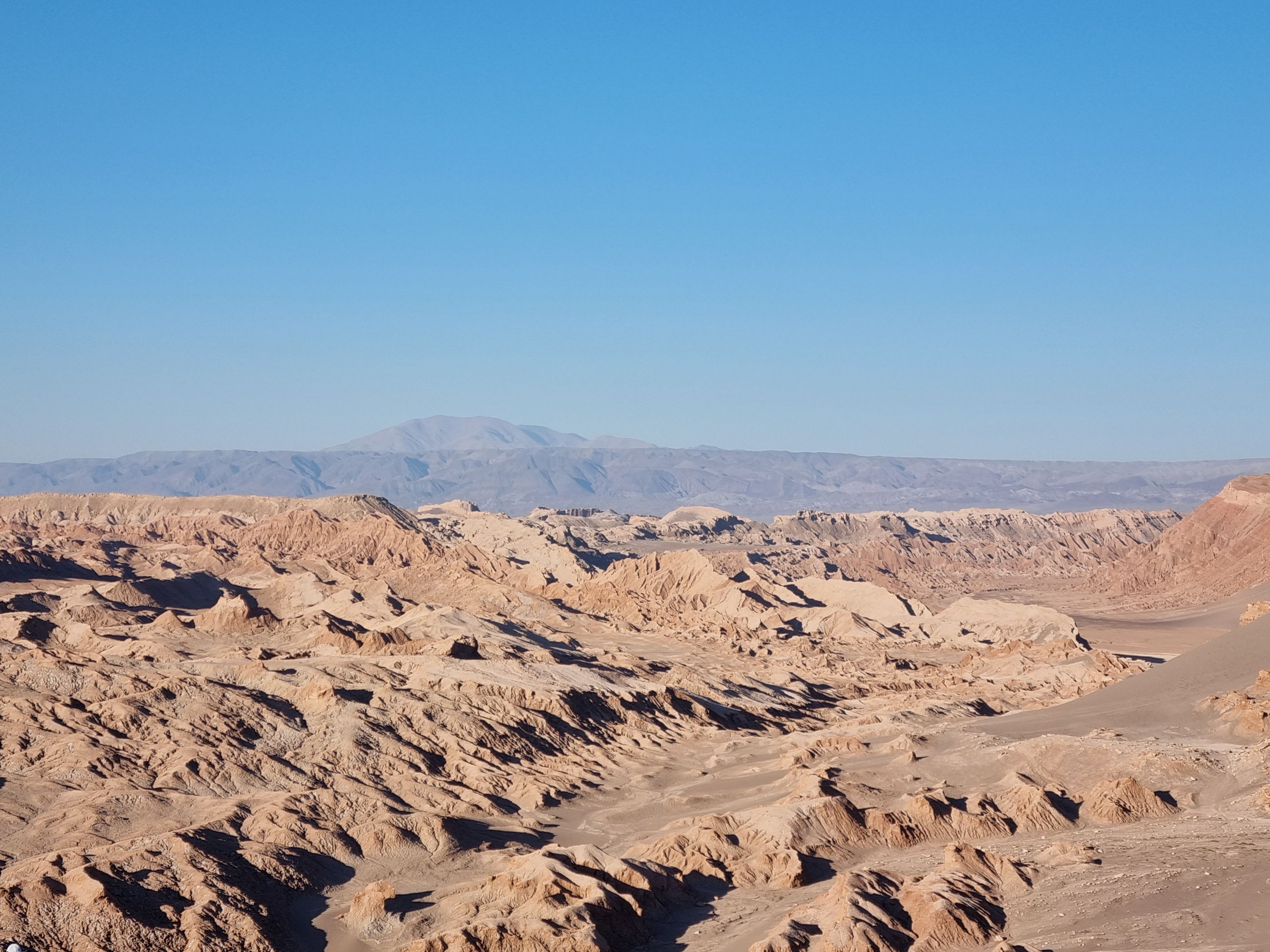
An adobe oasis at 2,400 metres at the northern end of the Salar de Atacama, and the base for almost everything a visitor reaches in the…
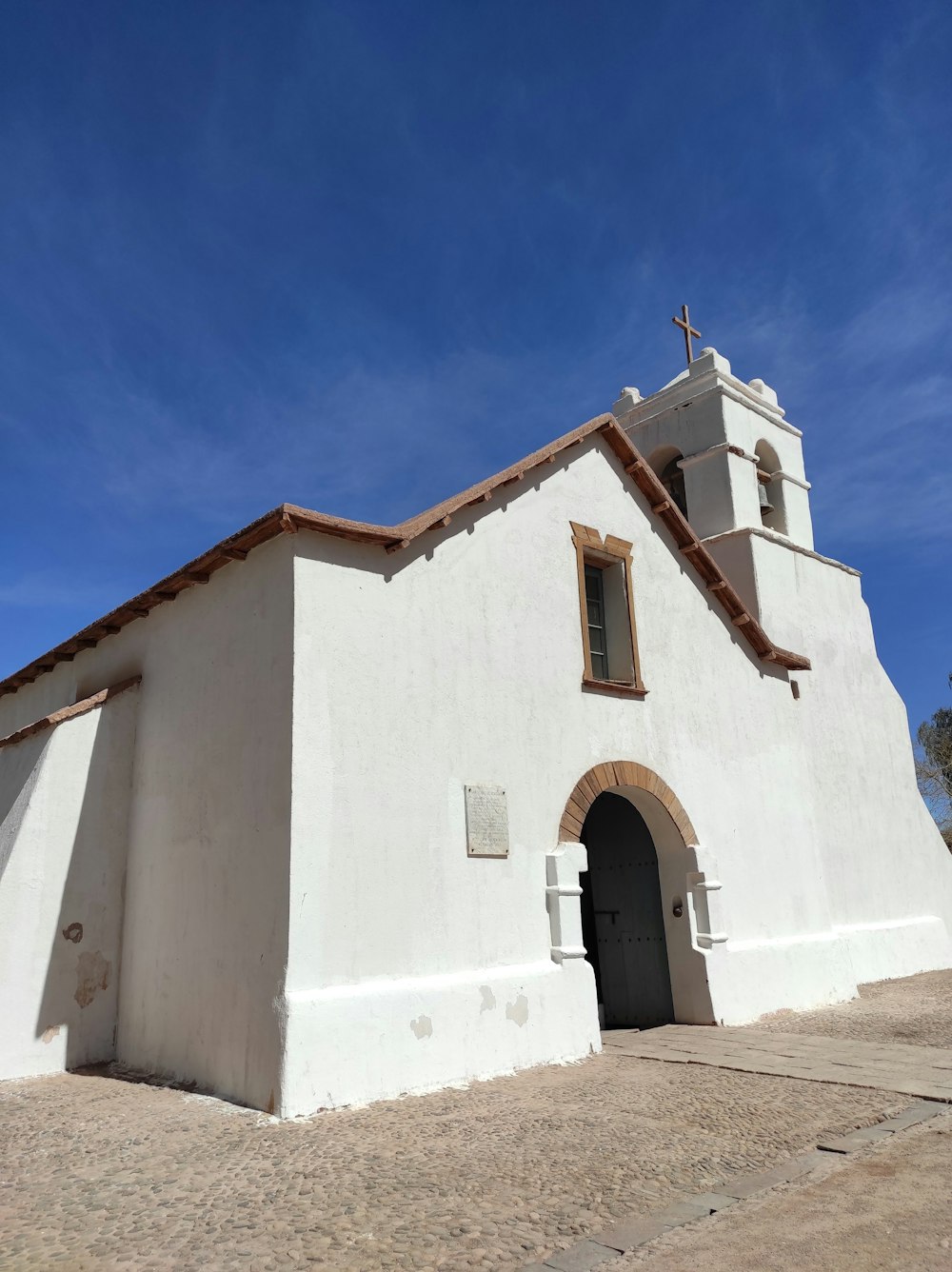
A whitewashed adobe church on the plaza, its roof built from cactus wood lashed with leather thongs and its present shape dating from the…
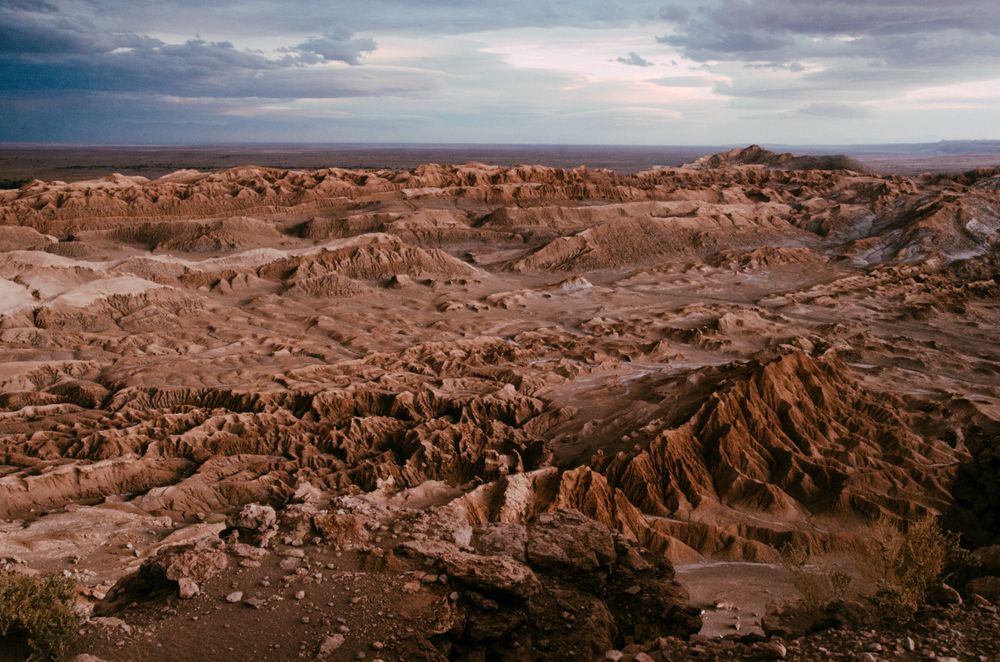
A few kilometres west of the plaza, the Cordillera de la Sal breaks into rust coloured ridges and a steep sand dune that boarders climb on…