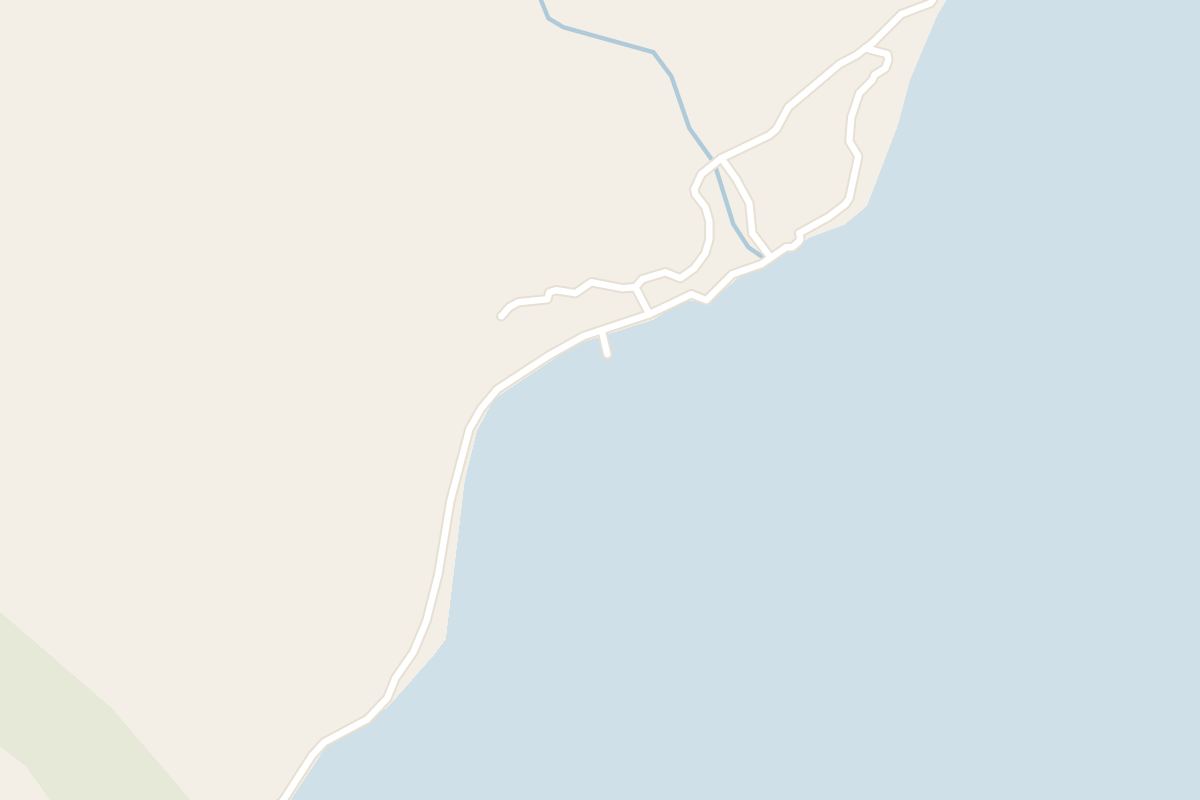
A sinkhole more than 100 metres deep starts a few metres off a Sinai beach, so you can snorkel, freedive or dive its wall without getting on a boat.
Other, Dahab. Meridian Dispatch.
By road, about 8 km north of Dahab. Taxis can be flagged down on the street anywhere in town, and most of the drivers know the way to the site.
Yes. Entry to the site carries an entrance fee, and the government has called for electronic payment systems for those fees to improve transparency and services.
All three. Snorkelling needs no guide or certification, while scuba divers go with a dive centre and breath-hold divers train on the ropes inside the hole. Masks, snorkels and flippers can be rented from the restaurants ashore.
Yes. The Blue Hole lies within the Abu Galum Nature Reserve near Dahab, and the Minister of Local Development has called for an integrated plan to upgrade visitor services while safeguarding its fragile marine ecosystem.
Yes. From the Blue Hole, Ras Abu Galum is reached by a hike, by camel or by water taxi, and from there a truck carries on to the Blue Lagoon. The two can be combined into a day north of Dahab.
Yes, several Bedouin cafes stand at the site, serving tea, coffee, cold drinks, simple food and shisha. They expect a small purchase from anyone using their facilities.
From the shore the Blue Hole is a near-circular pool of deep blue a few metres off the beach. Unlike the Great Blue Hole in Belize, it is not out at sea.
Below the surface a reef wall drops into the deep, rich in marine life. Deep inside the hole, a submerged tunnel called the Arch links it to the open sea.
Further along the coast is the Bells, a crack in the reef that divers use as a shore entry. At 26 metres, at the bottom of the Bells, is a smaller arch, not to be confused with the one inside the hole.
Ropes hang into the hole to different depths, and freedivers use them to practise. Memorial plaques to divers killed here stand at the site, left by their families and friends.
The trip starts in Dahab, by taxi or in a dive centre's transport, since every dive centre includes it in its Blue Hole packages.
Snorkellers wade in from the beach, where the coral reef begins right by the water. Freedivers come for the lack of current and the depth reachable from shore.
Scuba divers usually enter at the Bells, descend there and dive across to the Blue Hole, the dive known as Bells to Blue Hole. For the ride back to Dahab, taxis can be picked up in the parking area on the way out.
Skip the main entry into the hole itself, where most snorkellers go in, and use the side entrance known as the gate. It leads to the outer edges of the hole, where coral and colourful reef fish are more abundant, and a local restaurant owner can show you the way.
At Dahab's dive sites, fish come in to feed in the late afternoon. From December to February the water is cooler, so divers wear a wetsuit.
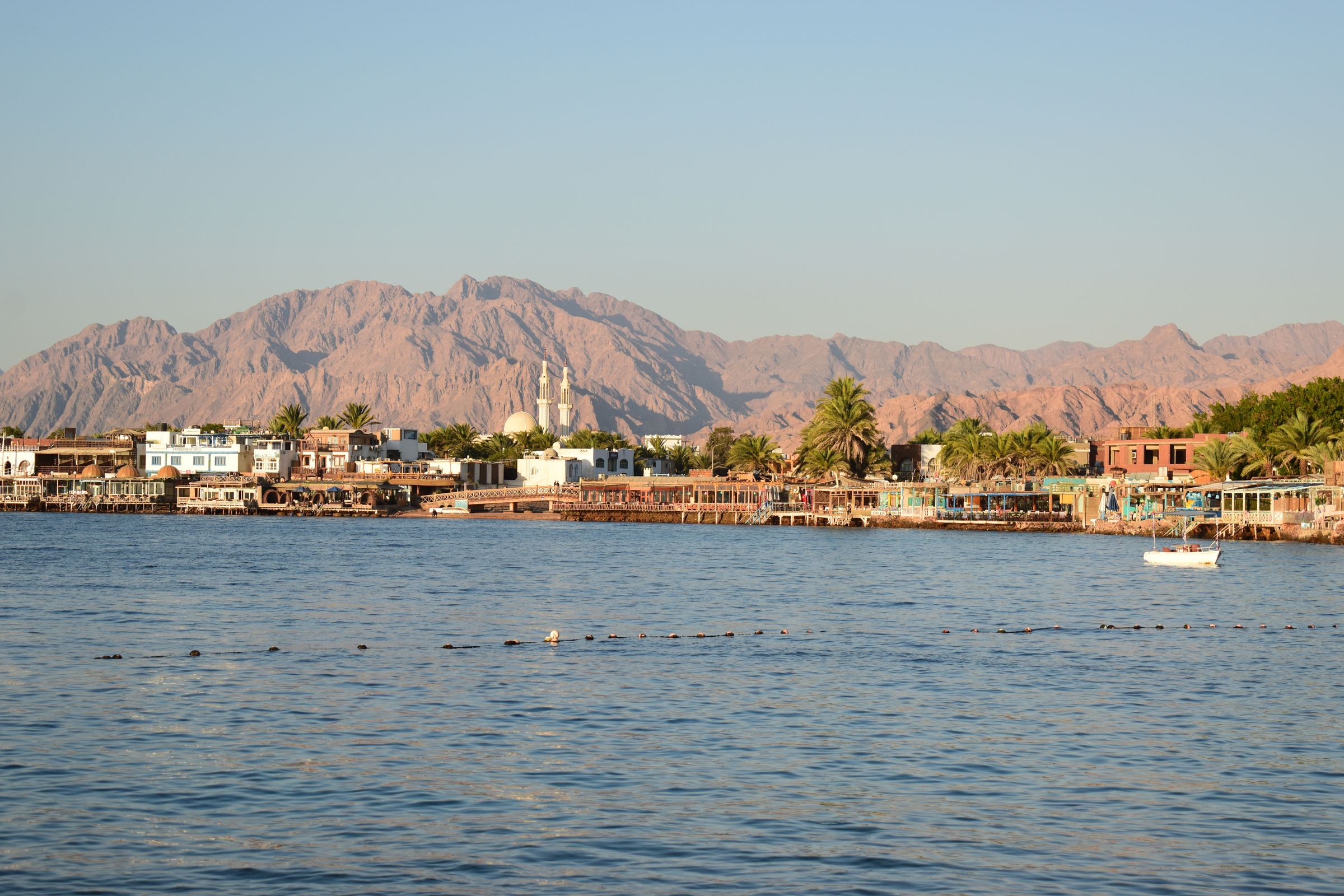
Dahab, Egypt: a low-rise dive and windsurf town on the Gulf of Aqaba. Acacia Dahab Hotel, Ain Khudra and Al Karm Ecolodge.
Read the Dahab guideExplore the rest of Dahab
A low-rise dive and windsurf town on the Gulf of Aqaba, strung along a seafront promenade between the Bedouin village of Assalah and the…
About two hours inland from Dahab, this walled Greek Orthodox monastery was built for the emperor Justinian in the sixth century around the…
A resort city at the southern tip of Sinai, where hotels line a coast whose coral reefs begin a few metres from shore. Two protected areas…

Save Blue Hole to your Egypt trip in the Meridian Dispatch app and build the day around it, with the best of Dahab pinned on one map.
Download on the App StoreLast updated