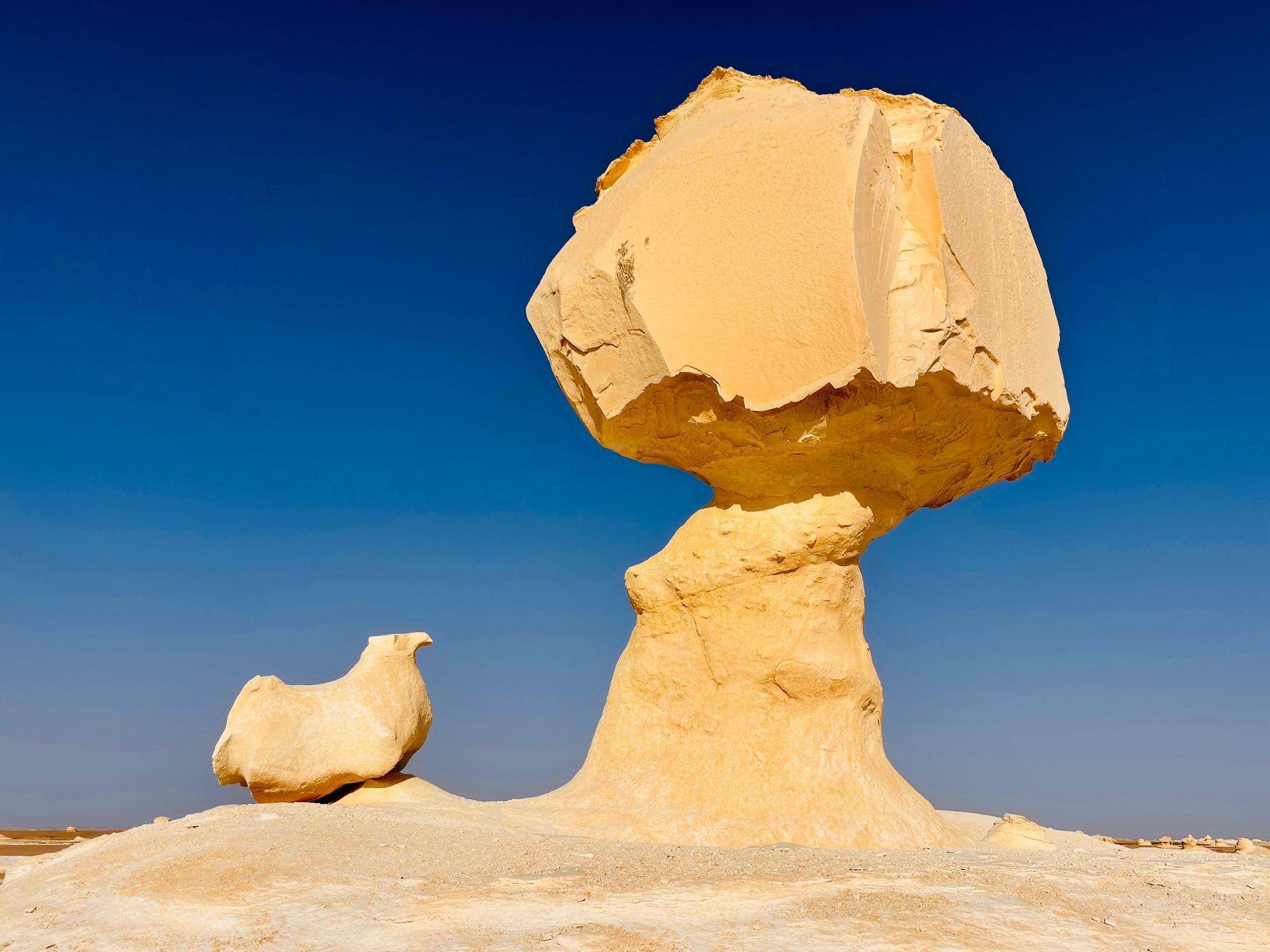
A camp among the chalk towers lets you see them twice, at sunset and again at sunrise. Wind and sand have worn this white rock into mushrooms and animal shapes standing out of the open Sahara.
Park, Farafra. Meridian Dispatch.
Trips start in Bahariya Oasis, around four hours by road from Cairo. There visitors switch to a 4x4 with a local driver for the desert run south to the park, which takes about three hours more.
The standard trip takes two days and one night: out from Bahariya Oasis on the first day, a night camped among the formations, and back to the oasis on the second.
October to March has the most comfortable weather. December and January are usually the coldest months, and desert nights turn cold even after a warm day.
Yes, the park charges an entrance fee. The larger tour companies normally fold it into the trip fee, so most visitors on a tour do not pay it separately at the park.
Wind has carved the park's chalk into hundreds of white shapes. Mushroom Rock, a wide cap perched on a thin stalk, is the best known, and other formations resemble giant ice cream cones or abstract sculpture.
No special permit is needed for a standard tourist trip. Beyond the park, though, army checkpoints may ask for one or for a signed waiver, so visitors should carry a passport or a copy.
What you are looking at is chalk and white limestone, laid down when this whole region lay under an ancient sea. From a distance the white ground reads as snow against the golden sand.
Wind and sand have since worn it into hundreds of shapes. The best known is Mushroom Rock, a cap balanced on a narrow stem: a harder layer of limestone on top shielded the softer chalk beneath while the wind wore the base away. The other two formations on almost every trip are the Chicken and a figure guides call the Sphinx or the Pharaoh.
The same erosion has left towers, fingers and shapes like giant ice cream cones across the park. Look too for a cluster of tent-shaped rocks that locals call the camping ground of the gods. In places the ground is covered in small white chalk nodules, and the larger white areas rise in low ridges.
Crystal Mountain sits at the far northern edge of the park, on the east side of the road. It is a hill glittering with quartz set into its surface, and guides like to stop there in late afternoon, when the western sun catches the crystals.
Most trips start from Bawiti, and the first afternoon is the drive south with stops on the way. The 4x4 crosses the black basalt-topped hills of the Black Desert, pauses at the hot spring in the Valley of El Haize and at Crystal Mountain, then threads the rounded rocks of the Agabat Valley into the park.
Among the formations your guide walks you from rock to rock and asks you to name them. With a little imagination you will find dogs and camels as well as Mushroom Rock, the Chicken and the Sphinx.
Camp is a tent pitched on open desert at one of the park's rest areas, with nothing built around it. While the driver cooks a barbecue dinner, climb one of the nearby mounds for the sunset, then come back to the fire for Bedouin tea.
The night is quiet and the sky fills with stars and the Milky Way. Be up before dawn to watch the sun come up over the chalk. The 4x4 then takes you back north to Bahariya.
Phone signal goes once you leave Bahariya, so download your maps and music before you set off and carry a power bank. Pack warm layers even on a hot day, because the desert turns surprisingly cold after dark.
Fennec and Ruppell's foxes and Dorcas gazelles live in the park, so watch for them on the drive. Campfires use wood the driver brings in, so never burn desert plants, and take every scrap of rubbish out with you. Trips over Christmas and Easter fill first, so book those dates well ahead.
Farafra, and further afield
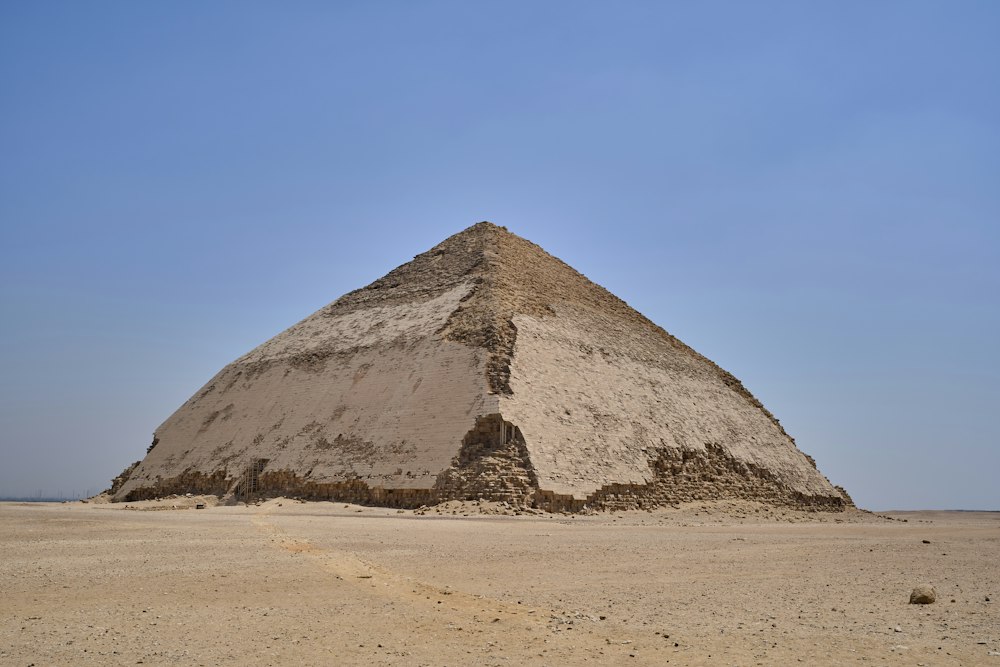
Of the two Dahshur interiors, the Bent Pyramid's long, steep passage is the harder. It was the first attempt at a smooth-sided pyramid.…
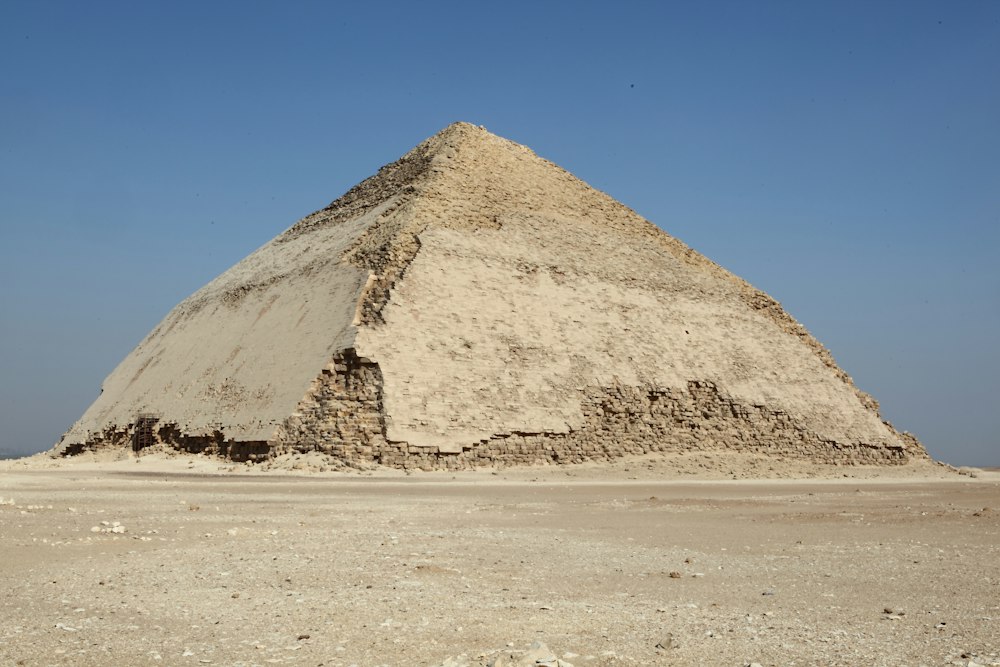
Dahshur's Bent and Red pyramids share one ticketed site south of Giza, a short drive apart, and about two hours covers both with time…
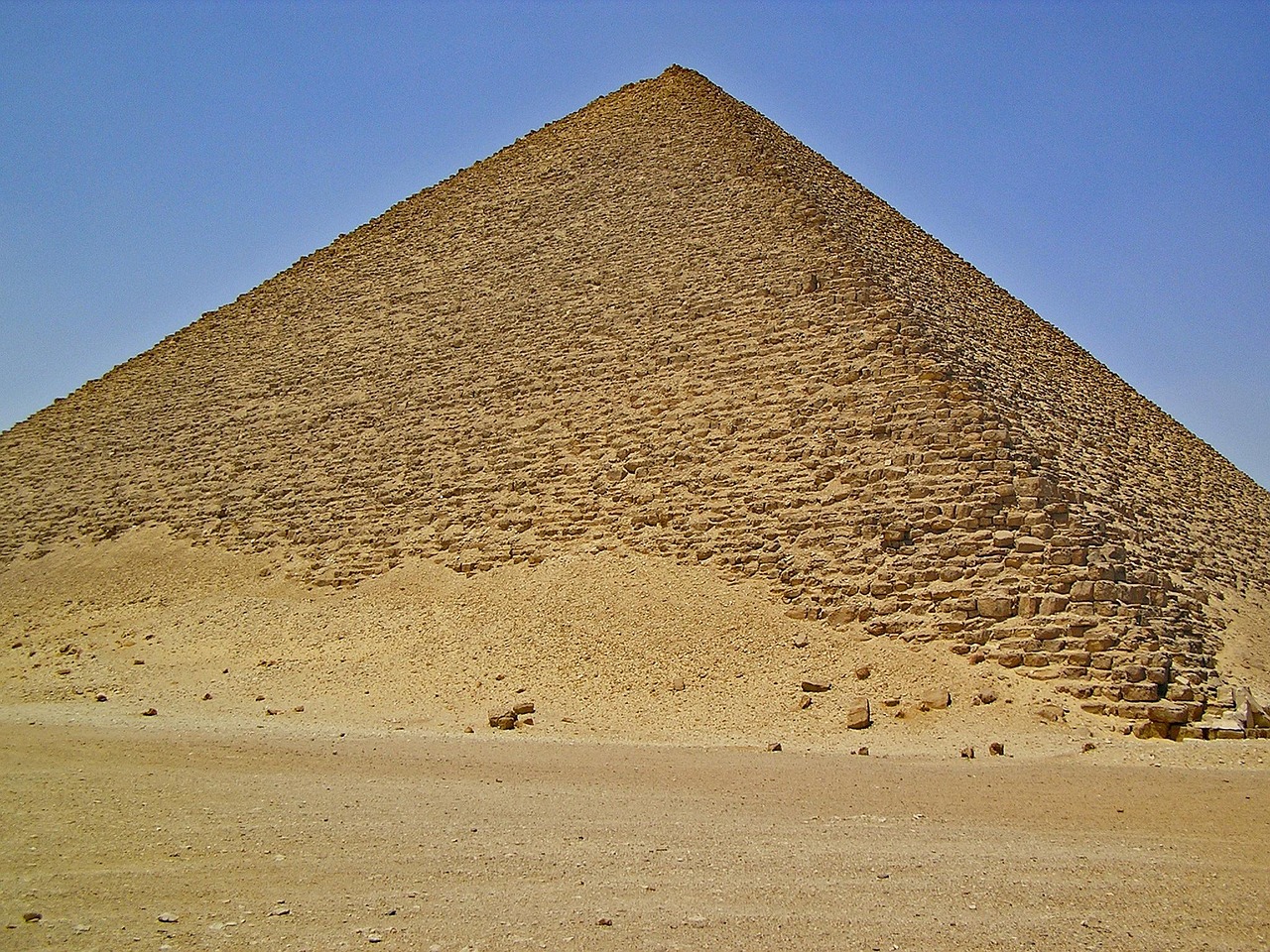
The way into the Red Pyramid is a crouch down a long, low tunnel. The chambers at the bottom are hot, and the passage back up is just as…
Remote even by Western Desert standards, this oasis village of mud-brick lanes and walled palm gardens sits about 180 km south of Bahariya.…
A belt of palm groves, hot springs and villages sunk in a desert depression about 370 km south-west of Cairo, the closest of the Western…
A mud town of salt and palm deep in the Western Desert near the Libyan border, built around springs, date groves and a ring of salt lakes…
A broad green basin in the Western Desert, watered by a Nile canal and edged by a salt lake that lies 43 metres below sea level, with…
The Black Pyramid at Dahshur was built for Amenemhat III in the Middle Kingdom. Despite the erosion of its stones, it still stands, in poor…

Save White Desert National Park to your Egypt trip in the Meridian Dispatch app and build the day around it, with the best of Farafra pinned on one map.
Download on the App StoreLast updated