 Submit a photo
Ninety seconds on Pyramid of Djoser
A shaft 28 metres deep drops through the middle of the pyramid, and from the end of the walk inside you can look down it to the king's burial vault.
The long wall round the complex is niched like the panelled front of a palace. Fourteen of the larger towers along it carry false double doors, carved doors that do not open, meant for the king's use in the afterlife.
Beyond the wall, 40 limestone columns stand in pairs along the entrance passage. Look up at the stone ceiling, whose blocks are carved to look like palm trunks.
The South Court and the Heb-Sed court were built for the Heb-Sed, a ceremony to renew the king's power, which he would go on performing after death. Many of the chapels along the east and west sides of the Heb-Sed court are dummy buildings.
The pyramid's underground passages are limestone inlaid with faience, blue glazed tiles laid to copy reed matting. The South Tomb, a second, symbolic tomb for Djoser at one end of the complex, has the same blue tiles on its passage walls. One of its passages holds three false doors topped with reliefs of the king at the Heb-Sed.
The repaired outer face and the restored steps at the southern and eastern entrances come from a restoration that reopened the pyramid in March 2020.
Enter by the only real doorway, at the wall's south-east corner, into the columned passage. The courts lie in front of the pyramid: the South Court, and beside it the Heb-Sed court, a sunken courtyard with a raised stone platform.
Find the serdab, a small sealed stone room against the pyramid, and look for the two small eye holes cut in its north wall, made so the king could watch the ceremonies.
Finish inside the pyramid, which takes a ticket of its own; a couple of wide stairs lead down to its entrance.
Personal photography is free and needs no permit anywhere on the site, so bring your camera. Switch the flash off before you go into the pyramid, because flash is not allowed indoors.
If you are asked for an extra entry fee at the pyramid, decline it.
Explore the rest of Giza
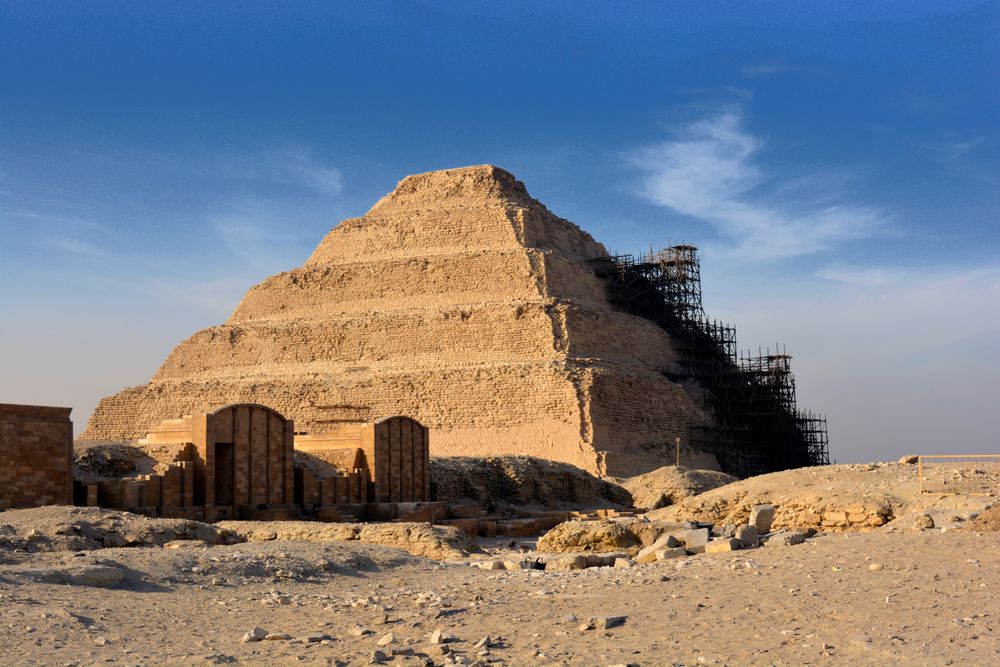
Hire a car and driver for the day from Giza, often arranged by your hotel, because no public transport reaches Saqqara and a ride-hail car…
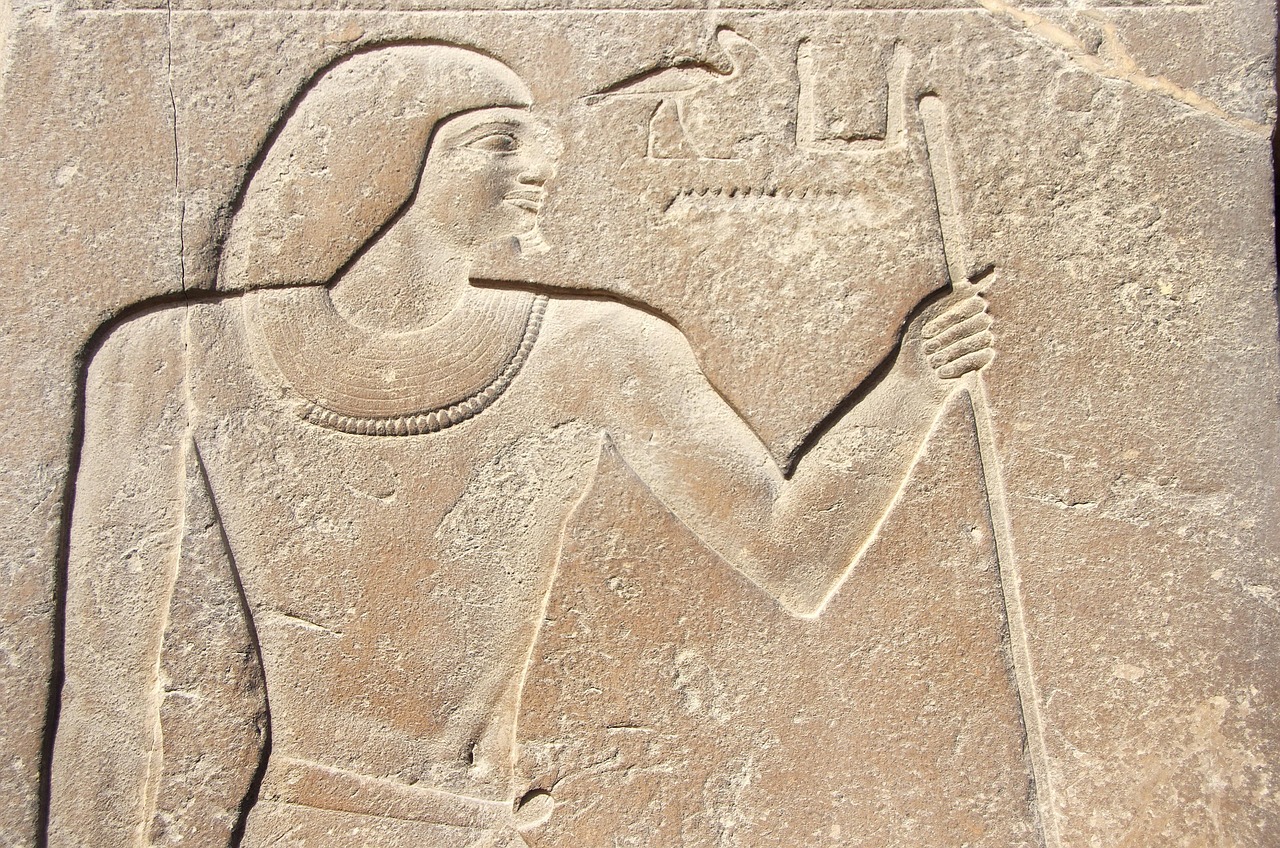
An Old Kingdom tomb at Saqqara, built for Kagemni. Several of its chambers are carved and painted with scenes of daily life.
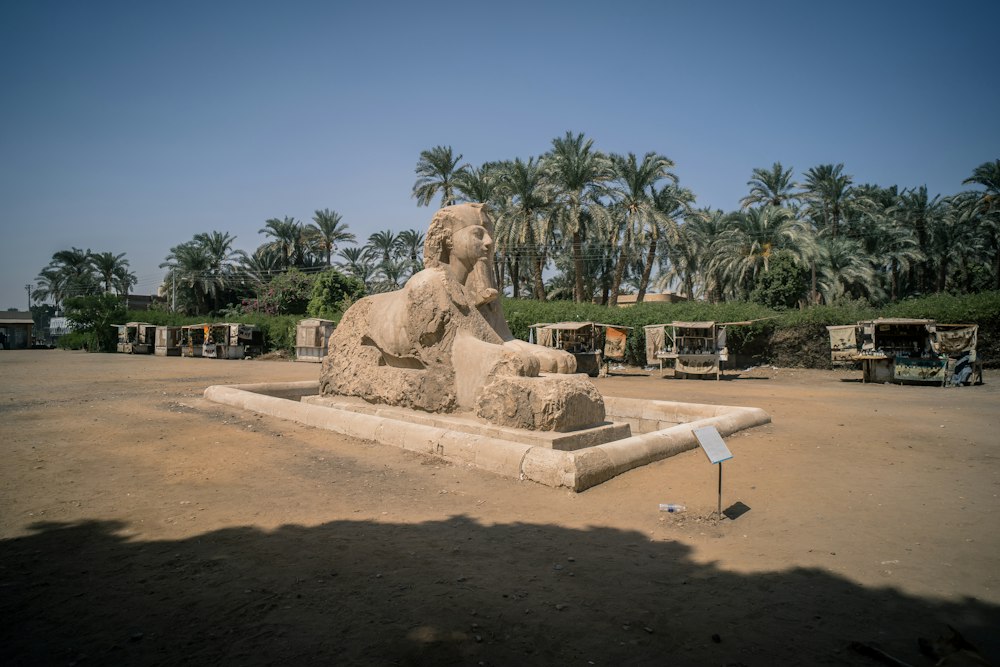
Near Mit Rahina, just south of Giza, the remains of ancient Memphis are shown around a limestone colossus of Ramesses II, about 10 metres…
The official pages this guide was checked against.
Last updated