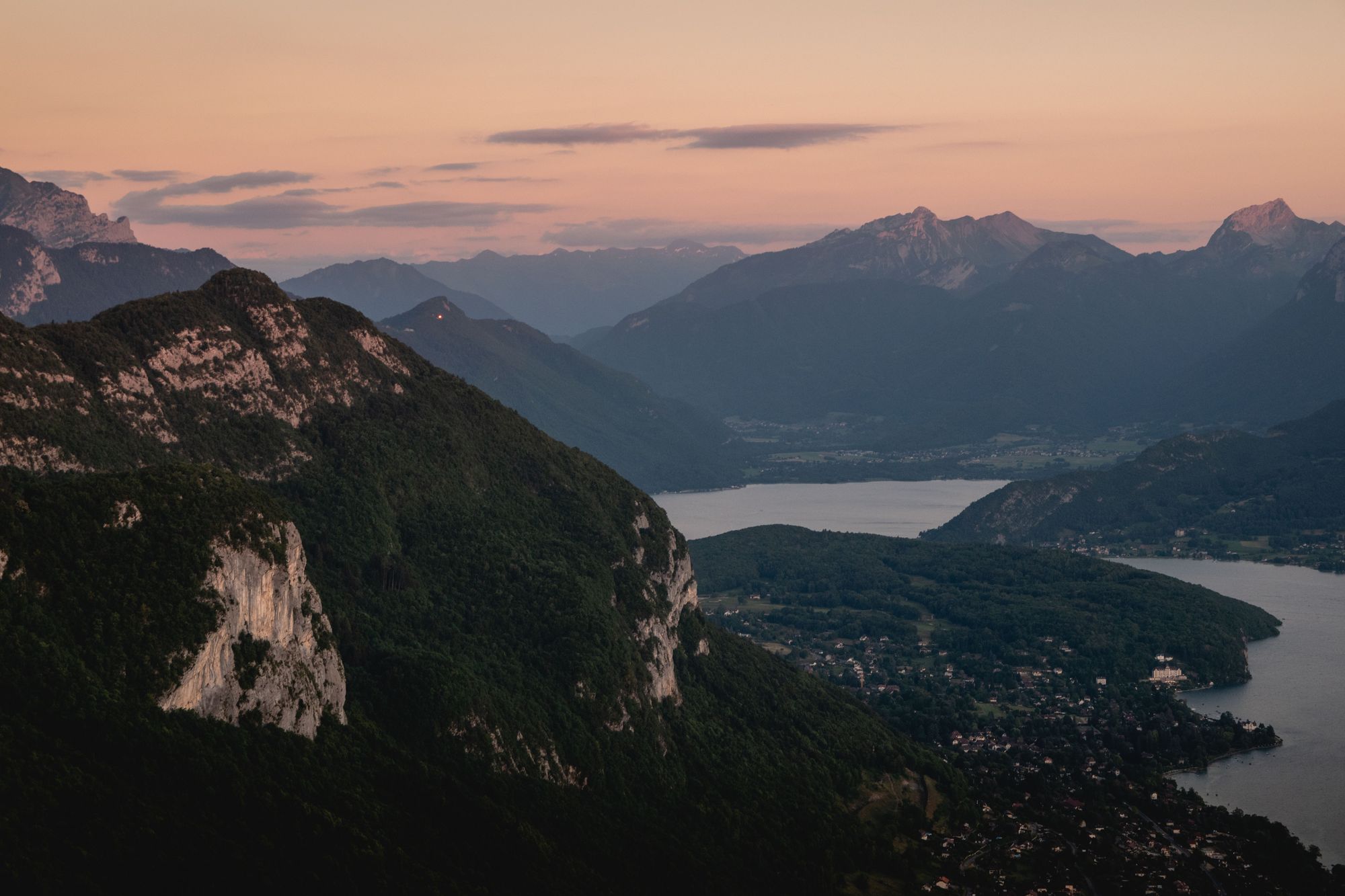
Ninety seconds on Réserve naturelle nationale du Bout du Lac d'Annecy
Two rivers run into Lake Annecy through this wetland at Doussard, and a flat boardwalk takes you through its reedbeds and wet woods to a medieval tower you can climb for the view back up the lake.
The Ire spreads into a delta here as it reaches the lake, which is rare on an alpine lake. Wet woods, reedbeds, wet meadows and an alkaline peat bog lie side by side around it.
The reedbed is the thing to look at. On the big alpine lakes, building along the shore has cost reedbeds 90 percent of their area. Here you can see herons, coots and grebes in the reeds, and reed buntings and reed warblers live there.
Look out on the lake side for a line of close-set stakes. They shield the reeds from floating debris. Below the surface, out of sight from the path, a bed of water plants feeds the fish and the small creatures they eat.
In the meadows, look for protected flowers, among them the marsh gentian and a sweet-scented orchid. Beavers live on the rivers and the lake, brought back here in 1972 after they had almost vanished from France.
Marais d'Enfer signs lead you from the car park onto the reserve path. Walk out to the loop, go round it in either direction, and come back to the car the way you went out.
Stay on the boards the whole way: they let small animals move about underneath and keep walkers off the plants. The path follows the bends of the Eau Morte to a platform with a small beaver statue, and a wooden swing bridge on the way is the part children run back and forth on.
Panels along the path explain the wildlife, and they are designed for visitors with poor sight as well. Past the beaver platform, a branch on the left leads down to the beach.
The Beauvivier tower, said to date from about 1305, is all that remains of a fortified house and is now a two-storey observatory. A metal staircase takes you to the top, with the lake on one side and the reedbed below.
Beavers feed at night, so by day you see their work, not the animals: gnawed trunks and stripped bark by the water. The heaps of wood and fallen trees in the riverbeds are driftwood, not lodges.
Bring water and use a toilet before you set out, because the reserve has neither. If the small car park is full, the Douss'plage beach car park also leads into the reserve, with a charge from May to September.
Spring is when grebes nest in the reeds, and sections of path can close while birds nest, so keep to any barrier you find. Summer brings crowds of walkers, and winter is the quietest season on the path.
Explore the rest of Annecy
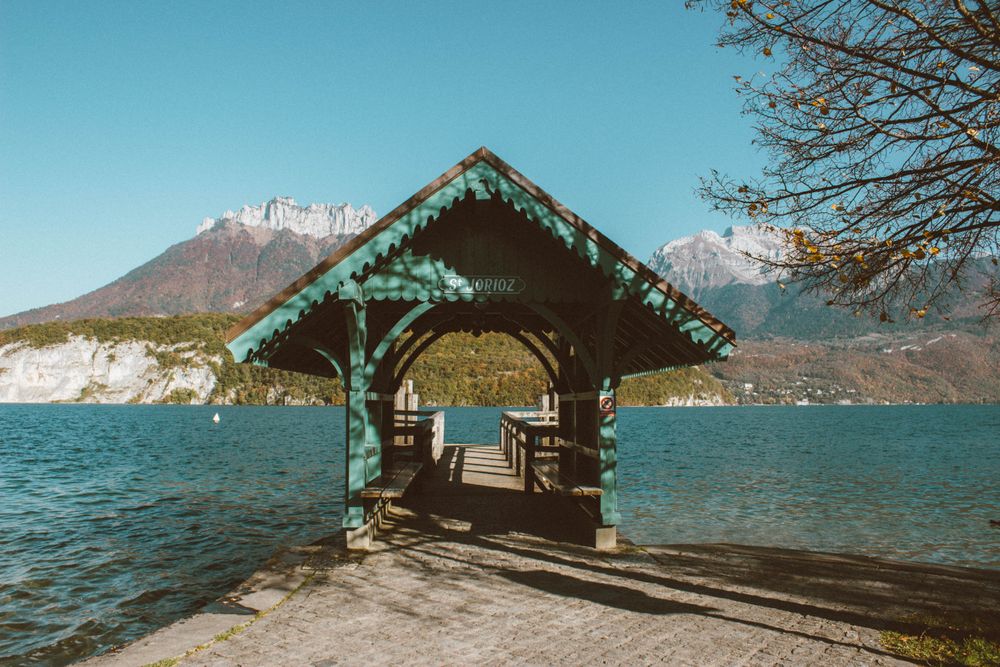
Closed to motor traffic, this paved path follows the bed of the old Albertville railway down the western shore of Lac d'Annecy, through…
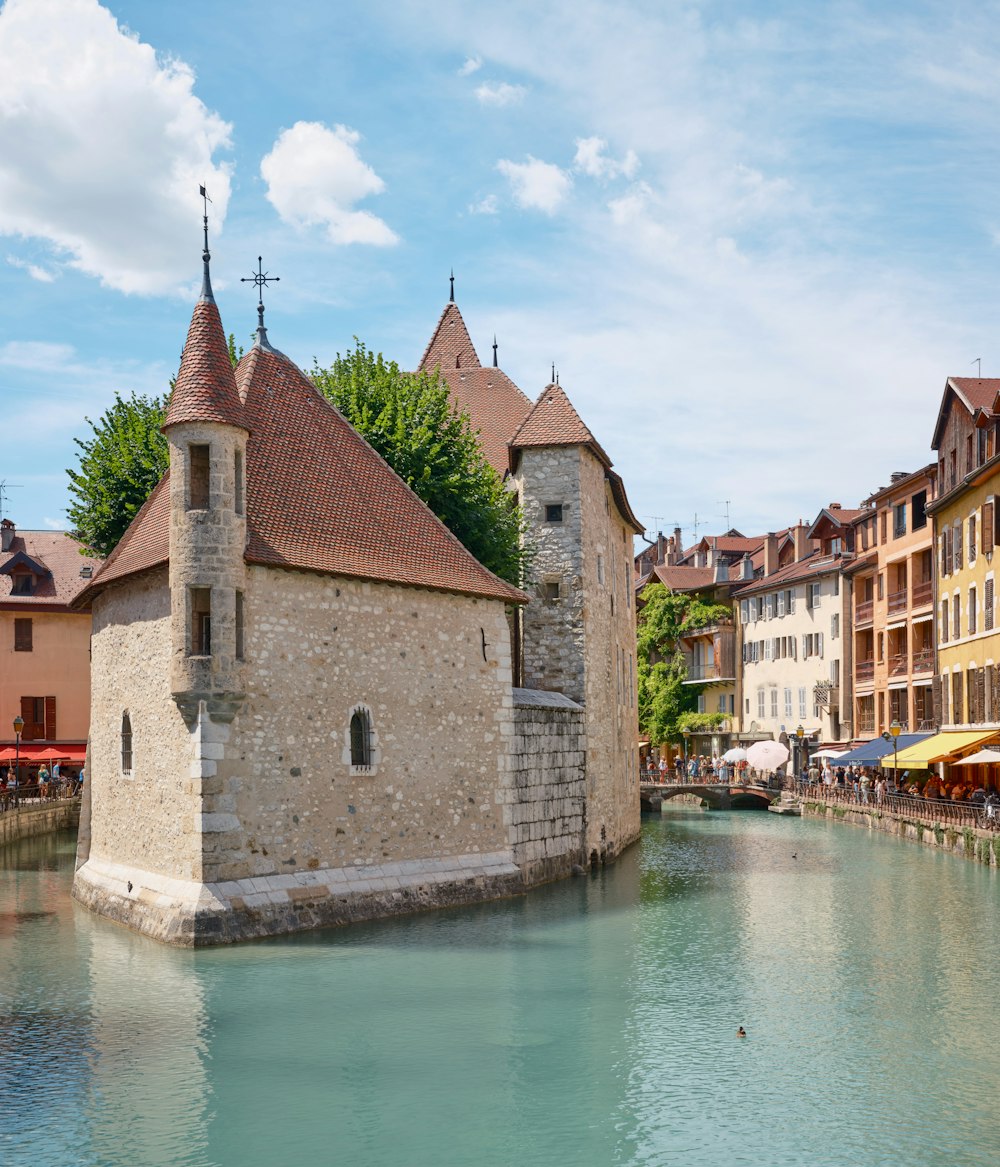
A long, deep lake ringed by mountains, with water clear enough to see the bottom near the shore. A free grassy beach sits a short walk from…
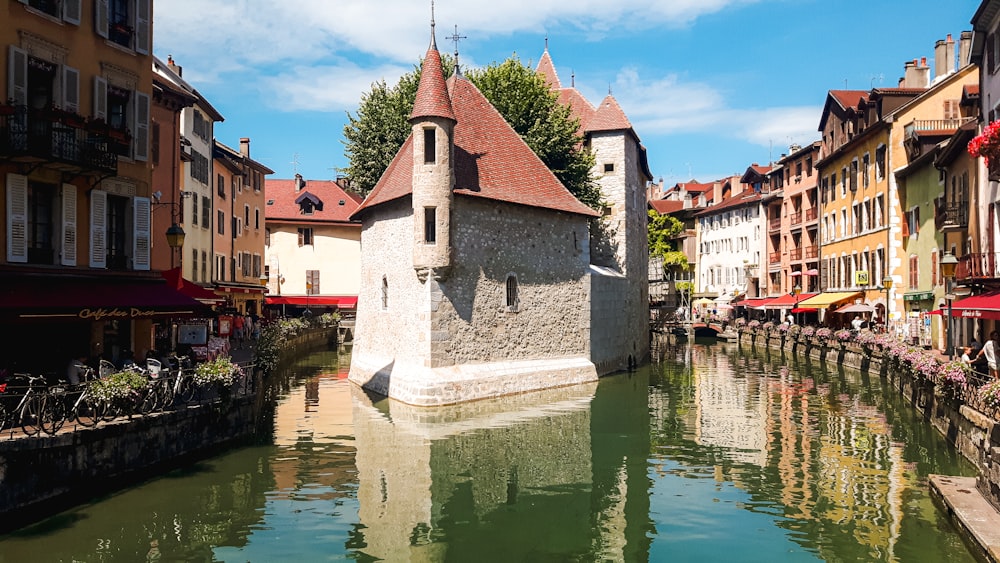
Home of the Counts of Geneva and later the Dukes of Genevois-Nemours, the castle was abandoned as a residence in the 17th century after…