Give Paris four nights, then take a fast train to one region: the Riviera, Alsace, the Alps or the Breton coast.
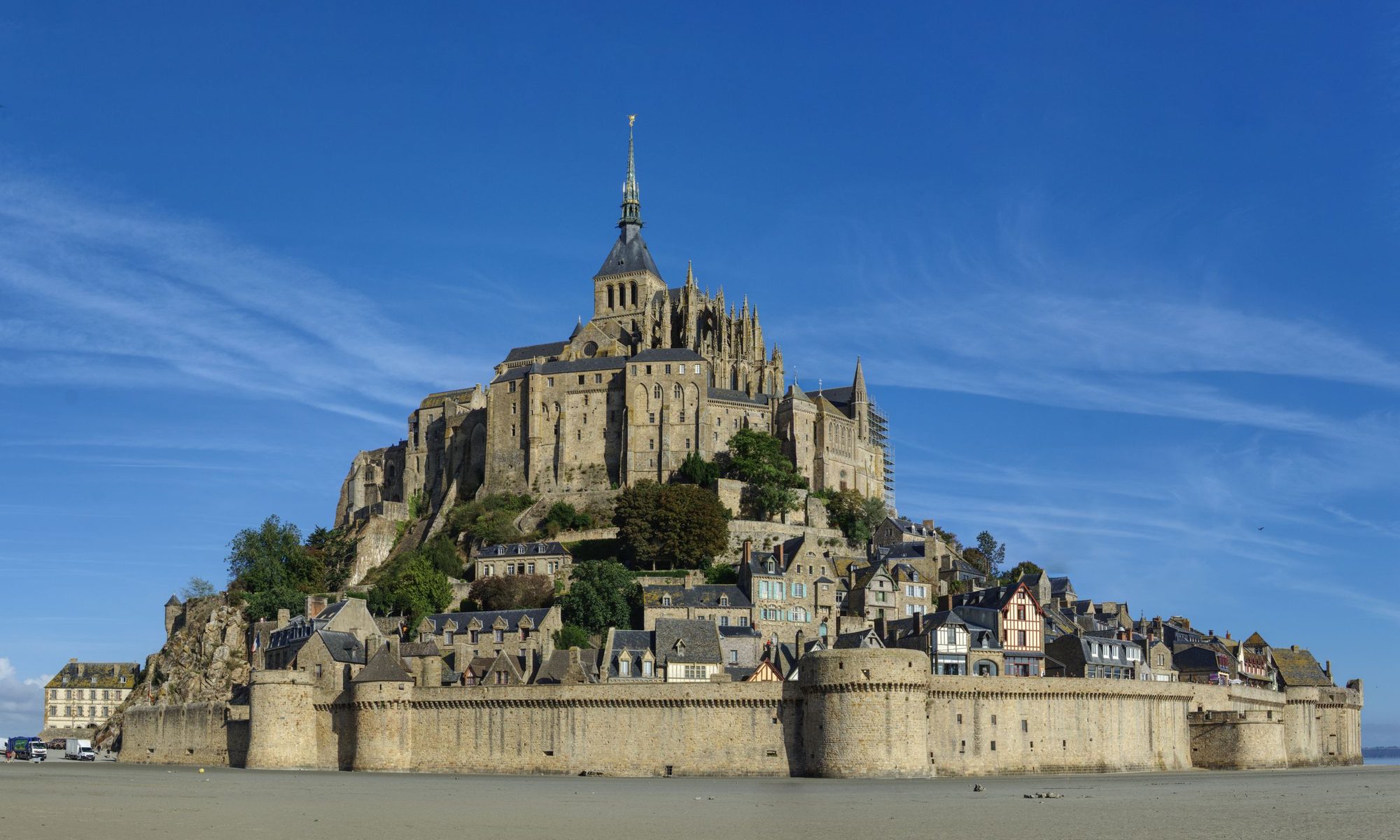
A week covers Paris and one region, with four or five nights in the capital and the rest in Lyon, Alsace, Provence or the Riviera. Ten days allows two regions, linked by the high-speed network or a short internal flight. Mont-Saint-Michel and Saint-Malo pair naturally and take two nights together: Saint-Malo has direct trains from Paris, and the mount is reached by bus from Rennes.
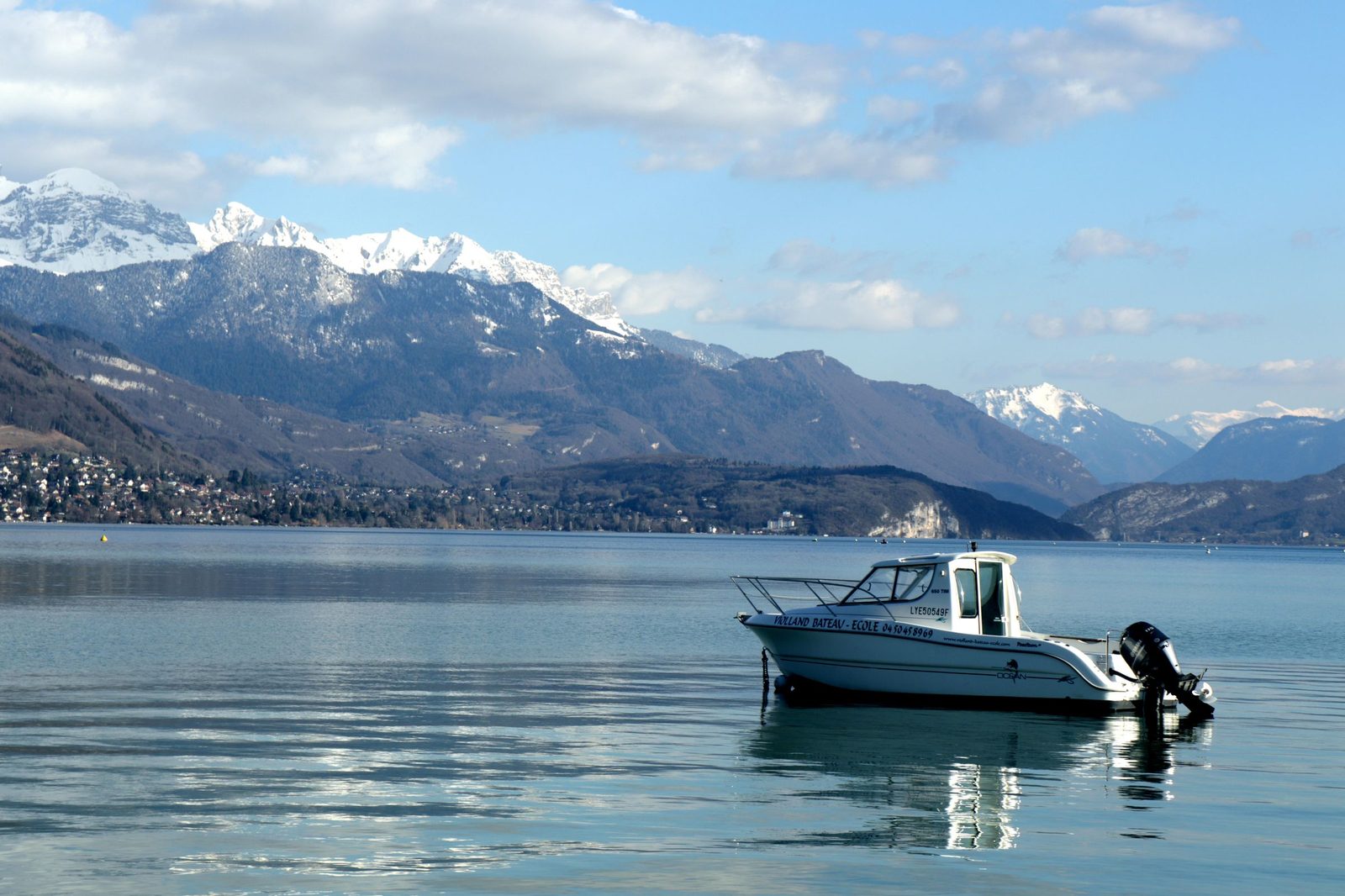
Not for the cities. High-speed TGV trains run from Paris to Lyon, Bordeaux and Strasbourg in about two hours and to Marseille in a little over three, and each city has trams or a metro. A car is worth having for the Alsace wine villages, around Avignon for the Pont du Gard and around Lake Annecy, and most motorways carry tolls paid by card at the barrier.
May, June and September give long days and open terraces without the July and August peak, when the French school holidays fill the coast and the Alps. Paris thins out in August, and some small restaurants close for part of the month. December brings the Christmas markets of Strasbourg and Colmar and the Fête des Lumières in Lyon, held over four nights around 8 December.
French is the language, and English is routine in Paris hotels, museums and the main sights, at the airports and on the TGV. It thins out in small towns, markets and family restaurants away from the big cities. A greeting matters more than fluency: bonjour on entering a shop or a bakery, and bonsoir after dark, is expected before any request.
The euro. Cards are taken almost everywhere and contactless payment is standard, including at most bakeries and many market stalls, though some small traders set a minimum or prefer cash. A service charge is included in restaurant bills by law, so a tip is a small extra for good service and never an obligation.
Paris Charles de Gaulle handled about 72 million passengers in 2025, and Orly is the second Paris airport. CDG has its own TGV station at Terminal 2, with direct trains to Lyon, Marseille, Bordeaux and Strasbourg. Nice, Lyon and Marseille take direct international flights for the south, Colmar is closest to EuroAirport Basel-Mulhouse, and the Eurostar reaches Paris from London in about two and a quarter hours.
Ninety seconds on the country
Give France a week and you can have Paris and one region, by fast train. Strasbourg, Lyon and Bordeaux are each two hours or so from the capital, Marseille a little more than three, and none of them needs a car once you arrive.
Each regional city is a base of its own. Lyon is the food city where two rivers meet, Bordeaux the wine port on a bend of the Garonne, and Strasbourg and Colmar the half-timbered towns of Alsace, close to the German border.
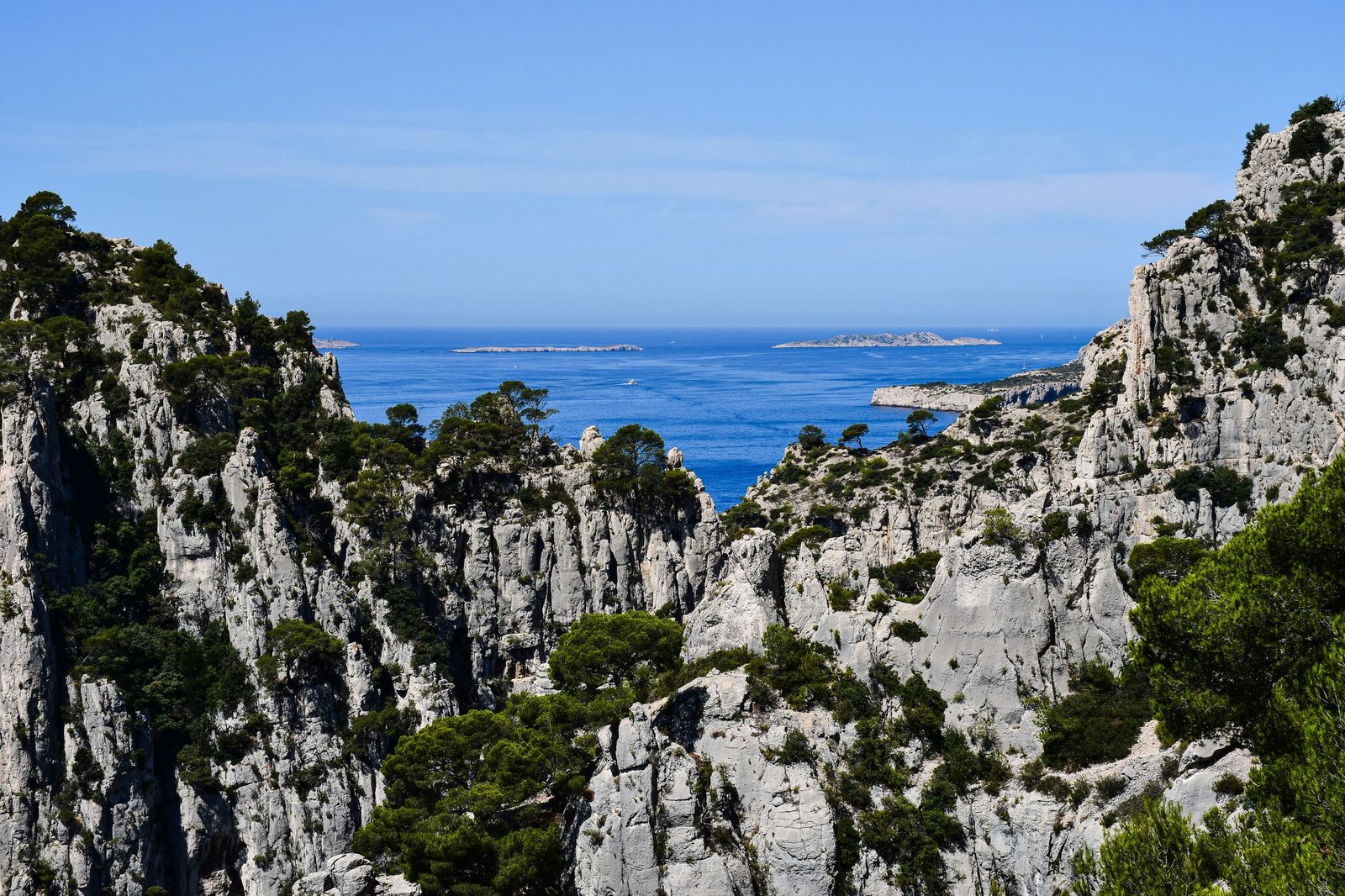
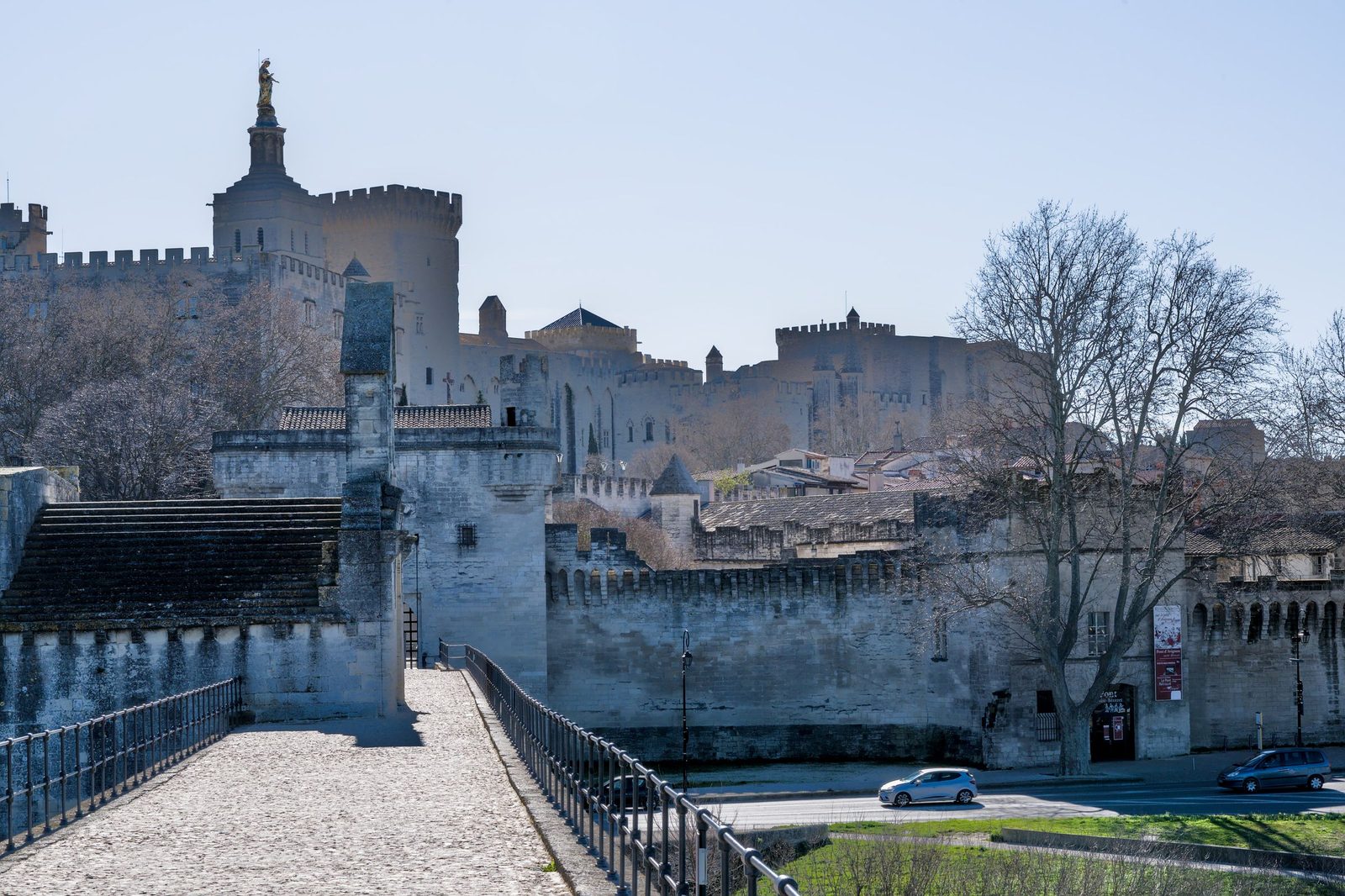
The south splits three ways. Marseille is a working port with the Calanques on its doorstep, Nice the Riviera city with a pebble beach below its promenade, and Avignon the walled papal town on the Rhône, a short drive from the Pont du Gard.
Two corners are worth the longer trip. Annecy sits at the head of an Alpine lake clean enough to swim in, and in the northwest Saint-Malo and Mont-Saint-Michel share a bay whose tides are among the strongest in Europe: come at low water to walk out to the islands.
Pick how you want to travel. The towns, the things to do and the map all change with it.
In Paris the Louvre, the Orsay and Notre-Dame are within a walk of each other along the Seine. Book the big museums for a timed entry and go at opening; the queues build by mid morning.
Each regional city has its own headline sight. Lyon has its Renaissance quarter and Roman theatres, Avignon the papal palace, Strasbourg its cathedral, Colmar its streets of painted houses, and Bordeaux a riverfront of pale stone. Mont-Saint-Michel has its abbey on a tidal island, Marseille the basilica above its port, and Nice the Matisse and Chagall museums on the hill of Cimiez.
Annecy is the base for the outdoors. The lake is clear enough to swim in from June, the Fier gorge runs on a walkway just west of town, and the Semnoz ridge above it looks to Mont Blanc on a clear day.
Every other city has a great park worth an afternoon. Paris has the Tuileries, the Luxembourg and the cliffs of the Buttes-Chaumont, Lyon the lake in the Parc de la Tête d’Or, and Strasbourg the Orangerie. Avignon’s Rocher des Doms looks down on the Rhône, and Bordeaux has its Jardin public.
Marseille is the base for the Mediterranean. The Calanques run east of the city as white limestone inlets, and the ferry from the Vieux-Port reaches the Frioul islands in under half an hour. In summer some inlets close on high fire-risk days, so check before you set out.
Nice has a promenade along the whole bay, with a pebble beach below it and the old port beyond the castle hill. In the northwest the coast is tidal: at Saint-Malo you can walk to the Grand Bé at low water, and the bay at Mont-Saint-Michel empties for kilometres. Read the tide tables, because the sea comes back fast.
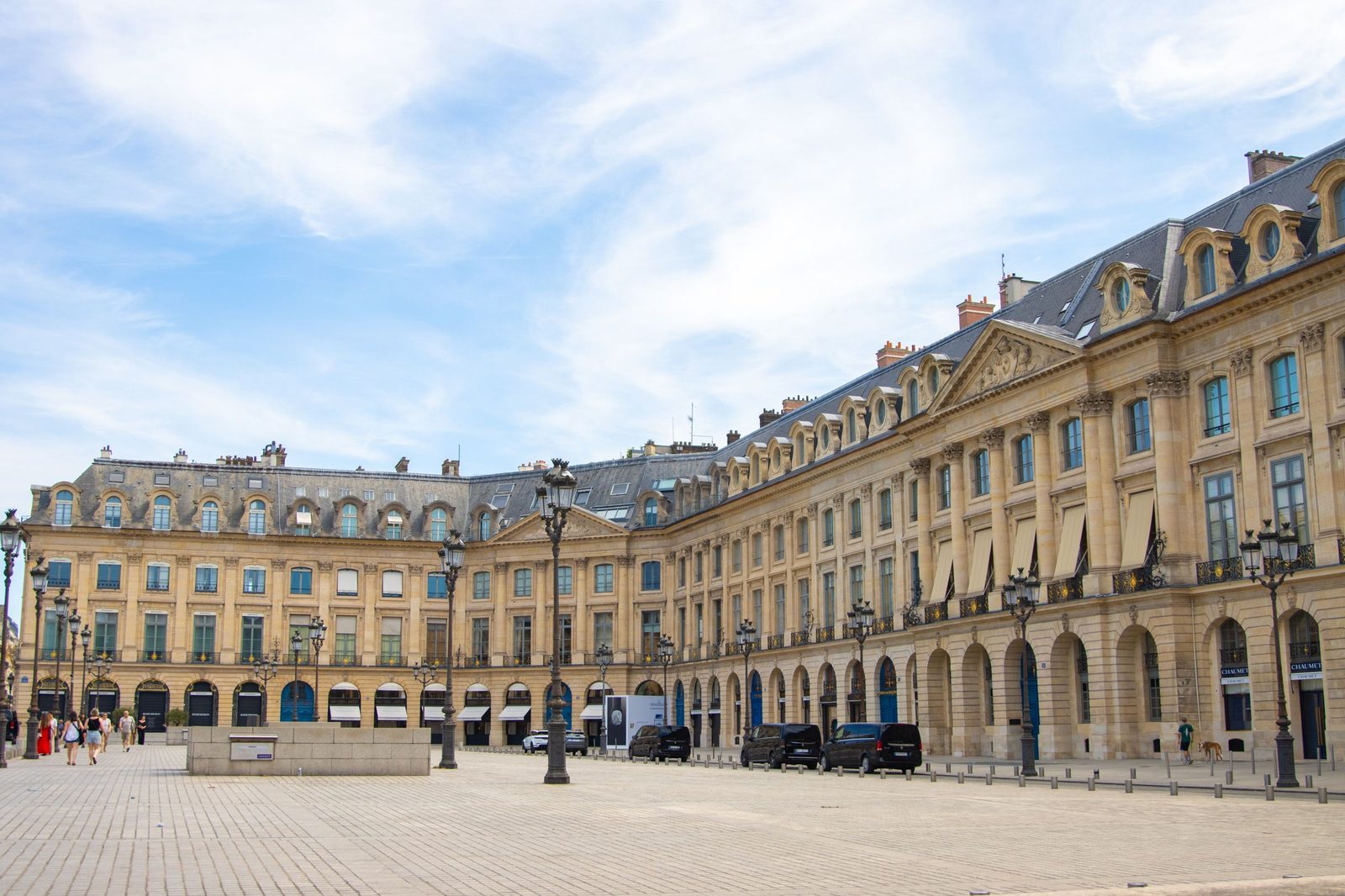
The palace hotels are all in Paris, each on a famous address. The Ritz faces the Place Vendôme, Le Meurice the Tuileries, and Le Bristol sits on the Rue du Faubourg Saint-Honoré among the fashion houses.
The Plaza Athénée is on the Avenue Montaigne, a few minutes from the Seine. For the same city at a smaller scale, the Hôtel des Grands Boulevards has a rooftop and a courtyard in the second arrondissement. Book the palaces well ahead for spring and the fashion weeks.
Last updated
The places on this page are in the app, each with a verdict: why to go, how far from your hotel, how long to stay. Forward your confirmations and the days fill themselves in.