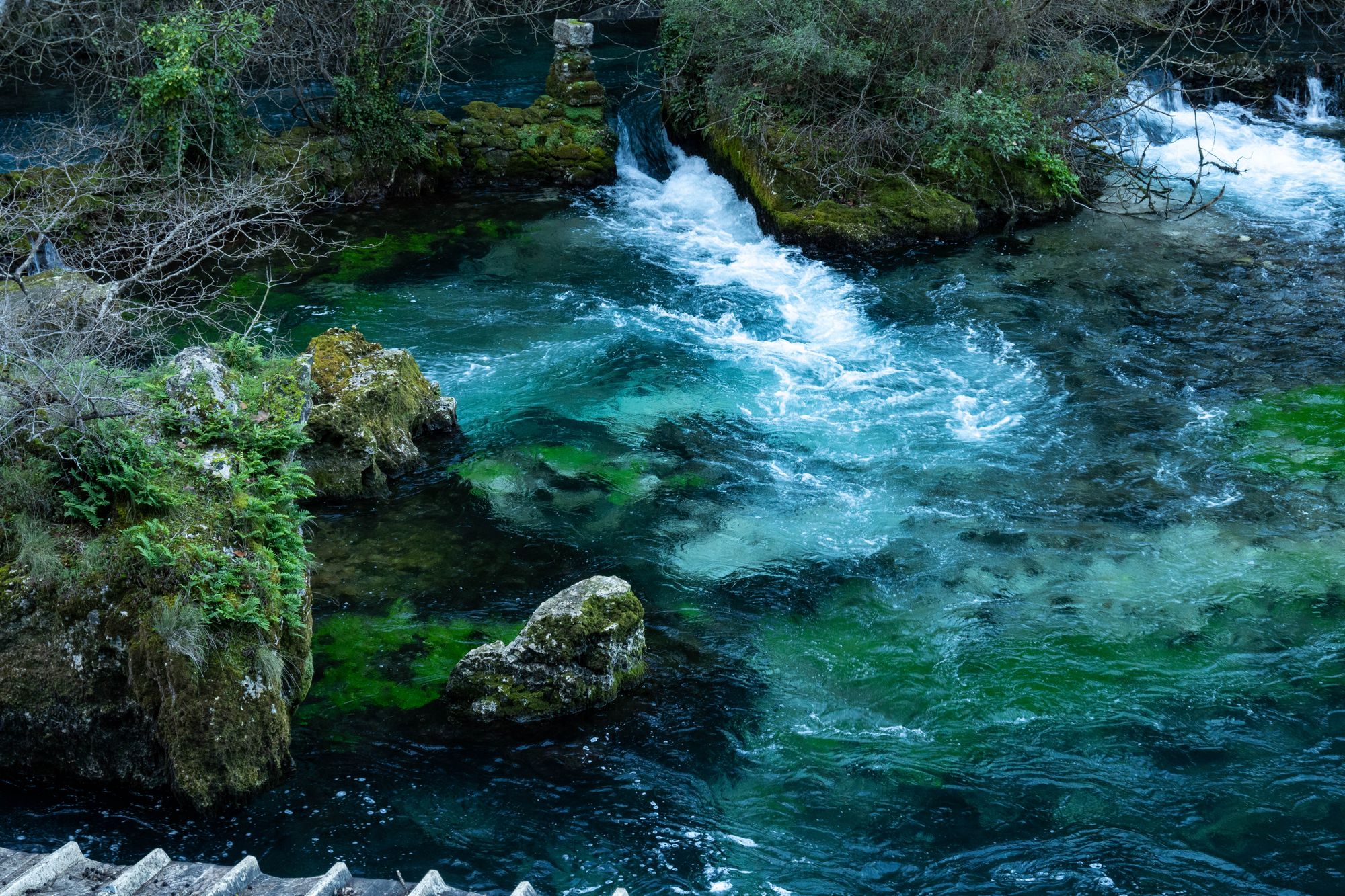
Ninety seconds on Fontaine de Vaucluse
The biggest spring in France rises below a cliff over 200 metres high, and you can follow its green river from the village up to a viewing point. The cave itself is now closed, so you watch from behind a barrier.
The pool is the open-air outlet of a huge underground river, and where that river gathers inside the rock is still hard to trace. Here it surfaces and becomes the Sorgue.
The chasm is about 315 metres deep, more than the cliff above it is tall. Jacques Cousteau's team dived here in 1946, and a cable-guided vehicle later reached 308 metres.
What you see changes with the rain. In summer the pool lies calm and clear, while in spring and autumn it boils up and spills down the valley. The green of the water comes from an aquatic plant, the lesser water parsnip.
The same river runs past the paper mill below the path. The mill still makes paper from rag, as it did in the 15th century.
Start in the village and follow the Chemin de la Fontaine upstream, with shops on one side and the Sorgue on the other. Stop at the paper mill on the way, which is worth the detour.
The path ends at an observation point behind a safety barrier, about 50 metres short of the chasm, which is as close as you can now go. Take in the cliff and the river from there, then walk back down the same path.
Back in the village, the Petrarch museum holds drawings, prints and old editions of the poet's work. Allow about two hours for the walk, the mill and the museum together.
July and August are the peak months, when the village is at its most crowded, so come on a weekday in spring or autumn if your dates allow. The surge usually comes in March and lasts about five weeks, and from May the pool can sit very low, so March or April gives you the most water.
Swimming in the pool is banned. Stay on the path and behind the barrier.
Explore the rest of Avignon
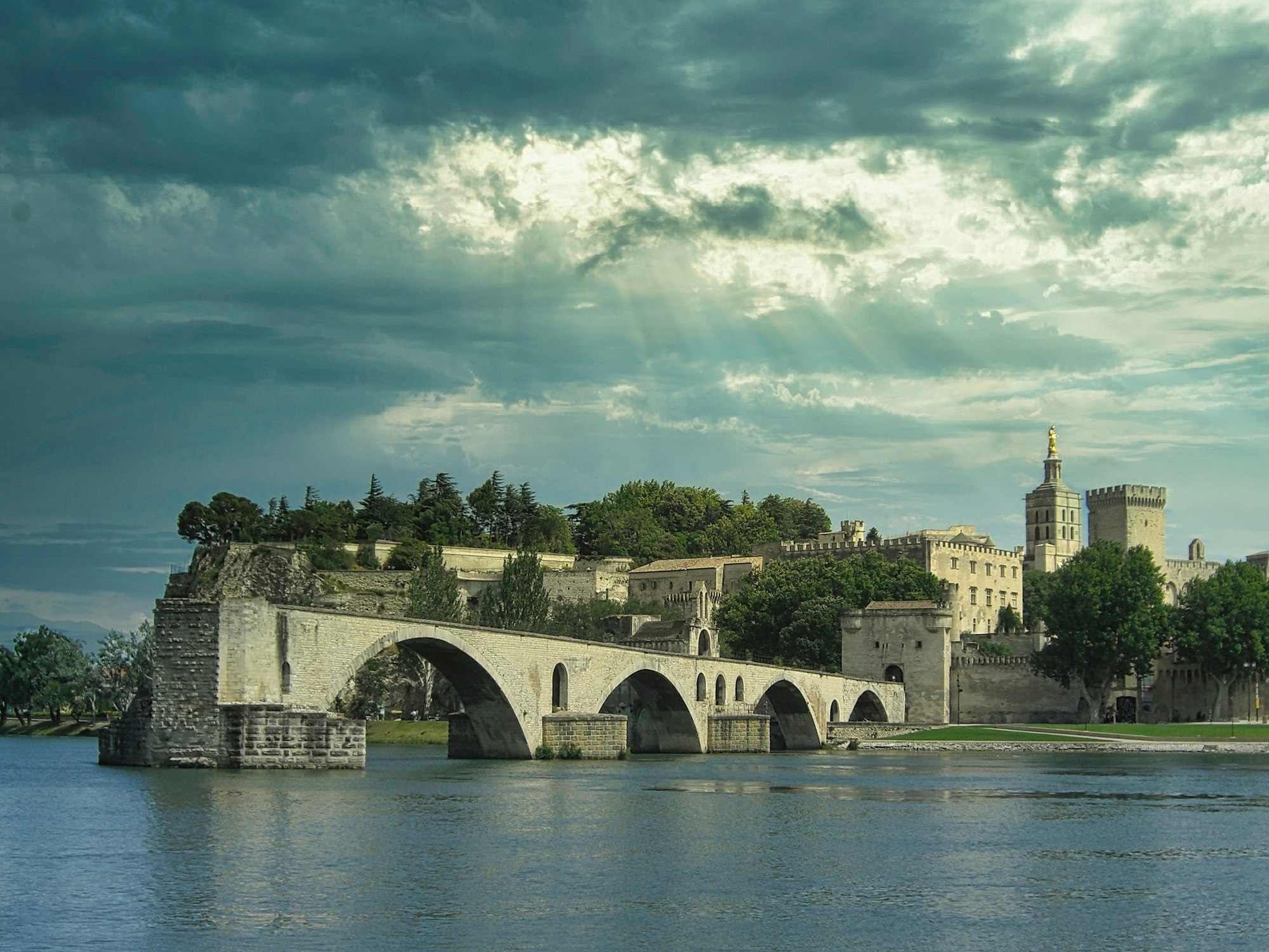
The Palais des Papes, the broken bridge and a garden above the Rhône all sit inside the medieval walls, a short walk apart. It is a town to…
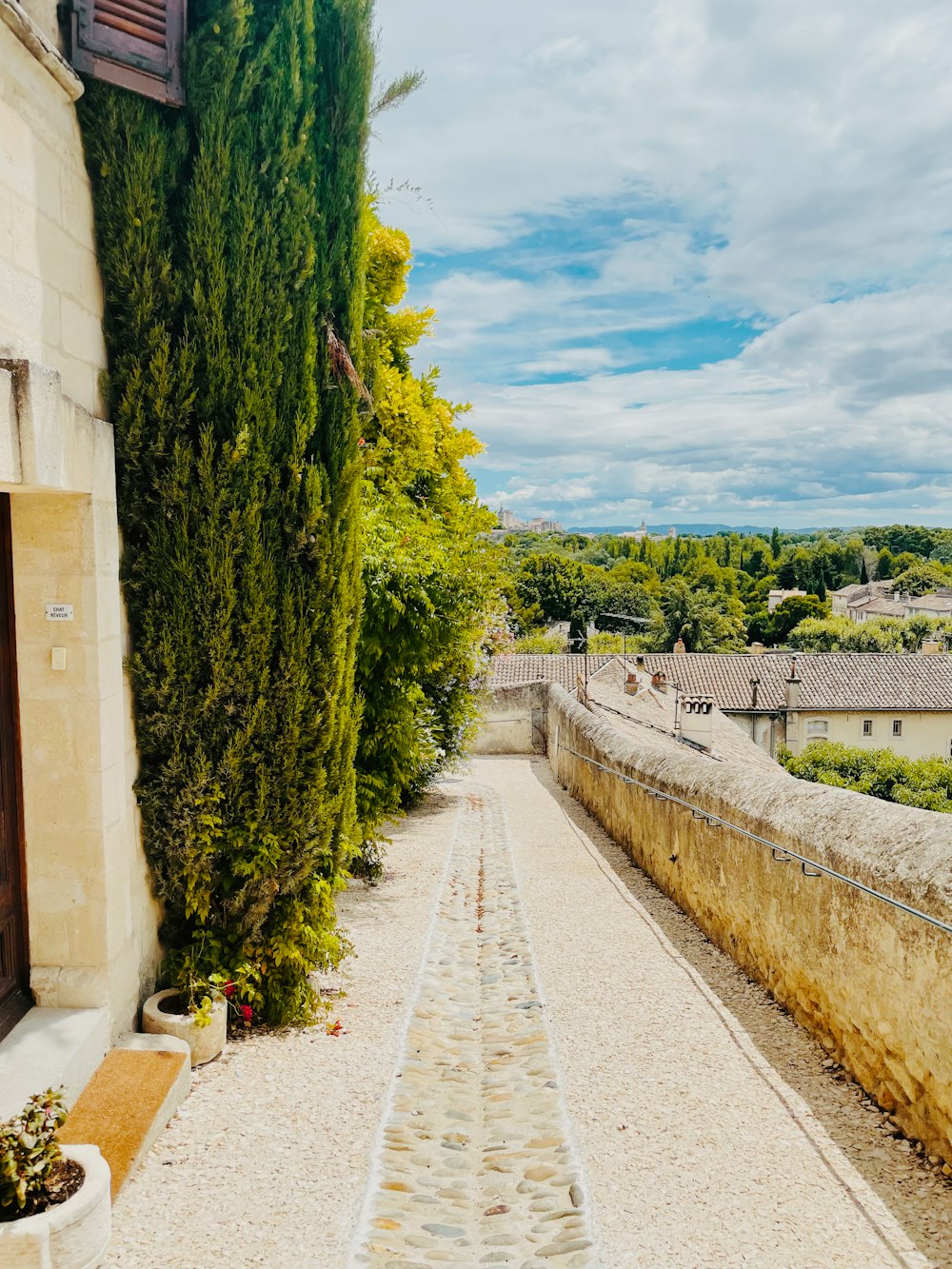
About forty traders fill a covered hall on Place Pie, behind an outside wall planted as a vertical garden. Inside are fishmongers,…
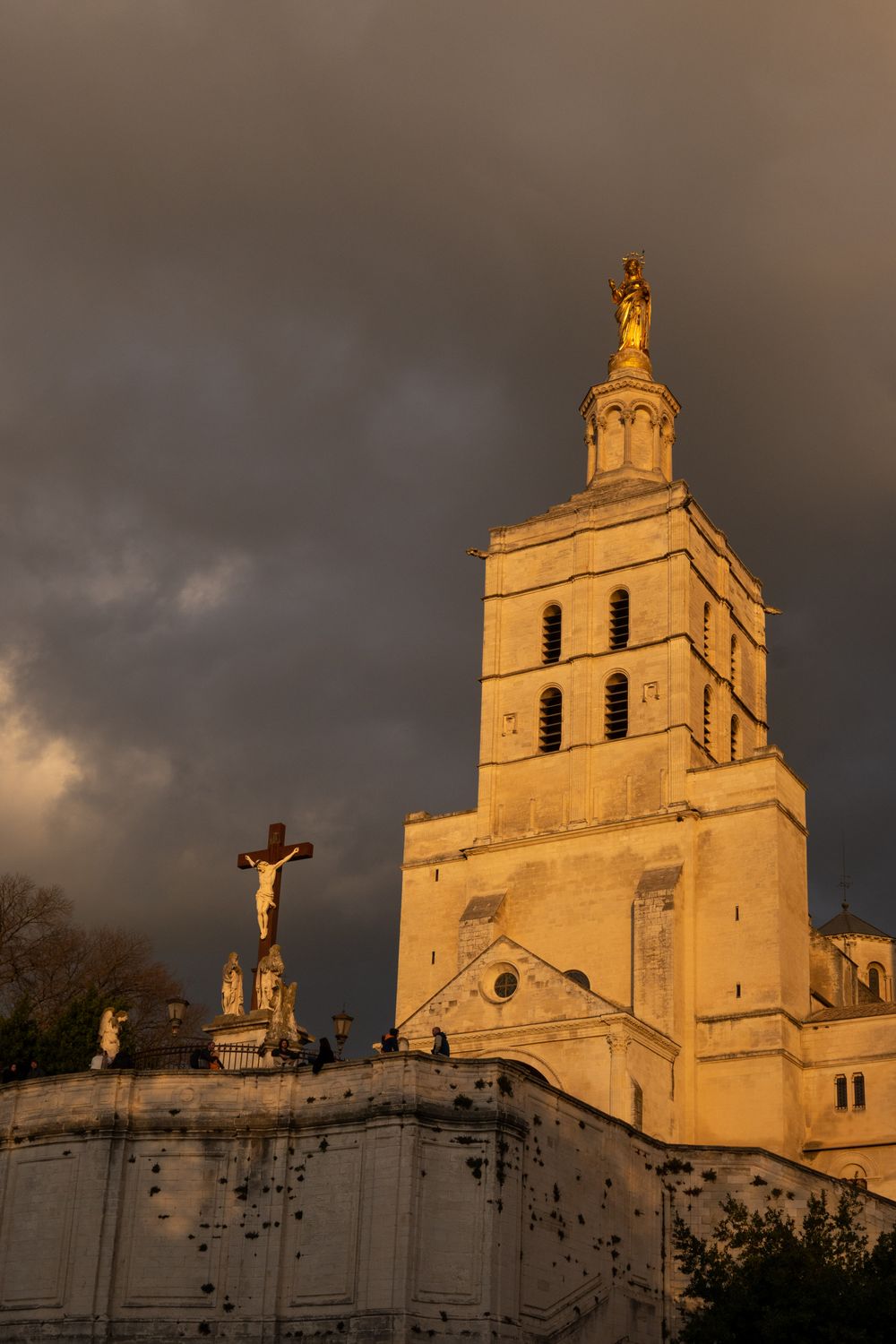
A Romanesque cathedral beside the Palais des Papes, built mostly in the second half of the 12th century, with a gilded Virgin six metres…