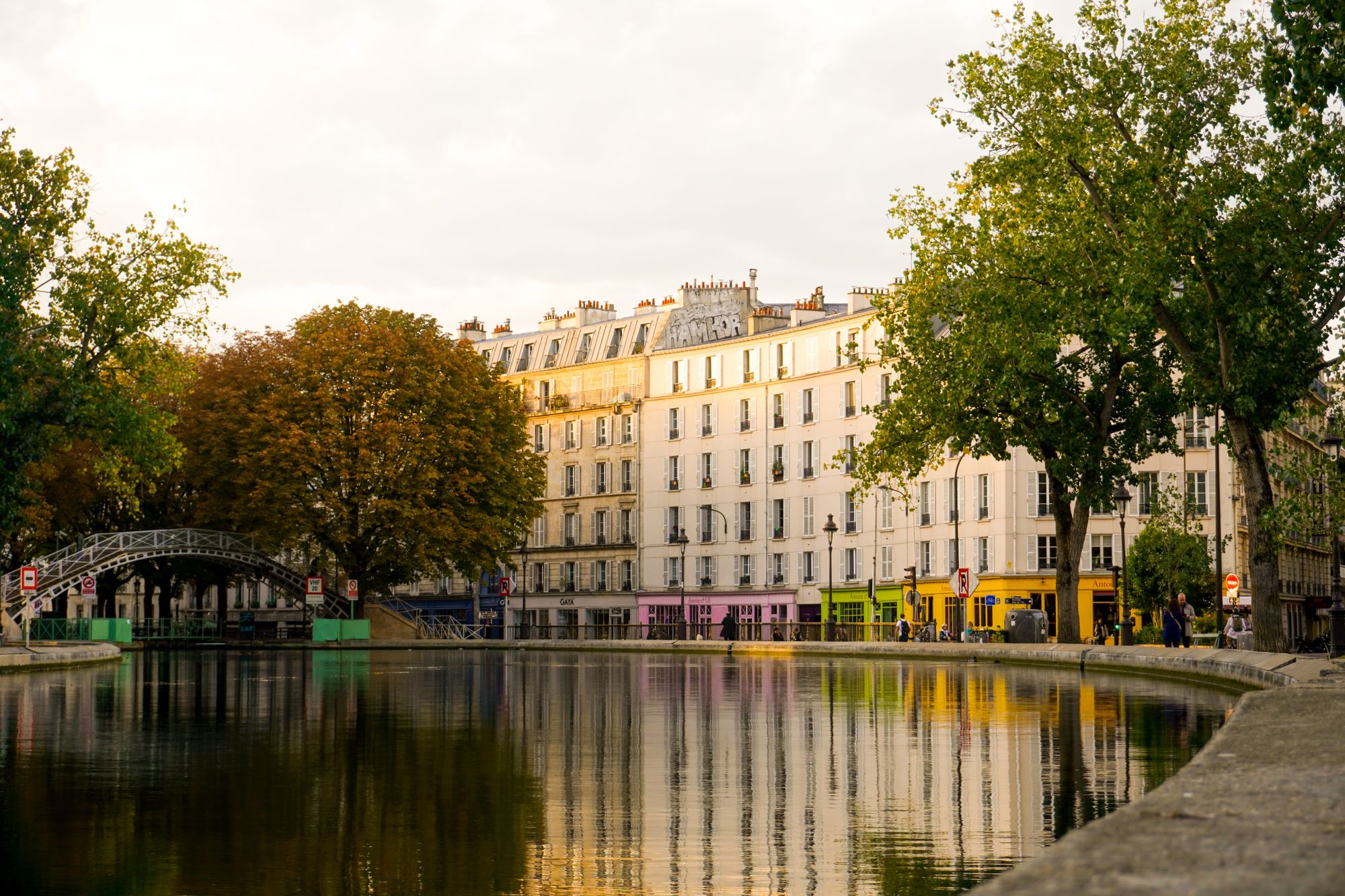
Ninety seconds on Canal Saint-Martin
From the Bassin de la Villette to République, you can walk the open half of this canal over iron footbridges and working locks. Stop on any bridge while a boat goes through and watch the water drop beneath it.
The canal runs 4.5 km from the Bassin de la Villette to the Seine, and 2 km of that is underground. On the way it drops 25 metres, which is why the open stretch climbs down in a series of locks. Two swing bridges open across the water to let boats through.
Look for the Passerelle Richerand, the one footbridge that differs from the rest, carried on two large girders. The first footbridge, at the Villette end, crosses directly over the first lock.
In the 1960s the canal came close to being filled in for an urban motorway. It is now a listed historic monument, with passenger boats working the locks.
Chestnut and plane trees more than a century old shade the quays, and graffiti is visible along the water. The Hôtel du Nord, on the Quai de Jemmapes, shares its name with a 1938 film set on this canal, though most of it was shot in a studio. The film Amélie also sets scenes here.
There are two quays to walk, one on each bank, and both start at the La Villette end by the double lock near Place de Stalingrad, where the basin water enters the canal. Head south with the Quai de Valmy on one side and the Quai de Jemmapes on the other, crossing on the footbridges as you go.
Each crossing means climbing one flight of steps and coming down another, so plan your crossings if you are pushing a pram. Stop wherever a lock is working: the gates shut, the water level changes and the boat moves on to the next one.
The walk ends near Place de la République at the Passerelle des Douanes, where the canal disappears into its tunnels towards the Seine. You can only see that part from a cruise.
Take a cruise if you want to see the underground half, because no path follows it. Licensed operators run the full length between the Bassin de la Villette and Bastille, in either direction, through the locks, the swing bridges and the tunnels.
The whole trip takes about two and a half hours, since boats on the city's waterways are held to a strict speed limit. Buy tickets from the operator, and check which end your date departs from before you set out.
Come on a warm evening, when picnickers fill the tree-lined banks between the Quai de Valmy and the Quai de Jemmapes. Shop first: the streets around the canal have cheese, charcuterie and wine shops, and the covered Marché Couvert Saint-Martin sits nearby.
On a Sunday morning, go to the Marché Saint-Quentin for fresh produce, then carry it down to the water. Cafes, brasseries, galleries and small shops line the quays if you would rather sit indoors.
Explore the rest of Paris
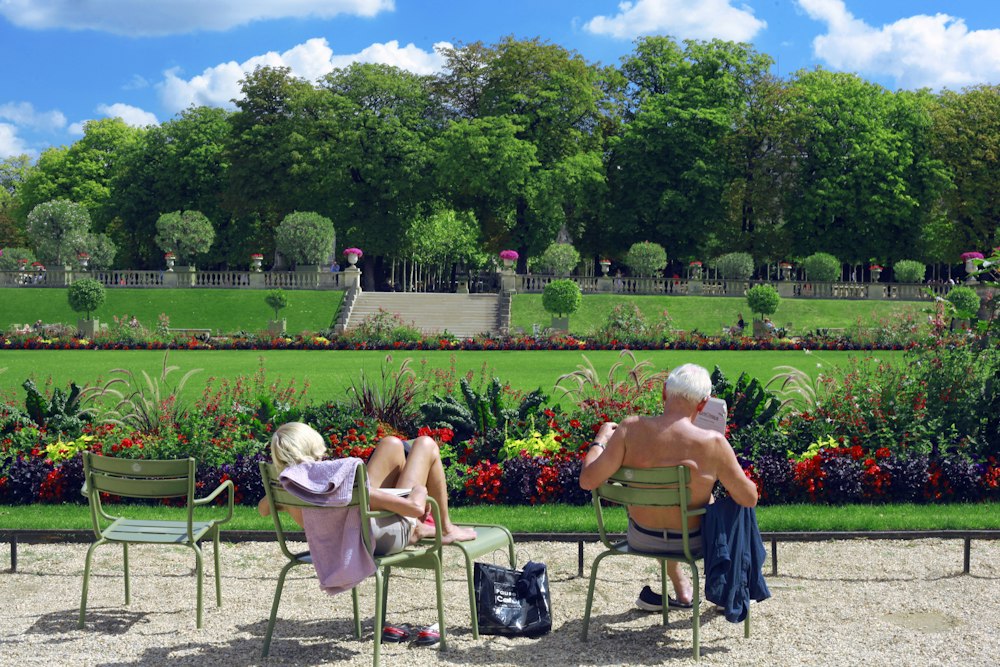
The botanical garden of 1635 on the Left Bank, with the Natural History Museum's Grande Galerie de l'Évolution, the greenhouses and the…
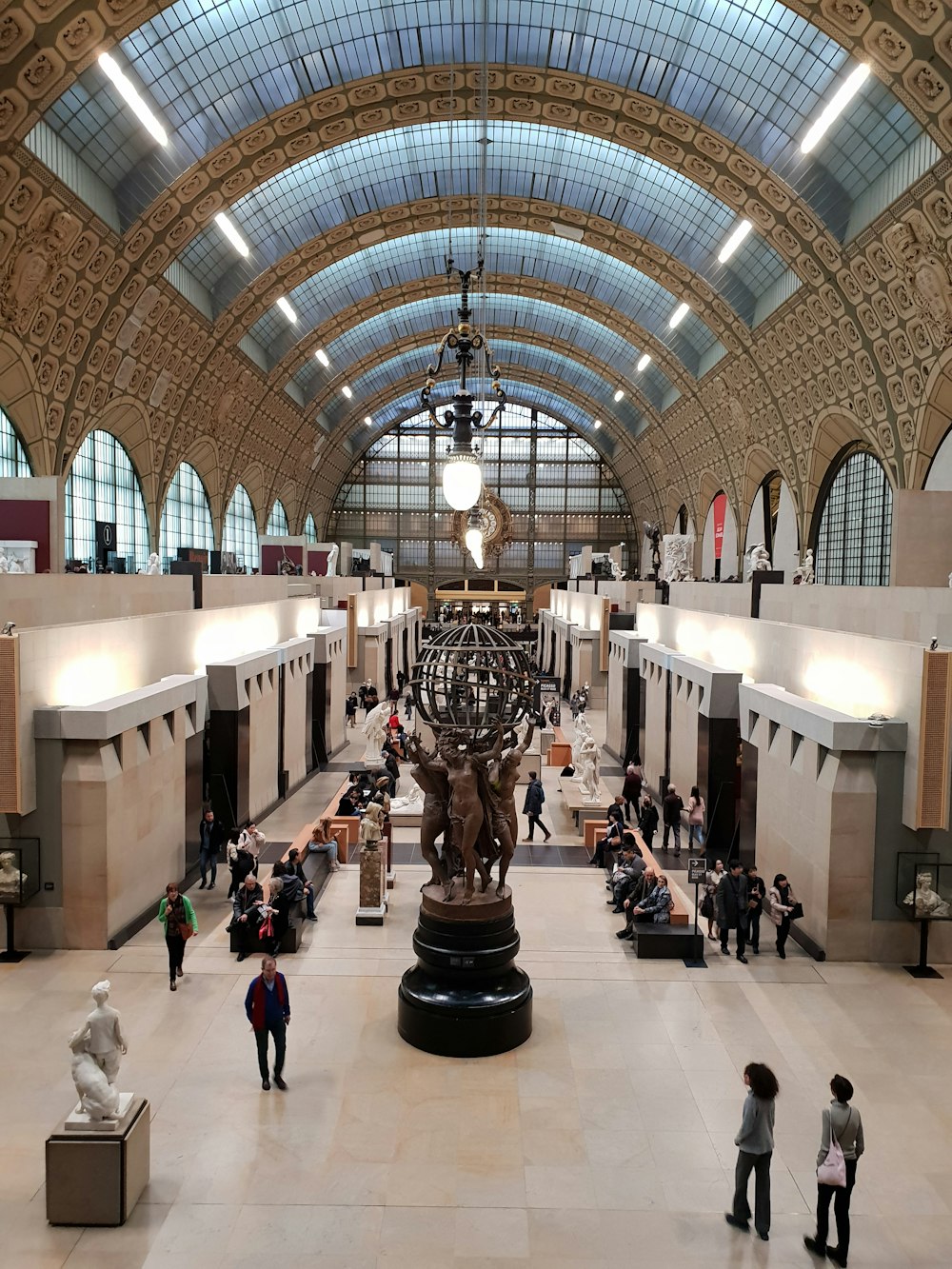
The city history museum occupies two connected Marais mansions and covers Paris from prehistory to the present, with French Revolution…
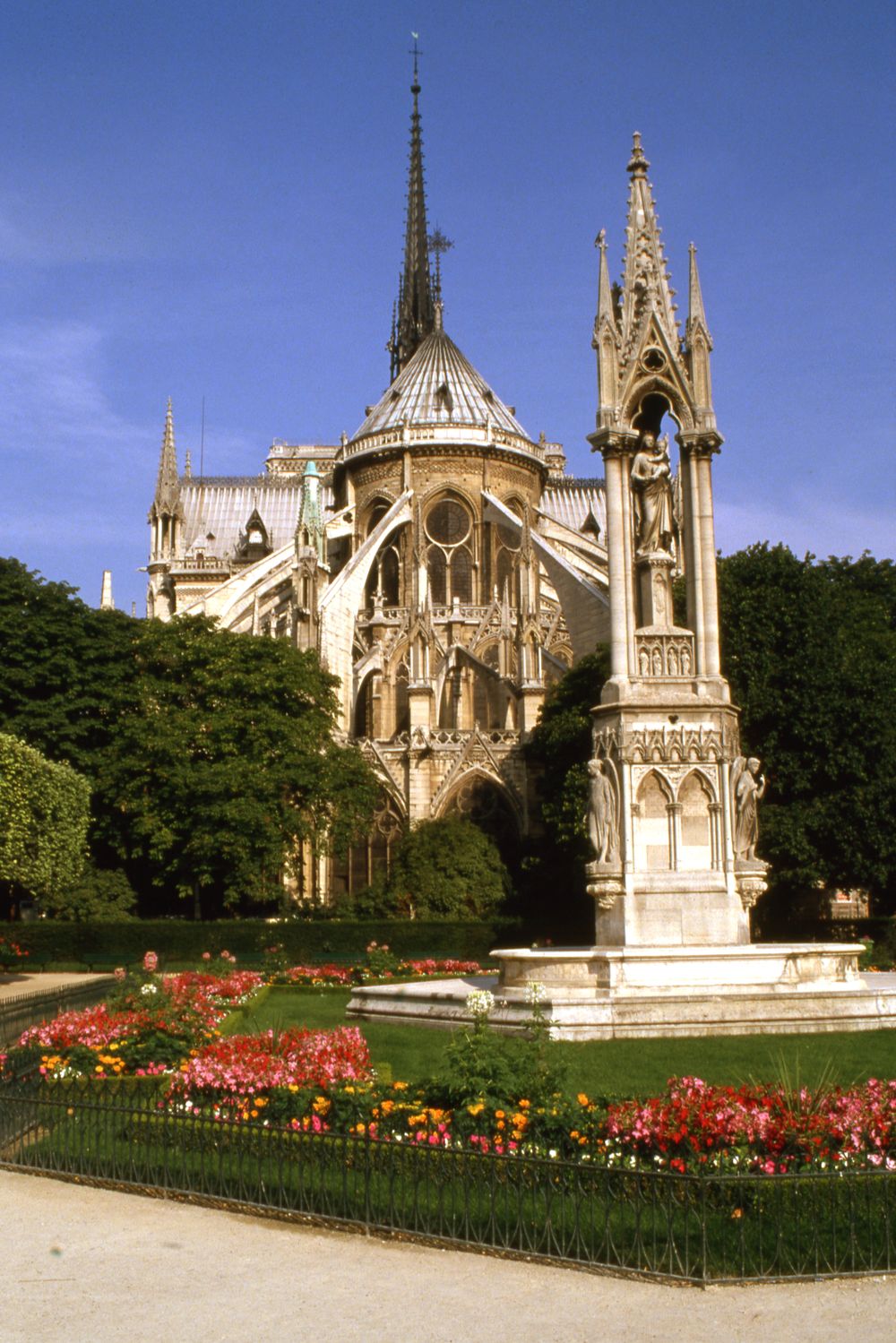
A Gothic cathedral on the Île de la Cité, known for its rose windows and flying buttresses. It reopened in December 2024 after the 2019…